
Remedies and care
What do you want to achieve?
Type what you need (“root cuttings”, “more potassium”, “aphids”) or pick what you have at home. Each remedy tells you honestly whether it is well established, whether it only works in practice or whether it is a myth.
148 remedies with step by step instructions and precautions
I have at home… (tick what you have and I will show what you can prepare)
148 remedies

Willow water for rooting cuttings
An infusion of young willow twigs that helps cuttings put out roots.
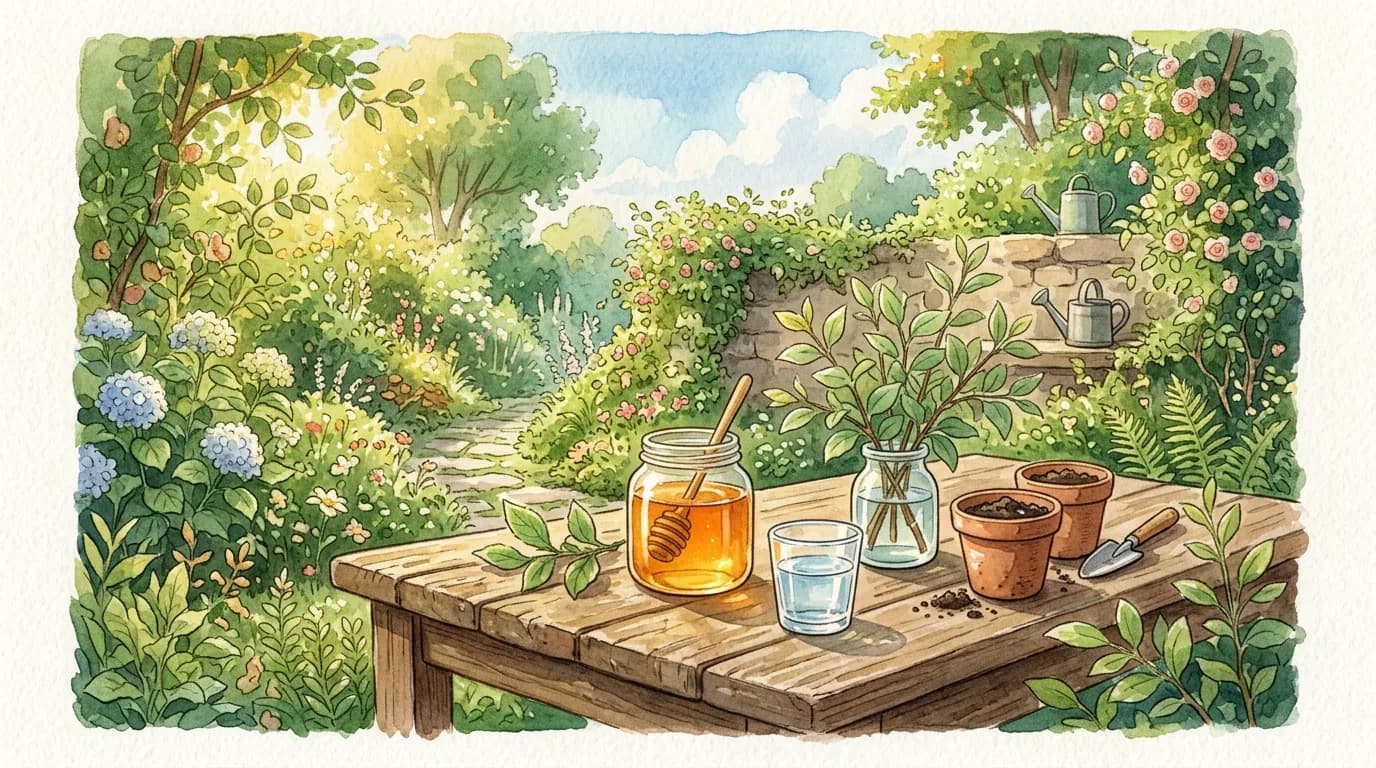
Honey as an aid for rooting cuttings
Water with a little honey to dip the base of cuttings: it protects the cut and may help in some species.
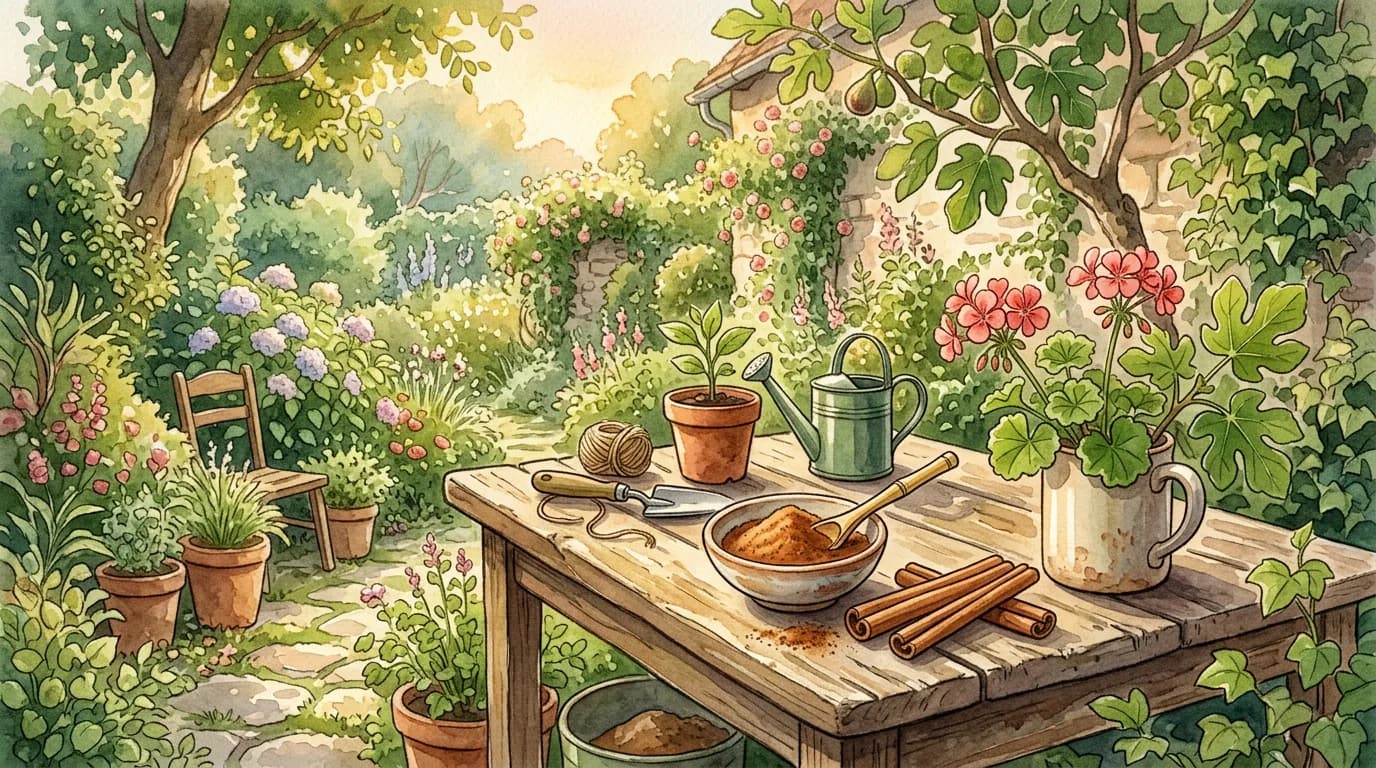
Ground cinnamon to protect cuttings from fungi
A little ground cinnamon on the base of the cutting helps stop it rotting while it puts out roots.

Aloe vera gel for rooting cuttings
Fresh gel from an aloe leaf diluted in water acts as a gentle rooting aid and protects the cut.
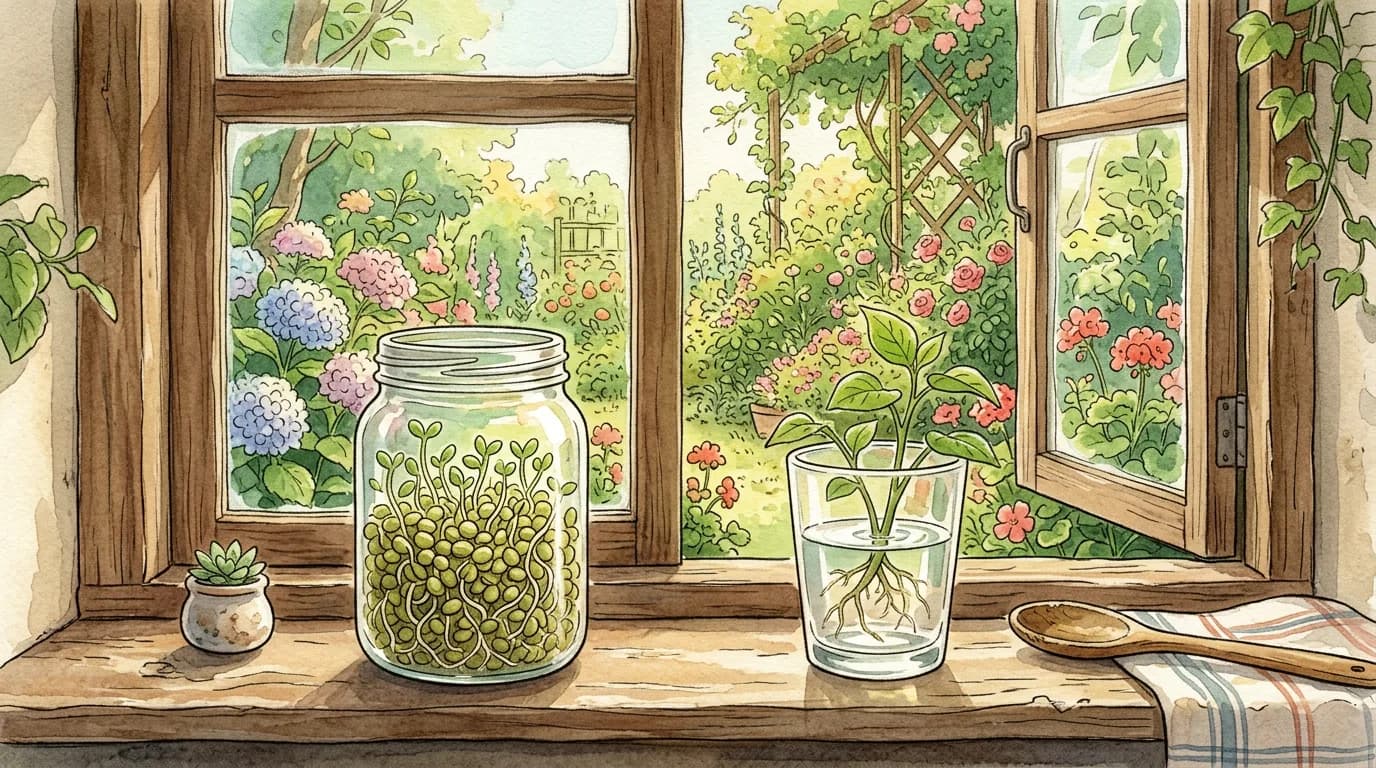
Myth: sprouted lentil water as a rooting hormone
It circulates as a homemade hormone, but there is no evidence that it works and it ferments easily.
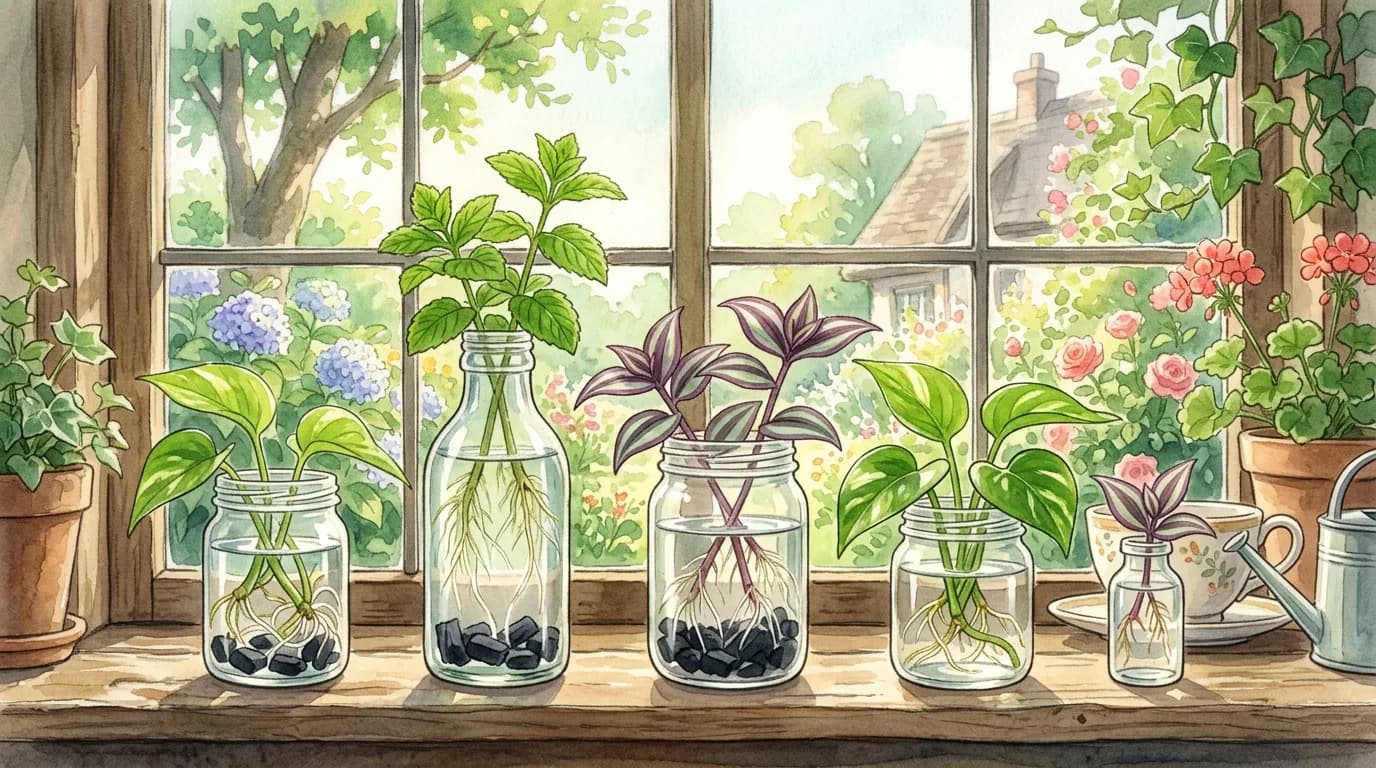
Cuttings in water with charcoal
A small piece of charcoal in the glass keeps the water cleaner while the cutting roots.
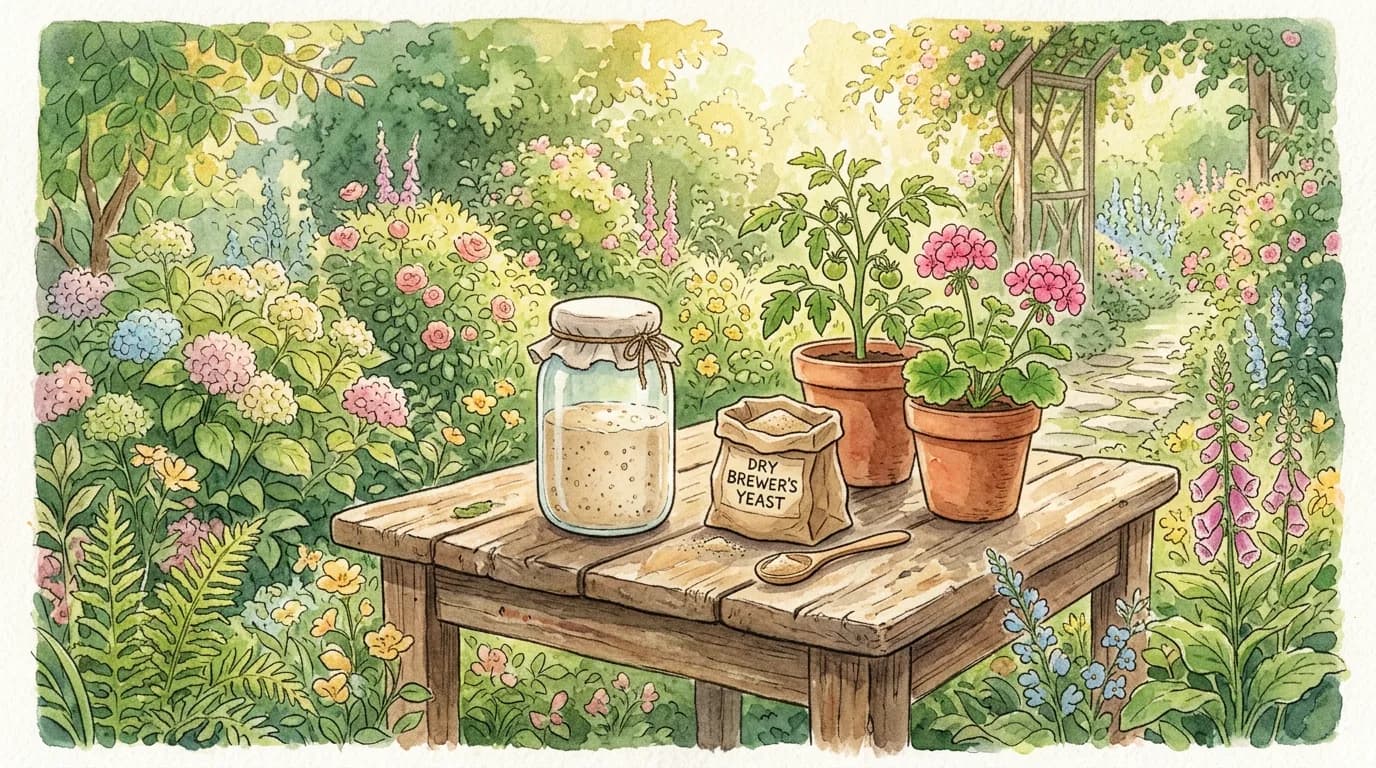
Yeast as a rooting stimulant
Water with a little yeast to dip the base of cuttings; modest support with some experimental backing.
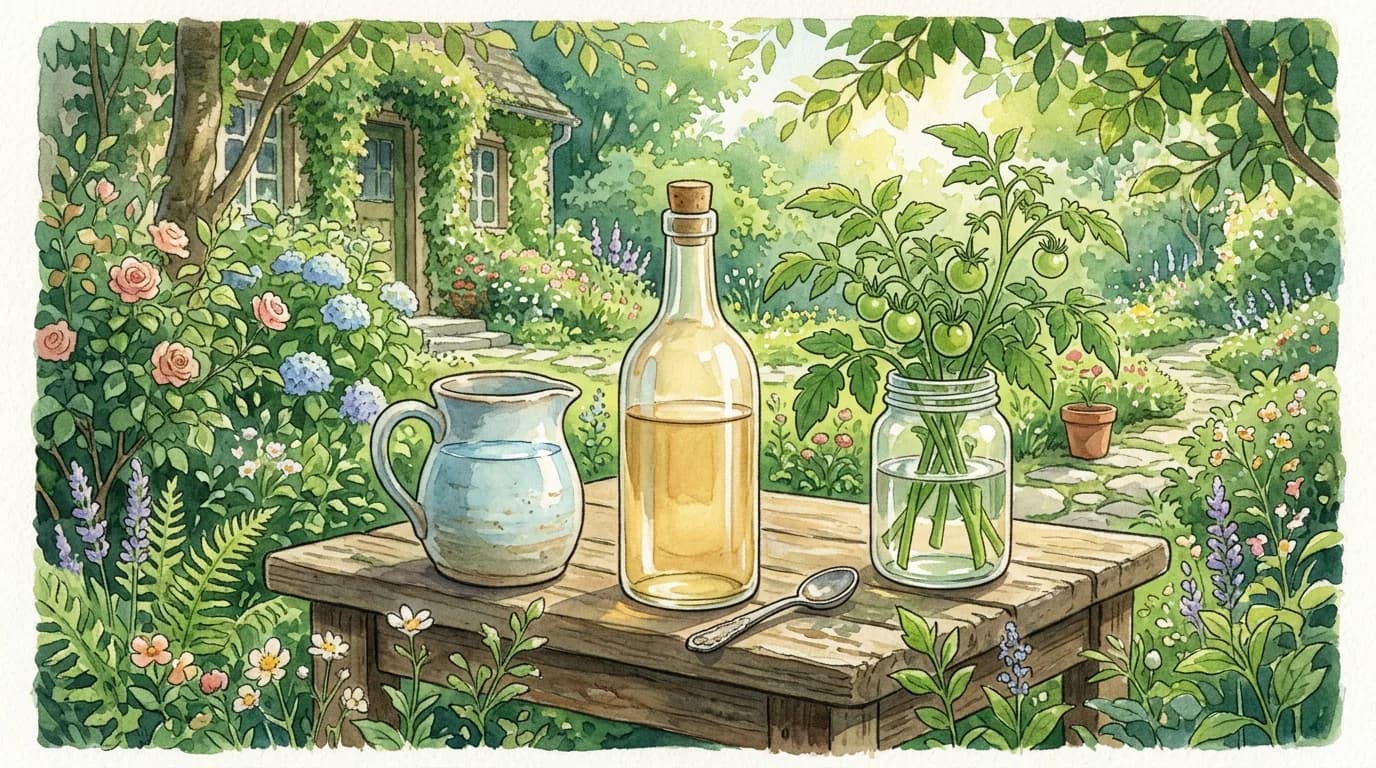
Very diluted apple cider vinegar for rooting
A dash diluted in the soaking water is used as a homemade stimulant, but too much burns the cut.
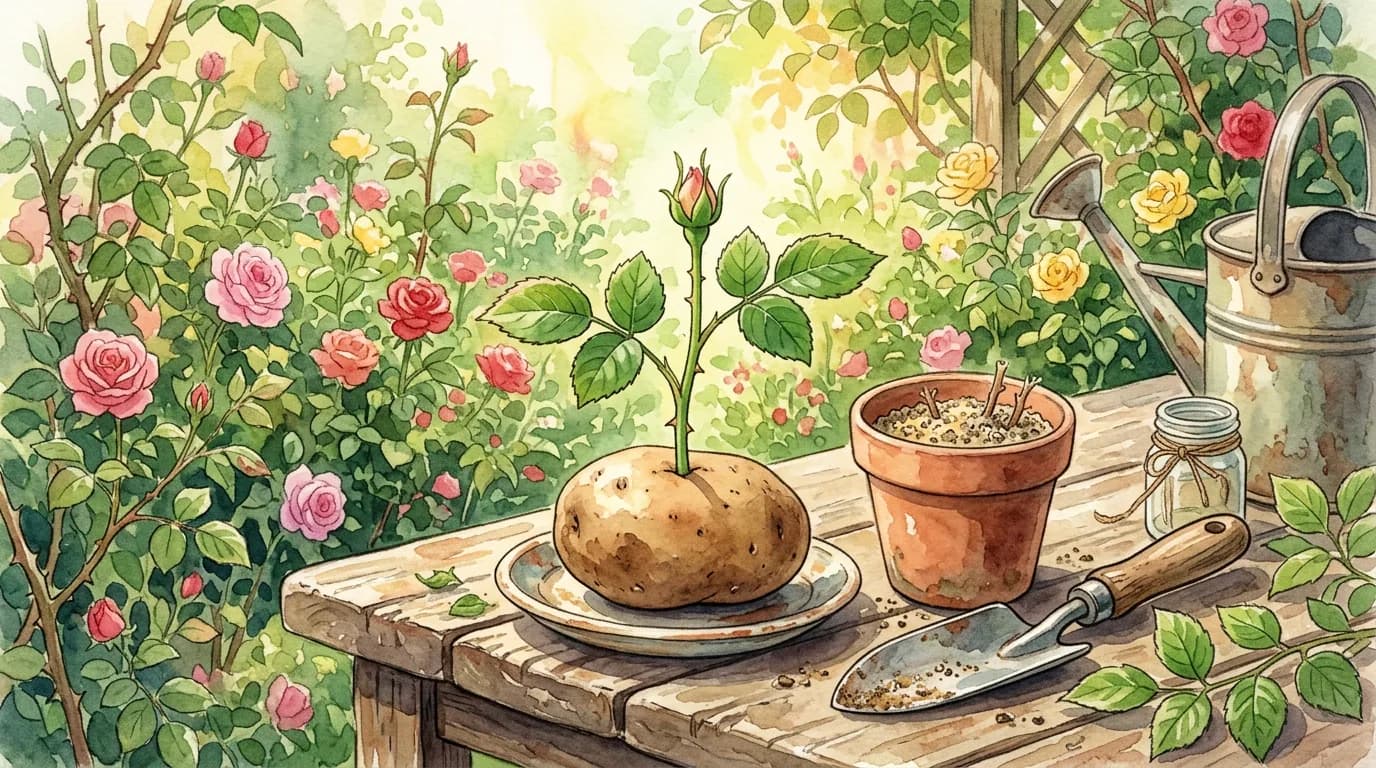
Myth: rose cutting pushed into a potato
The viral potato trick is not necessary: the cutting roots just as well (or better) without it.

Does turmeric work as a rooting aid?
It is used as an antifungal to seal cuts, but it is not a hormone and does not stimulate roots.
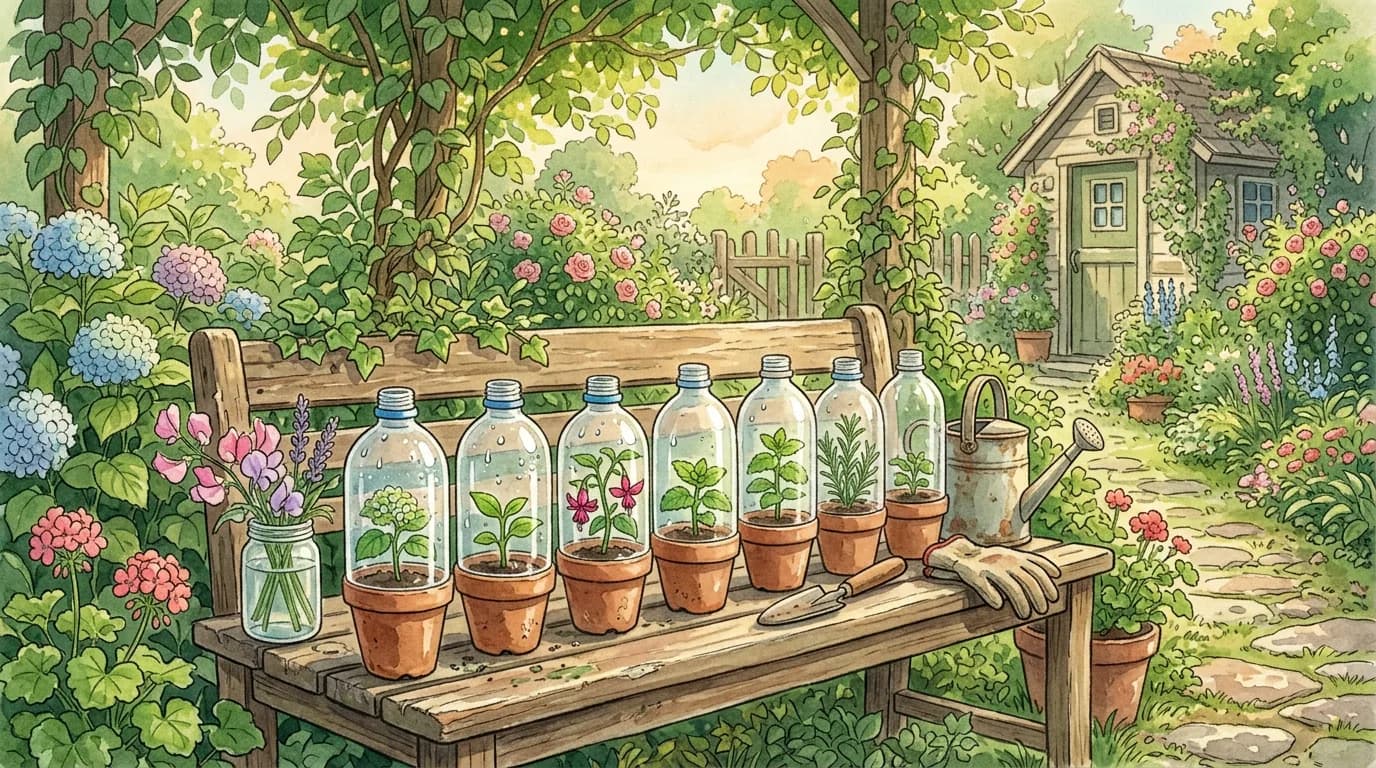
Plastic bottle as a mini greenhouse for cuttings
A cut-down bottle keeps the humidity around the cutting until it roots.
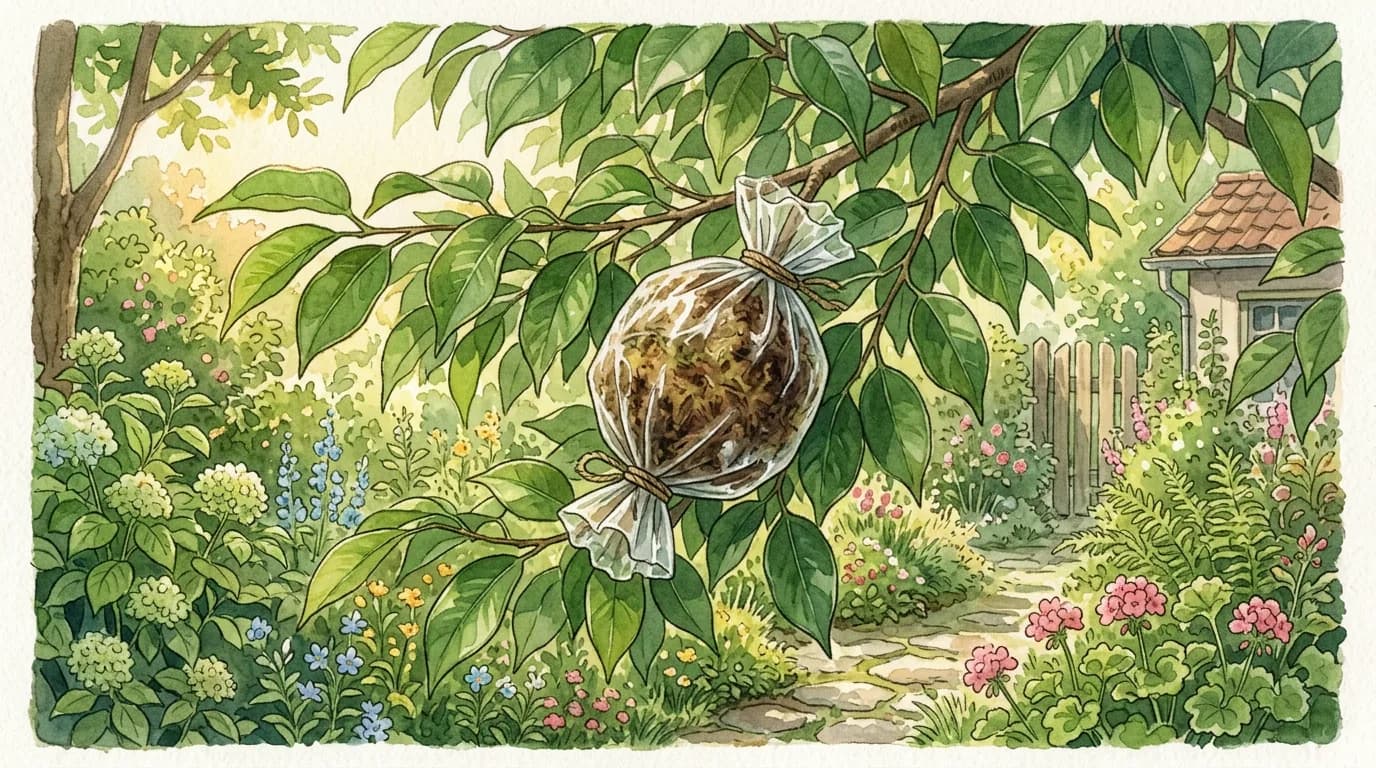
Air layering with moss and clear film
Getting a branch to form roots without separating it from the mother plant, wrapped in damp moss.

Myth: aspirin as a rooting hormone
It is confused with willow water, but an aspirin tablet does not stimulate roots.
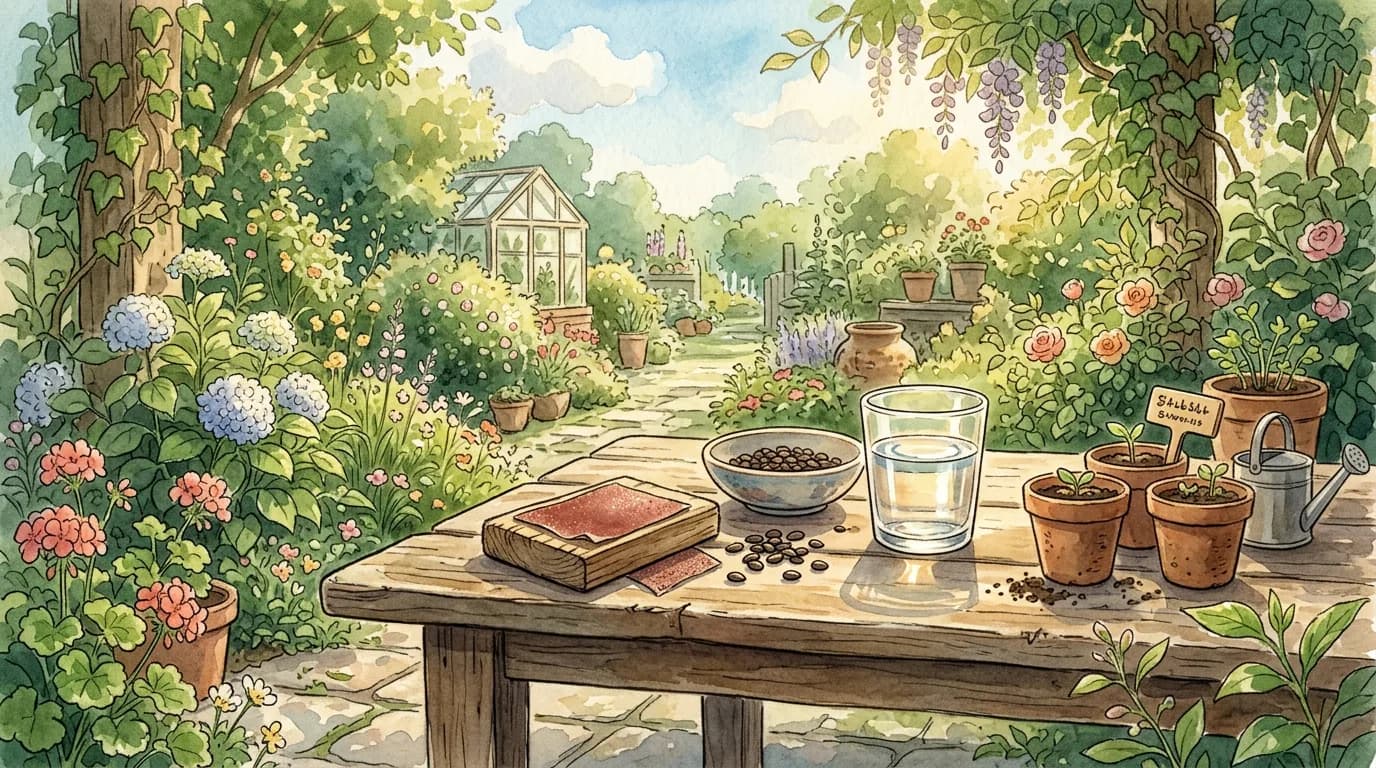
Scarifying hard seeds with sandpaper
Scratching the coat of very hard seeds so they absorb water and germinate.
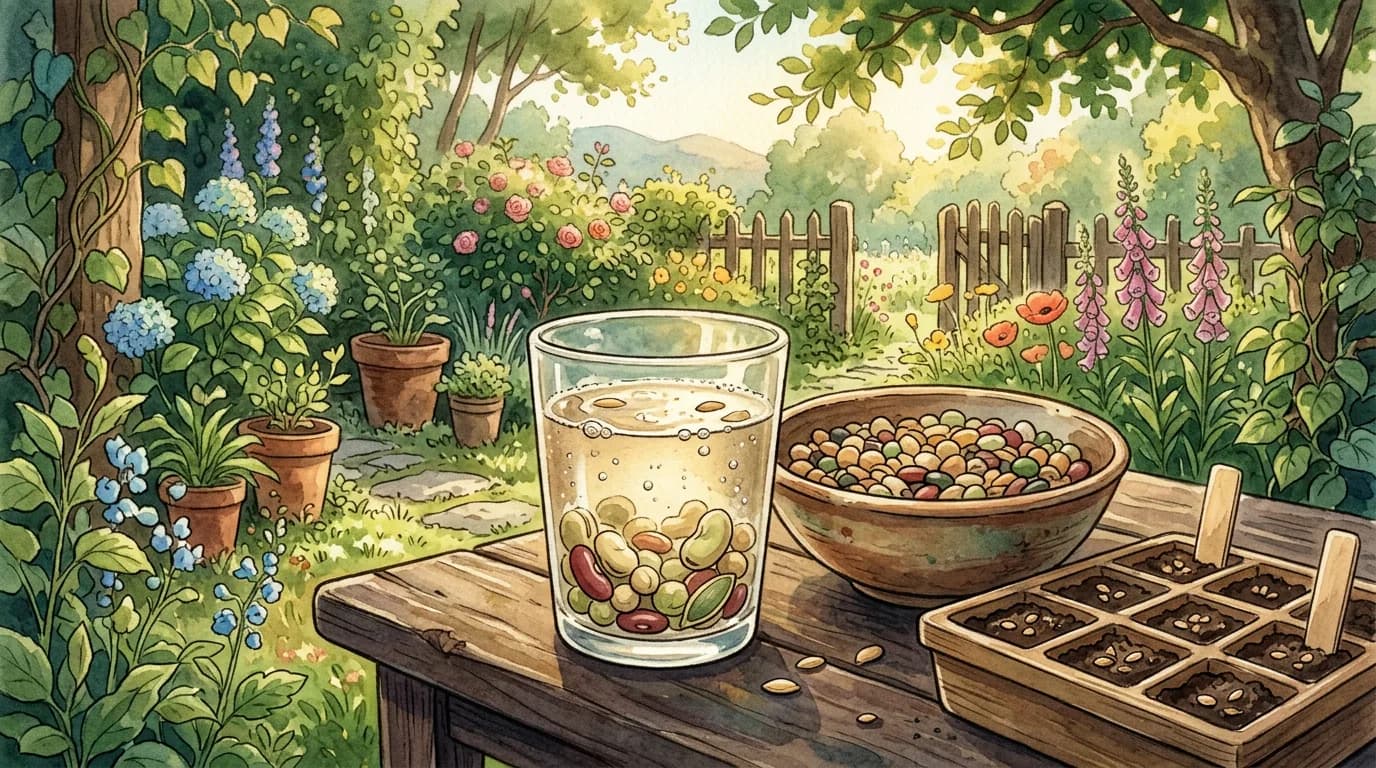
Soaking seeds in lukewarm water before sowing
Hydrating seeds for a few hours speeds up germination in thick-coated ones.
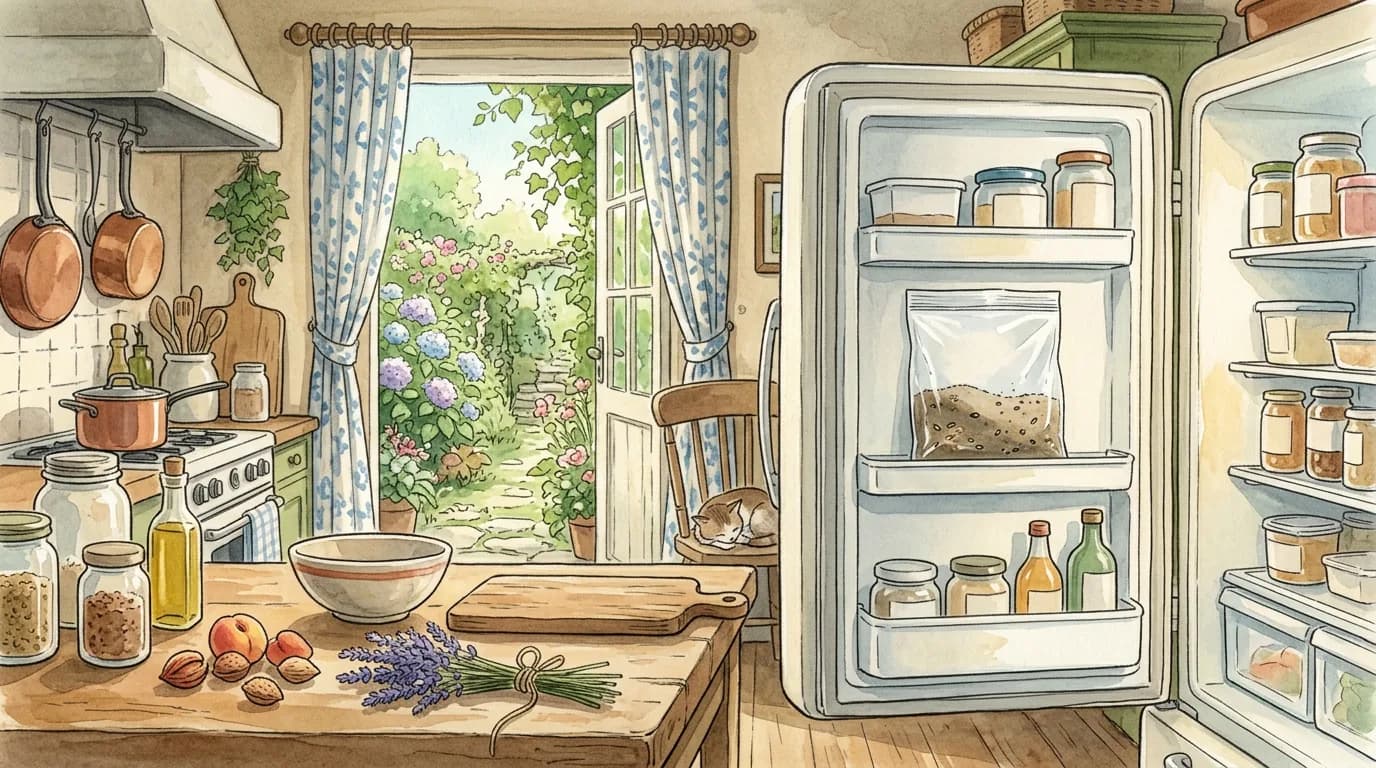
Stratification in the fridge for seeds that need cold
Simulating winter in the fridge so that seeds of fruit trees and cold-climate plants germinate.
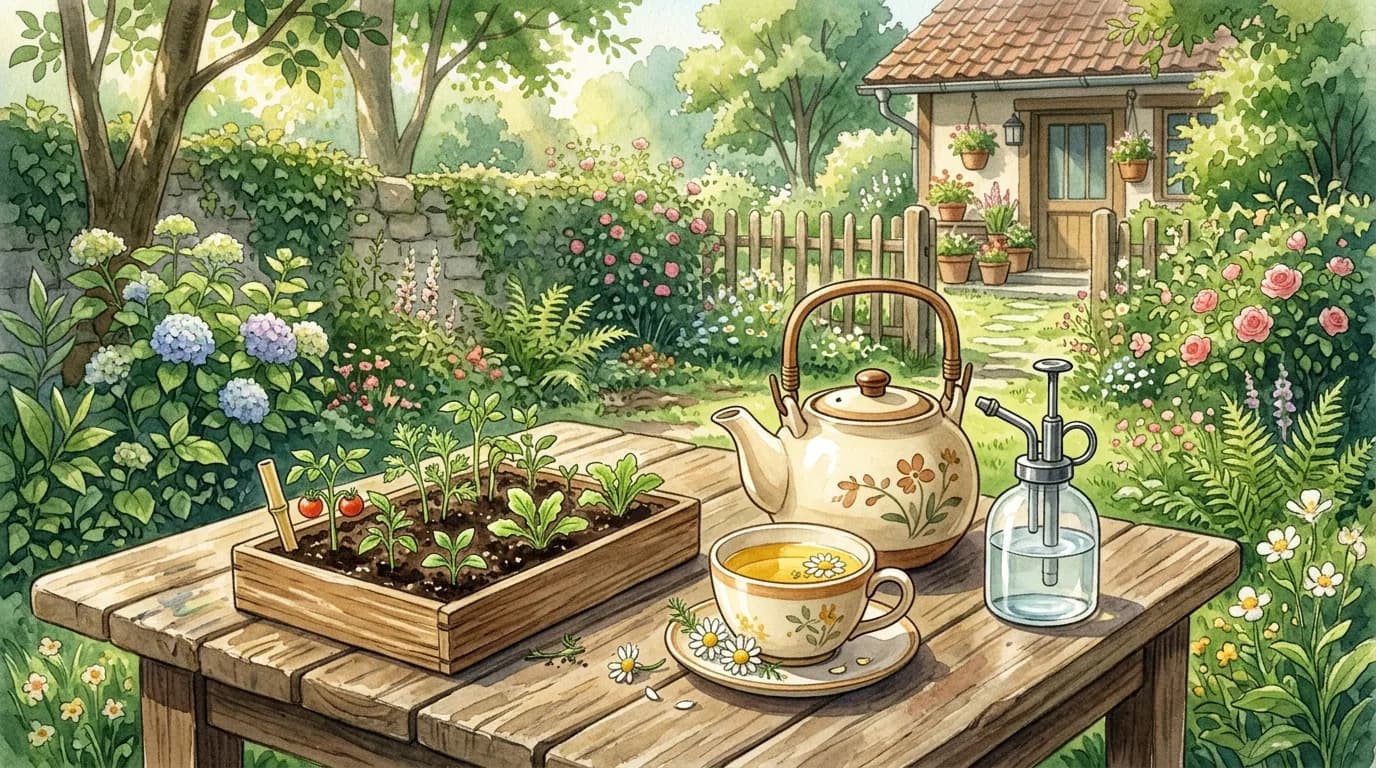
Chamomile infusion in the seed tray against fungi
A mild chamomile infusion is used to prevent seedlings from collapsing, although its effectiveness is little studied.
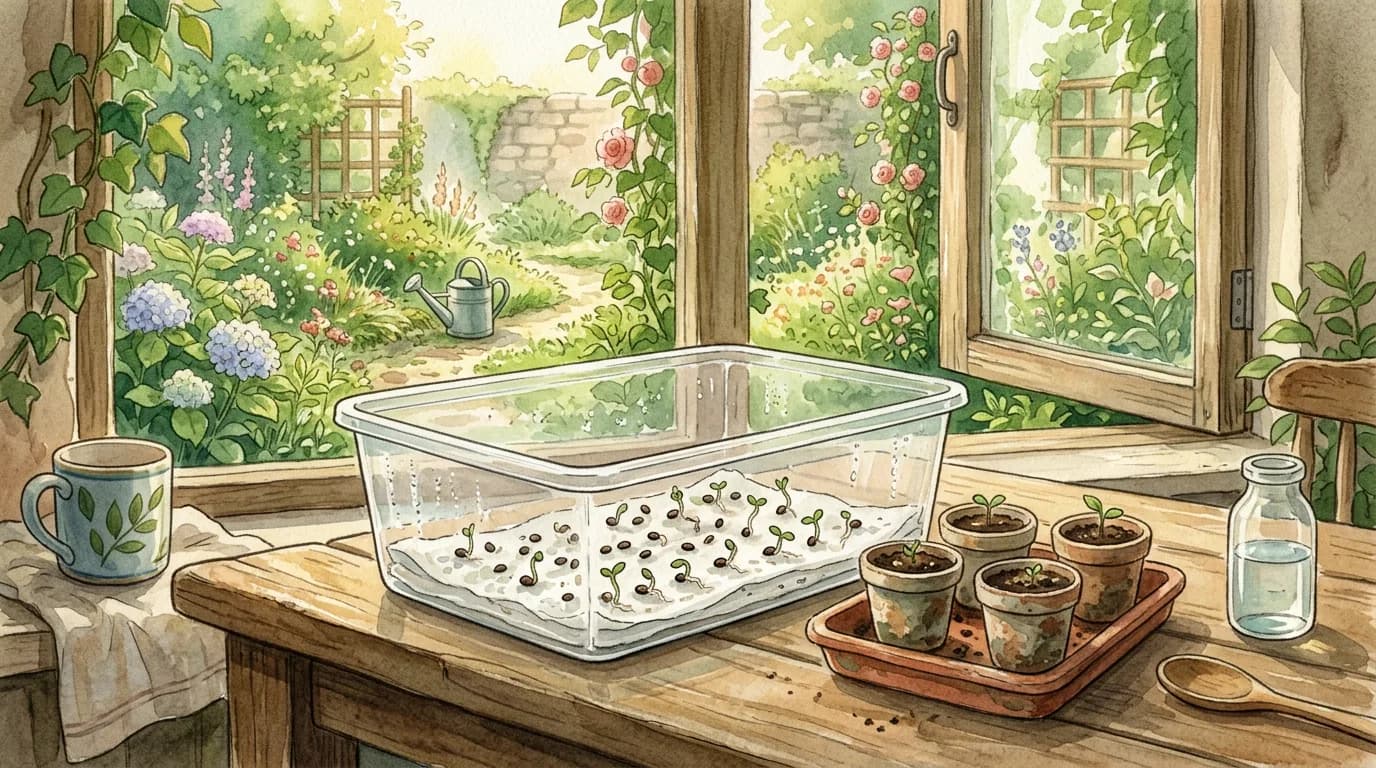
Kitchen paper germinator
Checking whether seeds are alive and getting germination going between two damp sheets of paper.
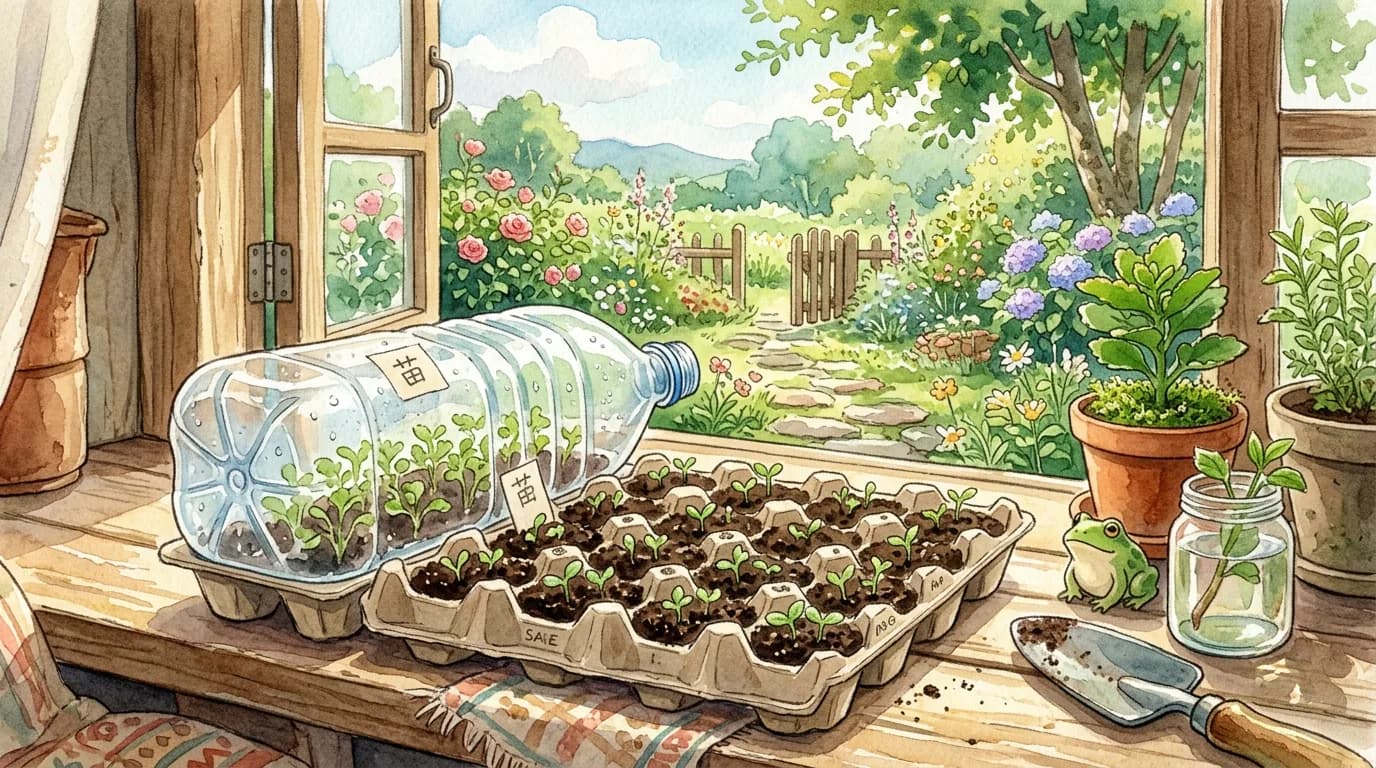
Mini greenhouse seed tray with an egg carton and a bottle
A cardboard egg carton and half a bottle make a damp, warm seed tray from recycled material.
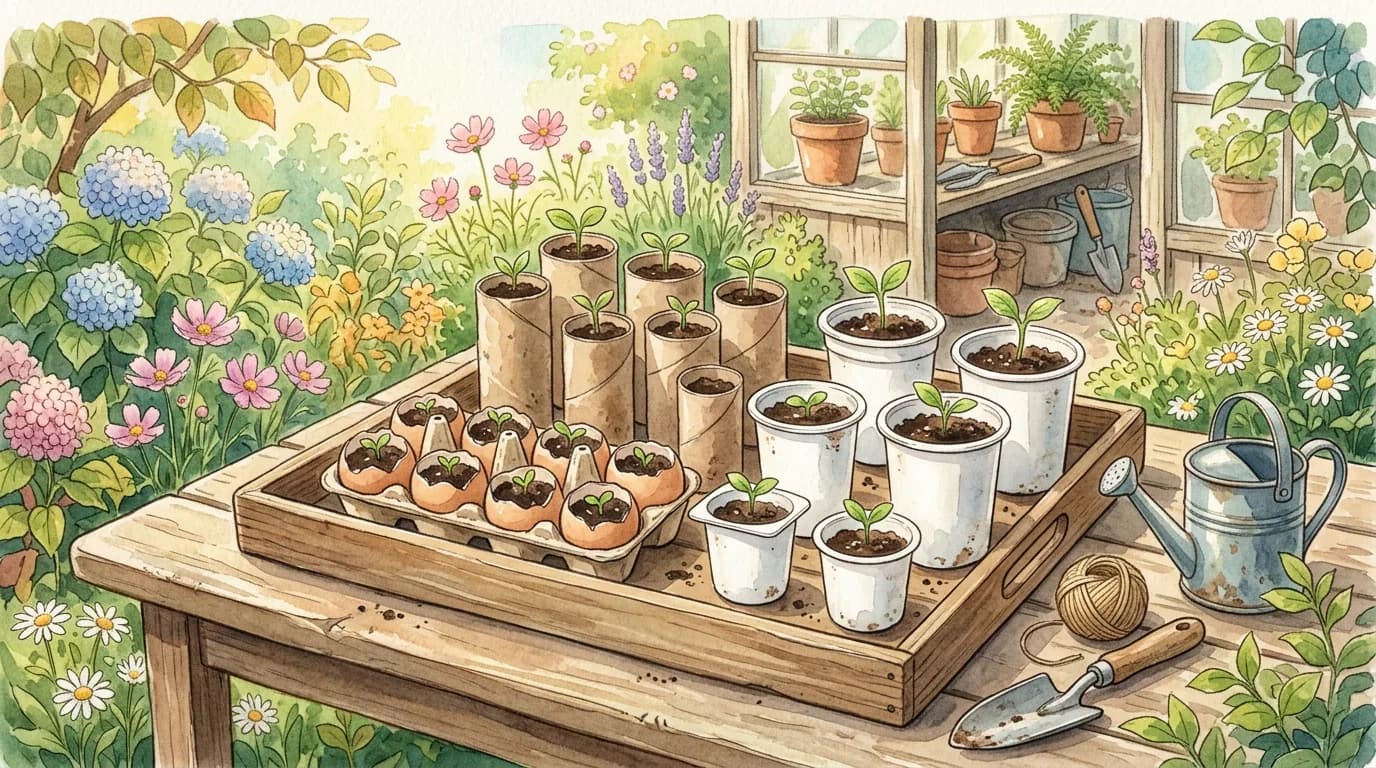
Seed pots from eggshells, toilet roll tubes or yoghurt pots
Recycled containers as little seed pots; the tube is transplanted whole, the eggshell has to be cracked.
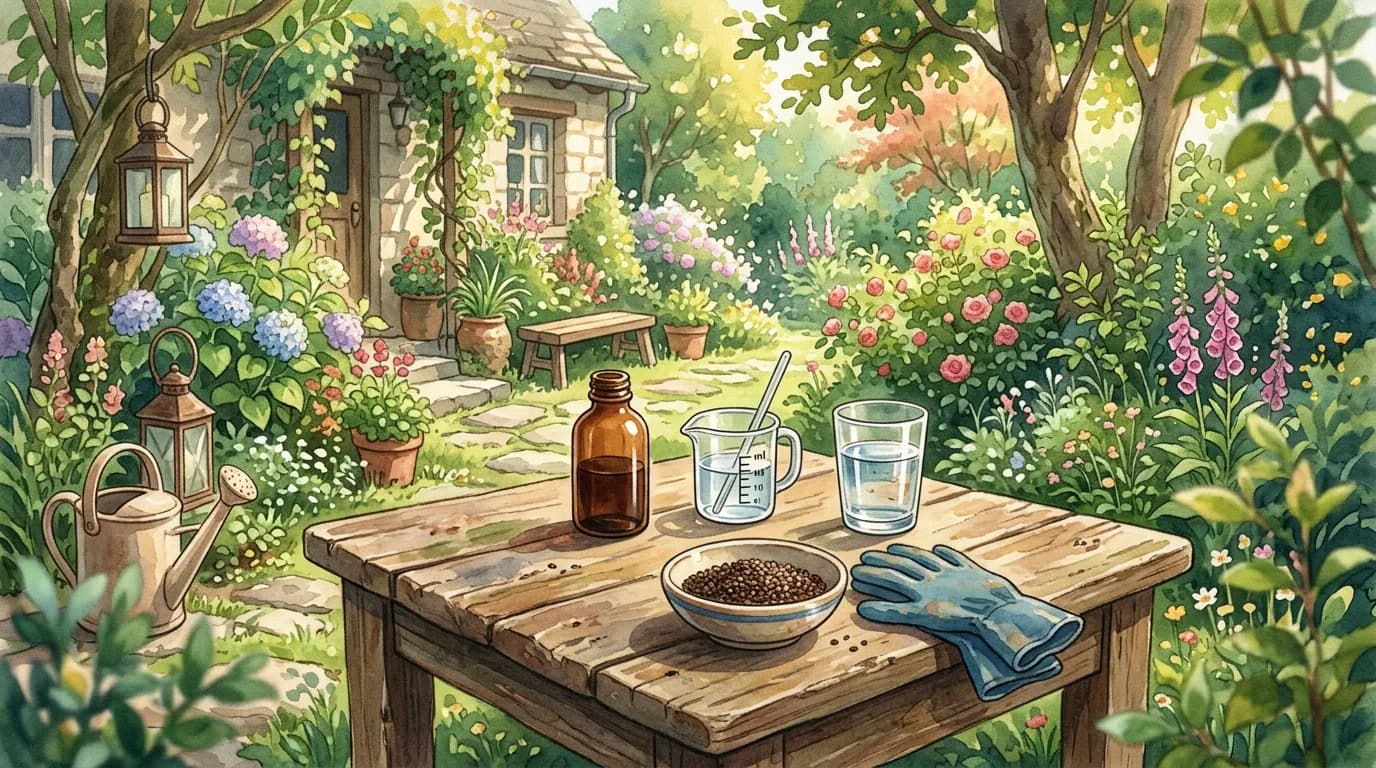
Diluted hydrogen peroxide to treat seeds
A short bath in very diluted hydrogen peroxide can help clean seeds and stimulate germination.
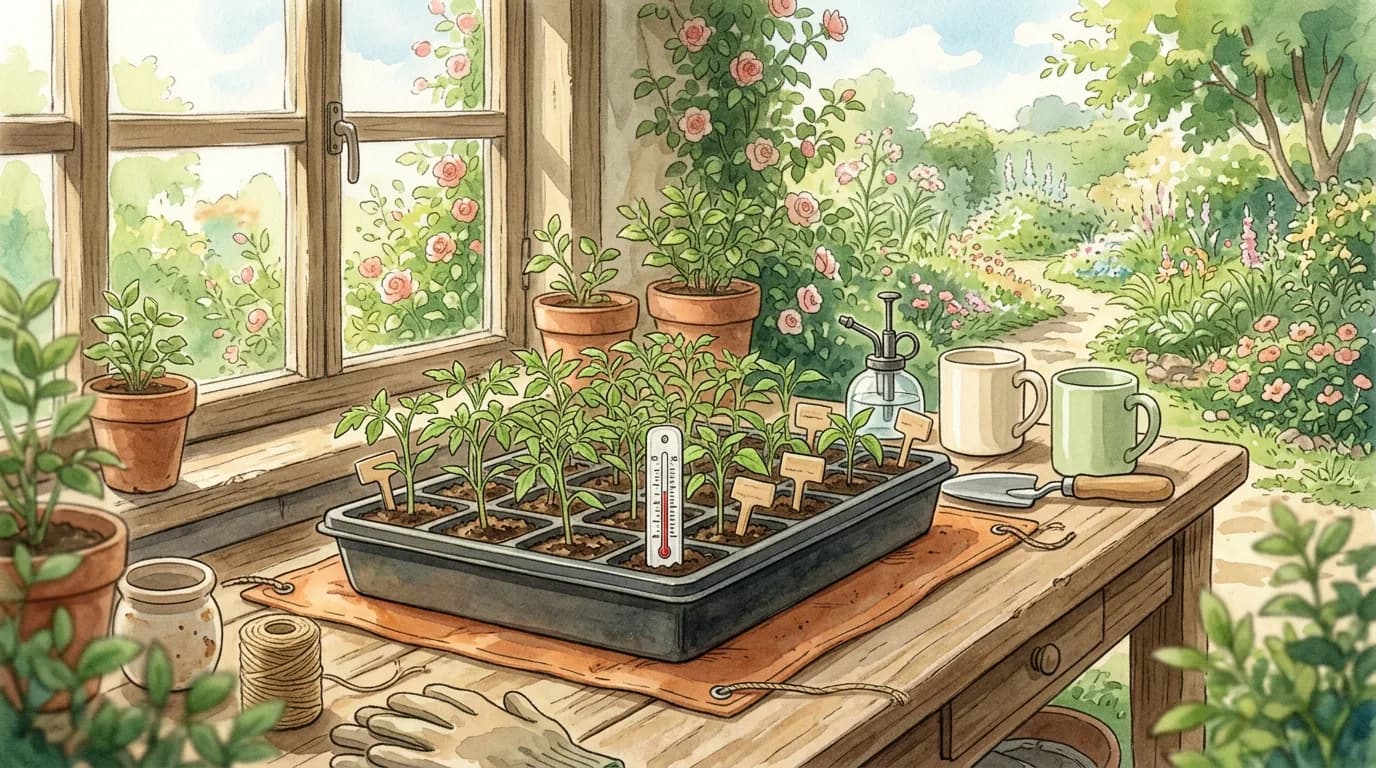
Gentle warmth for germination: on top of the fridge or on a heat mat
Summer seeds germinate sooner with constant warmth, but a direct radiator can scorch them.
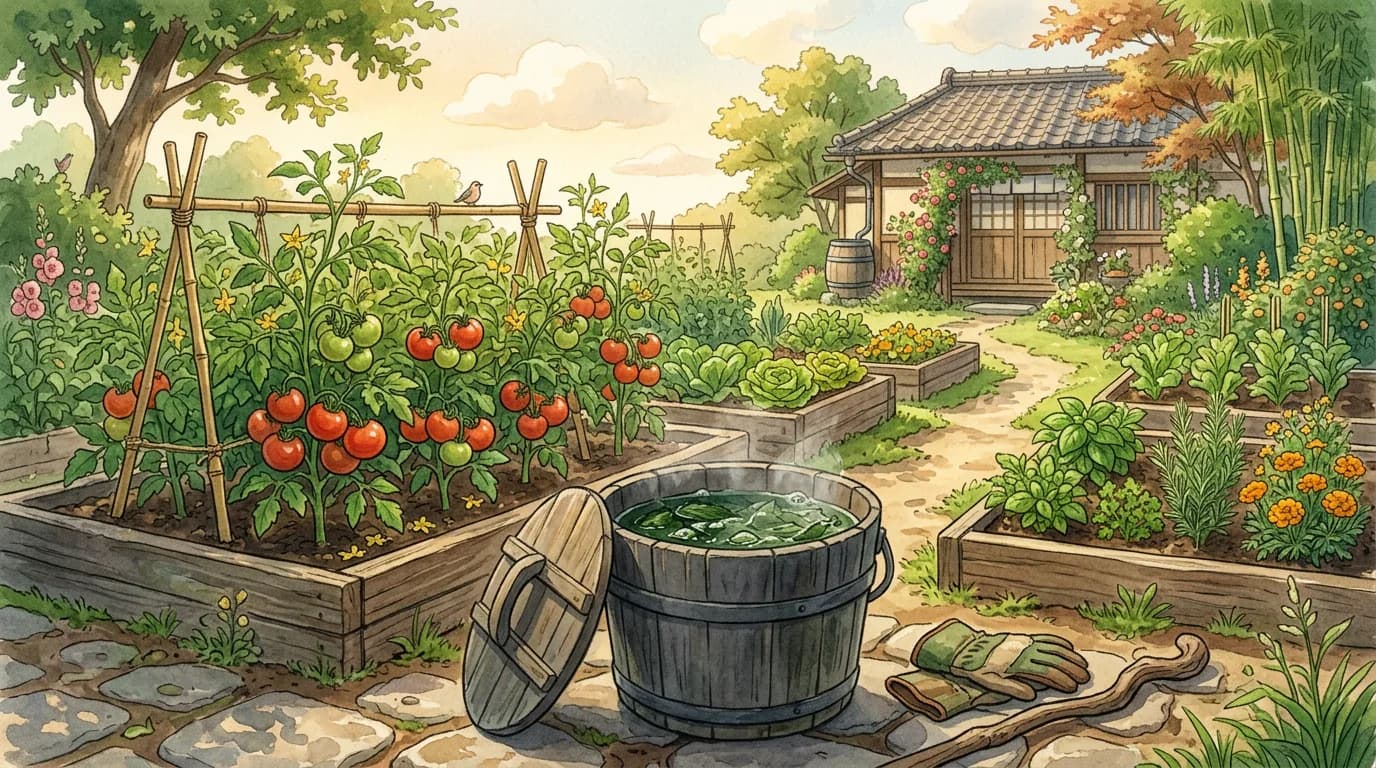
Nettle feed
A homemade liquid fertiliser rich in nitrogen to give plants a green boost in spring.
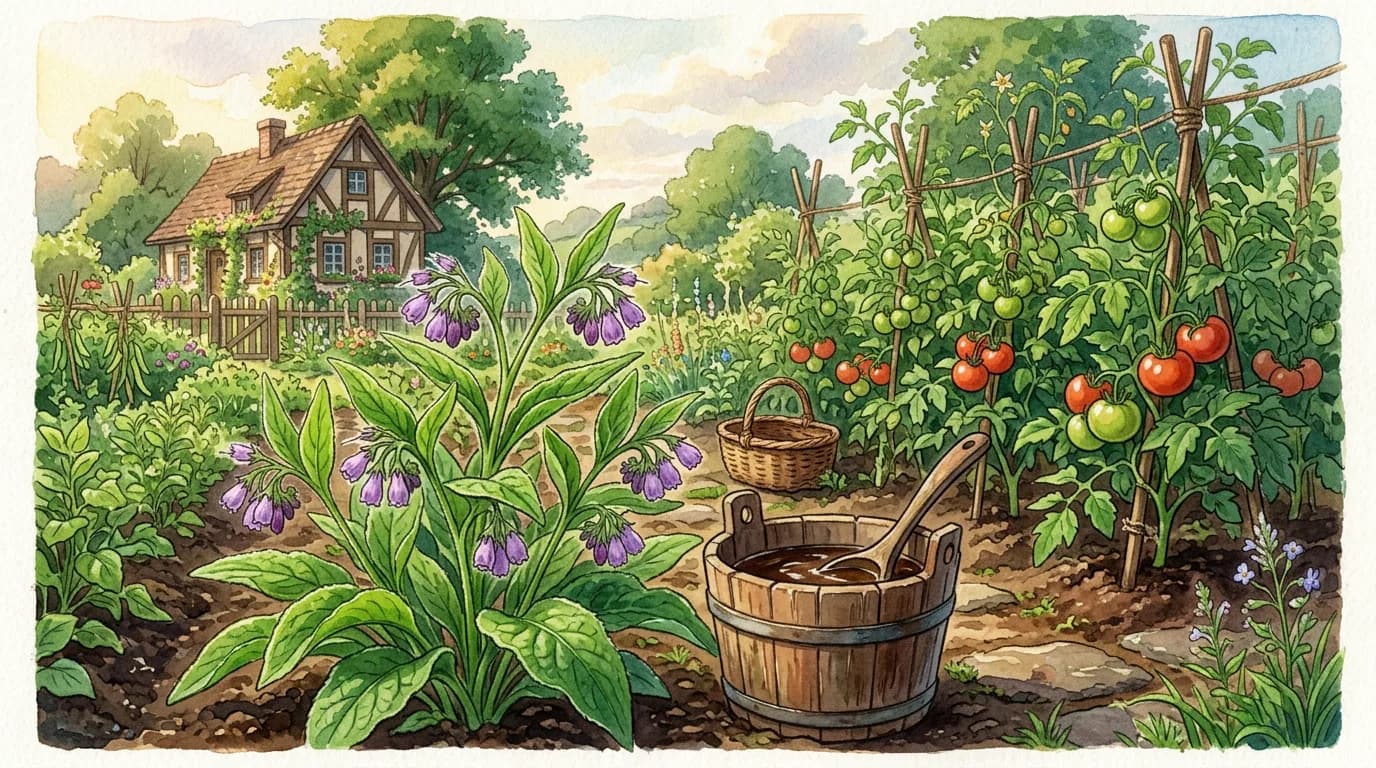
Comfrey feed
A homemade liquid fertiliser with more potassium than nitrogen, meant for plants that flower and set fruit.
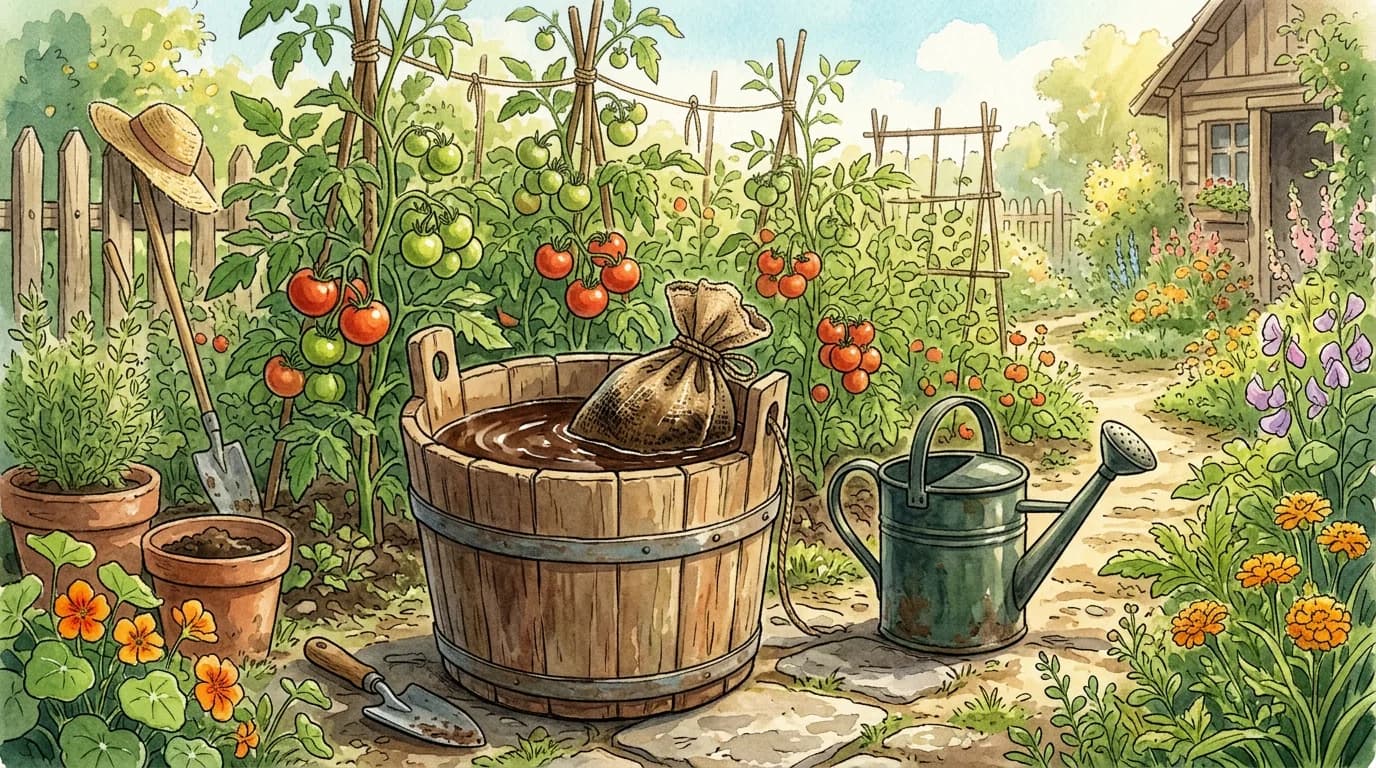
Aerated compost tea
An infusion of mature compost for watering the soil; useful as a gentle supplement, but with hygiene precautions.
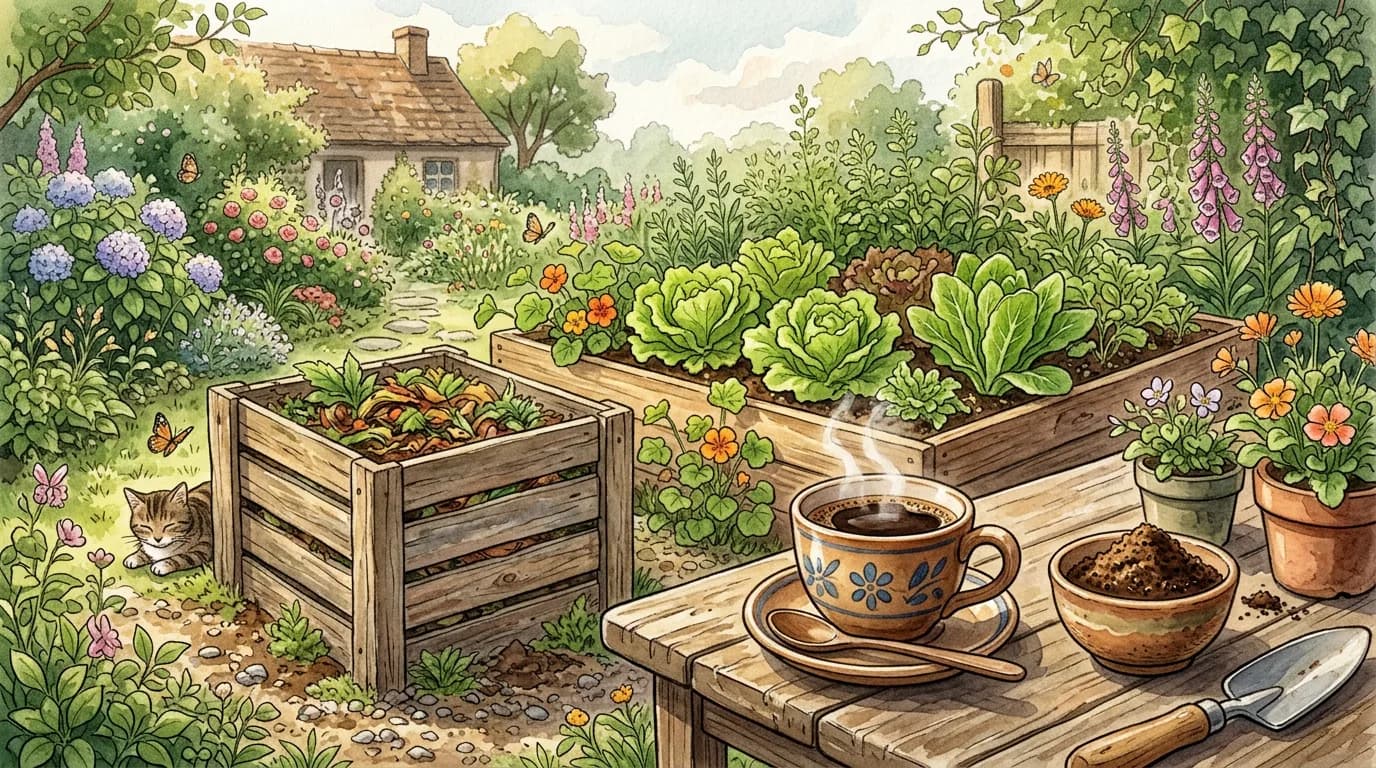
Coffee grounds as fertiliser
They supply nitrogen and organic matter, but only in thin layers or inside the compost.
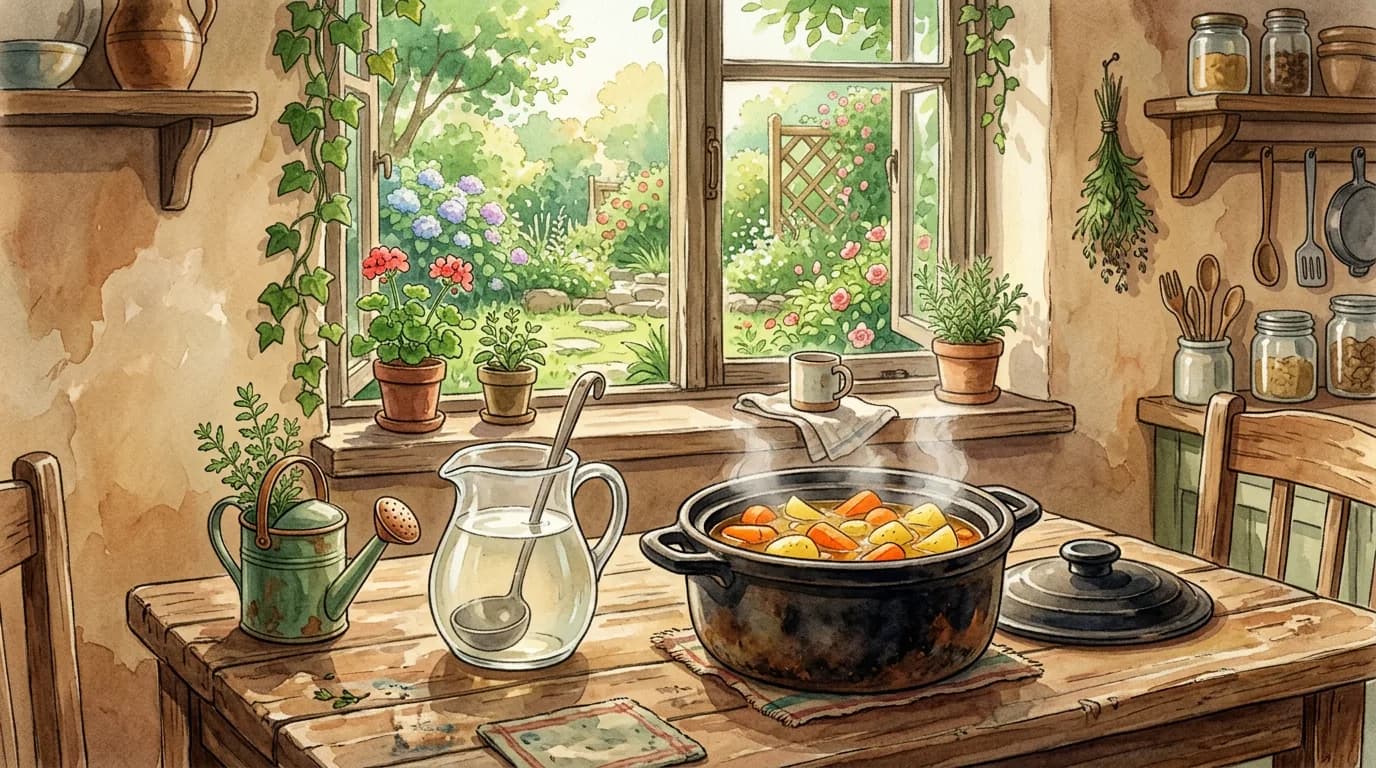
Vegetable cooking water
Unsalted vegetable cooking water, once cold, makes use of a little potassium and minerals for watering.
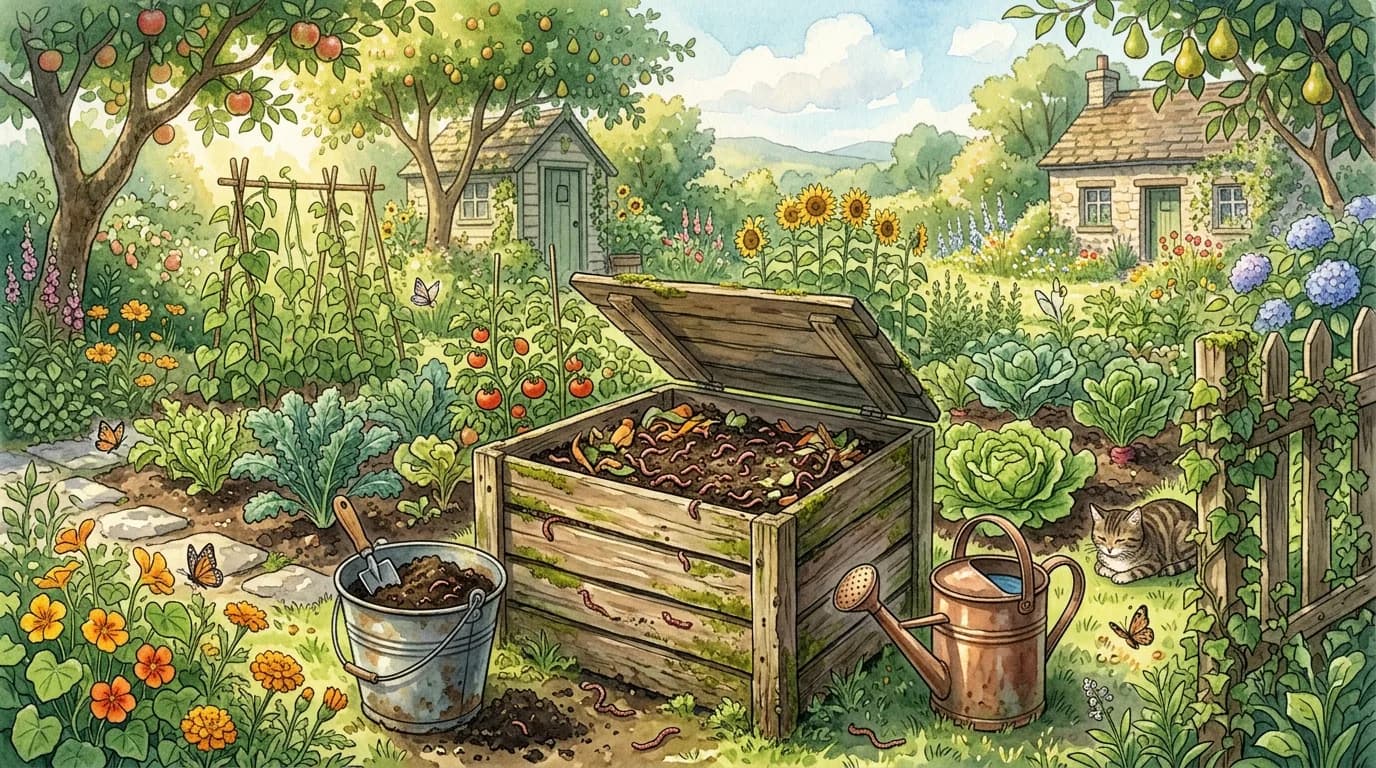
Worm compost tea
A 24-hour infusion of worm castings to give a gentle feed rich in microbial life.
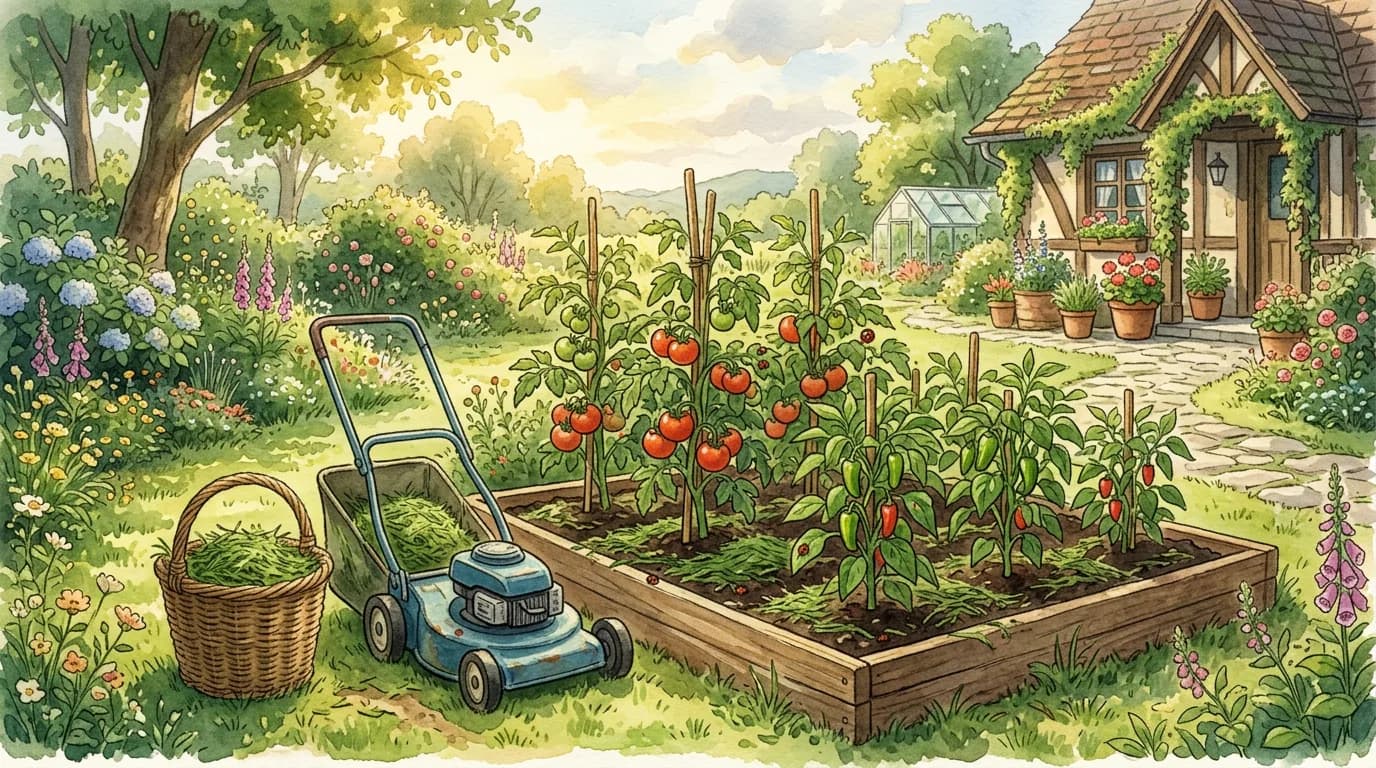
Grass clippings as mulch
Lawn mowings, in a thin layer and already wilted, supply nitrogen and protect the soil.

Cut green manure as mulch
Sow legumes in autumn, cut them in flower and leave the remains on the surface to feed the soil.
Diluted urine as fertiliser
Human urine is a very effective nitrogen fertiliser, but it calls for dilution and hygiene.
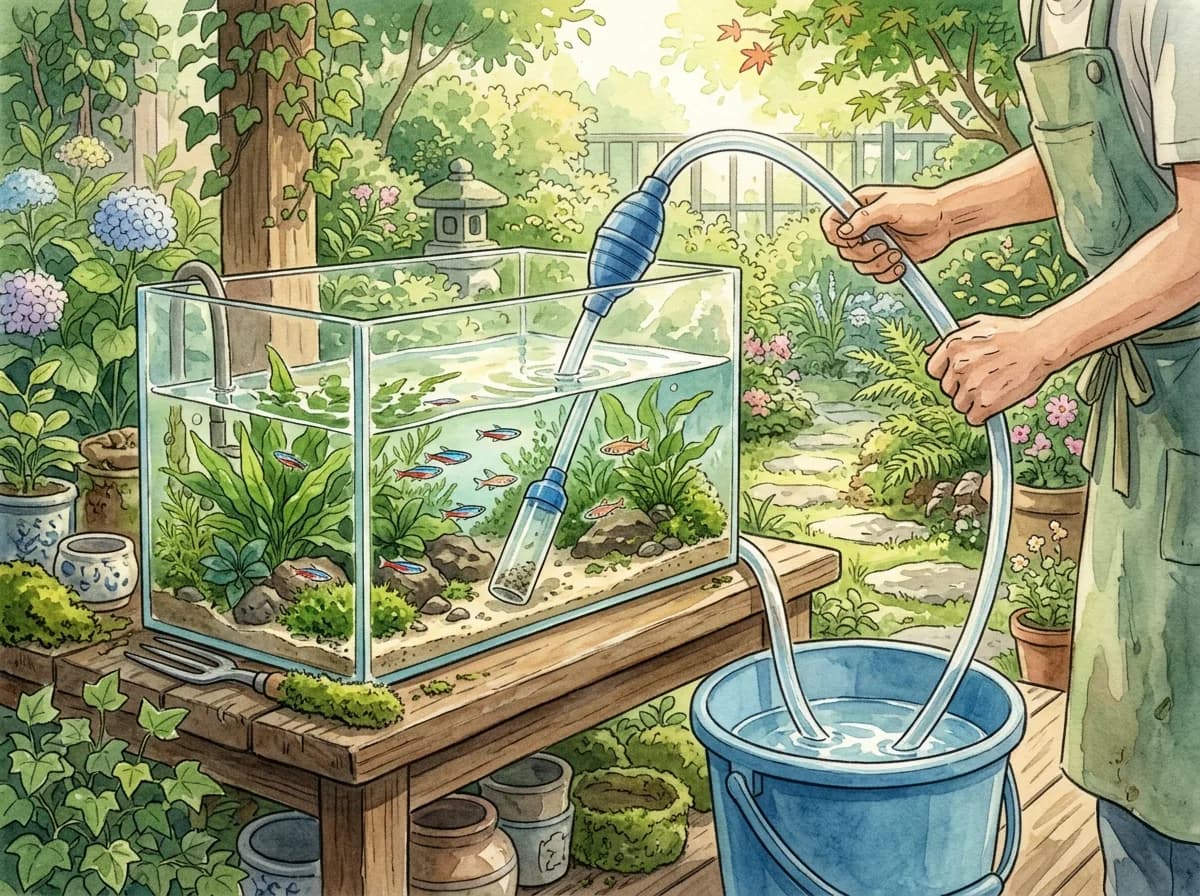
Aquarium water for watering
The water you take out when changing part of a freshwater aquarium contains nitrate and other nutrients for your plants.

Homemade bone meal
Boiled, dried and crushed bones: a slow source of phosphorus and calcium that only does well in neutral or acid soils.
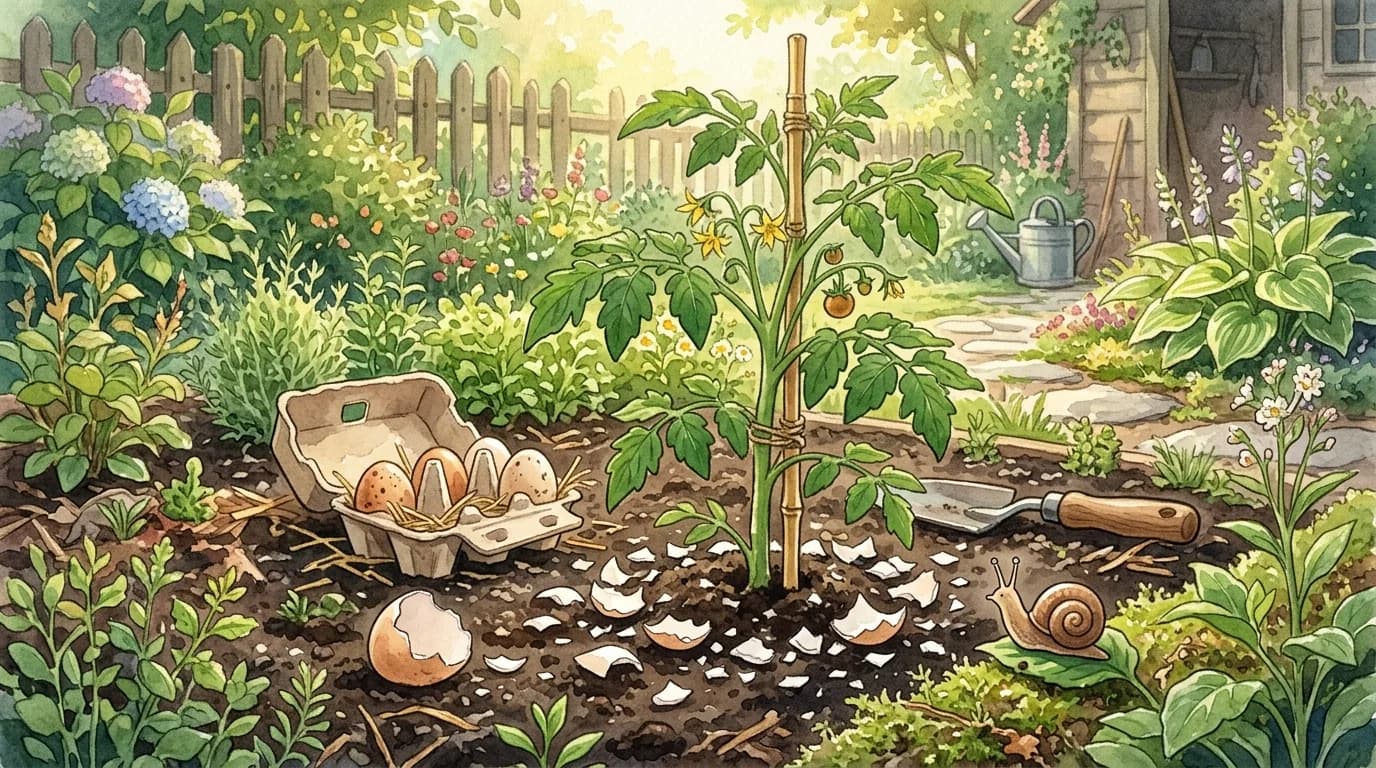
Myth: eggshells fertilise with phosphorus
Eggshells are almost entirely calcium carbonate: they are not a useful source of phosphorus nor do they act quickly.
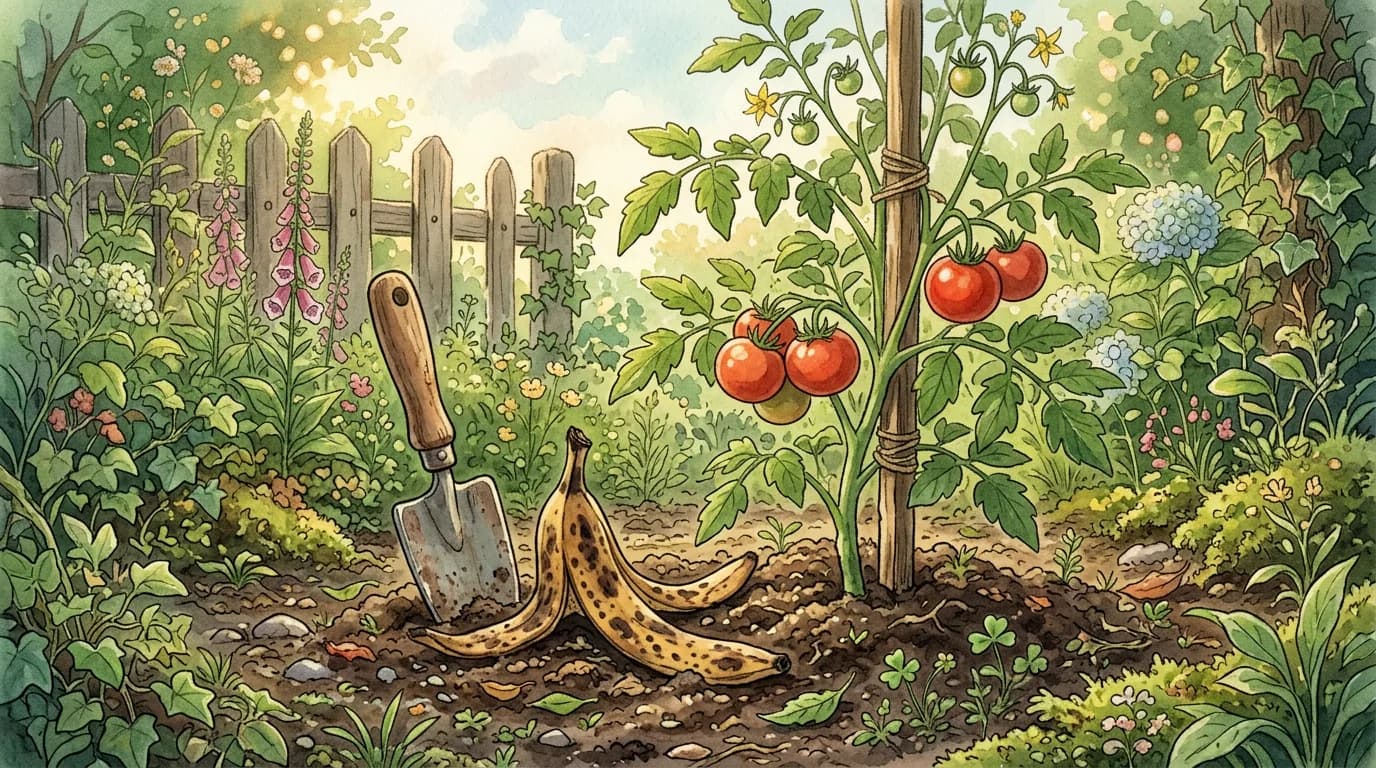
Myth: burying a banana fertilises instantly
Burying the peel or the whole banana does not feed plants: it breaks down slowly and supplies very little.
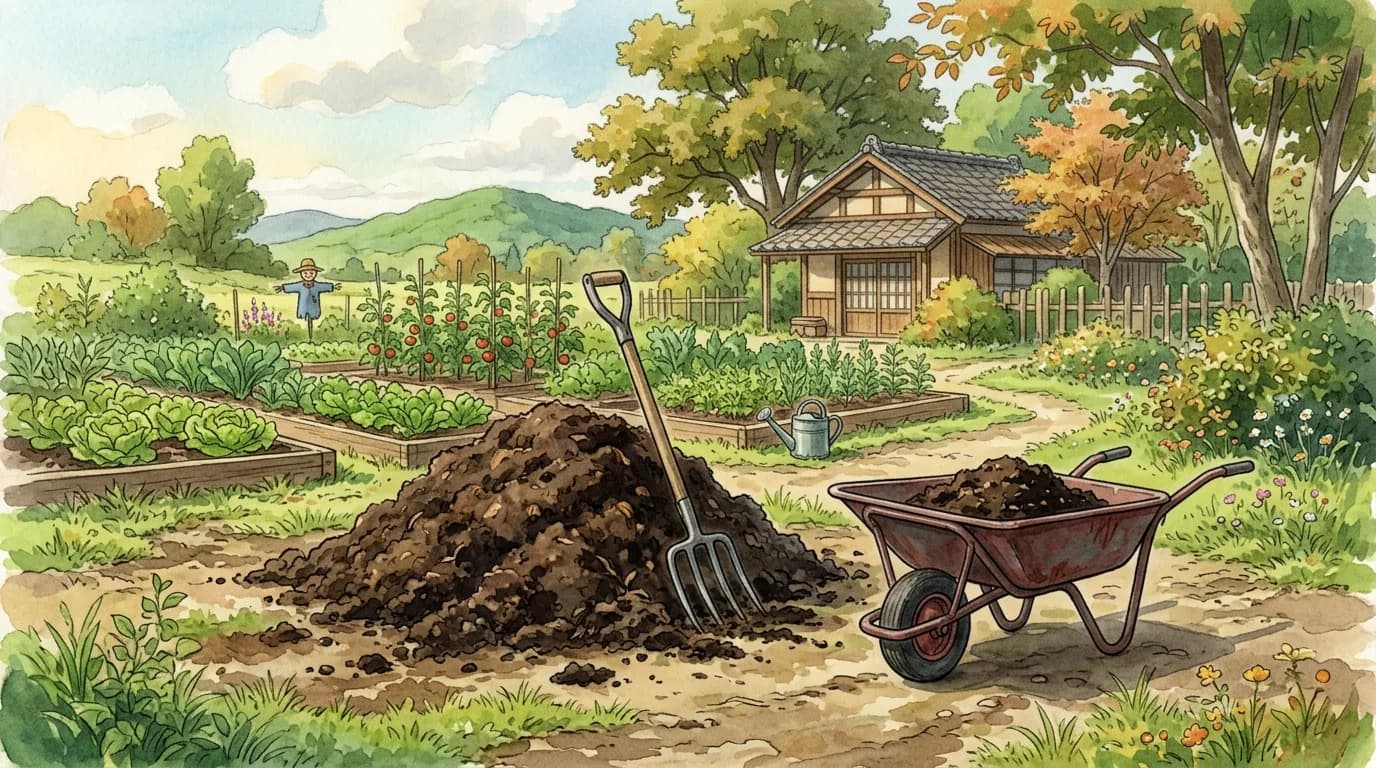
Composted manure
Well-matured manure is a balanced base fertiliser: it supplies nitrogen, phosphorus, potassium and plenty of organic matter.
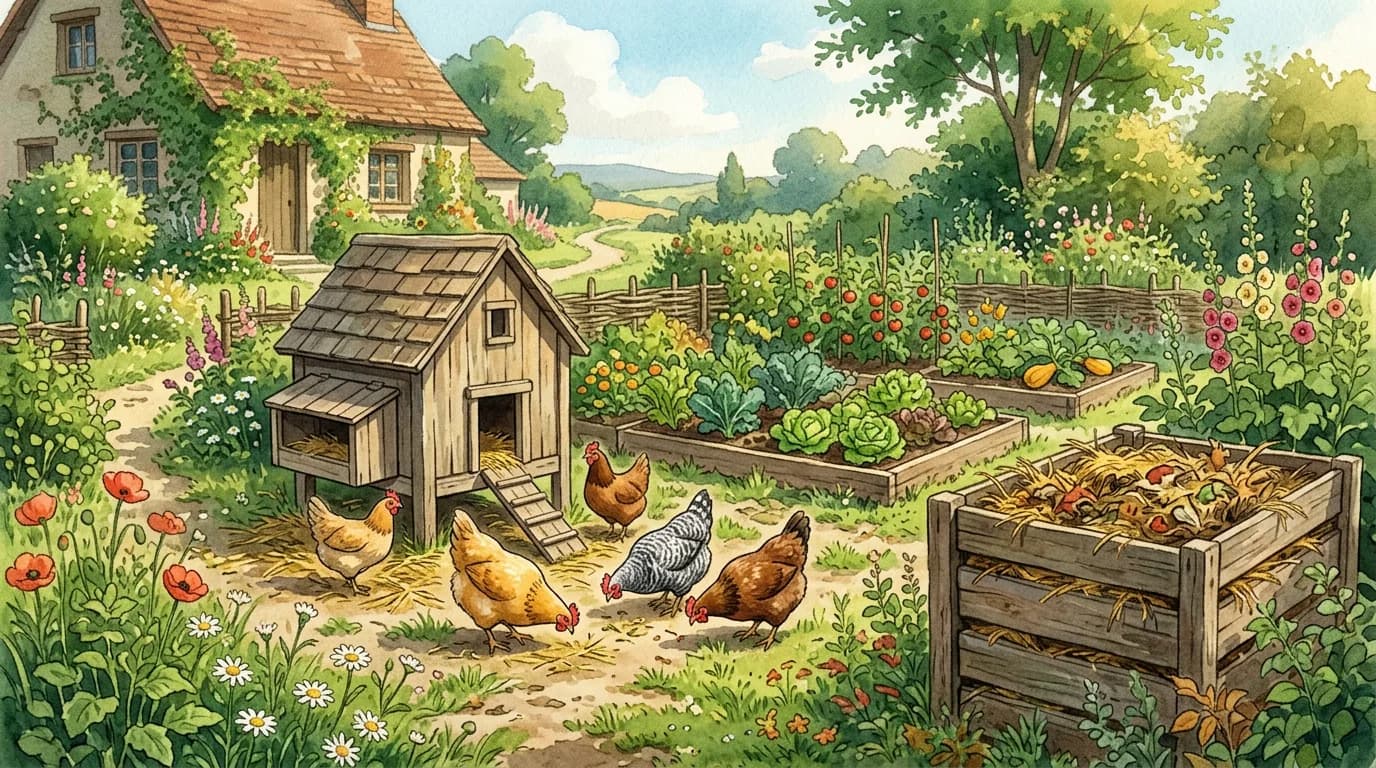
Composted chicken manure
Chicken manure is very rich in nitrogen and phosphorus, but it needs to be properly composted before use.
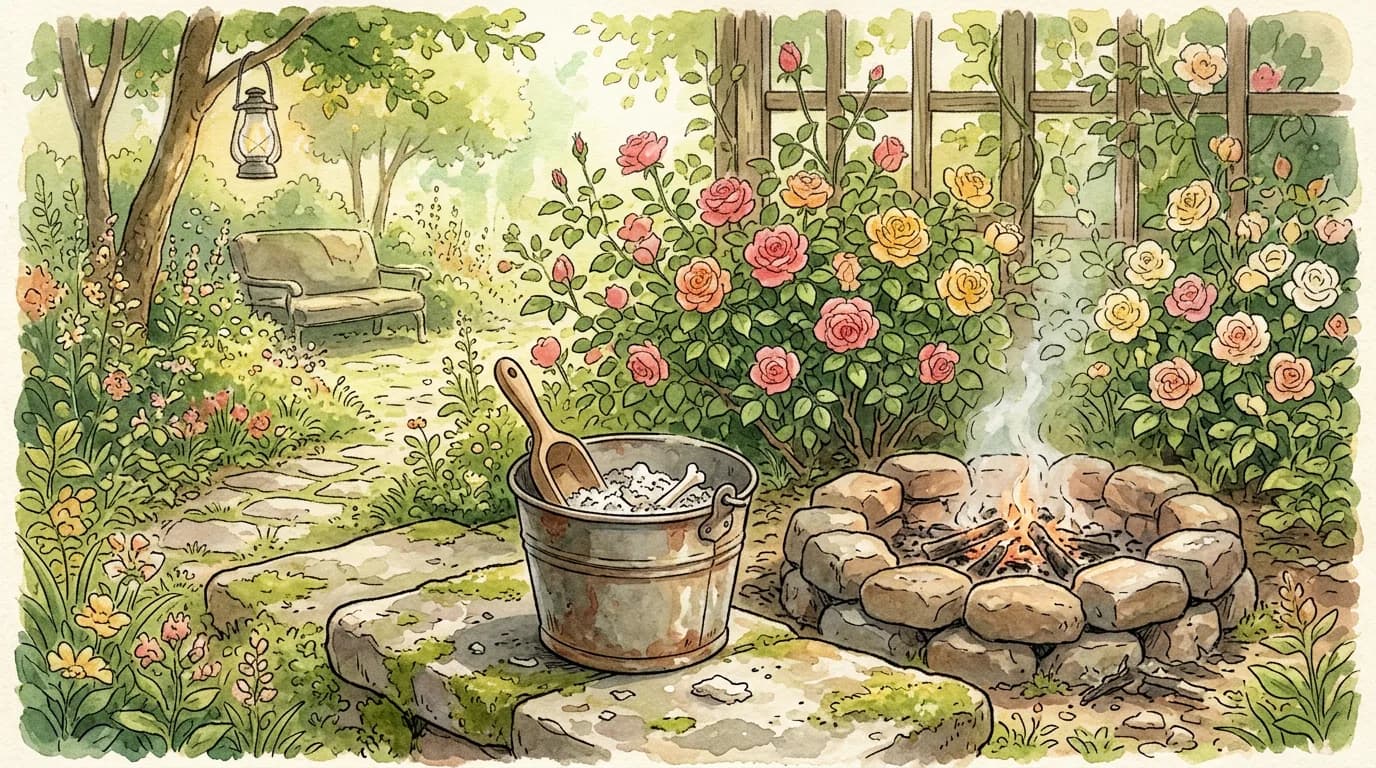
Bone ash
Calcined, ground bones: a very alkaline source of phosphorus and calcium that has to be used with care.
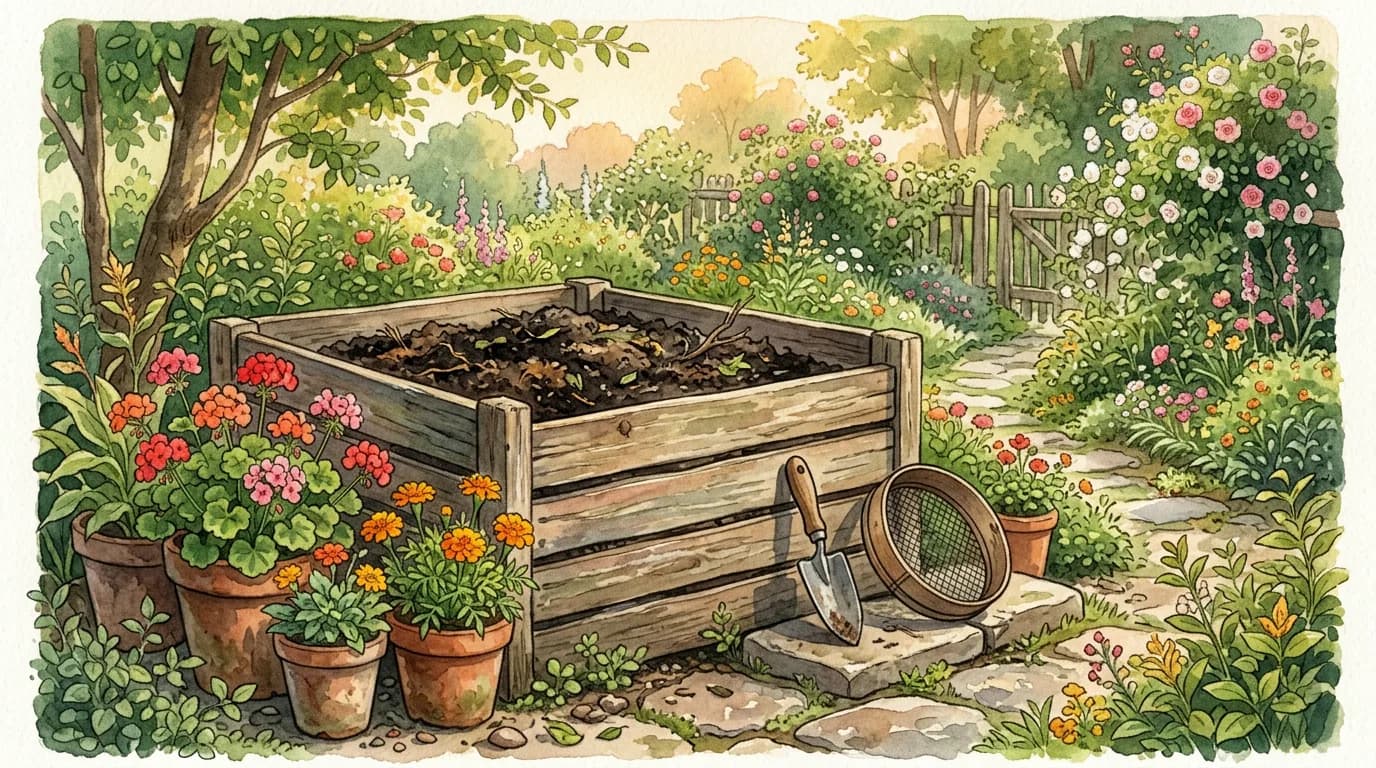
Mature compost for flowering
A layer of well-made compost on pots and flower beds supplies phosphorus and potassium slowly and gently.
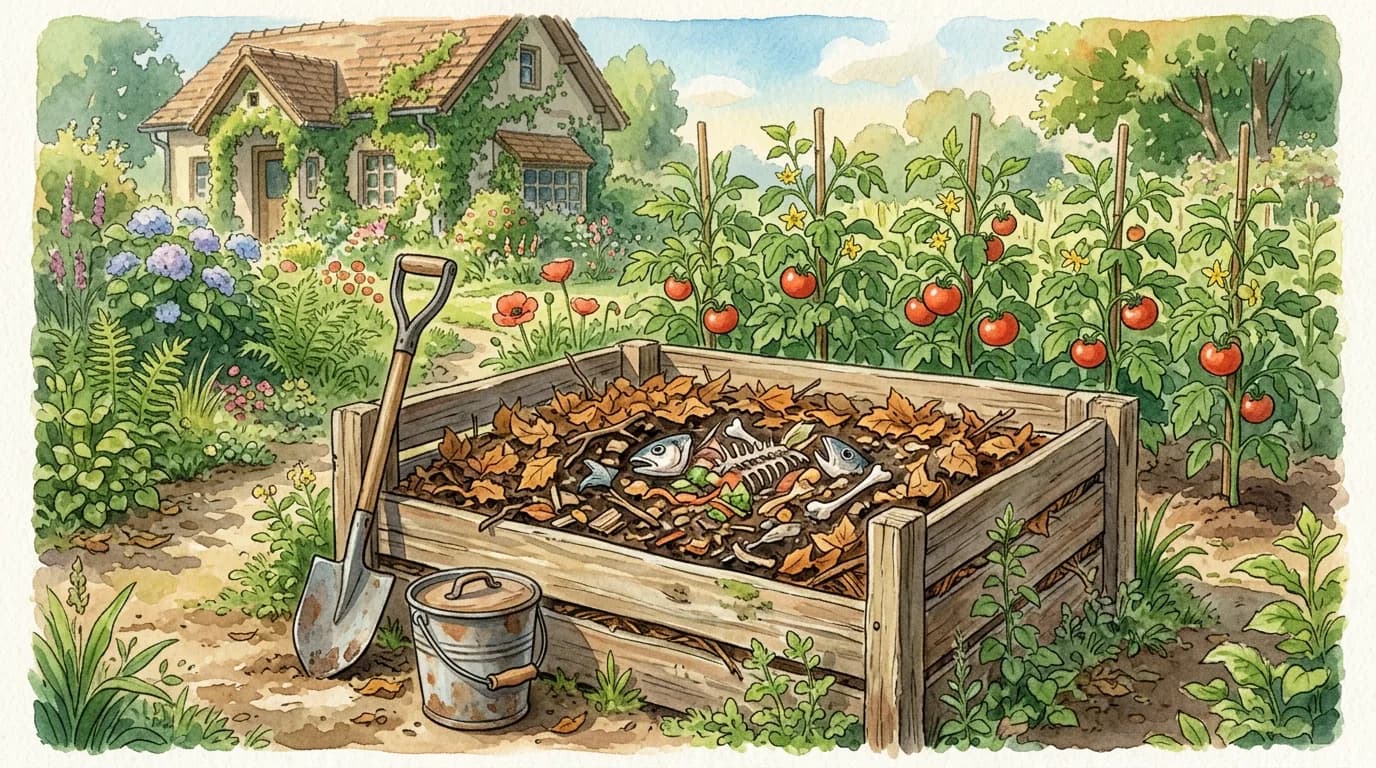
Fish scraps in the compost
Fish heads and bones supply nitrogen and phosphorus if they are buried well inside a pile with plenty of dry material.
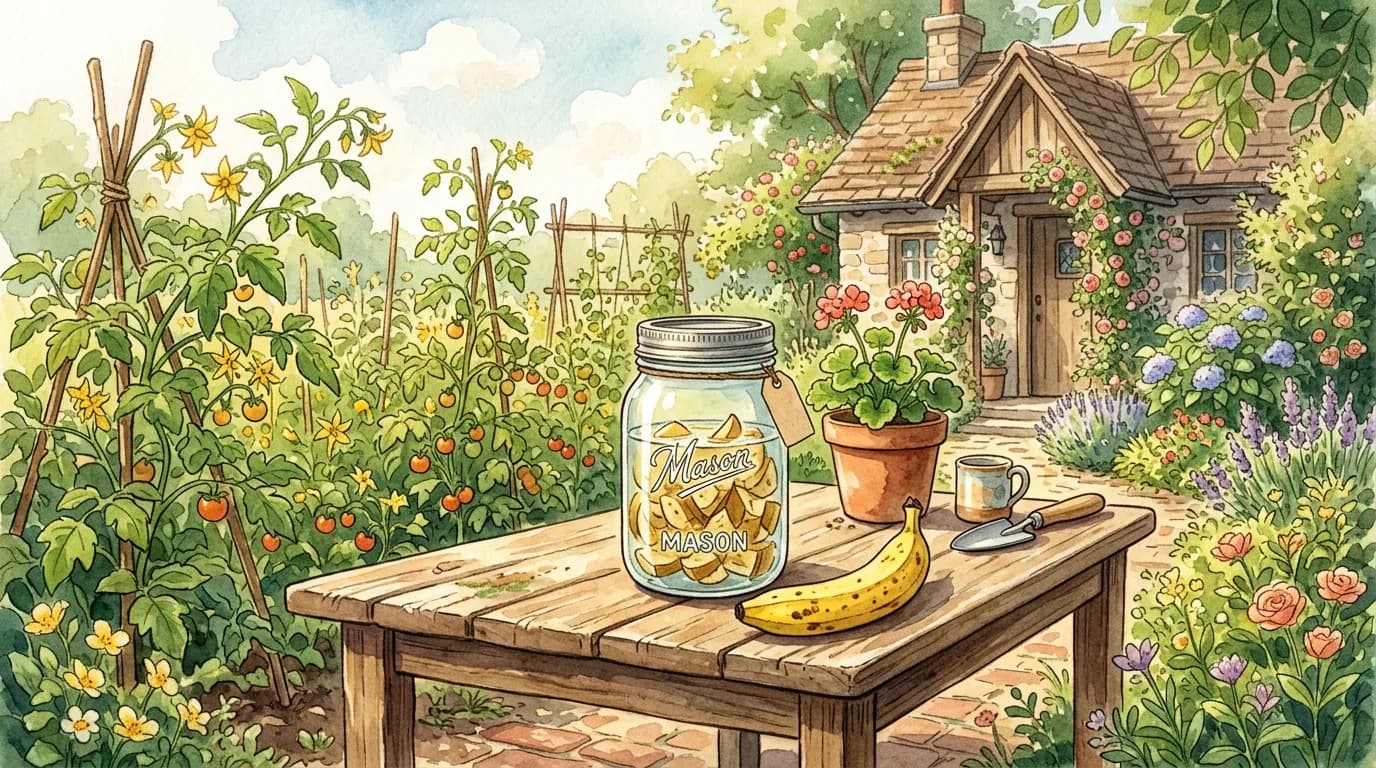
Does banana peel water work?
Steeping banana peels in water is very popular, but there are no studies showing that it releases useful potassium.
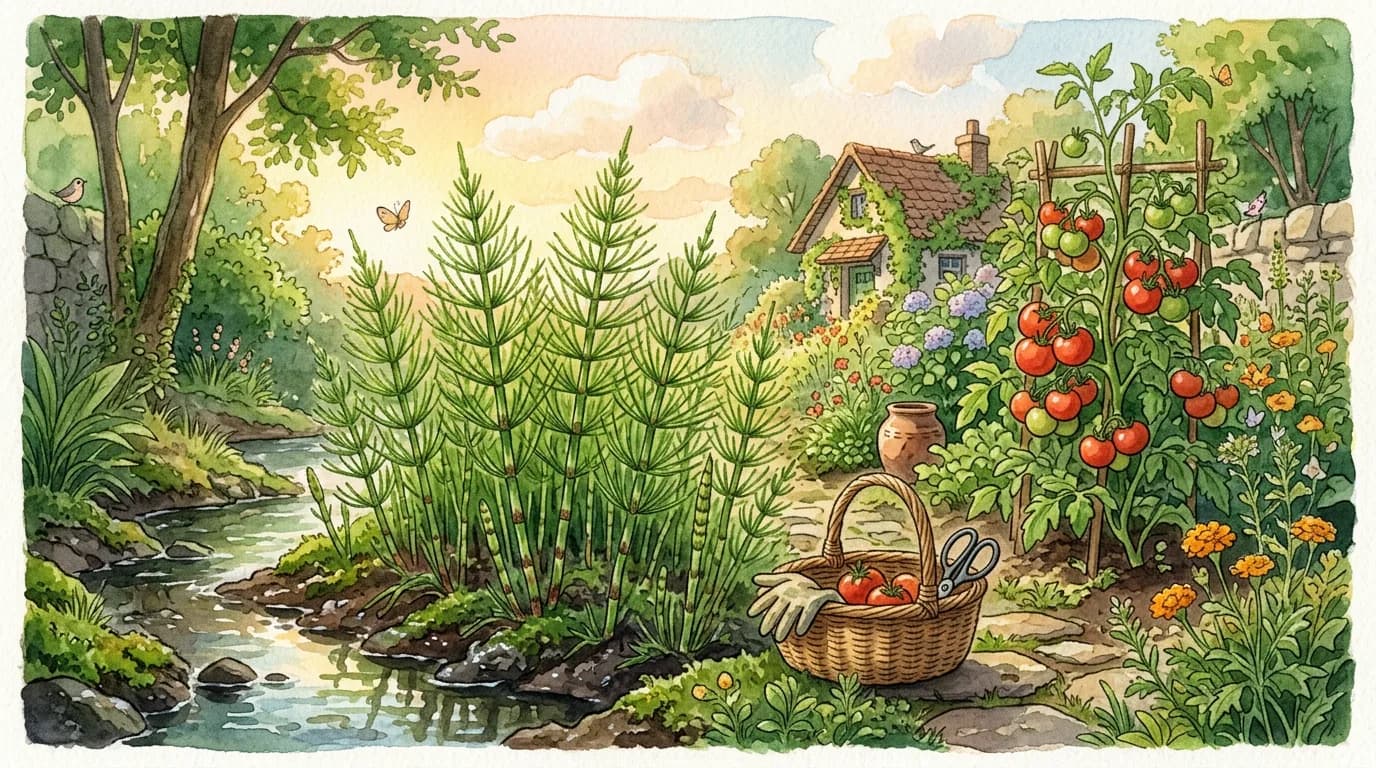
Myth: horsetail supplies potassium
Horsetail decoction works as a booster against fungi because of its silica, but it is not a potassium fertiliser.
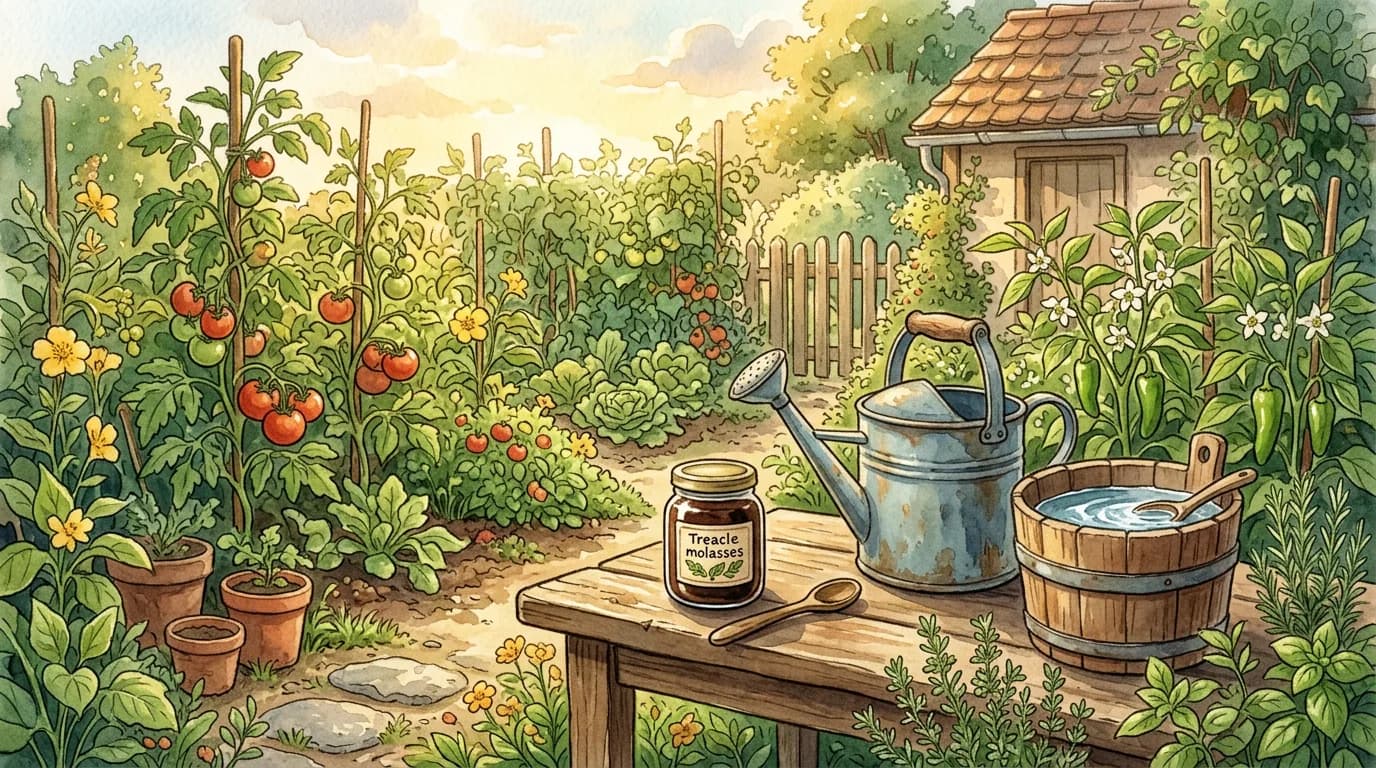
Diluted molasses
A little cane molasses in the watering water supplies potassium and sugars that feed soil microbes.

Seaweed as fertiliser and mulch
Seaweed washed up by the sea supplies potassium, magnesium and trace elements, washed and in a thin layer.
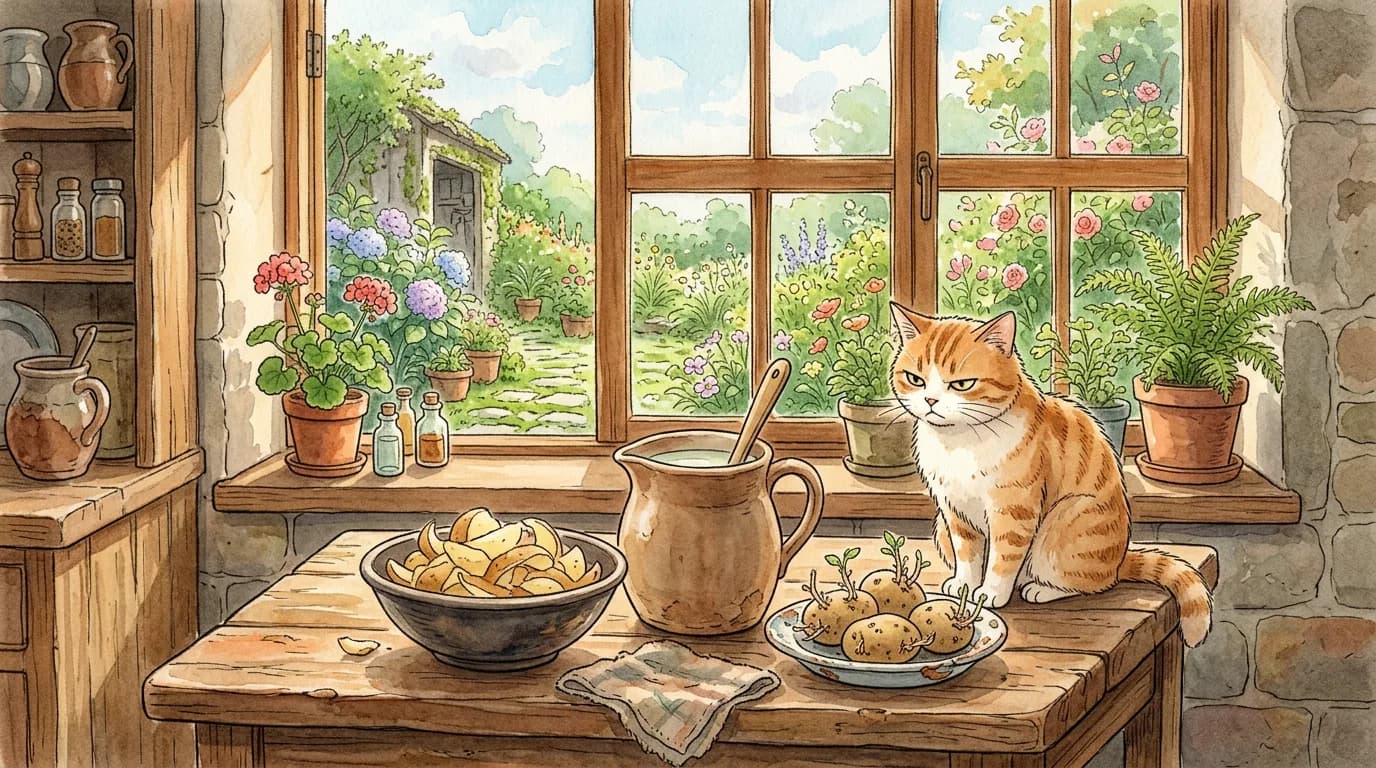
Does potato peel water work?
Boiling or steeping potato peels to water with supplies almost nothing and can carry diseases.
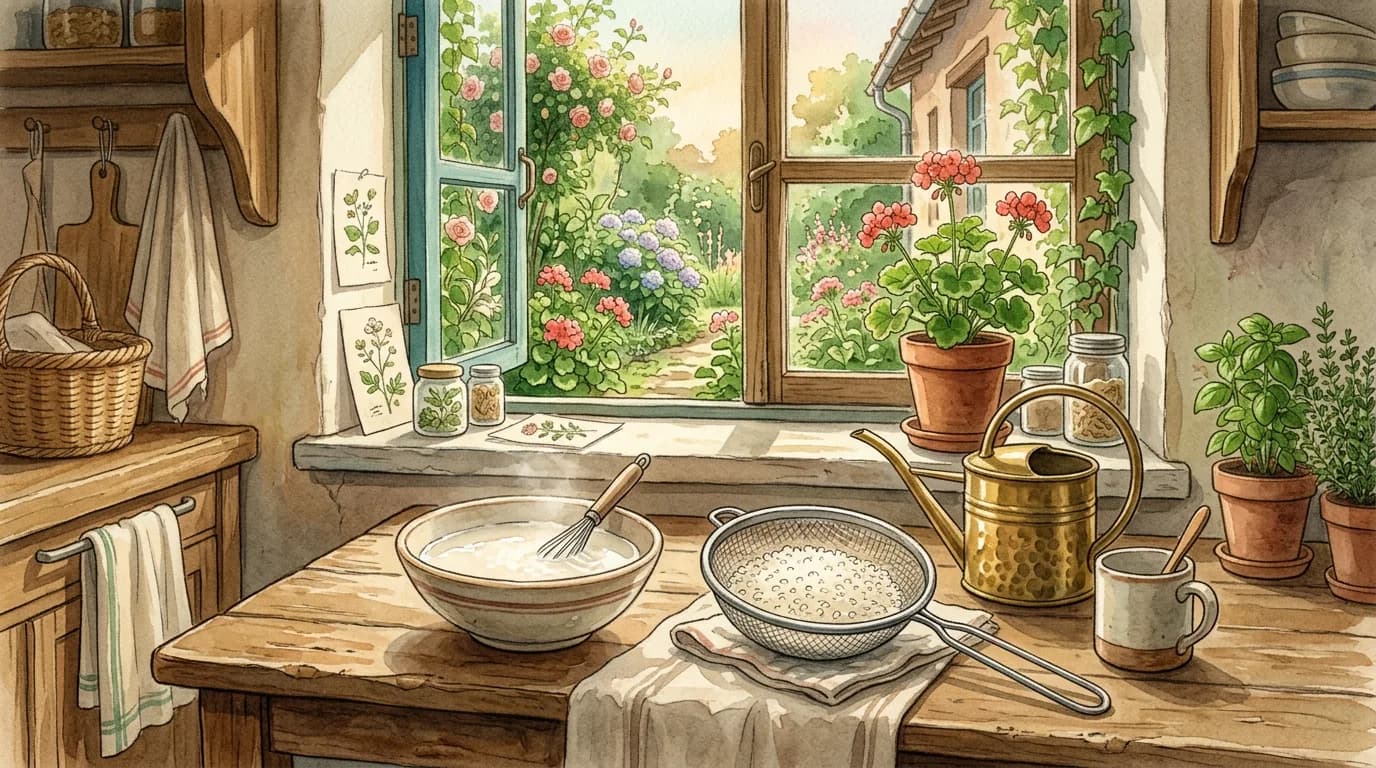
Rice rinsing water
The cloudy water from the first rinse of rice supplies starch and traces of nutrients; it is a gentle watering and reuses water.
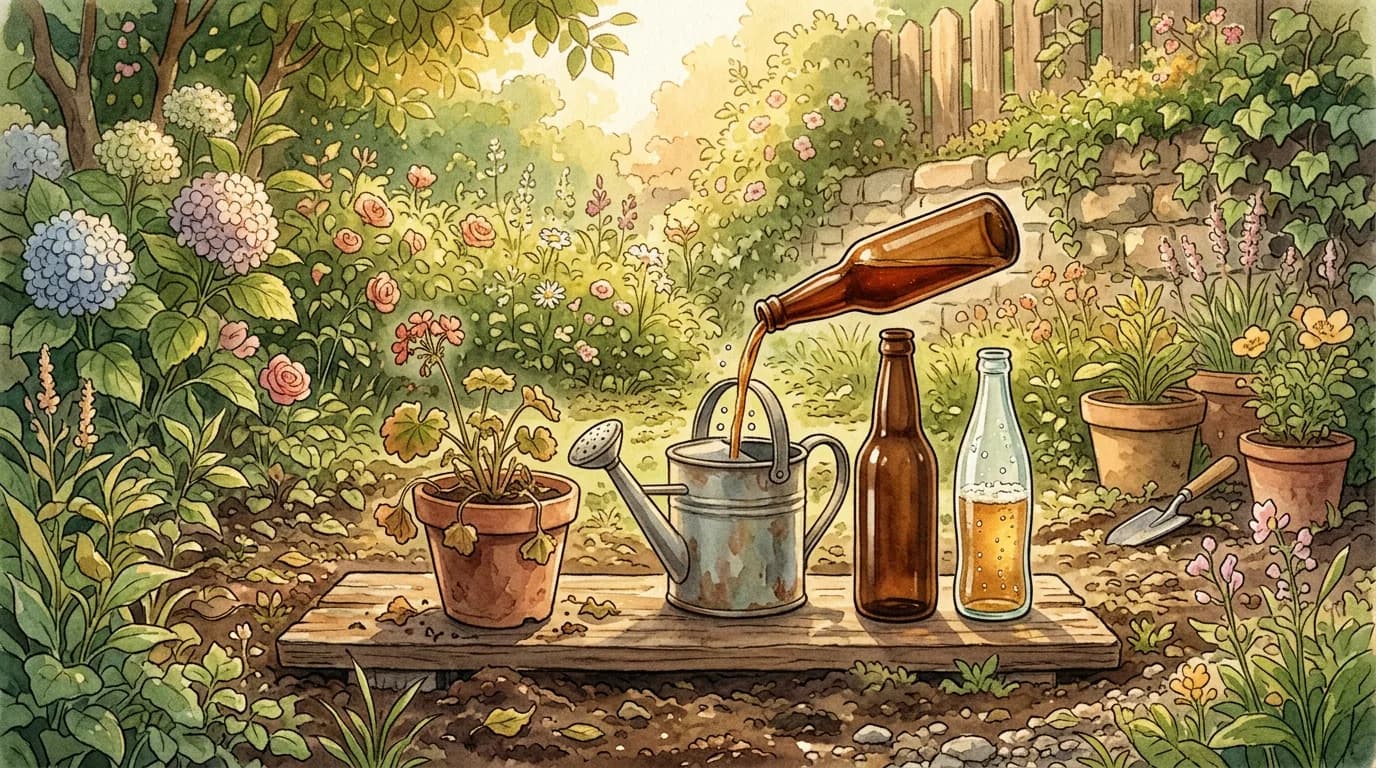
Myth: beer and soft drinks fertilise plants
Watering with beer, cola or soft drinks supplies sugar and alcohol, not useful nutrients, and can cause problems.
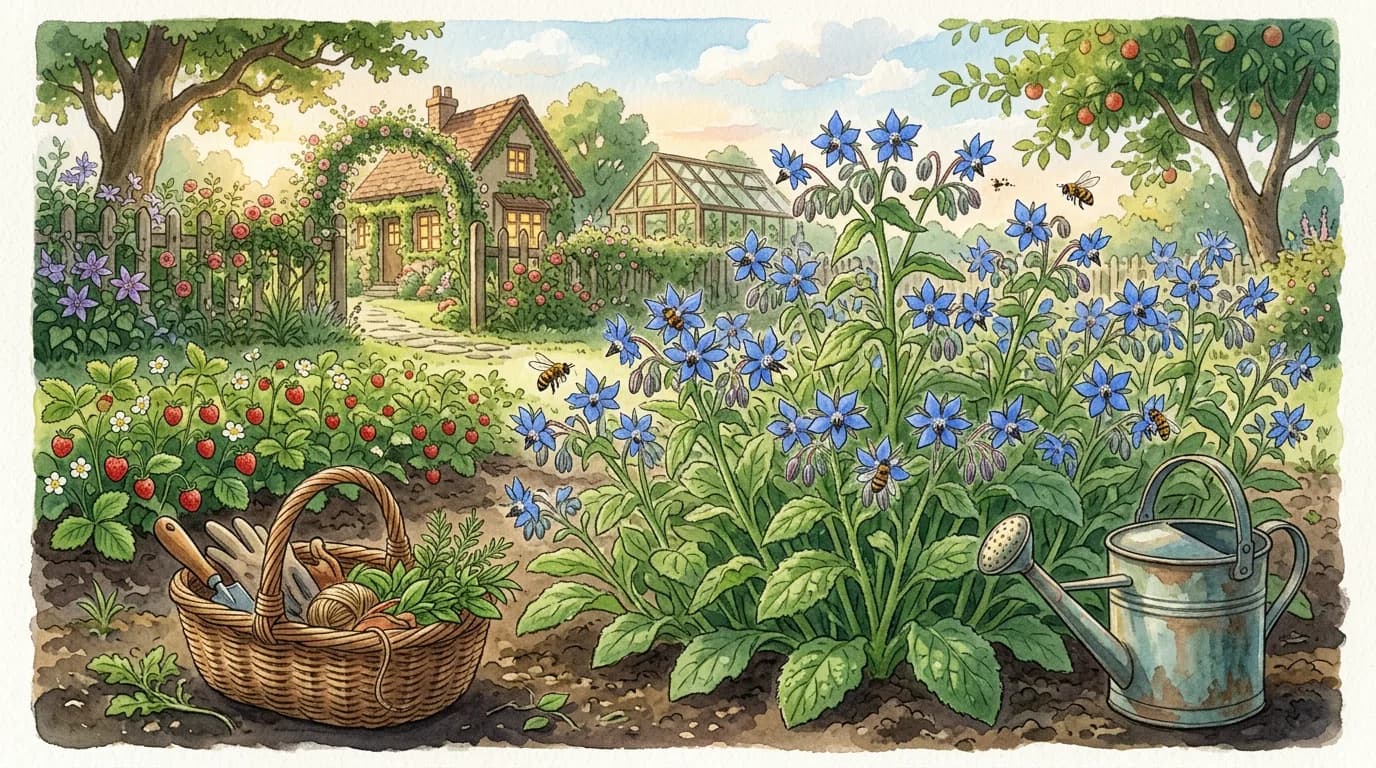
Borage feed
A steeping of borage leaves to give a gentle liquid fertiliser to strawberries, tomatoes and peppers.
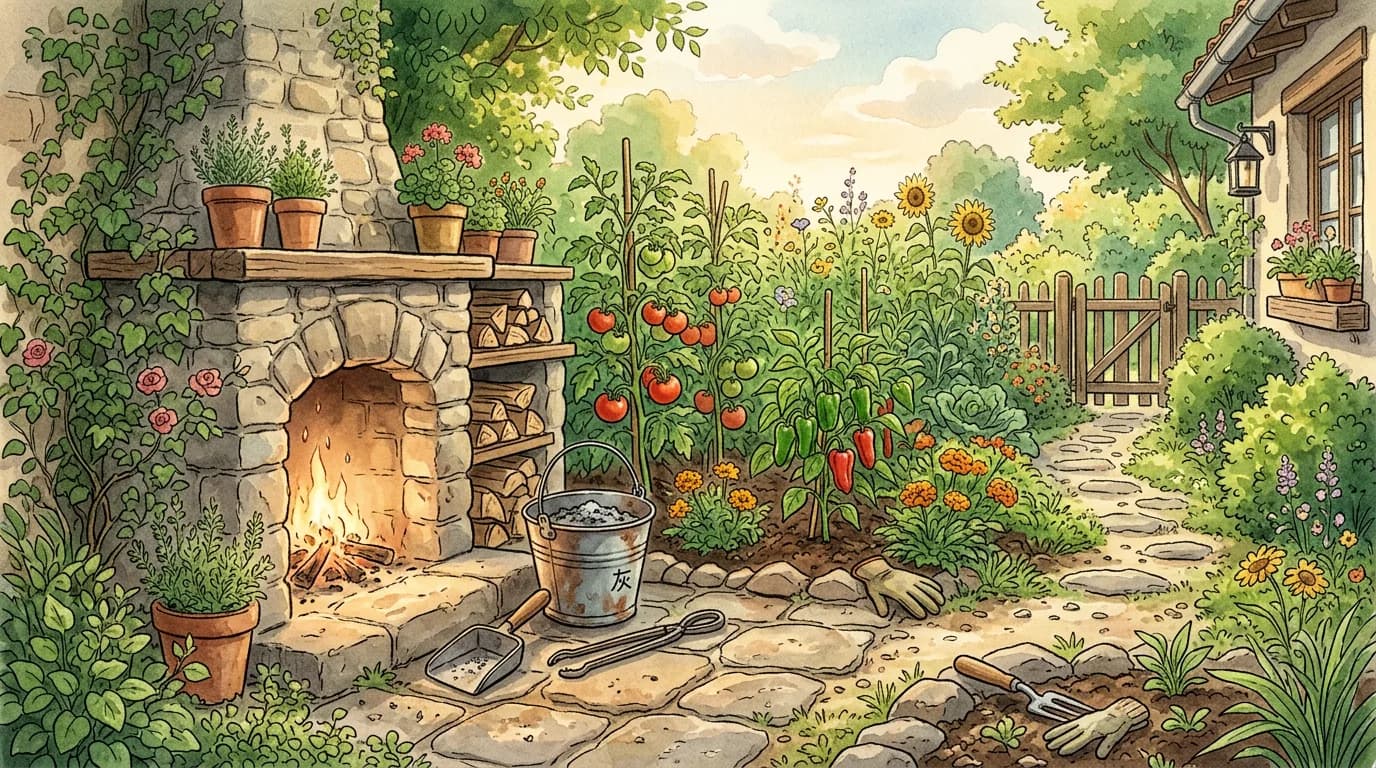
Wood ash
A supply of potassium and calcium, and a way to raise the pH in acid soils. Use it in moderation.
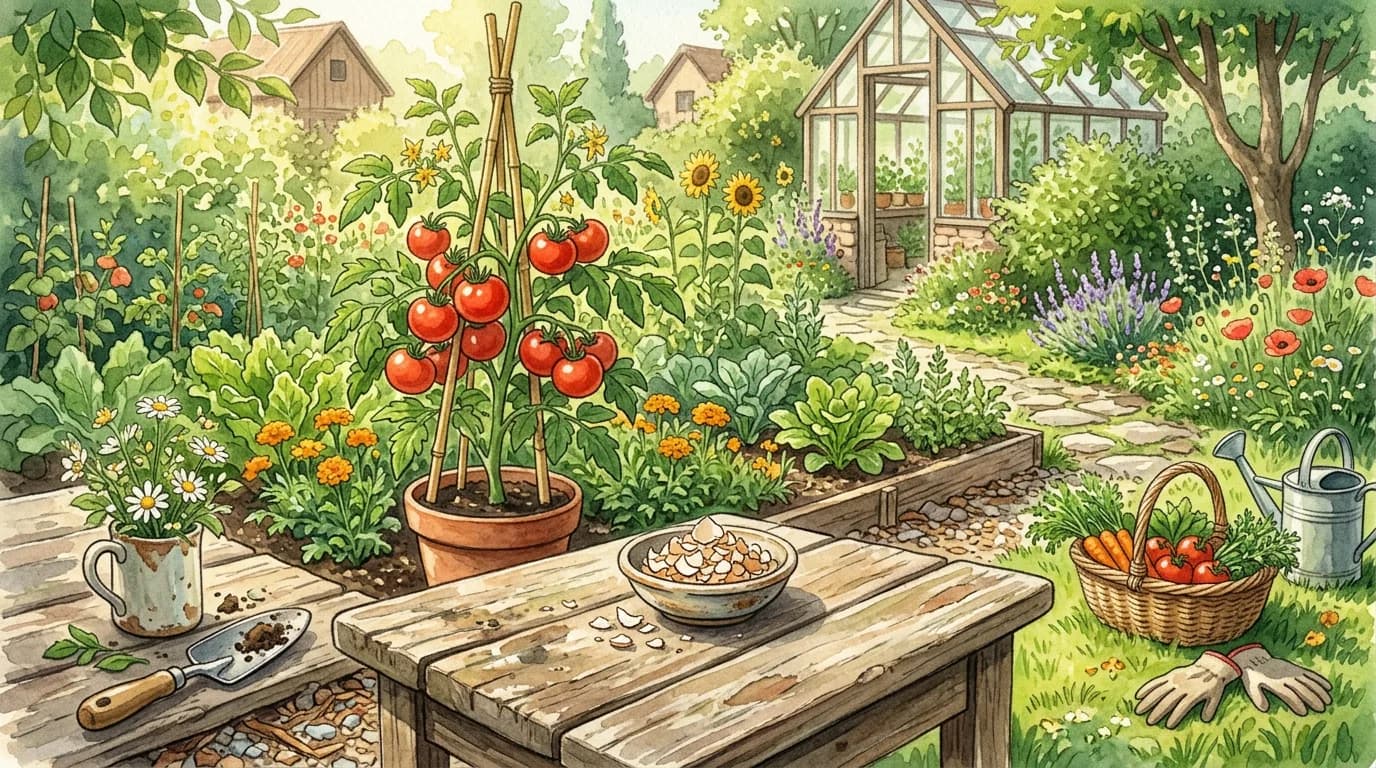
Eggshells as a source of calcium
Ground very fine they supply calcium and raise the pH a little, but slowly; whole or in pieces they do almost nothing.
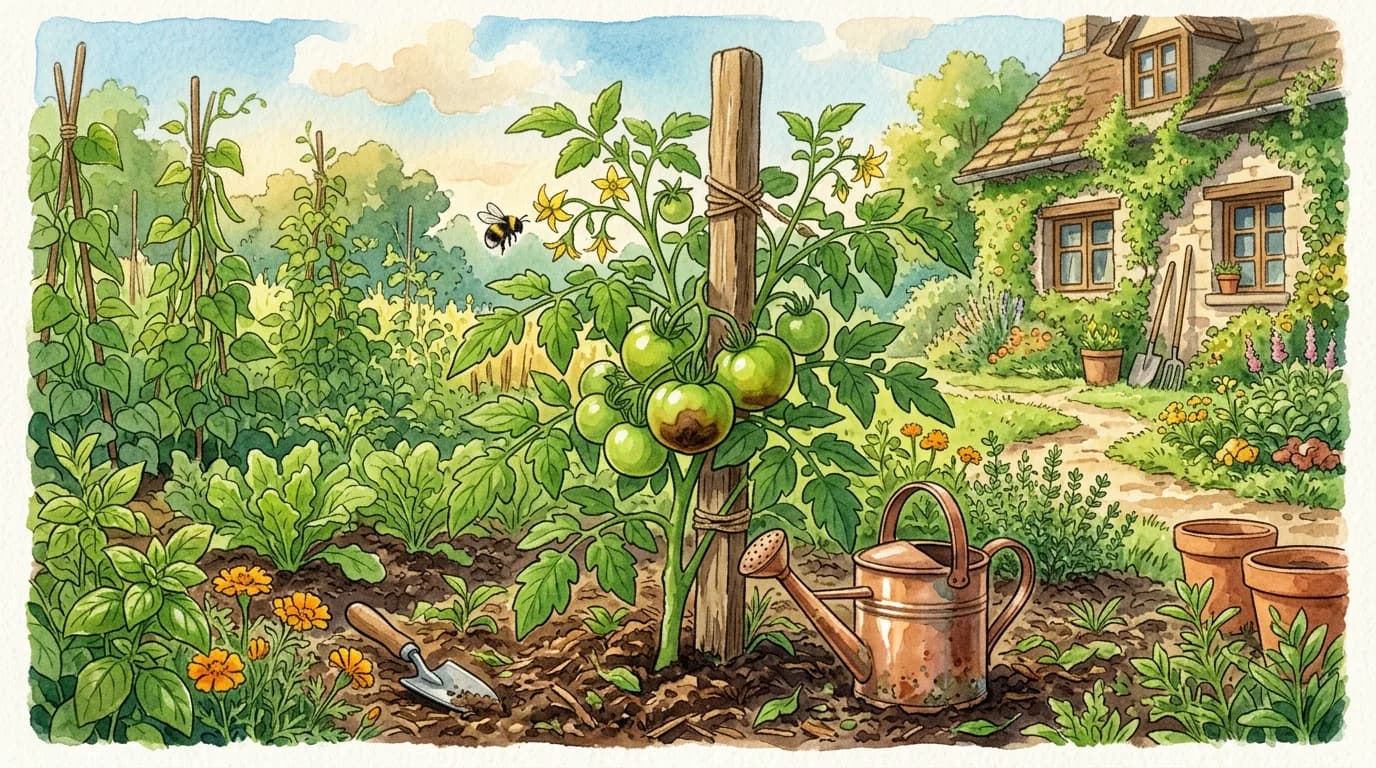
Tomato blossom end rot: the real cause and how to avoid it
The black patch at the base of the fruit is almost always due to irregular watering, not to a lack of calcium in the soil.
Agricultural gypsum for sodic and compacted soils
Gypsum (calcium sulphate) supplies calcium and sulphur and is used to recover soils with excess sodium; it does not lower the pH.

Agricultural lime or dolomite for acid soils
It raises the pH and supplies calcium (and magnesium in the case of dolomite) in acid soils of the north and west of the peninsula.
Vinegar in the watering water to lower the pH (with great care)
A few drops of vinegar acidify hard irrigation water for acid-loving plants in pots, but they do not correct the soil.

Sulphur and peat for acid-loving plants
Elemental sulphur lowers the pH slowly and acid peat serves as a growing medium for blueberries and azaleas.
Rainwater versus hard tap water
Rainwater is soft and slightly acid; the hard water of much of Spain leaves limescale and raises the pH of the growing medium.
Myth: coffee grounds do not acidify the soil
Used grounds are almost neutral and their effect on soil pH is small and irregular.
Iron sulphate for iron chlorosis
It corrects yellow young leaves with green veins in neutral or acid soils; in chalky soil it works badly.
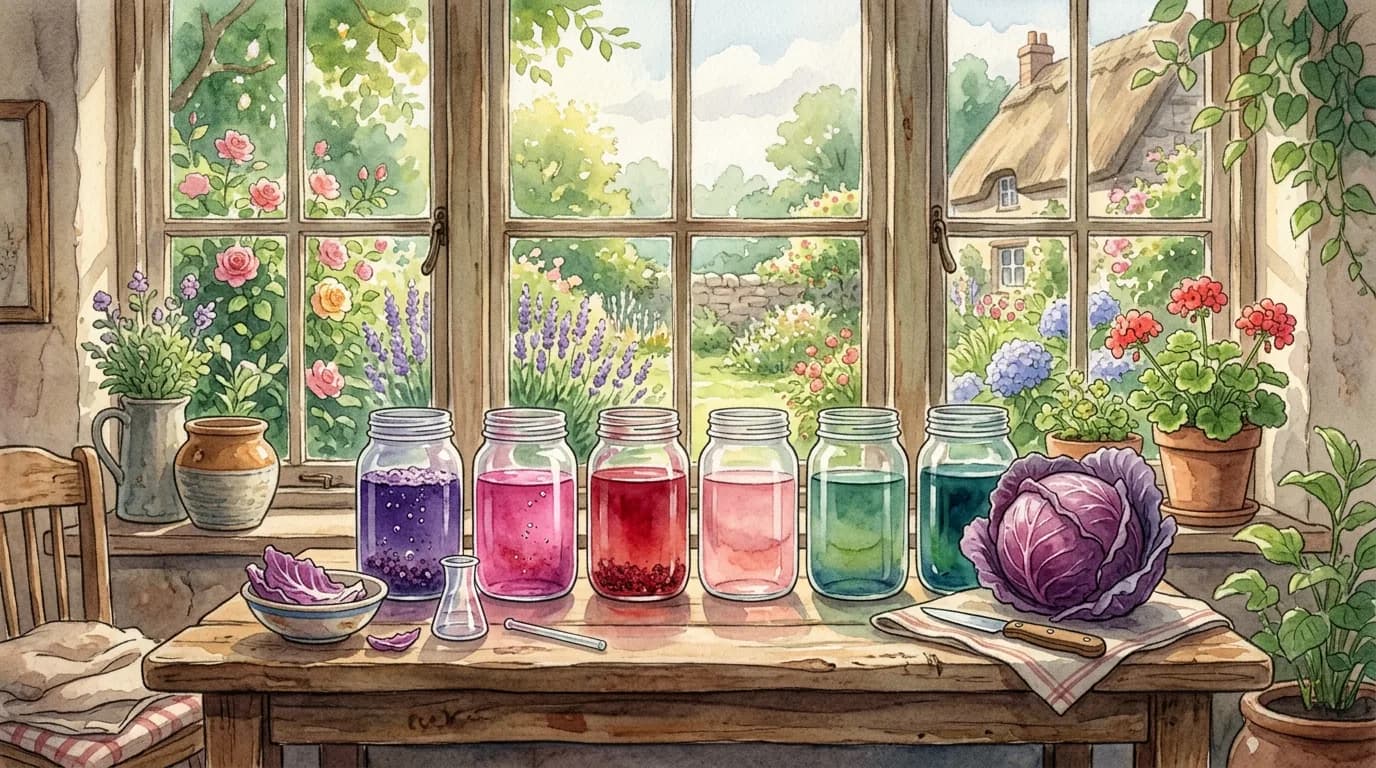
Measuring soil pH with red cabbage
Red cabbage juice changes colour with the pH and works for a rough homemade estimate.
Citric acid to correct hard irrigation water
A pinch of citric acid in the watering can neutralises some of the water's bicarbonates; it also cleans limescale-clogged drippers.
Epsom salts: magnesium only if there is a deficiency
Magnesium sulphate corrects a real magnesium deficiency, but it is not a universal booster for tomatoes and peppers.
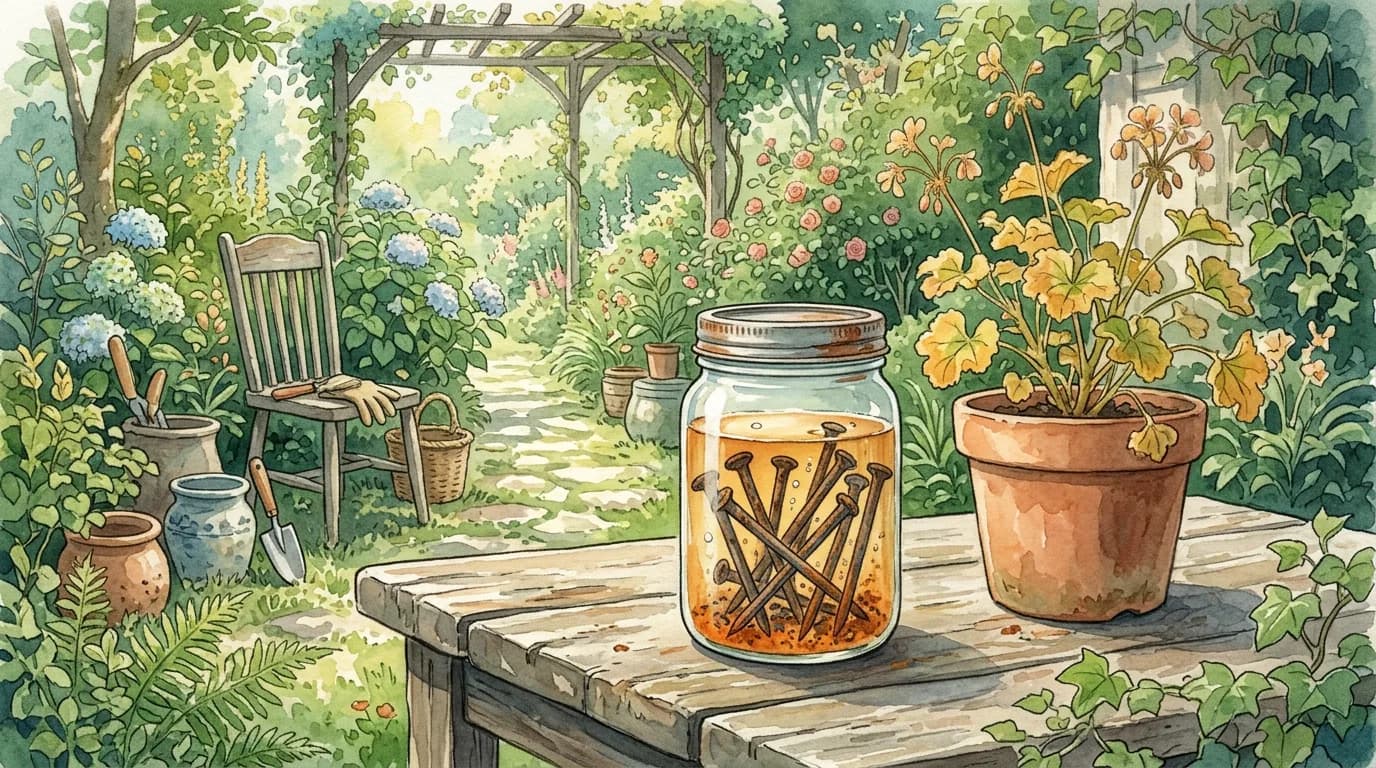
Myth: rusty nails in vinegar do not cure chlorosis
The rust on nails barely dissolves and is not in a form the plant can use; a chelate is better.
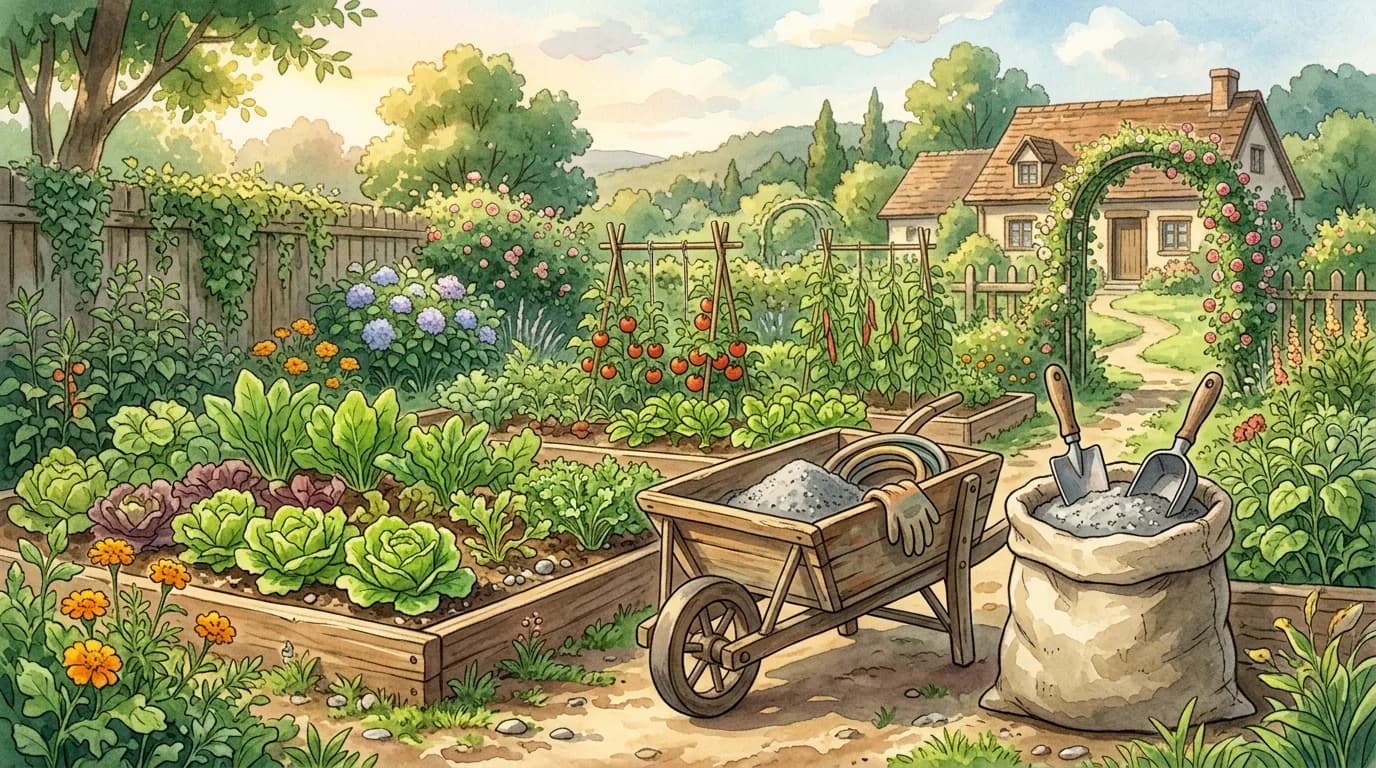
Rock dust (basalt) as a slow amendment
Very finely ground rock that releases minerals slowly; it helps in poor, acid soils, with modest effects.

Seaweed extract (kelp) as a biostimulant
Seaweed supplies hormones and trace elements that help the plant cope with stress; the effect is modest but real.
Borax in the garden: only with a test and very little
Boron is an essential micronutrient but with a very narrow margin between deficiency and toxicity; it is not a safe home remedy.
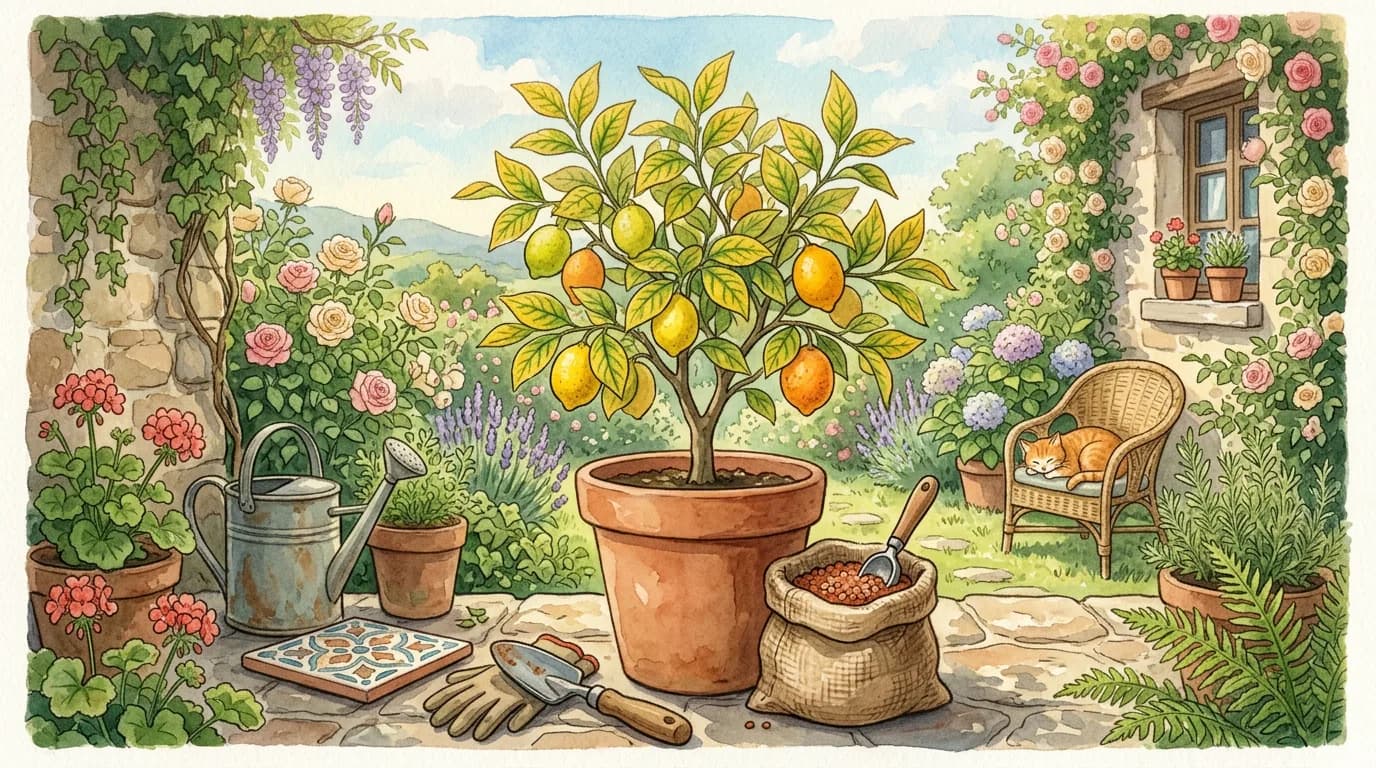
Iron and trace element chelates in chalky soils
Chelated iron stays available even if the soil is very chalky; it is the real solution to iron chlorosis in chalky Spain.
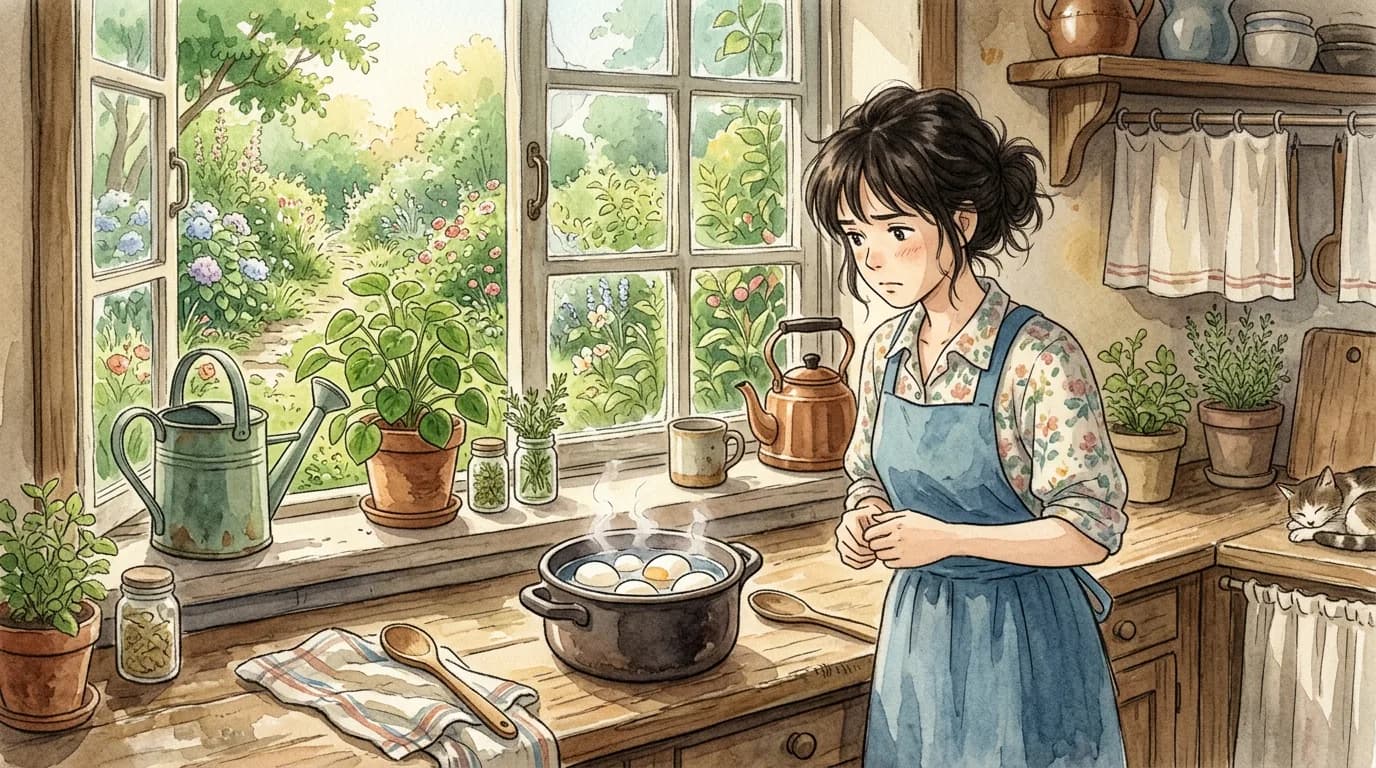
Myth: egg cooking water is not a calcium fertiliser
Egg cooking water carries tiny traces of calcium; watering with it does not prevent blossom end rot or feed plants.
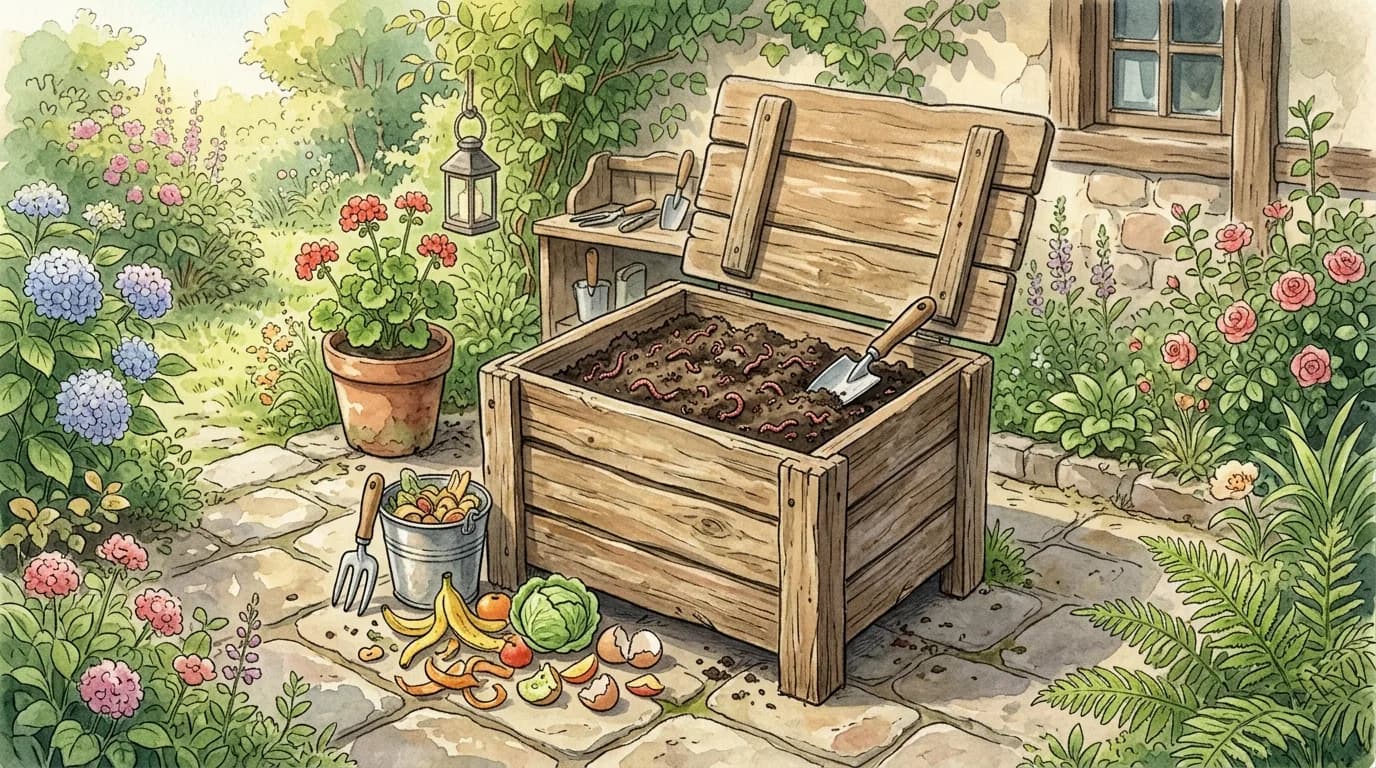
Homemade worm compost with red worms
Compost worms (Eisenia fetida) turn kitchen scraps into a very rich humus in a few weeks.
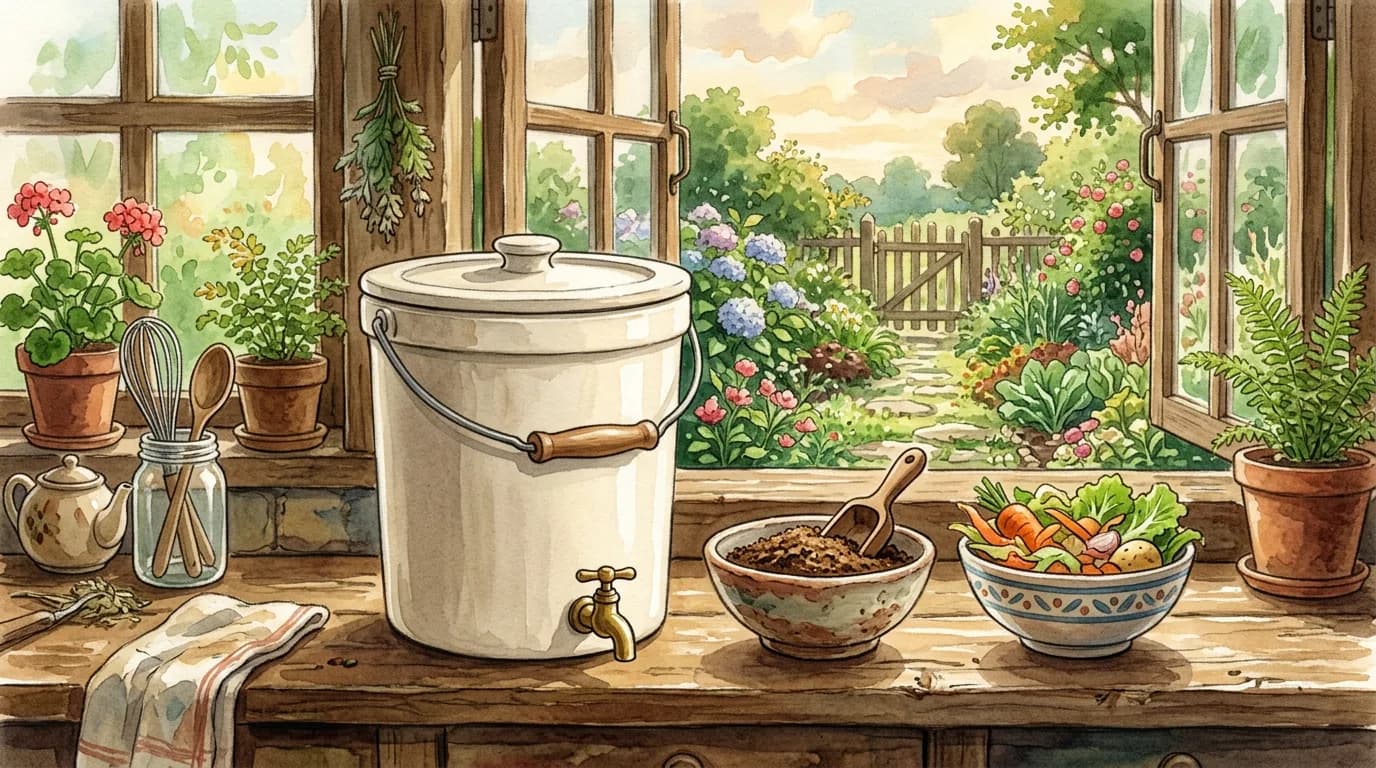
Bokashi: fermenting kitchen scraps
Airless fermentation of kitchen scraps with inoculated bran; afterwards it is buried in the soil or added to the compost.
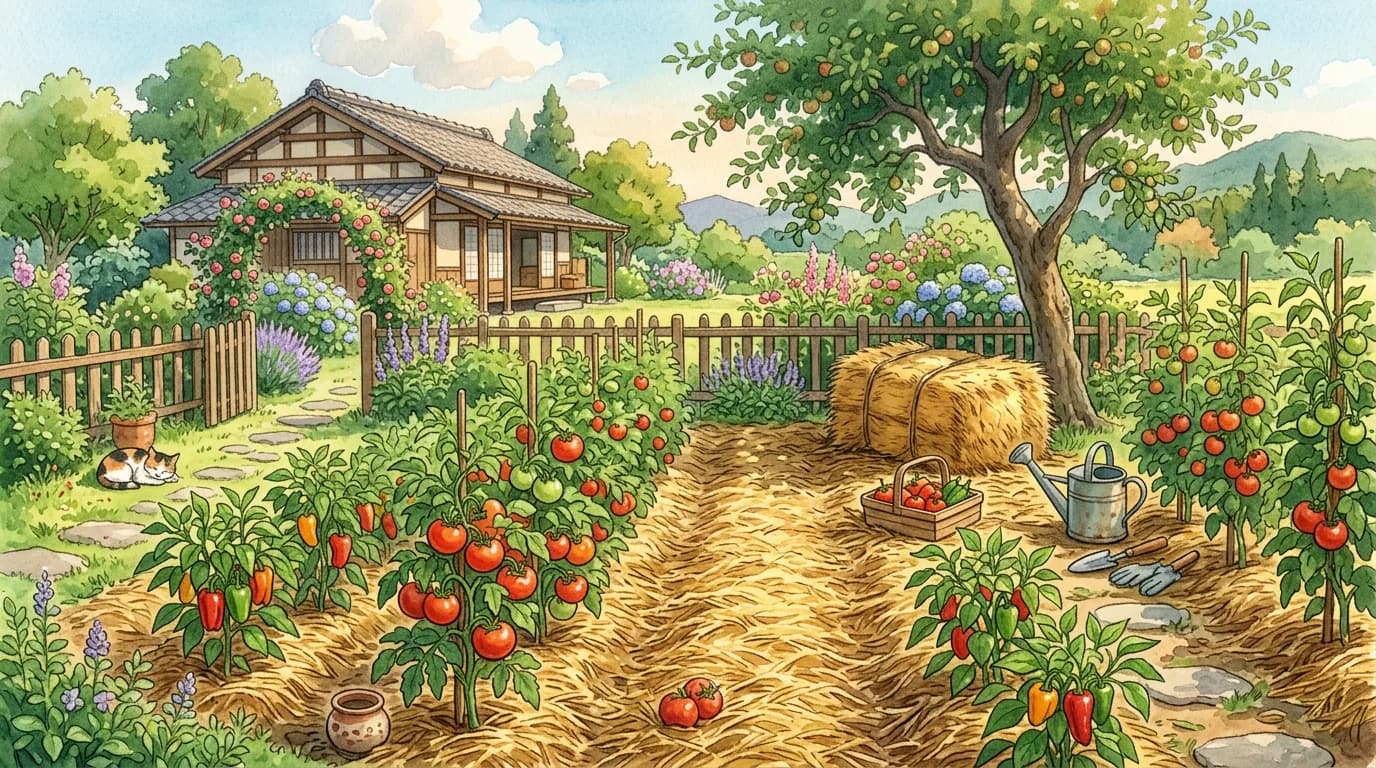
Straw mulch in the vegetable garden
A thick layer of straw keeps moisture in, holds back weeds and steadies watering, which is key in a Mediterranean summer.

Green manures: sowing to feed the soil
Cover crops (legumes, oats, phacelia) that are cut before setting seed and return organic matter and nitrogen to the soil.
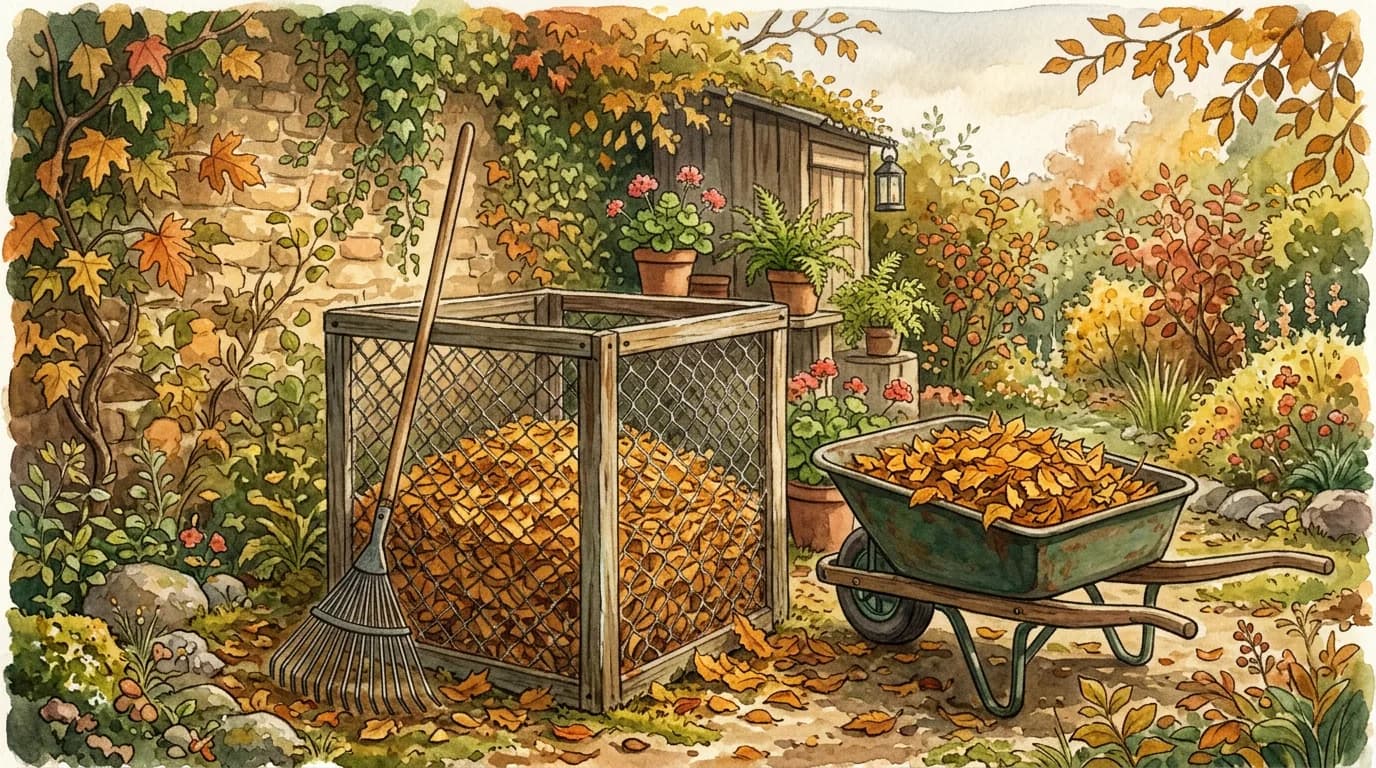
Dry leaf mulch (leaf mould)
Autumn leaves piled up and dampened turn within 1–2 years into a dark mould that holds water and conditions the soil.
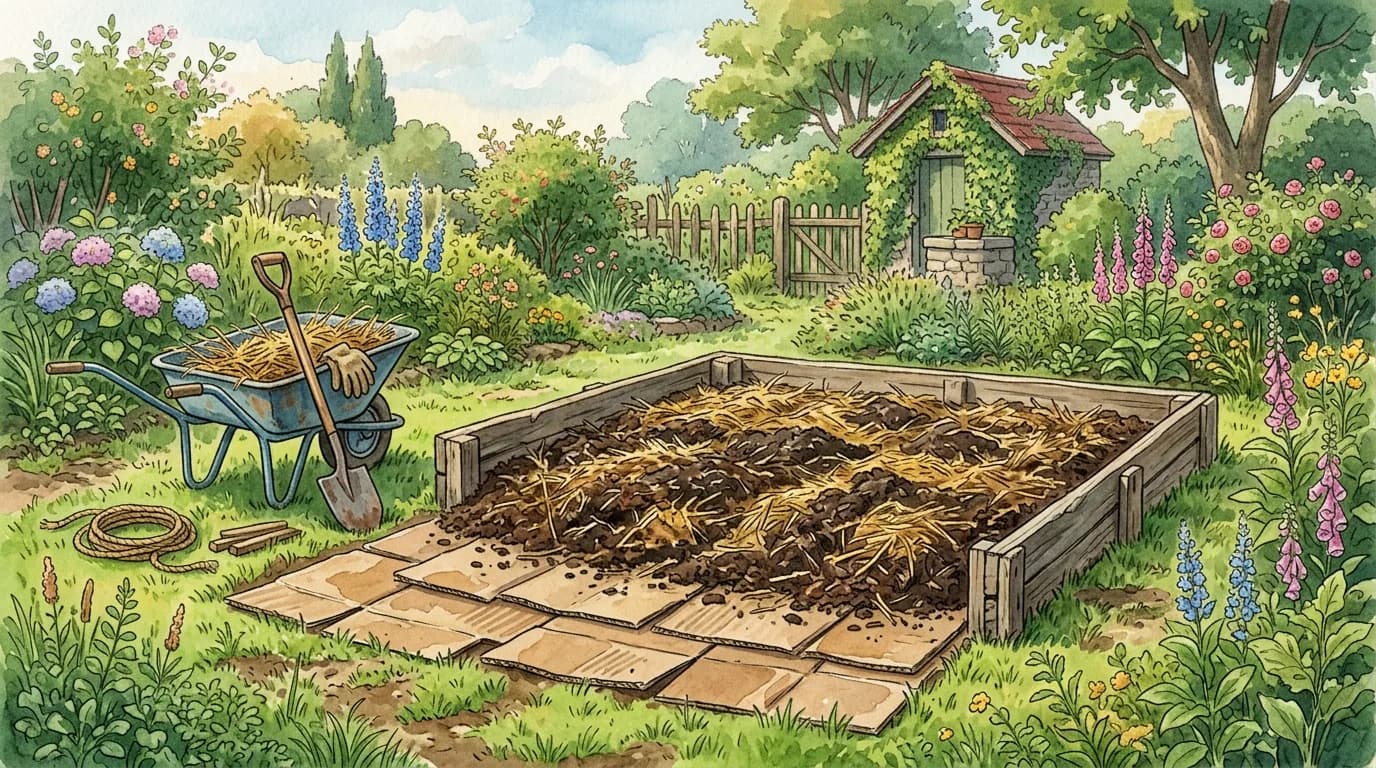
Cardboard on the ground
Wet cardboard covered with compost or mulch smothers lawn or weeds and creates a no-dig bed.
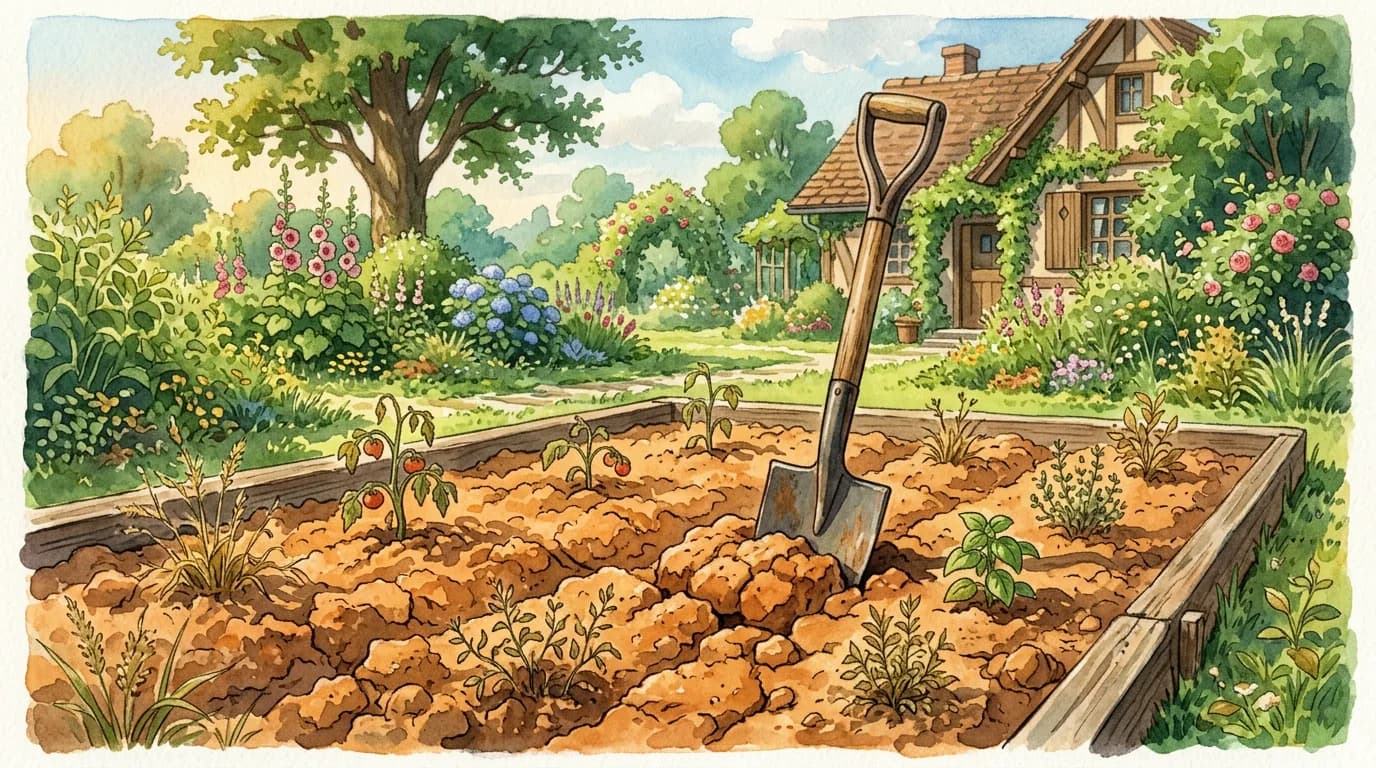
Clay soil: compost yes, sand alone no
To lighten a clay soil you need plenty of organic matter; adding sand on its own can make it worse.
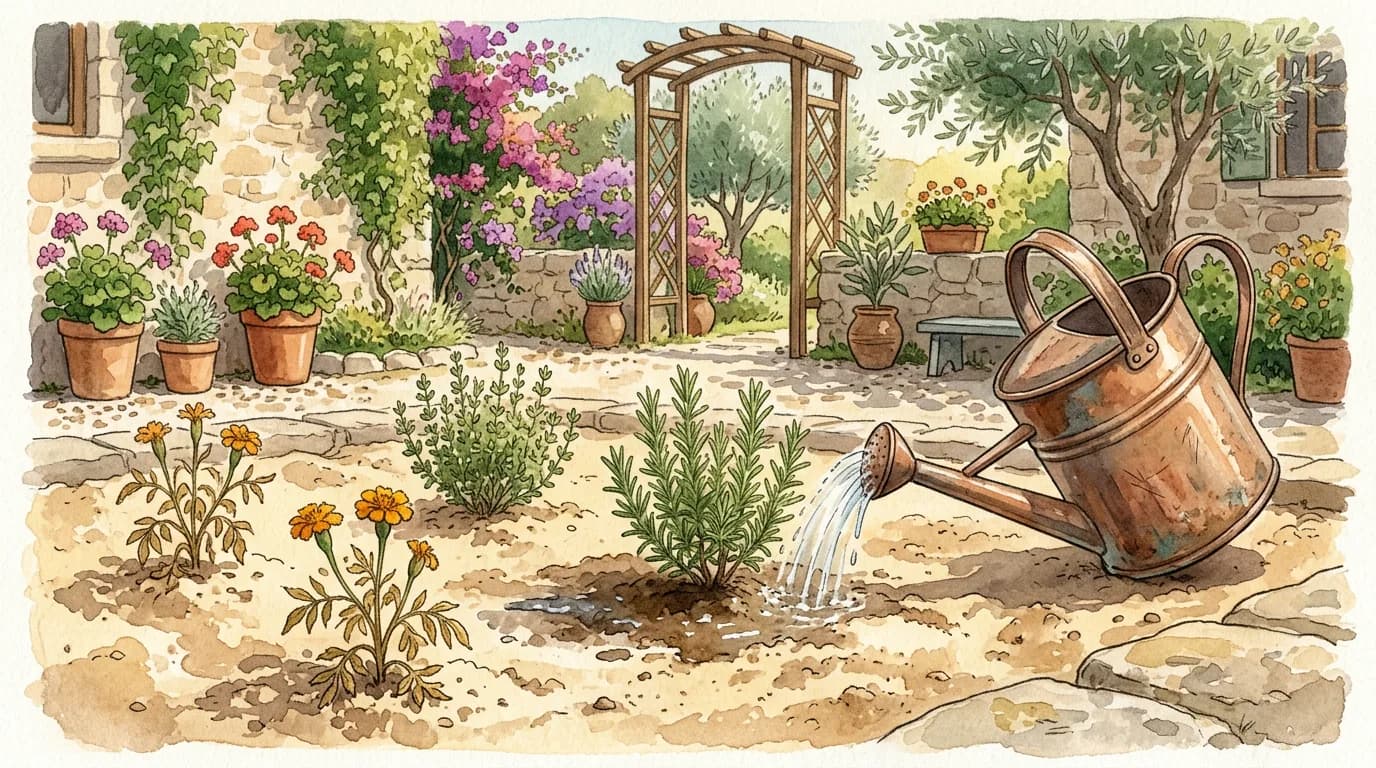
Sandy soil: holding water and nutrients
A sandy soil drains too much: it is corrected with compost, mulch and frequent watering in small amounts.
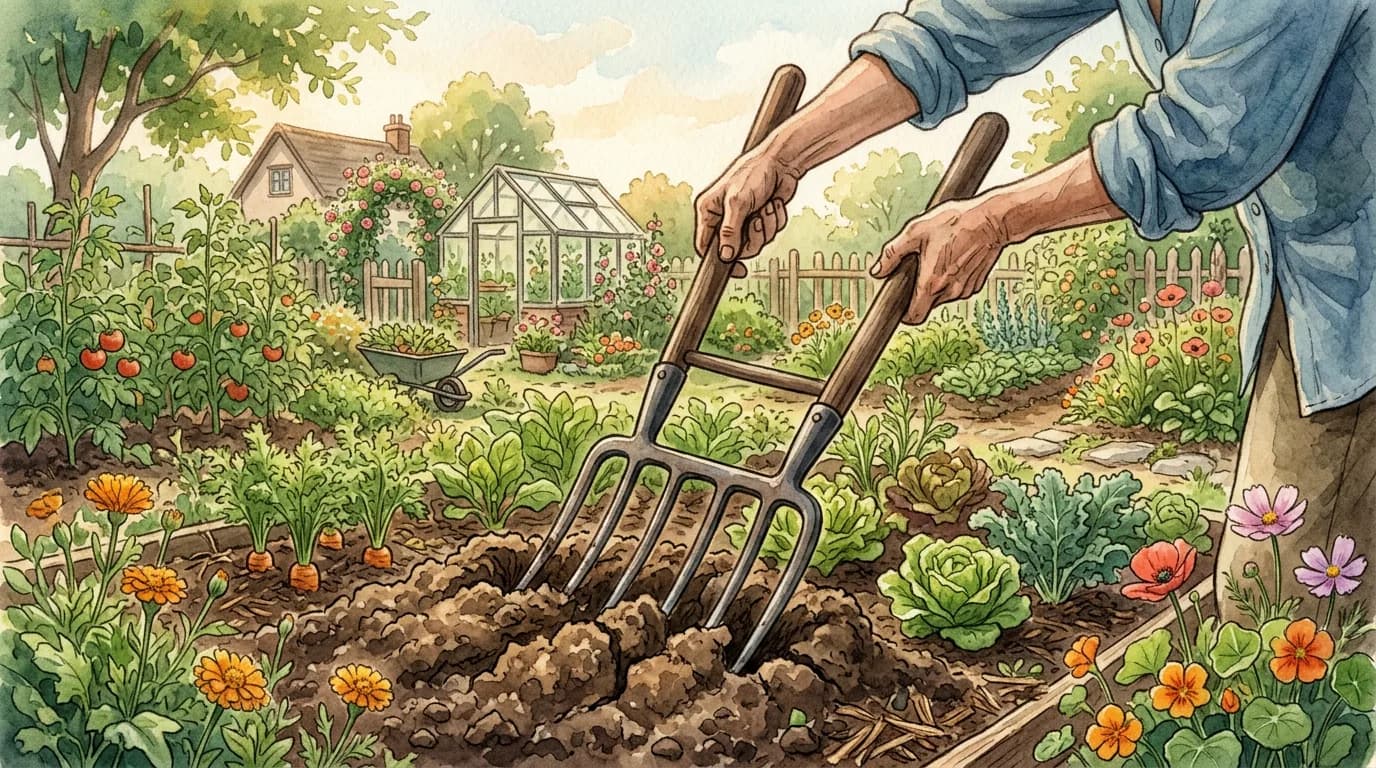
Aerating with a fork or double-handled broadfork
Pushing in the fork and rocking it without turning the soil loosens compacted clods and preserves the structure and life of the soil.
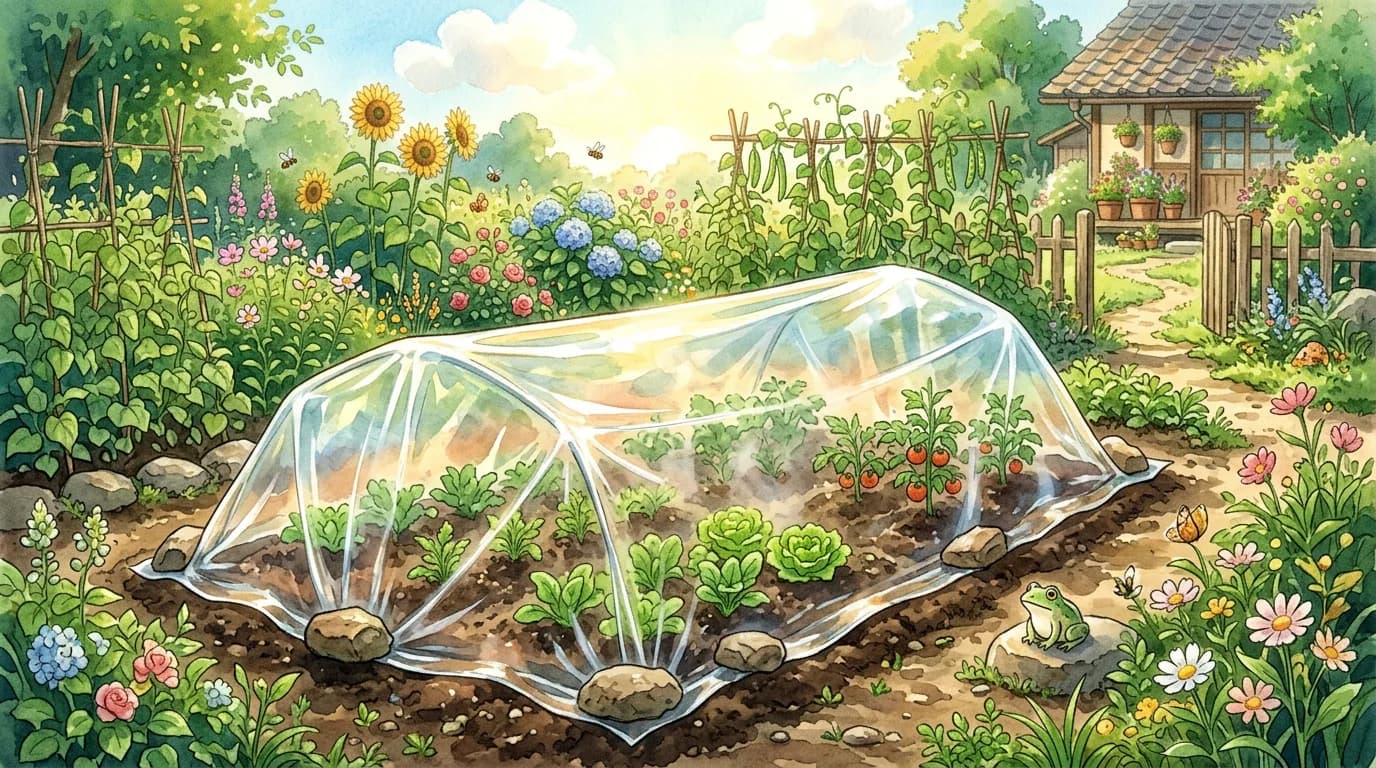
Soil solarisation in summer
Covering a moist bed with clear plastic for weeks heats the top layer and reduces weeds and pathogens.

Pine bark mulch: it protects, but does not acidify much
Pine bark is a good mulch for acid-loving plants, but it does not change the soil pH to any appreciable degree.
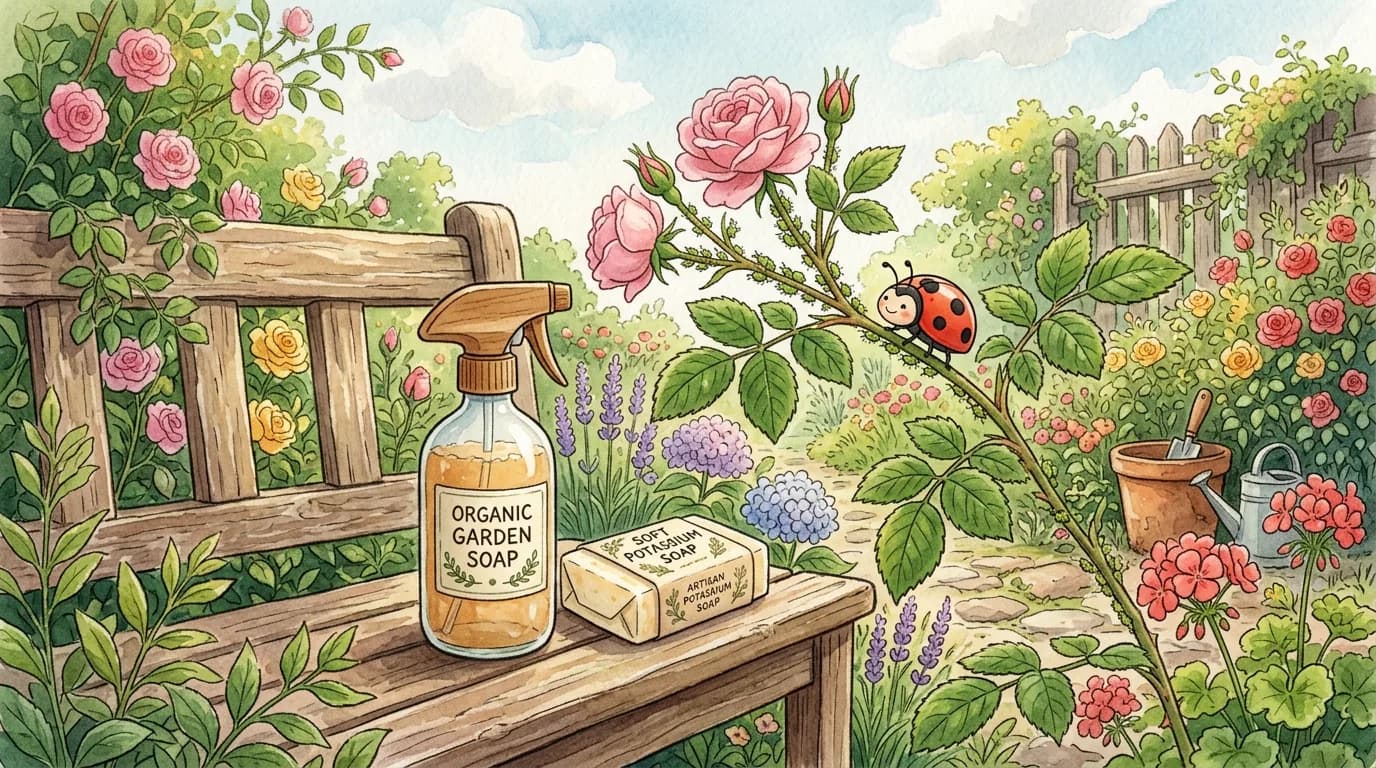
Potassium soap against aphids
A contact spray for aphids, whitefly and soft scale insects.
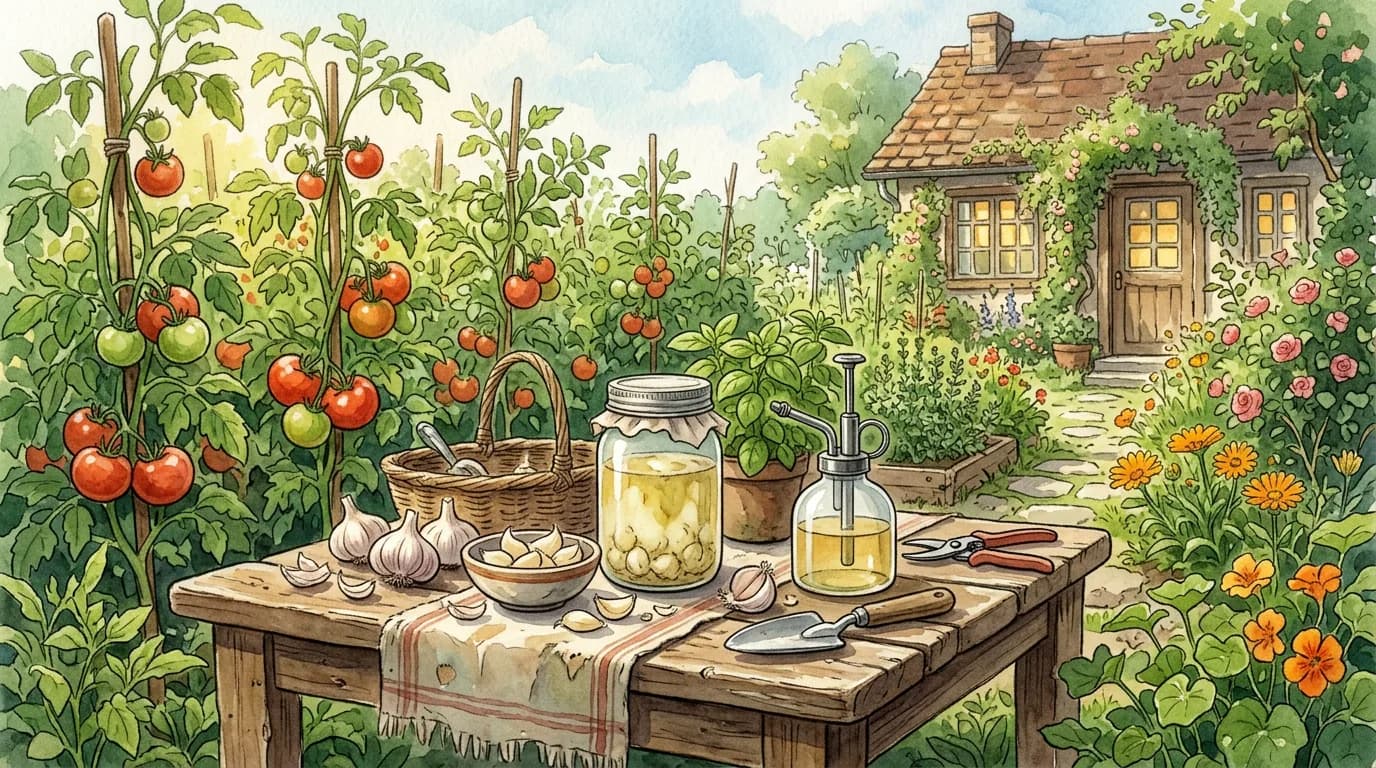
Garlic steeping as an insect repellent
A strong-smelling liquid that discourages aphids, whitefly and mites; a repellent effect, not a quick-acting one.
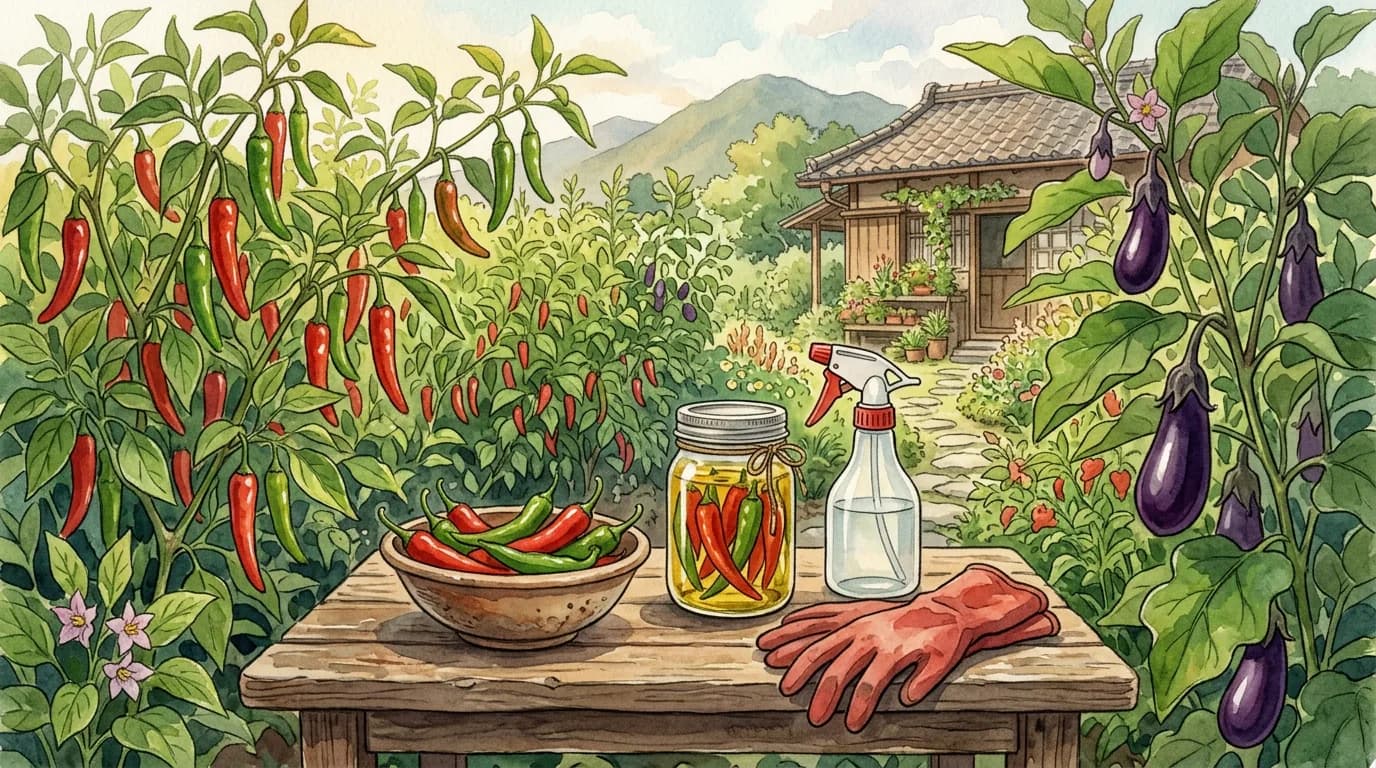
Chilli steeping for aphids and small caterpillars
A spicy repellent made from chillies, useful as an occasional help and with clear handling precautions.

Tansy infusion to repel insects
An infusion of a perennial aromatic plant that is used as a repellent for aphids, caterpillars and beetles.

Rue steeping: better not to use it
A traditional repellent for aphids and caterpillars that calls for protection: rue burns the skin in the sun.
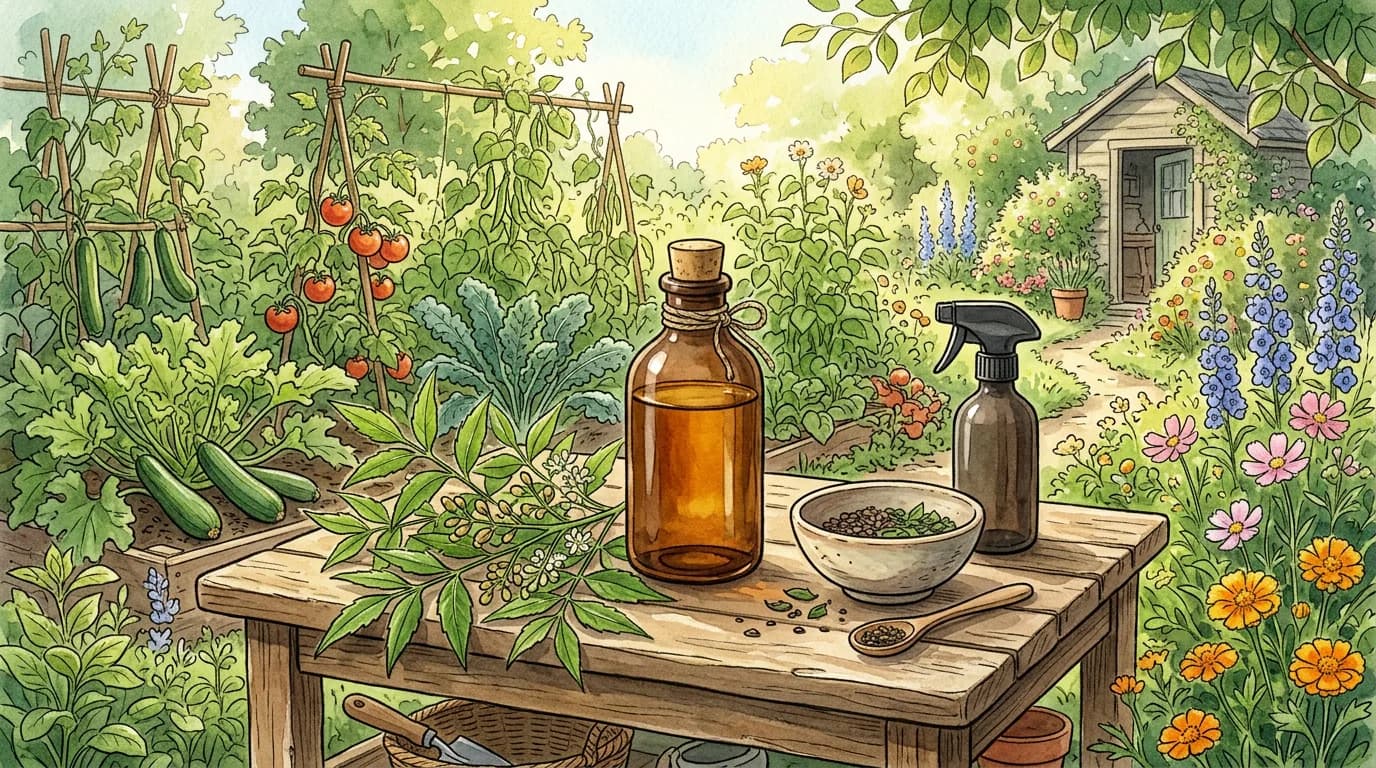
Neem oil for aphids, whitefly and mites
A vegetable oil with azadirachtin that acts by contact and ingestion on many insects and small mites.

Paraffin oil (horticultural mineral oil) in winter
A winter treatment on fruit trees and shrubs to smother scale insects and aphid eggs.
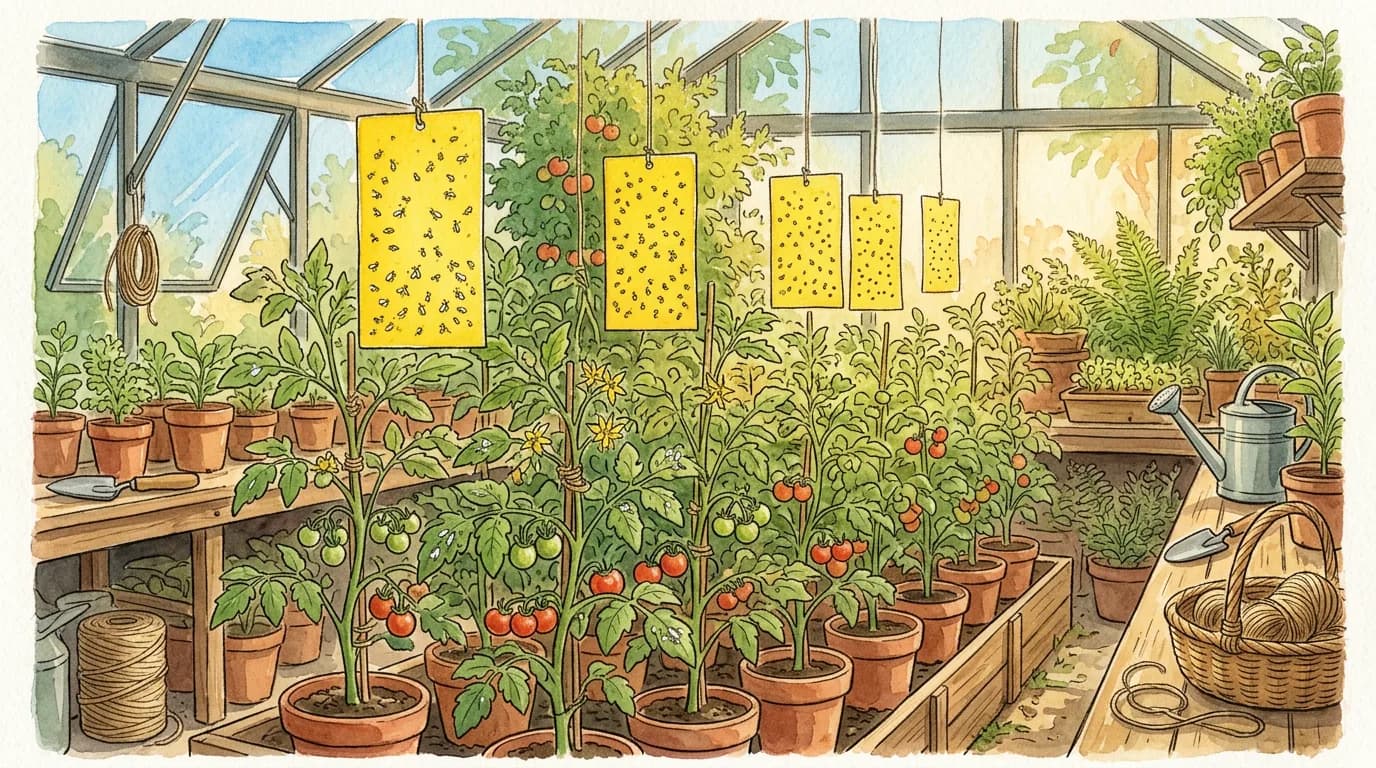
Yellow sticky traps for whitefly
Colour attraction: whiteflies, winged aphids and fungus gnats stick to a yellow card with glue.
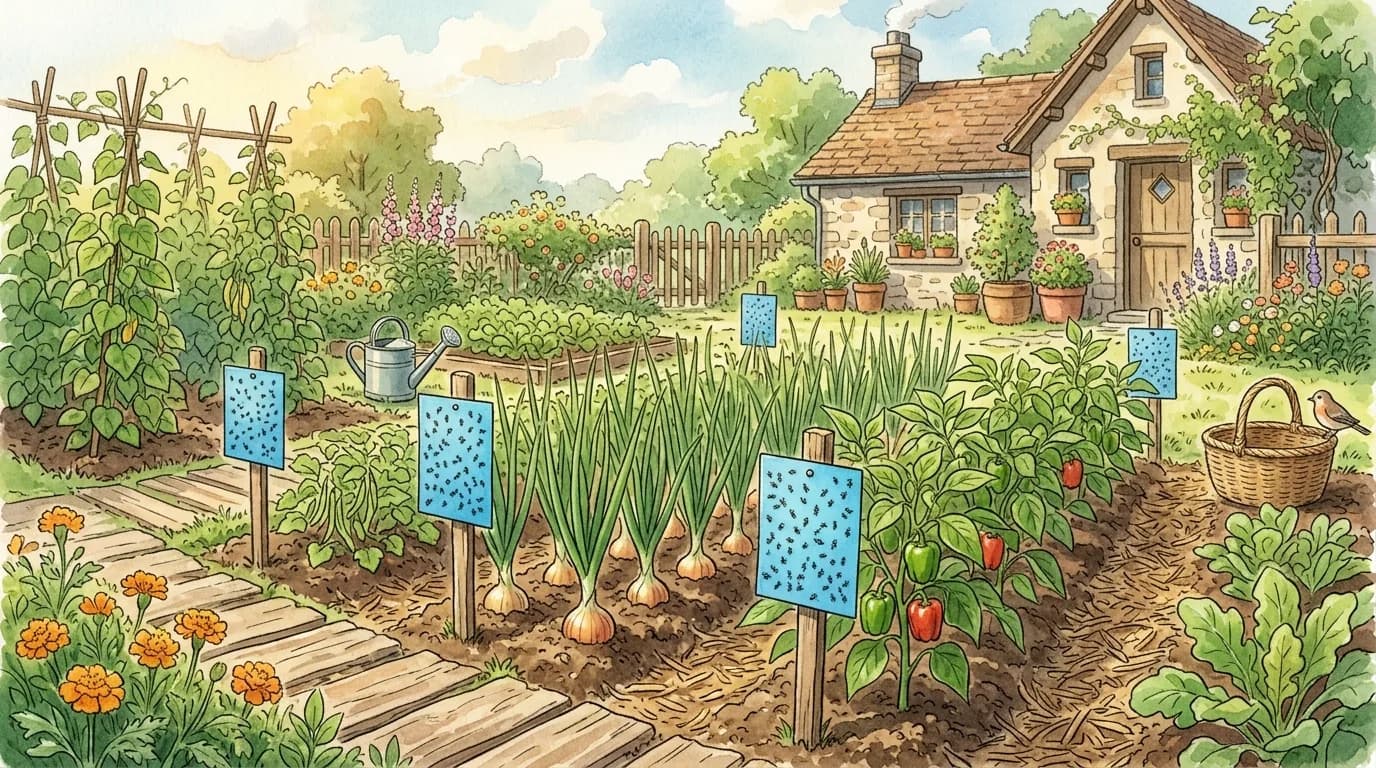
Blue sticky traps for thrips
Blue boards with glue to detect and reduce adult thrips on pepper, onion and flowers.
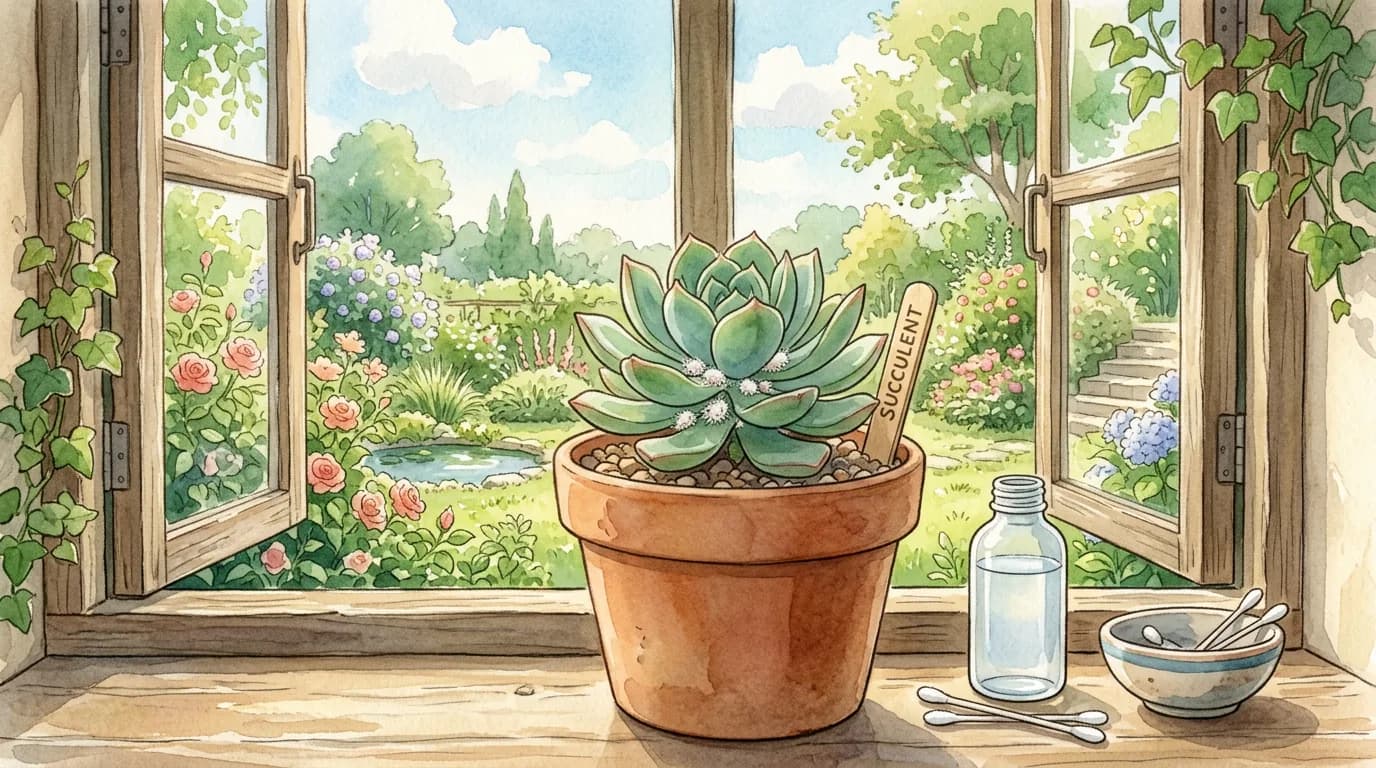
Rubbing alcohol for mealybugs
Dabbing with a cotton bud soaked in diluted alcohol to remove mealybugs on houseplants and terrace plants.
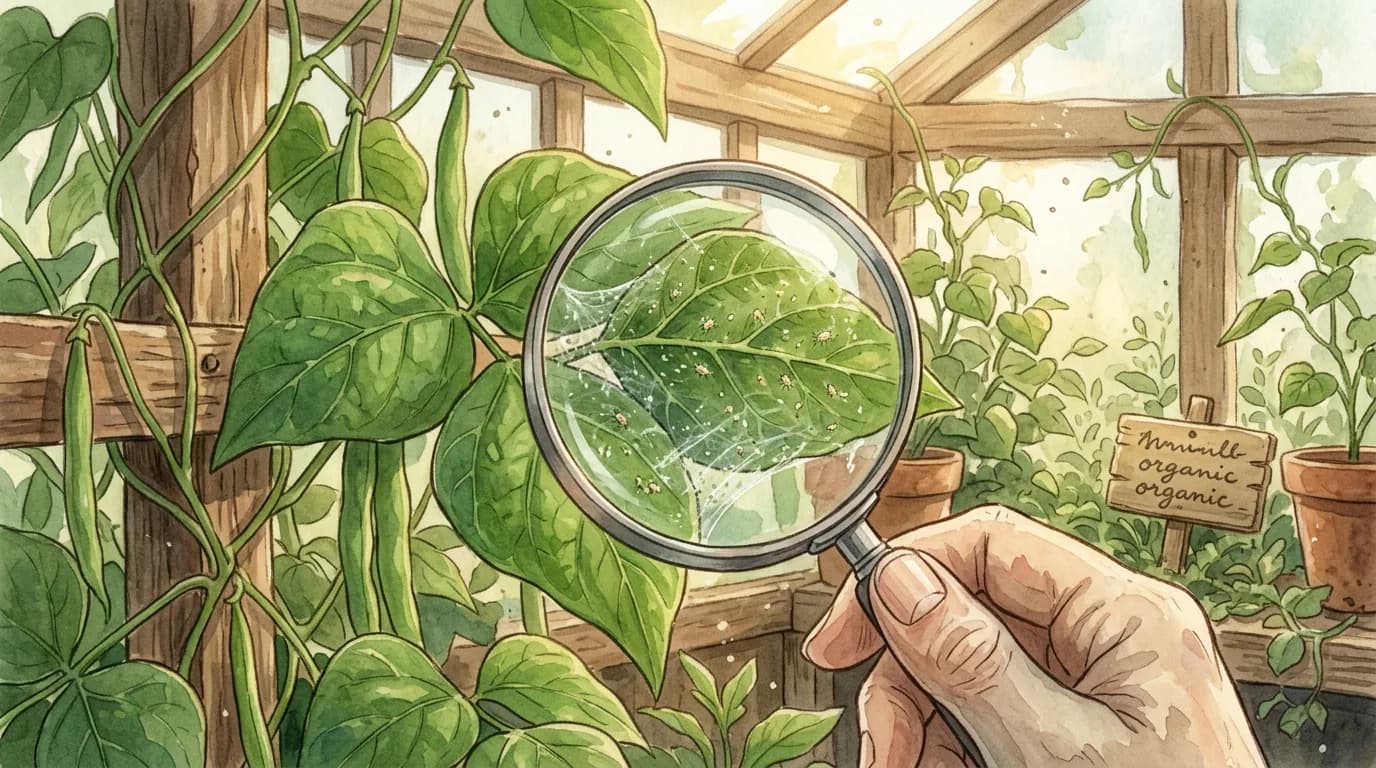
Water and humidity against red spider mite
Mites thrive in dry, hot air: washing them off with water and raising the humidity holds them back without chemicals.
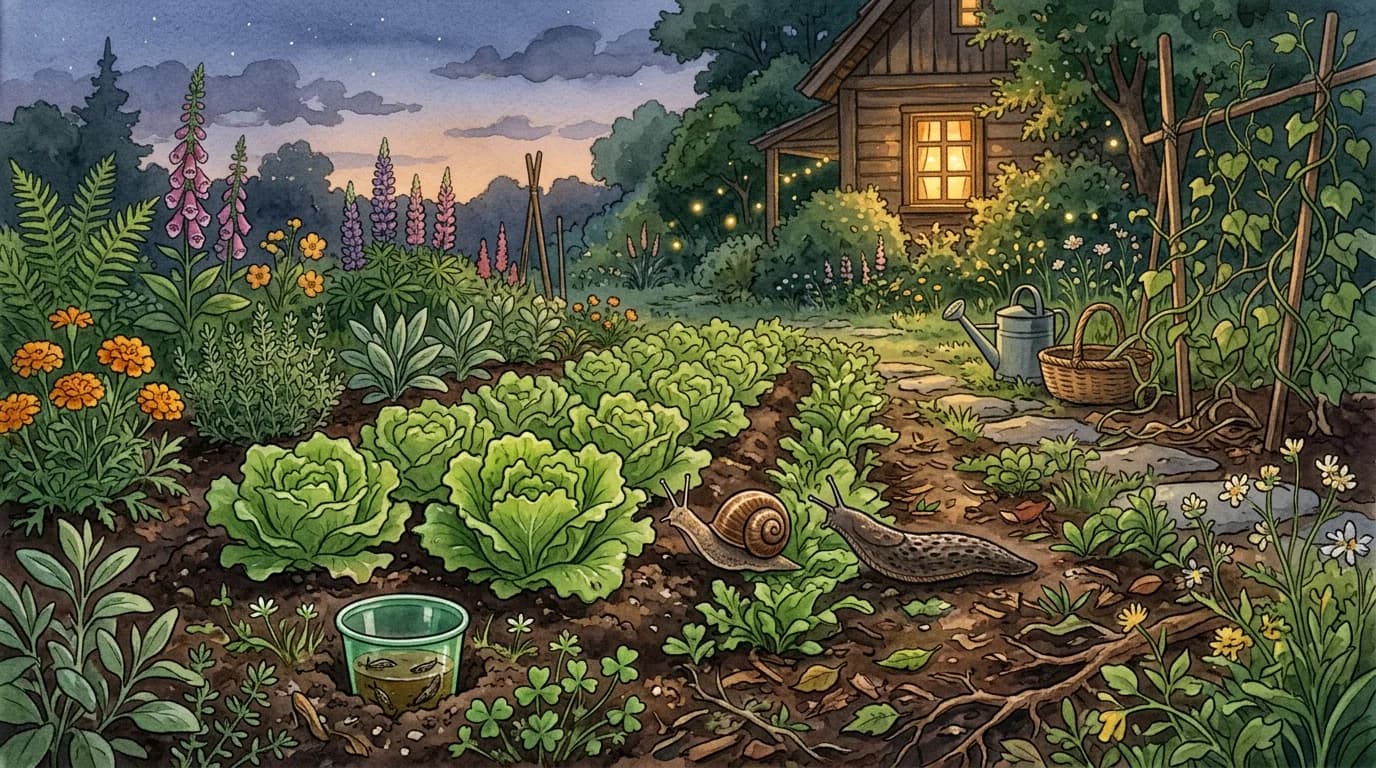
Beer trap for slugs and snails
A little buried cup of beer attracts and drowns slugs; it works if it is checked daily and placed well.
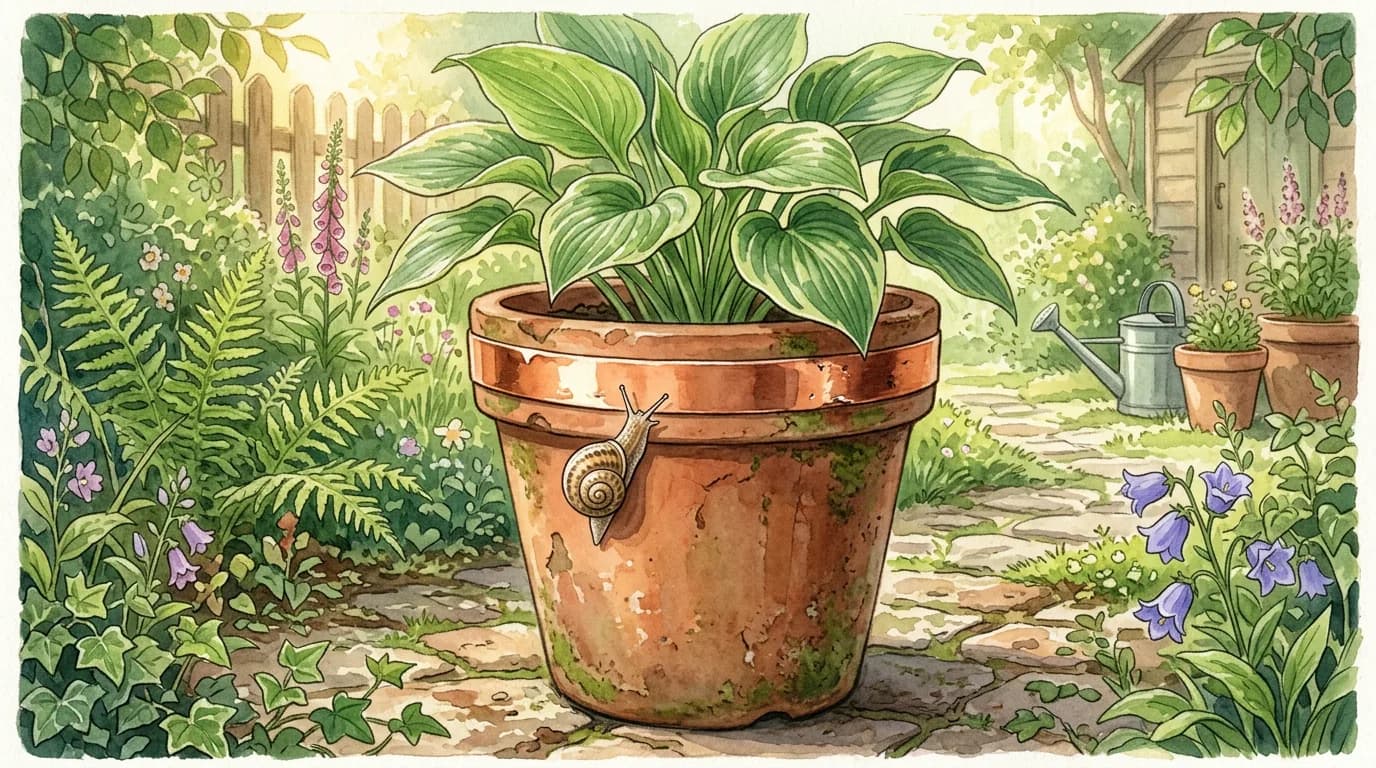
Copper tape to protect pots from slugs
A copper band around the pot or growing table; it works on pots, less so on open ground.
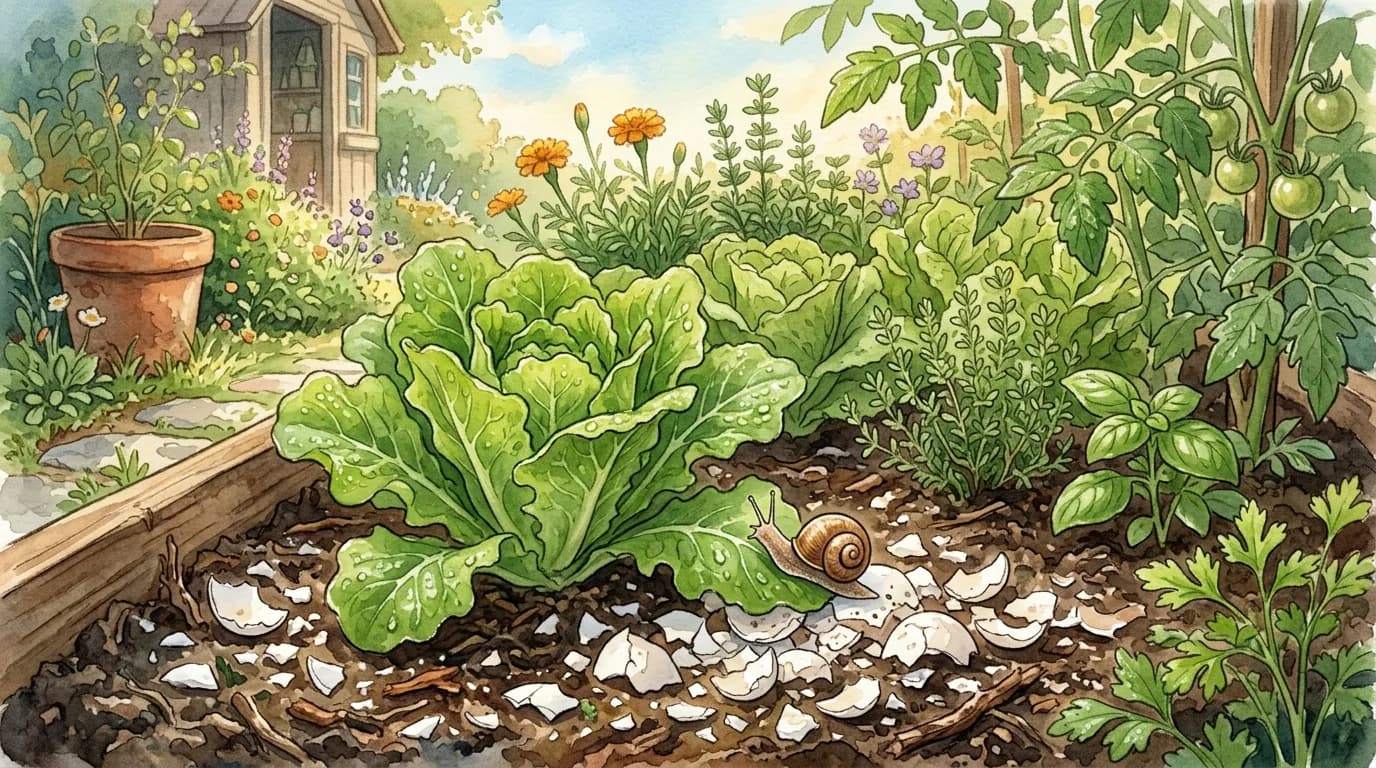
Myth: eggshells stop slugs
Much repeated, but in real trials shells do not reduce slug damage.
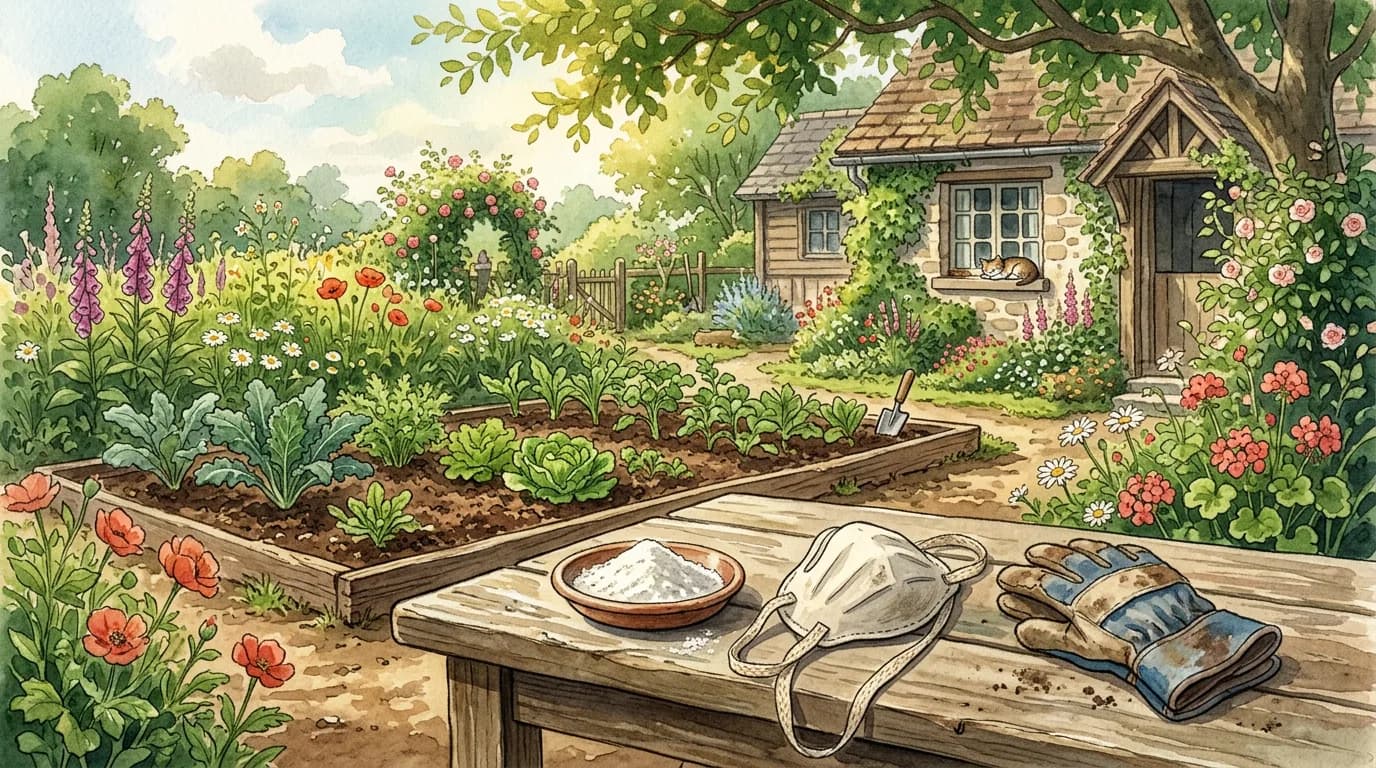
Diatomaceous earth for soft-bodied insects
A siliceous powder that dries out slugs, aphids and ants; it only works dry and needs protection when applying it.
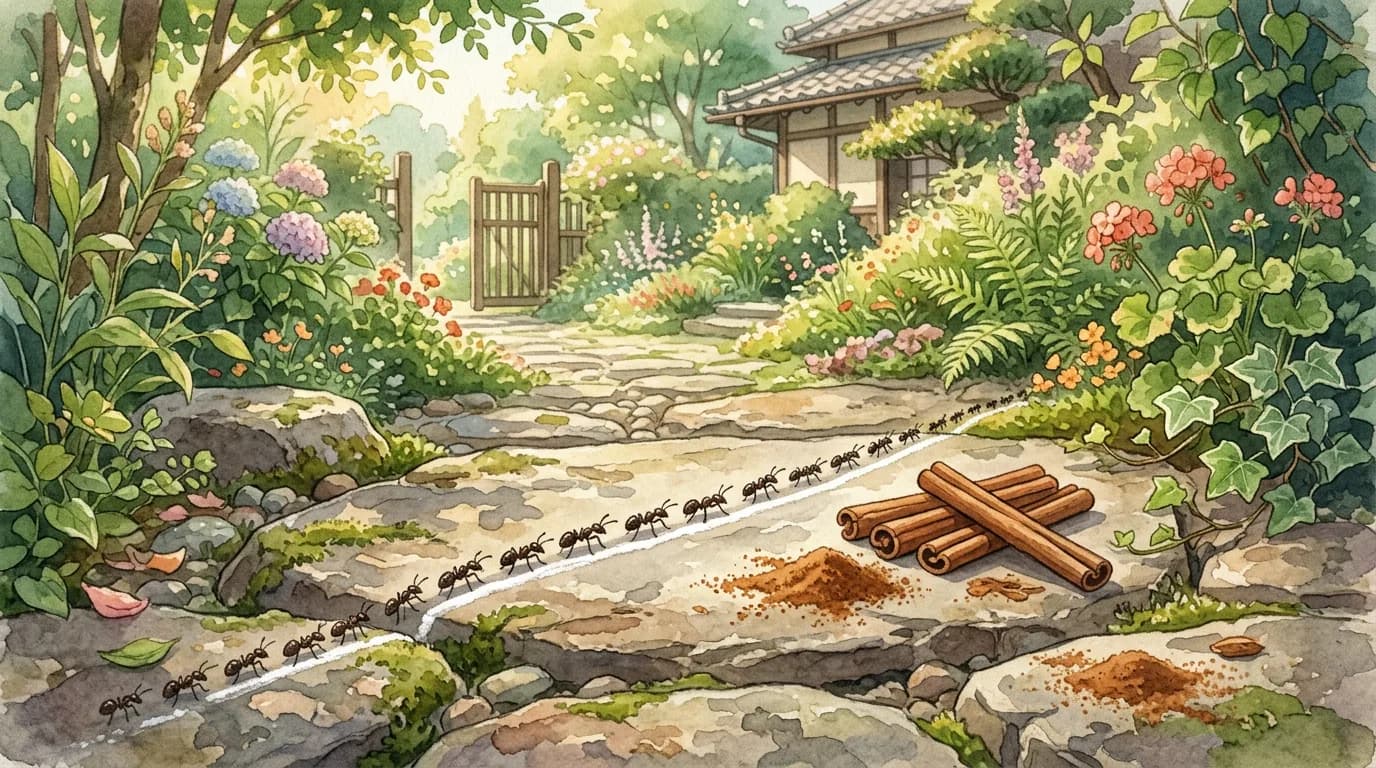
Do cinnamon or chalk work against ants?
Lines of cinnamon or chalk divert ants for a few minutes, but they do not solve the underlying matter: the aphids.

Insect mesh for carrot and onion
A physical barrier with fine, tall mesh to stop carrot fly and onion fly from laying eggs.
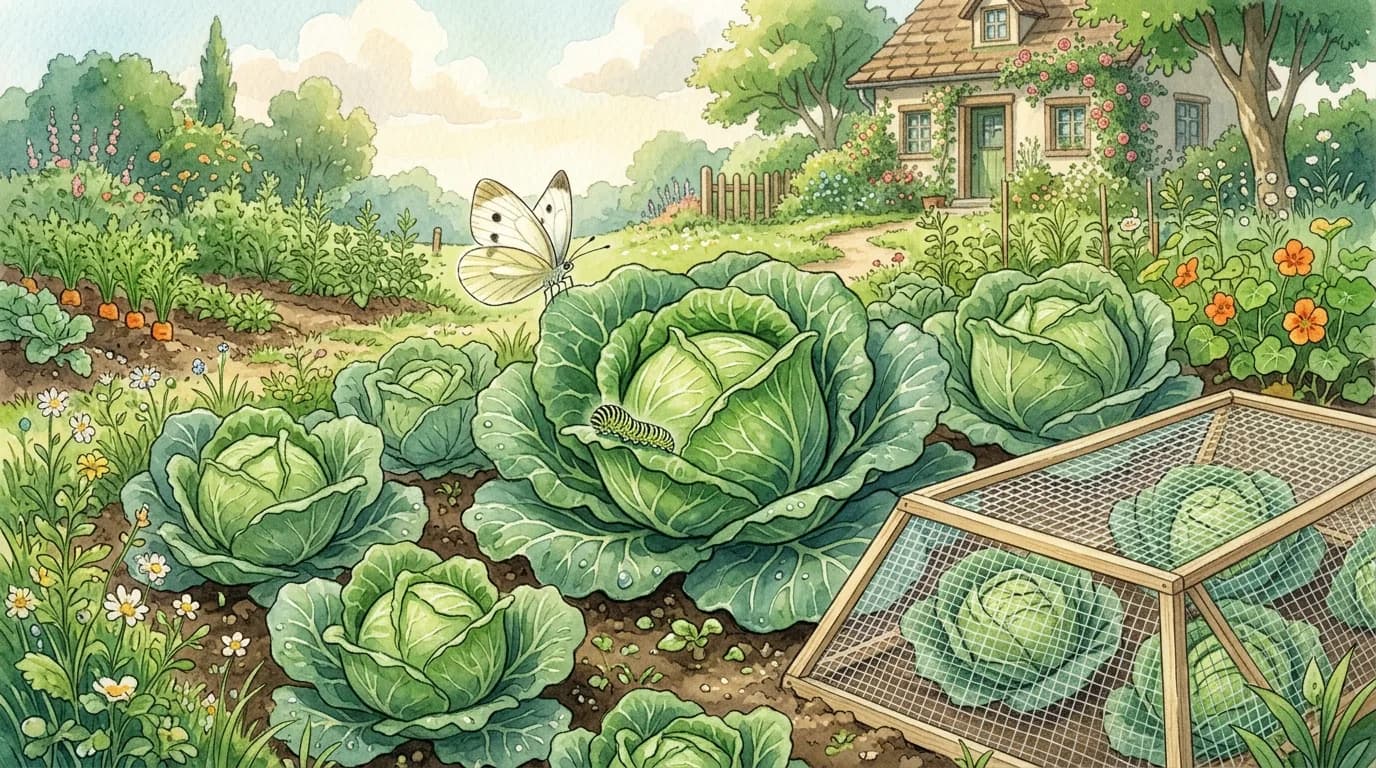
Cabbage caterpillars: mesh, checking and Bt
Cover the cabbages from the start, remove egg clusters by hand and, if needed, use Bacillus thuringiensis.
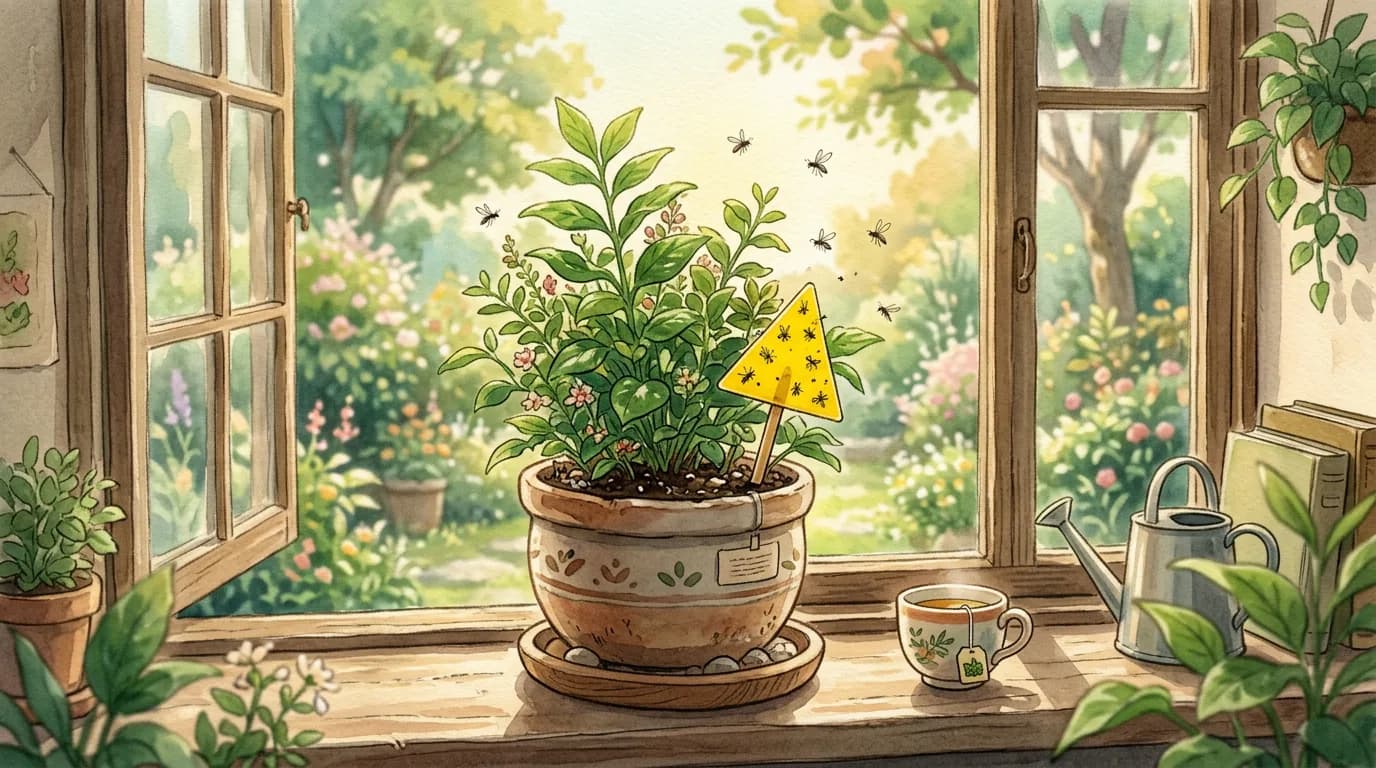
Fungus gnats: let it dry out, sand and traps
The little black gnats around pots hatch in damp growing medium: drying the top layer and catching the adults is usually enough.
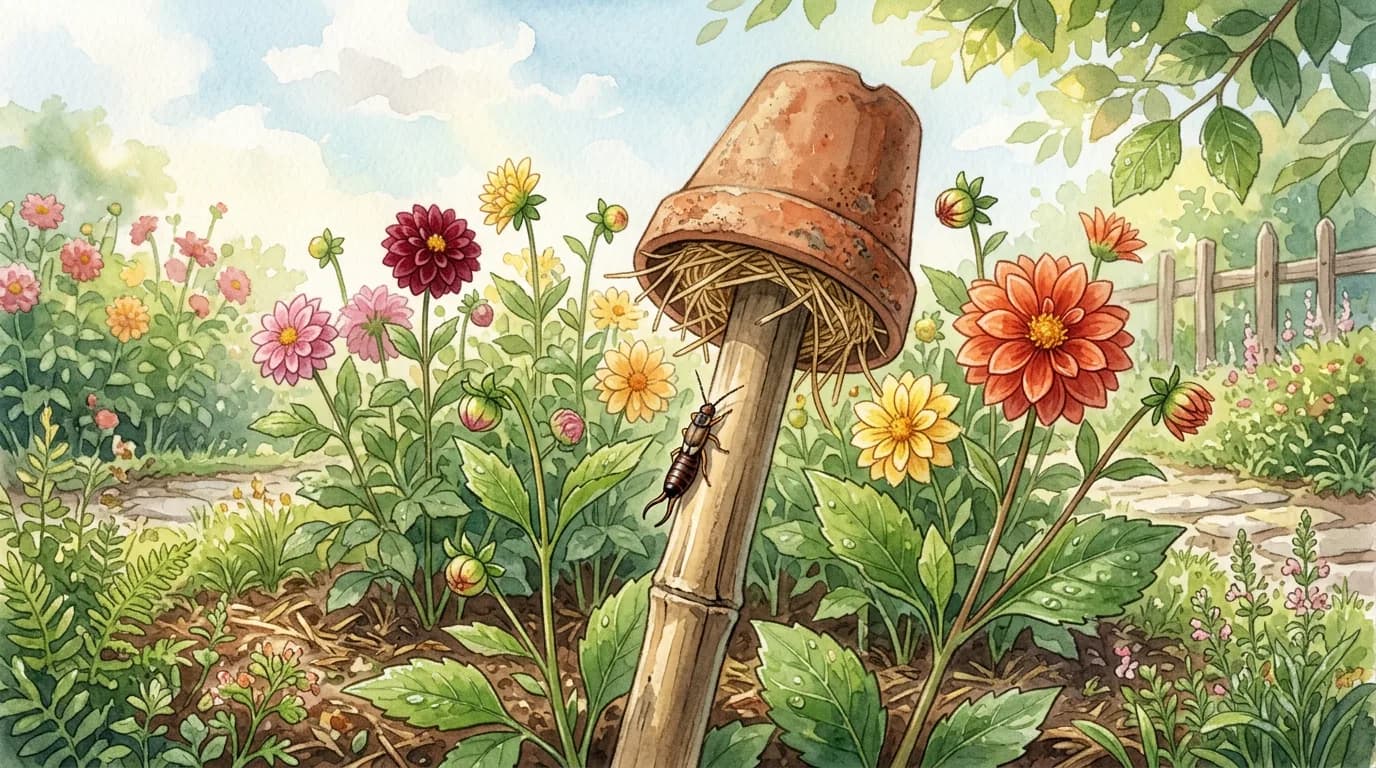
Straw-filled pot trap for earwigs
An upturned pot filled with straw on a cane attracts earwigs, which gather there during the day.
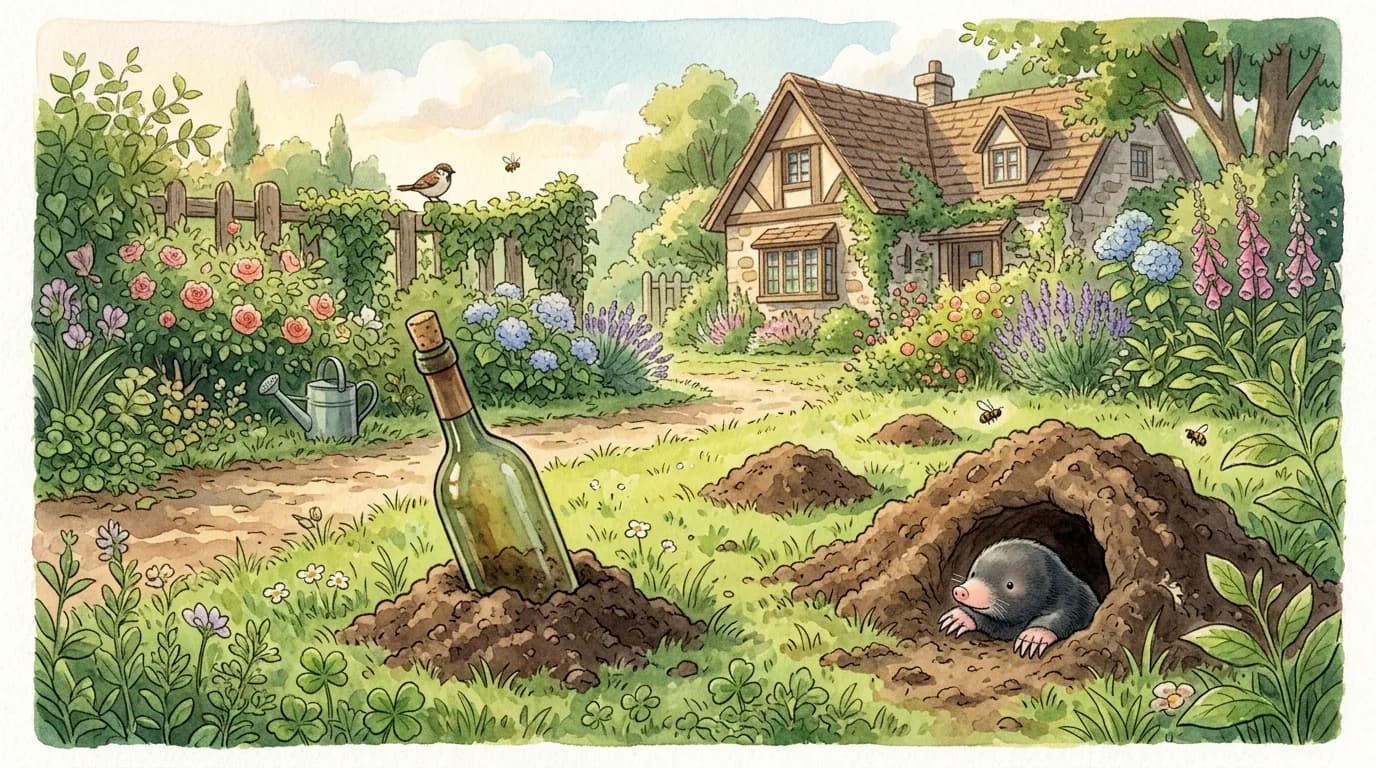
Myth: bottles, rue or garlic to scare off moles
Homemade repellents (bottles, rue, garlic, noises) almost never drive a mole away; the usual outcome is that it moves a few metres.
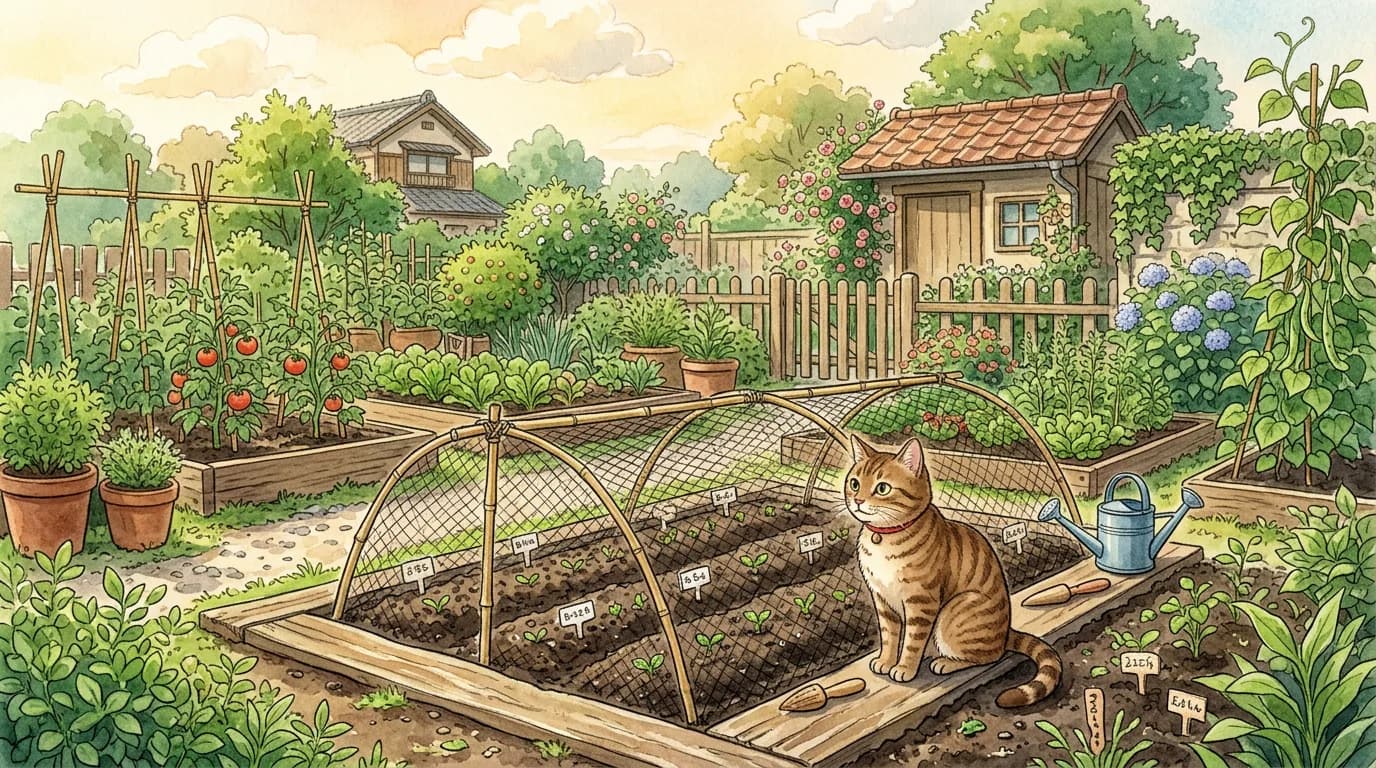
Barriers for cats and birds on seed trays
Thorny branches, raised meshes and reflective tapes to protect seeds and seedlings without hurting the animals.
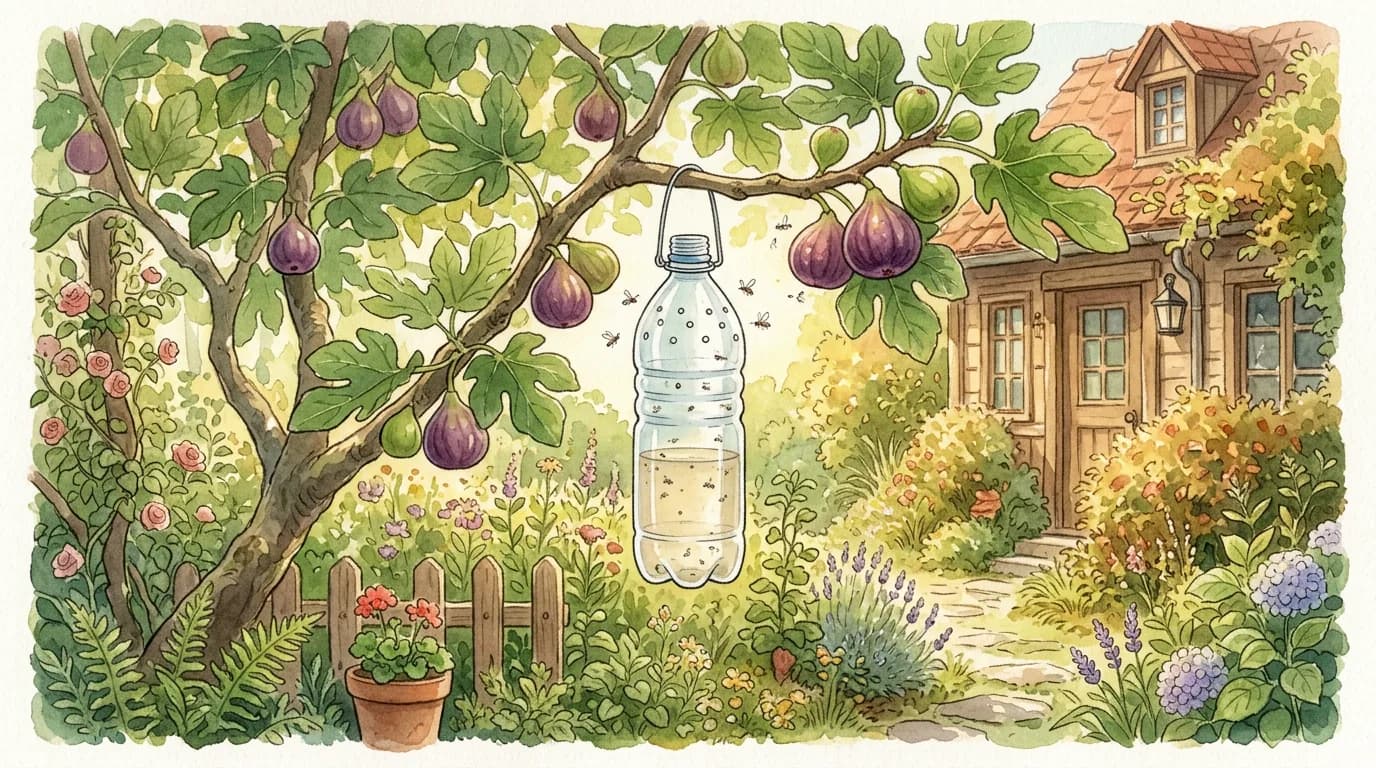
Vinegar and wine trap for fruit flies
A bottle with vinegar and wine to monitor and reduce fruit flies (Drosophila suzukii) on fruit trees and in the garden.
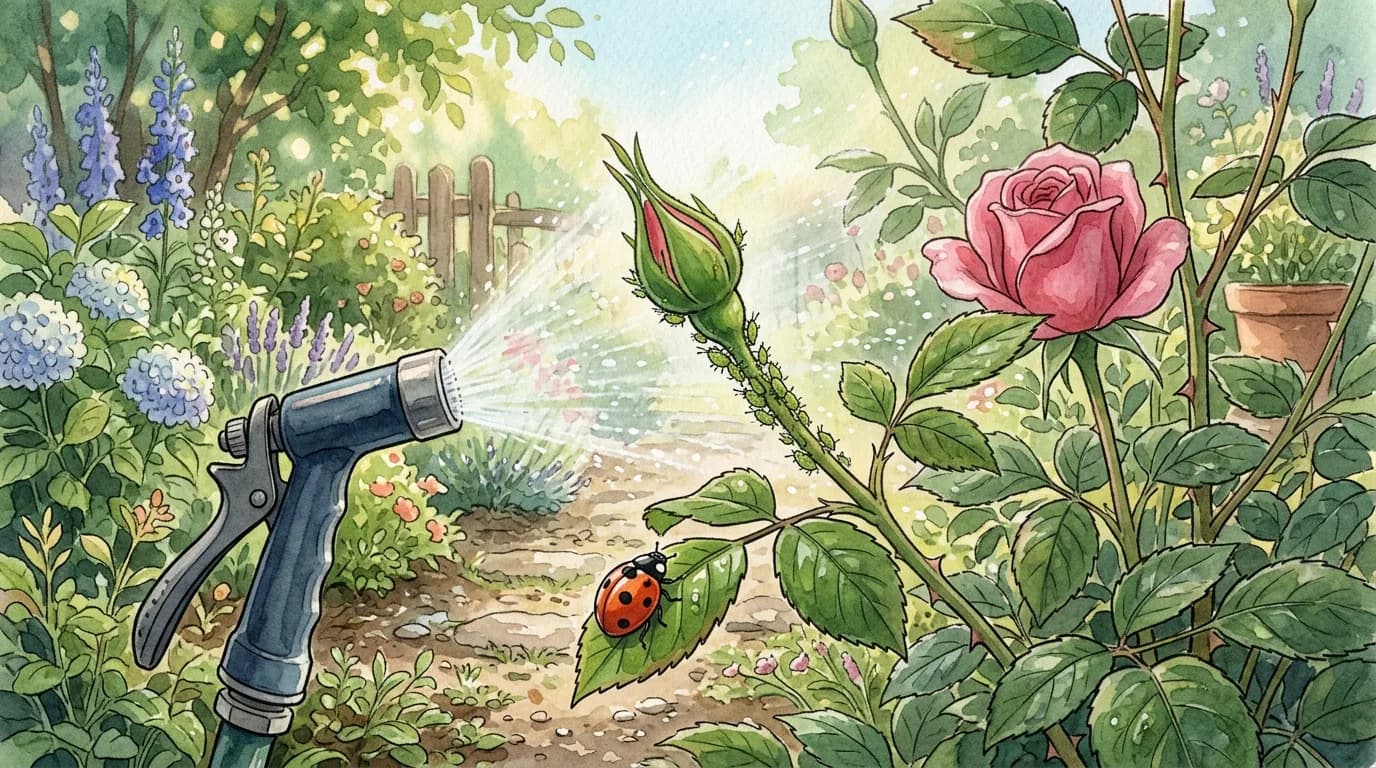
Water jet against aphids
Removing aphids with a fine jet of water: no products, no residues and respectful of useful insects.

Marigolds (Tagetes) to hold back soil nematodes
Planting dense marigolds for a whole cycle and digging them in reduces root-knot nematodes in infested soils.
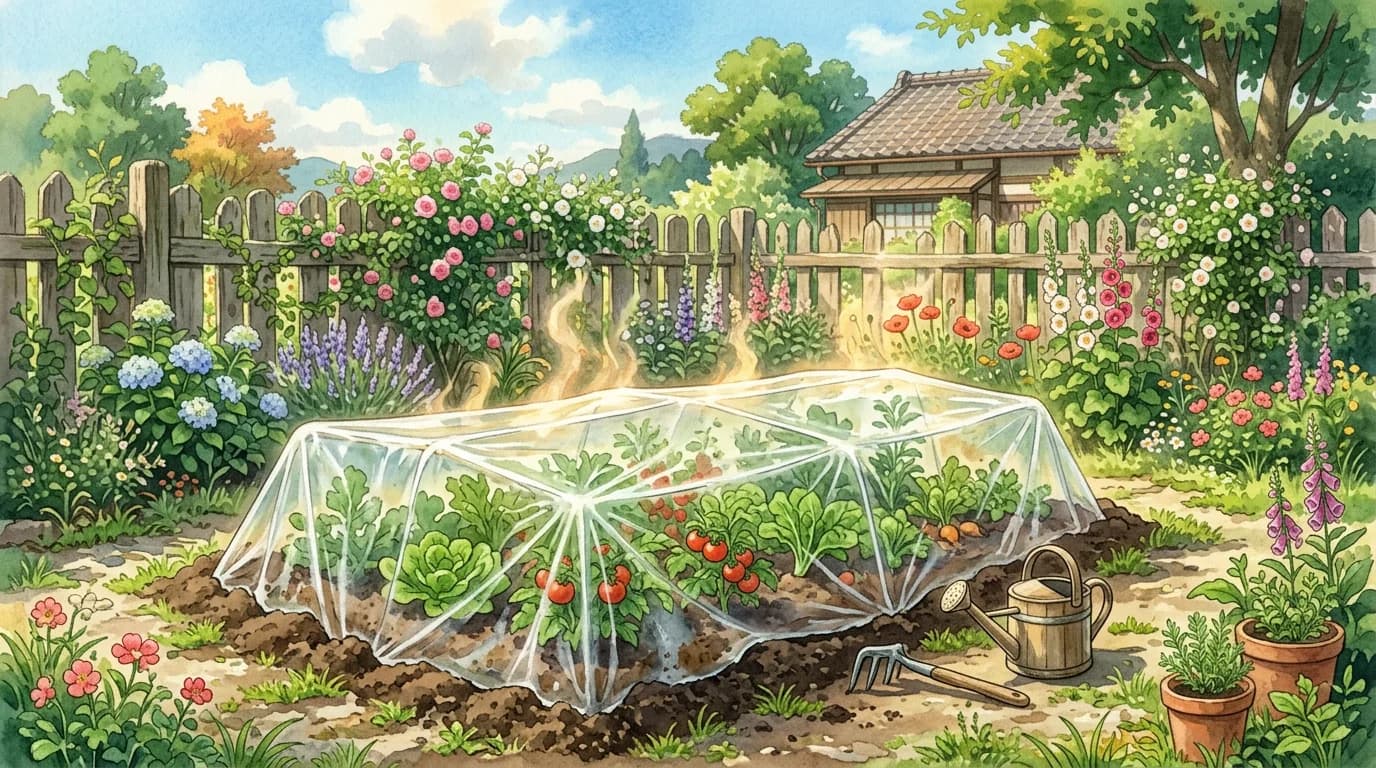
Soil solarisation against nematodes and fungi
Covering moist soil with clear plastic in high summer to pasteurise the surface layer.
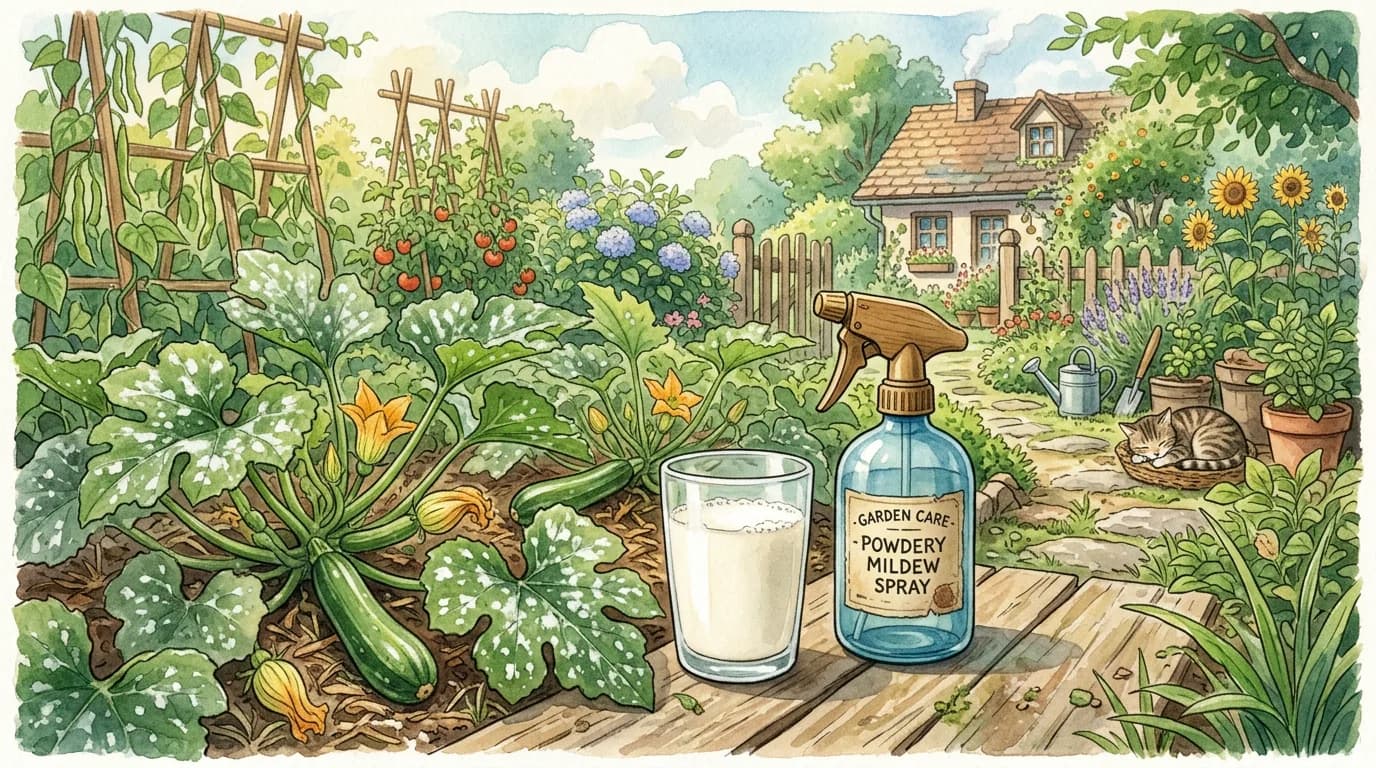
Diluted milk against powdery mildew
A spray of milk in water to hold back the white powder on courgette, cucumber and rose.
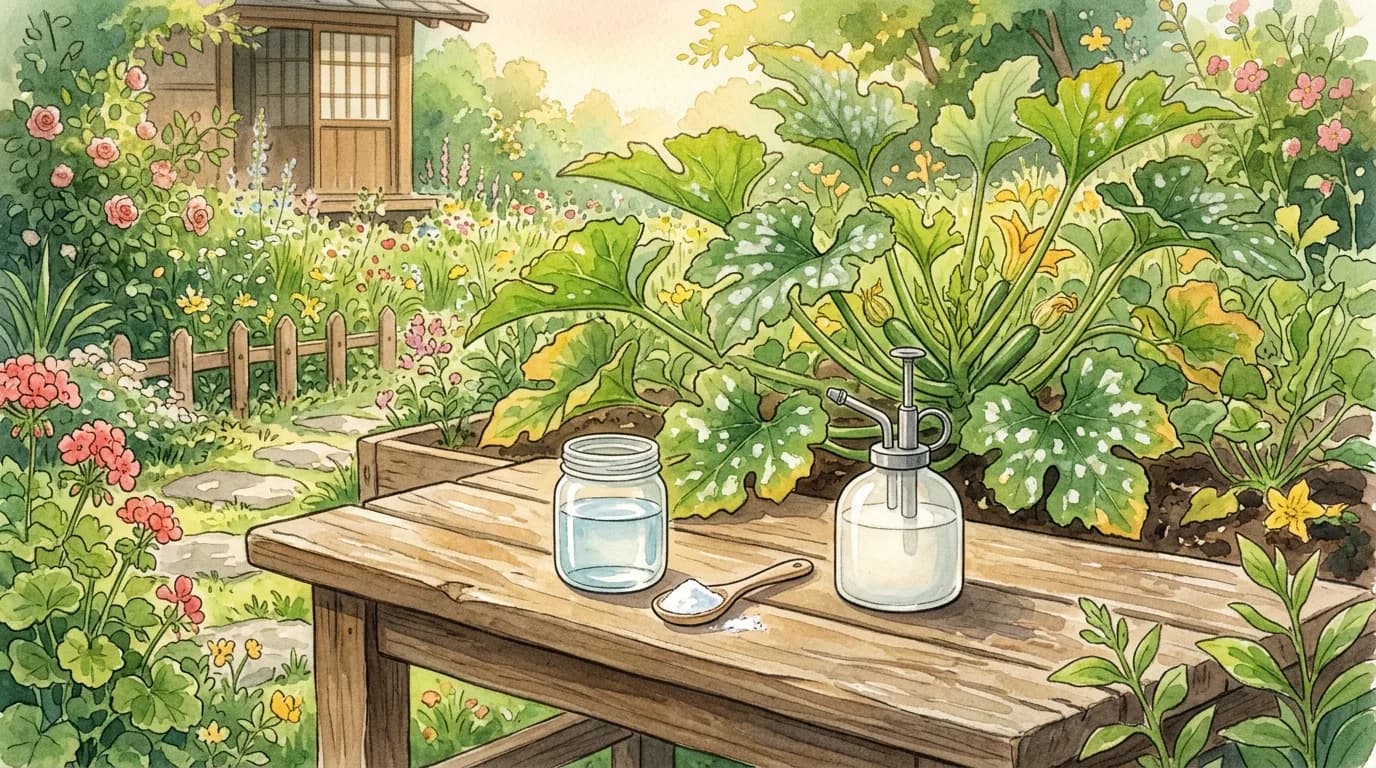
Bicarbonate of soda against powdery mildew
A spray of bicarbonate with a few drops of oil and soap to hold back the white powder, with a risk of building up sodium if overused.
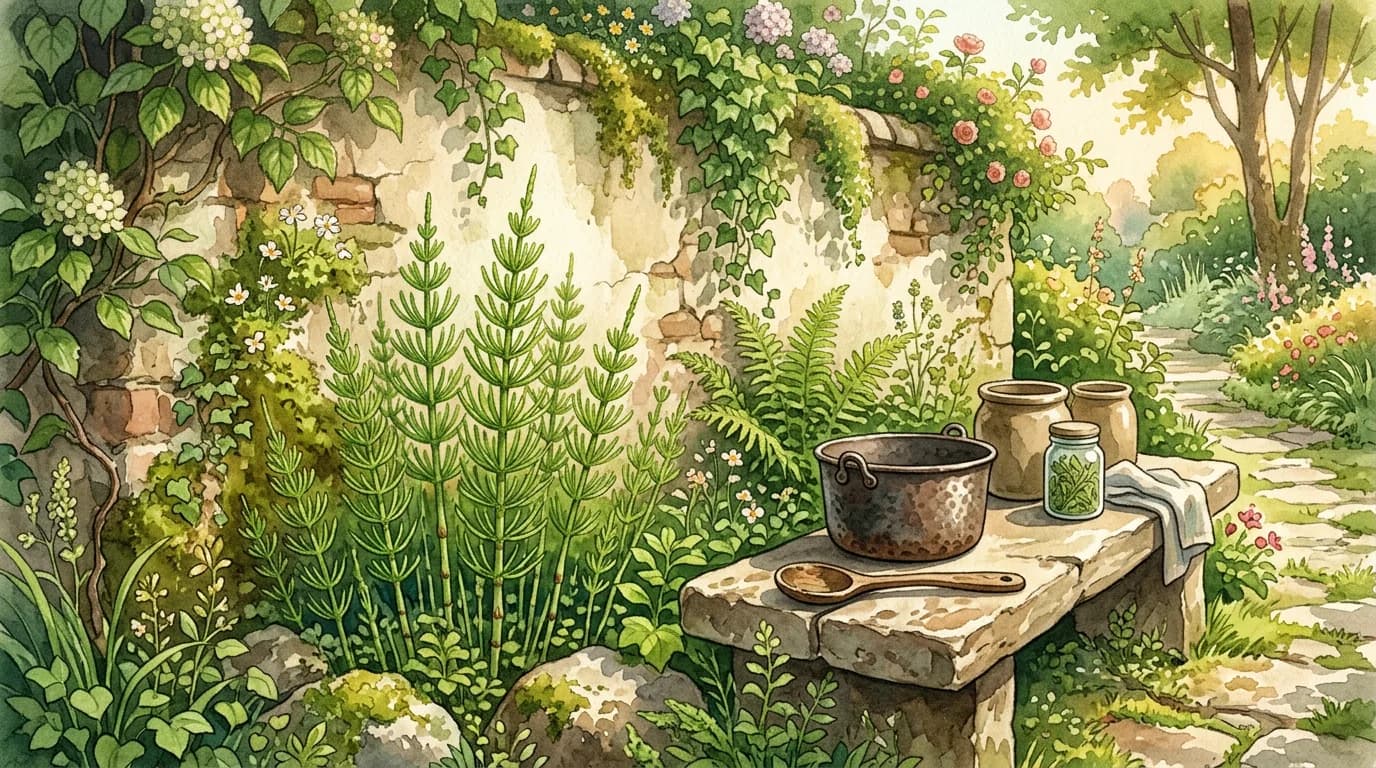
Horsetail decoction (equisetum)
A liquid rich in silica and saponins that is sprayed every week to make life harder for downy mildew, powdery mildew and botrytis.
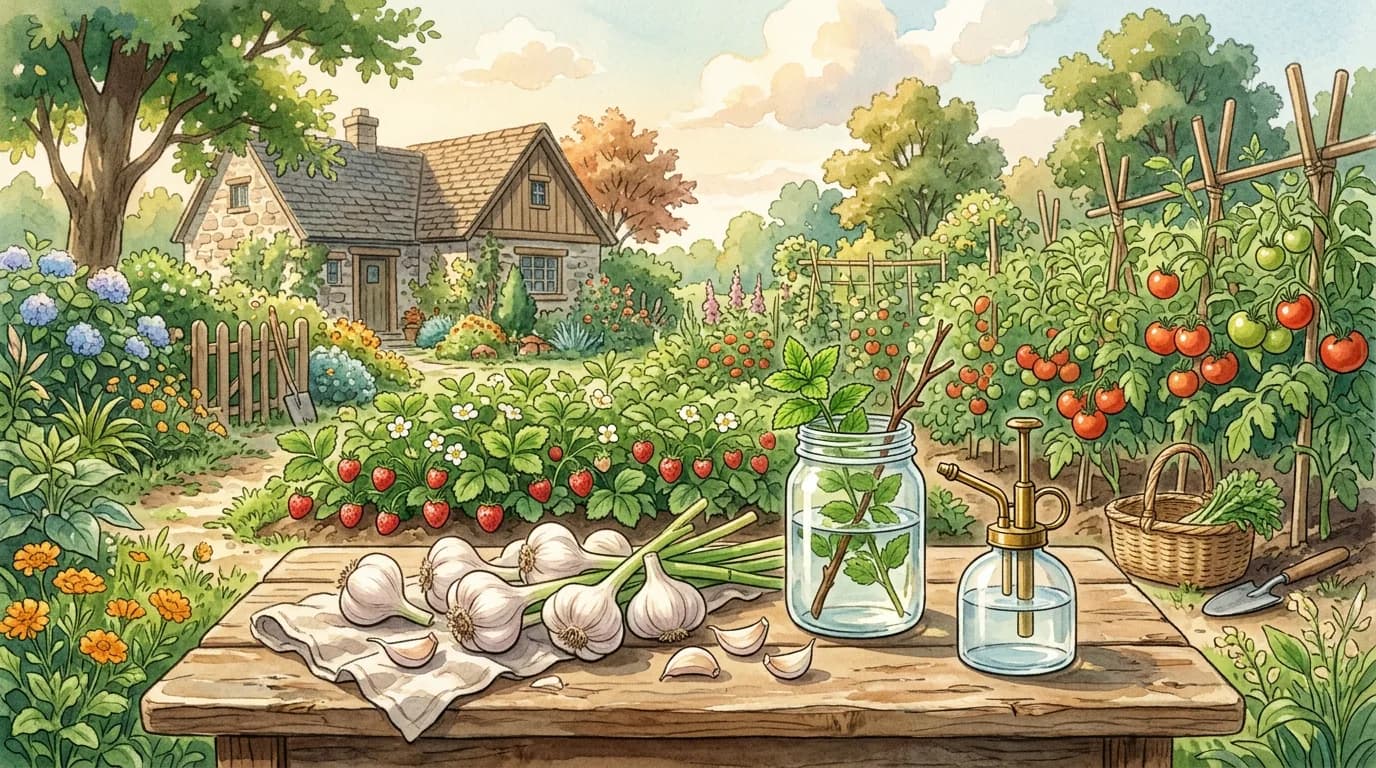
Garlic infusion as a preventive antifungal
Crushed garlic in water, diluted and sprayed to hold back fungi on strawberry, tomato or rose.
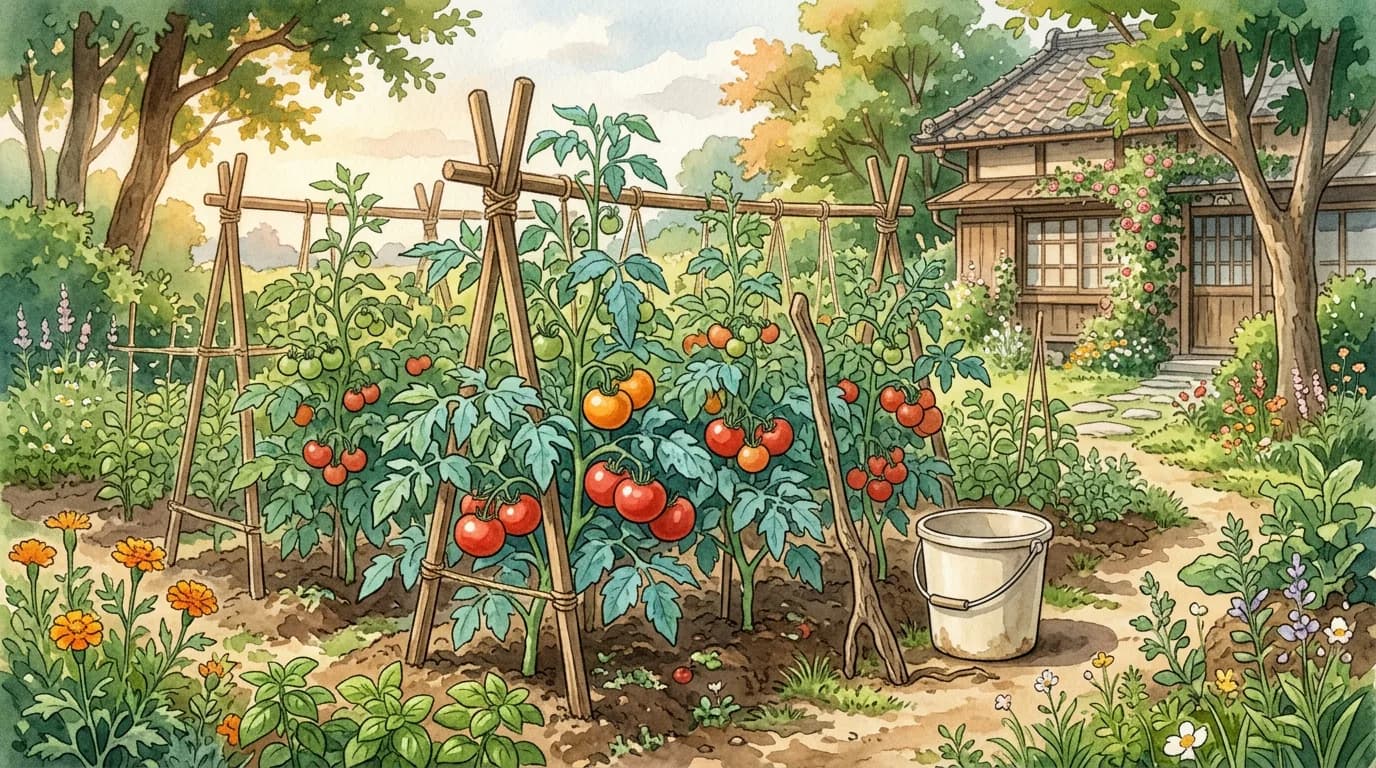
Bordeaux mixture (mildew and fungi): what it is and how to use it
A classic mix of copper sulphate and lime against downy mildew of tomato, potato or vine; effective, but copper builds up in the soil.
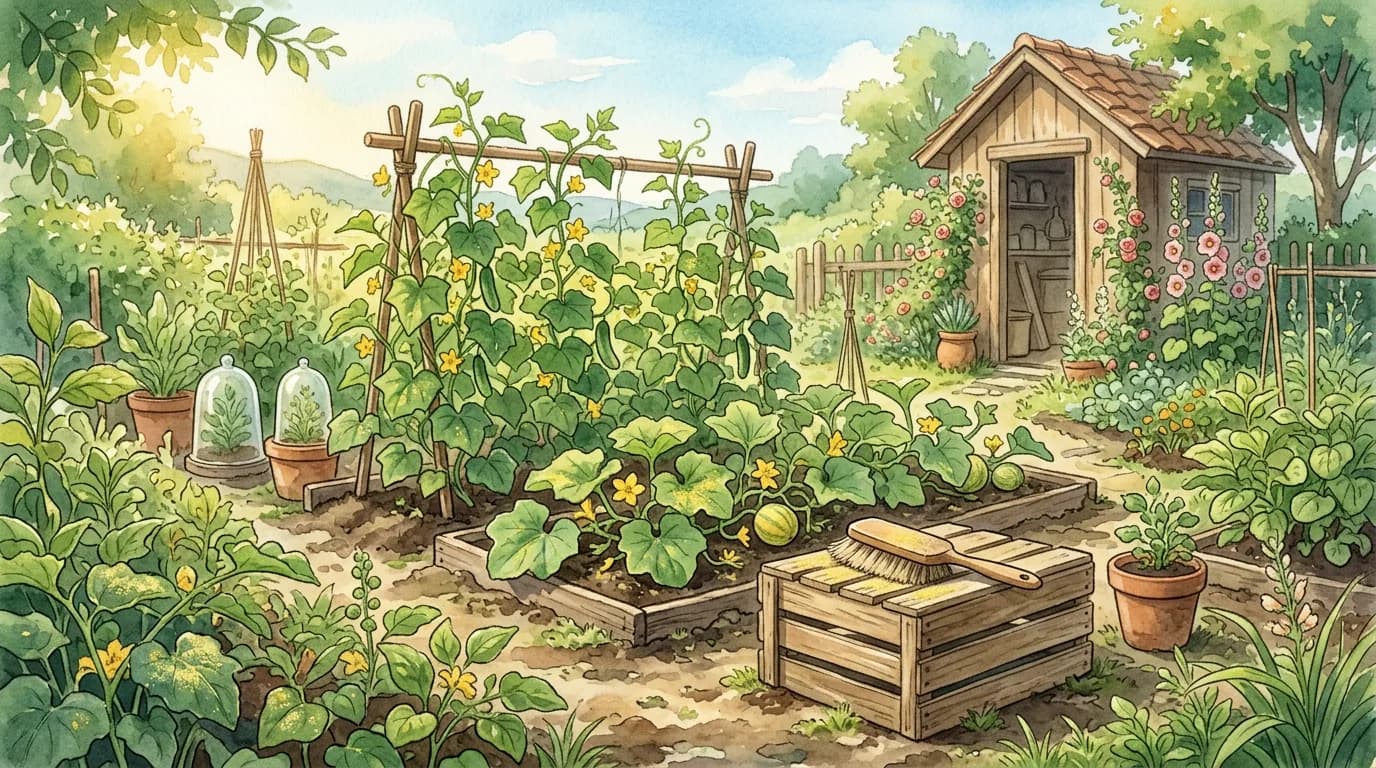
Sulphur against powdery mildew
Wettable or dusting sulphur, the most effective organic treatment against powdery mildew, with a temperature limit and sensitive plants.
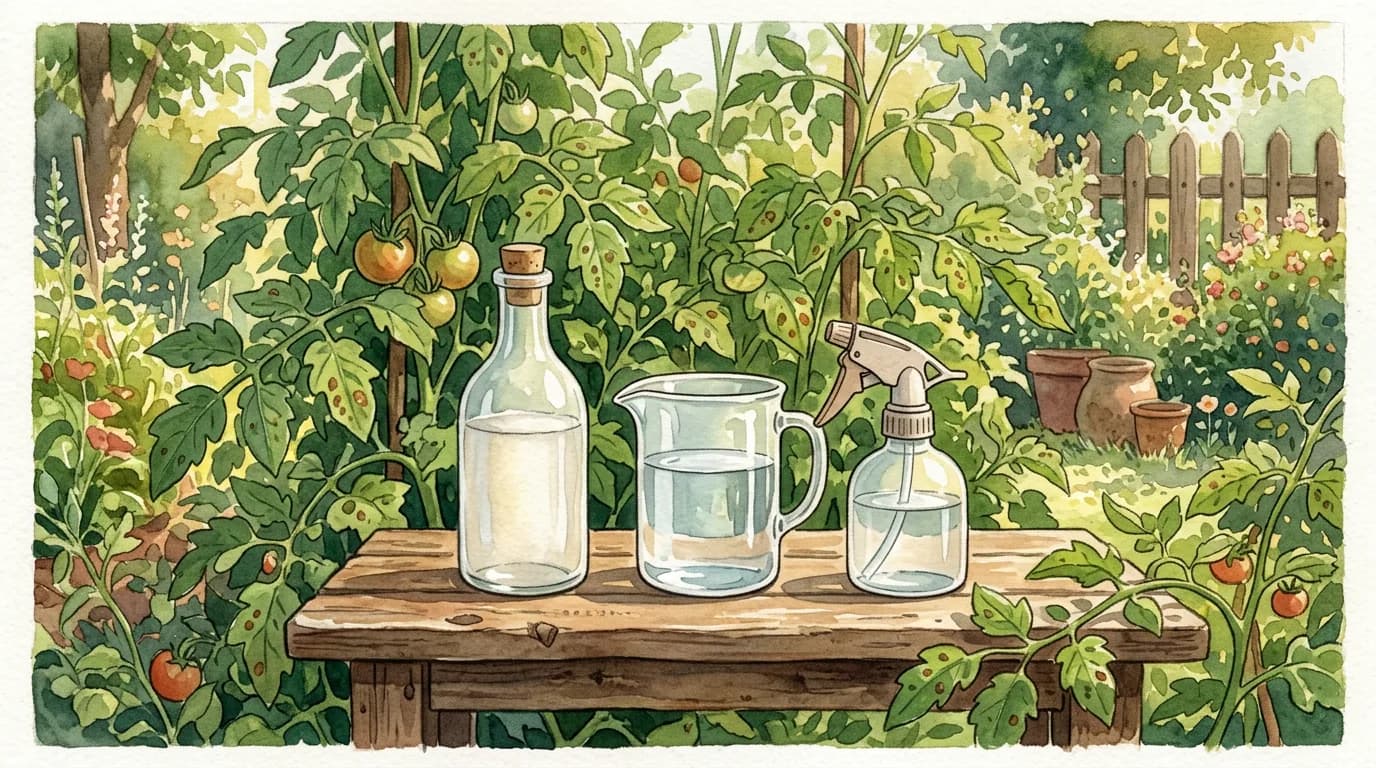
Very diluted vinegar against leaf fungi
A spray with a few drops of white vinegar per litre, with little evidence and a risk of scorching leaves.
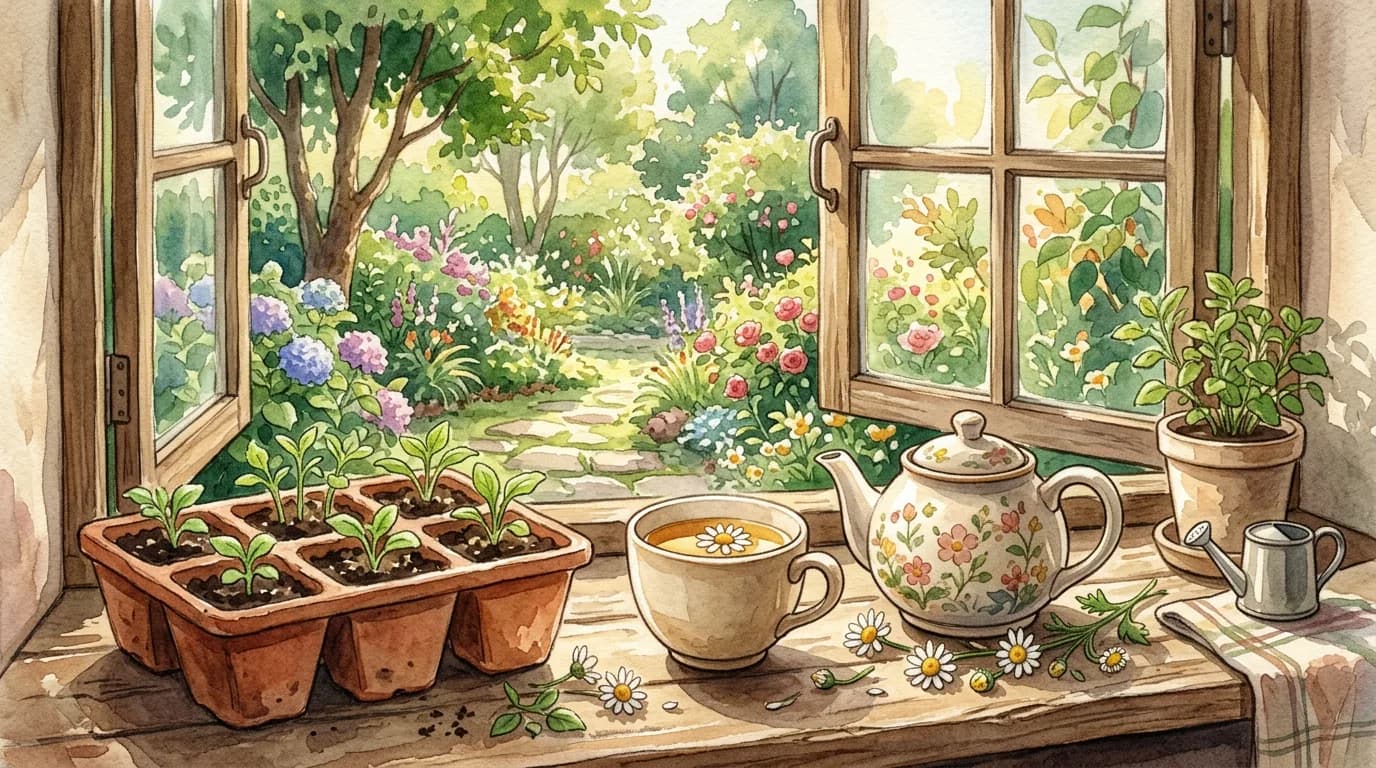
Chamomile infusion for seed trays
Watering with cold chamomile to prevent seedling collapse from fungi, with weak evidence.
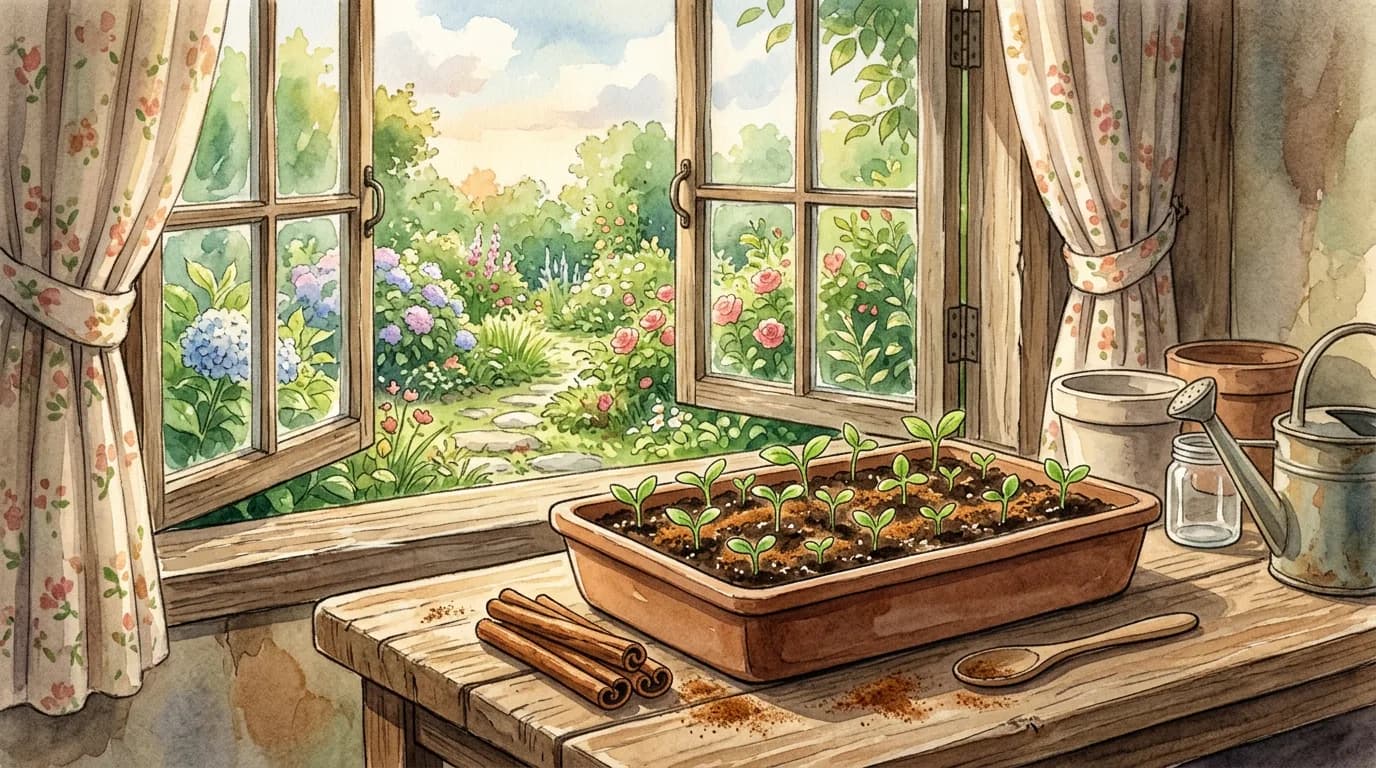
Ground cinnamon on the seed tray
A very thin layer of cinnamon on the growing medium to hold back the fungi that topple seedlings.
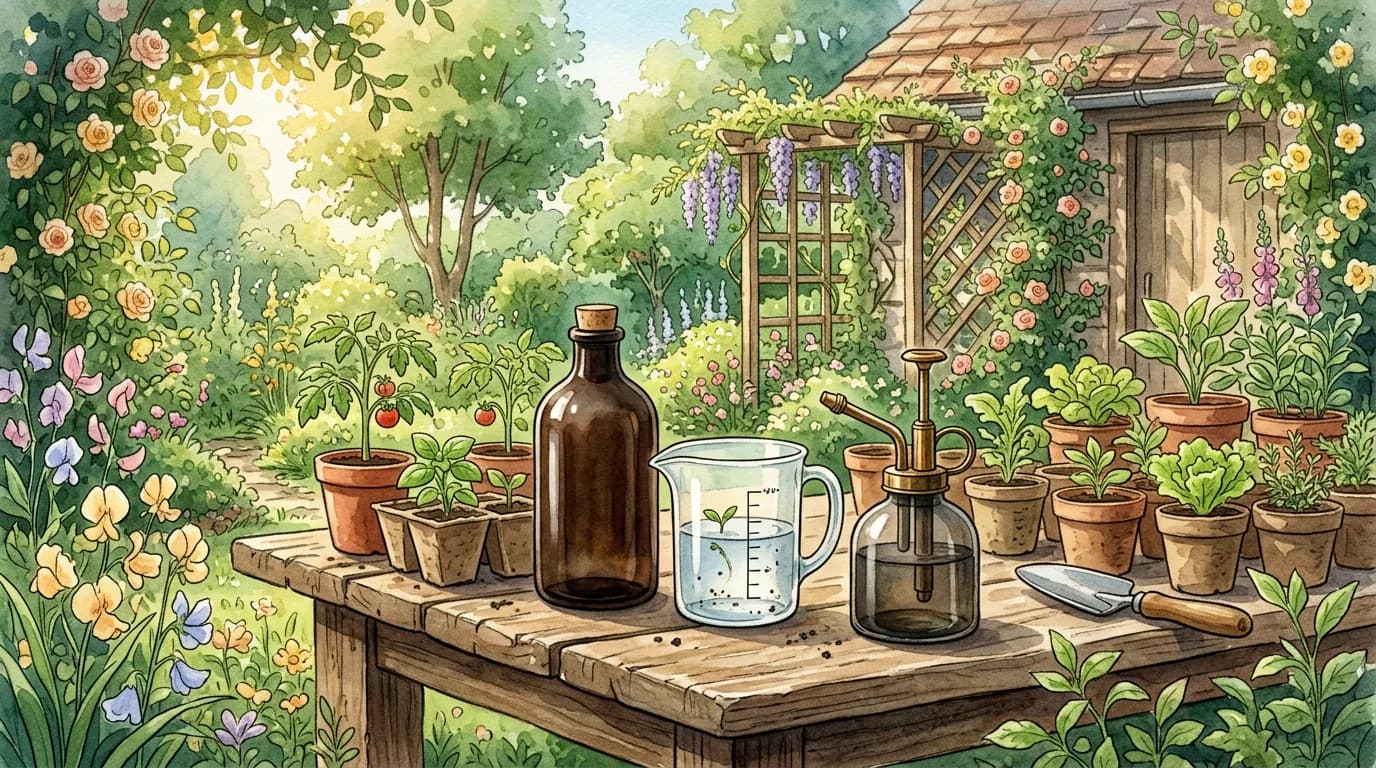
Diluted hydrogen peroxide for seed trays and roots
Very diluted pharmacy hydrogen peroxide to clean the growing medium and hold back root fungi in pots, with strict doses.
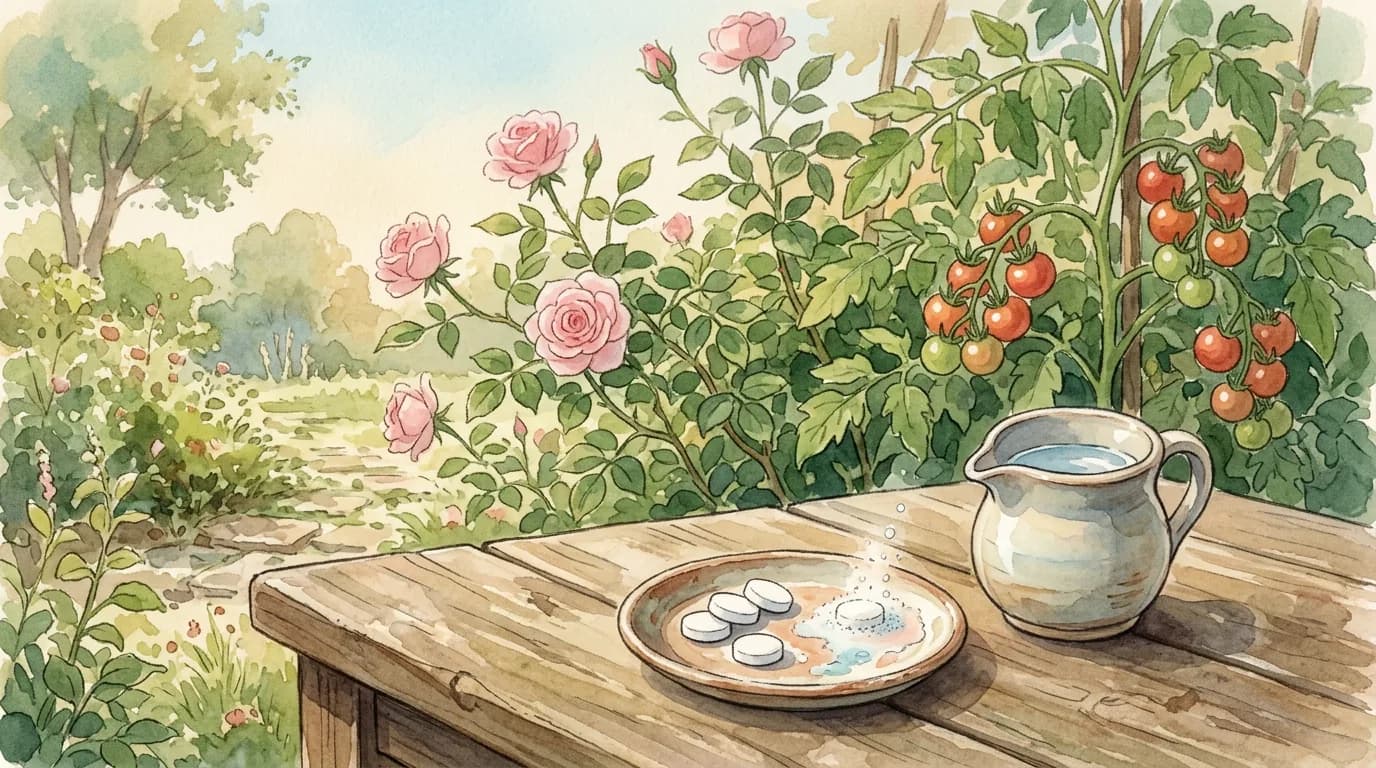
Is aspirin any use as a homemade fungicide?
Salicylic acid is real, but dissolving aspirin in the spray bottle is not proven as a remedy for fungi.

Removing infected remains and rotating crops
The basis of all defence against fungi: take diseased remains out of the garden and do not repeat the same family in the same place.
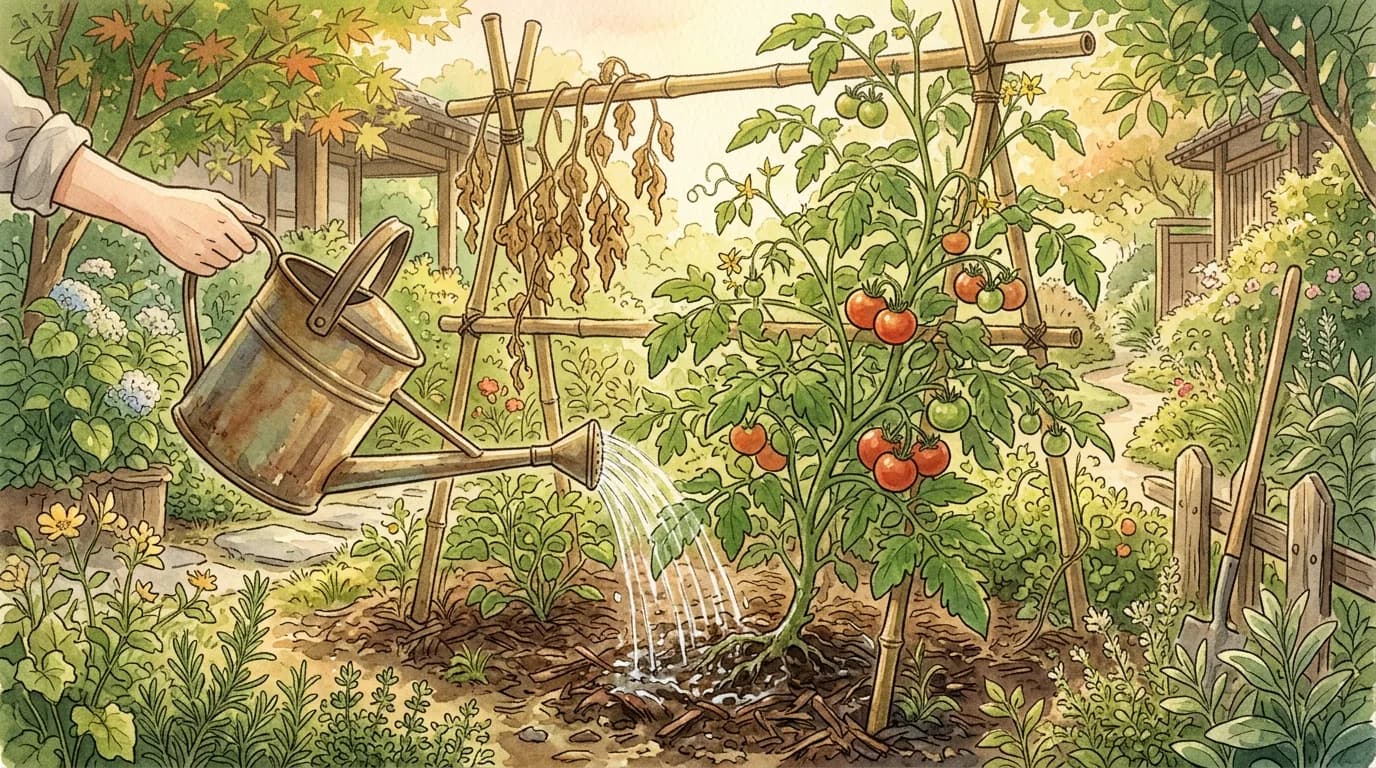
Water at the base and ventilate: preventing fungi without products
Keeping leaves dry, giving plants space and mulching is what reduces downy mildew, botrytis and powdery mildew the most.
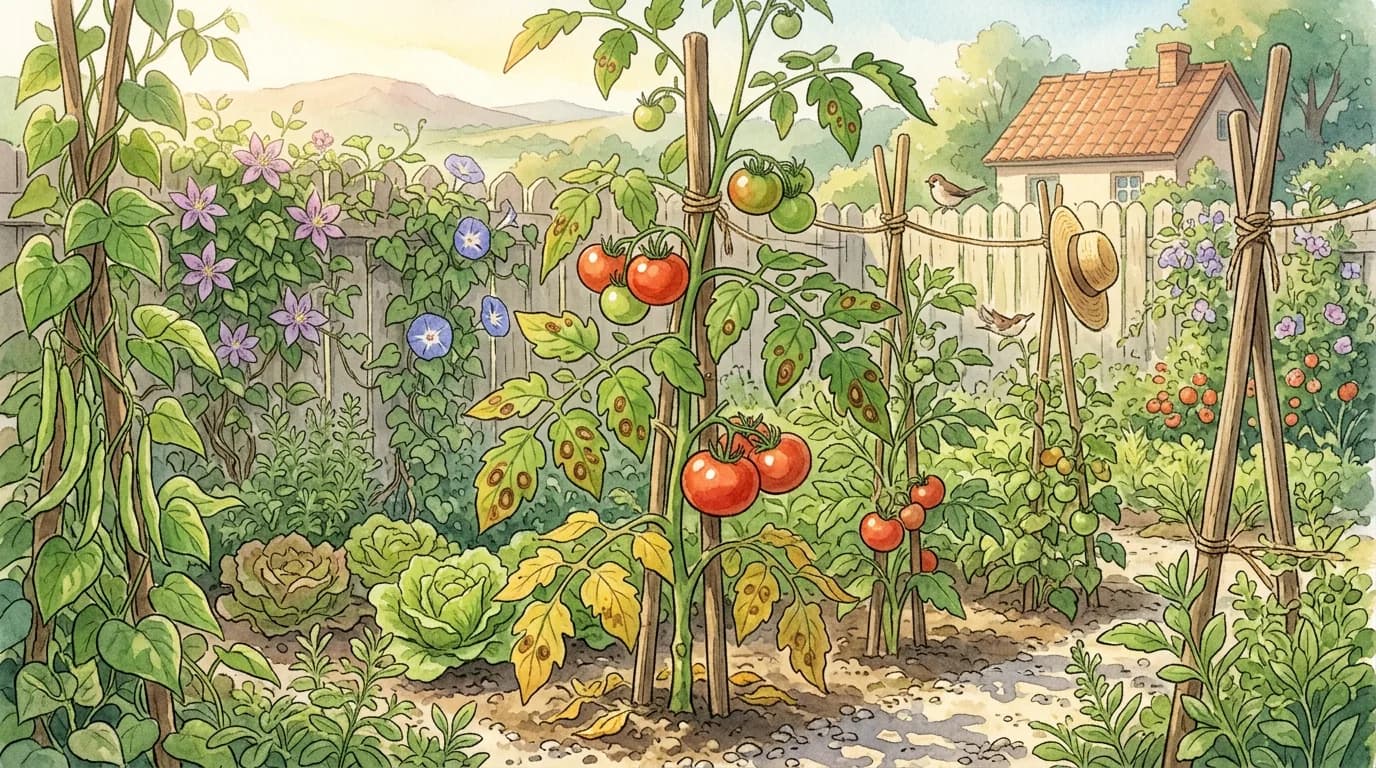
Tomato blight and alternaria: what to do at home
How to tell apart and hold back brown spots on tomato with cultural practices and, if needed, copper.
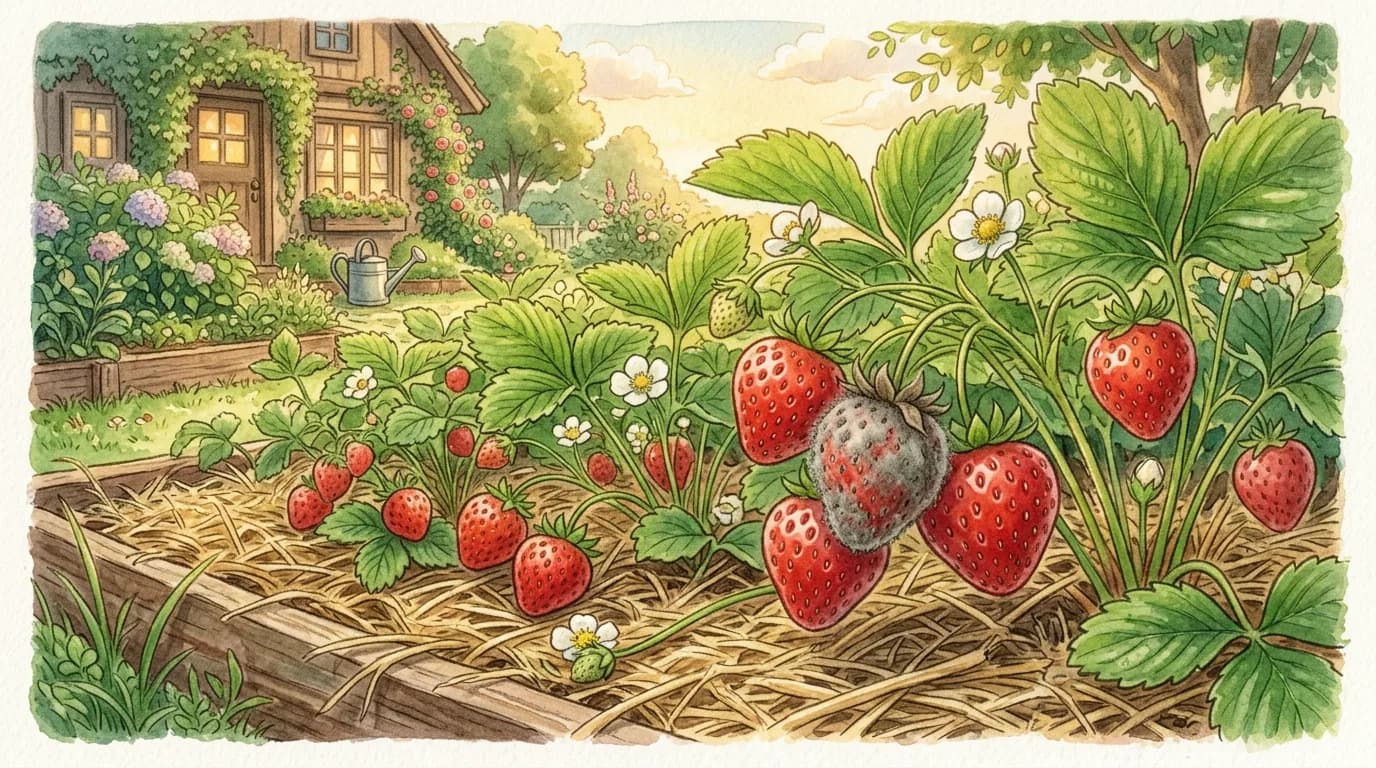
Botrytis (grey mould): strawberries and other vegetables
How to avoid the grey mould that rots strawberries, tomatoes and lettuces with cleanliness, space and ventilation.

Vinegar, salt and soap as a homemade weed control
A contact mix that scorches the leaves of young weeds in paving joints and paths, without destroying the root and with a risk to the soil.

Boiling water for weeds in joints and paving
Pouring freshly boiled water over the weeds in gaps in paving: cheap, residue-free and effective on small ones.
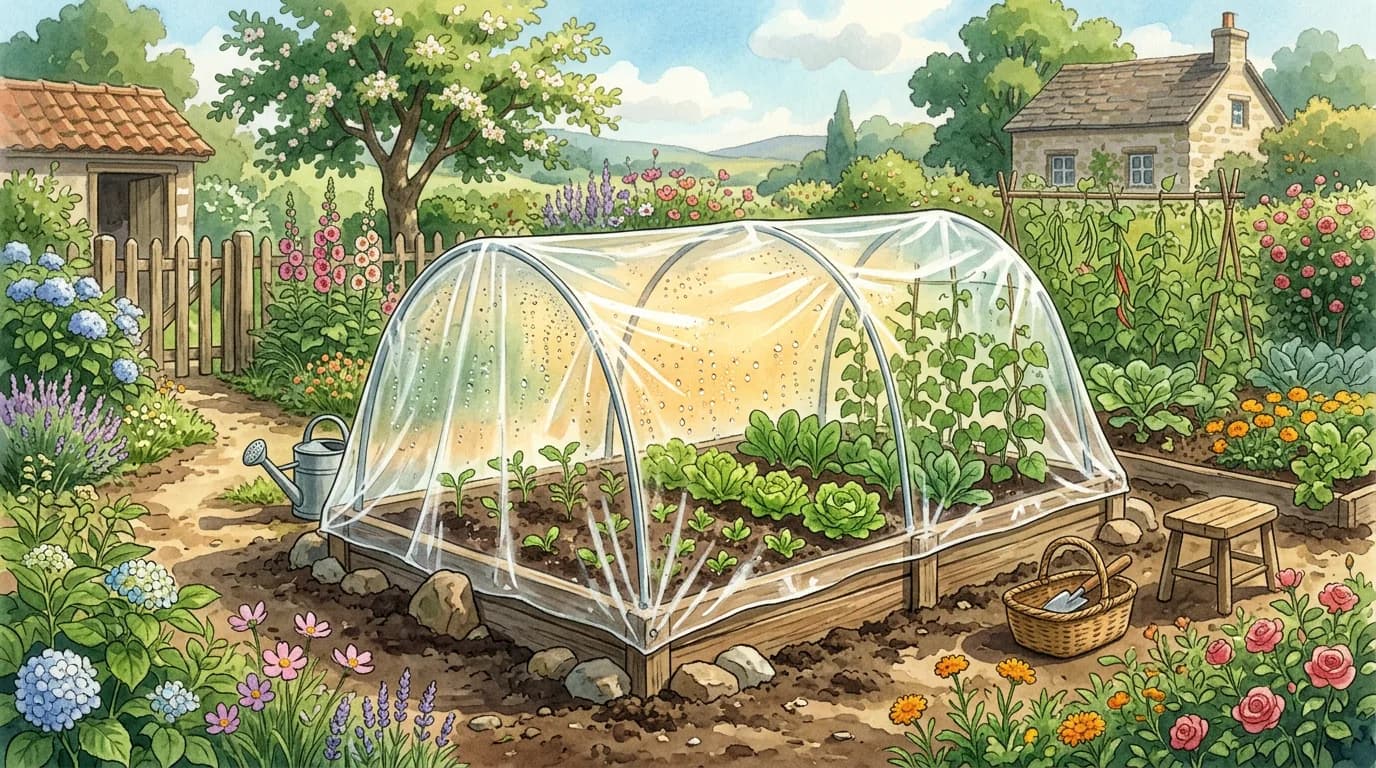
Soil solarisation against weeds
Covering the bed with clear plastic in high summer heats the soil and eliminates weed seeds and some of the pathogens.
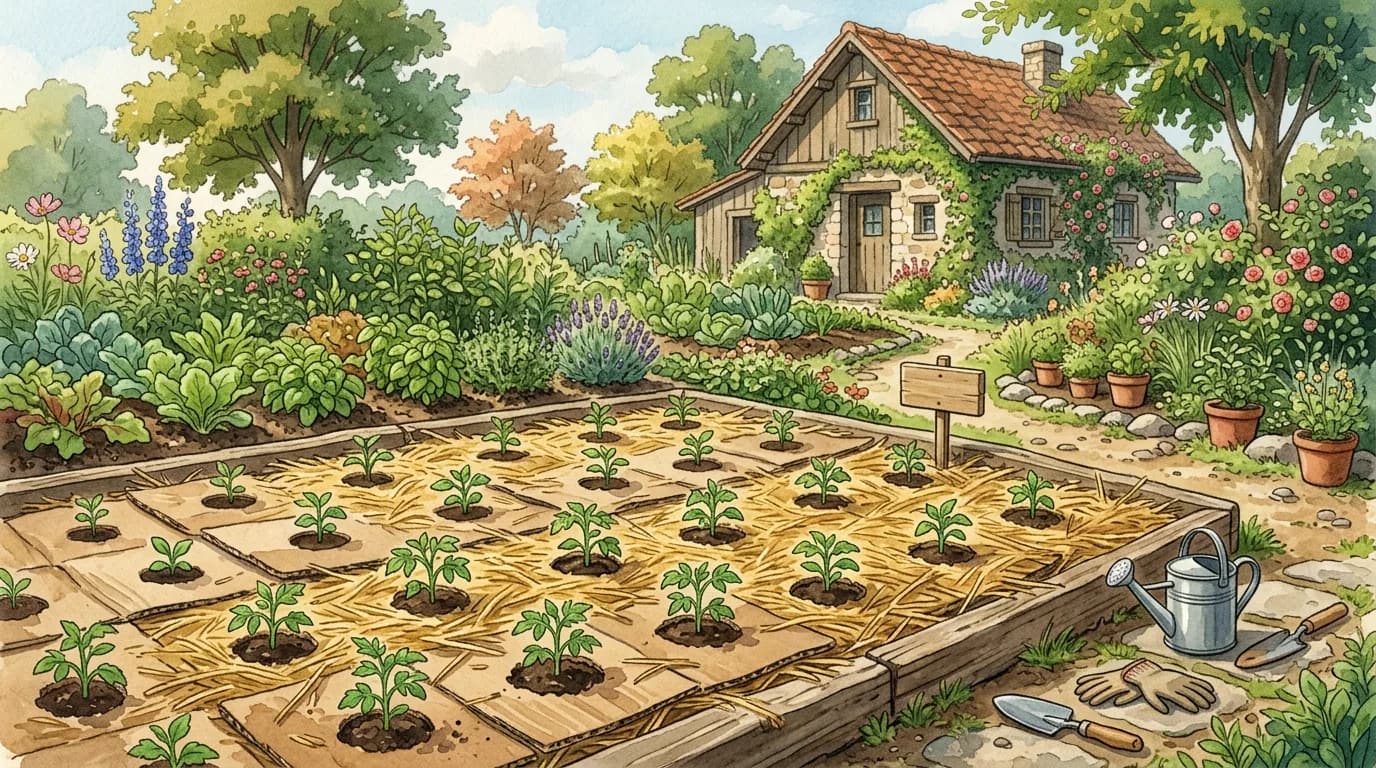
Cardboard and straw mulch against weeds
Covering the soil with cardboard and straw smothers weeds, keeps moisture in and improves the soil.

Flame weeder (gas burner) for weeds
Passing a brief flame over young weeds wilts them without chemicals, but it carries a fire risk.
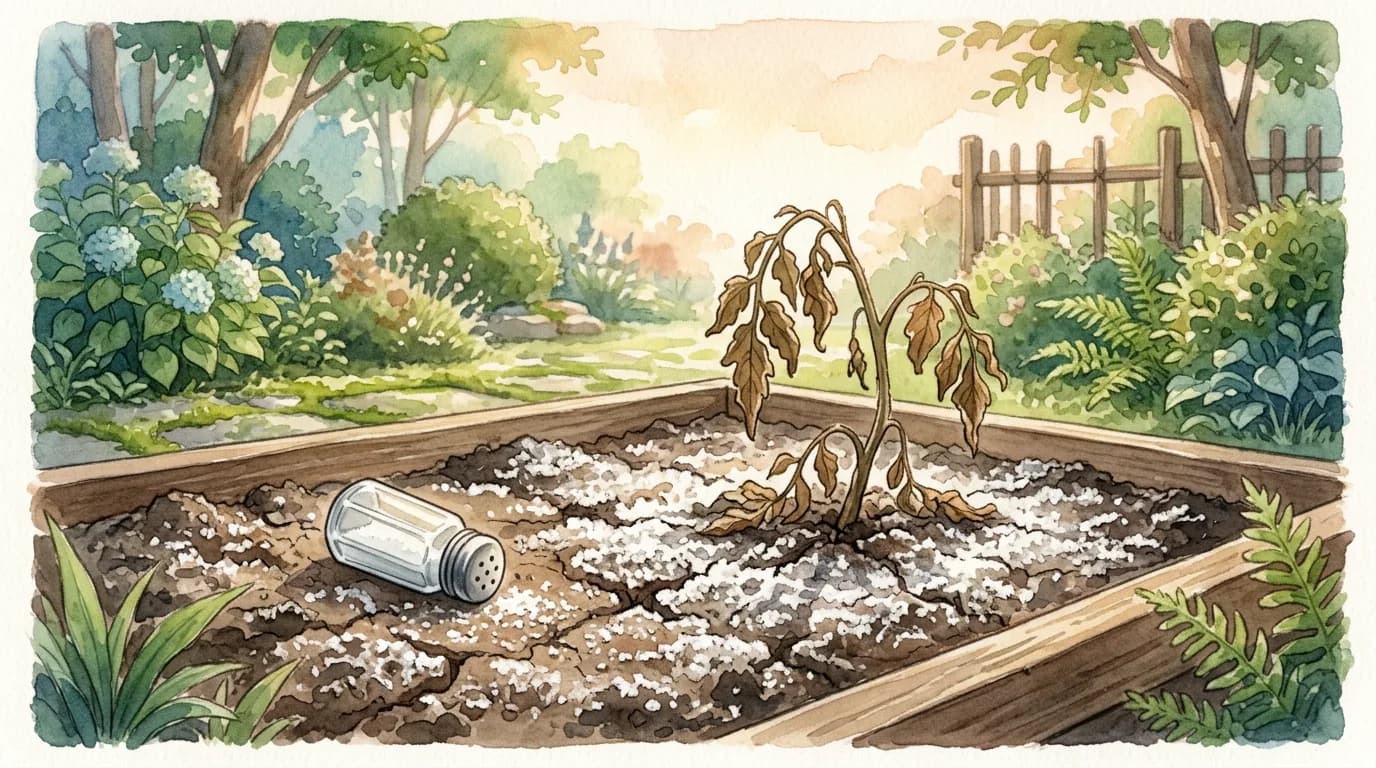
Is salt a good weed control?
Salt does dry out weeds, yes, but it also wrecks the soil for years and moves with the rain towards healthy plants.
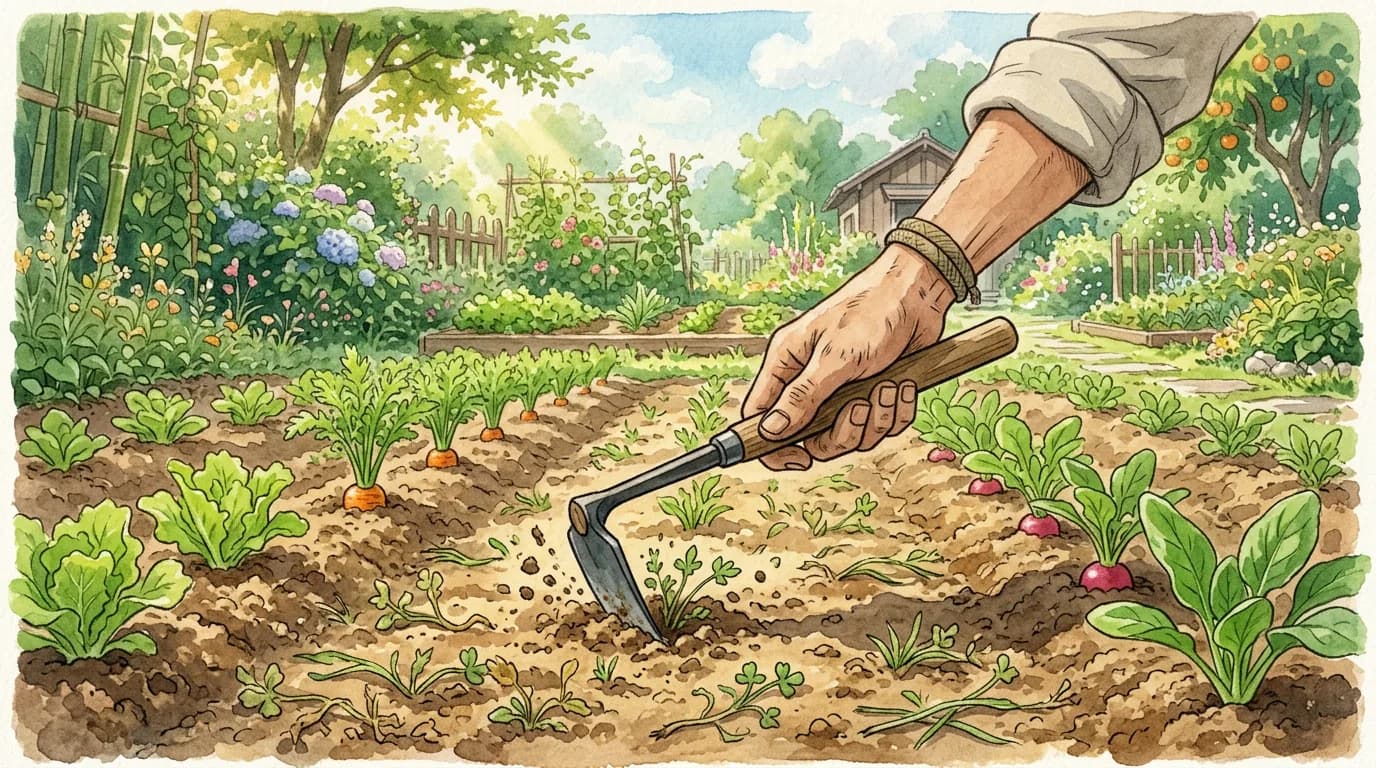
Dry hoeing and ground covers
Running the hoe over dry soil in sun, and covering the soil with plants, stops weeds from settling in.

Protecting plants from frost with fleece and water bottles
Horticultural fleece and bottles filled with water to gain a few degrees on frosty nights.
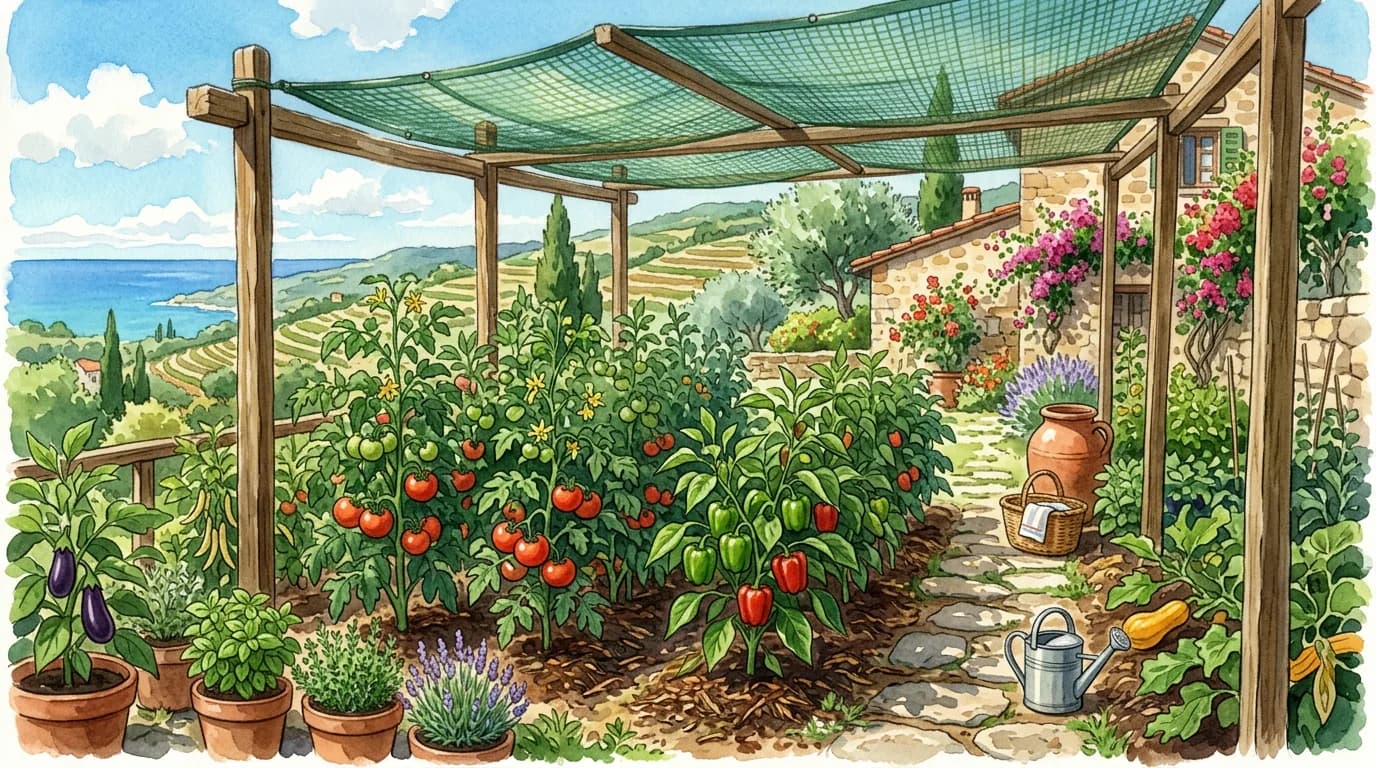
Heat stress in the garden: shade netting and lime in the greenhouse
How to take the edge off extreme summer heat with shade netting, early-morning watering and a light lime whitewash.
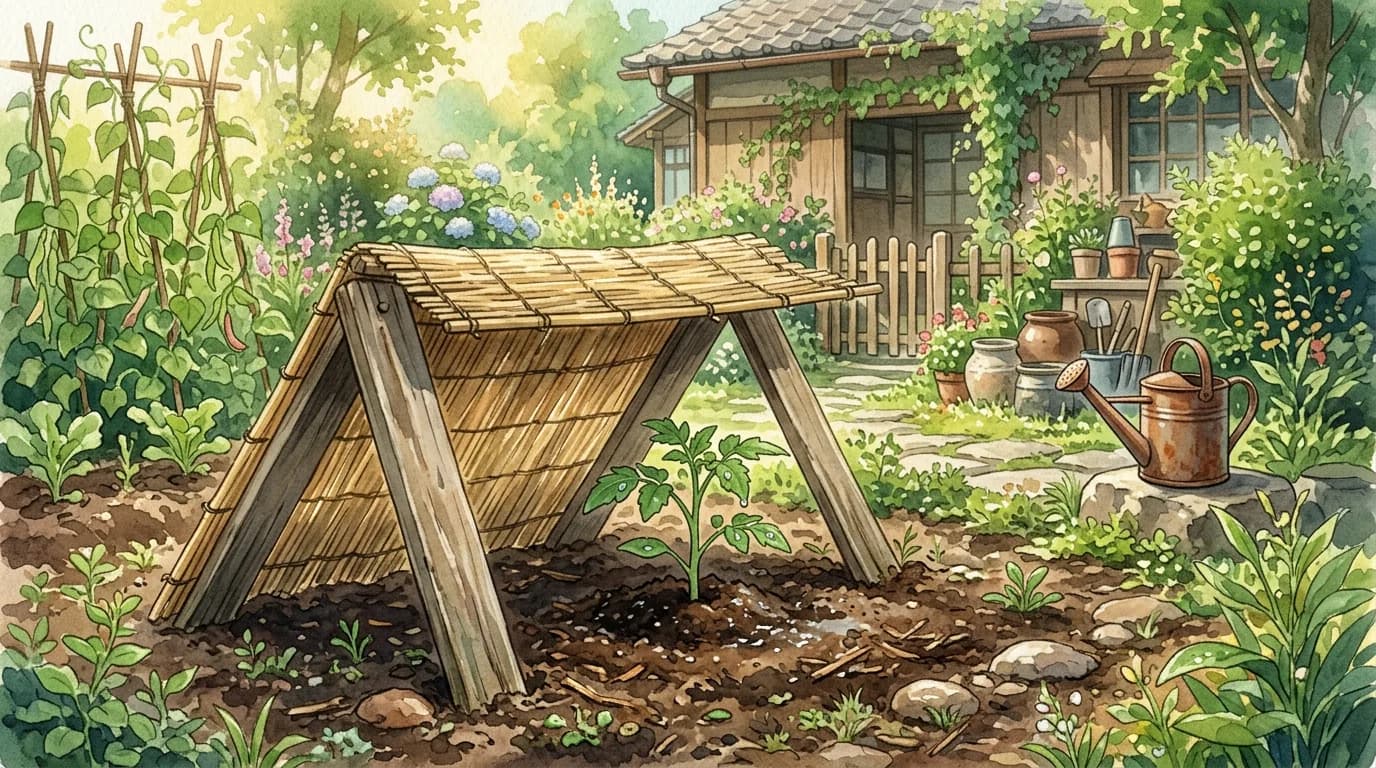
Transplanting without stress: pre-watering, a cloudy afternoon and three days of shade
A simple protocol so that seedlings do not get “stuck” after transplanting.
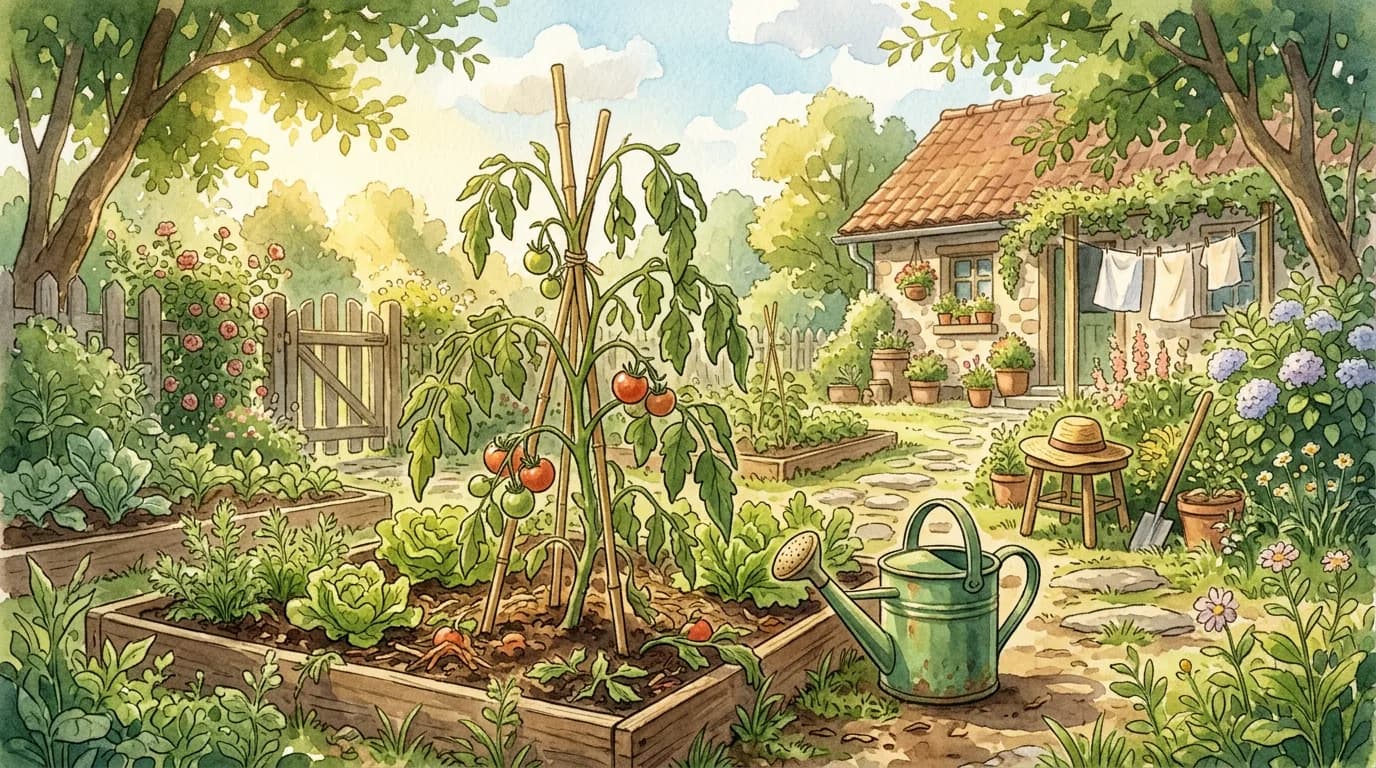
Rescue watering for a wilted plant
How to tell wilting from thirst apart from wilting from too much water, and rescue a dry plant without drowning it.
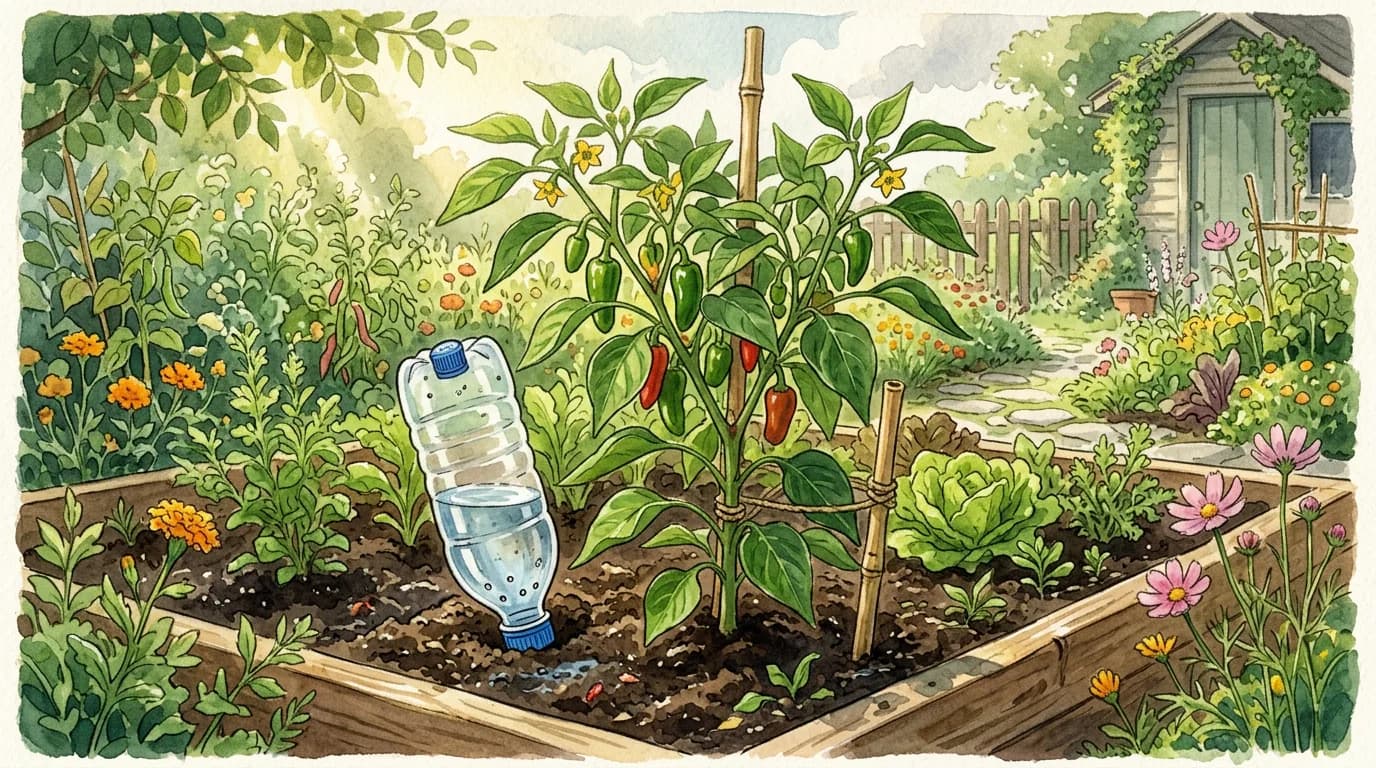
Homemade drip irrigation with a plastic bottle
An upturned bottle with a pierced cap, buried next to the plant, which waters slowly on holiday.
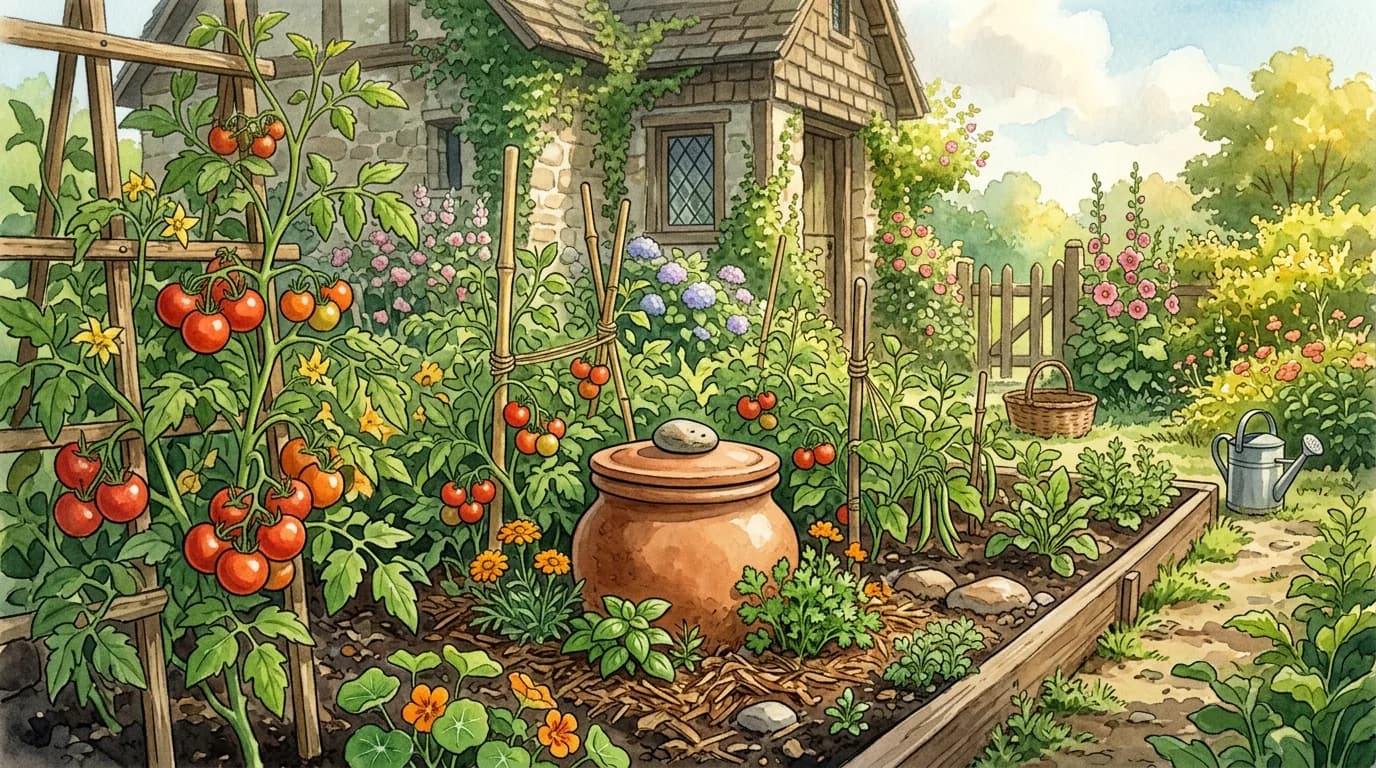
Buried clay pot irrigation
An unglazed terracotta pot, buried and filled with water, that releases moisture little by little towards the roots.

Does a pebble tray work to give houseplants humidity?
A tray with stones and water raises humidity less than people think; grouping plants or using a humidifier works better.

Cleaning houseplant leaves with water
Removing dust with a damp cloth or a lukewarm shower improves photosynthesis, with no “shine” products.
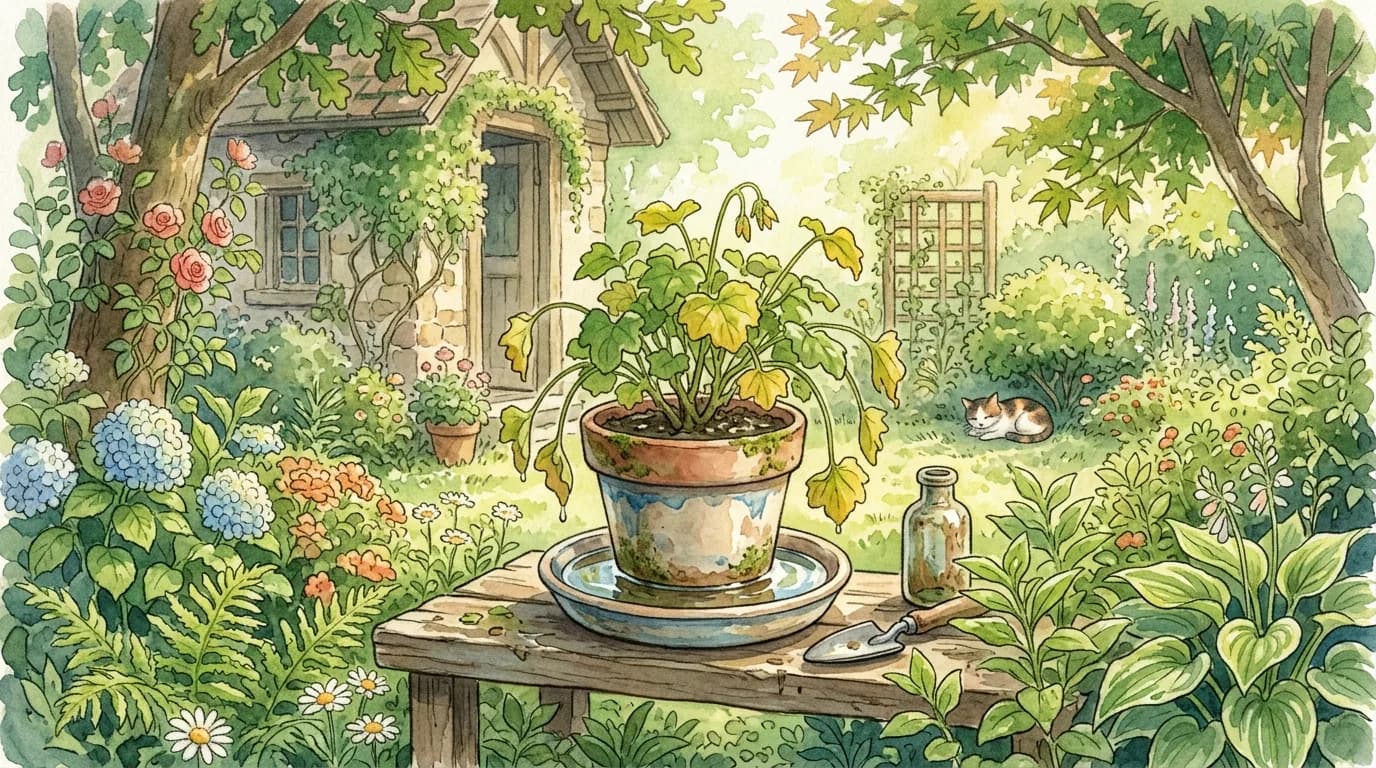
Recovering an overwatered plant
Taking the plant out, pruning rotten roots and repotting in airy growing medium to save a drowned plant.
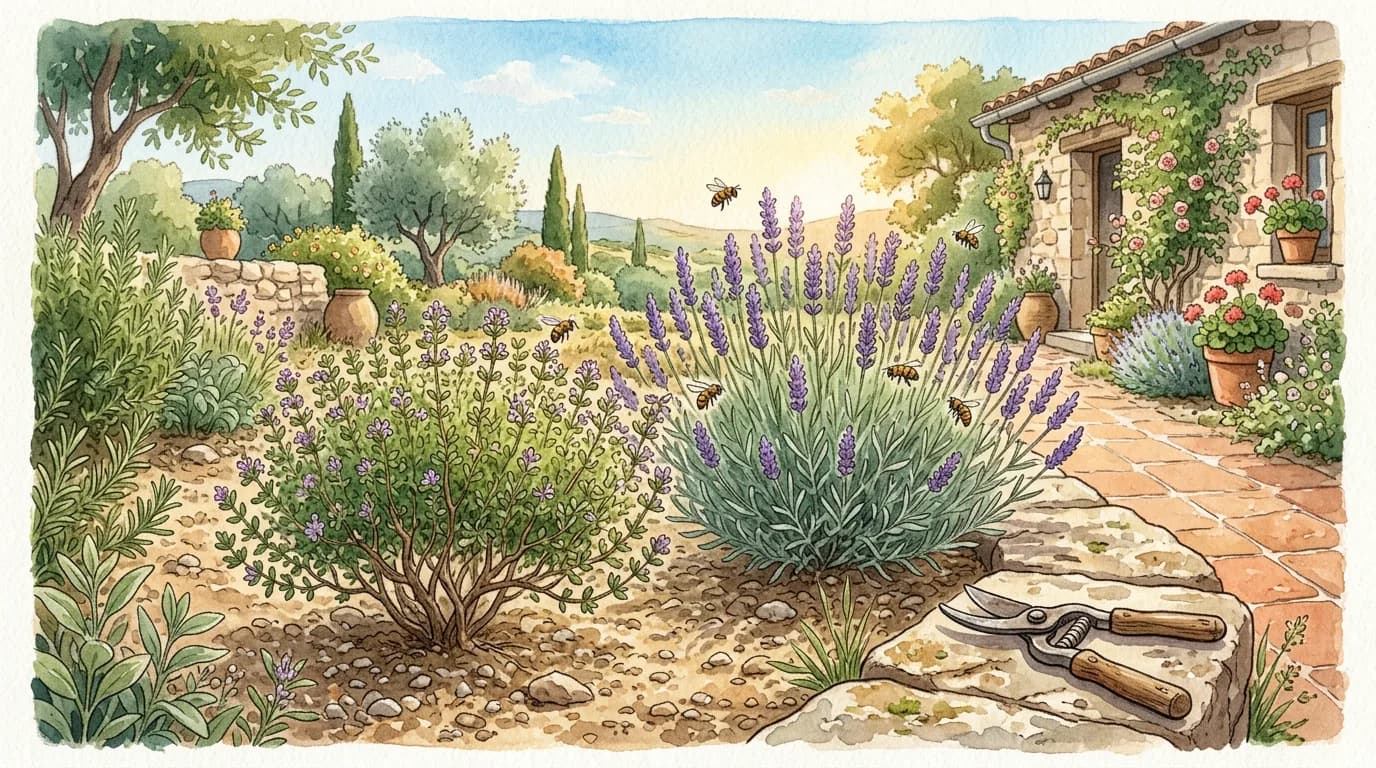
Rejuvenating thyme and lavender by pruning
A well-timed prune keeps lavender and thyme clumps compact and flowery, otherwise they turn woody and open up.
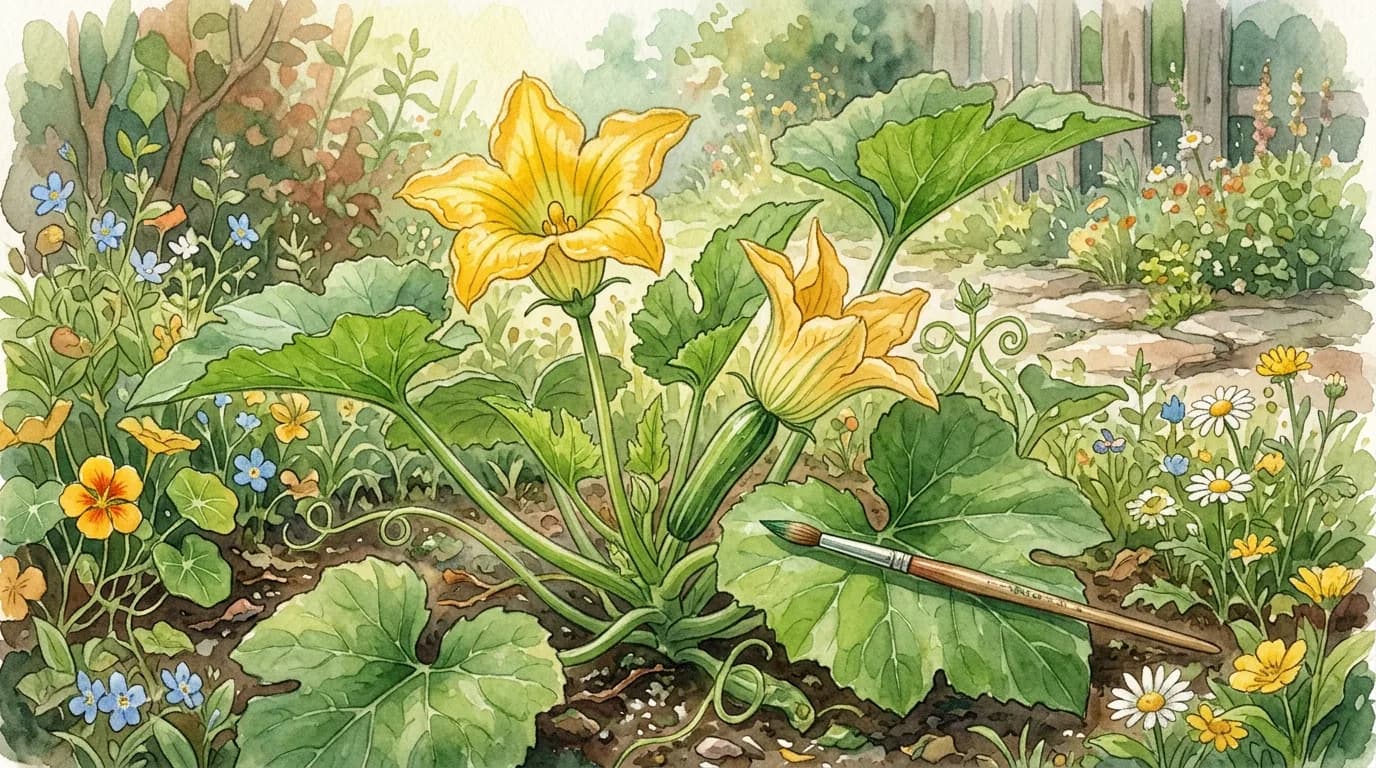
Hand pollination with a brush on courgette and pumpkin
If bees are lacking, transfer pollen from the male flower to the female with a brush so that the fruit sets.
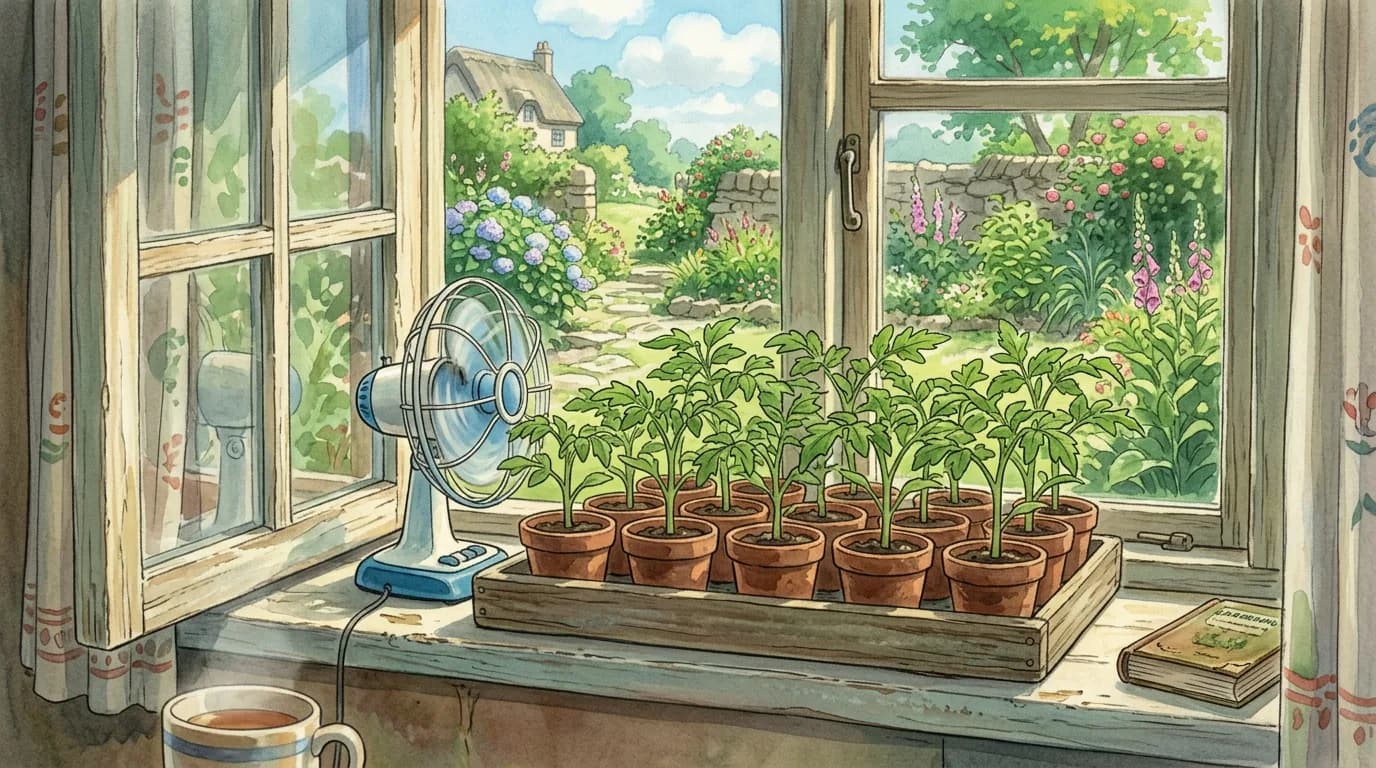
Strengthening seedlings with a fan or by stroking them
A little wind or daily touch thickens stems and prevents long, weak seedlings.
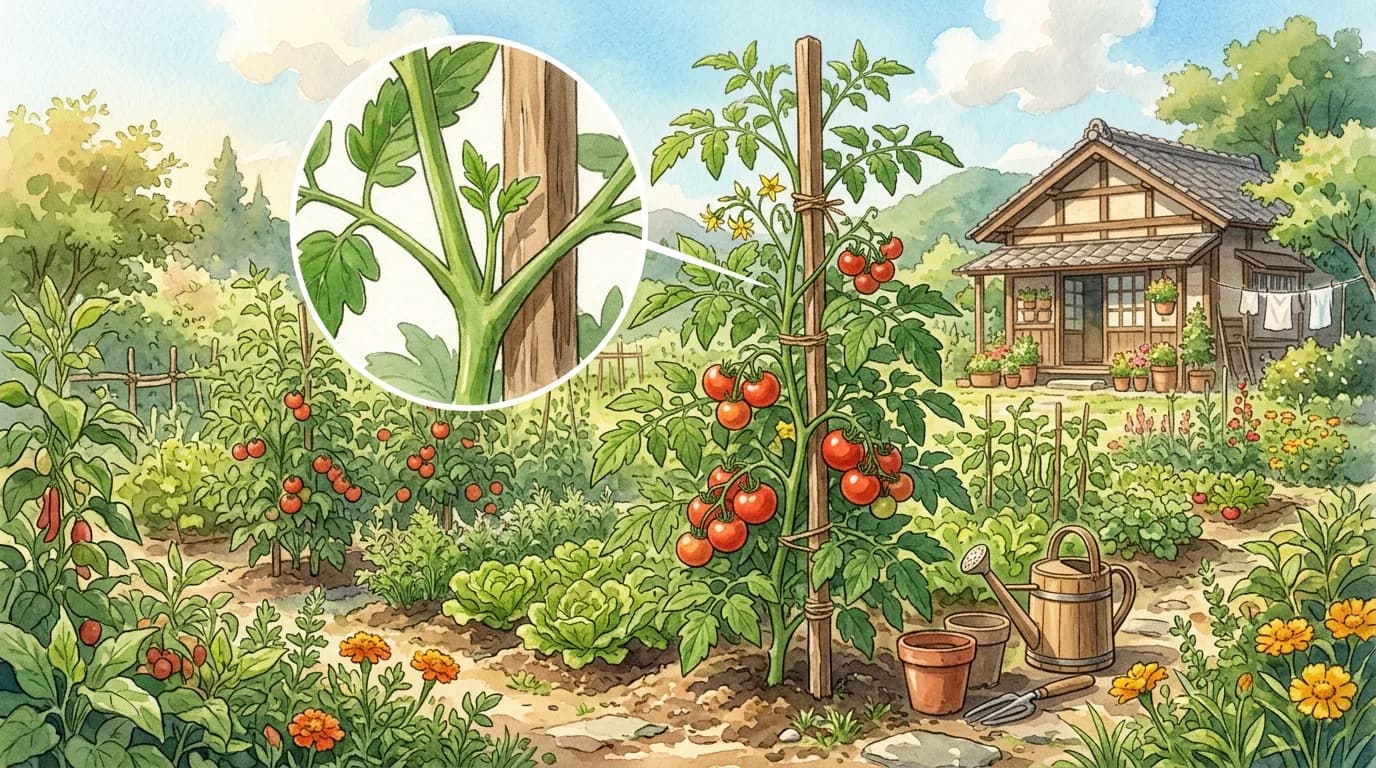
Removing tomato side shoots
Removing the side shoots on indeterminate tomatoes to keep the plant tidy and favour quality fruit.
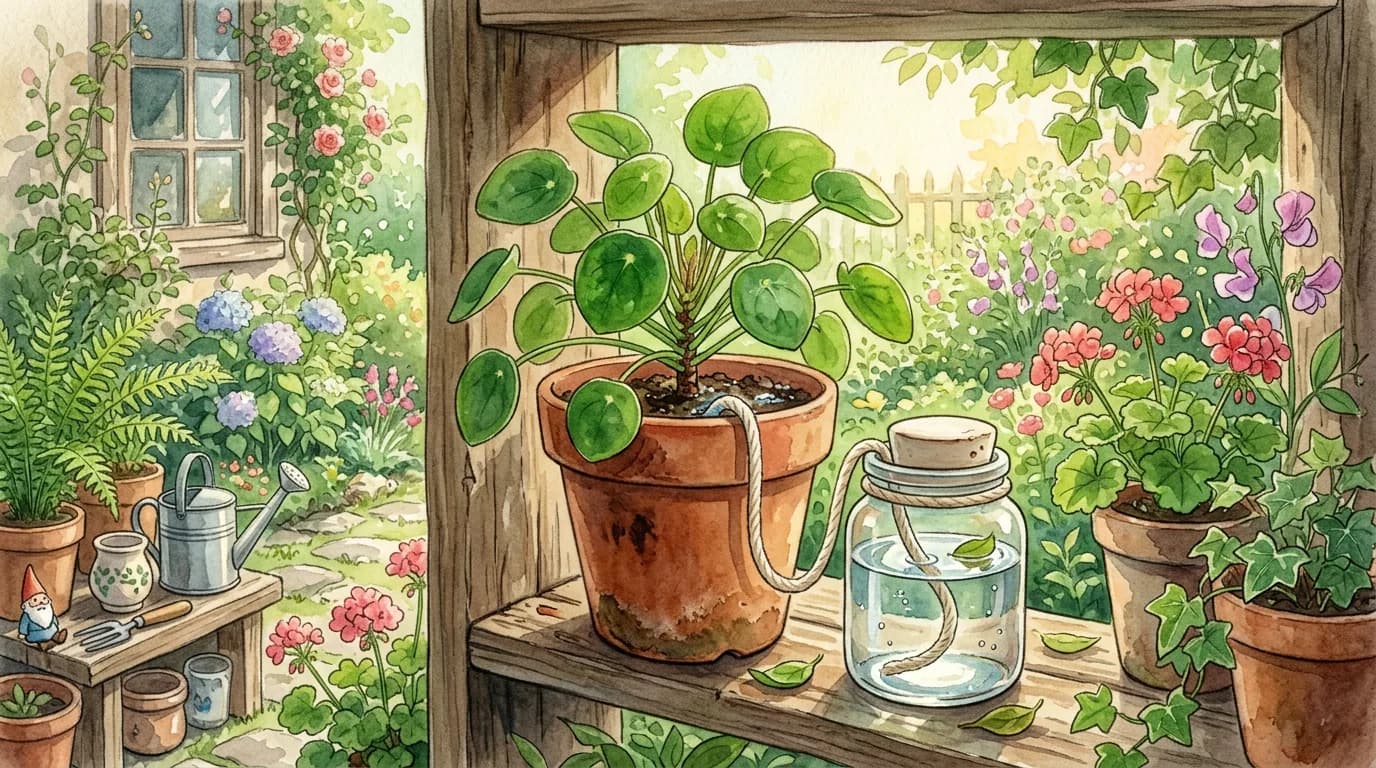
Cotton wick watering for holidays
A cotton cord between a water reservoir and the pot keeps the moisture going for a week or two.

Myth: watering with Coca-Cola or beer as fertiliser
Soft drinks and beer do not fertilise: they supply sugar and acidity, not useful nutrients.
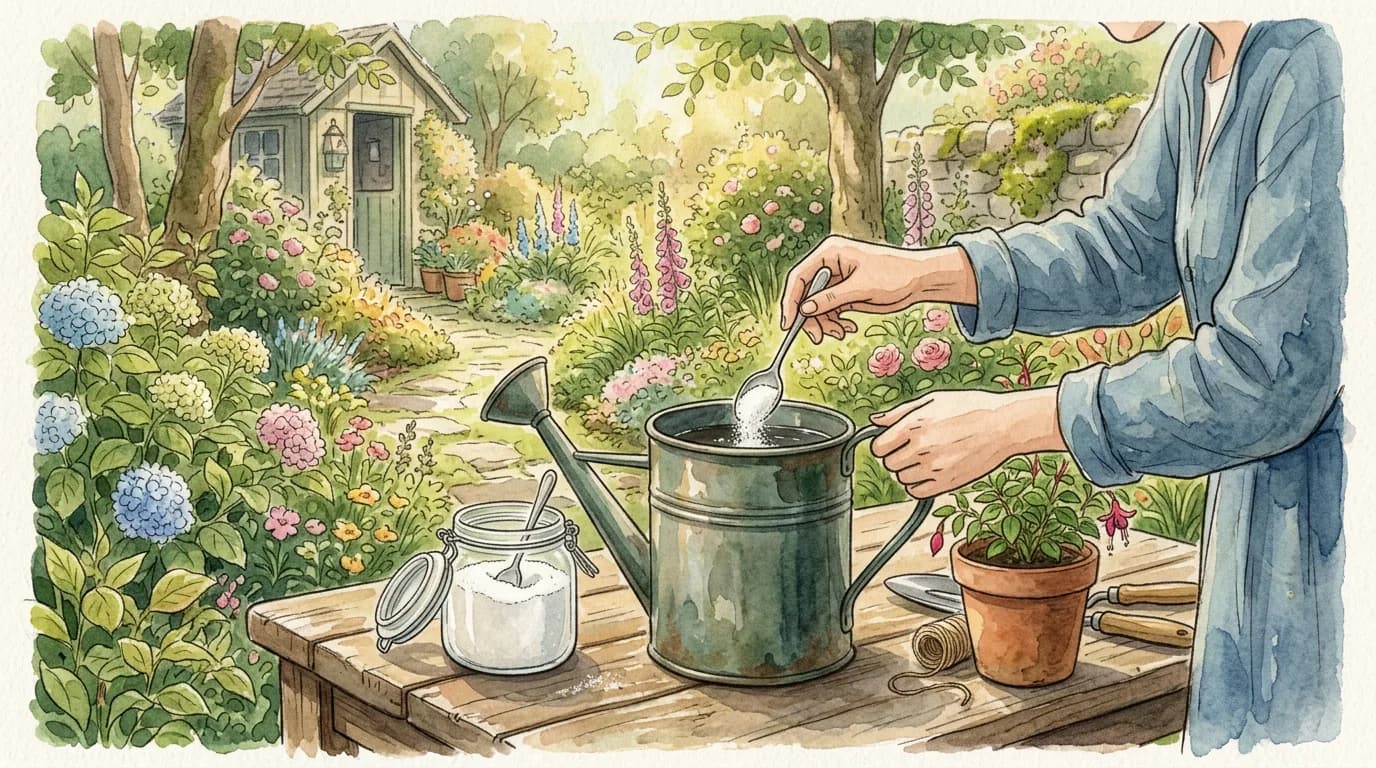
Myth: adding sugar to the watering water so plants grow more
Sugar in the watering does not feed the plant and can cause osmotic stress and problems in the growing medium.

Myth: playing music to plants makes them grow more
There is no solid evidence that music speeds up growth; what matters is light, water and nutrients.
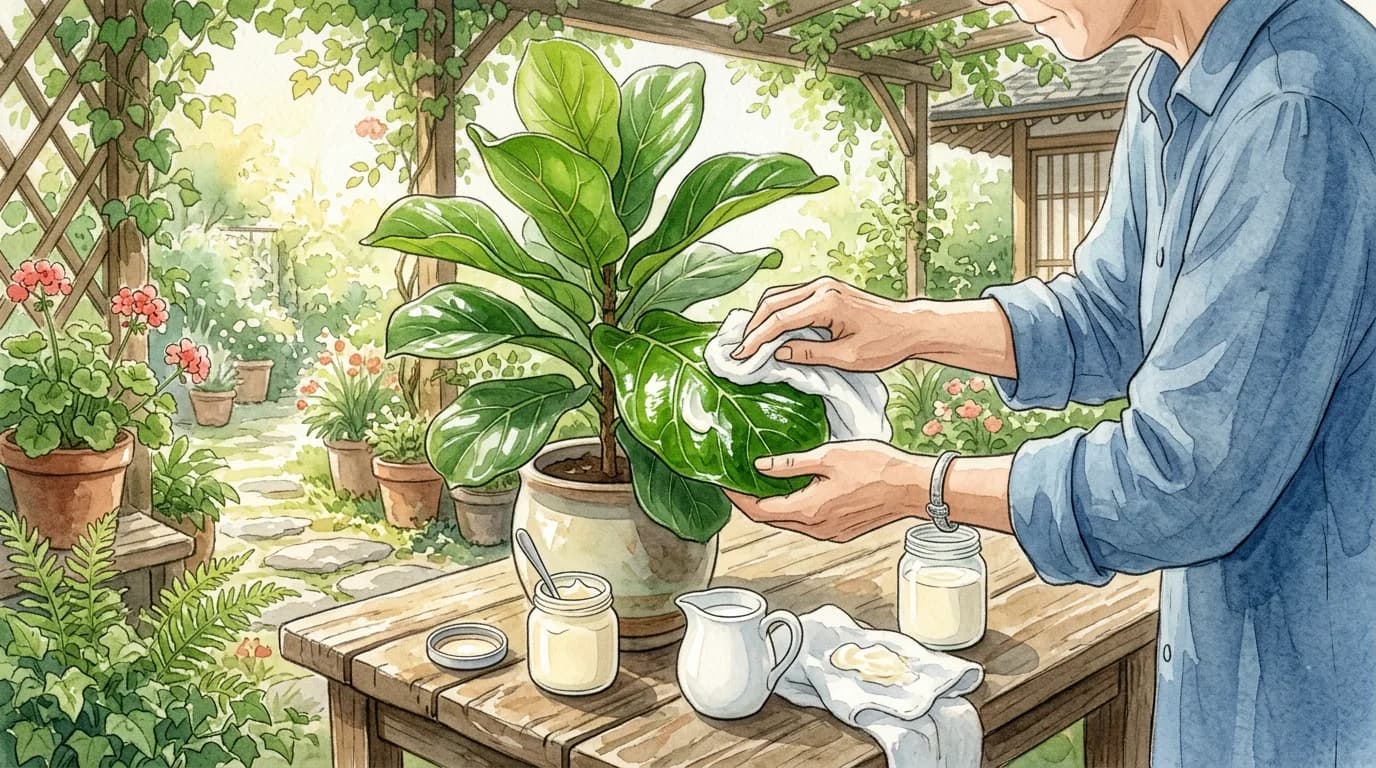
Myth: polishing leaves with mayonnaise, milk or beer
These products clog the leaves, rot and attract unwanted visitors; to give shine, cleaning with water is enough.

Does watering orchids with ice work?
A trial showed that a few ice cubes a week do not harm Phalaenopsis orchids, but it is not the best method nor does it suit all of them.

Does planting garlic next to roses work?
Garlic may discourage some aphids near roses, but the effect is small and it does not replace other care.
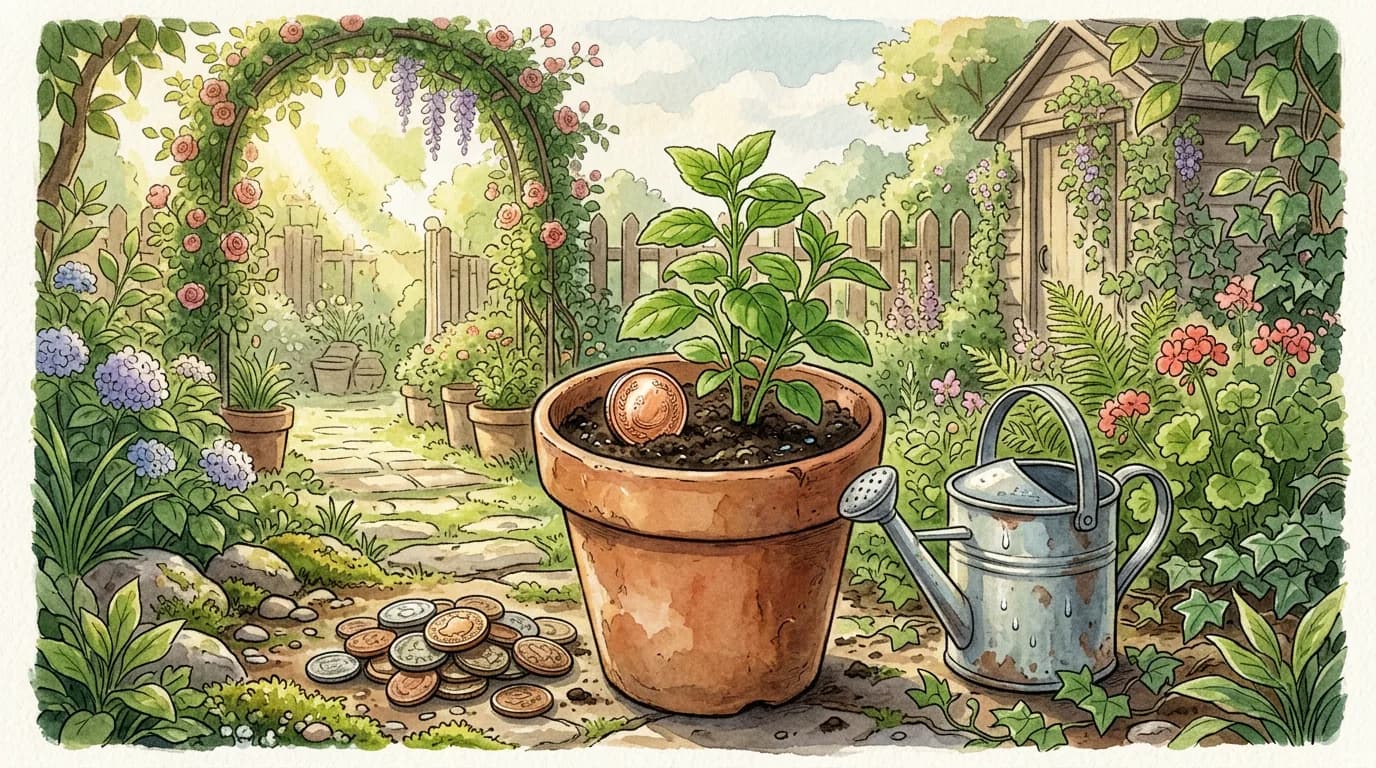
Myth: burying a copper coin protects the plant from fungi
Current coins supply very little copper; real fungicidal copper is used in controlled doses.
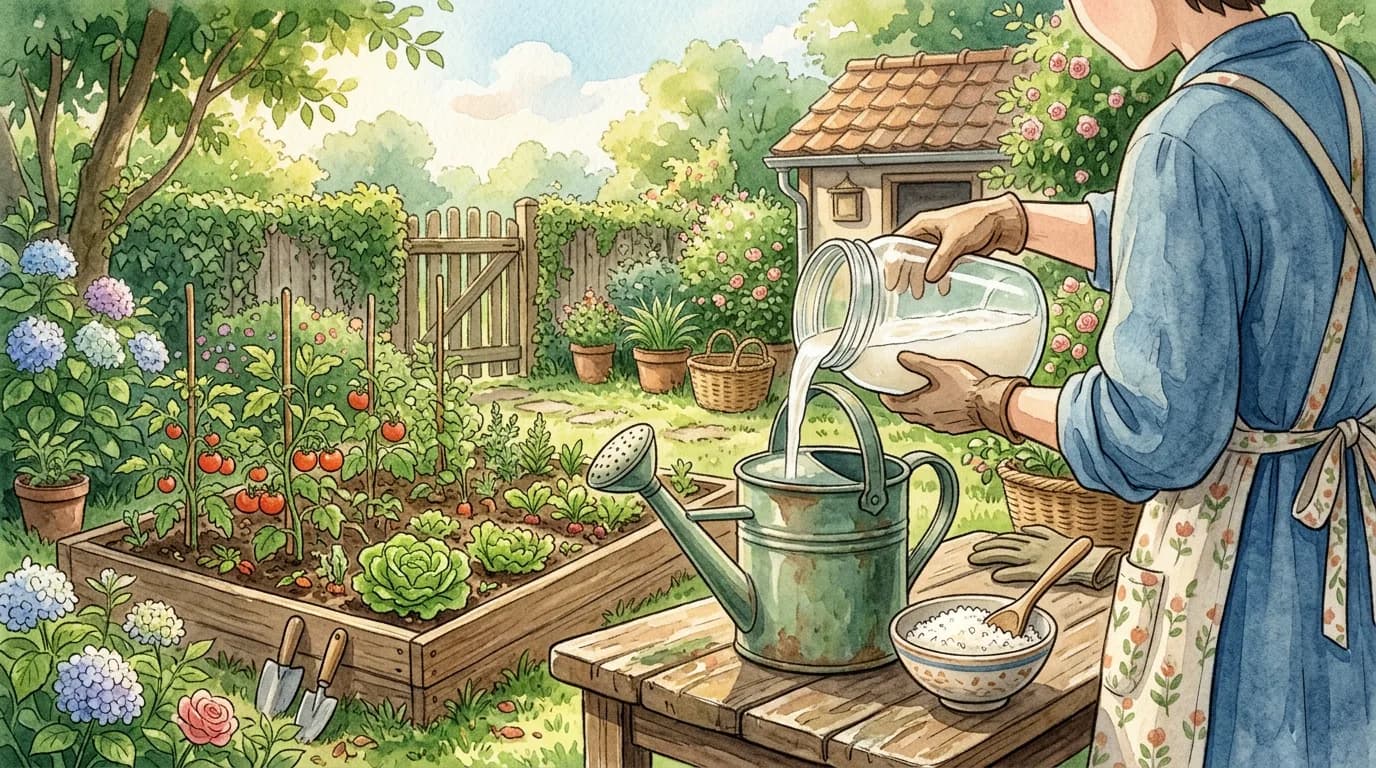
Is rice water any use as fertiliser?
Rice rinsing water supplies few nutrients; fermented it can stimulate micro-organisms, but its effect is modest.