
Preparations and remedies
Things to make with the plants from your garden
Infused oils and flavoured salts, liqueurs, infusions, balms, natural cosmetics, liquid feeds and repellents. 42 recipes with clear steps. For dishes (pisto, gazpacho…) head to Cooking; for storing the harvest, see Preserving.
Start with very clean, dry jars and utensils. Nearly all problems with homemade oils and preserves come down to two things: moisture and poor hygiene. With what you learn here you can make Christmas gifts, save money on herbalist products and eat a lot better.
 Infused oilVery easy
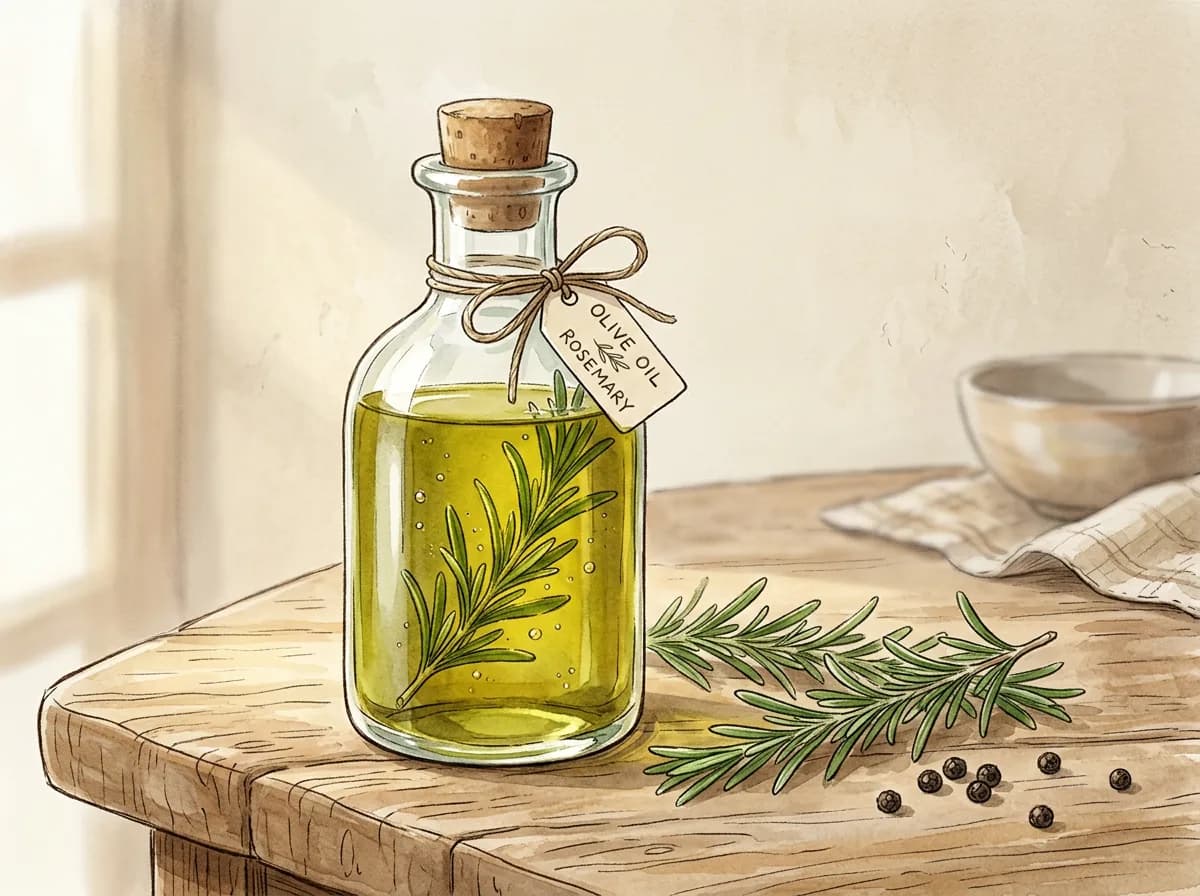
Rosemary infused oil
Olive oil infused with rosemary, for drizzling over potatoes, lamb, focaccia and barbecued vegetables. Make it with properly dried rosemary; if you use fresh rosemary, keep it in the fridge and use it within a few days.
10 min hands-on · 2 weeks of infusingView recipe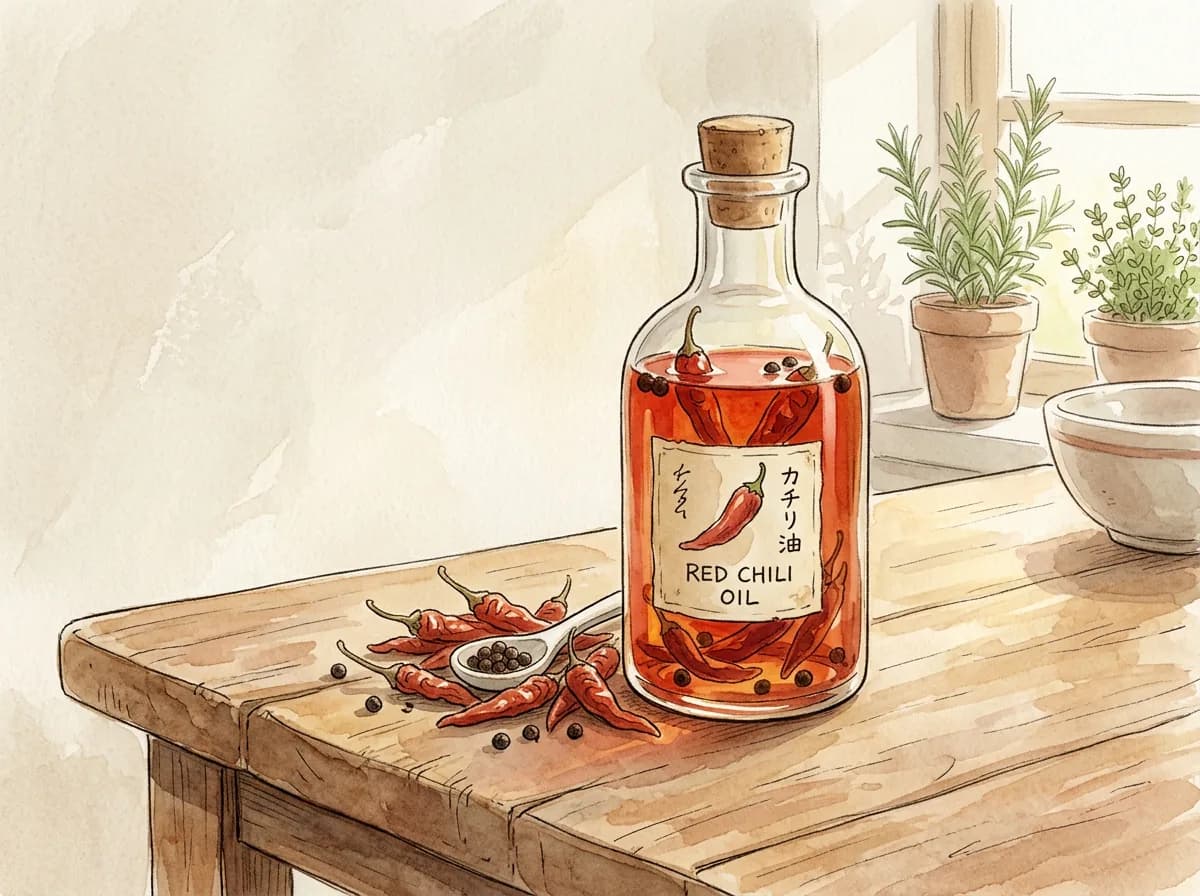 Infused oilVery easy
Spicy chilli oil
The spicy oil you get at the pizzeria, made at home with 10 minutes of work. Dried chillies infused in olive oil, for pizza, pasta, salads and bruschetta.
10 min hands-on · 10-14 daysView recipe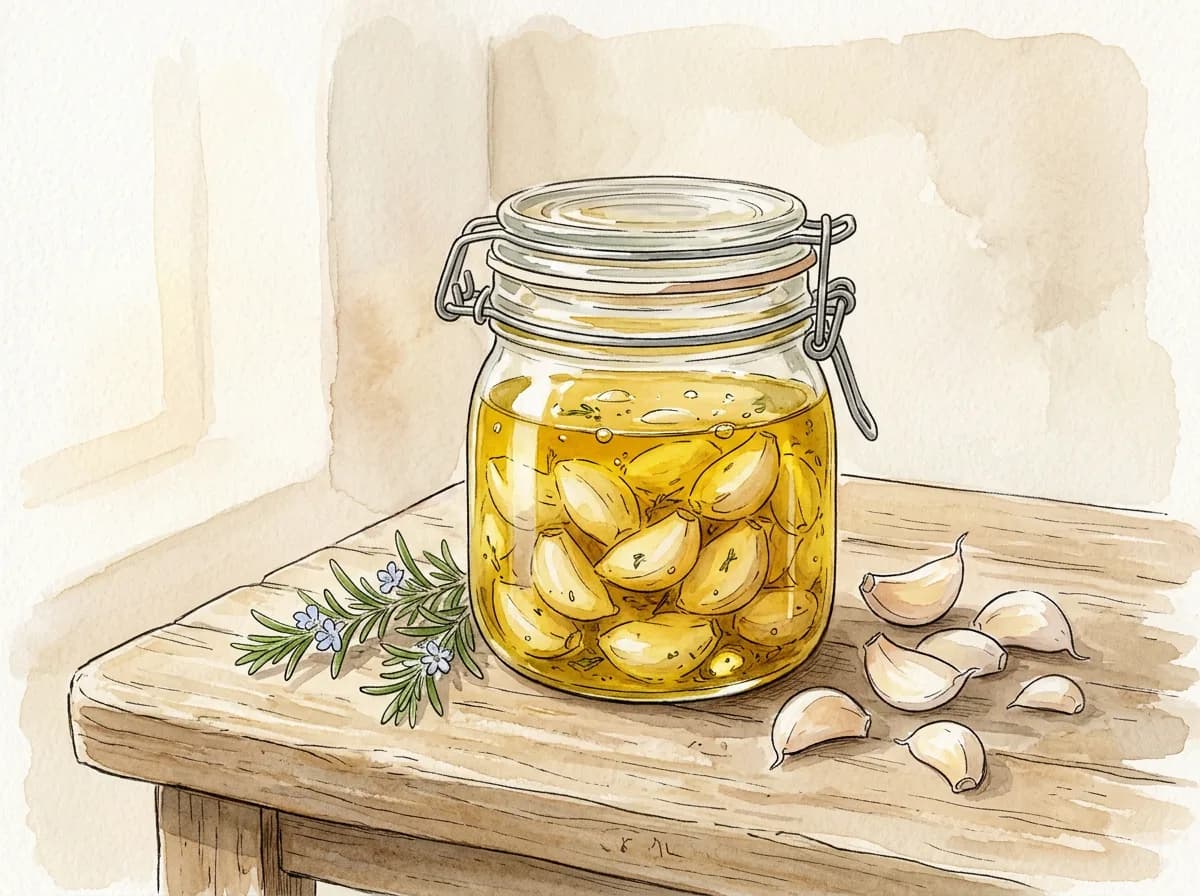 Infused oilVery easy
Garlic confit oil
Garlic slowly confited in olive oil. The cloves turn buttery, like salty caramel, and the oil becomes liquid gold for pasta, bread and sauces.
15 min hands-on · 45 min of cooking over a very gentle heatView recipe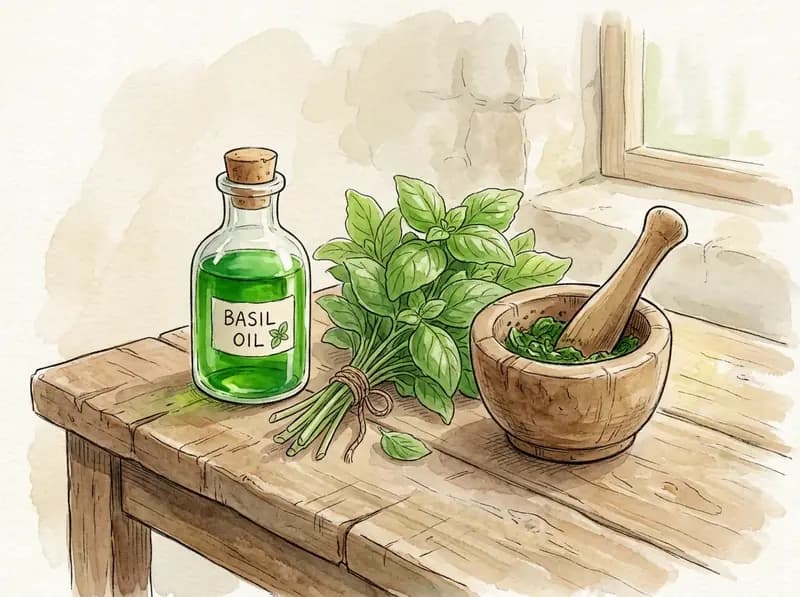 Infused oilIntermediate
Fresh basil oil
An intensely green oil for making the most of summer basil. Keep it frozen in cubes, and it is perfect for margherita pizza, caprese salad or mozzarella.
20 min hands-on · 1 day of restingView recipe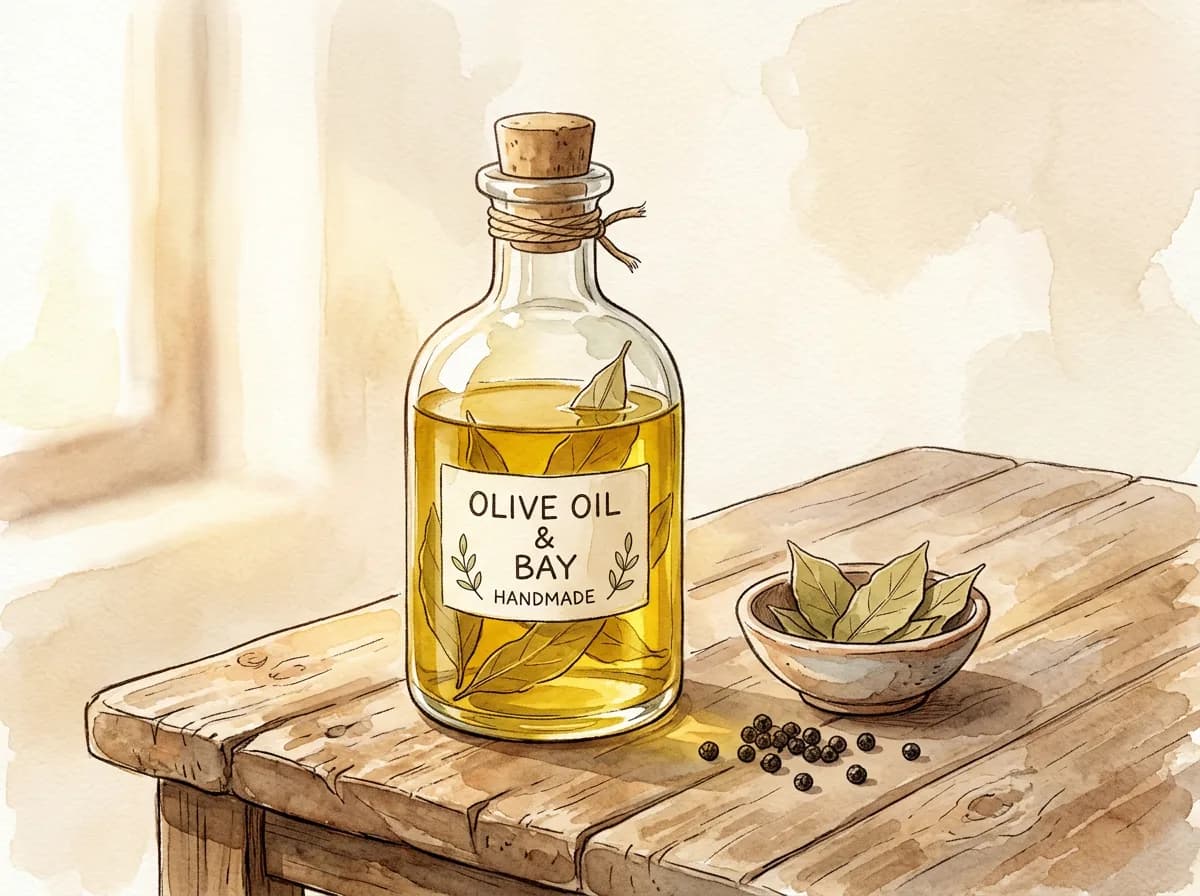 Infused oilVery easy
Bay leaf oil
An oil with a balsamic, slightly bitter aroma, ideal for roast meats and winter stews. It is made with dried leaves from the bay tree in the vegetable garden.
5 min hands-on · 3 weeksView recipe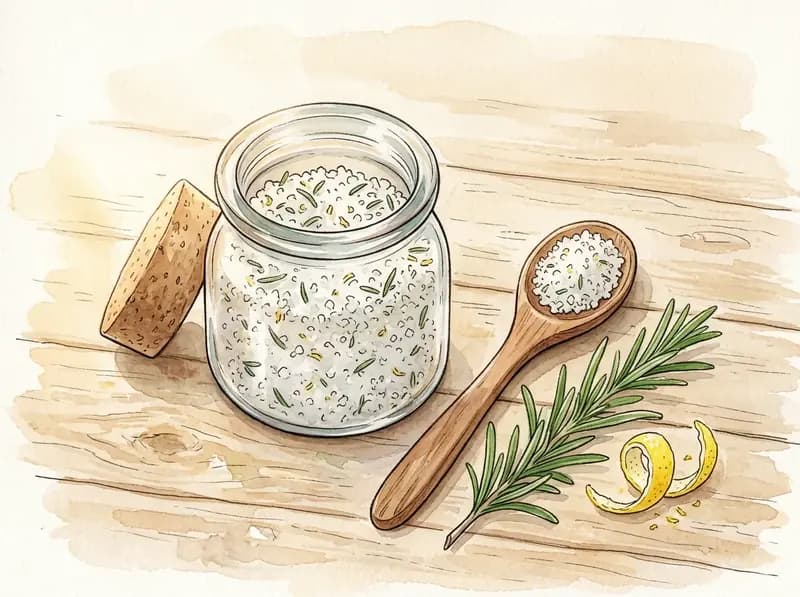 Flavoured saltVery easy
Rosemary salt
Coarse sea salt flavoured with fresh rosemary from the vegetable garden. Very easy and elegant. For grilled meat, roast potatoes, focaccia, or to give as a gift in little jars.
15 min hands-on · 3-5 days of dryingView recipe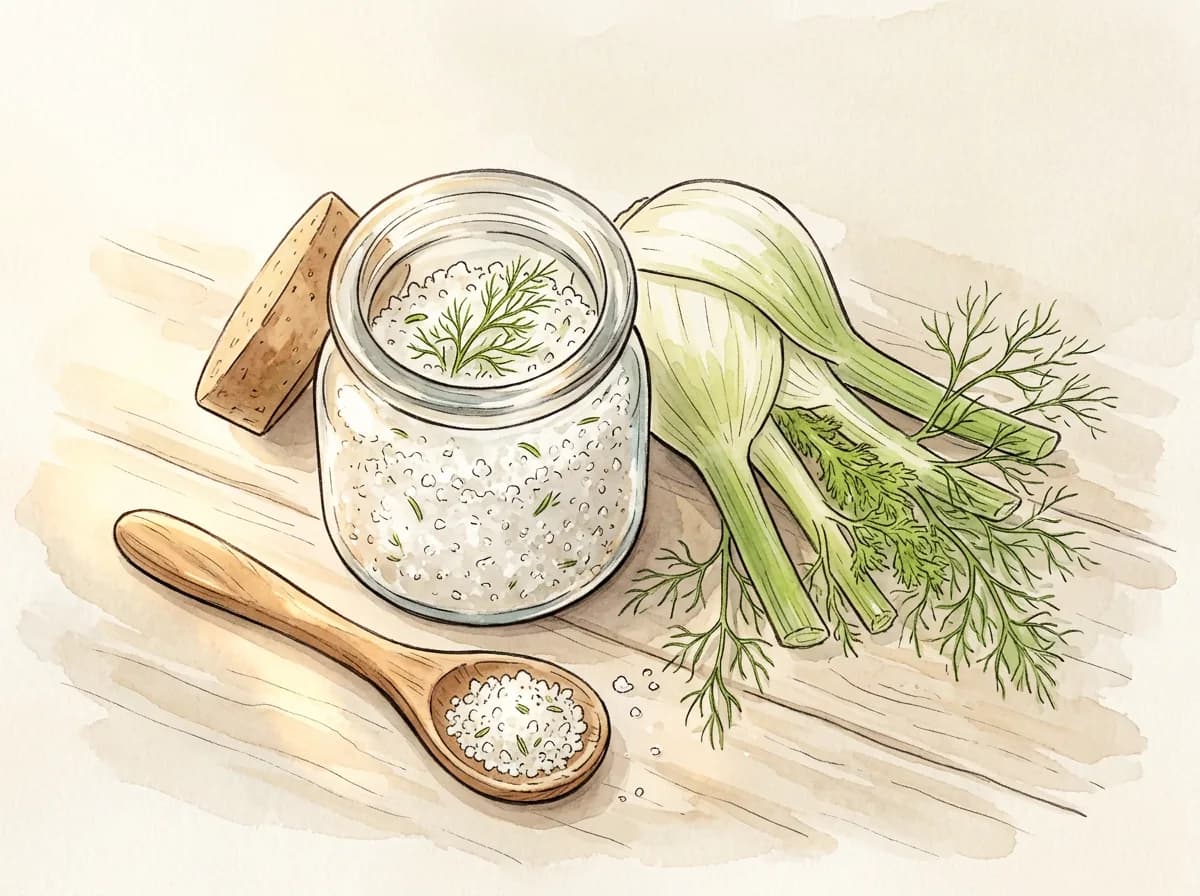 Flavoured saltVery easy
Fennel salt
A subtle flavour of aniseed and liquorice. Ideal for oven-baked fish, orange salads or the rim of a Bloody Mary glass.
10 min hands-on · 2-3 days of dryingView recipe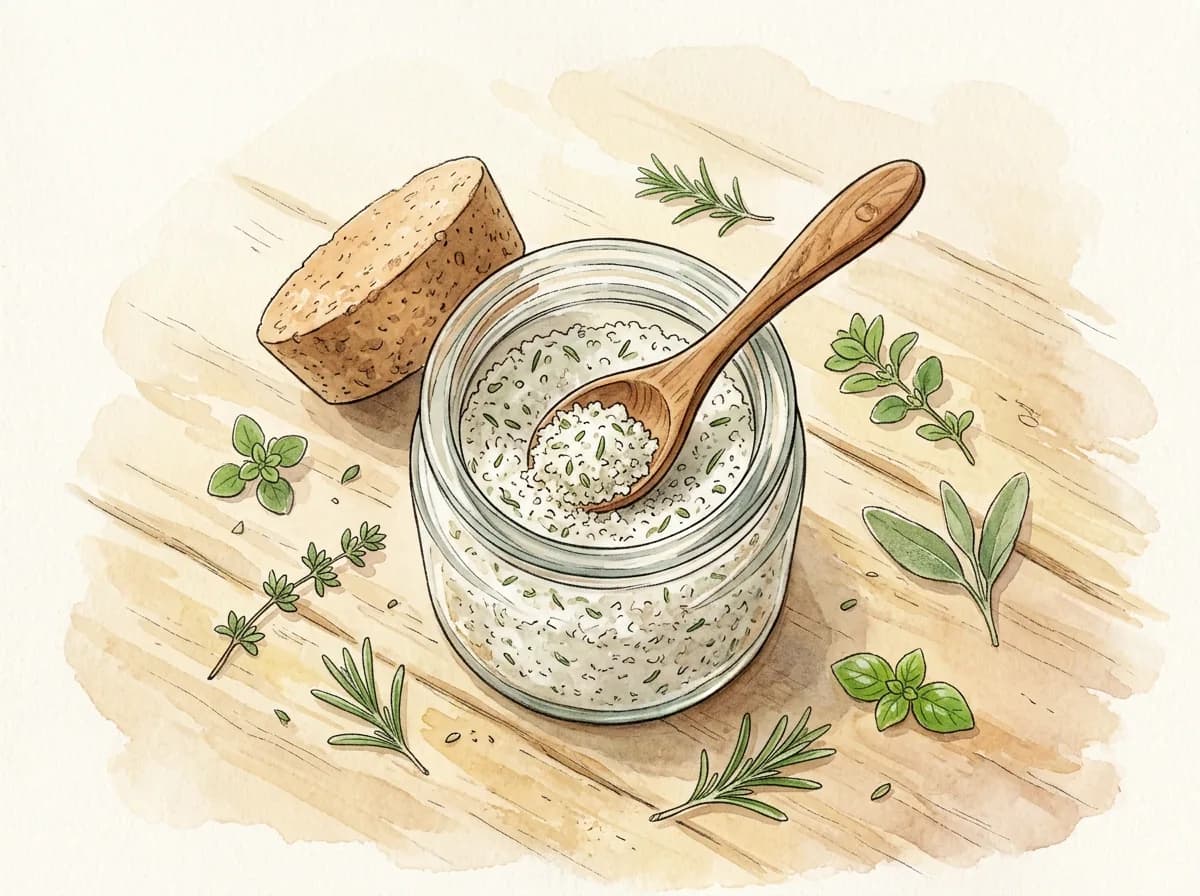 Flavoured saltVery easy
Mixed herb salt
Your everyday salt, but with rosemary, thyme, oregano, sage and basil from the vegetable garden. A staple that replaces ordinary salt all year round.
15 min hands-on · 3-5 daysView recipe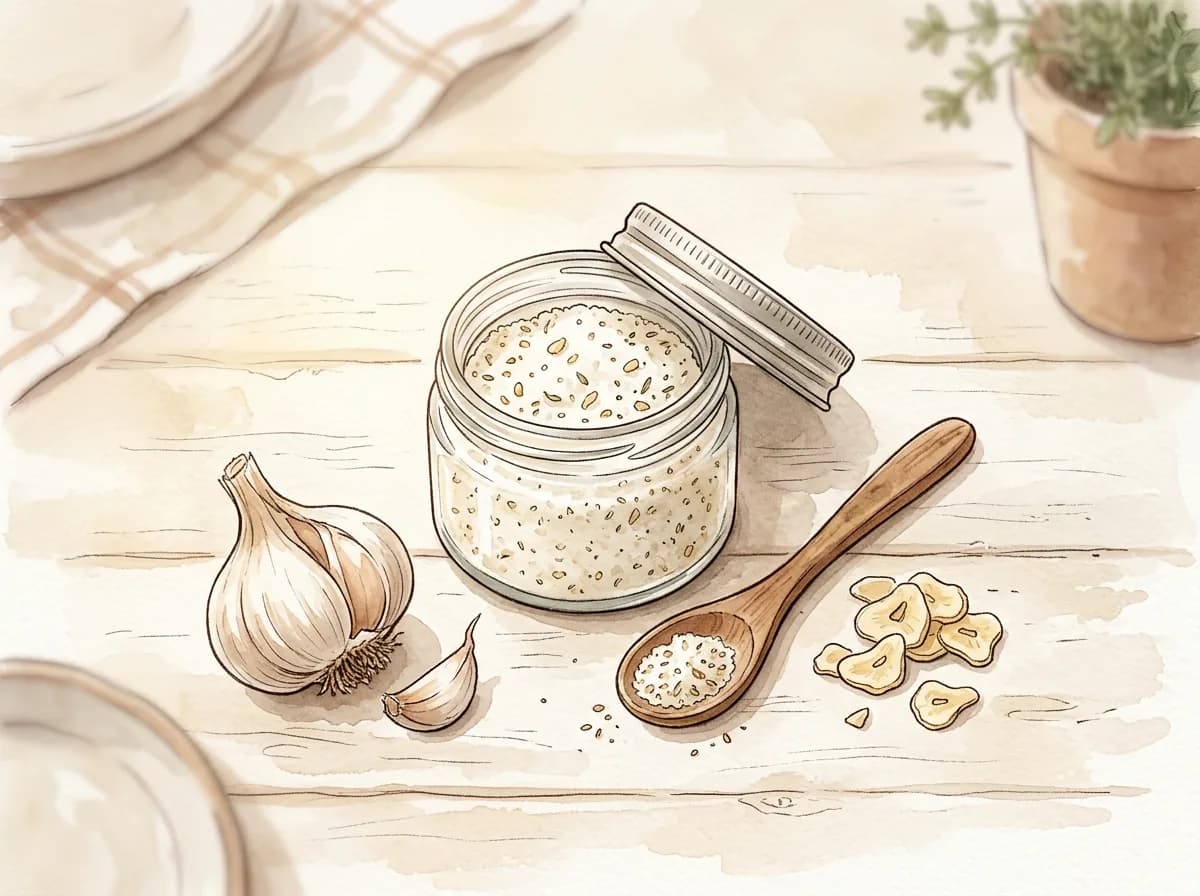 Flavoured saltIntermediate
Homemade garlic salt
A garlic salt with far more flavour than the shop-bought kind, made with dehydrated garlic from the vegetable garden.
30 min hands-on · 8-10 h of drying in the oven or dehydratorView recipe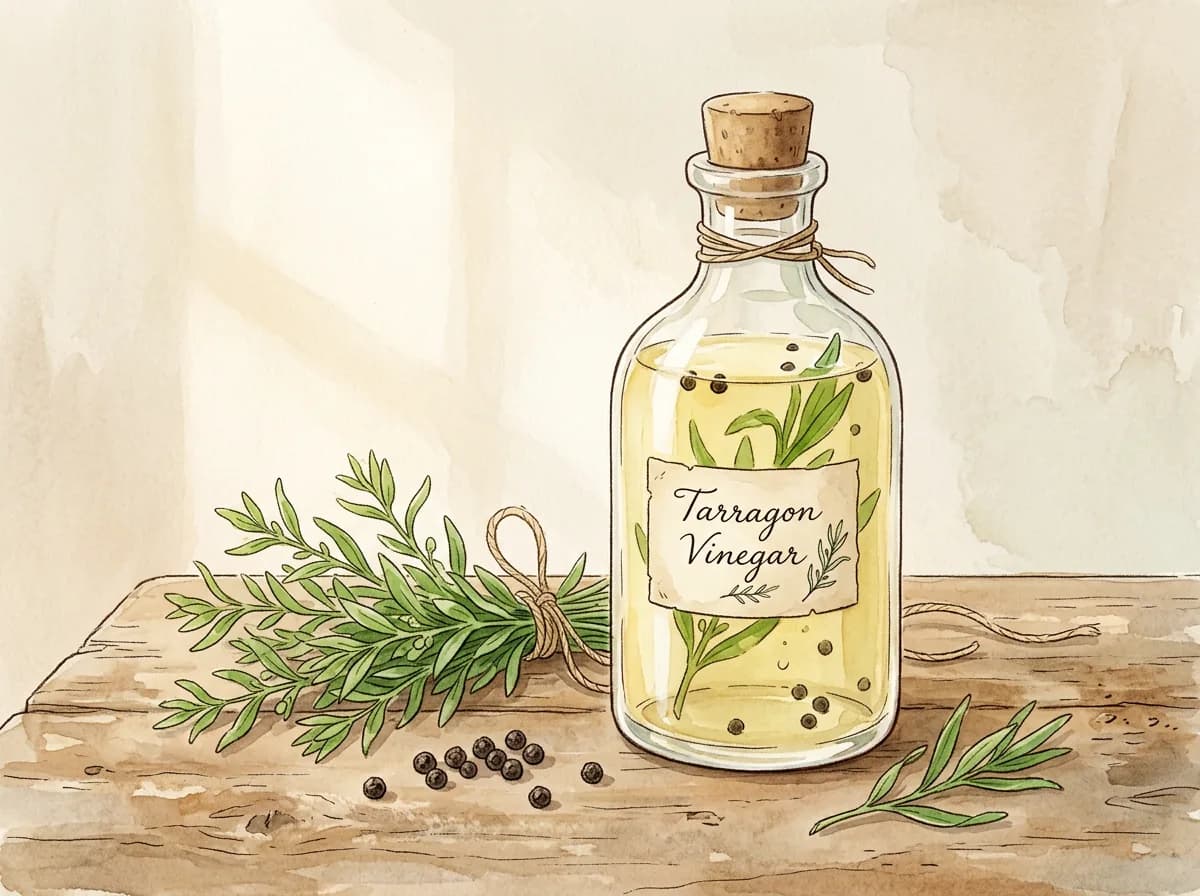 Flavoured vinegarVery easy
Tarragon vinegar
The classic French vinegar for bearnaise sauce, herb mayonnaises and pickles. It is made with fresh tarragon from the vegetable garden and 3-4 weeks of infusing.
5 min hands-on · 3-4 weeksView recipe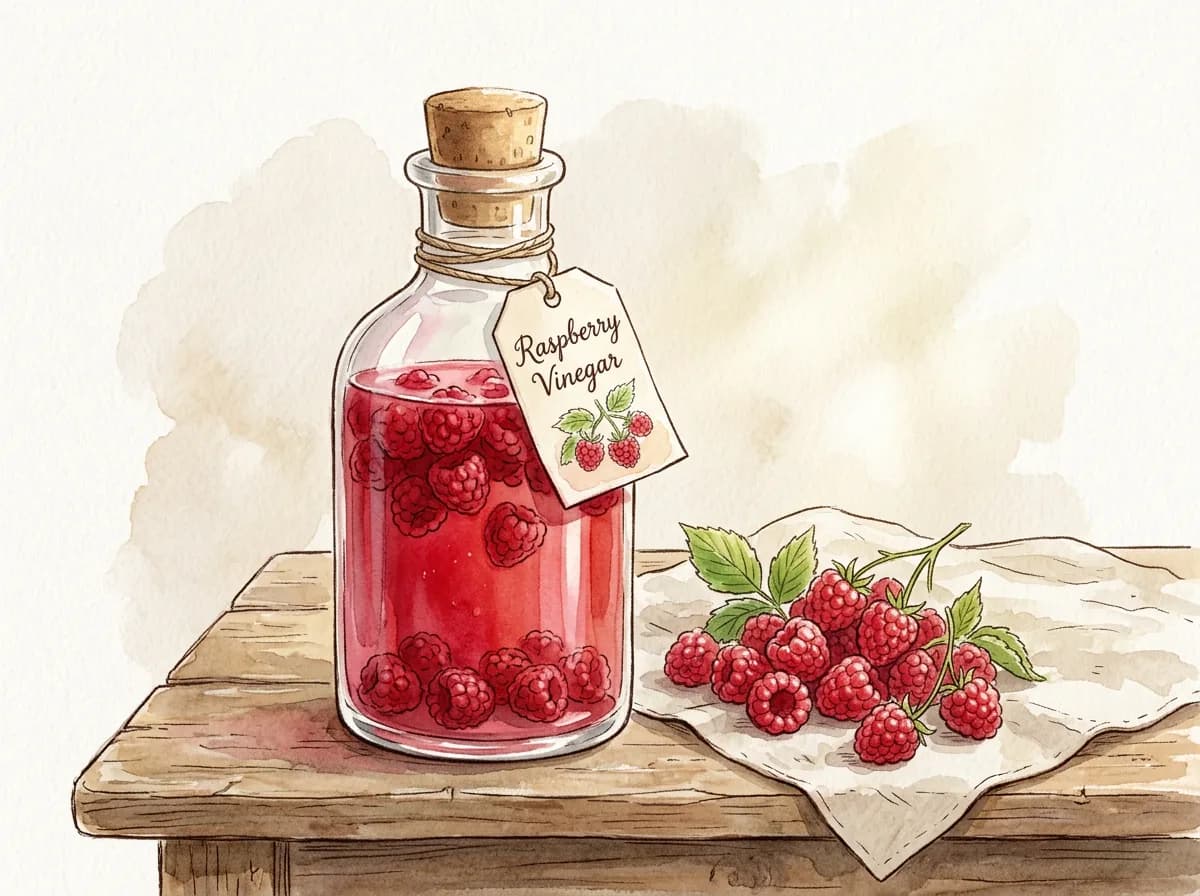 Flavoured vinegarVery easy
Raspberry vinegar
A fruity, slightly sweet vinegar, ideal for spinach salads with goat's cheese or for marinating duck breast. It makes the most of the raspberries at the end of summer.
15 min hands-on · 2 weeks + strainingView recipe Homemade liqueurVery easy
Homemade pacharan
The liqueur of the Navarrese after-dinner table. Wild sloes from autumn, infused in aniseed spirit for 3-6 months.
15 min hands-on · 3-6 monthsView recipe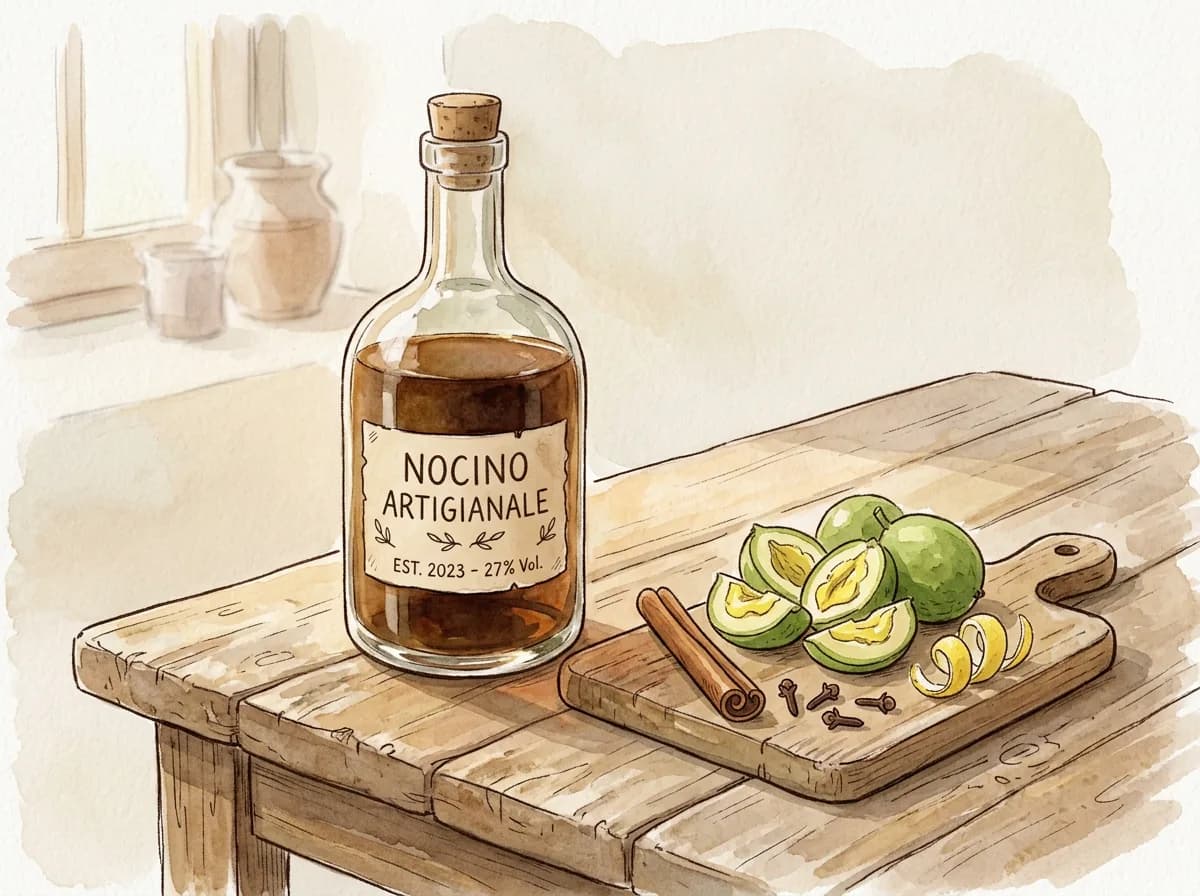 Homemade liqueurIntermediate
Nocino (green walnut liqueur)
A traditional Italian liqueur of the summer solstice (St John's Day) made with green walnuts picked before they ripen. Thick, dark and slightly bitter. Much loved in Emilia-Romagna.
30 min hands-on · 40 days of infusing + 3 months of restingView recipe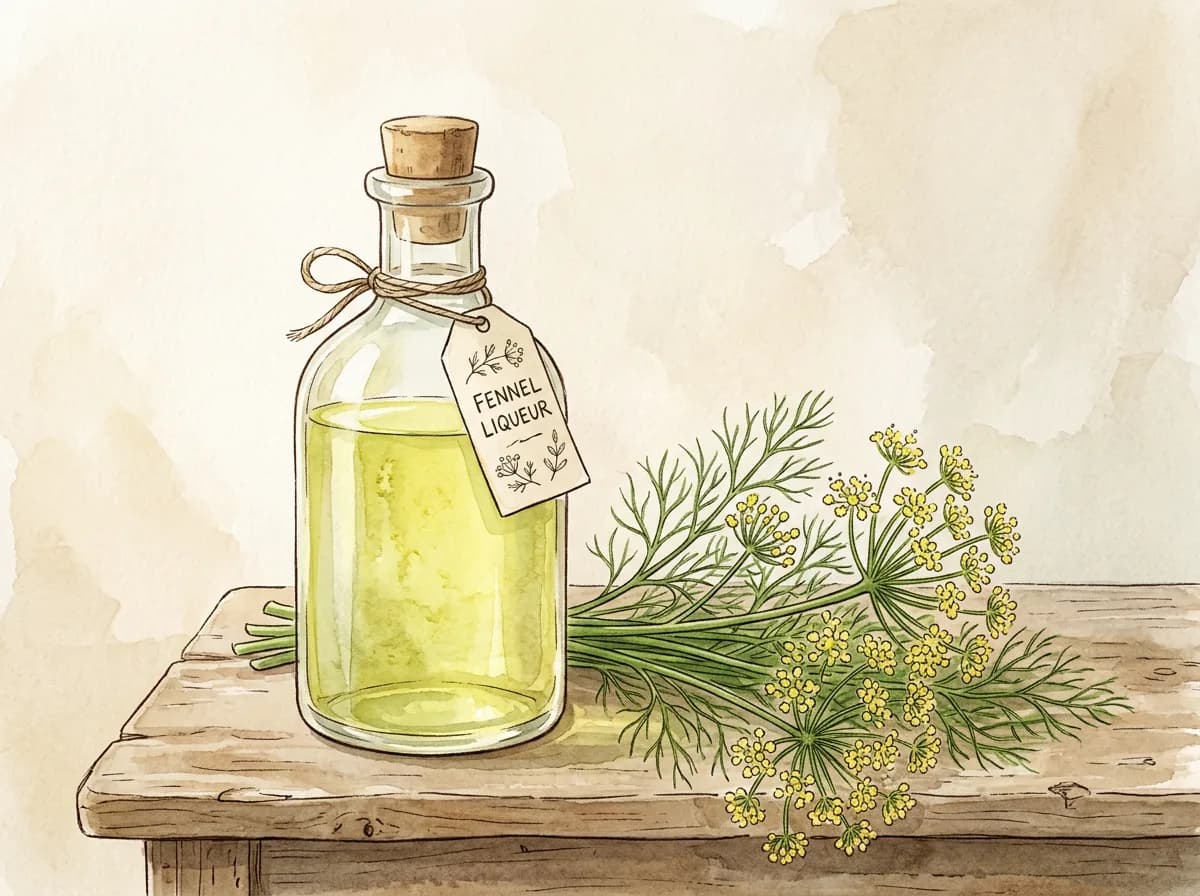 Homemade liqueurVery easy
Fennel liqueur
A typical digestif liqueur from southern Italy (Calabria, Sicily) made with wild fennel flowers. Fresh, with a hint of aniseed, perfect after a heavy meal.
15 min hands-on · 30 daysView recipe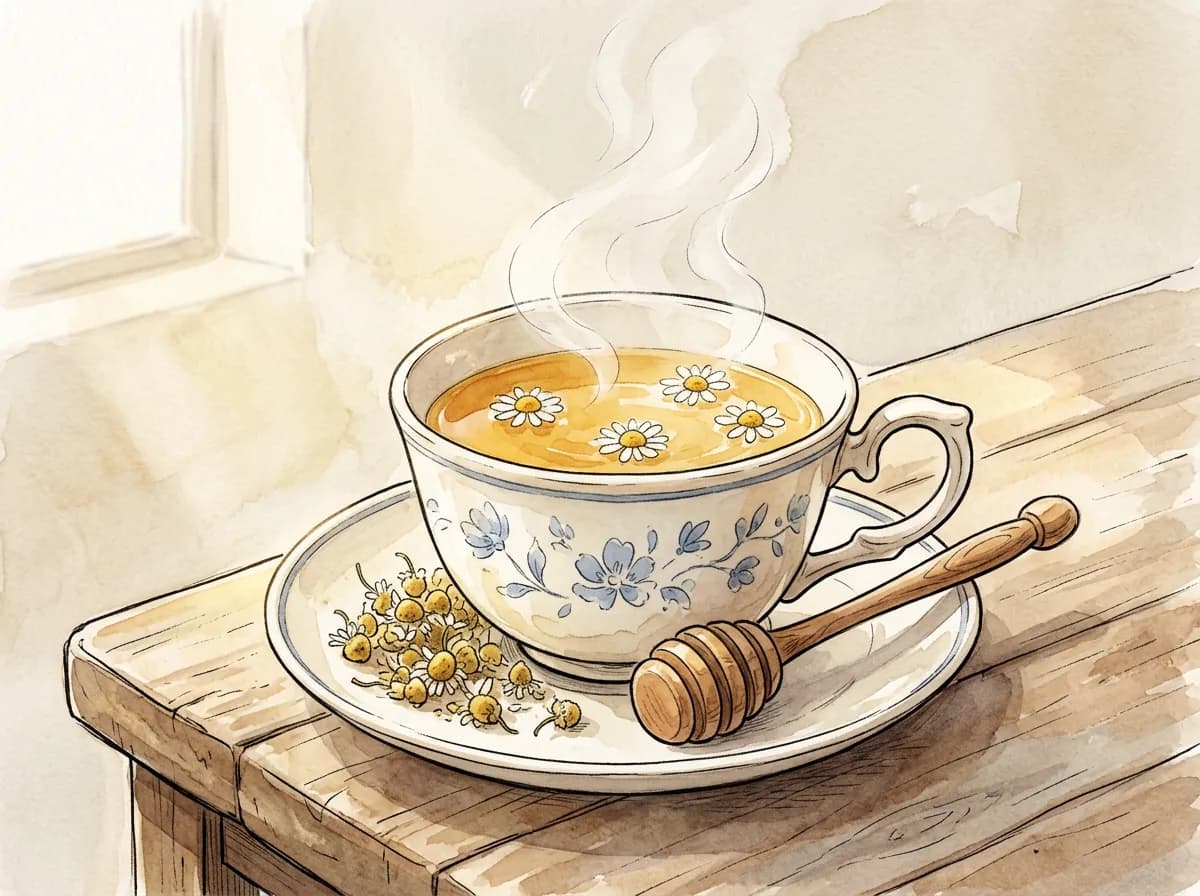 Herbal infusionVery easy
Homemade chamomile tea
The digestive infusion par excellence. Chamomile flower heads picked and dried at home keep their aroma intact. Far better than supermarket tea bags.
30 min hands-on · 5-7 days of dryingView recipe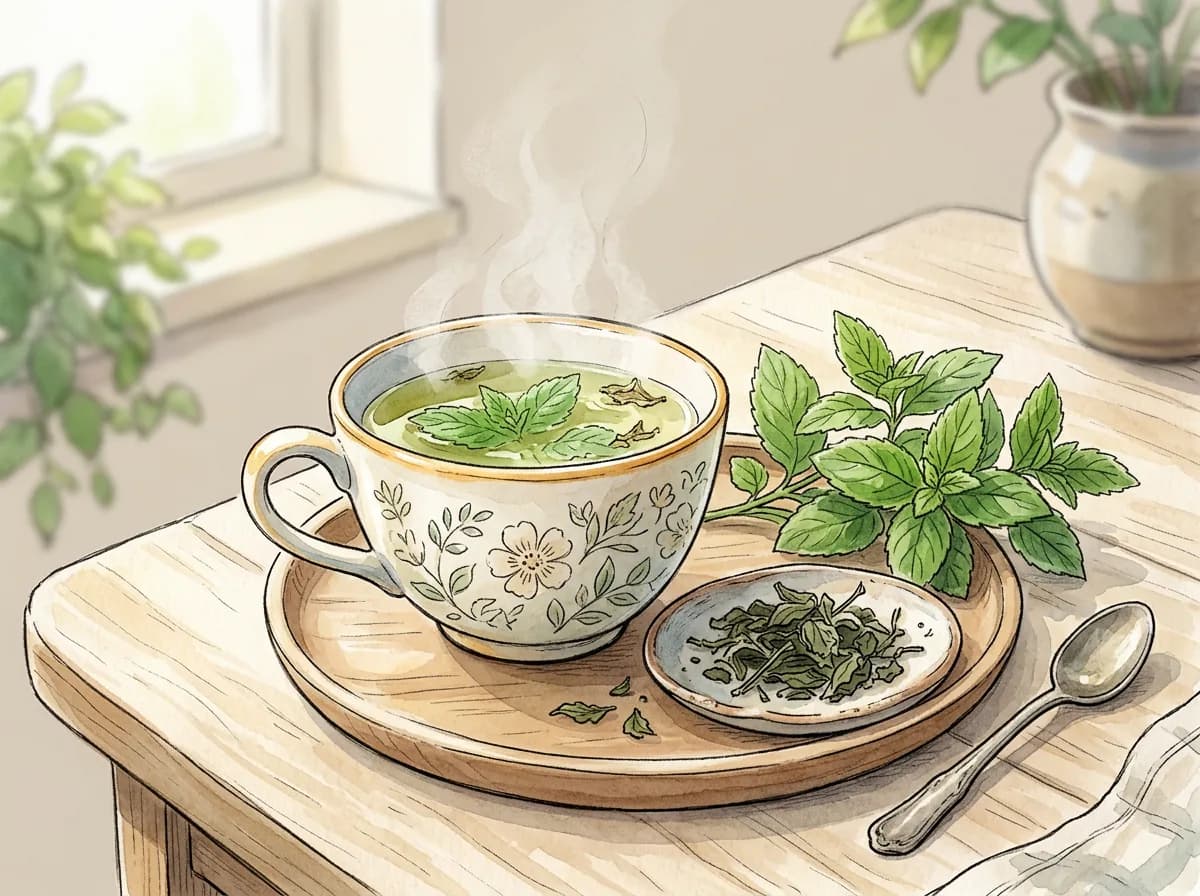 Herbal infusionVery easy
Homemade mint and pennyroyal tea
An aromatic mint tea from the vegetable garden. We recommend peppermint for everyday use: pennyroyal (Mentha pulegium) contains pulegone and should not be drunk often.
20 min hands-on · 5-7 days of dryingView recipe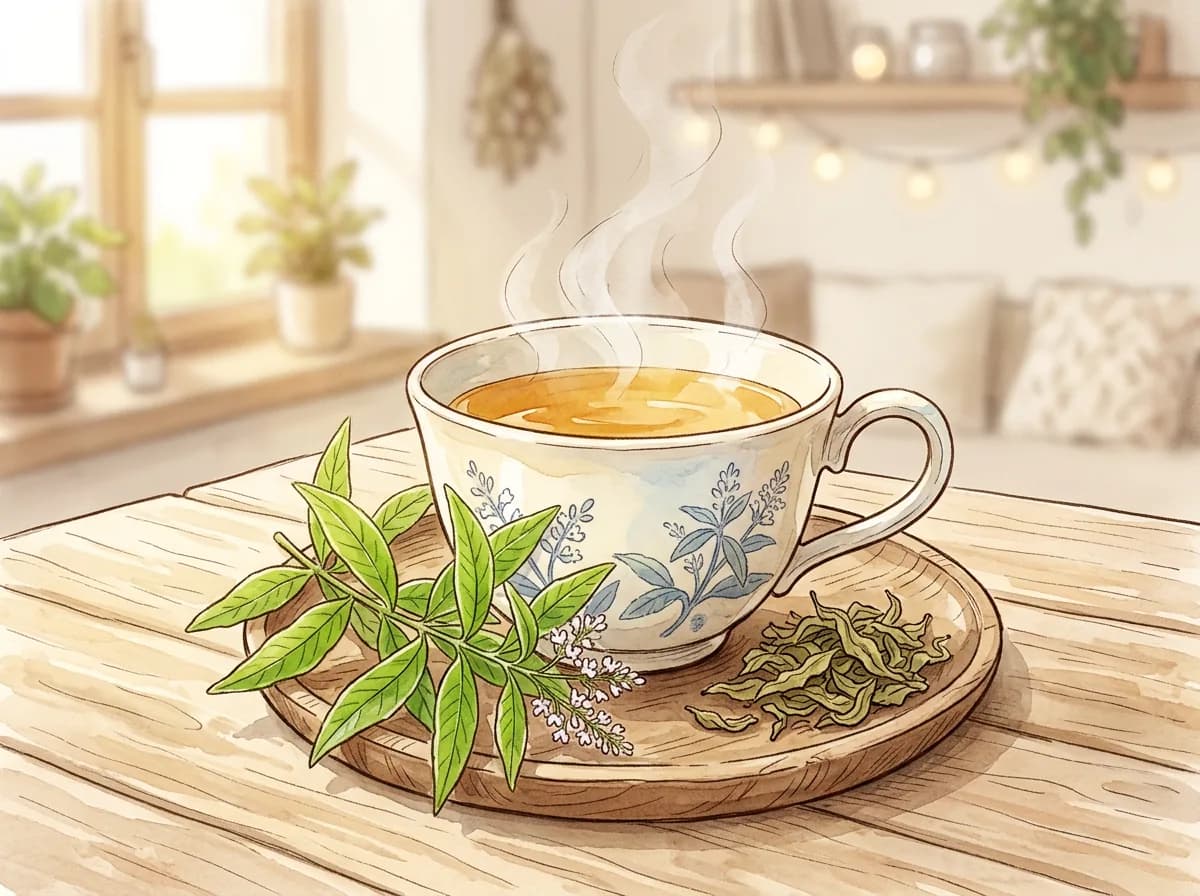 Herbal infusionVery easy
Lemon verbena
A sweetly lemon-scented infusion, traditionally used as a relaxing and digestive tea. It is an easy shrub to have in the vegetable garden and very generous with its leaves.
15 min hands-on · 3-5 daysView recipe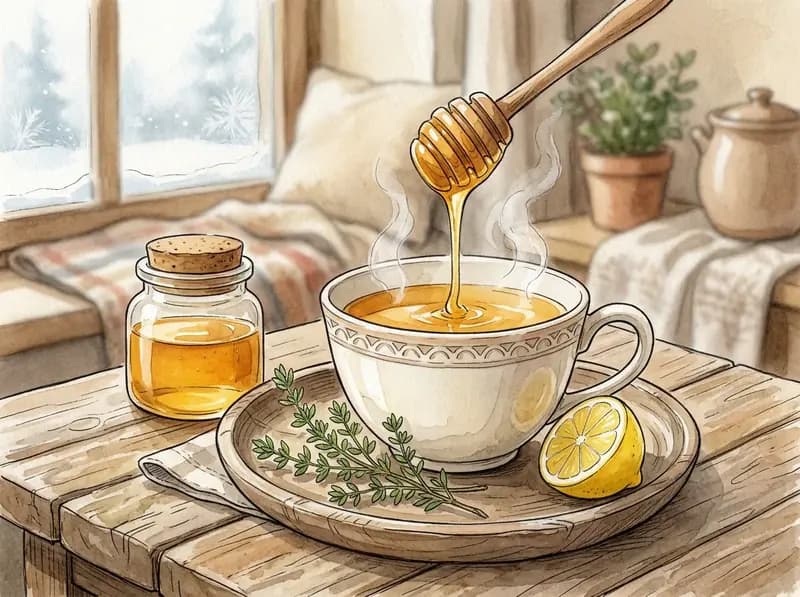 Herbal infusionVery easy
Thyme with honey and lemon (for colds)
The tried-and-tested remedy: thyme tea with raw honey and lemon for a sore throat, a dry cough and the first symptoms of a cold. Traditional use.
5 min hands-onView recipe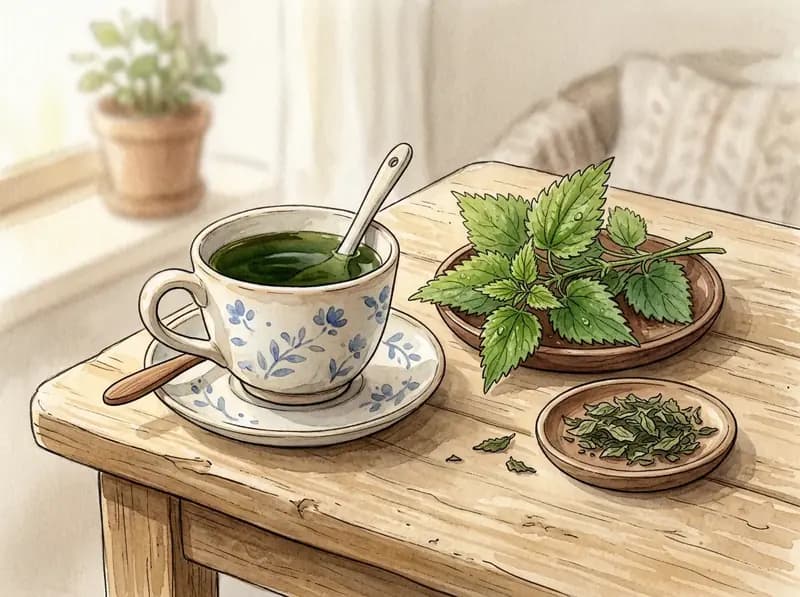 Herbal infusionVery easy
Fresh nettle tea (remineralising)
Blanched nettle loses its sting and makes a mild infusion. The plant contains minerals such as iron and calcium, which is why it is traditionally used as a remineralising tonic, although the tea does not replace a good diet.
10 min hands-onView recipe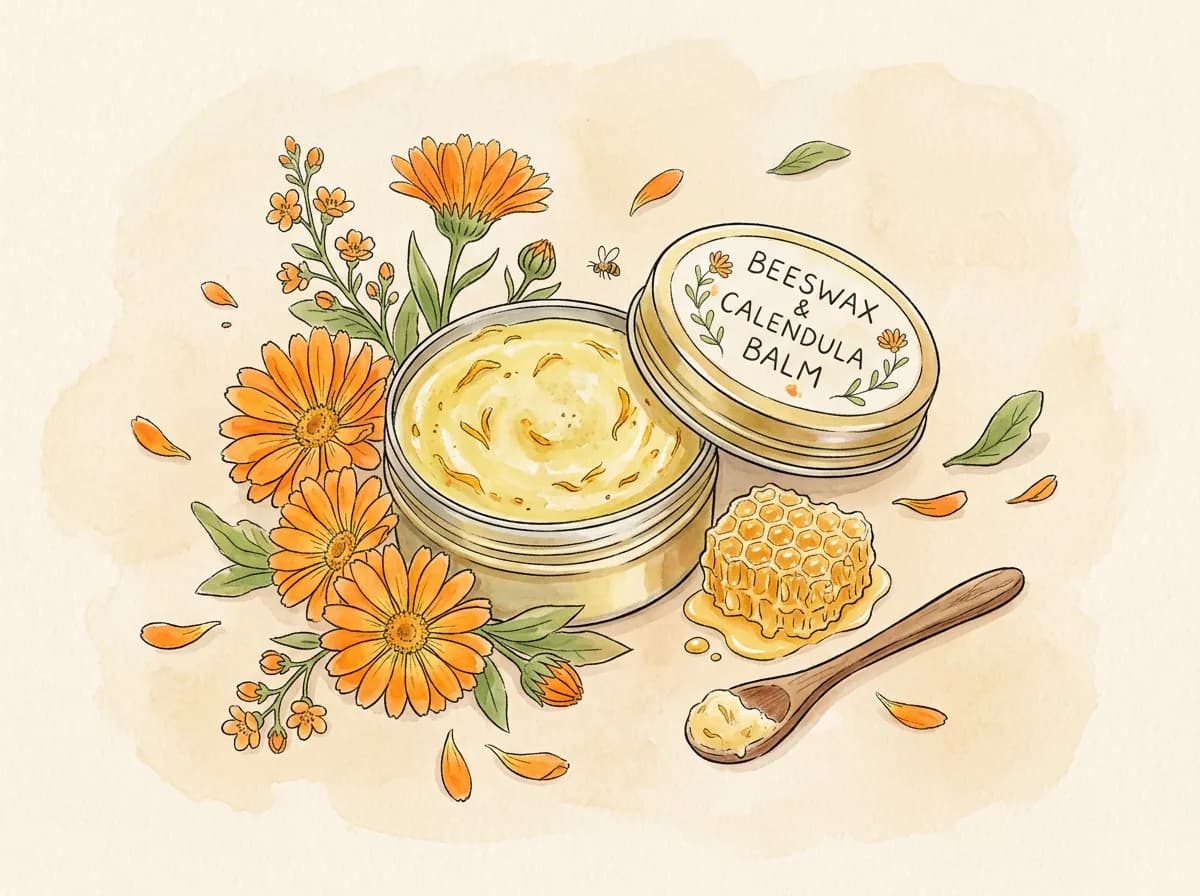 Balm and salveIntermediate
Calendula salve (wounds and burns)
A traditional salve: calendula infused in oil and set with beeswax. It is used as a soothing remedy for dry skin, chafing and mild irritations.
60 min hands-on · 4-6 weeks for the infused oilView recipe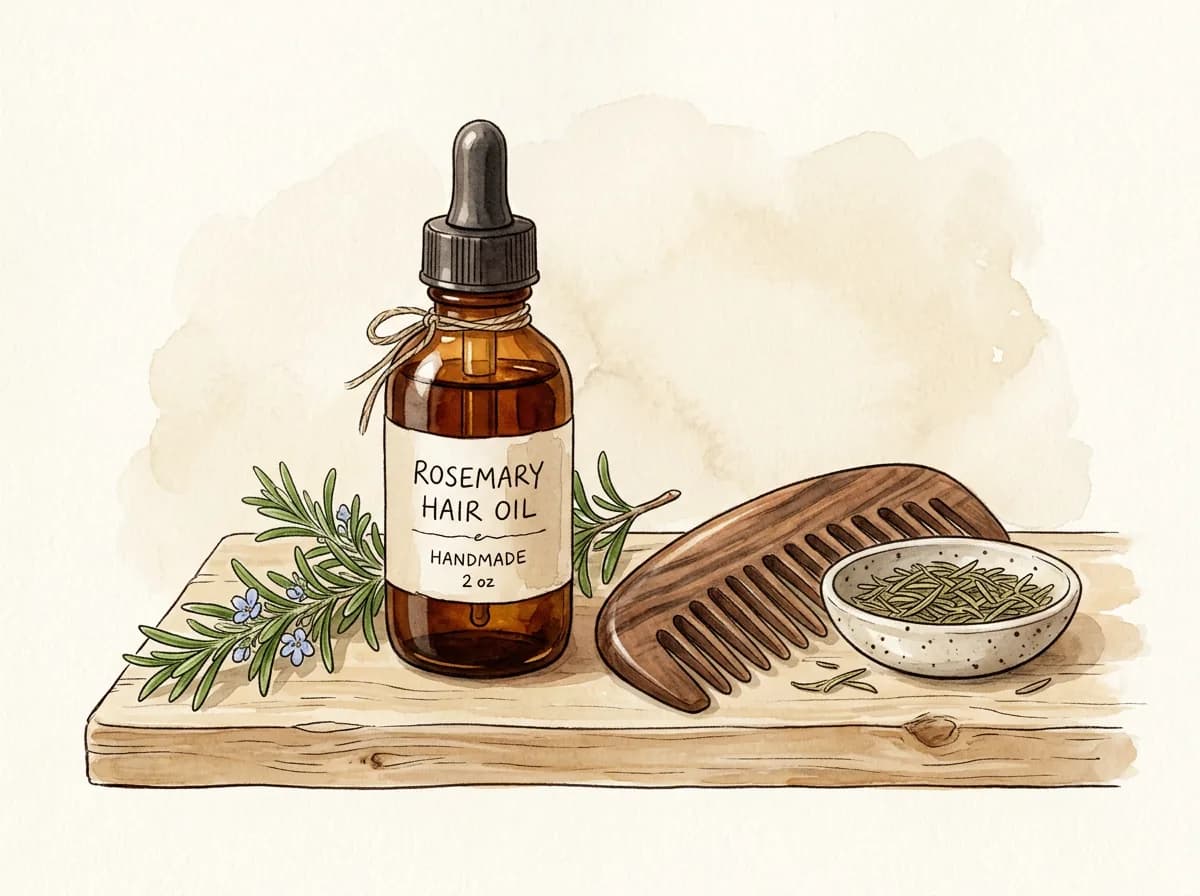 Natural cosmeticsVery easy
Rosemary oil for hair
Rosemary oil has become very popular as a scalp treatment. It is made at home at little cost. The scientific evidence is limited.
15 min hands-on · 4 weeks in the sun or 2 h in a bain-marieView recipe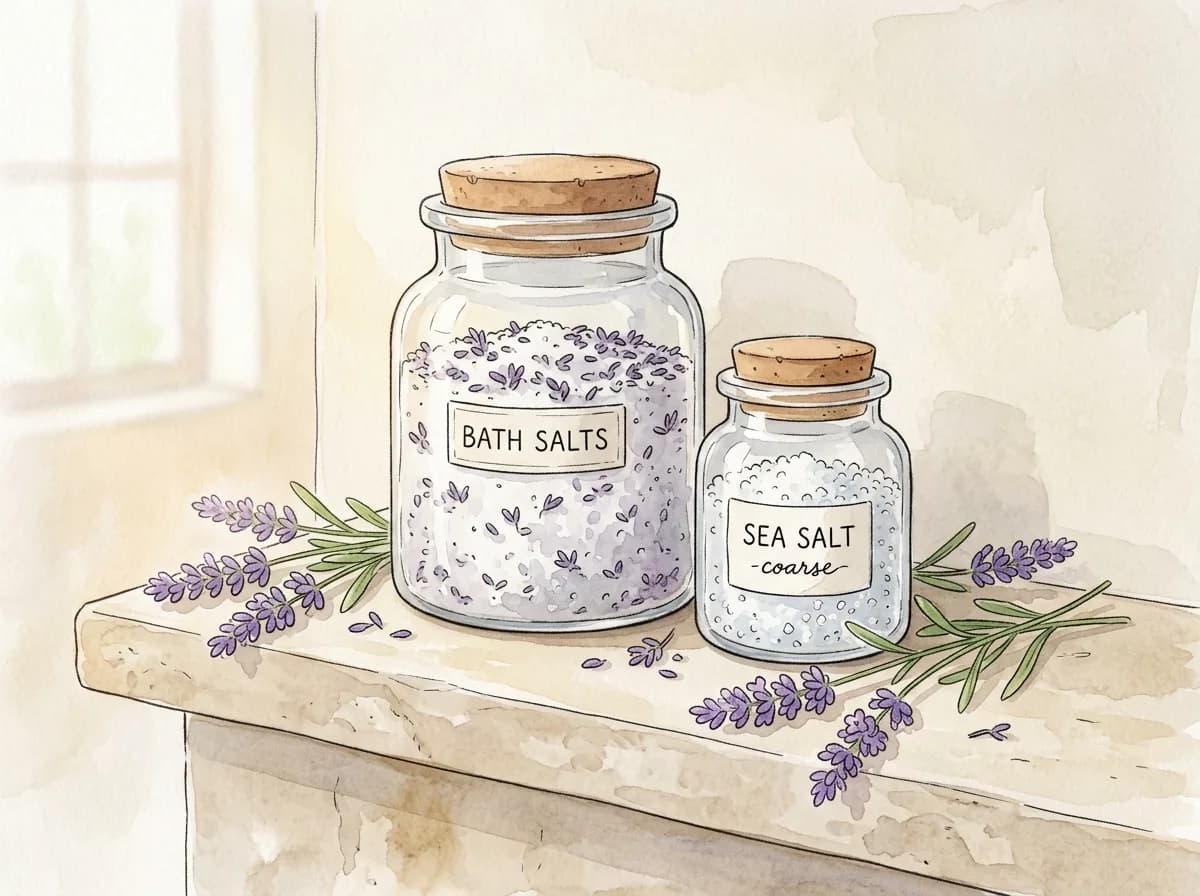 Natural cosmeticsVery easy
Relaxing lavender bath salts
Homemade bath salts with lavender flowers from the vegetable garden and essential oils. They make a lovely gift and are wonderfully calming. Easy to make in 15 minutes.
15 min hands-onView recipe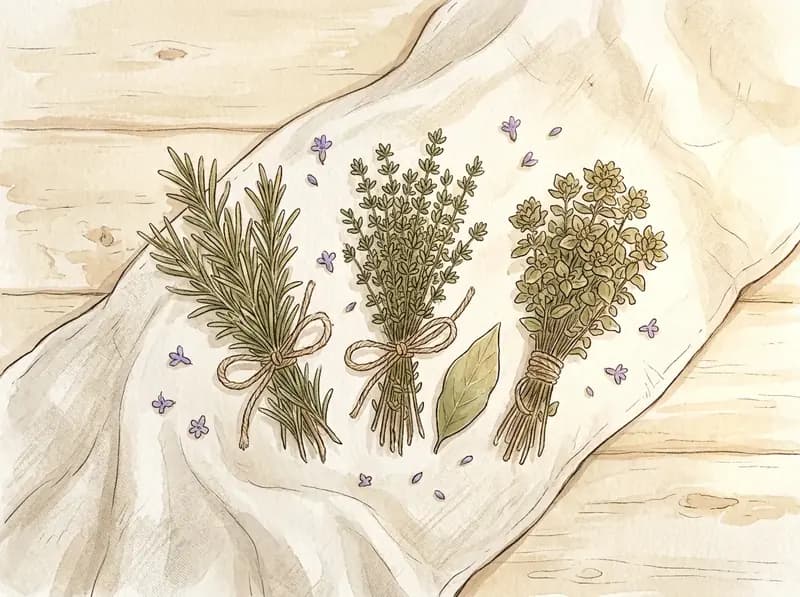 Dried seasoningVery easy
Homemade herbes de Provence
The classic Mediterranean blend: thyme, rosemary, oregano, basil, marjoram, bay. For anything roasted. They have more aroma if you dry the herbs yourself.
20 min hands-on · 5-7 days of drying per herbView recipe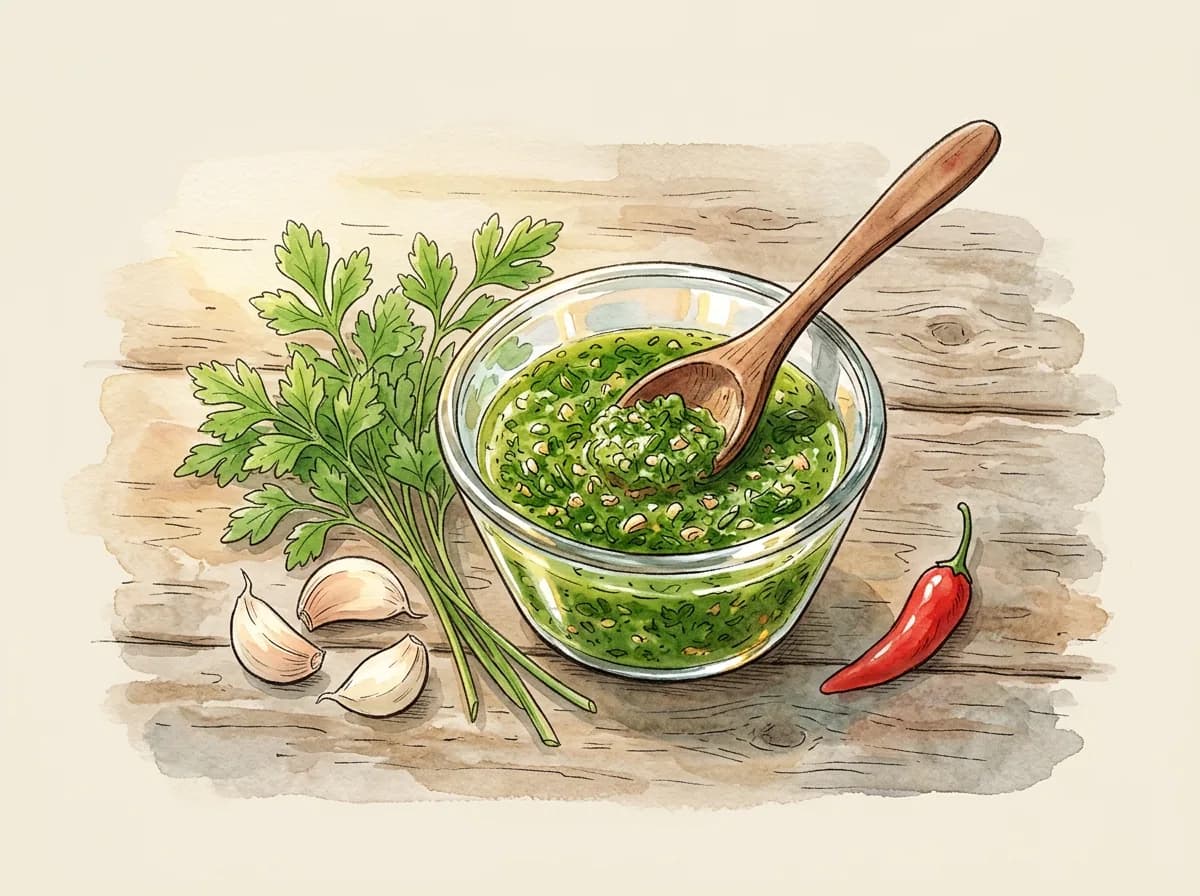 Dried seasoningVery easy
Argentine chimichurri
The sauce of Argentine grills: parsley, garlic, oregano, vinegar and oil. Served cold over freshly cooked meat. It makes the most of the parsley that bolts in summer.
15 min hands-on · 24 h before usingView recipe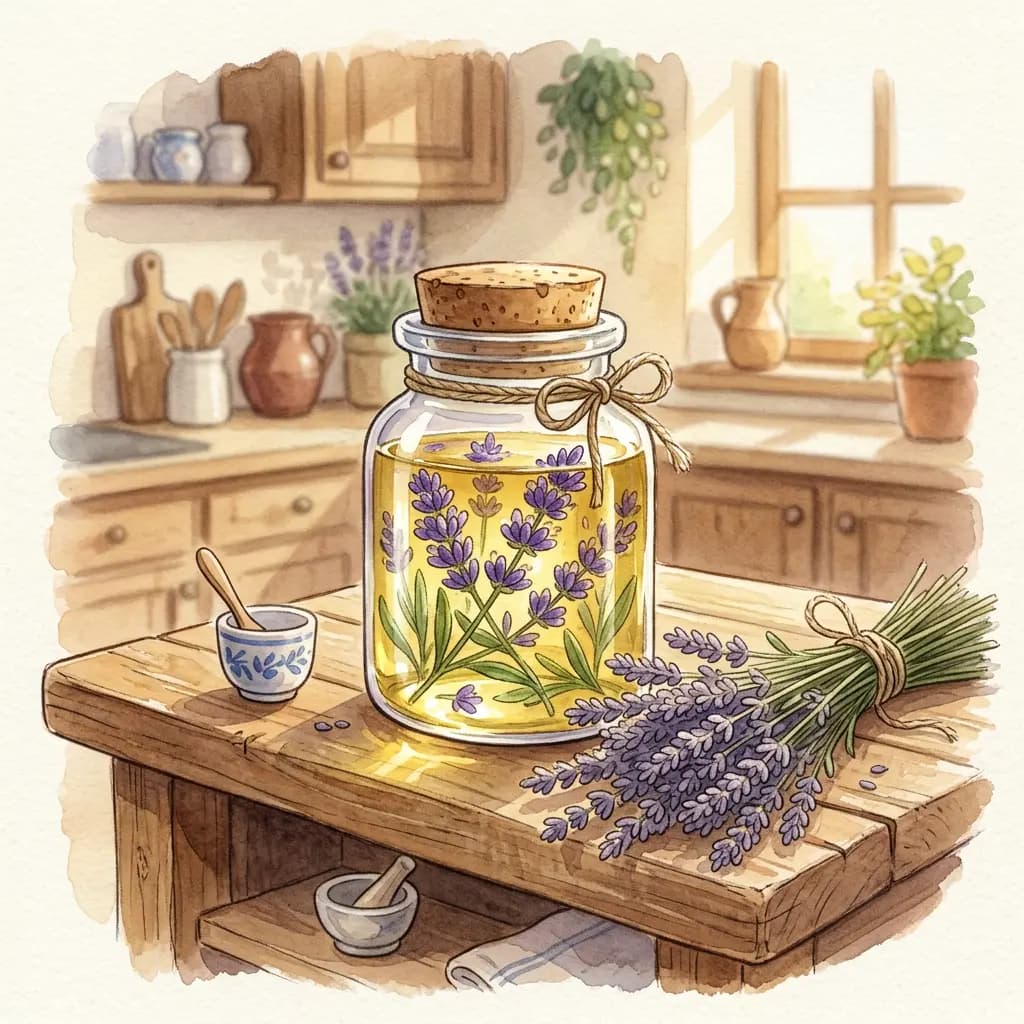 Macerated oilVery easy
Lavender infused oil (oleate)
What most people call “homemade lavender essential oil” is really an oleate: dried flowers infused in vegetable oil for weeks. Very relaxing, it is used for massage, to soothe mild burns and as a base for salves.
15 min hands-on · 3-6 weeks in the sun or 4 h in a bain-marie at 60 °CView recipe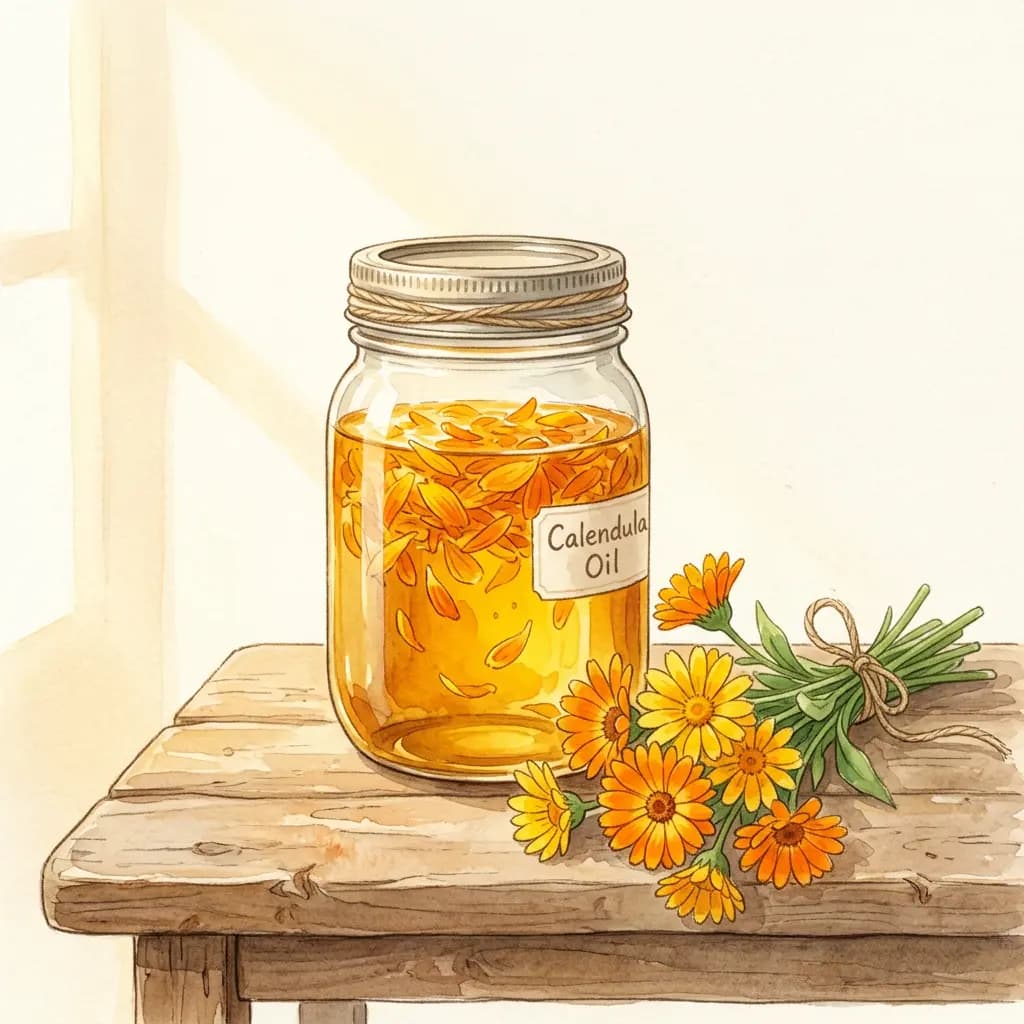 Macerated oilVery easy
Calendula infused oil (oleate)
The classic golden oil for delicate skin: mild irritations, dry and sensitive skin. It is the base of many homemade salves.
15 min hands-on · 4 weeks in the sun or 4 h in a bain-marie at 60 °CView recipe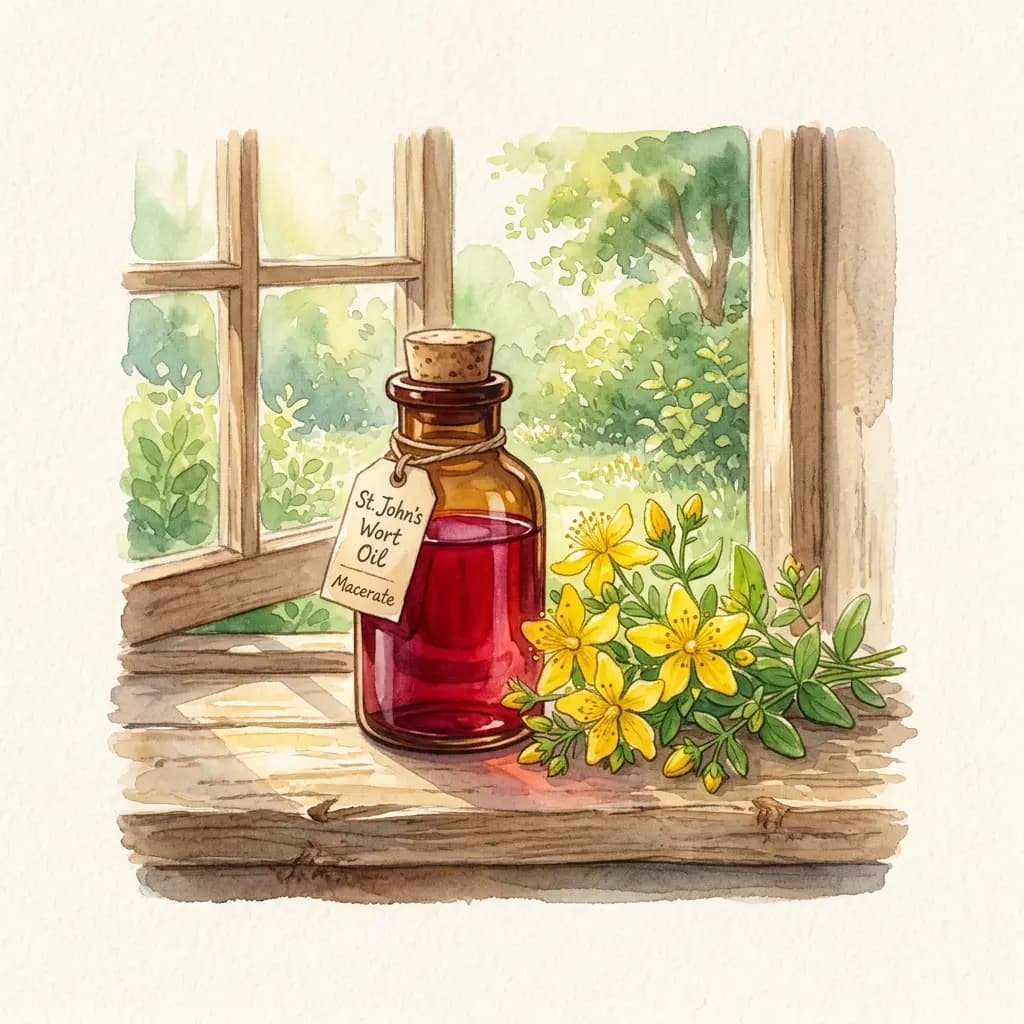 Macerated oilIntermediate
St John's wort infused oil (red oil)
The traditional red oil of the country medicine cabinet: sunburn, bumps, muscle knots, muscle pain. It is made with fresh flowers and turns an intense red in the sun.
20 min hands-on · 40 days in full sunView recipe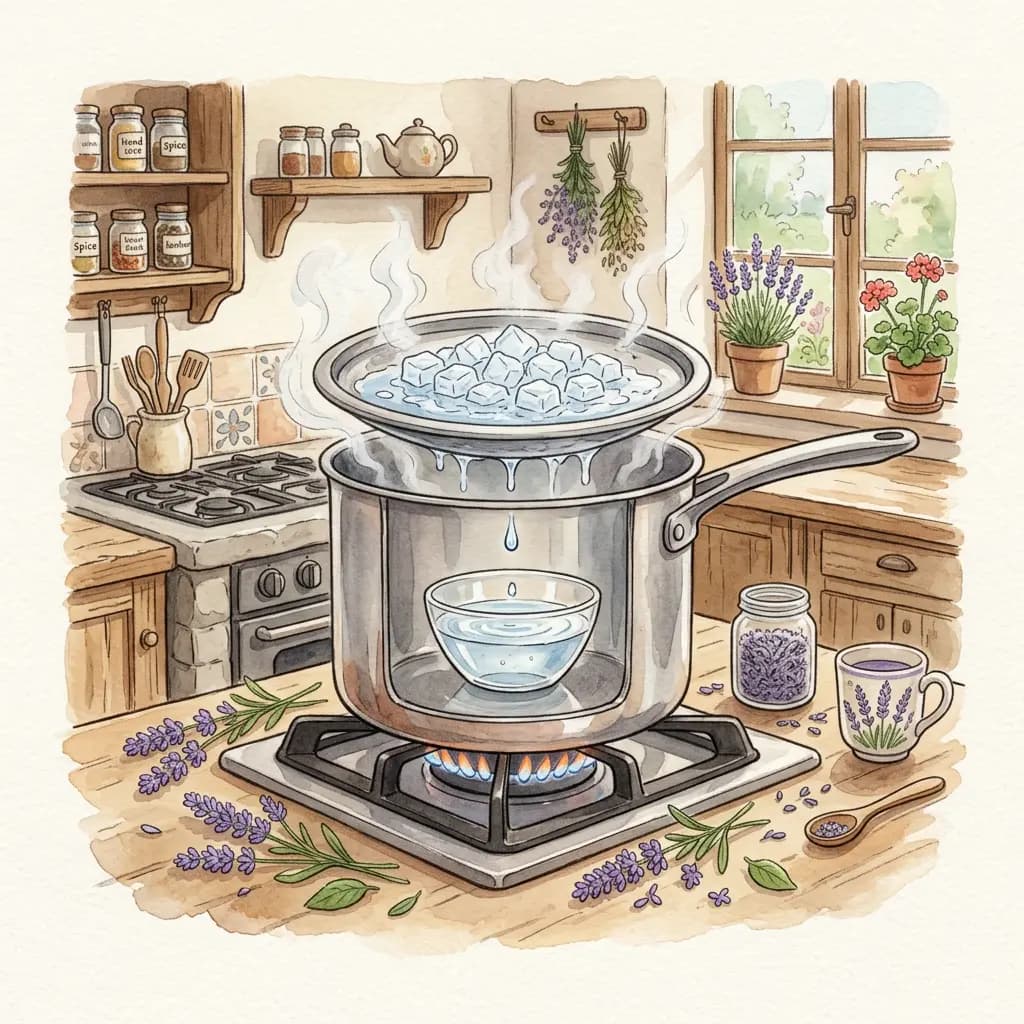 Floral waterIntermediate
Lavender hydrosol (pot and bowl distillation)
Home distillation with what you have in the kitchen: a large pot, a glass bowl inside it, and an upturned lid with ice on top. The steam condenses and drips into the bowl. You get hydrosol (aromatic lavender water) + a tiny drop of essential oil floating on top.
30 min hands-on · 1 h of distillation + 15 min of coolingView recipe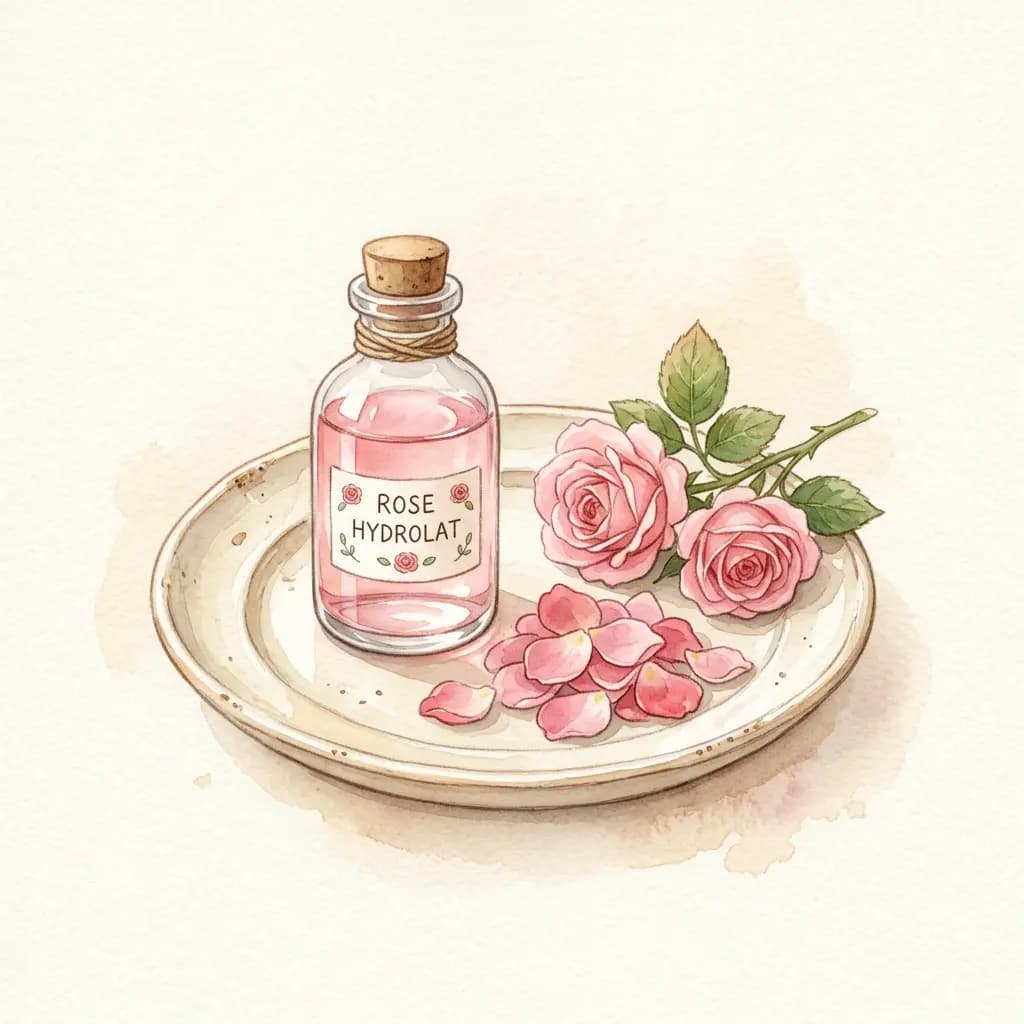 Floral waterIntermediate
Rose hydrosol (homemade rose water)
Rose water made at home using the pot and bowl method. A classic soothing facial toner, ideal for mature or irritated skin. A rose garden and an afternoon are all you need.
30 min hands-on · 1 h of distillationView recipe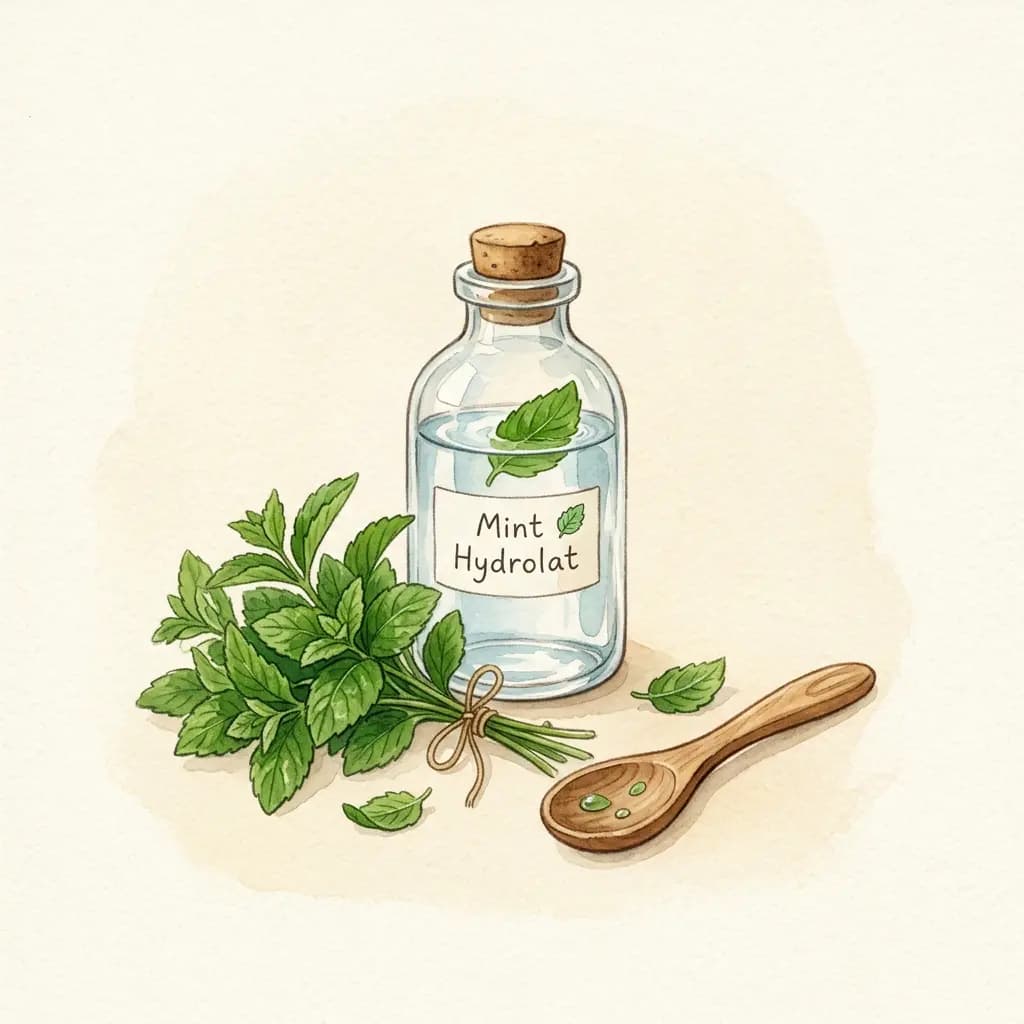 Floral waterIntermediate
Refreshing mint hydrosol
Mint floral water with a cooling feel: mists for tired legs in summer, a refreshing facial spray. Same home pot distillation method.
30 min hands-on · 1 h of distillationView recipe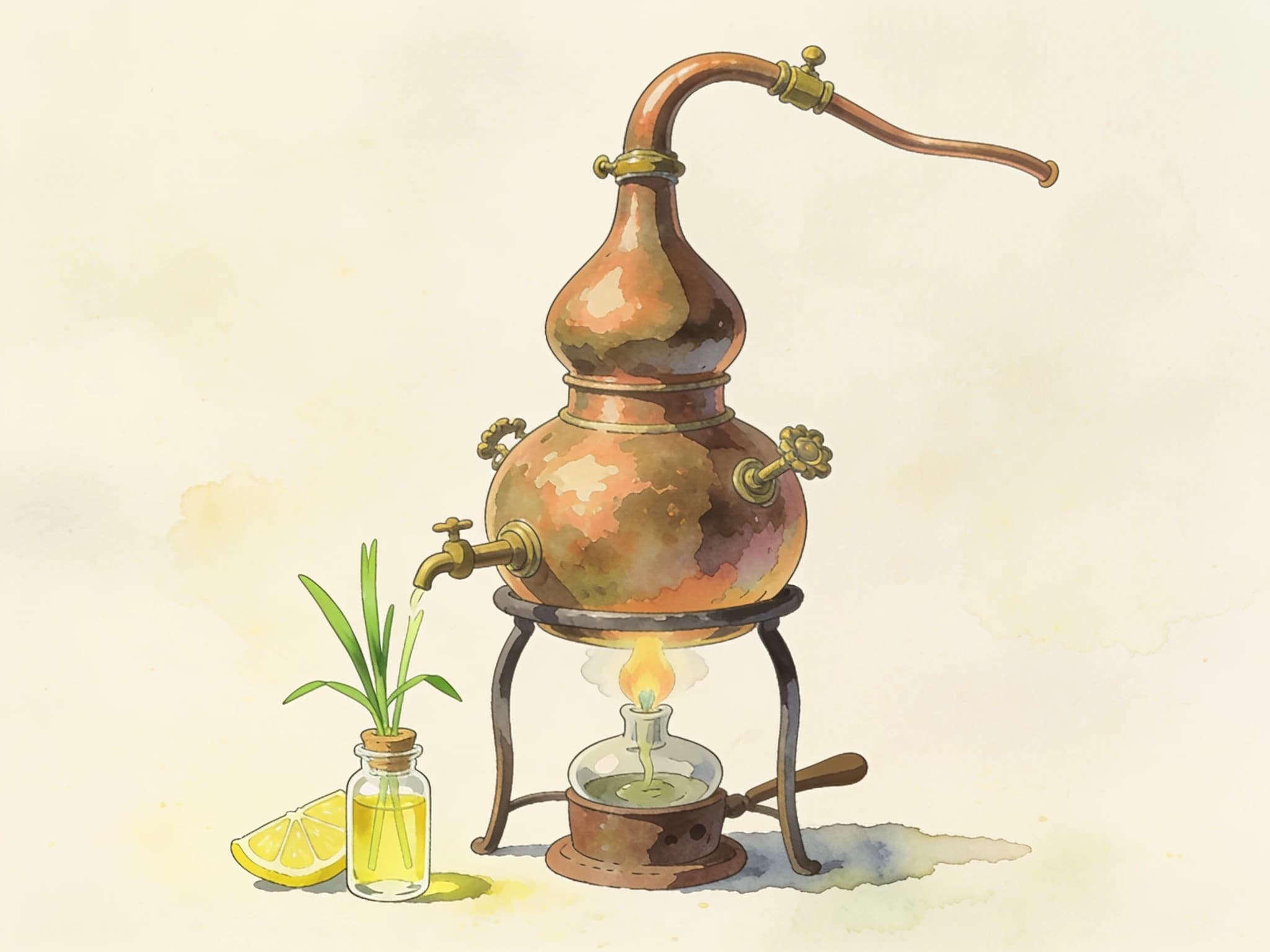 Floral waterNeeds practice
Citronella essential oil with a home still
How to get real essential oil at home: you need a still (copper or steel) and quite a lot of plant material. Honest yields: ~5-15 ml (0.17–0.51 fl oz) of essential oil per kilo of fresh citronella.
60 min hands-on · 2-3 h of distillation per chargeView recipe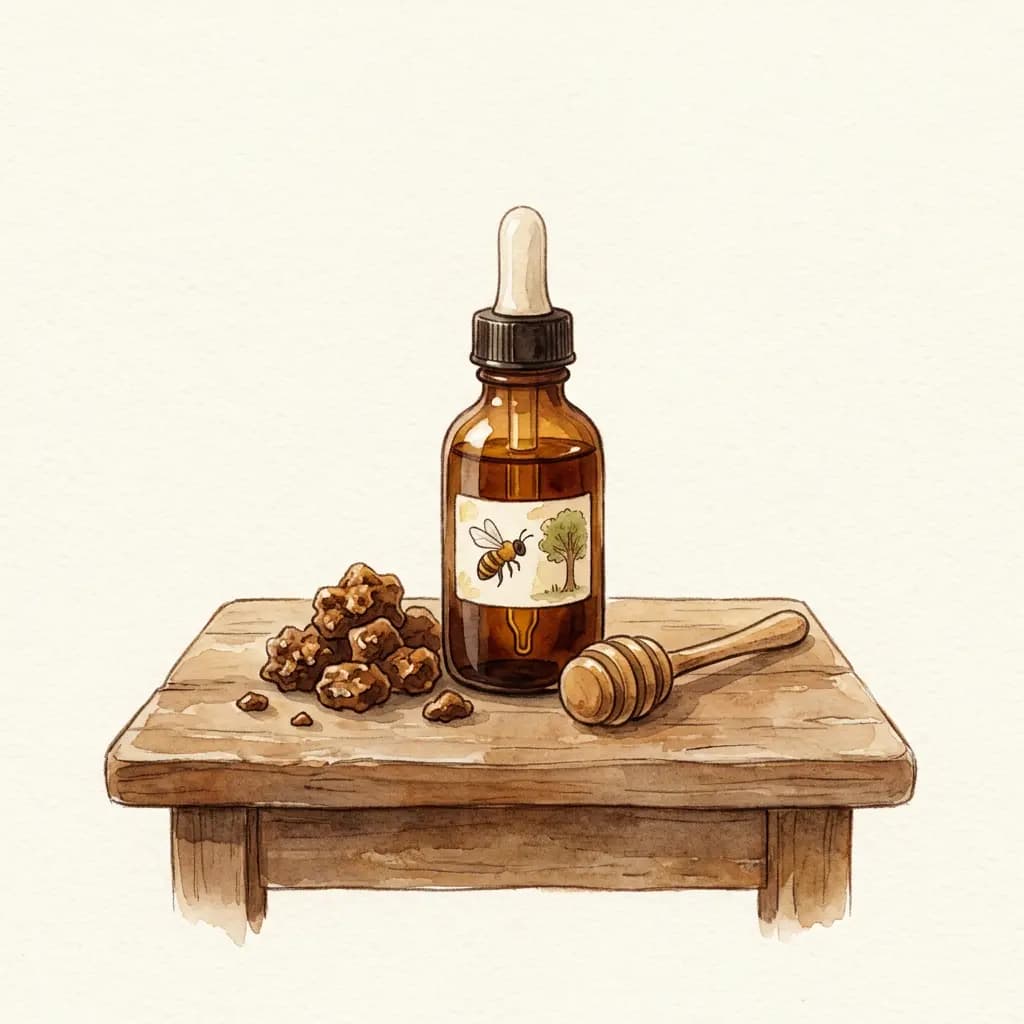 TinctureVery easy
Propolis alcohol tincture
A traditional preparation for a sore throat and mouth ulcers: propolis (bee resin) infused in 70 % alcohol. It keeps for years and is used in drops.
15 min hands-on · 3-4 weeks, shaking every dayView recipe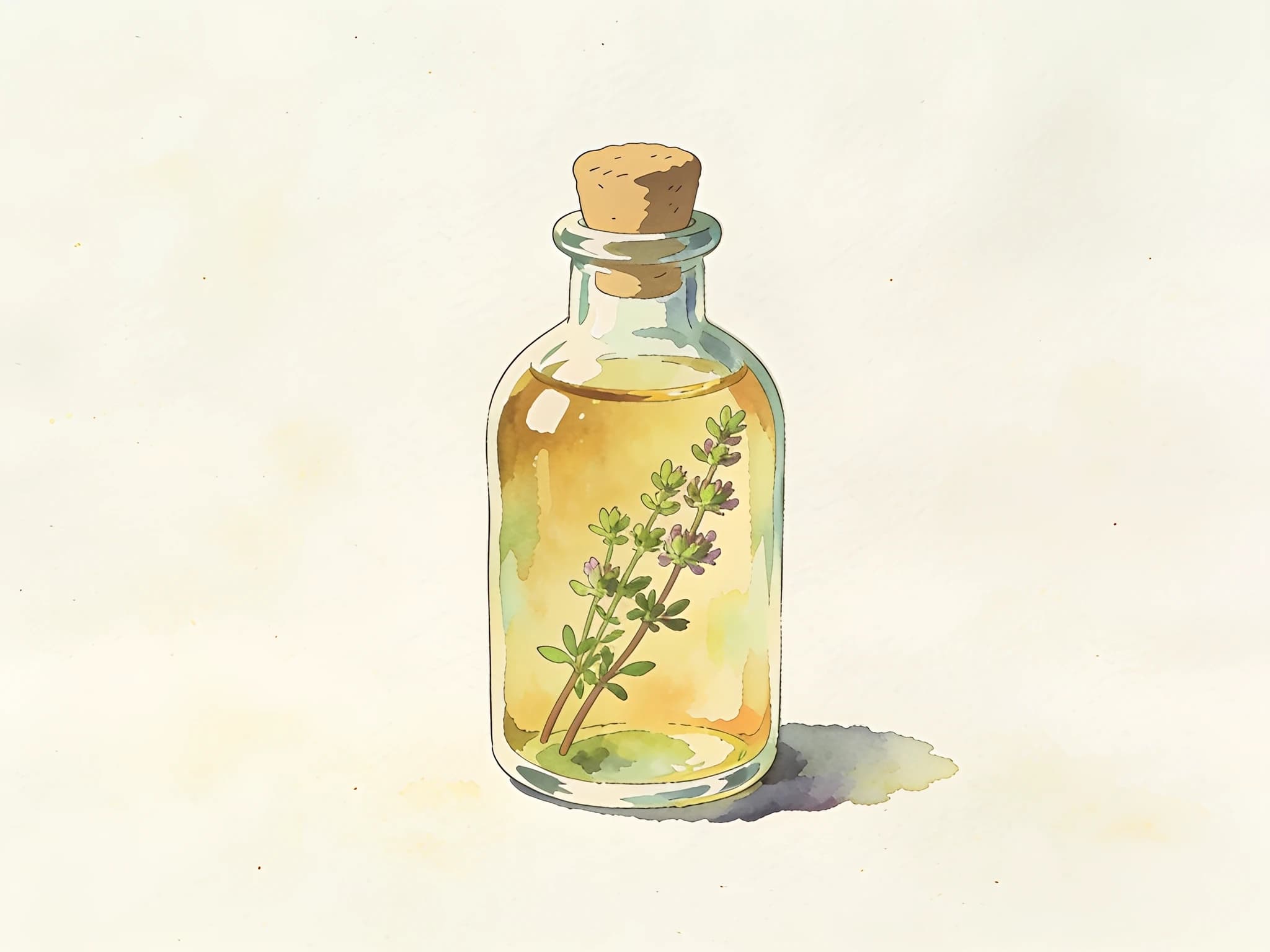 TinctureVery easy
Thyme alcohol tincture (for coughs)
Thyme from the vegetable garden infused in alcohol. Traditionally used for coughs and catarrh: 10-15 drops in warm water with honey.
10 min hands-on · 3 weeksView recipe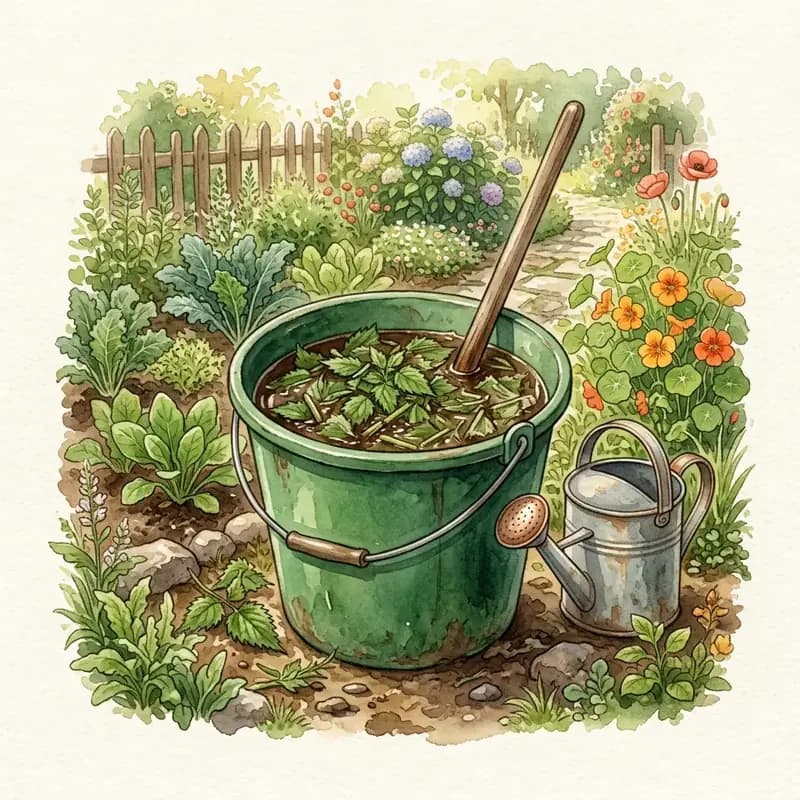 Garden liquid feedVery easy
Nettle feed (fermented nettle liquid)
A classic fertiliser of the organic vegetable garden. Fresh nettle fermented in water for 10-15 days. It supplies fast-acting nitrogen; its reputation as an aphid deterrent has not been proven. It is cheap, although it smells quite bad.
20 min hands-on · 10-15 days of fermentationView recipe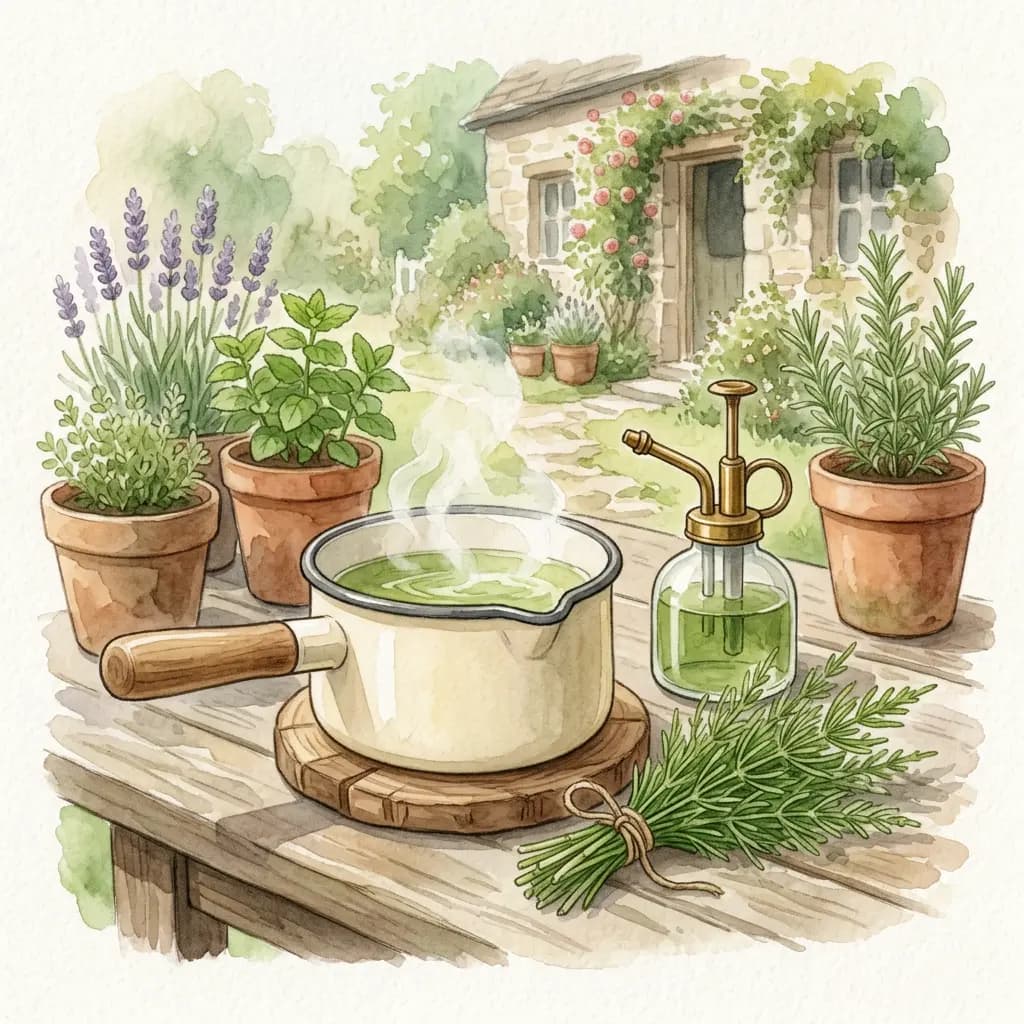 Garden liquid feedVery easy
Horsetail decoction (antifungal)
Horsetail (Equisetum arvense) is very rich in silica, which strengthens the cell wall and helps prevent fungi such as downy mildew or powdery mildew. It is applied as a diluted decoction every 10-15 days as a preventive.
30 min hands-on · 24 h of restingView recipe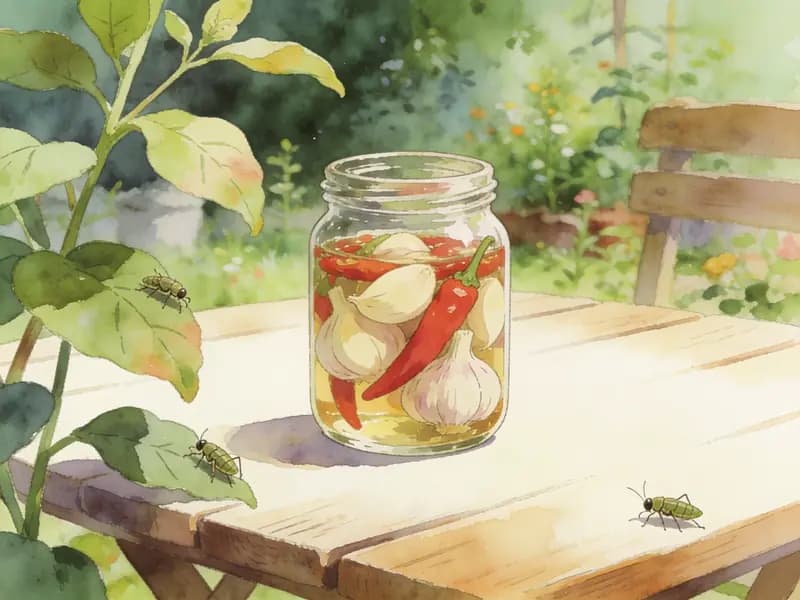 Natural repellentVery easy
Garlic and chilli infusion (aphid deterrent)
A homemade garlic and chilli deterrent in water and alcohol, used for aphids, mites, whitefly and small caterpillars. It is cheap and made in 15 minutes, but its effectiveness is patchy: it deters more than it controls.
15 min hands-on · 24 h of restingView recipe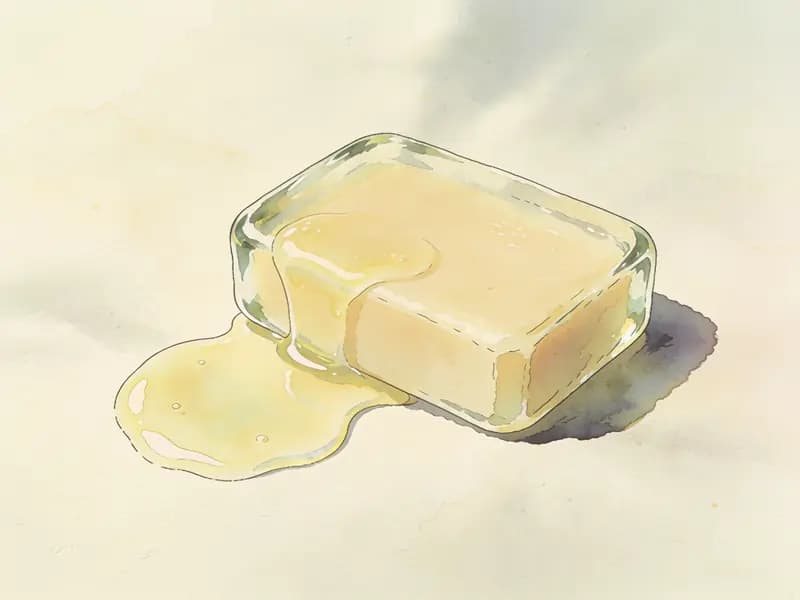 Natural repellentVery easy
Homemade potassium soap spray (for scale insects and aphids)
The most versatile organic insect spray for the vegetable garden: water + potassium soap or grated Marseille soap. It acts on contact against aphids, whitefly, scale insects and thrips. If you use a commercial product, respect the safety interval on the label, and wash the harvest well before eating it.
10 min hands-onView recipe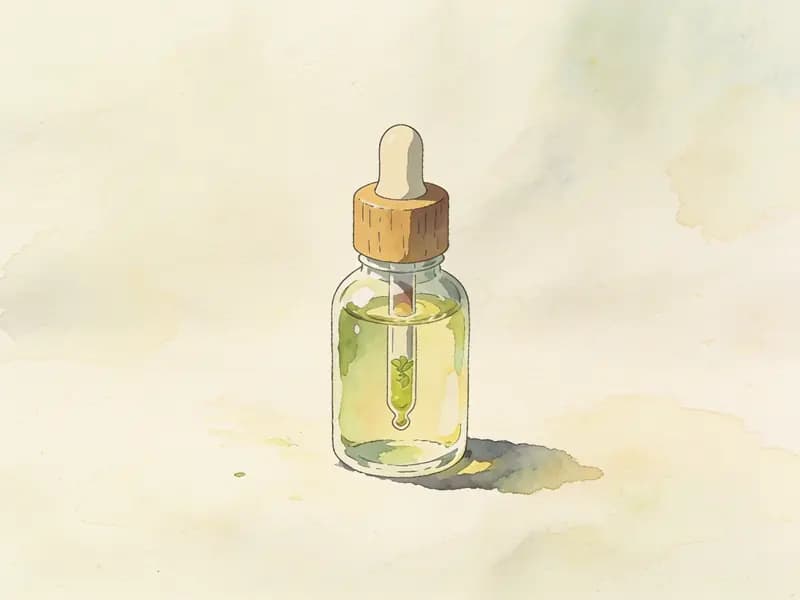 Natural repellentVery easy
Neem oil: how to use it (application guide)
Neem is bought ready-made, and as an insecticide only a product registered as a plant protection product is suitable. Here we explain how to apply it properly and with what precautions; the dose is always set by its label.
10 min hands-onView recipe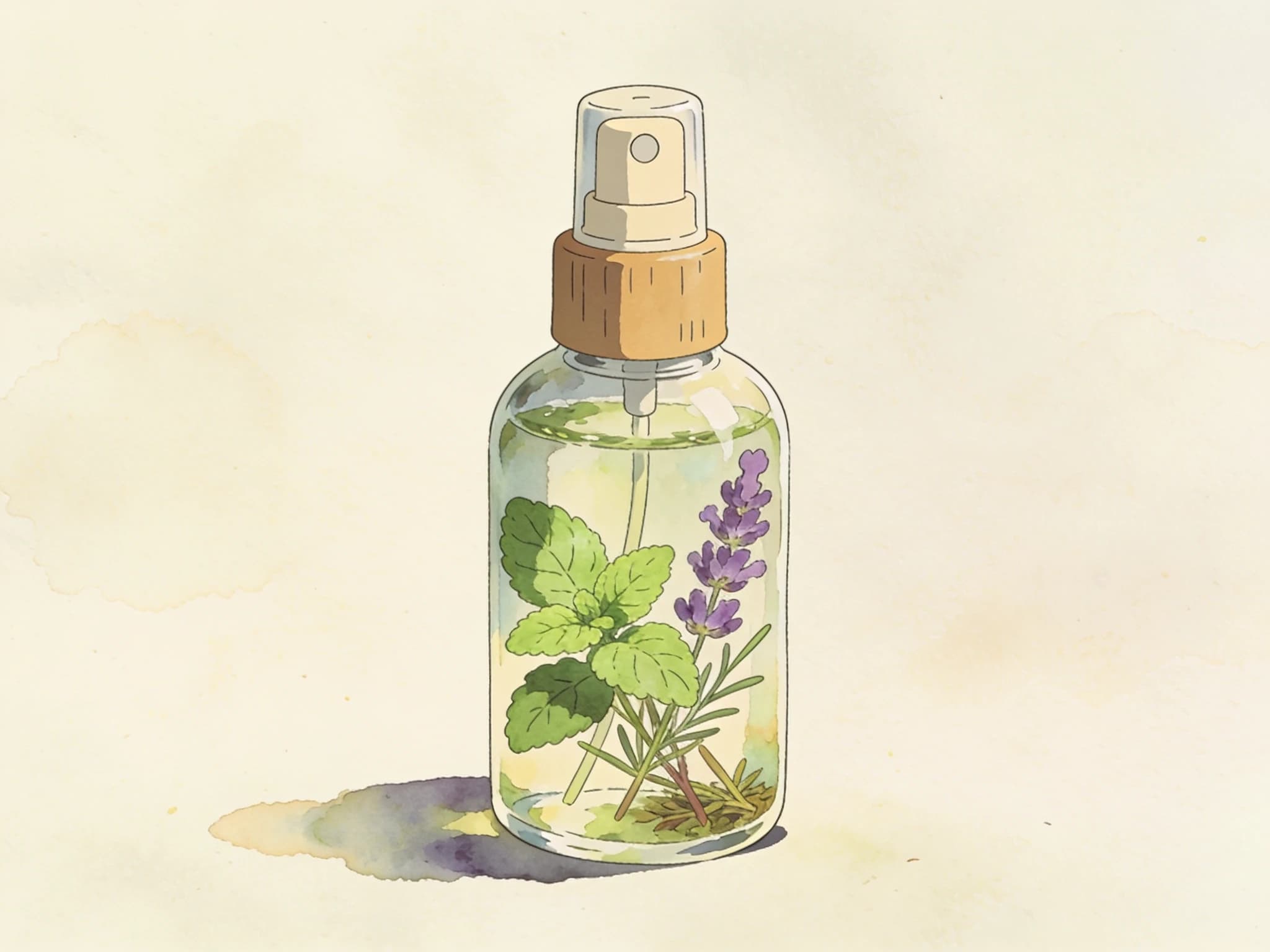 Natural repellentVery easy
Natural mosquito repellent
A homemade spray for the garden and for the skin, with essential oils that mosquitoes dislike: citronella, geranium, eucalyptus and lavender. It is less effective and lasts less time than a commercial repellent, but it can help where there are few mosquitoes.
10 min hands-onView recipe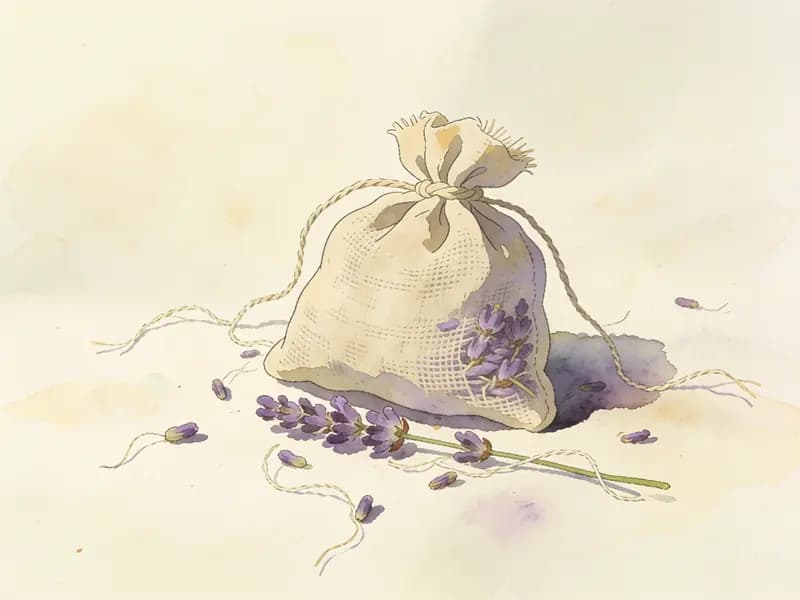 Natural air freshenerVery easy
Lavender sachets for moths
The scent of lavender is traditionally used to keep moths away from clothes. It does not get rid of them, but it perfumes the wardrobe. It is easy to make with fabric scraps and dried flowers, and makes an inexpensive gift.
20 min hands-onView recipe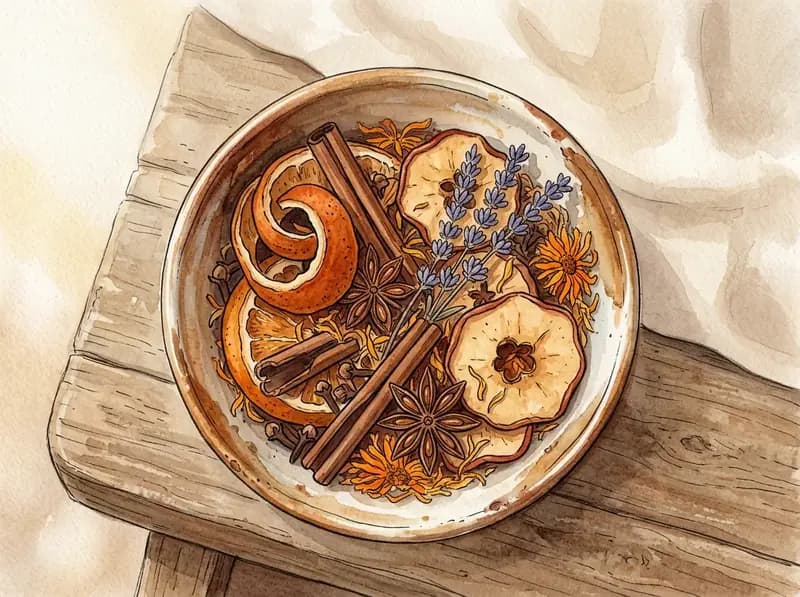 Natural air freshenerVery easy
Autumn potpourri
A mixture of dried orange peel, cinnamon, clove, star anise and dried flowers to fill the house with a Christmassy scent. It can also be gently heated in a pan of water to diffuse the aroma.
30 min hands-on · 1 week of dryingView recipe Natural air freshenerVery easy
Cleaning vinegar with citrus and herbs
A homemade degreasing and deodorising cleaner made with white vinegar, citrus peel and herbs from the vegetable garden. It is cheaper than commercial products and less harsh. It does not replace a disinfectant.
10 min hands-on · 2 weeksView recipe
An honest note on “home” remedies
The recipes for balms, cosmetic oils and infusions here are traditional uses. They are not medicines and do not replace a consultation with your doctor or pharmacist. If you have a medical condition, take medication, are pregnant or are going to use something on a child, ask first. And for preserves and garlic oils: always keep them in the fridge and respect the times given.