
Watch before you treat
Many ‘attacks’ sort themselves out. Check the undersides of the leaves every 4-5 days and note down what happened, when, and what you did.
Pests and diseases
Describe what you can see (yellow leaves, webbing, white powder, holes in the leaves) and find out which pest or disease it is. With the symptoms to recognise it, how to prevent it and organic remedies that really work.
50 results
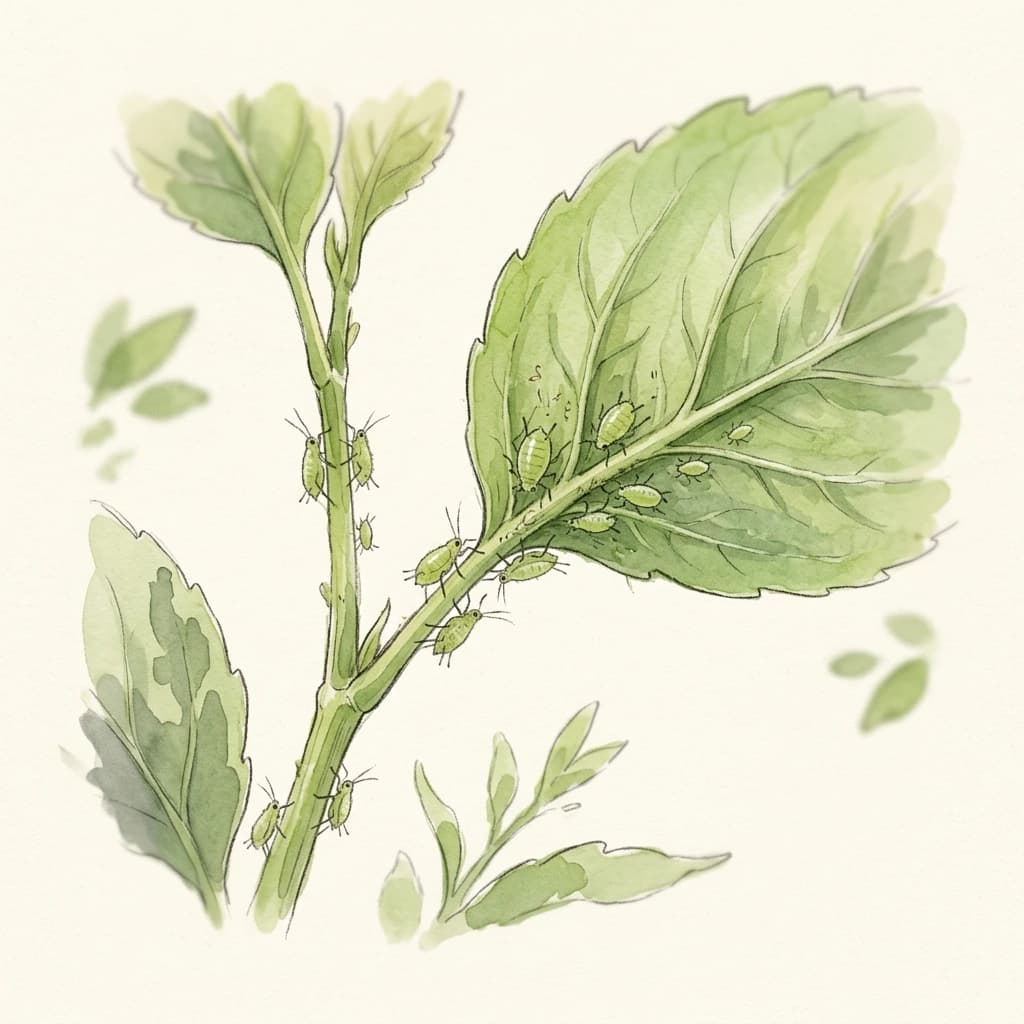
Small, soft-bodied insects (green, black or yellow) that cluster on tender shoots and on the undersides of leaves, sucking the sap. They multiply very quickly and weaken the plant. The first step is to knock them off with a jet of water and check the shoots every few days.
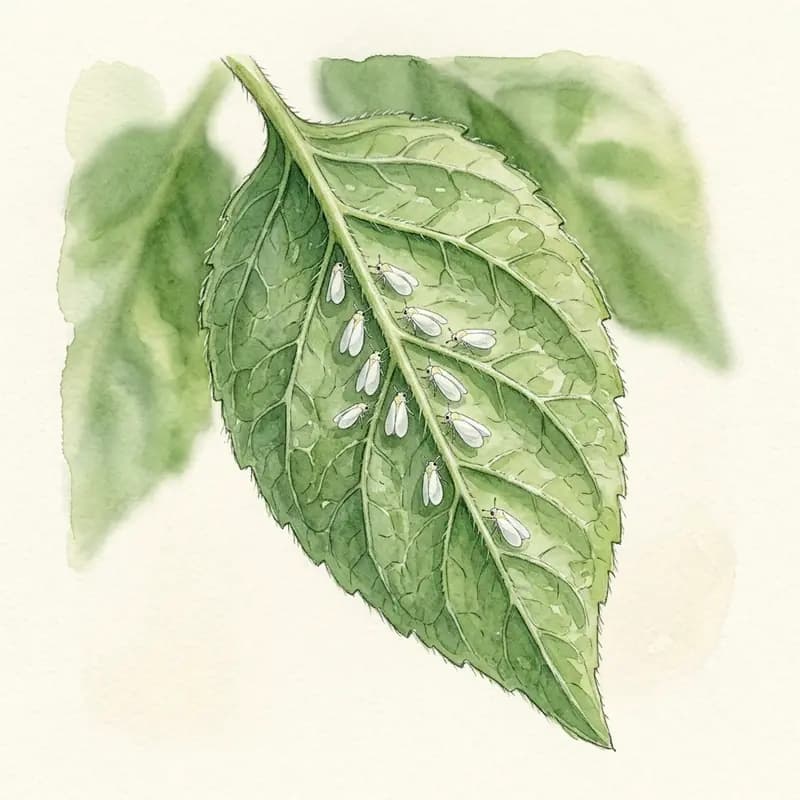
Tiny white insects that fly up in a cloud when the plant is disturbed. They live on the undersides of leaves, sucking sap, and can transmit viruses. The first step is to hang yellow traps and check the undersides of the leaves to see how many there are.
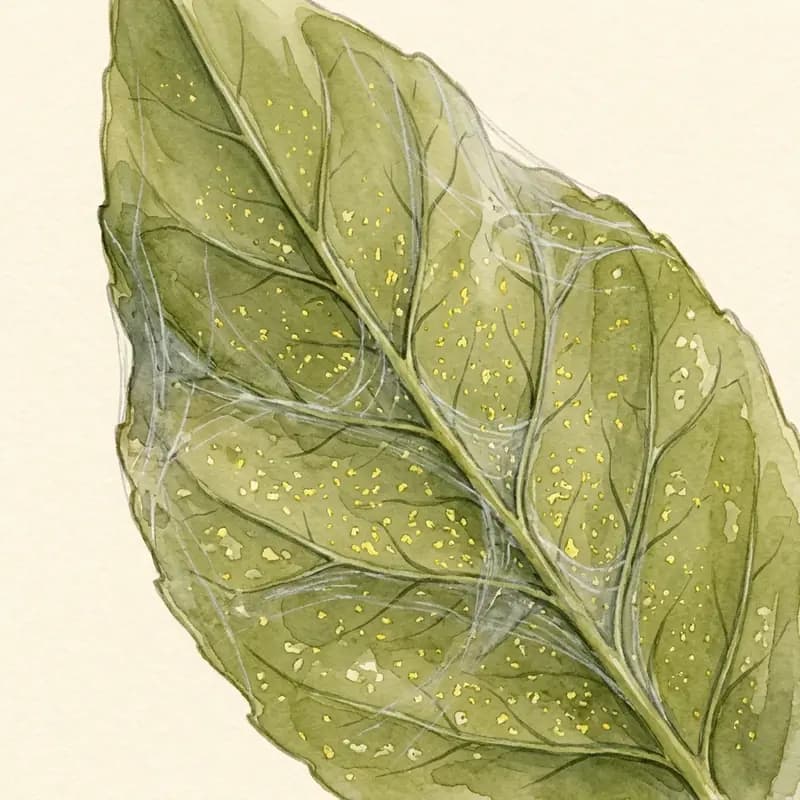
A minute, almost invisible mite that settles on the undersides of leaves in hot, dry weather. It pierces the cells and causes a characteristic mottling and fine webbing. The first step is to wash the undersides of the leaves with water every day and raise the humidity.
 Medium severity
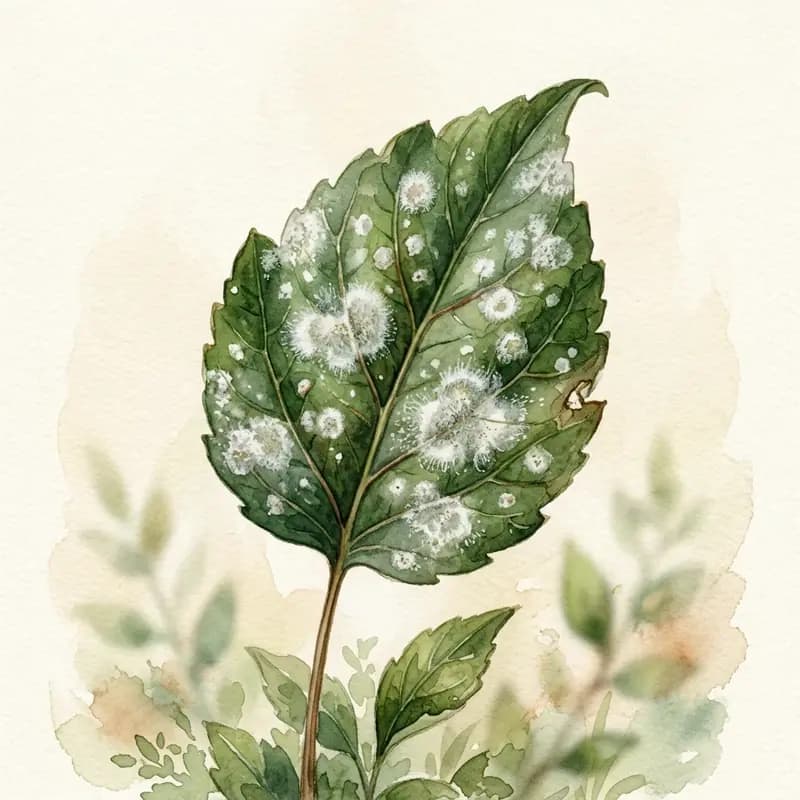
A fungus that covers the leaves in a white, flour-like powder. It is very common on cucurbits, weakens the plant and reduces the harvest. The first step is to remove the most heavily coated leaves and treat early with sulphur or bicarbonate of soda.
 High severity
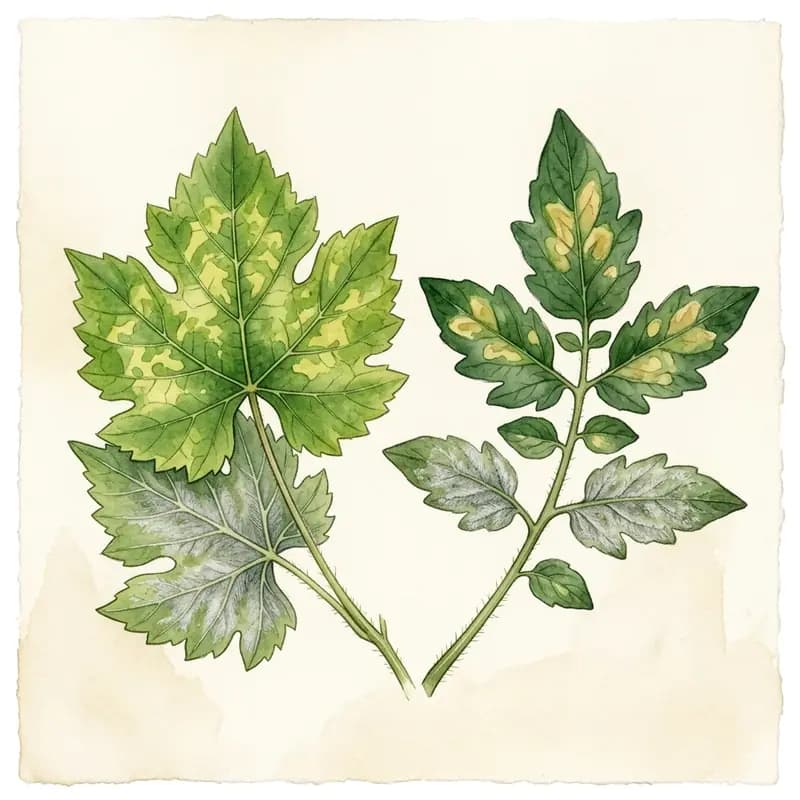
A very destructive disease encouraged by damp conditions. It causes oily-looking patches on the upper surface of the leaves and a greyish fuzz underneath, and can wipe out a tomato patch in a few days. The first step is to remove spotted leaves immediately and protect the rest with copper.
 Medium severity
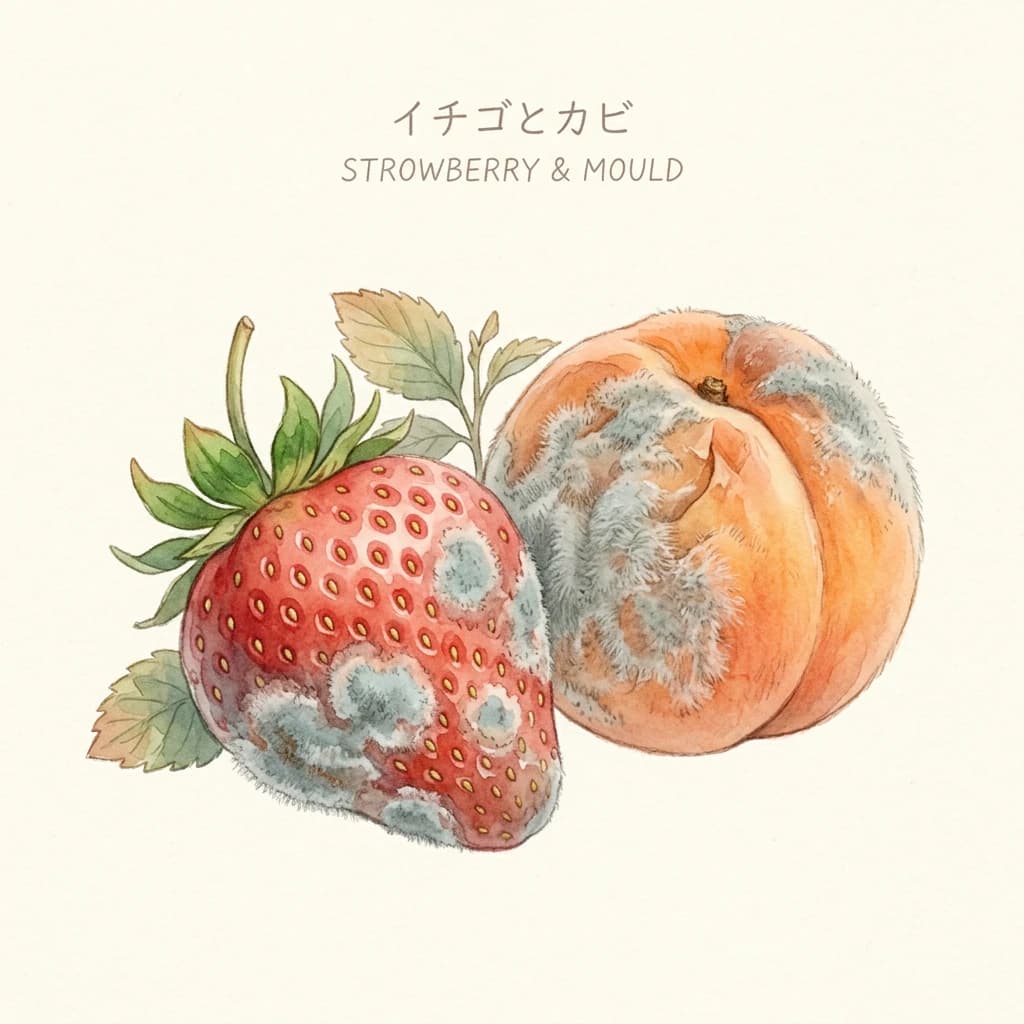
The grey mould fungus, which rots flowers, fruit and soft tissue, covering them in a grey felt. It appears in damp, cool weather, especially on wounds and plant debris. The first step is to remove anything mouldy every day and improve ventilation.
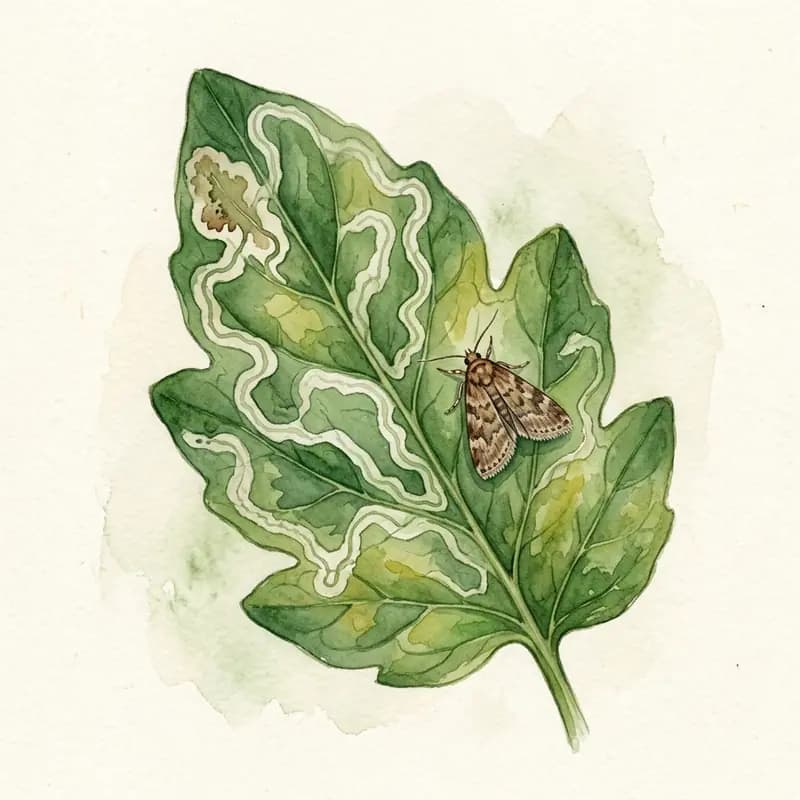
A moth whose caterpillars tunnel through the leaves, stems and fruit of tomatoes, leaving winding galleries. It is one of the most persistent visitors of Mediterranean tomatoes. The first step is to put up a pheromone trap to learn when the moths fly and to remove the leaves with mines.
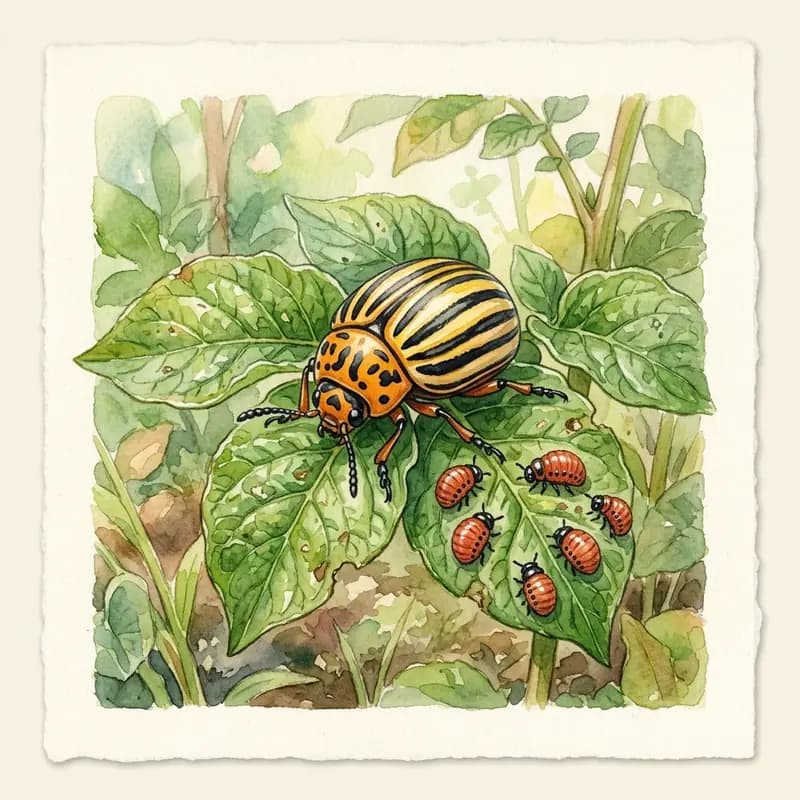
A yellow-and-black striped beetle whose voracious reddish larvae devour potato leaves. It can strip the plant bare. The first step is to pick it off by hand, along with the orange egg clusters on the undersides of the leaves.
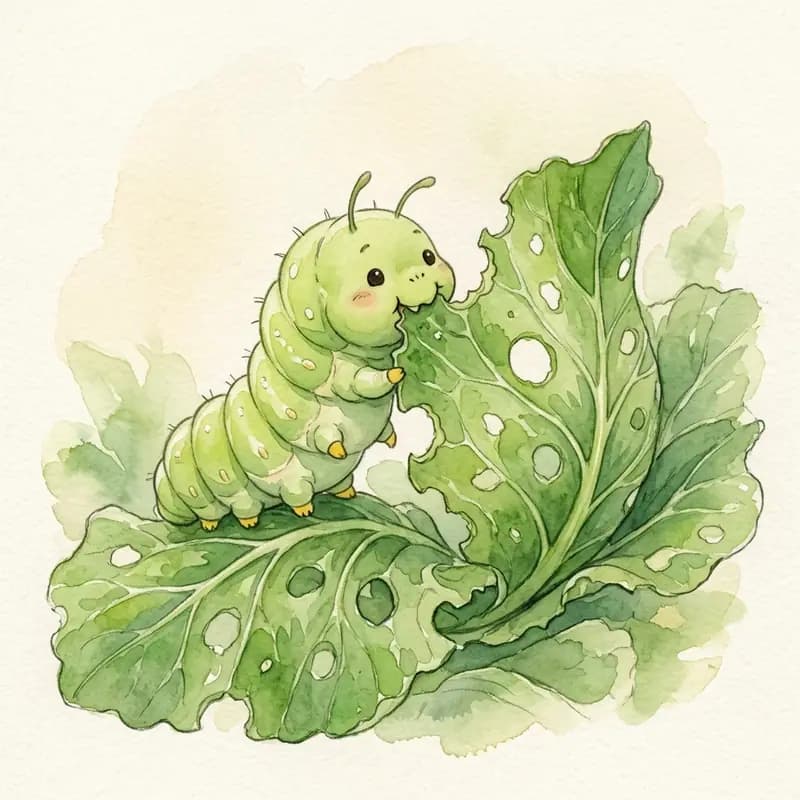
The larvae of various moths and butterflies, which devour leaves and fruit, mostly at night. They include armyworms, which curl up when touched. The first step is to look for them at dusk, pick them off by hand and cover the crop with mesh.
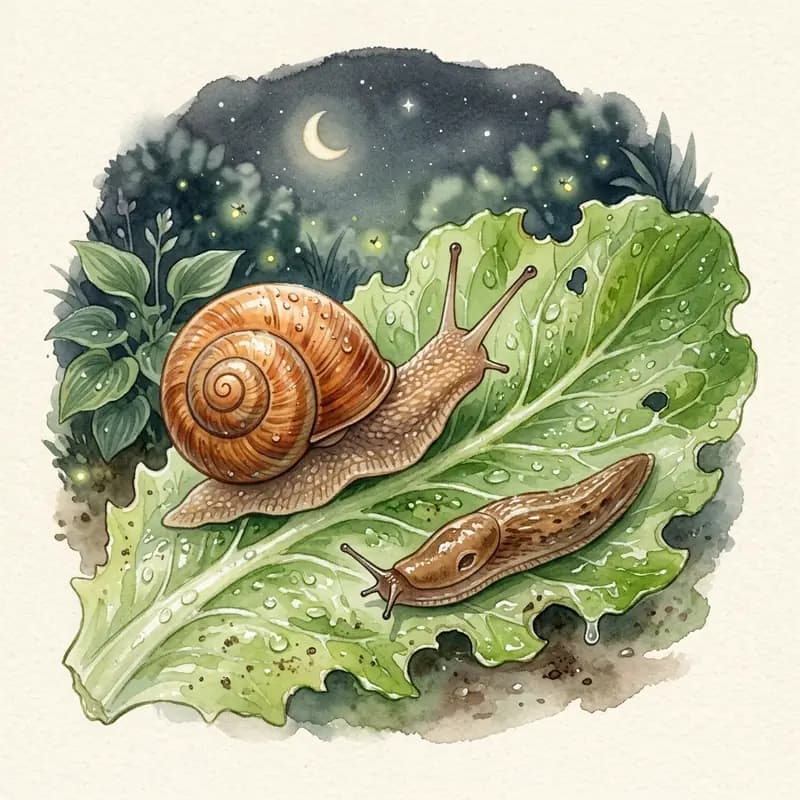
Night-feeding molluscs that devour tender leaves and seedlings, especially in damp weather. They leave an unmistakable shiny slime trail. The first step is to pick them off by hand after dark, remove their hiding places and protect seedlings.
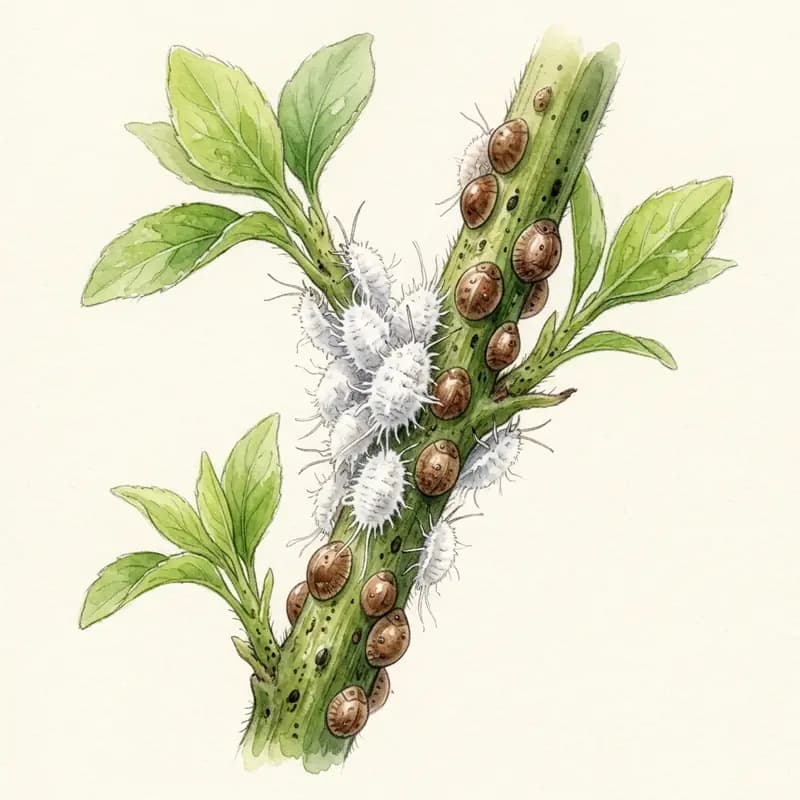
Sap-sucking insects protected by a waxy shield or by white cottony fluff. They stick to stems and the undersides of leaves, suck sap and produce honeydew and sooty mould. The first step is to remove them by hand with a cotton bud dipped in alcohol or with soapy water, and to control the ants.
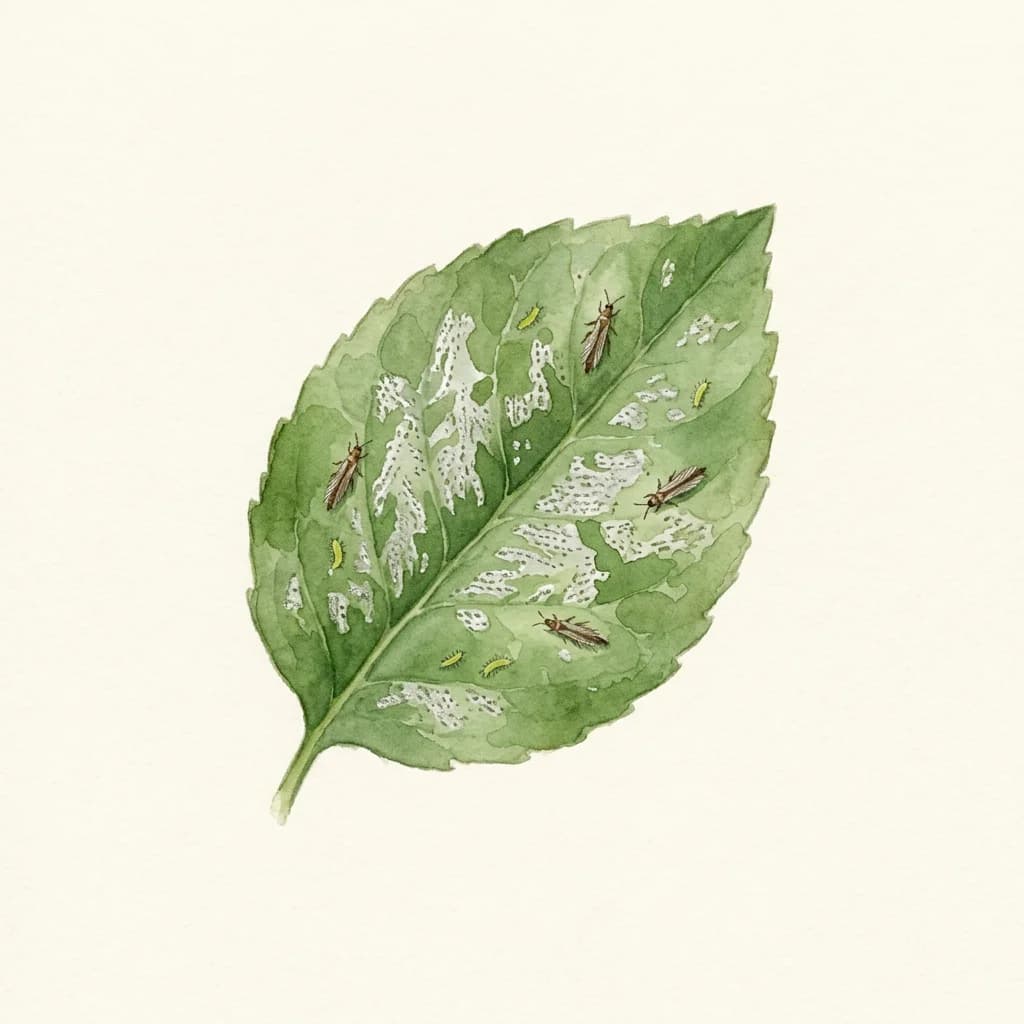
Tiny, elongated insects that rasp leaves and flowers to suck the sap. They leave a silvery look and can transmit viruses such as tomato spotted wilt virus. The first step is to hang blue traps and keep an eye on the flowers.
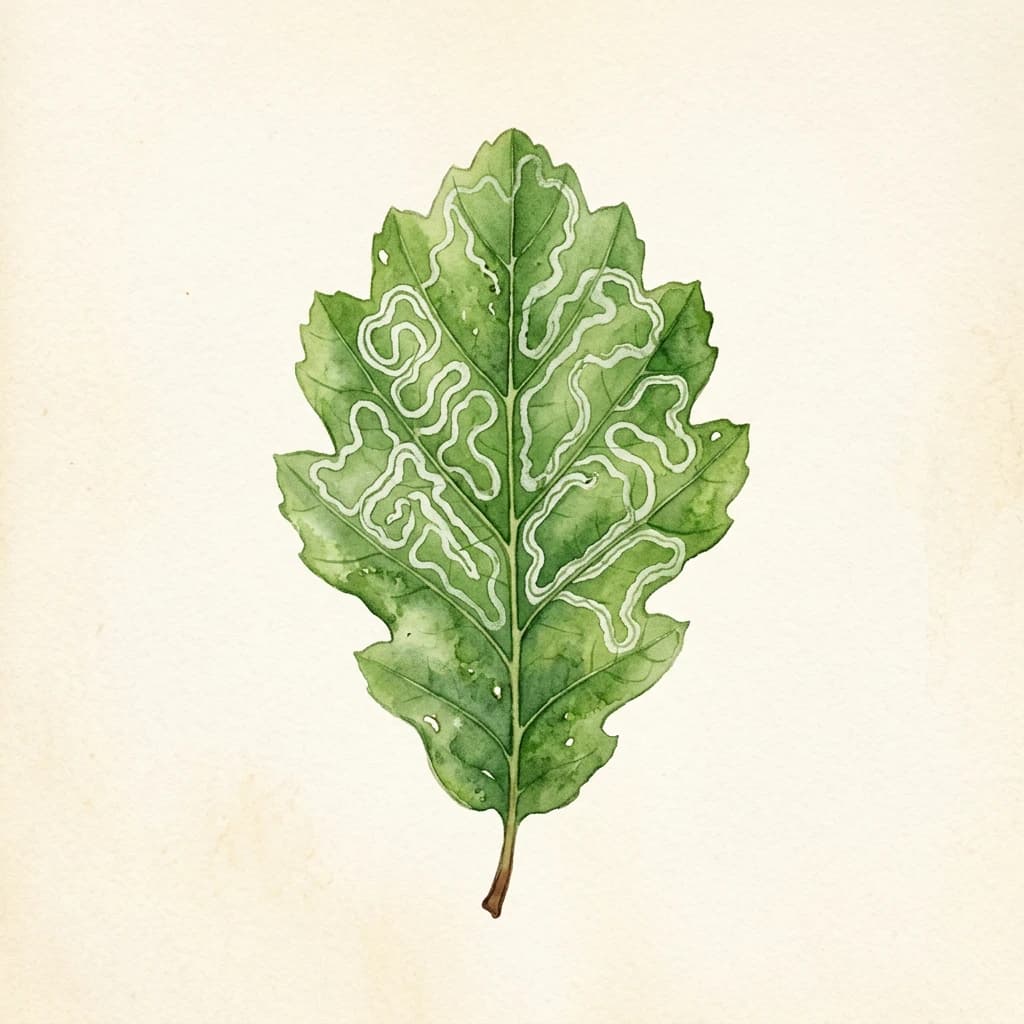
The larvae of small flies that dig winding, whitish tunnels inside the leaves. The damage is usually more cosmetic than serious, except in heavy attacks. The first step is to remove leaves with tunnels and hang yellow traps.
 Low severity
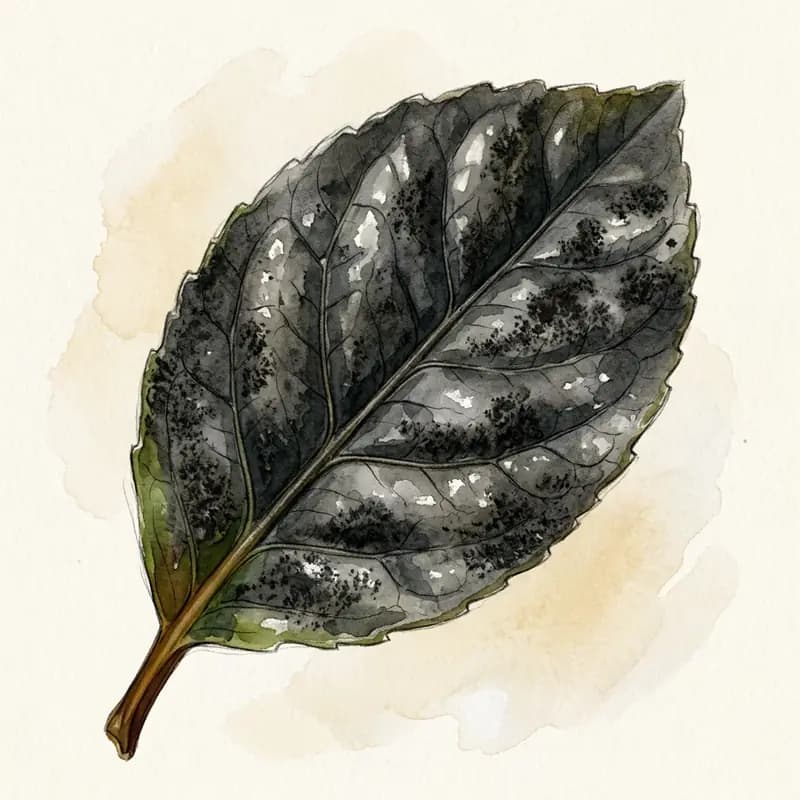
A black surface fungus that grows on the honeydew left by aphids, whitefly or scale insects. It does not infect the plant, but it covers the leaf and reduces photosynthesis. The first step is to get rid of the insect producing the honeydew.
 Medium severity
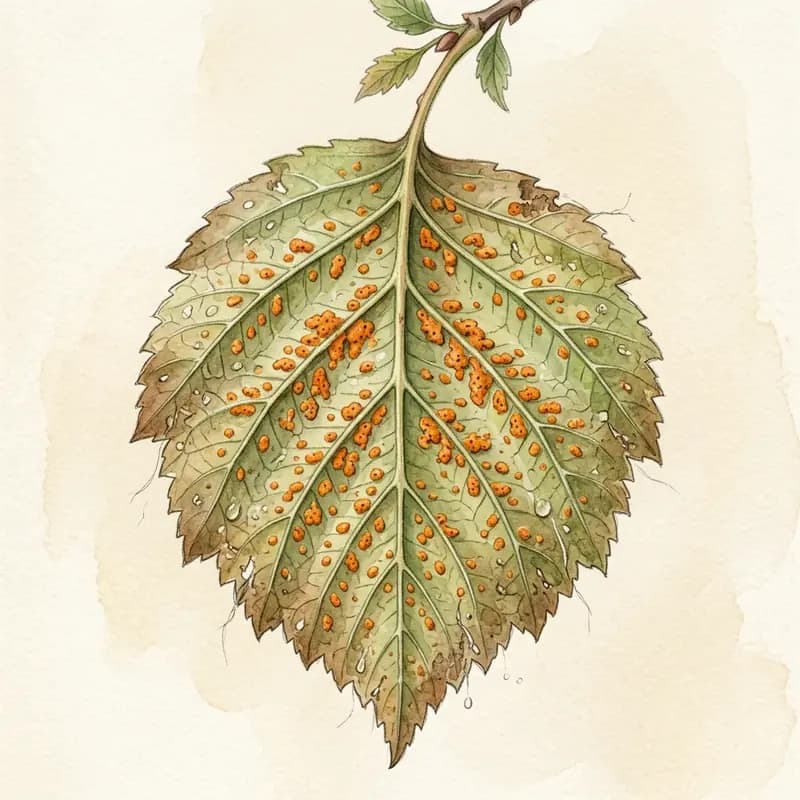
A fungus that forms rust-coloured pustules (orange, brown or yellow) on the undersides of the leaves. It weakens the plant and makes the leaves drop early. The first step is to remove and dispose of affected leaves and improve air flow around the crop.
 Medium severity
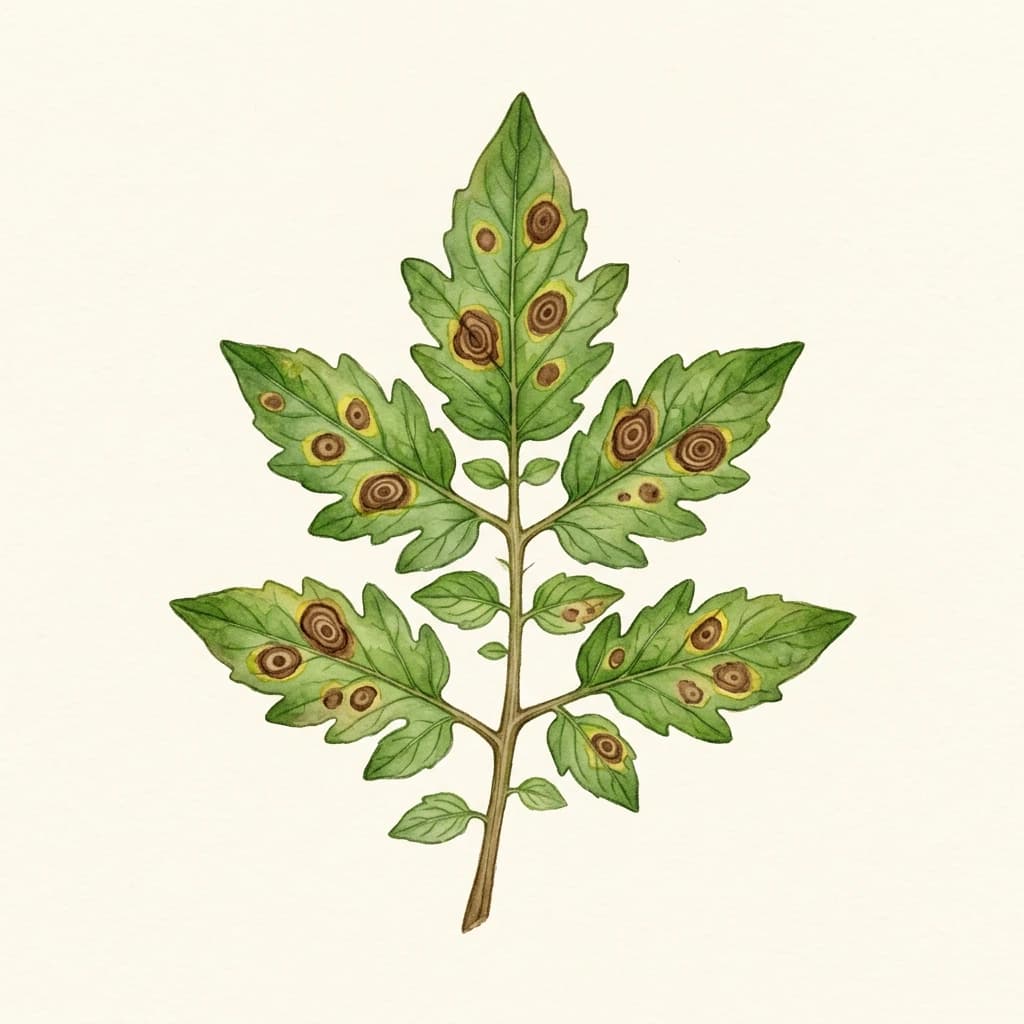
A fungus that causes dark spots with concentric rings (like a target) on leaves, stems and fruit. It is common on tomatoes and potatoes in hot, humid weather. The first step is to remove the spotted lower leaves and water without wetting the foliage.
 Medium severity
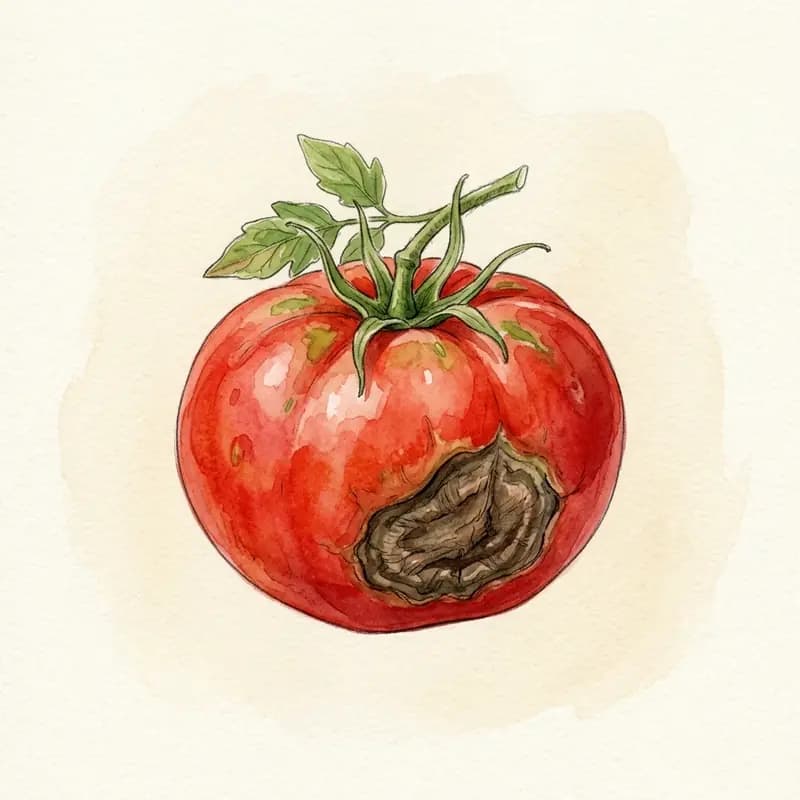
A sunken black patch at the base of the fruit, on the opposite side from the stalk. It is not a fungus: it is a disorder caused by a lack of calcium in the fruit, almost always due to irregular watering. The first step is to water regularly and mulch the soil.
 Medium severity
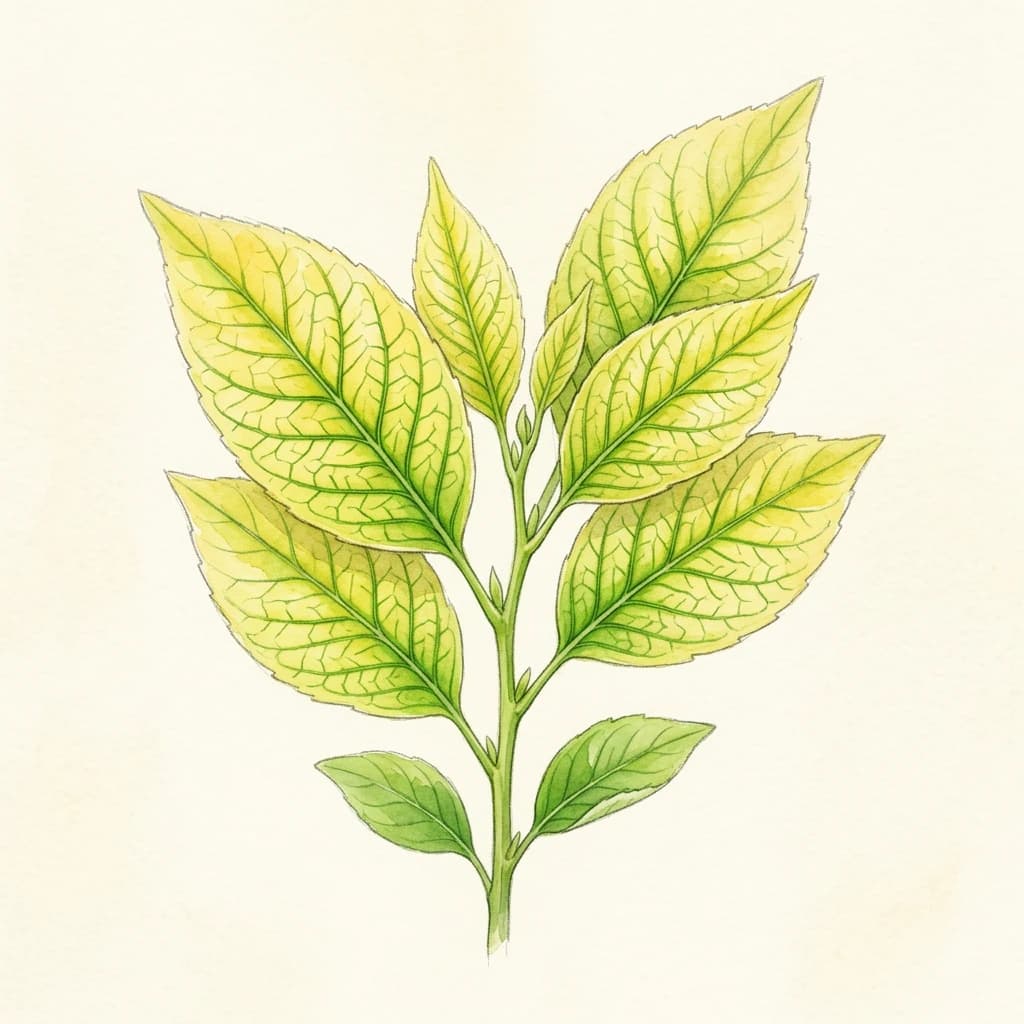
Yellowing of young leaves caused by a lack of available iron, very common on chalky, limestone soils. The veins stay green while the rest of the leaf turns yellow. The first step is to check drainage and apply an iron chelate.
 High severity
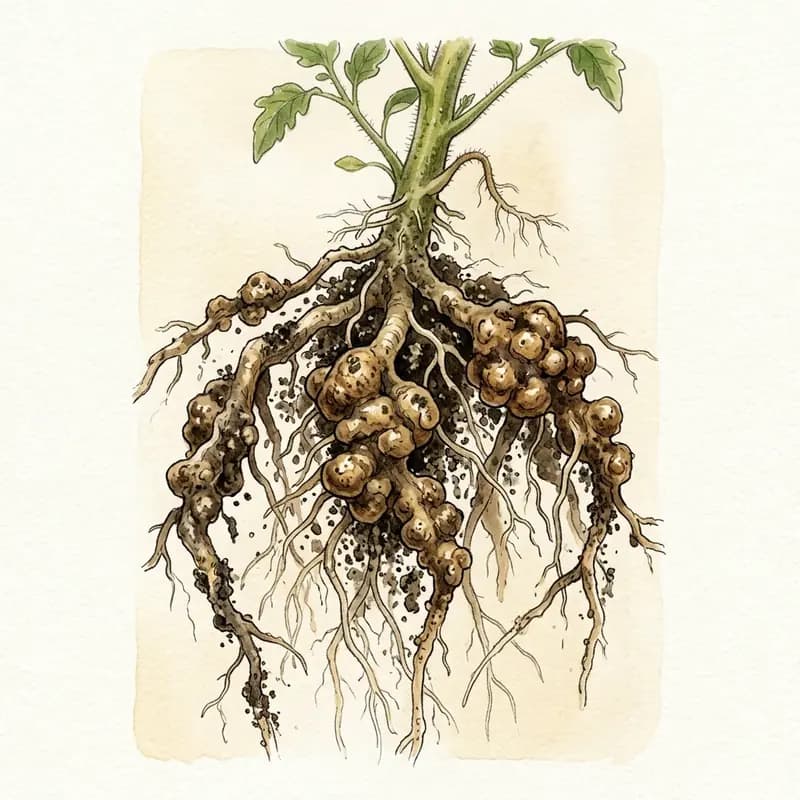
Microscopic soil worms that attack the roots and form knots or galls. The plant wilts even when you water it, because the roots cannot absorb properly. The first step is to pull up a plant and look at the roots to confirm it.
 Medium severity
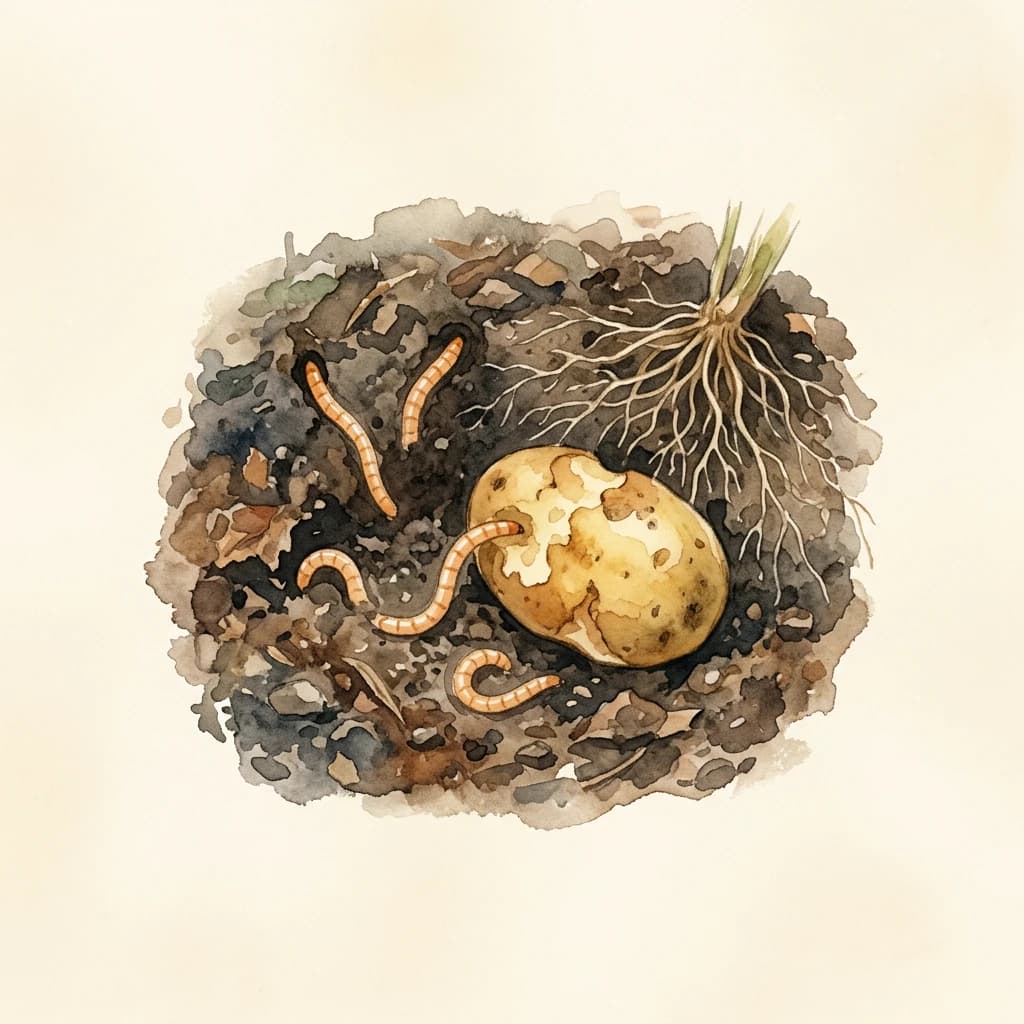
Hard, elongated, amber-coloured larvae (the larvae of click beetles) that live in the soil and gnaw roots, tubers and the base of stems. The first step is to set potato bait traps to find out how many there are.
A small moth whose greenish caterpillars (5 to 10 mm long) make small holes and tunnels in the leaves of brassicas. It easily becomes resistant to insecticides because it has many generations a year. The first step is to cover the crop with fine mesh and remove leaves with caterpillars on them.
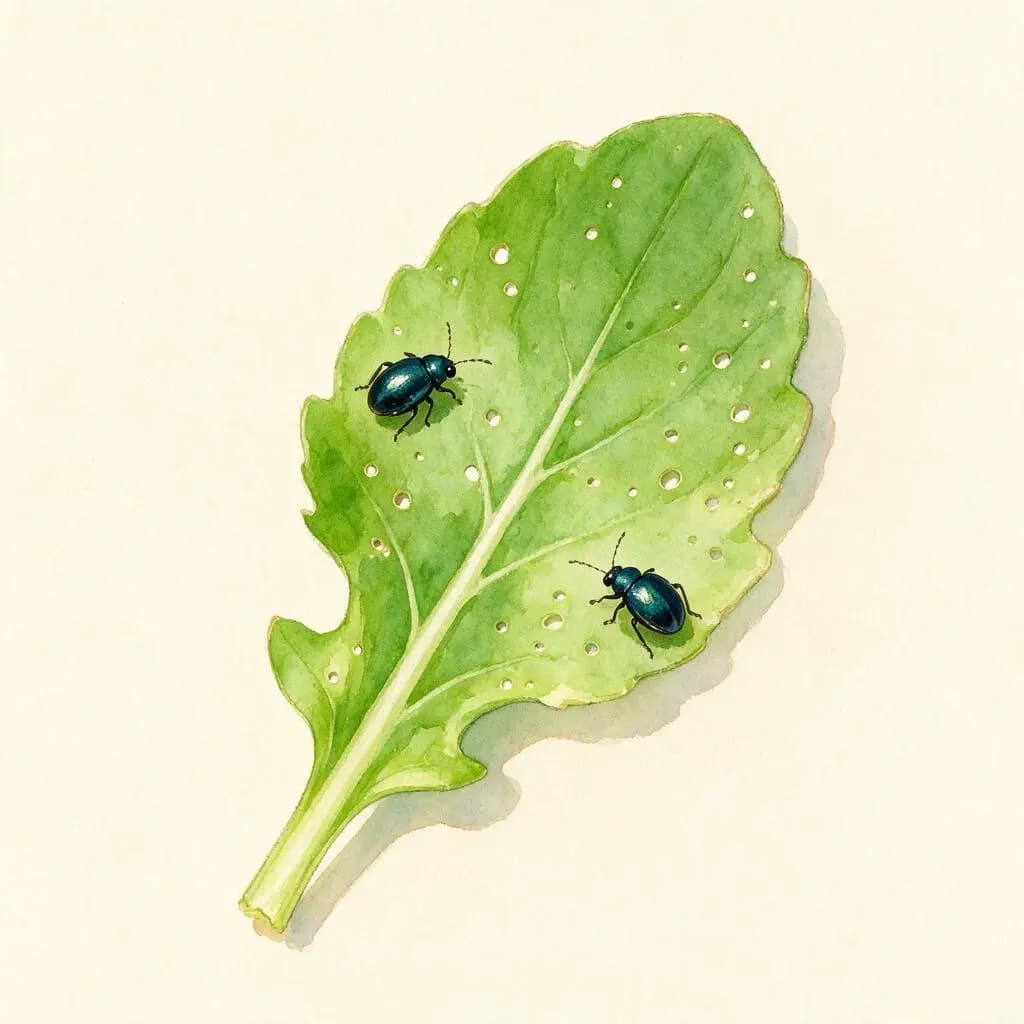
Small shiny beetles (2 to 4 mm) that jump like fleas when touched. They riddle young leaves with lots of small round holes. The first step is to protect young crops with fine mesh and keep the soil moist.
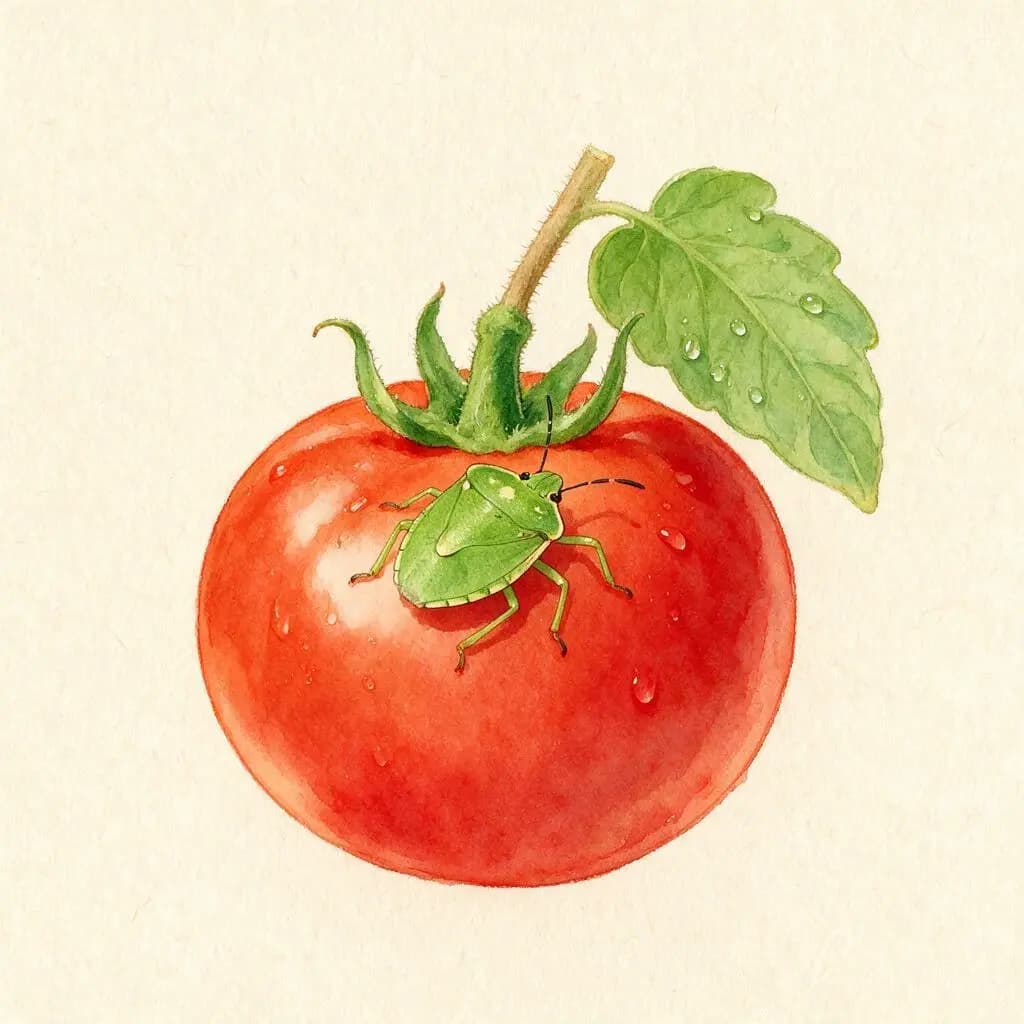
Shield-shaped bugs, green or brightly patterned, that pierce fruit and leaves to suck the sap. They cause hard patches, corky areas and misshapen fruit, and give off an unpleasant smell when touched. The first step is to pick them off by hand at dawn and squash the egg clusters.
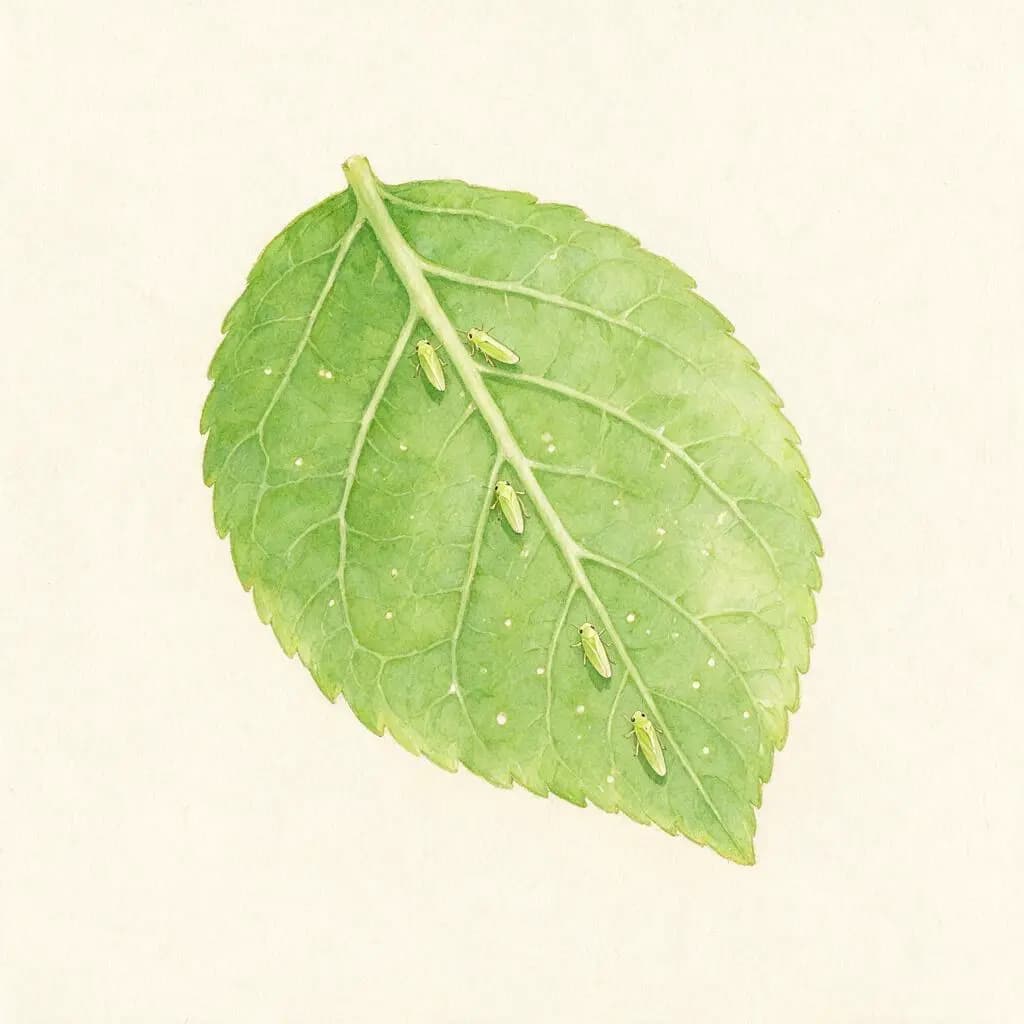
Small, elongated insects (3 to 5 mm), green or cream, that hop sideways. They suck sap from the undersides of the leaves and leave white speckling; some can transmit viruses and phytoplasmas. The first step is to hang yellow traps and spray potassium soap on the undersides of the leaves.
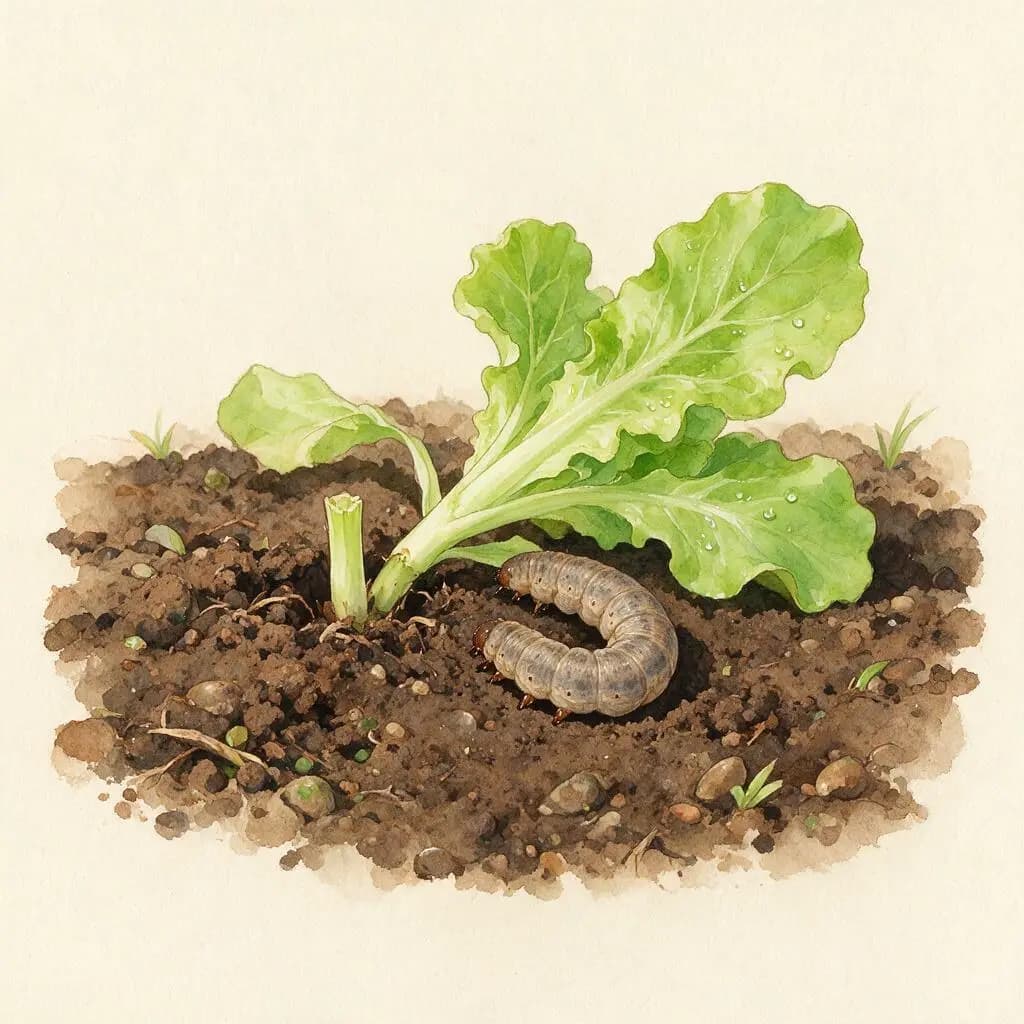
Fat, greyish, night-feeding caterpillars that cut seedlings off at the base, at ground level. During the day they curl up under the soil or among debris. The first step is to protect each seedling with a collar and look for the caterpillars by scratching the soil next to the plants that have been cut.
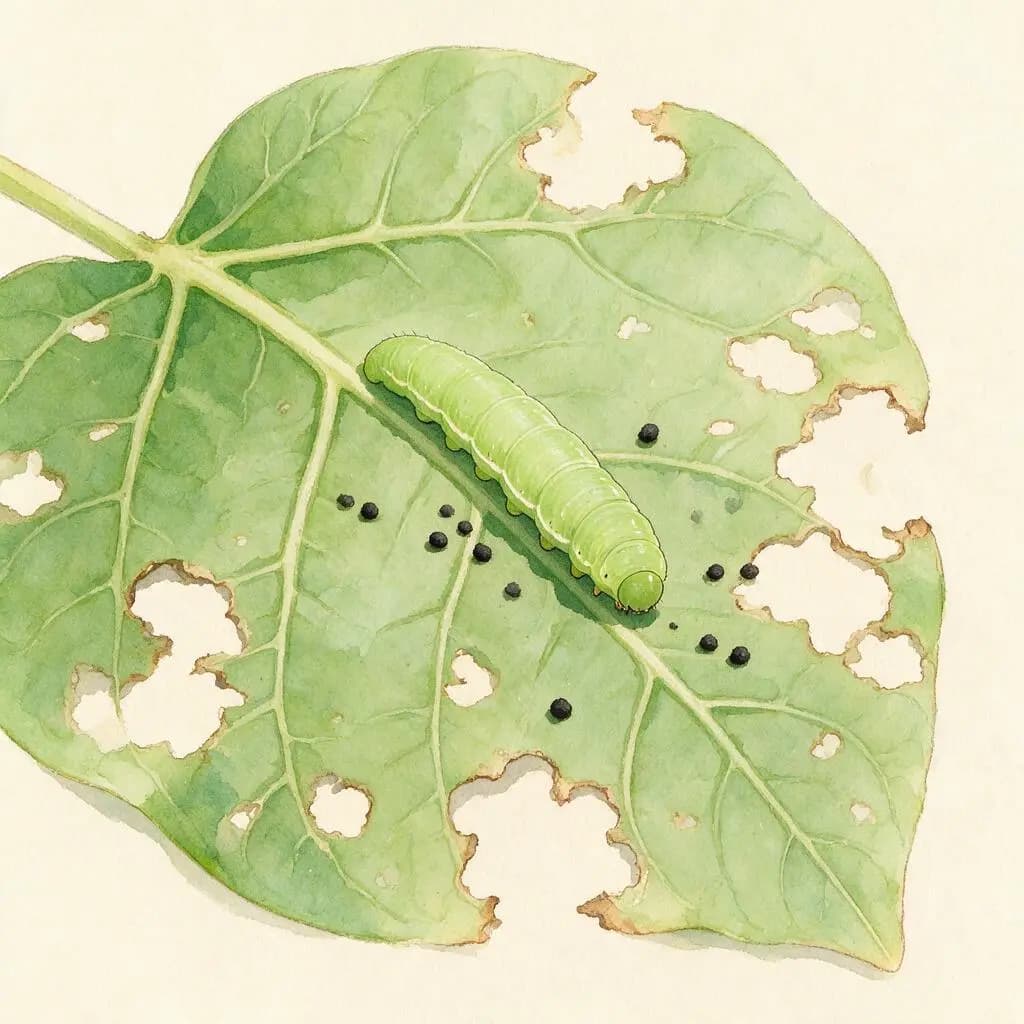
Green caterpillars, up to about 3 cm long, that devour leaves and fruit in groups. In heavy infestations they leave the plant skeletonised within a few days. The first step is to squash the egg clusters on the undersides of the leaves and pick off the caterpillars by hand.
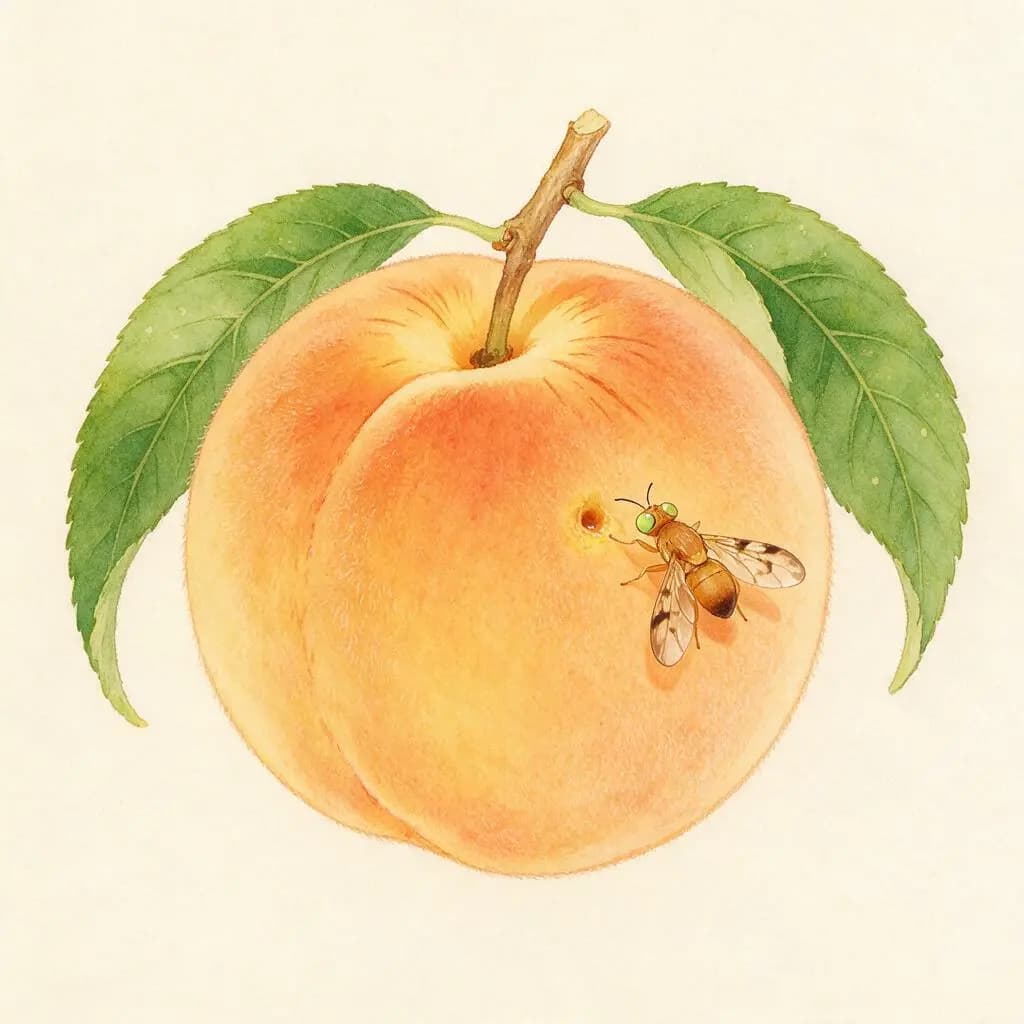
A yellowish fly with mottled wings that stings ripe fruit to lay its eggs. Its white larvae rot the fruit from the inside. It attacks almost any sweet fruit. The first step is to gather up fallen fruit and hang fly traps.
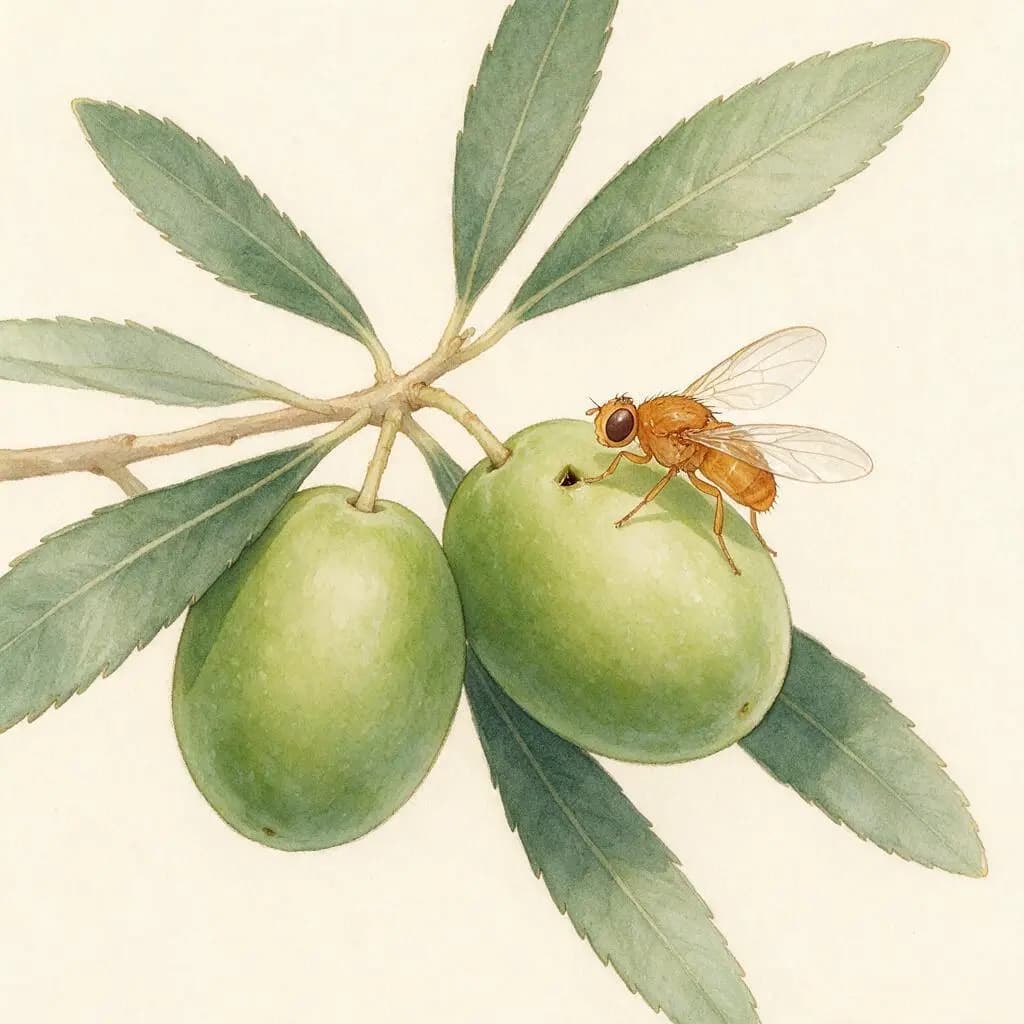
A fly specific to the olive tree whose larvae tunnel through the olives. It causes premature fruit drop and high acidity in the oil. The first step is to hang fly traps from July and gather up fallen olives.
 Medium severity
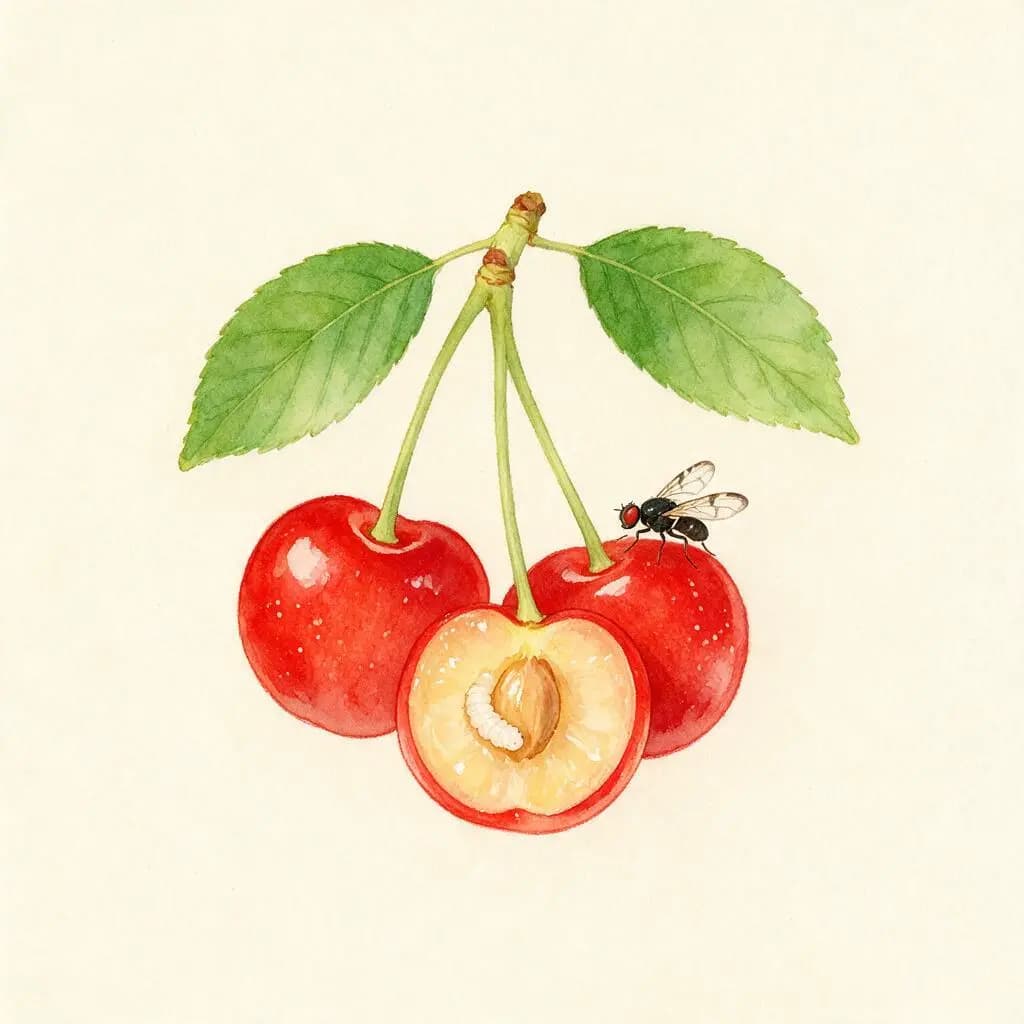
A small fly with banded wings whose larvae develop inside the cherry. It is responsible for the little white maggot you find when you bite into the fruit. The first step is to hang yellow traps before the fruit starts to colour and gather up fallen fruit.
 Medium severity
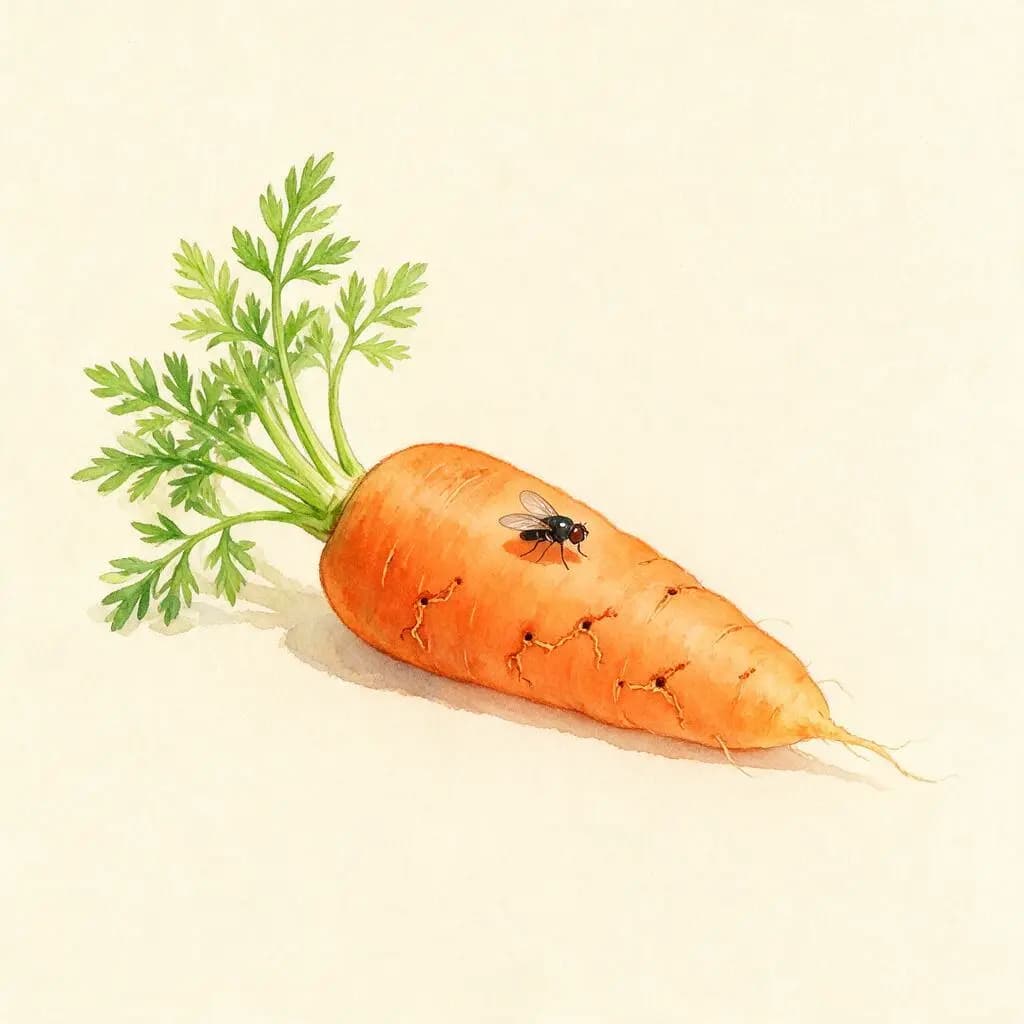
A fly whose yellowish larvae make very fine tunnels in carrots, celery and parsley. It spoils the root even when the attack is light. The first step is to cover the sowing with fine mesh right from the start.
 Medium severity
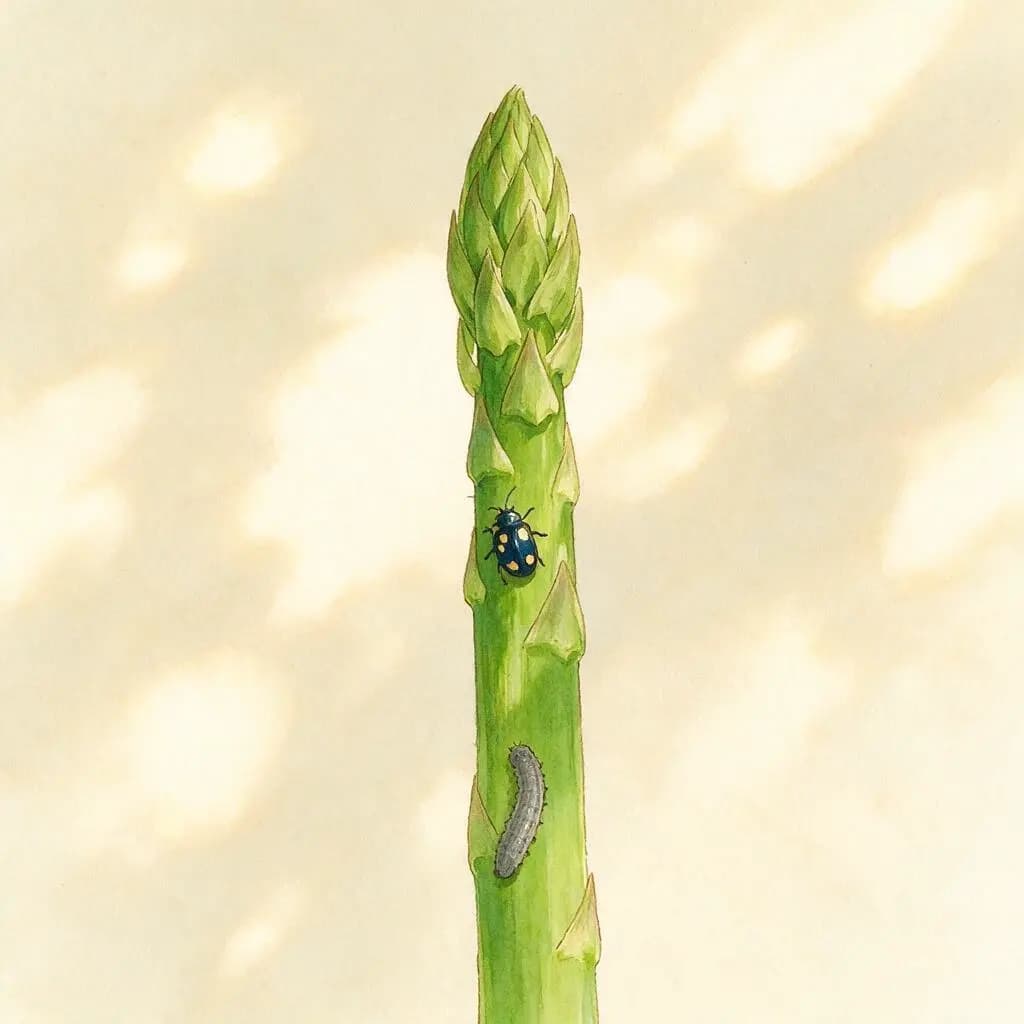
A small, elongated beetle (6 to 7 mm), blue-black with yellow markings, that feeds on asparagus spears and leaves. Its grey larvae strip the plant of foliage. The first step is to pick them off by hand at dawn.
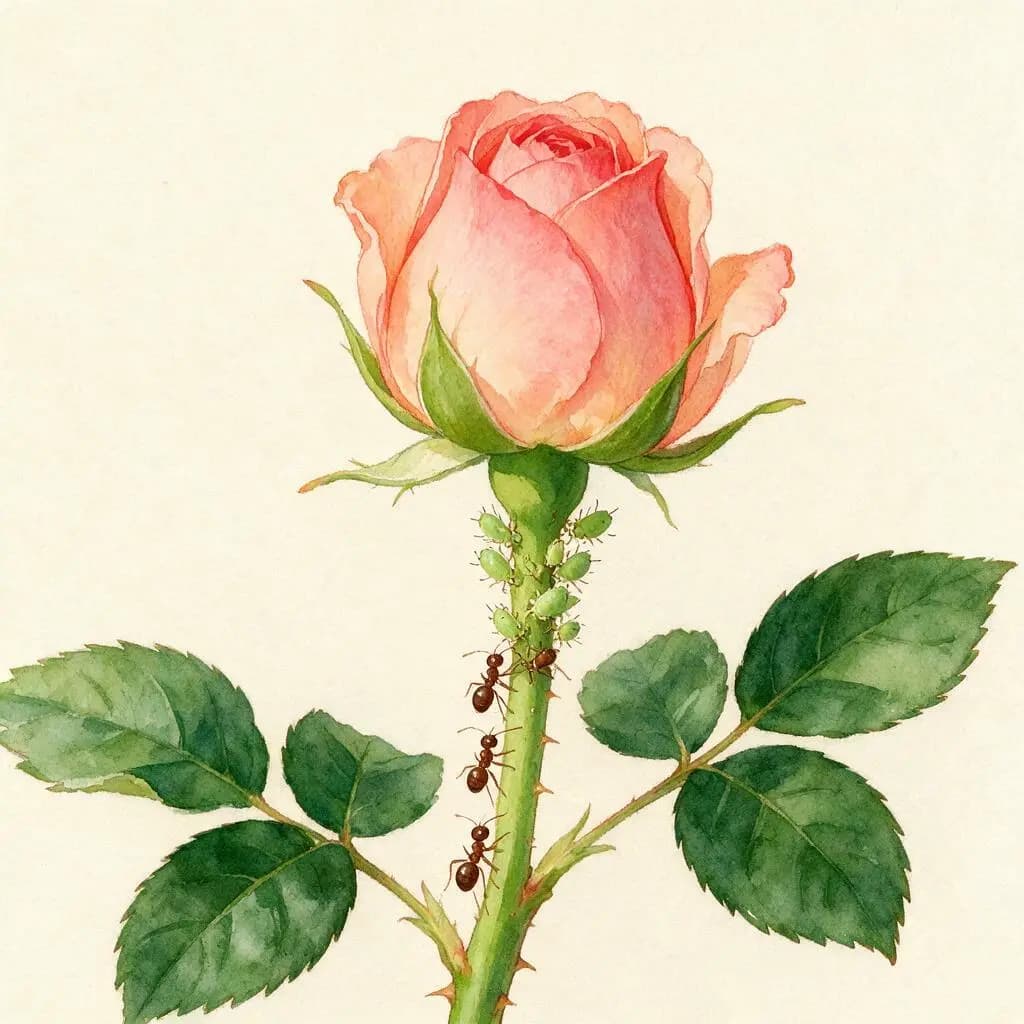
Ants do not eat the plant directly, but they ‘farm’ aphids and scale insects for their honeydew and protect them from predators. Their presence usually points to a sap-sucking pest. The first step is to look for aphids or scale insects and control them.
 High severity
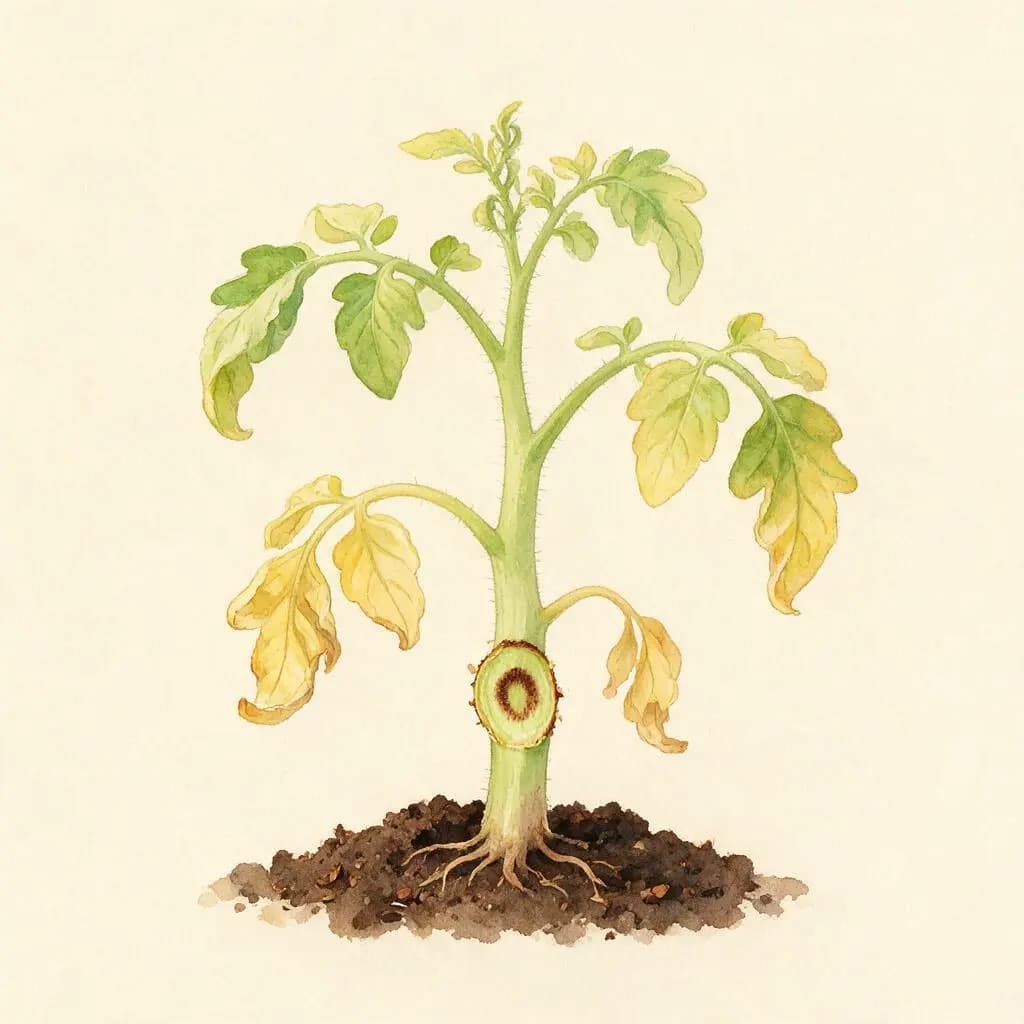
A soil fungus that blocks the plant's water-conducting vessels. It causes wilting that does not recover even when the soil is well watered. The first step is to pull up affected plants with their roots and not repeat the crop in that soil.
 High severity
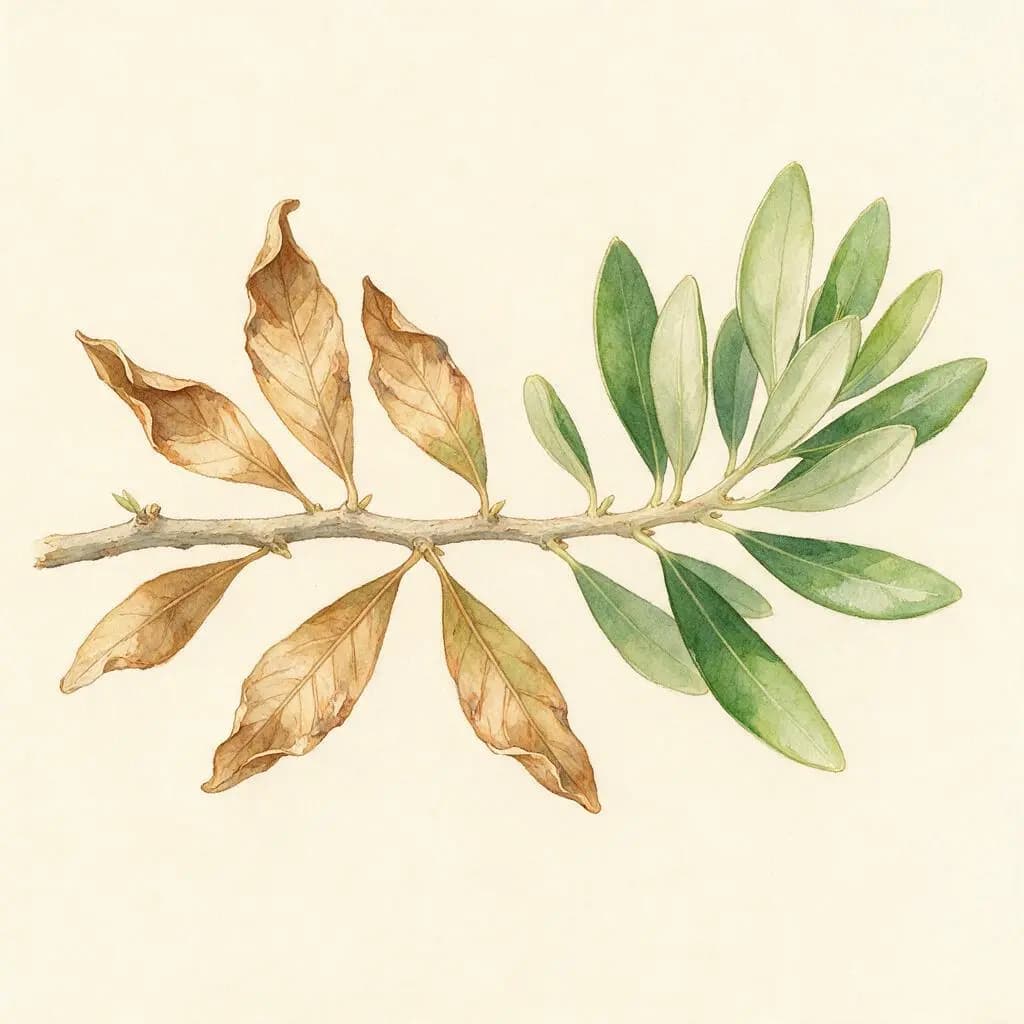
A soil fungus that blocks the water-conducting vessels. It is very typical on olives and tomatoes: the plant wilts in summer and does not recover even when watered. The first step is to remove affected plants or branches and not replant a susceptible crop in that soil.
 Medium severity
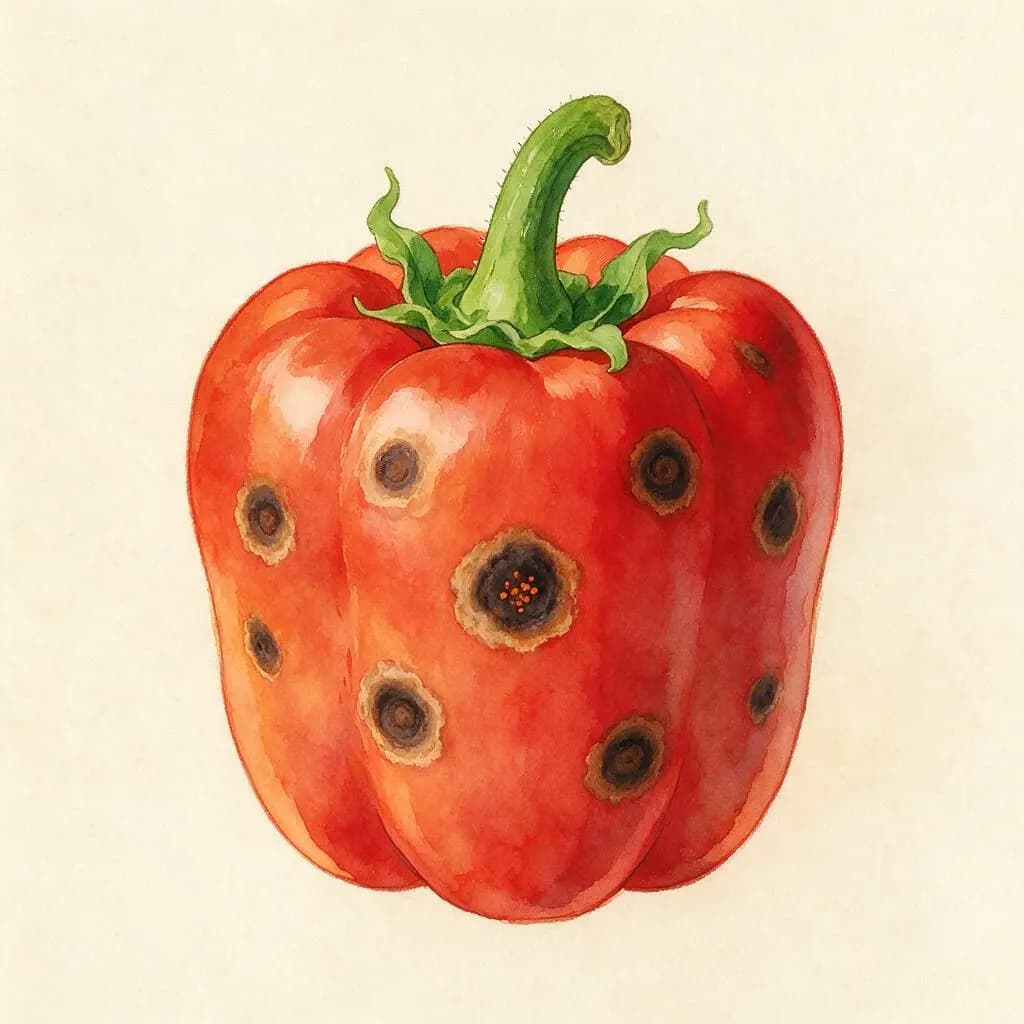
A fungus that produces sunken, round, dark spots on fruit, with concentric rings and, in damp weather, pink or orange spores in the centre. The first step is to remove spotted fruit every day and water without wetting it.
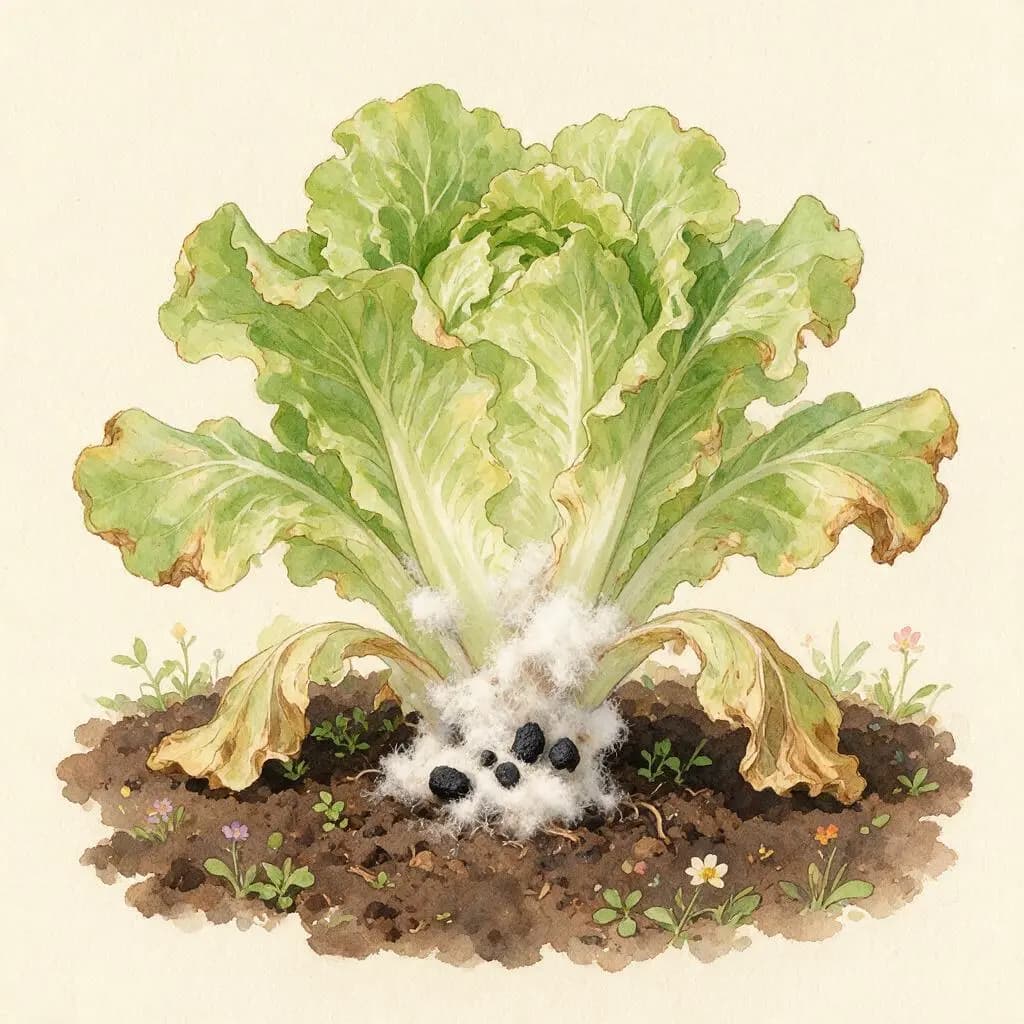 High severity
A fungus that produces a very dense, cottony white mould with black ‘marbles’ (sclerotia) inside it. It rots the collar and the stems. The first step is to remove affected plants whole, without disturbing the soil.
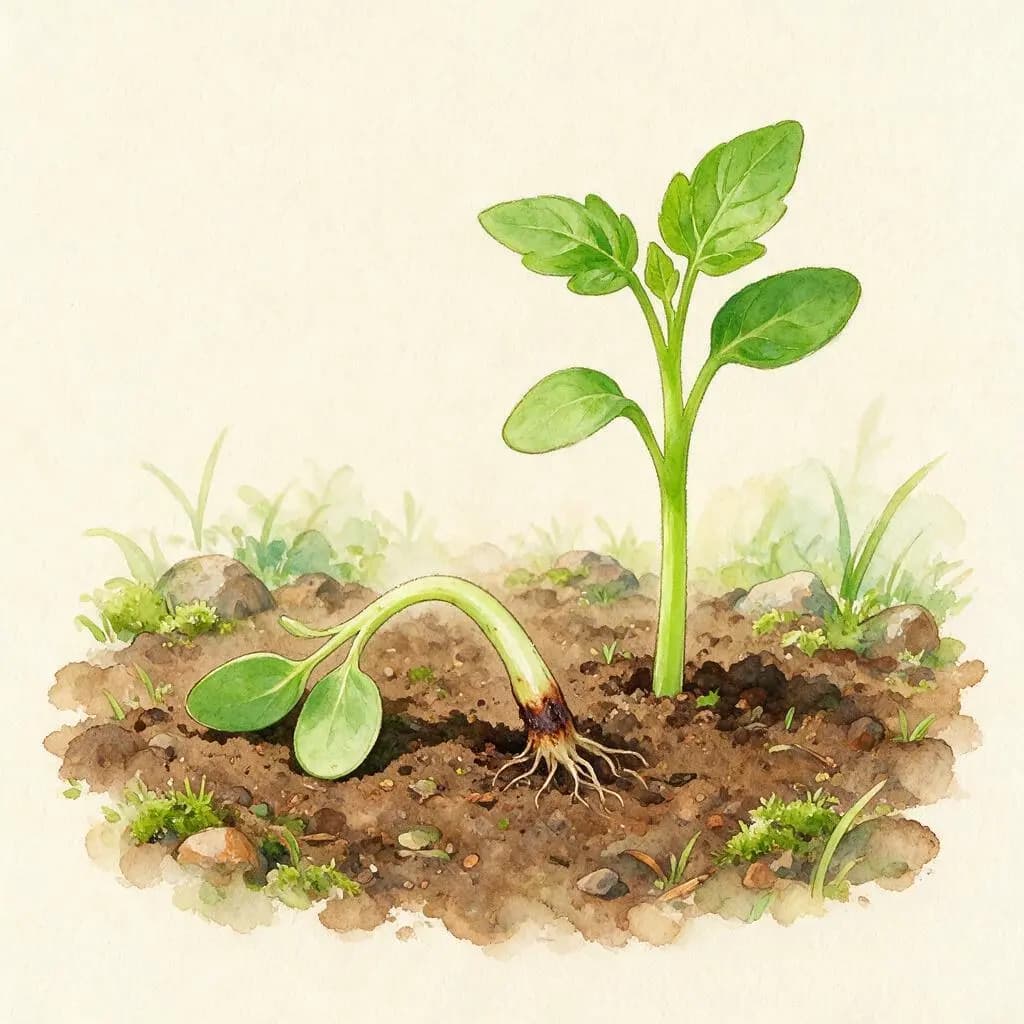 High severity
A group of soil fungi (Rhizoctonia, Pythium, Fusarium) that pinch the collar of newly emerged seedlings and make them suddenly keel over. The first step is to remove affected seedlings, water less often and ventilate the seed tray.
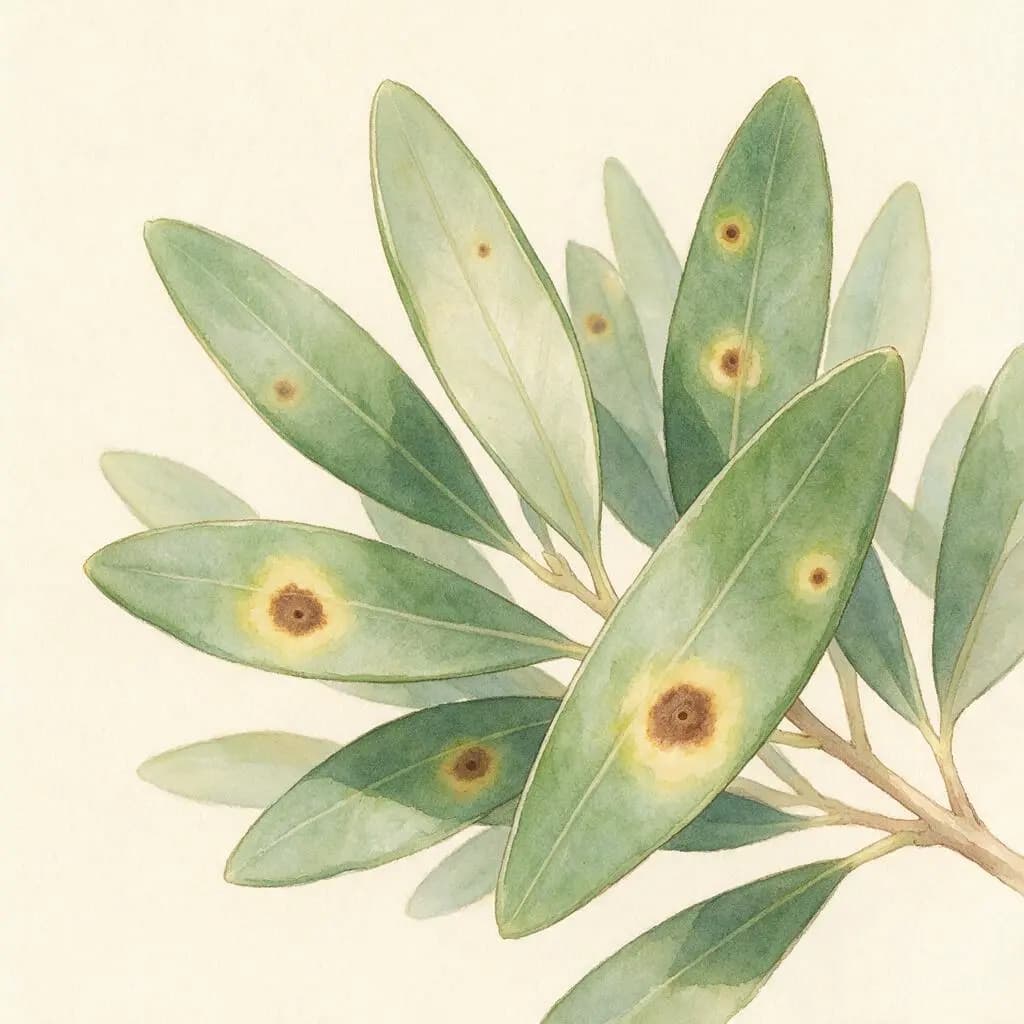 High severity
A fungus characteristic of olive trees that forms round, dark spots with a yellow halo (‘peacock eye’ or ‘bird's eye’) on the leaves and causes heavy leaf drop. The first step is to open up the canopy by pruning and treat with copper before the autumn rains or at the end of winter.
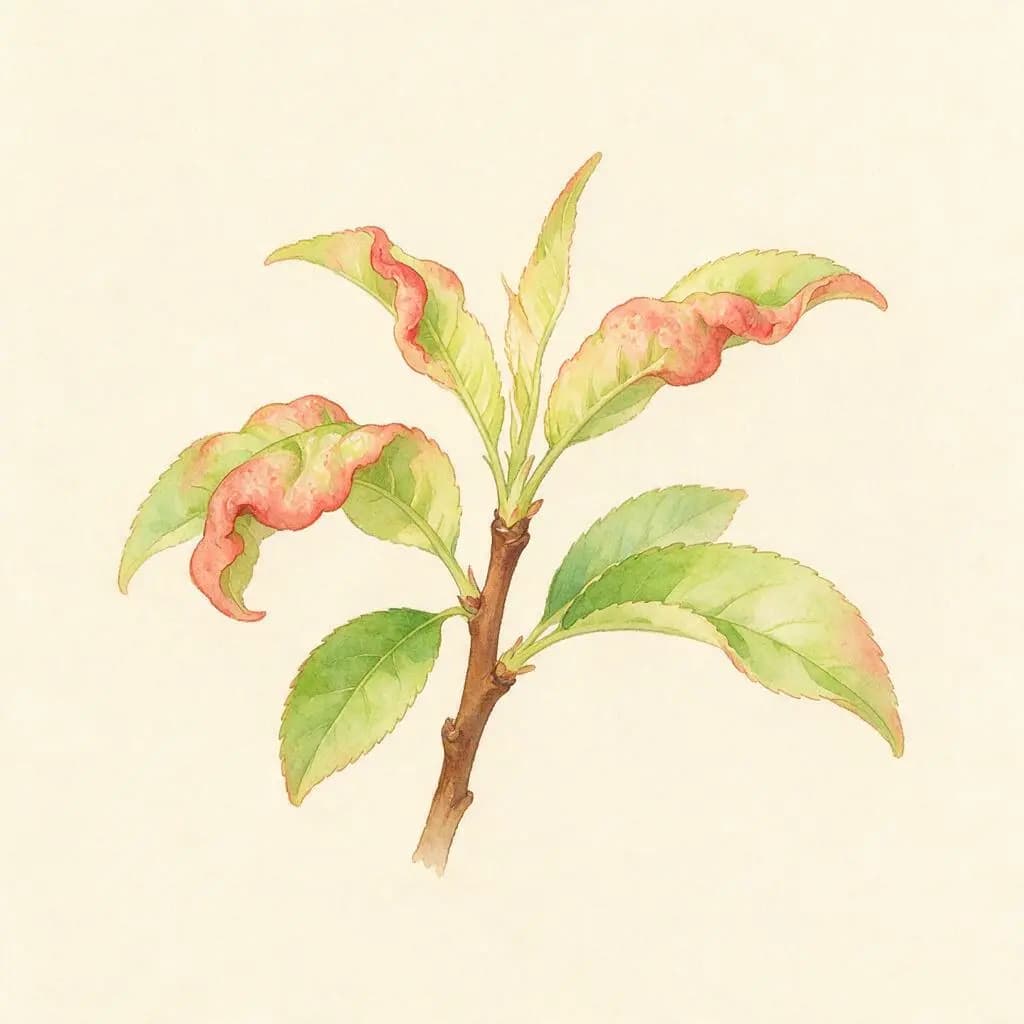 High severity
A fungus that causes twisted, puckered, thickened, reddish leaves as the peach tree comes into leaf. It greatly weakens the tree. The first step is to treat with copper in winter, before the buds open, because afterwards it is no longer any use.
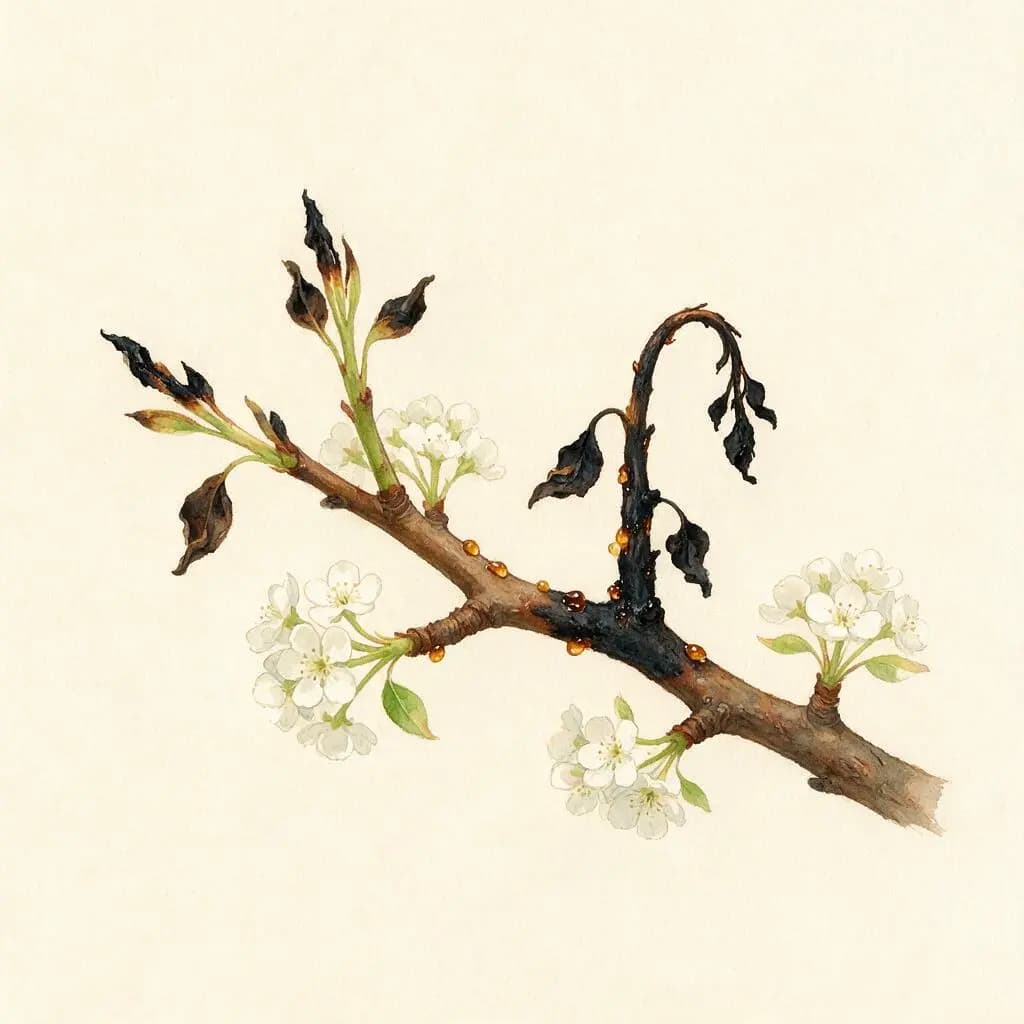 High severity
A highly virulent bacterium that scorches the leaves and branches of pear, apple and loquat trees as if fire had swept through them. In Spain it is a notifiable disease. The first step is to report it to your autonomous community's agricultural authority and cut out the affected branch, with disinfected tools.
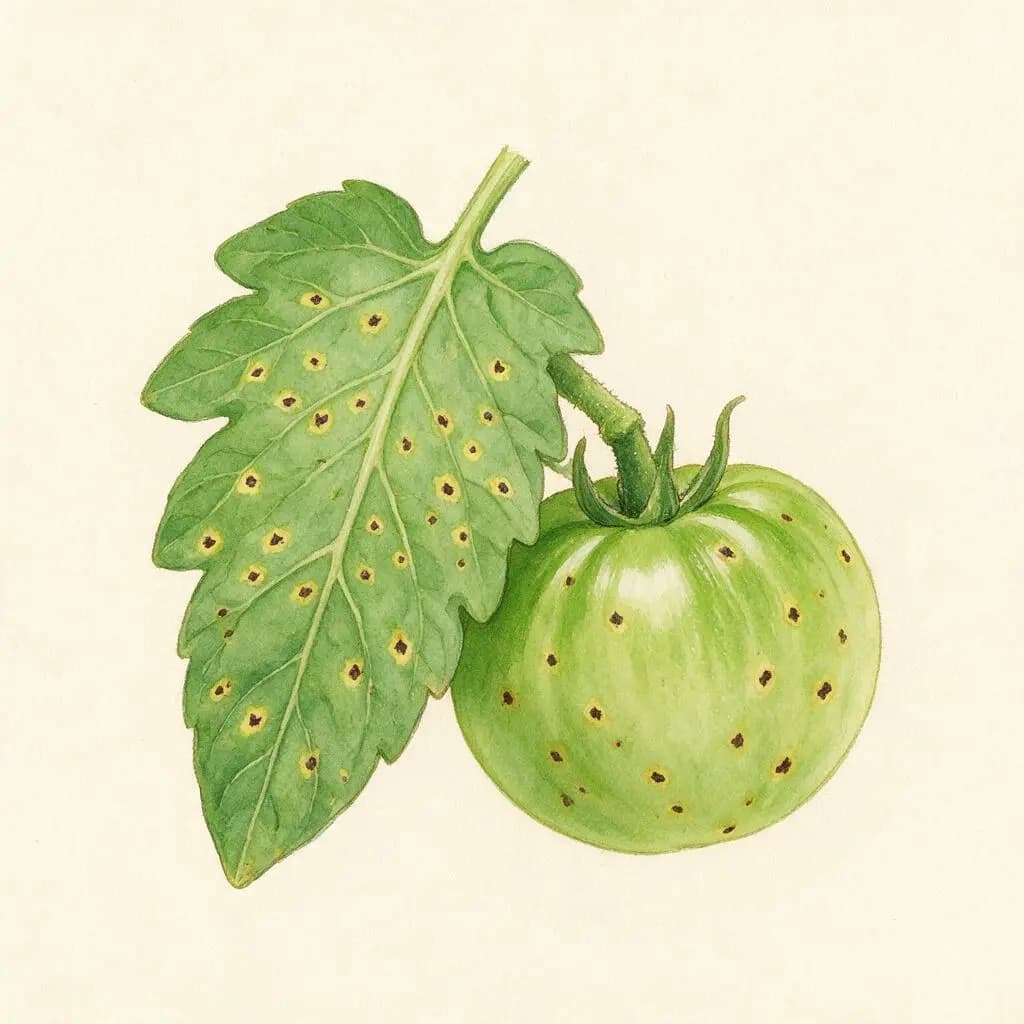 Medium severity
Bacteria of the genera Xanthomonas and Pseudomonas that produce small, angular, dark spots on leaves and fruit, with a yellowish halo. They cannot be cured, only prevented. The first step is to stop wetting the foliage and remove the worst-affected leaves.
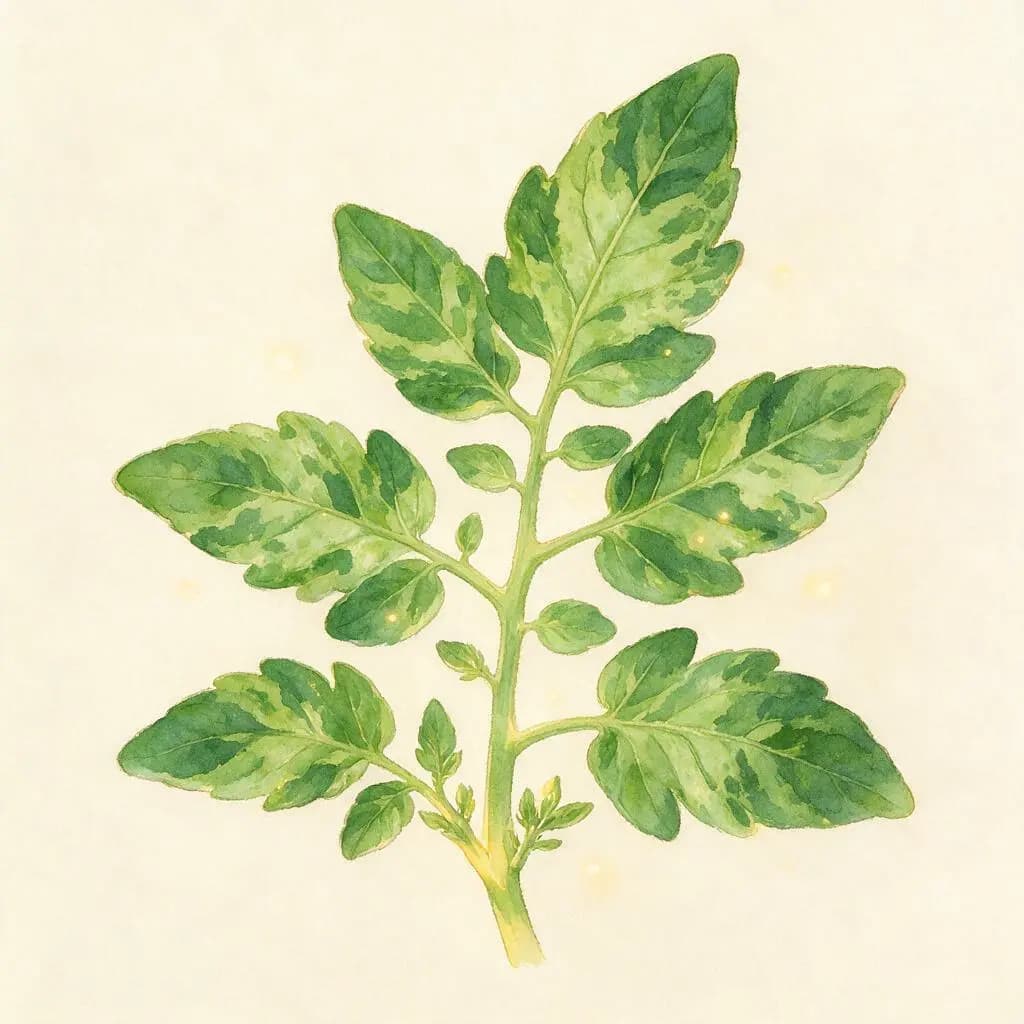 High severity
A highly contagious virus that produces a light and dark green mosaic on tomato leaves, with distorted leaves and uneven growth. There is no treatment. The first step is to pull up affected plants and wash your hands and tools.
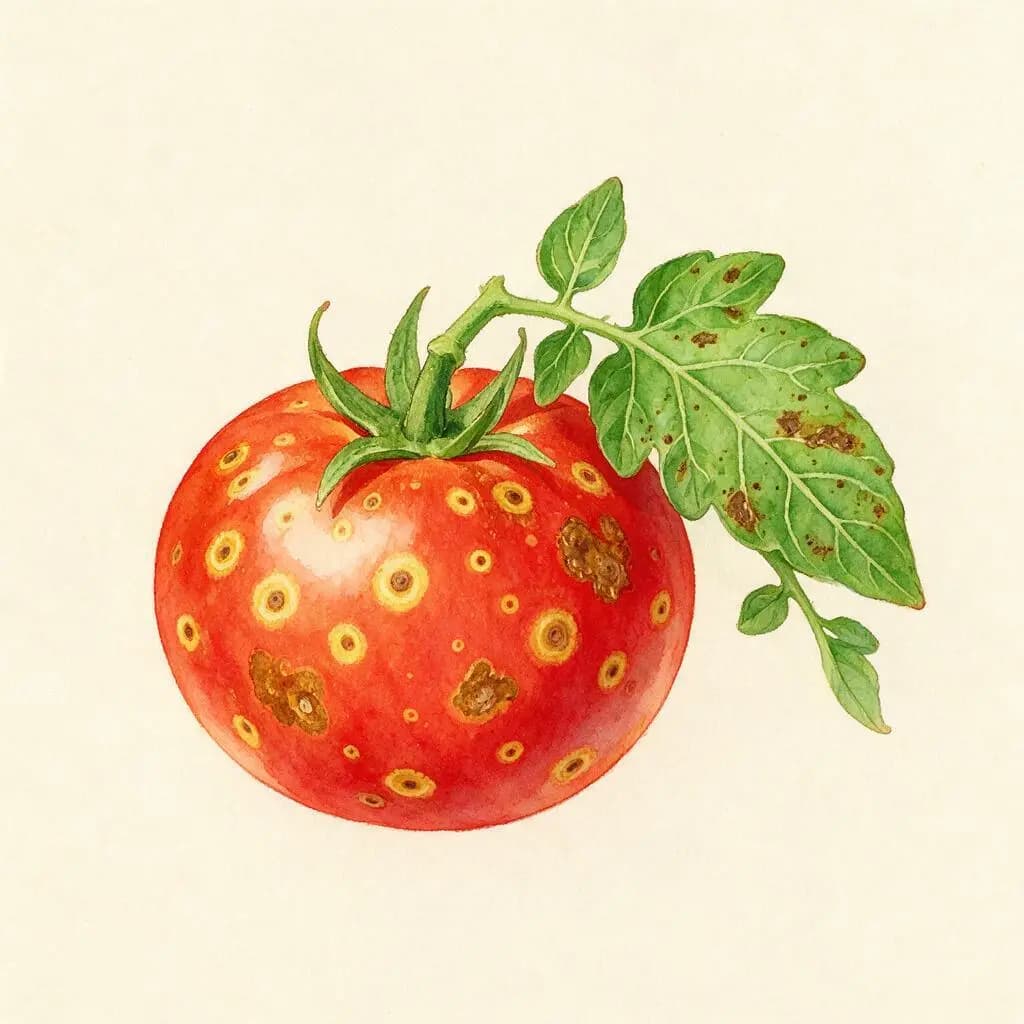 High severity
A virus transmitted by thrips that causes bronzed patches and concentric rings on leaves and fruit. It is a devastating disease of Mediterranean peppers and tomatoes. The first step is to pull up affected plants and control the thrips.
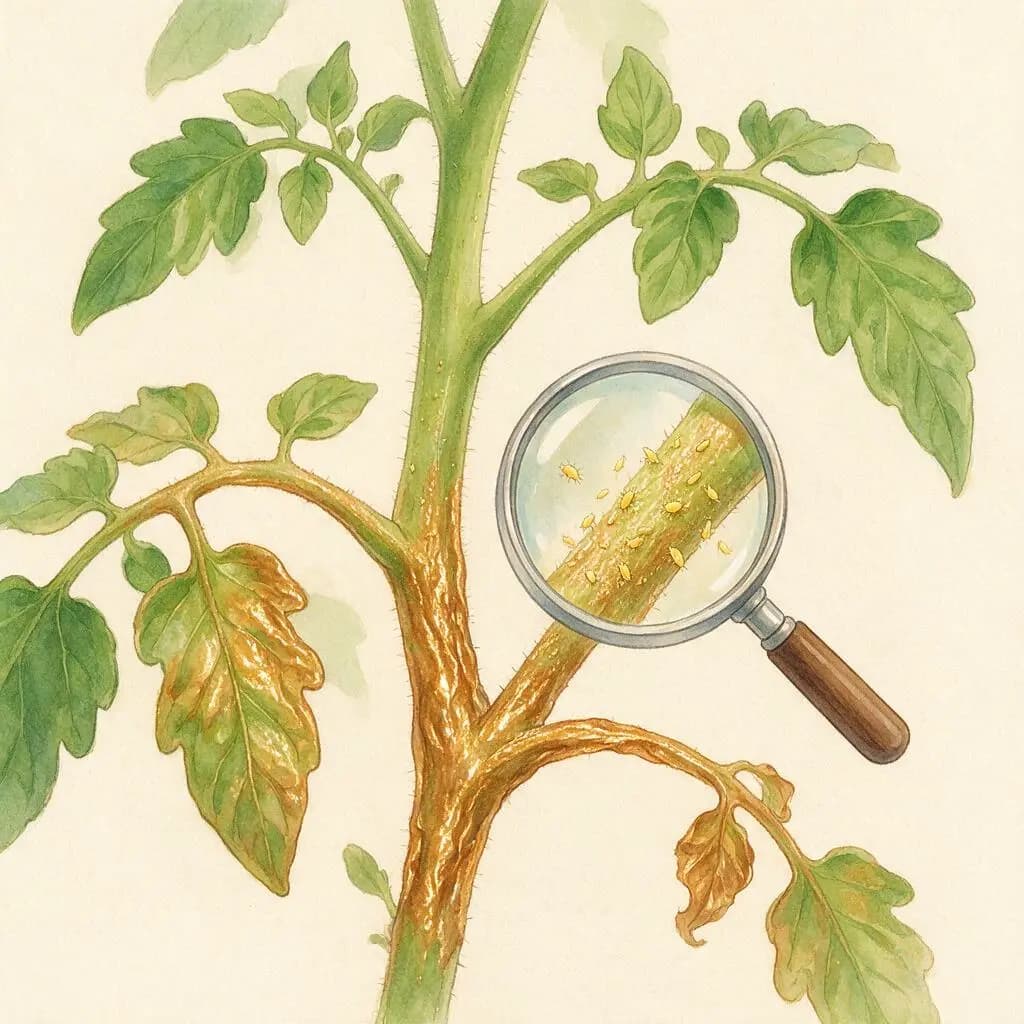 High severity
A tiny mite (about 0.15 mm), invisible to the naked eye, that bronzes the stems and lower leaves of tomatoes. It takes off in dry heat. The first step is to confirm it with a magnifying glass and treat with wettable sulphur below 30 °C.
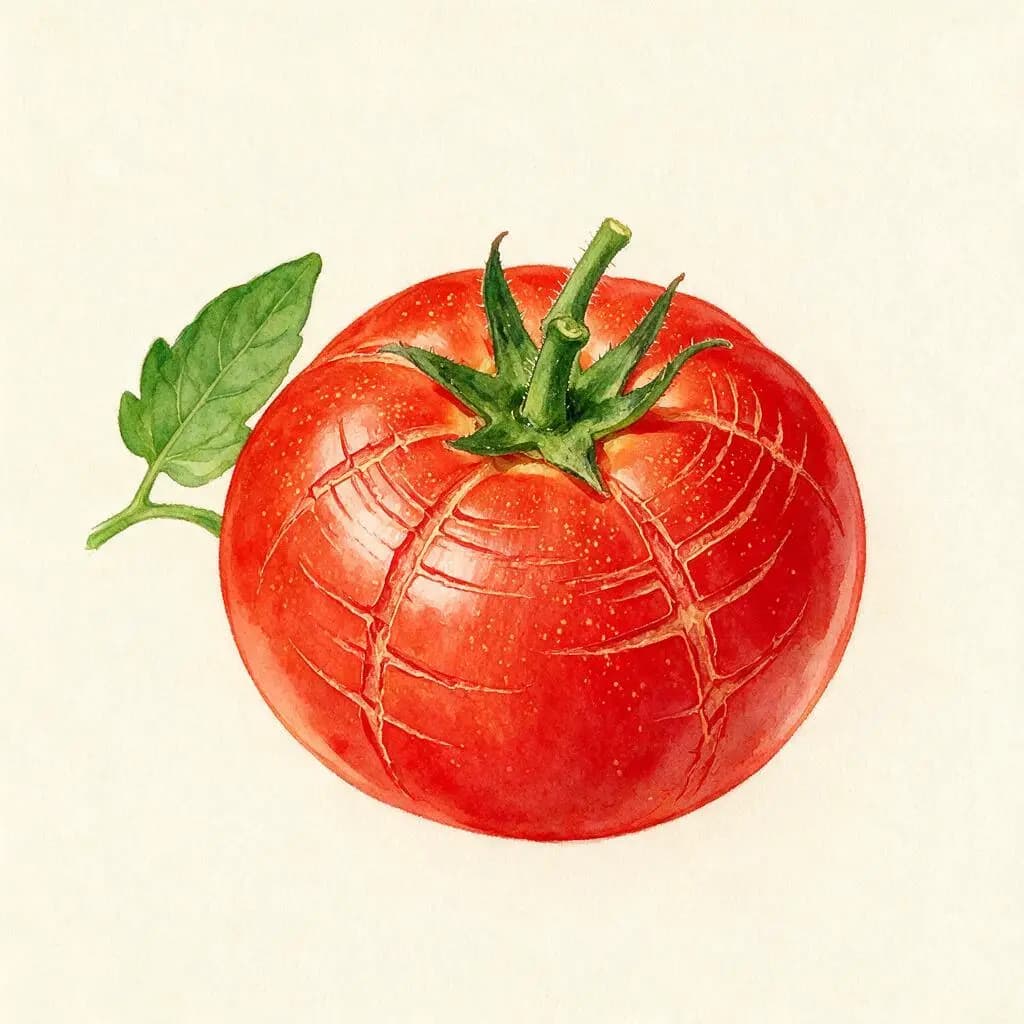 Low severity
Concentric or radial cracks in the skin of the fruit caused by taking up water suddenly after a dry spell. It is not a disease but a watering problem. The first step is to water regularly and mulch the soil.
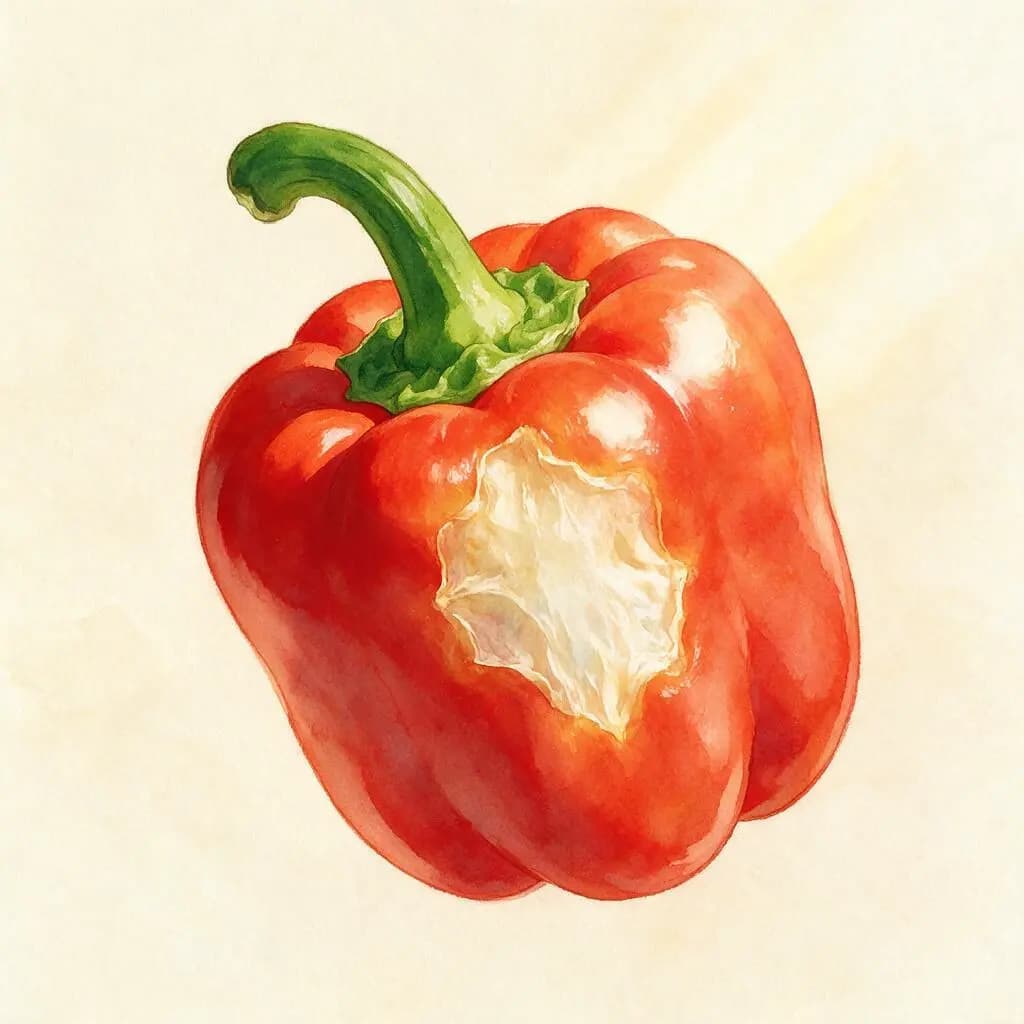 Low severity
Areas of fruit or leaves exposed to direct sun that burn because of extreme temperatures or because they are suddenly left unprotected. It is not an infection. The first step is to shade the fruit and avoid stripping leaves in summer.
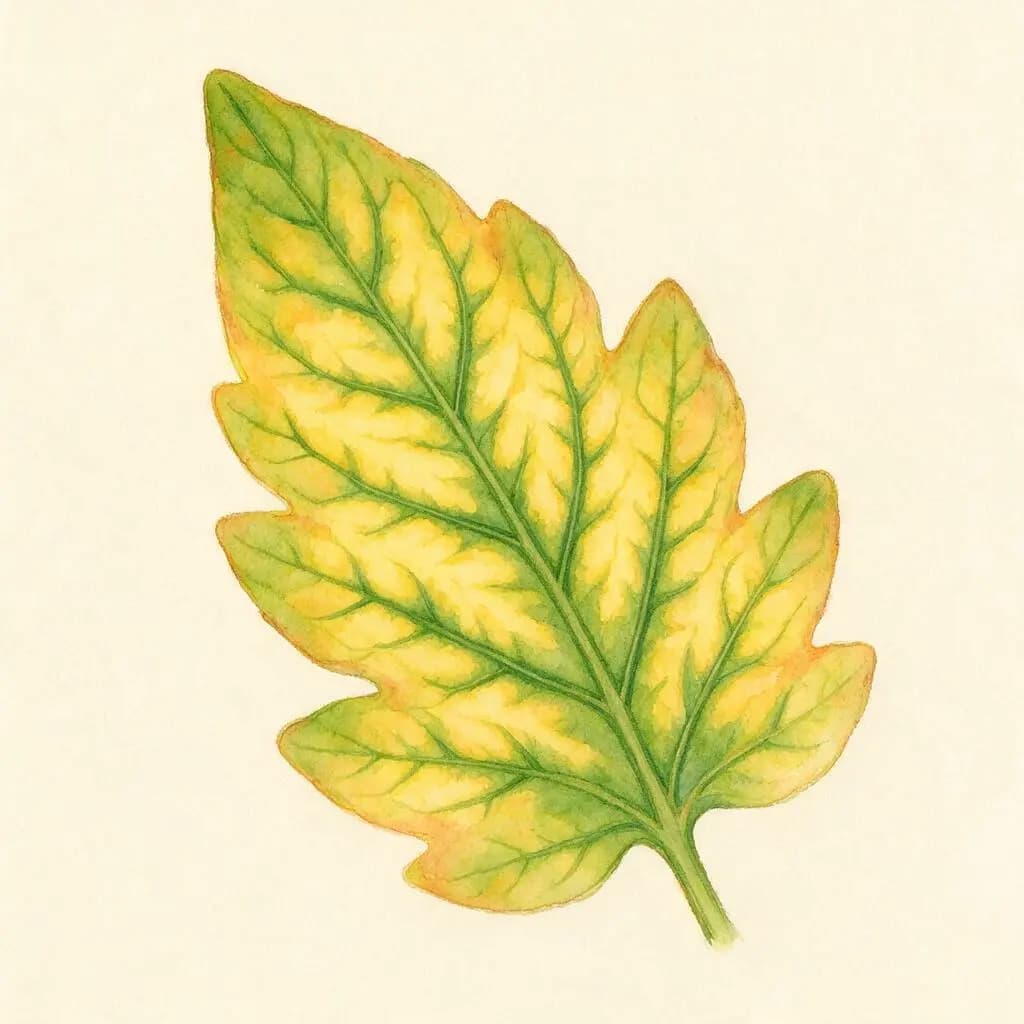 Medium severity
Magnesium is the central atom of chlorophyll. A lack of it causes yellowing between the veins, which stay green, starting with the oldest leaves. The first step is to rule out other causes and, if it is confirmed, spray with Epsom salts.
 Medium severity
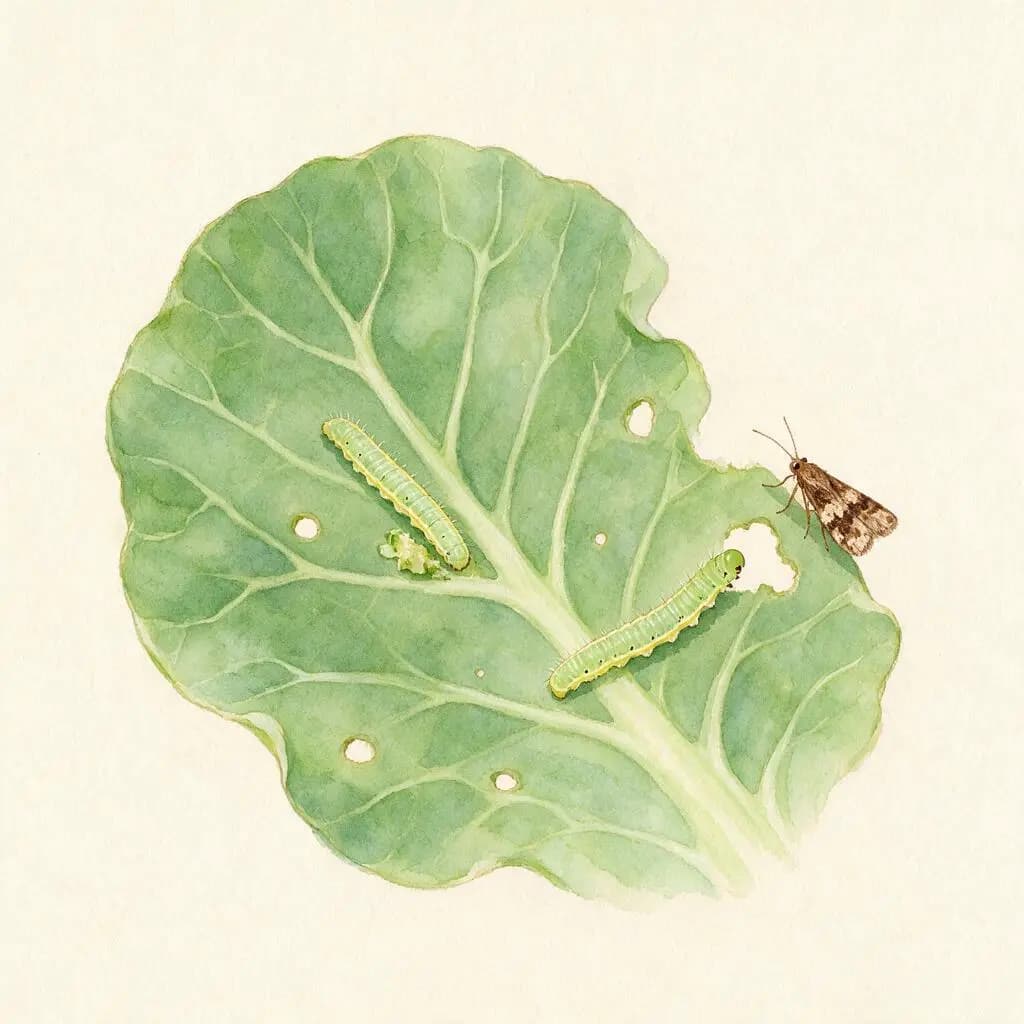
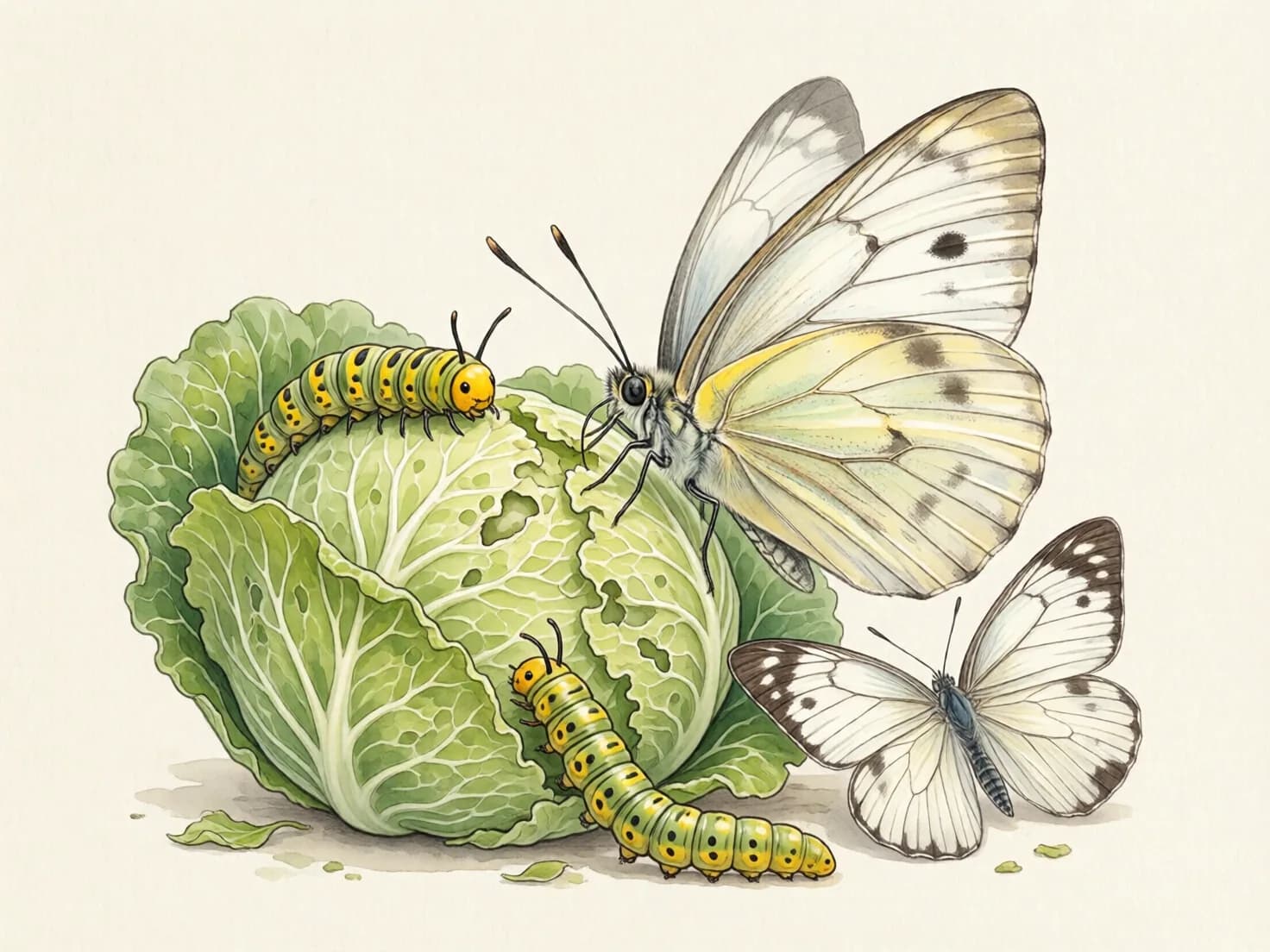
The caterpillars of the cabbage white butterflies (Pieris brassicae and P. rapae) eat the leaves of cabbages, broccoli, turnips and nasturtiums, and can leave them like lace. Checking the undersides every week, removing the egg clusters and covering with coarse netting almost always works; the caterpillars can be moved to wild brassicas.
 Medium severity
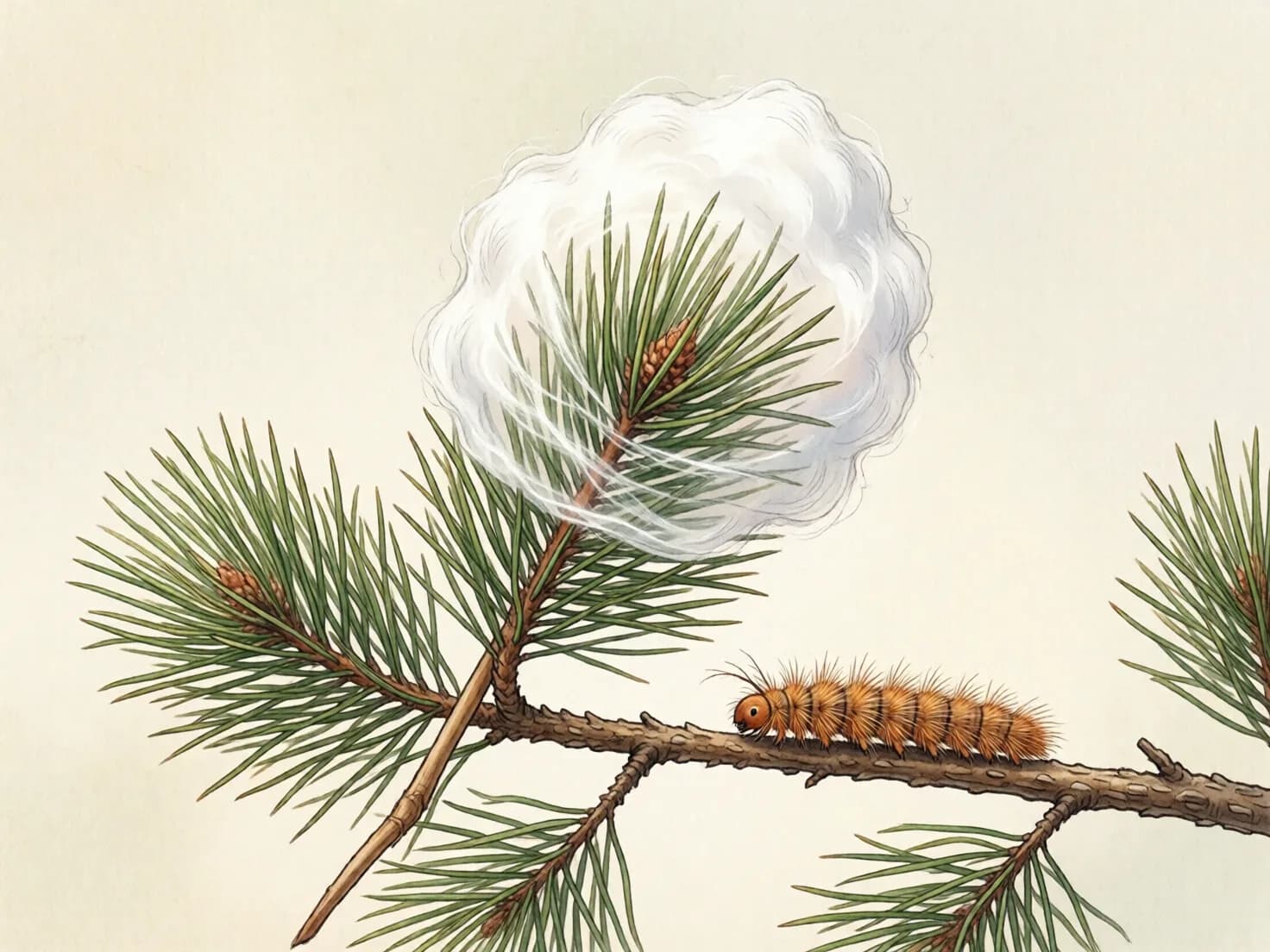
A hairy caterpillar that lives on pines and cedars: it spends the winter in white silk nests and at the end of winter walks down in a line to bury itself in the soil. Its stinging hairs irritate the skin and eyes and are dangerous for dogs and cats. The sensible approach is not to touch it, to remove the nests in winter with protection, and to encourage the birds that eat it.
 Medium severity
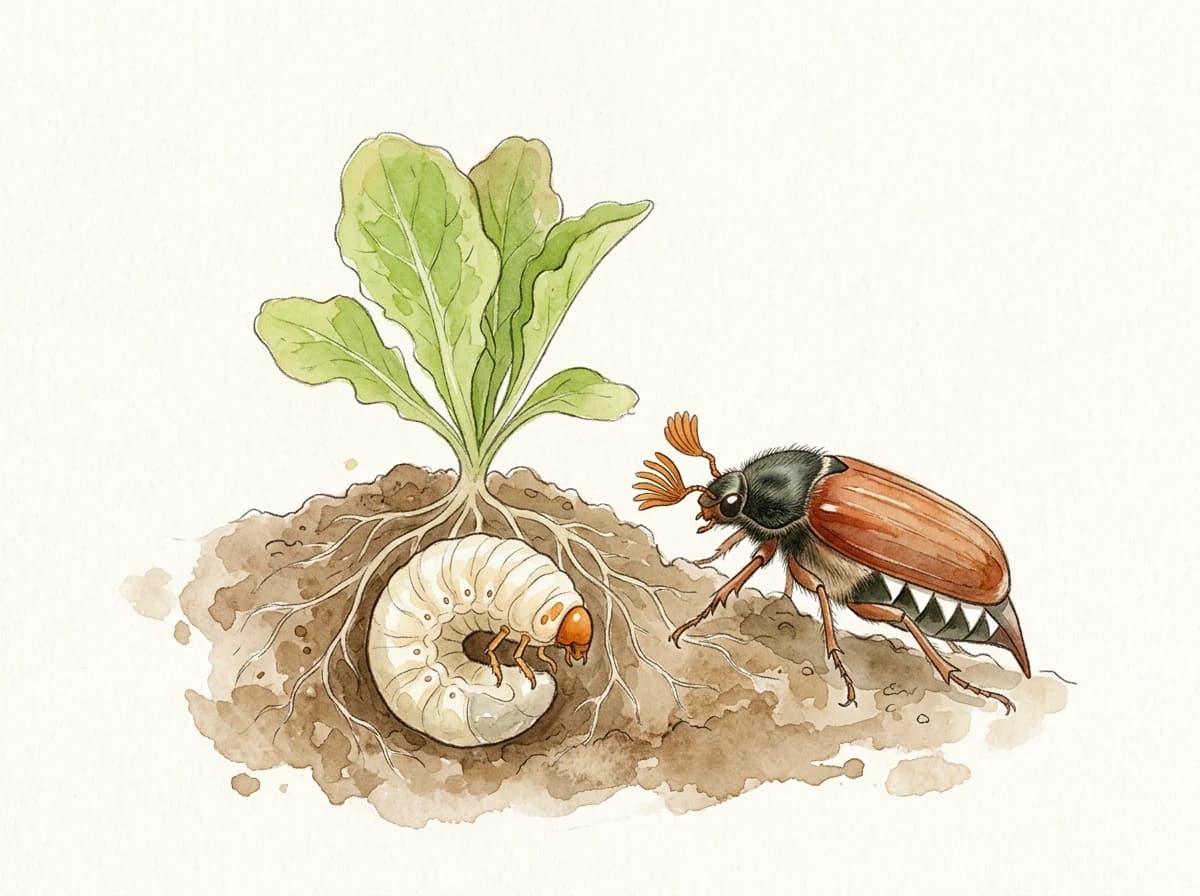
White, C-shaped larvae of several chafer beetles that live underground for two to four years, eating the roots of lawn, strawberries, lettuces and young plants. The plant wilts and pulls up with no resistance. The most useful thing is to pick them out when digging and let birds and hedgehogs do the rest.

Many ‘attacks’ sort themselves out. Check the undersides of the leaves every 4-5 days and note down what happened, when, and what you did.
A healthy garden can cope with losing some leaf or crop without drama. The goal isn't zero bugs, it's making sure none gets out of hand.
Living soil, rotation, companion planting, diversity, herbs and beneficial creatures. Pests that get out of hand usually come from gardens that are too uniform.
Always put prevention and organic remedies first. Any plant protection product, organic ones included, must be used according to the label, respecting doses and harvest intervals, and never on plants in flower, in order to protect bees and other pollinators.