
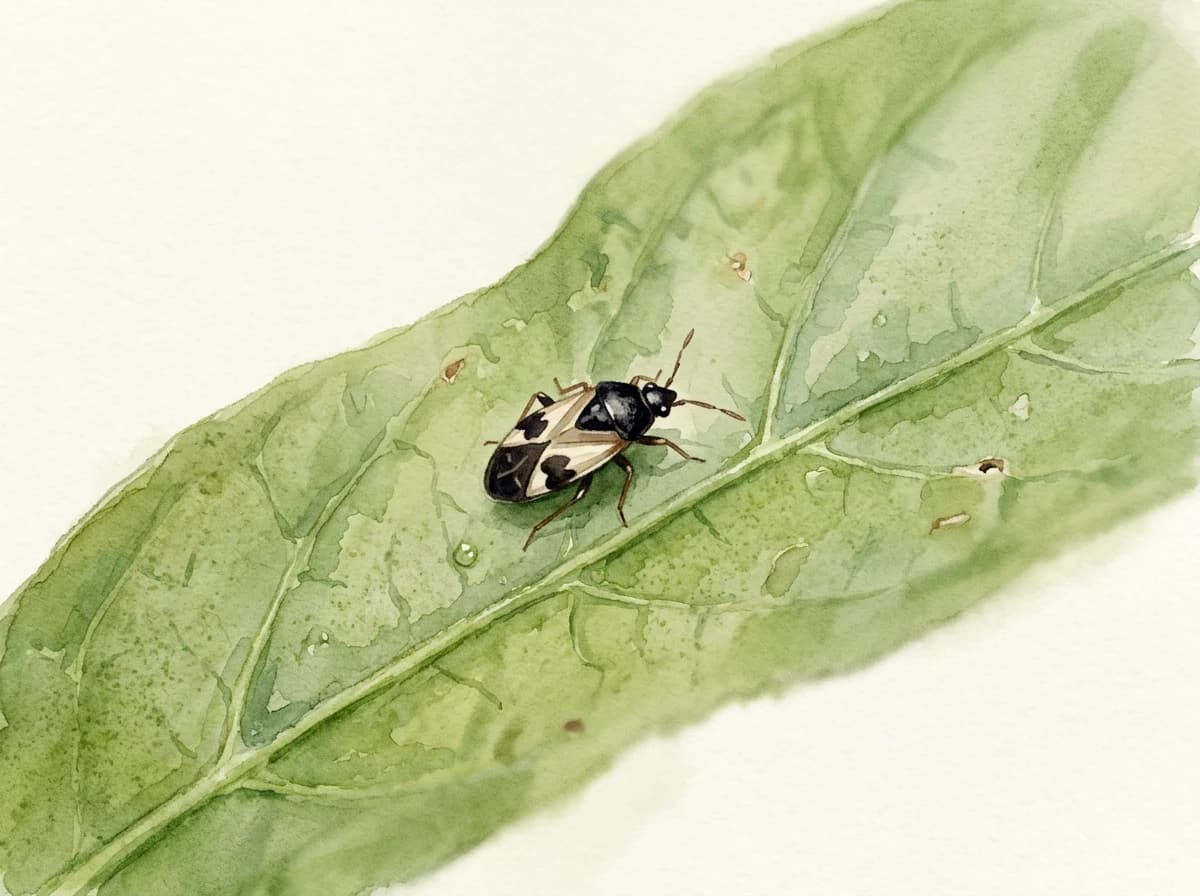
Predatory bugs (Anthocoris, Orius)
Anthocoris nemorum, Orius laevigatus
Also called: Anthocoris, Orius, pirate bug, minute pirate bug, flower bug
Tiny bugs (2-3 mm), very active against thrips, red spider mites and pest eggs. They are sold as biological control in peppers and strawberries. They are mistaken for the crop-eating bugs, but they are allies.

How to recognise it at every stage
Garden allyGarden ally: it sucks the juices of thrips, aphids, mites and caterpillar eggs.
Life cycle: Incomplete metamorphosis: egg inside plant tissue, five nymph stages and adult, with no pupa. In warm weather, from egg to adult in 2-3 weeks; several generations a year.
Tap a stage to see it full size. The photos are AI reference images checked against real photographs; stages without a reliable photo are shown as text only.
Life-stage calendar
| Jan | Feb | Mar | Apr | May | Jun | Jul | Aug | Sep | Oct | Nov | Dec | |
|---|---|---|---|---|---|---|---|---|---|---|---|---|
| Eggs | ||||||||||||
| Nymph | ||||||||||||
| Adult |
Approximate months for mainland Spain; in cold areas they start later and in warm areas they last longer. Garden creatures this month
No reliable photo yet
1Protect itEggs
· 0.4 mmThey cannot be seen: they are tucked inside the tissue of leaves and stems, with only a little lid showing.
- Where to find it
- Inside tender leaves and stems.
- When: Apr–Sep
- What to do
- Avoid insecticides in spring and summer.
- 2Protect it
Nymph
· 0.5-2 mmSmall, wingless, drop-shaped, yellow, orange or reddish, with red eyes; very fast.
- Where to find it
- Inside flowers and on shoots with thrips or aphids.
- When: Apr–Oct
- What to do
- Leave it: it may prick the skin slightly if you pick it up, but it is a great ally against thrips.
- Often confused with
- Thrips. The thrips is thinner and more elongated, pale yellow, with no beak; the Orius nymph is broader, orange and has red eyes. See profile
- 3Protect it
Adult
· 2-4 mmA tiny bug, black with white and black wings forming a pattern on its back, and a short beak.
- Where to find it
- On flowers (pepper, sunflower, marigold, alyssum) and fruit trees with aphids.
- When: Mar–Oct
- What to do
- Flowers all year round (pollen keeps it going when there is no prey) and varied hedges.
- Often confused with
- Bugs that share the garden. The green shield bug is much bigger (12-15 mm) and feeds on fruit. See profile
Often confused with
- Thrips. The thrips is thinner and more elongated, pale yellow, with no beak; the Orius nymph is broader, orange and has red eyes. See profile
- Bugs that share the garden. The green shield bug is much bigger (12-15 mm) and feeds on fruit. See profile
What it eats
- Thrips (favourite food)
- Red spider mite
- Butterfly and moth eggs
- Young aphids
How it helps in the garden
How to attract this ally to your garden
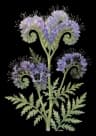
- Flowers such as sweet alyssum, phacelia or coriander: when prey is scarce, these bugs survive by eating their pollen.
- Do not remove a tiny 2 mm bug without identifying it: it may be Orius.
Plants in the catalogue that attract it


What to avoid so you do not harm it by accident
- Broad-spectrum insecticides: they kill pests and allies alike; use only localised treatments if needed.
How to recognise it
2-4 mm, flattened body, black with white or brown markings. Very active and fast.
Risk to people: Very low. They may give a slight prick if they land on your skin, with no consequences.
Many allies are protected by Spanish law: do not capture or keep in captivity toads, hedgehogs, bats or native reptiles. Attract them, watch them and thank them from a distance. Rules in other countries differ: check your local regulations.

Allies do better if the garden is varied. Learn to identify each visitor and to prevent problems with good habits.