
NNitrogen
Leaves and growth. Drives leafy growth. Too little: pale leaves and a small plant. Too much: lots of foliage and little fruit.
Fertilisers and feeds
Compost, worm castings, nettle liquid feed, chicken manure, wood ash, coffee grounds… What they provide (nitrogen, phosphorus, potassium), when to use them and how to make them at home.
Look after the soil first. In an organic garden you do not feed only the plant: you feed the soil. If it has plenty of compost or humus, the plant finds what it needs. Start there; everything else is an occasional top-up.
The 3 main macronutrients that plants use in large amounts:
Leaves and growth. Drives leafy growth. Too little: pale leaves and a small plant. Too much: lots of foliage and little fruit.
Roots and flowers. Essential at the start of the crop and at flowering. Too little: purplish leaves and poor flowering.
Fruit and resilience. Sweetens the fruit and makes the plant more resistant to fungi and drought. Too little: scorched leaf edges and small fruit.
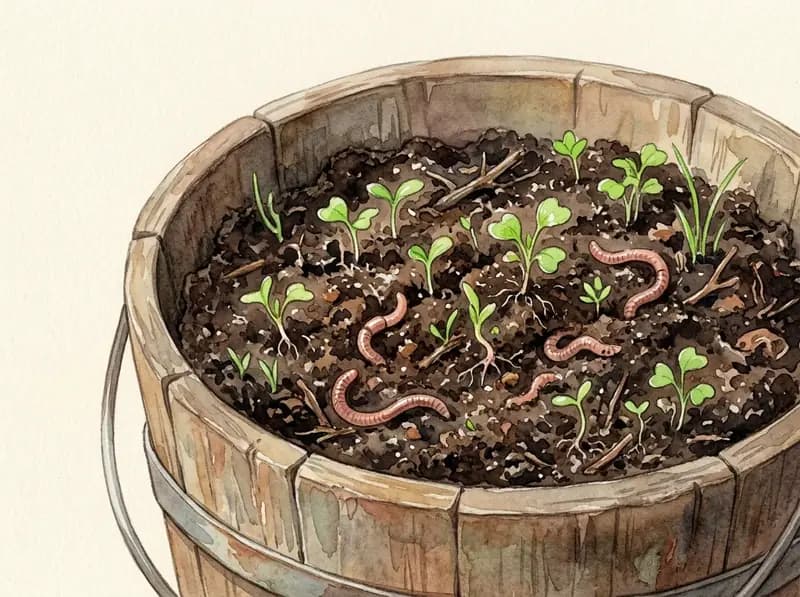 Compost / humus
A fertiliser made from kitchen and garden waste. It improves the soil and releases nutrients gradually; when well matured, there is hardly any risk of burning the plants.
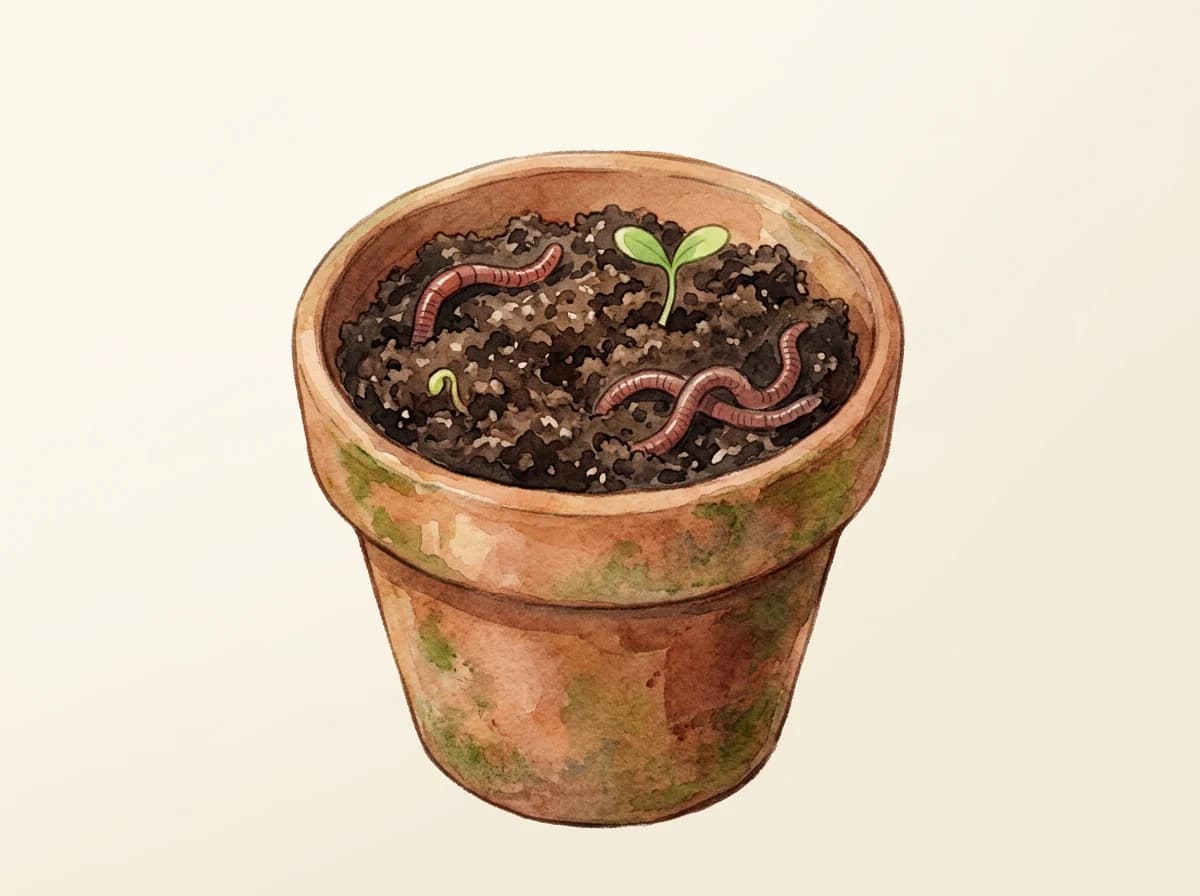 Compost / humus
Compost produced by red worms (vermicompost). It is concentrated: it provides useful microbes and nutrients in small amounts, so only a little is used each time.
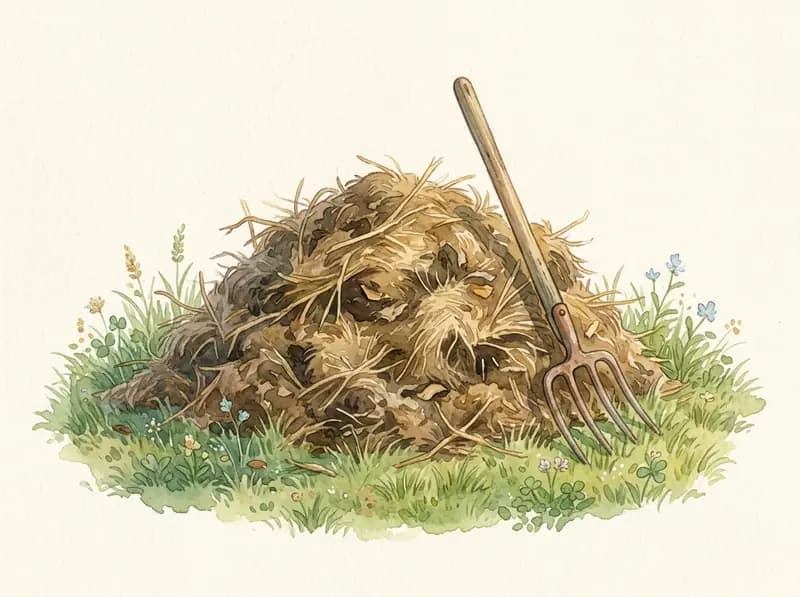 Animal manure
The classic vegetable-garden manure. It is rich in carbon (from the straw bedding) and gives off heat as it ferments, so it works for hot beds for seedlings. For the bed, always use it well rotted (more than six months).
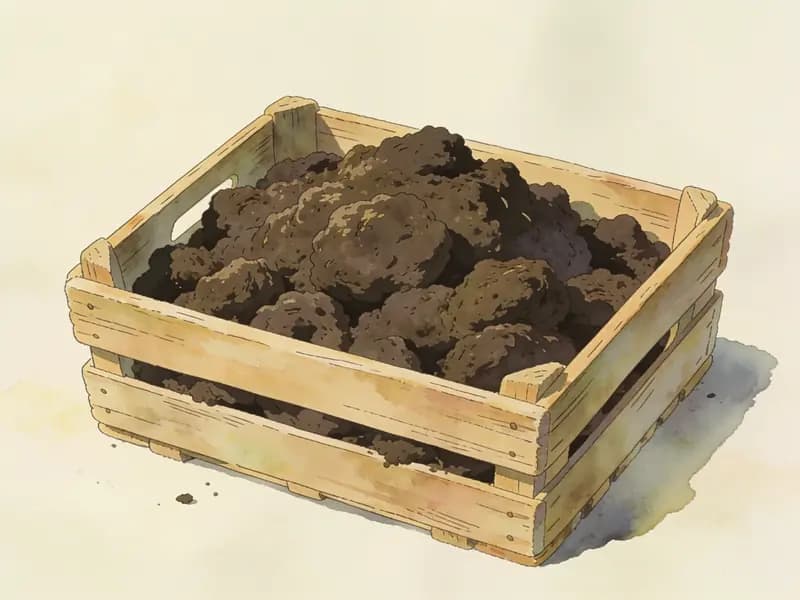 Animal manure
A concentrated, balanced manure (only chicken manure beats it). In dry pellets it hardly smells and is easy to handle. It takes up less room than horse manure, but fertilises more per kilo.
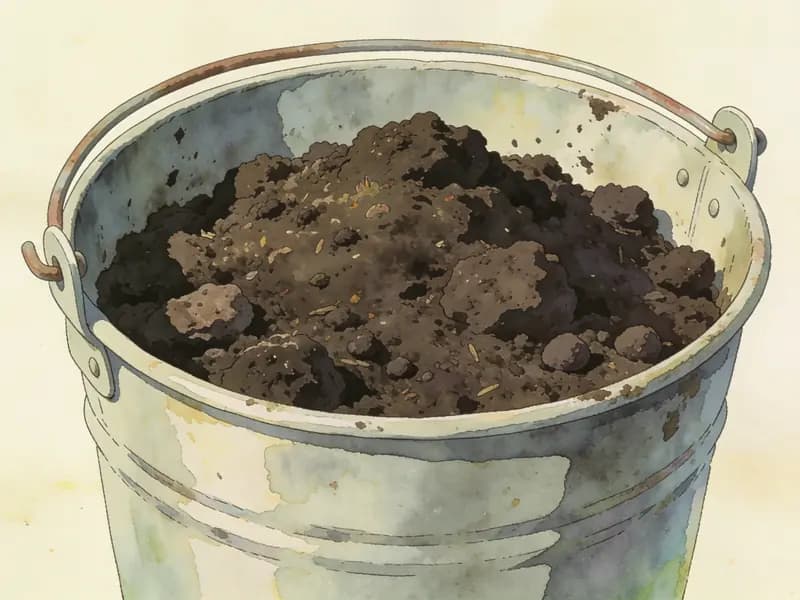 Animal manure
The manure richest in nitrogen and phosphorus. It is good for getting hungry crops going, but it is very concentrated: misused, it burns plants and unbalances the soil.
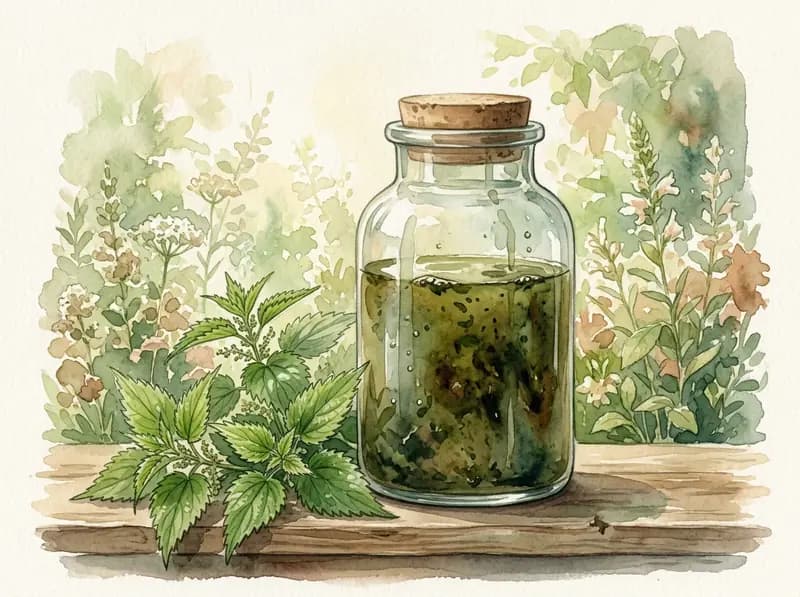 Plant liquid feed
A home-made liquid fertiliser, known above all for its nitrogen content. It is made in about two weeks with water and nettles and used heavily diluted to encourage leafy growth.
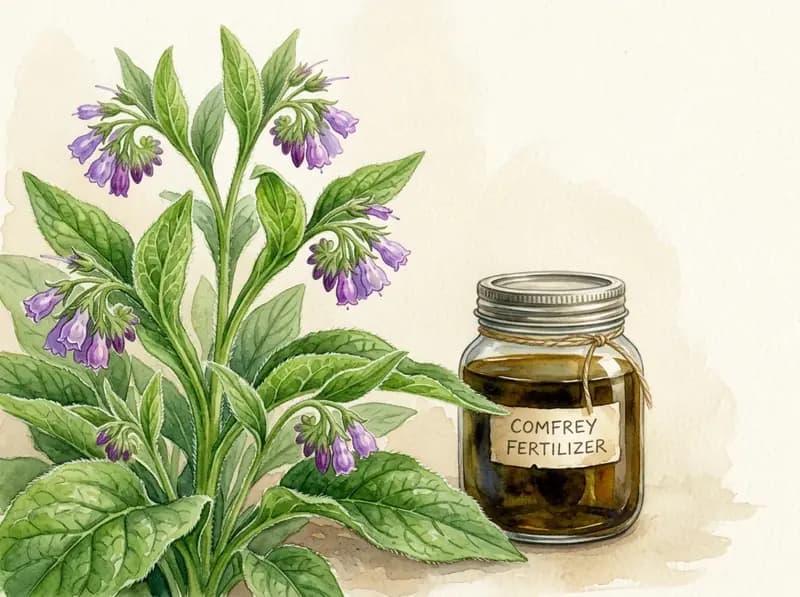 Plant liquid feed
A companion to nettle liquid feed: whereas nettle provides mainly nitrogen, comfrey provides more potassium (K), useful for flowering and fruit set. It is prepared in a similar way.
 Animal or plant meal
It provides slow-release phosphorus and calcium, useful for rooting and flowering. It is mixed into the hole when planting fruit trees and bulbs. It works better in neutral or acid soils than in chalky soils.
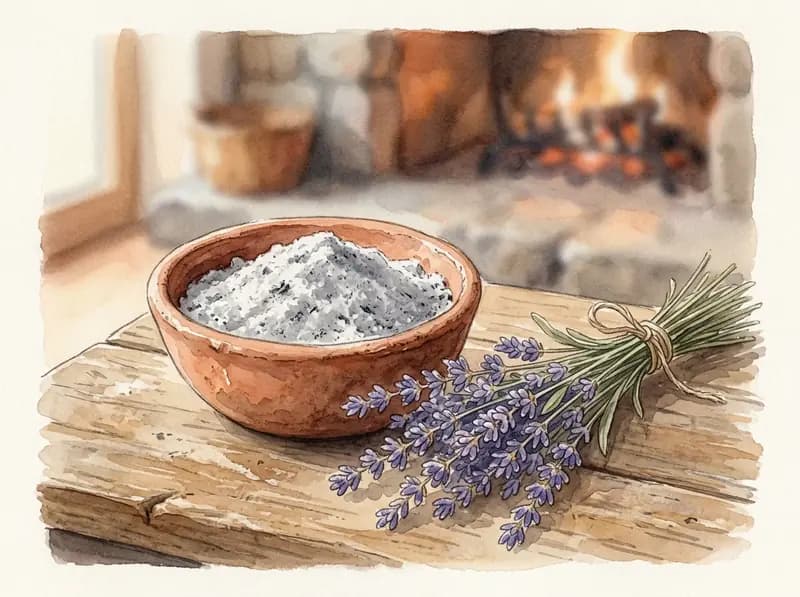 Household waste
It provides potassium, calcium and other minerals, and raises soil pH. It is only suitable for acid soils, since most Spanish soils are neutral or chalky and do not need it. Use it sparingly: too much ash makes the soil salty.
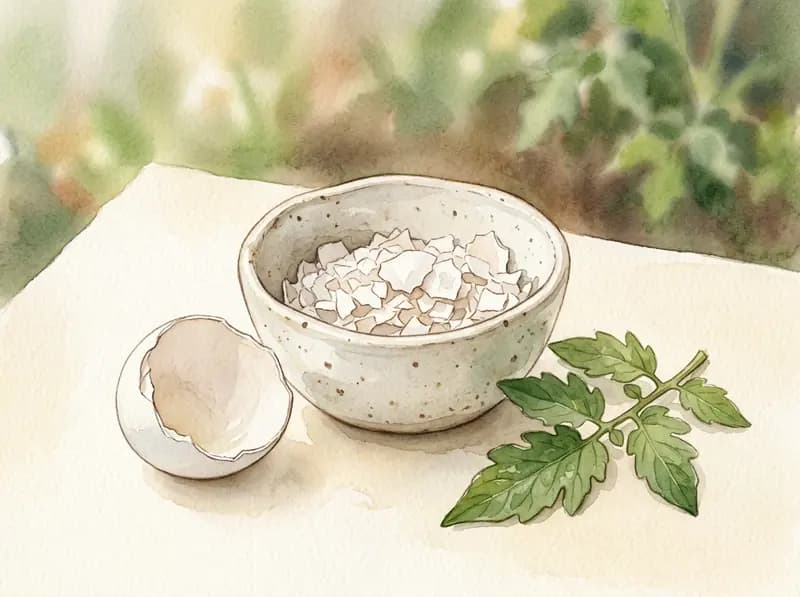 Household waste
It provides calcium, but only if ground until it is like flour. It does not cure blossom end rot in tomatoes, which is mainly due to irregular watering. Whole or in pieces, it is barely noticeable in the soil.
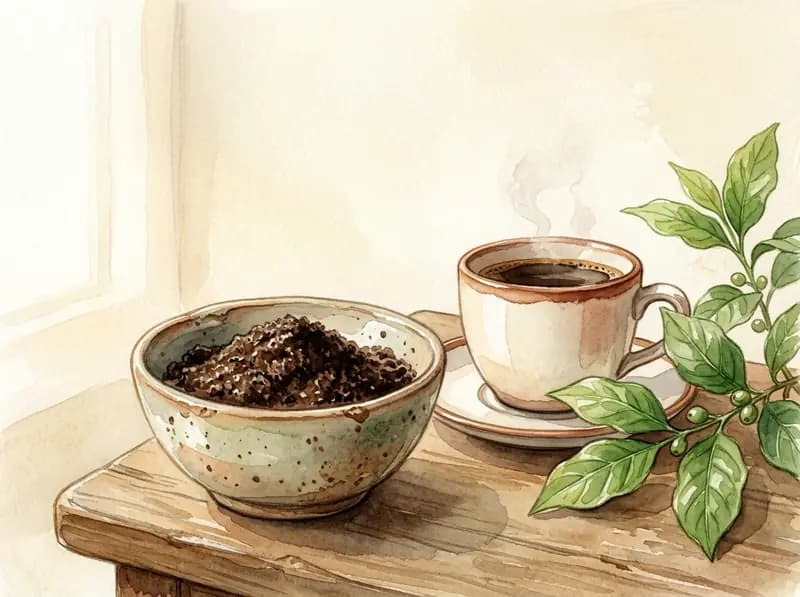 Household waste
Coffee grounds contain nitrogen and organic matter. Once used they are almost neutral, so they do not work for acidifying the soil. They go well in compost; in the soil, only as a thin layer, because they pack down.
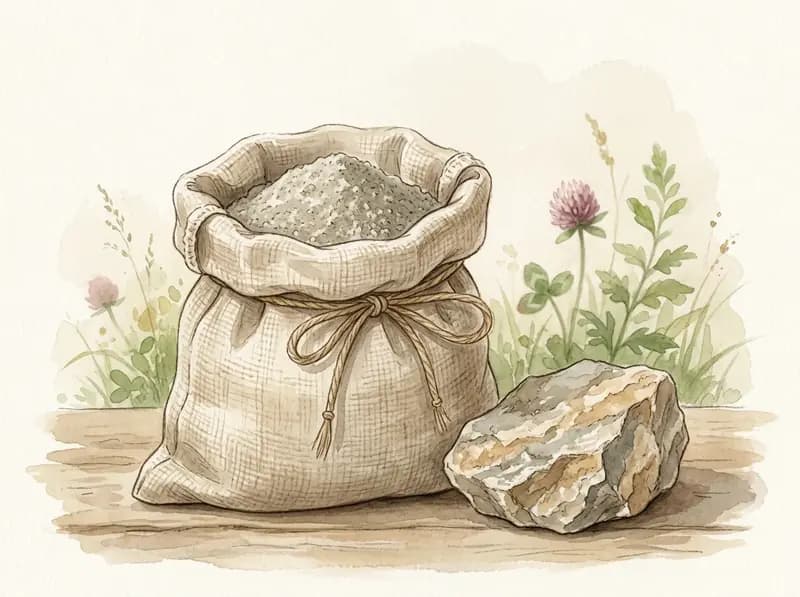 Mineral amendment
A mineral source of phosphorus with very slow release, intended for base soil amendments for long-cycle crops (fruit trees, asparagus, artichoke). It is the non-animal alternative to bone meal and performs better in acid soils.
 Mineral amendment
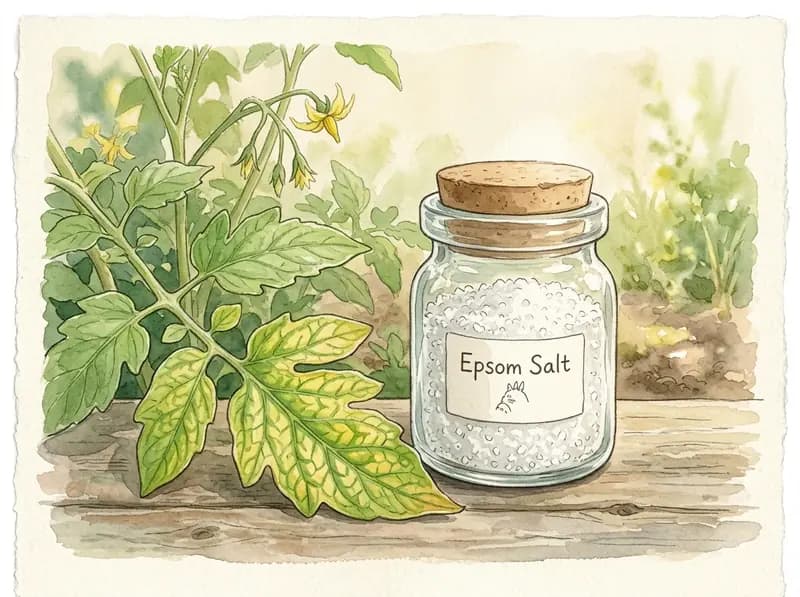
It corrects a magnesium deficiency (older leaves yellowish between green veins). It is not a general fertiliser, but a one-off correction. It is cheap and can be found in garden shops.
 Mulch
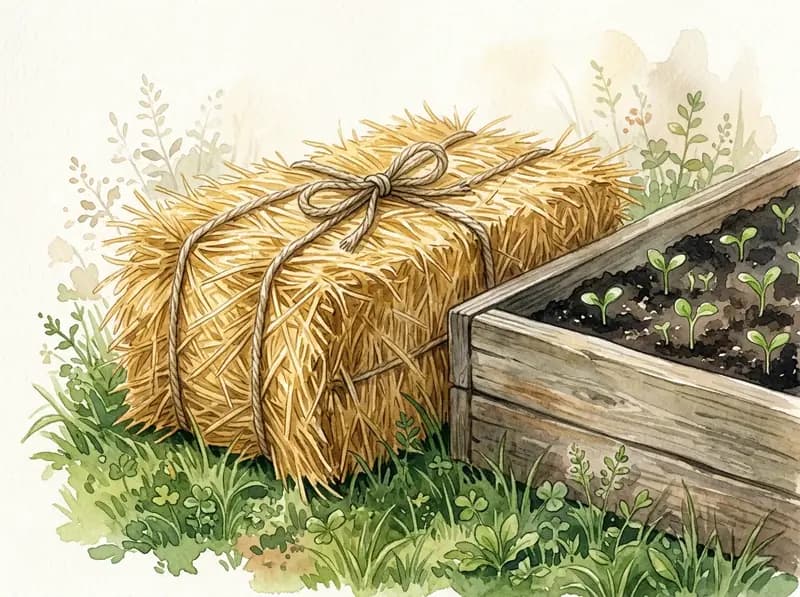
It is not a fertiliser in itself, but as it breaks down it feeds soil life, keeps moisture in, reduces evaporation and holds back weeds.
 Animal or plant meal
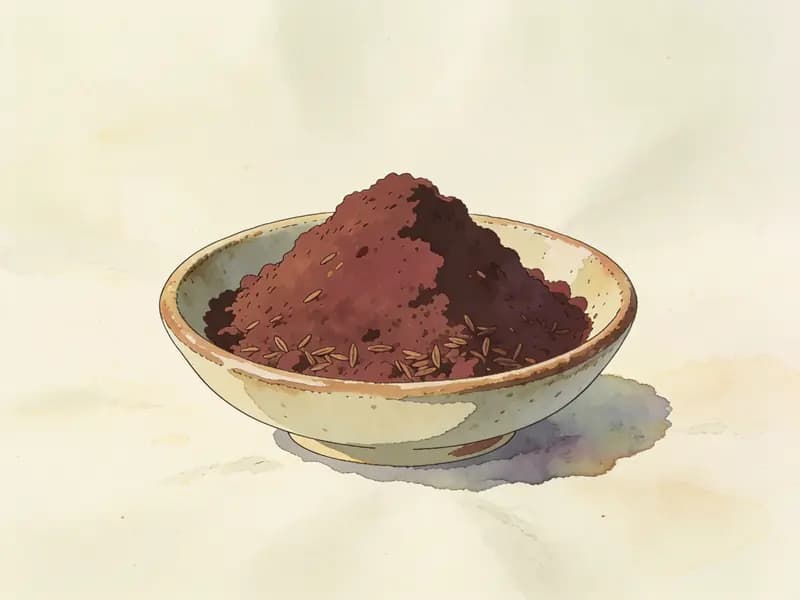
It is one of the most concentrated nitrogen sources among those permitted in organic farming. It acts fast and is used to correct a clear lack of nitrogen. It is best used sparingly; if you prefer to avoid animal origin, you can turn to nettle liquid feed.
Any fertiliser, even the most “homemade” one, can scorch plants if you apply too much. Little and often is better than a lot at once. The doses given are only a guide: adjust them to your soil, climate and crop. If in doubt, use compost. How to make your own compost.