
12 guides
Habitats and breeding places for garden helpers
How to give a home, food and shelter to those who work with you: ladybirds, bees, hedgehogs, bats… Each guide gives the materials, the measurements, the step-by-step and the most common mistakes. The underlying idea is simple: it is better to attract than to release.
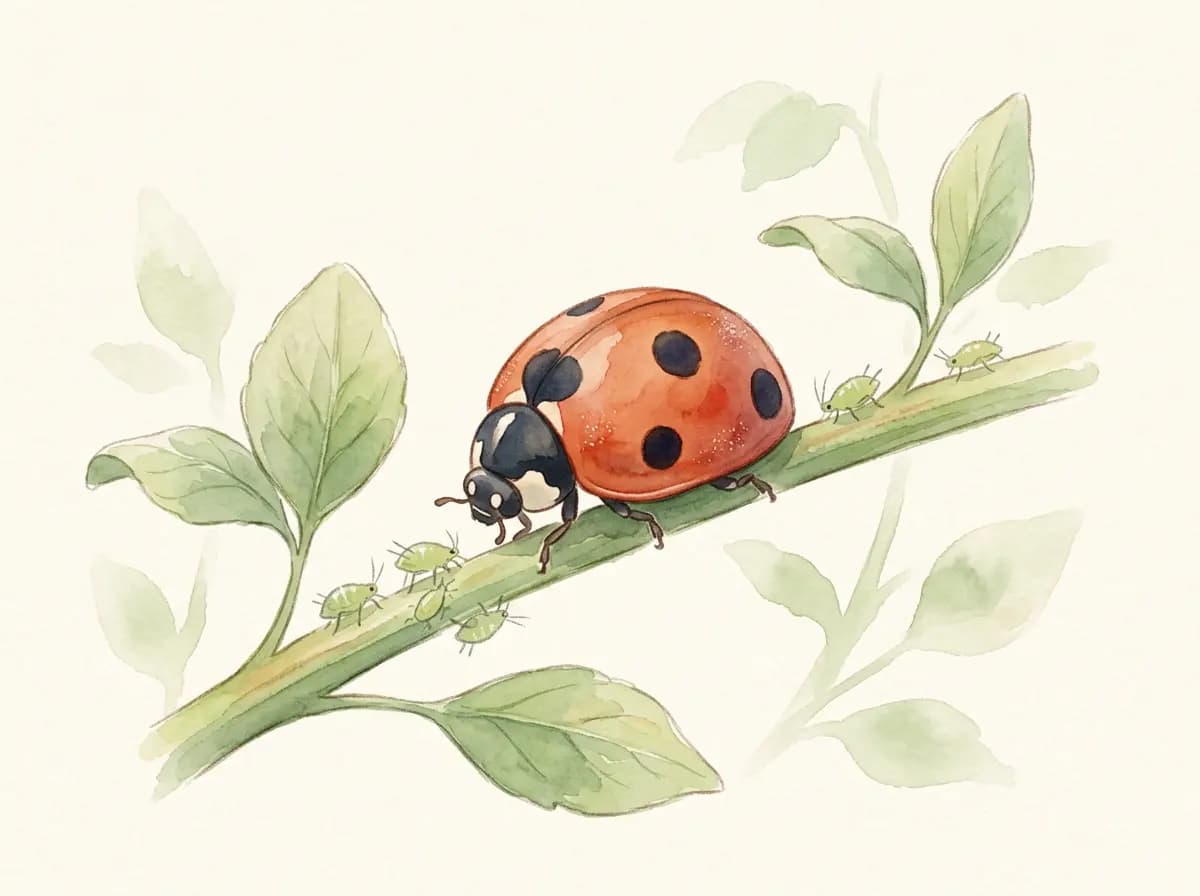
LadybirdsAttract first: rescue larvae and pupae from your own plants and give them shelter for the winter.
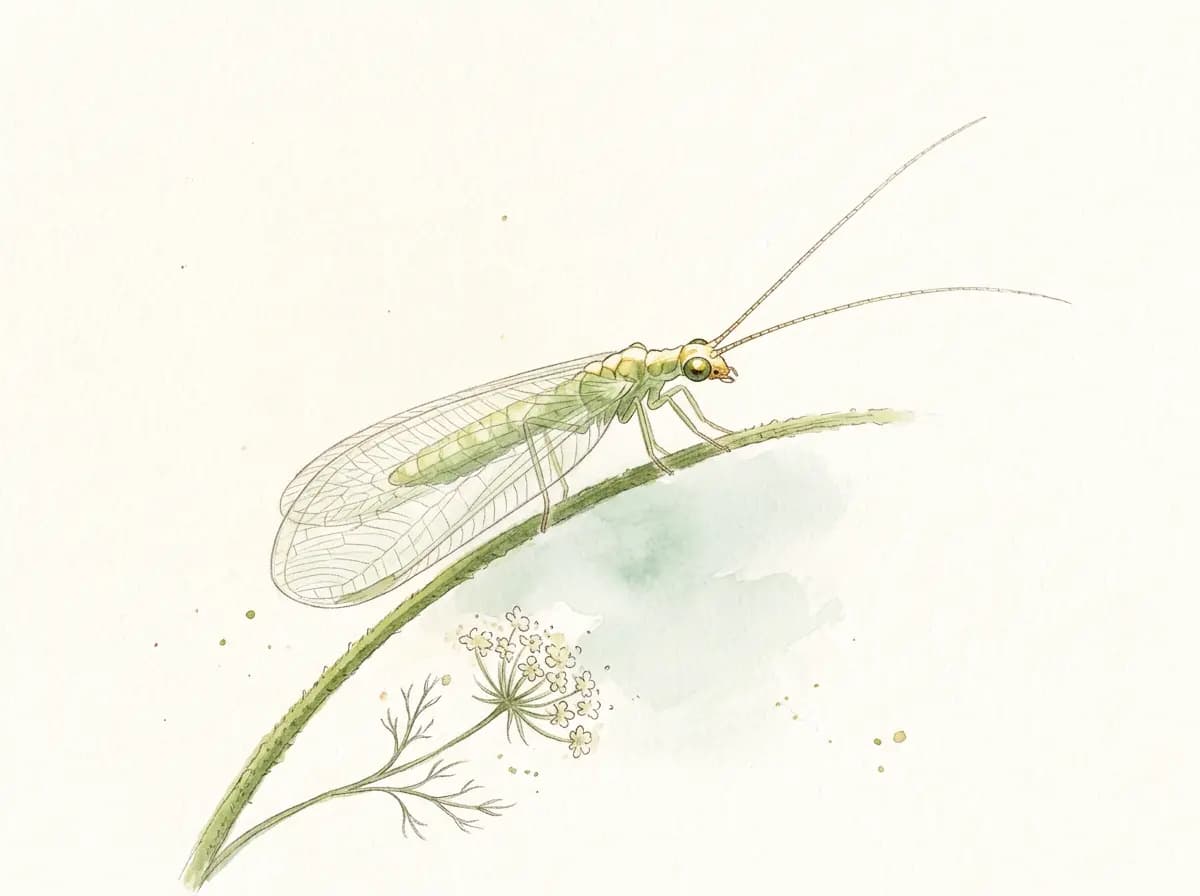
LacewingsA box with straw and nectar flowers keep these “green fairies” in your garden.
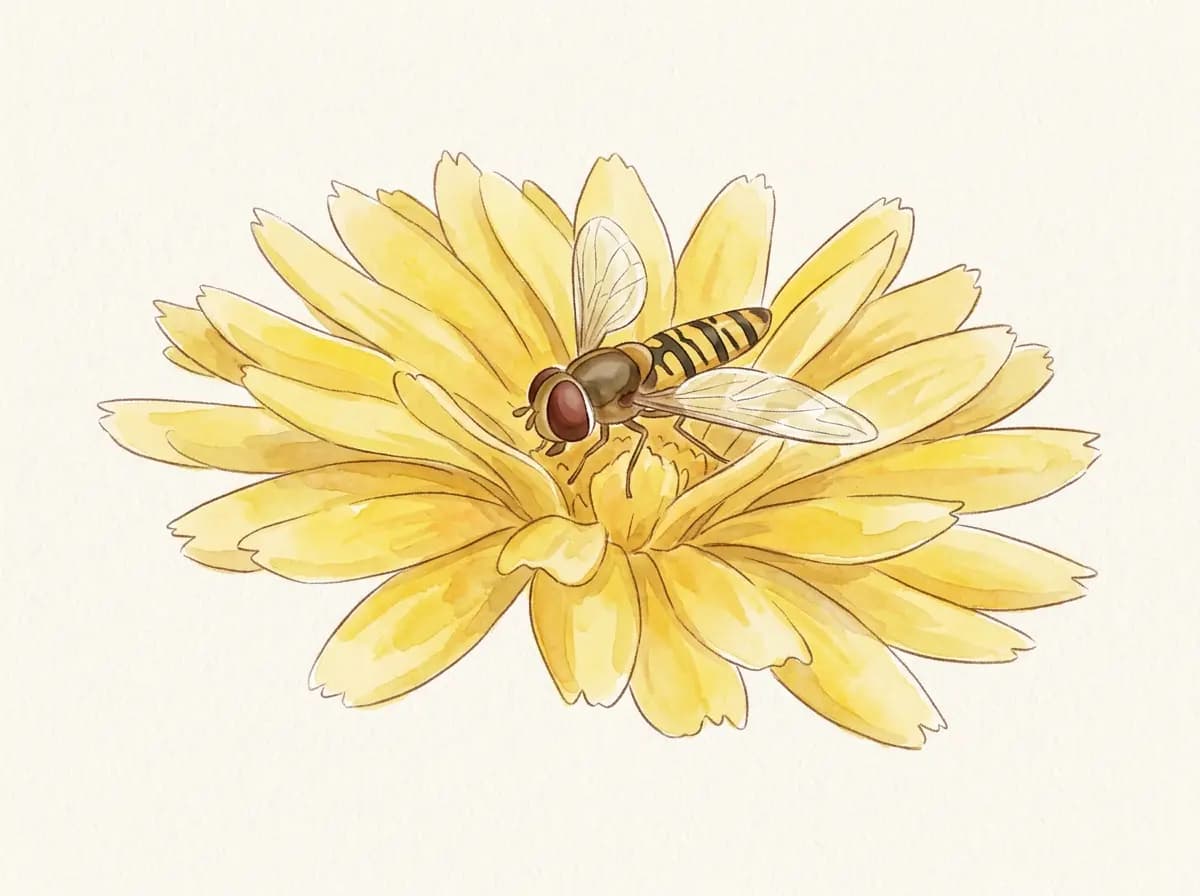
HoverfliesSmall flowers all year round and a bucket of water and leaves attract these wasp-like flies.
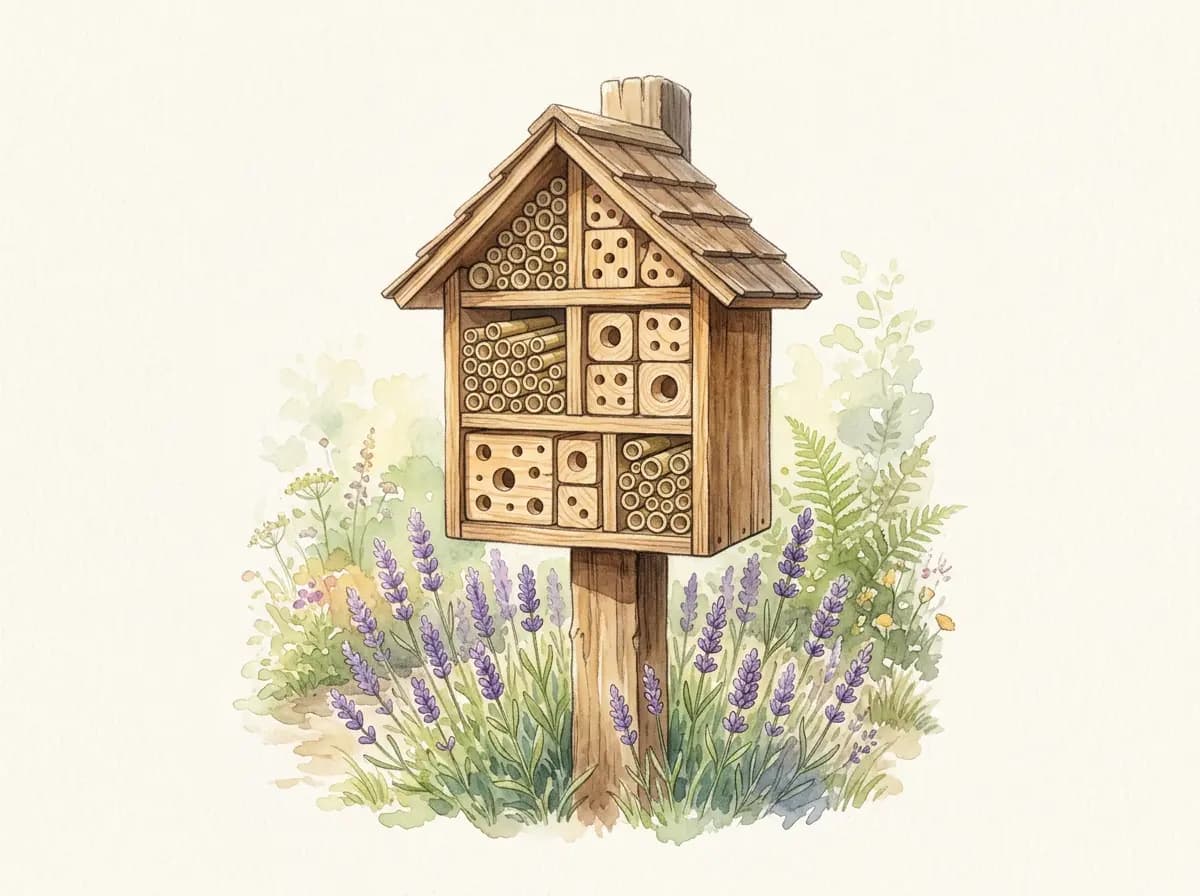
Solitary beesTubes of different diameters, closed at the back and in the morning sun: a home for hundreds of pollinators.
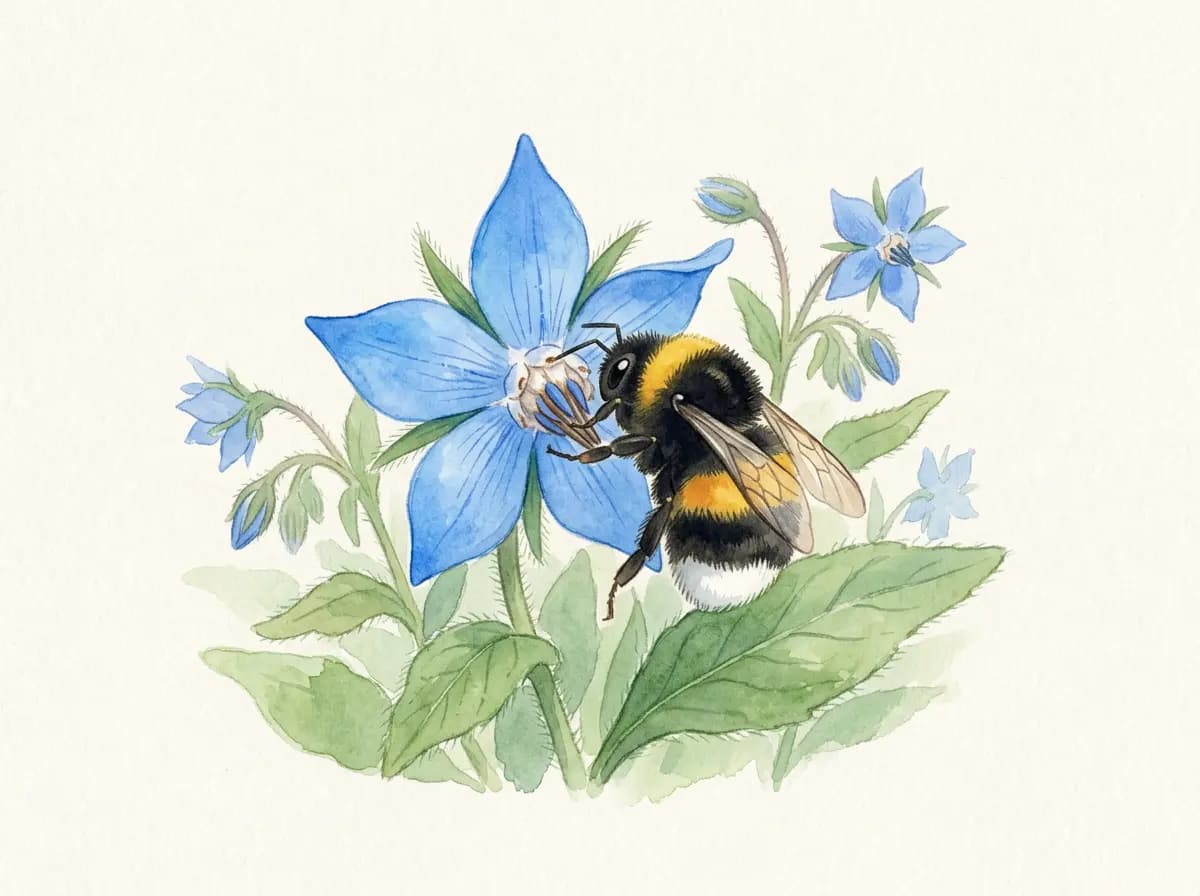
BumblebeesUncut corners, flowers from February and quiet cavities: what they appreciate most.
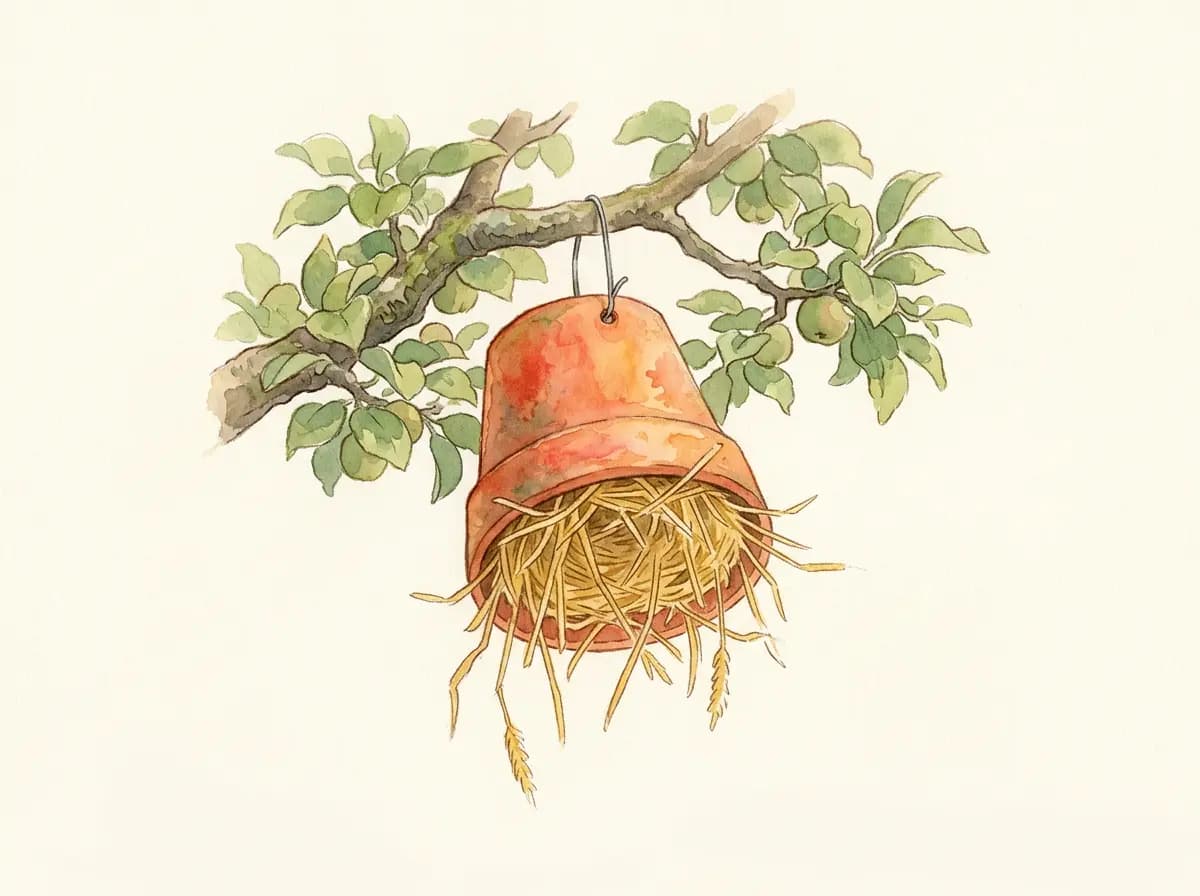
EarwigsA pot with straw hung in the fruit tree: earwigs rest by day and eat aphids by night.
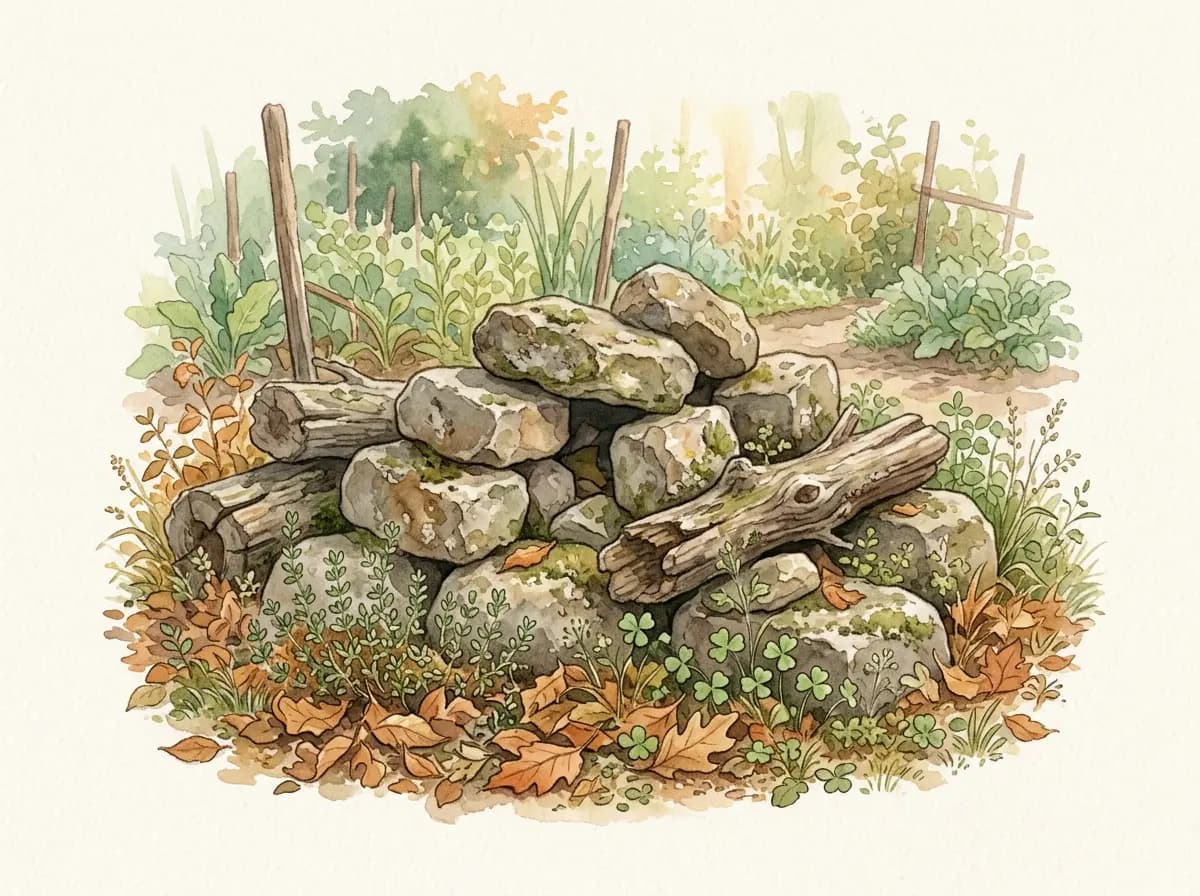
Ground beetles and spidersA corner with stones, logs and leaf litter is the best home for these ground hunters.
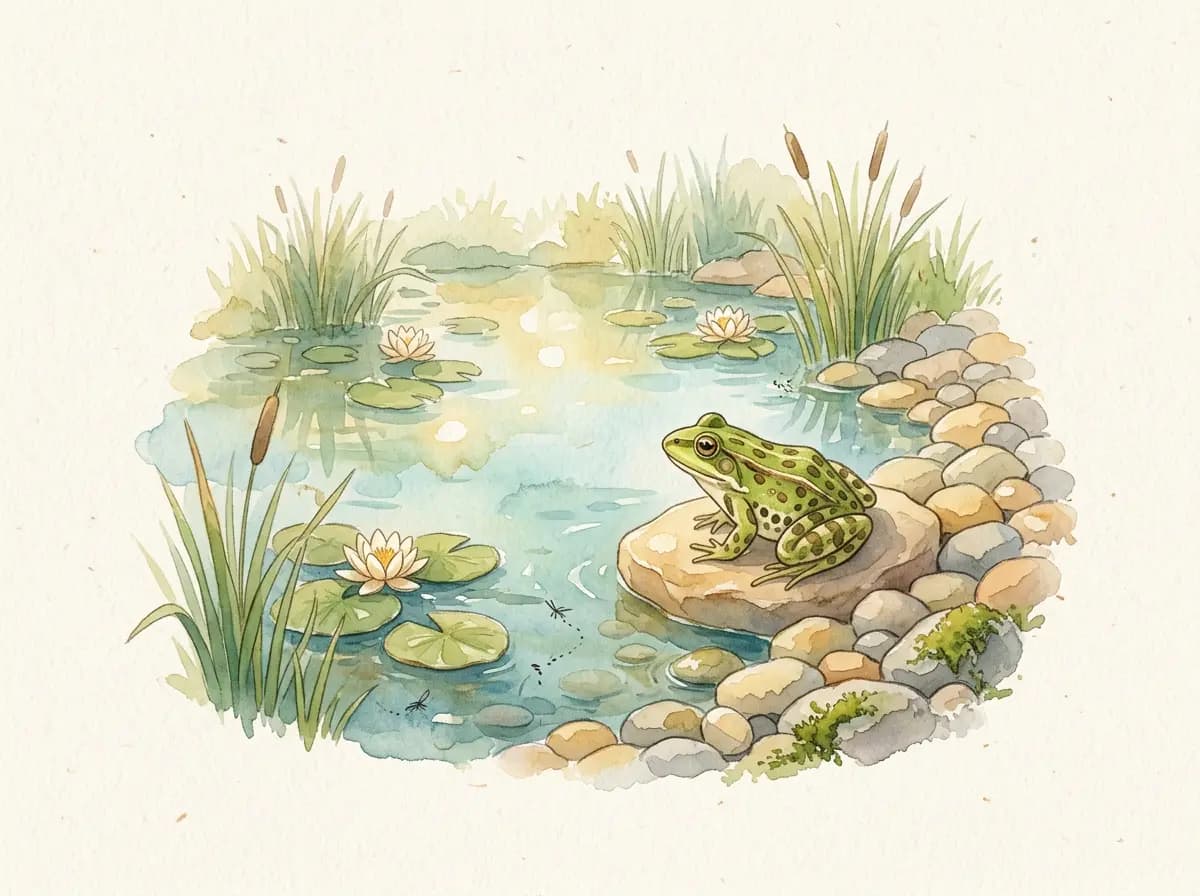
AmphibiansA shallow, fish-free pond with a gentle edge and shelter nearby. They arrive on their own.
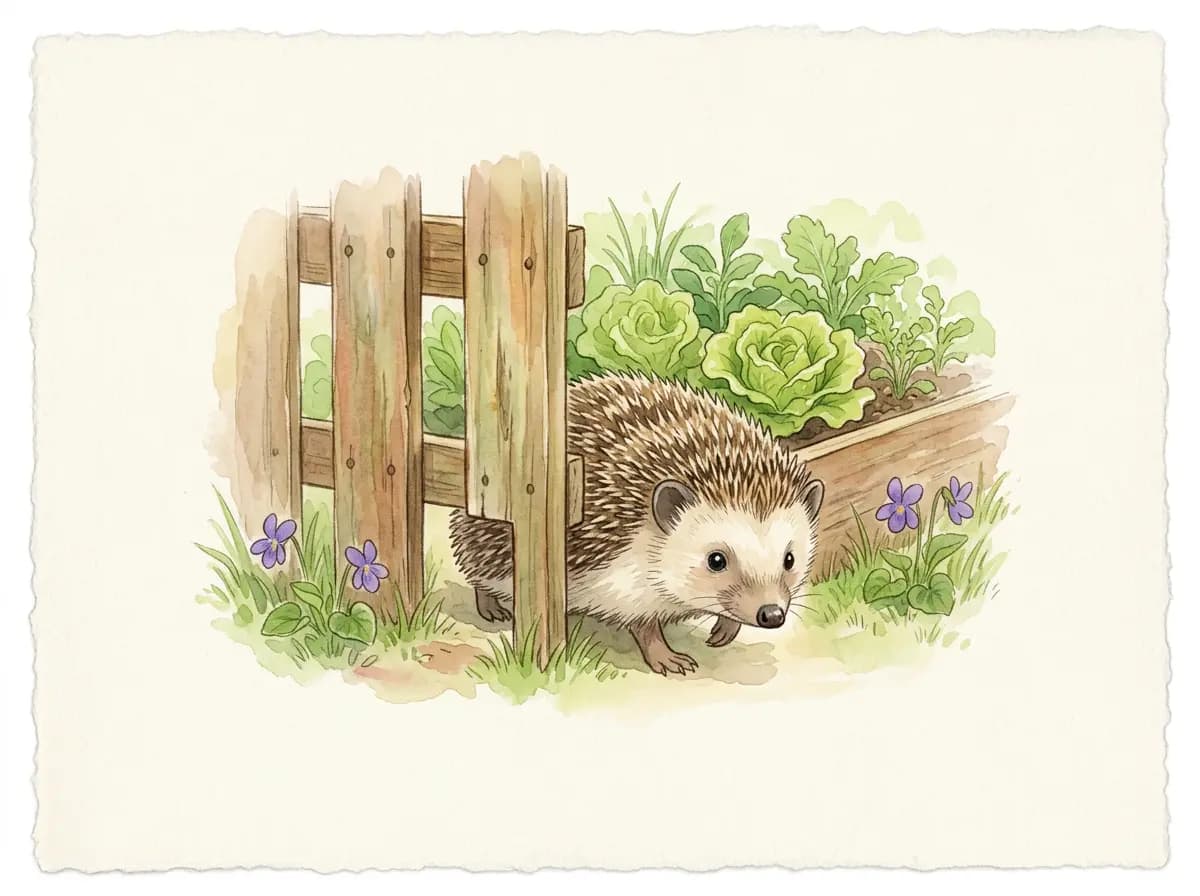
HedgehogsA 13 × 13 cm gap in the fence and a corner with leaves and branches is what they appreciate most.
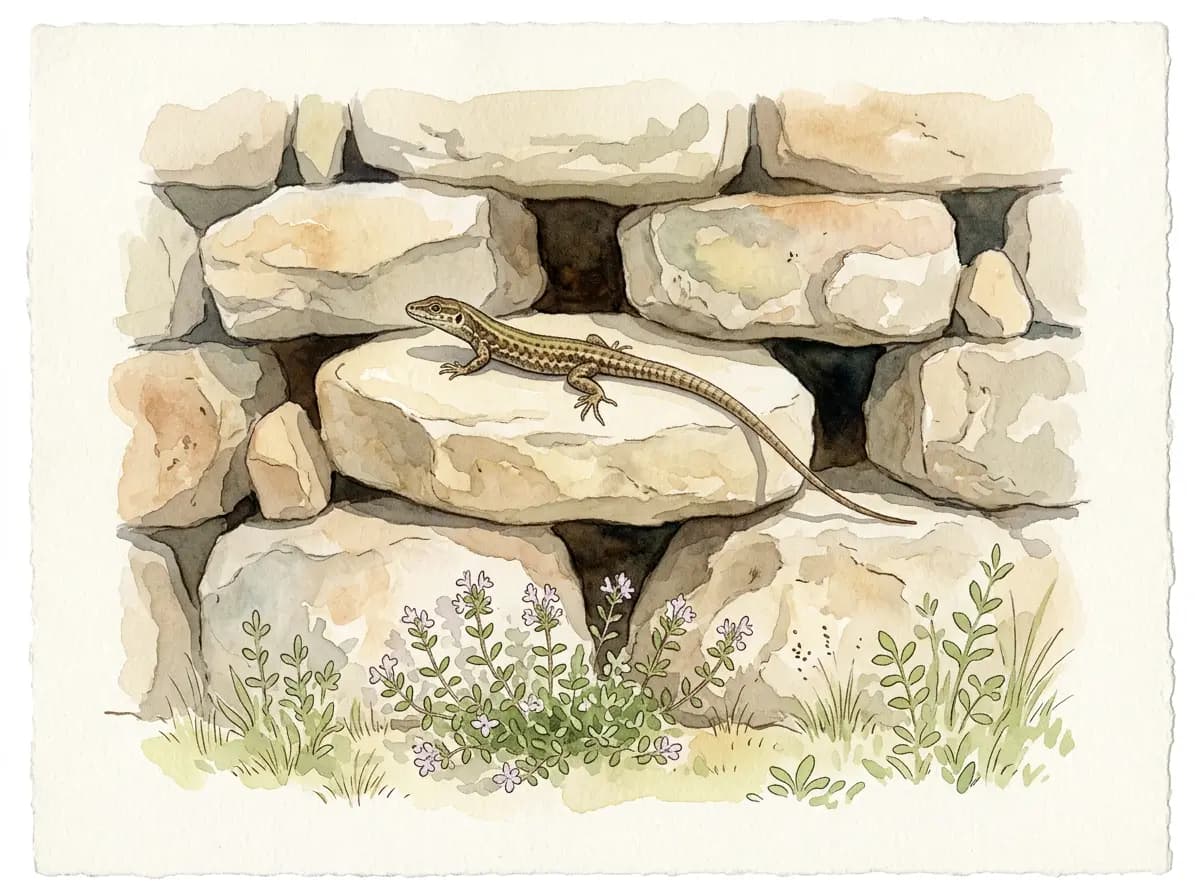
LizardsA stone wall in the sun, with gaps and no cement, is their home and their sunbathing terrace.
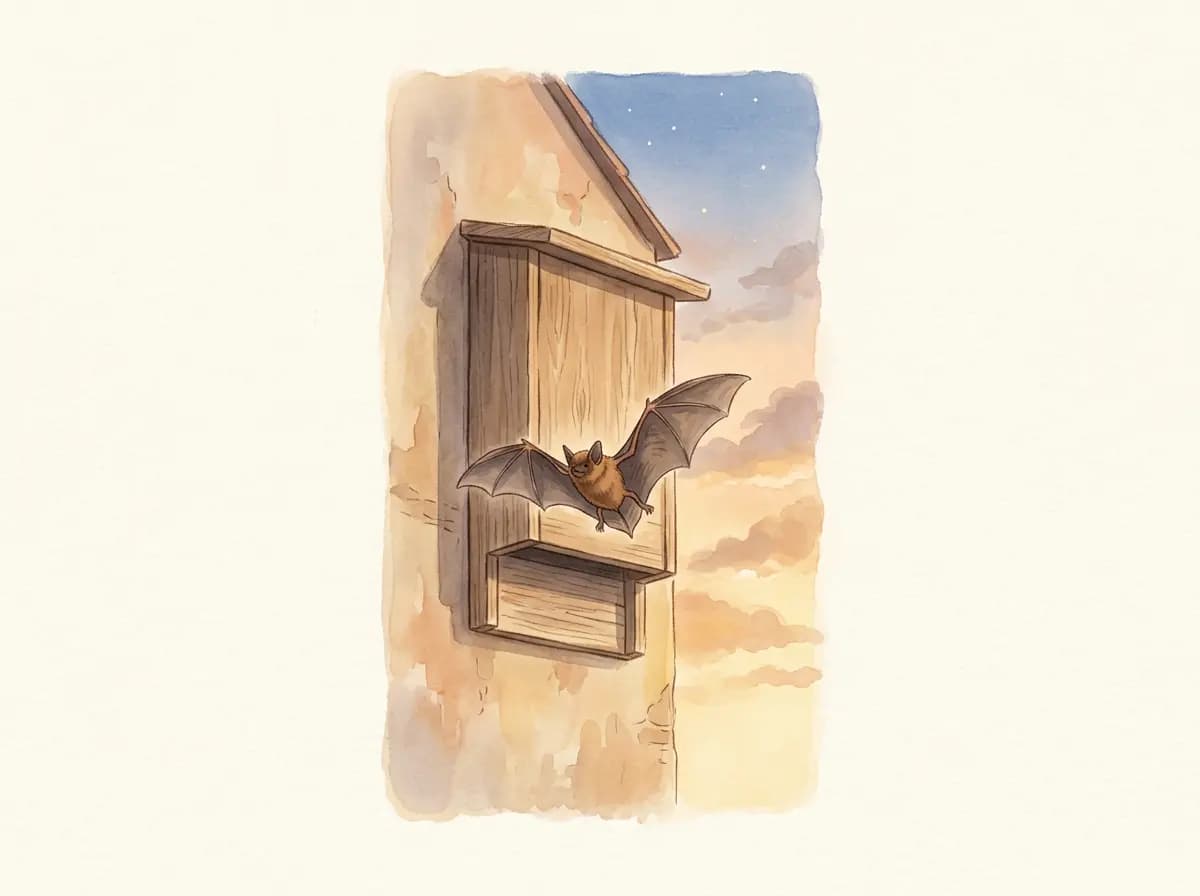
BatsA wooden box with a narrow, high, sunny slot, and a quiet night.
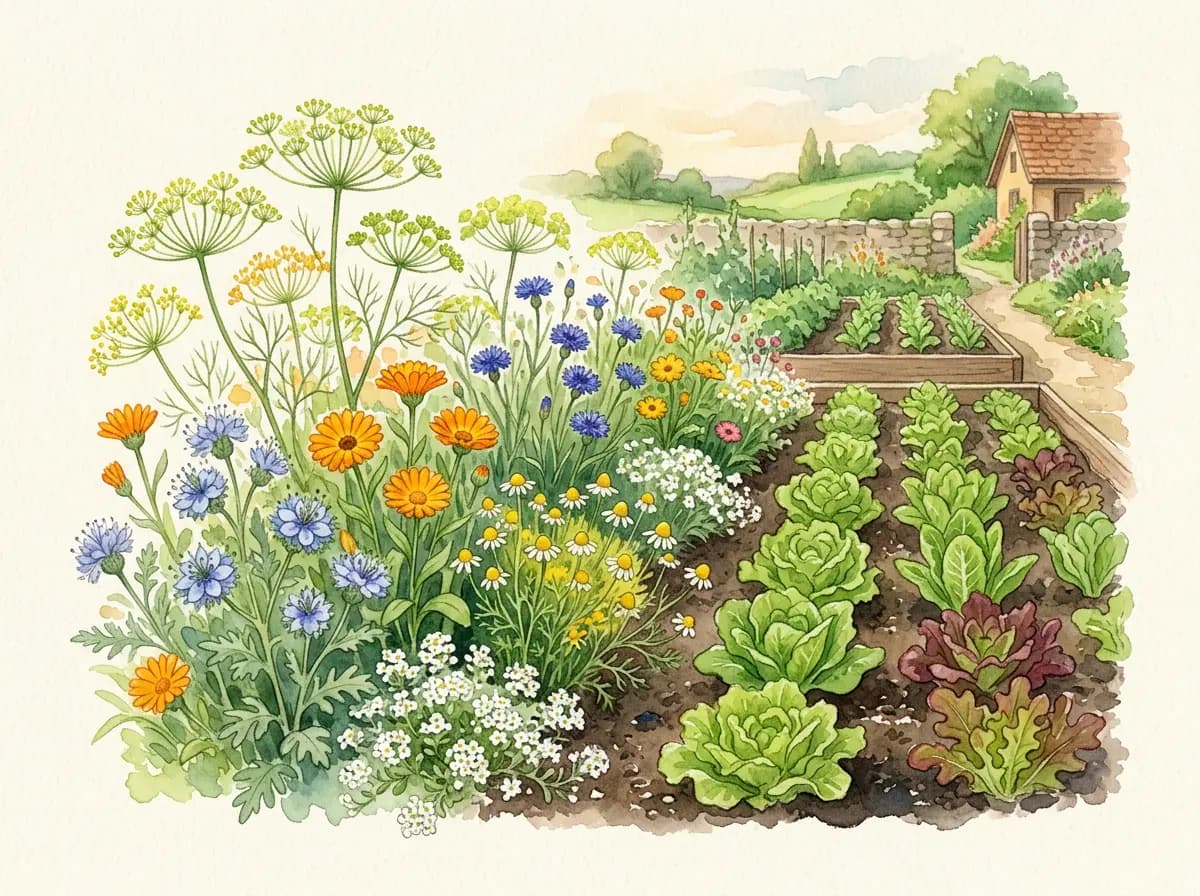
Insectary plants and flowering bordersA strip of flowers beside the bed gives nectar, pollen and shelter to all the allies.
Prefer to build? Also see the insect hotel, the mini pond, the hedgehog shelter and nest boxes for birds. And to know who is who: allies and pollinators, butterflies and birds.