
vuelta al huerto

In season now…

The calendar of the garden and the countryside

What to pick, what to sow and what to enjoy each month: garden harvests, wild fruit (blackberries, chestnuts, sloes…), edible wild plants (wild asparagus, nettles, borage…) and mushrooms. Want to know what to sow in your zone? Have a look at the sowing calendar.

Snail· forage wisely
Pick only what you recognise with 100 % certainty, leave fruit for the animals and so the plant can reproduce, and respect private property and protected areas. No app replaces doubt.

These notes are based on Spain: temperate Mediterranean and Atlantic climate, northern hemisphere. Species, dates and rules vary from country to country, so treat them as a guide.

Hemisphere

In season this month

November

7 suggestions

Garden harvest· 1

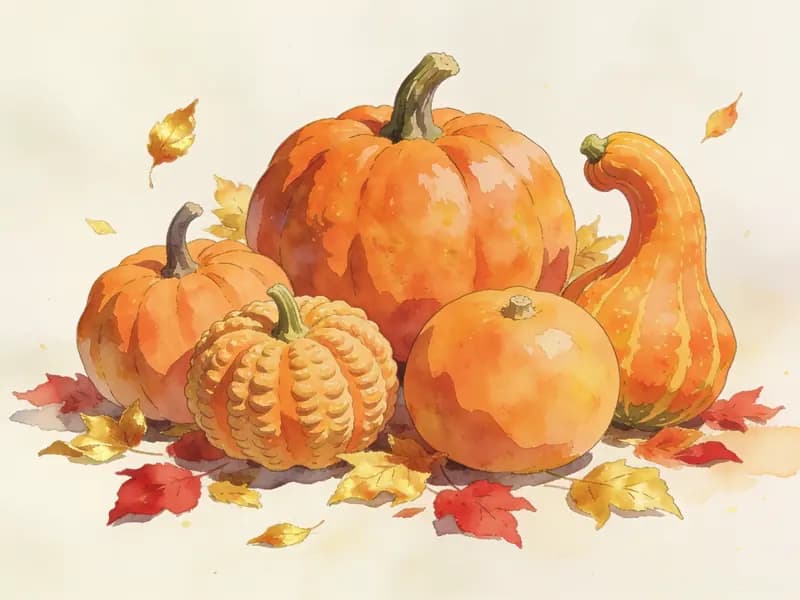
Ripe pumpkins and squash

Ripe pumpkins and squash

Garden harvest

A pumpkin is ready when the stalk dries out and it sounds hollow when tapped. Pick it before the first frost. It keeps for several months (up to 4-6, depending on the variety) in a dry, cool place.

  • Leave about 5 cm of stalk on each pumpkin: if you cut it flush, it rots from there.
  • Cure them in a sunny, dry spot for about two weeks: the skin hardens and they keep longer.
  • The ideal place to store them is dark, dry and at 10-15 °C.
Butternut squash

Wild fruit· 3

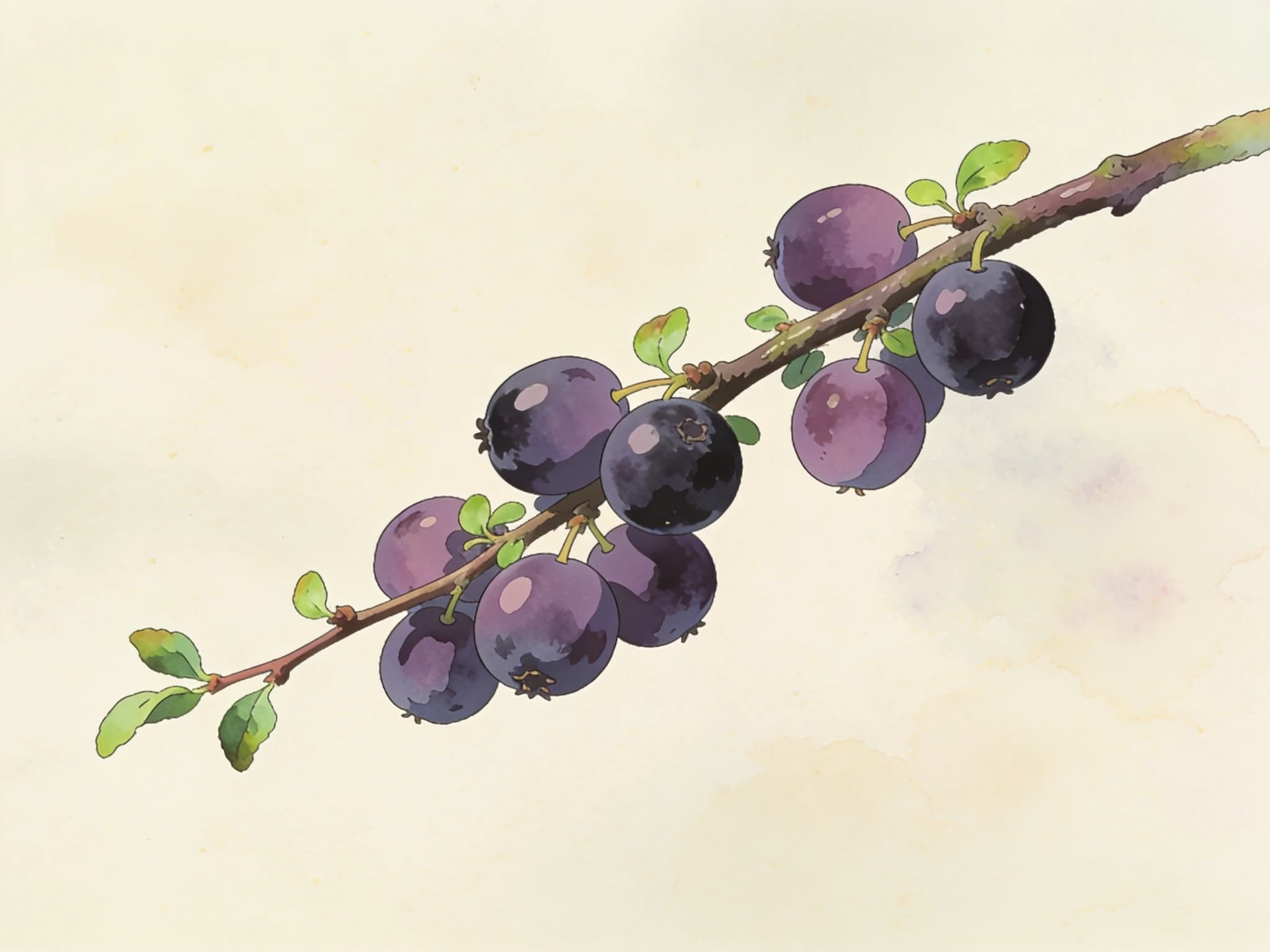
Sloes (for pacharán)

Sloes (for pacharán)

blackthorn berries · Prunus spinosa

Wild fruit

Blue-black berries of the blackthorn, best picked after the first autumn frost. Raw they are very astringent; they are mostly used for pacharán, steeped in anise liqueur for several months (3 to 6, depending on the recipe).

  • Pick them after the first frost, when the cold softens the astringency and improves the flavour.
  • If it has not frozen, put them in the freezer for 24 hours before steeping: the cold breaks down the tissues and gives a similar effect to a frost.
  • Wear thick gloves: blackthorn spines are hard and the wounds get infected easily.
Blackthorn
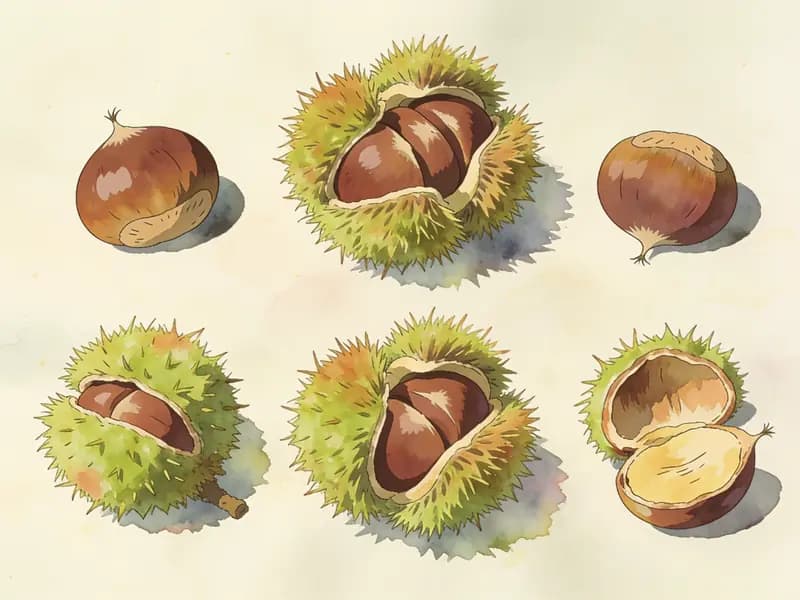
Chestnuts

Chestnuts

wild chestnuts · sweet chestnuts

Wild fruit

In chestnut woods (mainly in the north of the Iberian Peninsula), the spiny husks split open and drop the chestnuts on the ground. They are eaten roasted or boiled, or in soups and purées.

  • Collect chestnuts from the ground, not the green ones from the tree, which are still unripe.
  • Float test: put them in water; good ones sink and empty or rotten ones usually float.
  • Eat them within a week or two, or freeze them: fresh ones dry out and lose quality quickly.

Careful: Do not confuse them with horse chestnuts, from the horse chestnut trees of parks and streets, which are toxic. The edible chestnut comes in a husk covered in many long, fine spines and ends in a point with fine hairs; the horse chestnut comes in a capsule with few short, thick spikes and is round, without a point.

Sweet chestnut
Wild and garden pomegranates

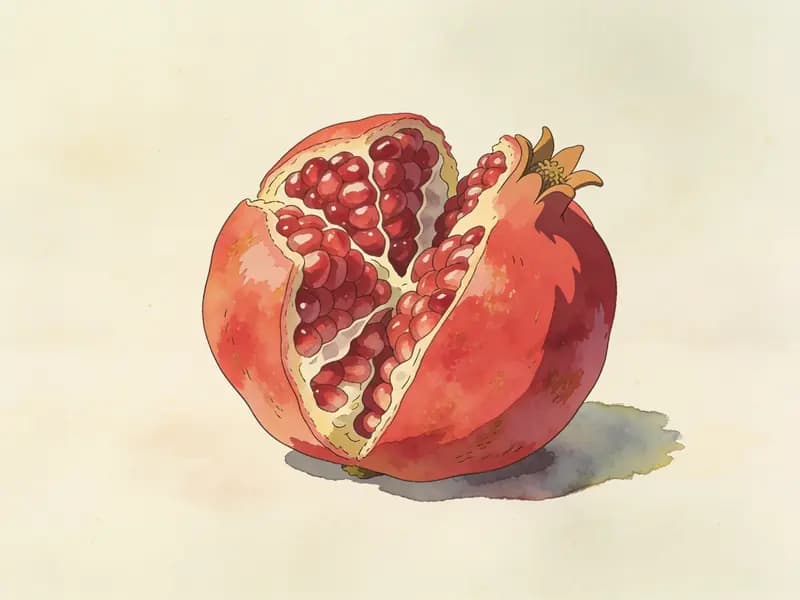
Wild and garden pomegranates

Wild fruit

Abandoned pomegranate trees in many villages still bear fruit. Eat it seed by seed, as juice or in a salad.

  • It is ready when the skin has a deep colour and sounds almost metallic when tapped. If it has already split, pick it as soon as possible.
  • To get the seeds out without splashing, open the pomegranate in a bowl of water: the juice stains clothes badly.
Pomegranate 'Mollar de Elche'

Wild plant· 1

Dandelion

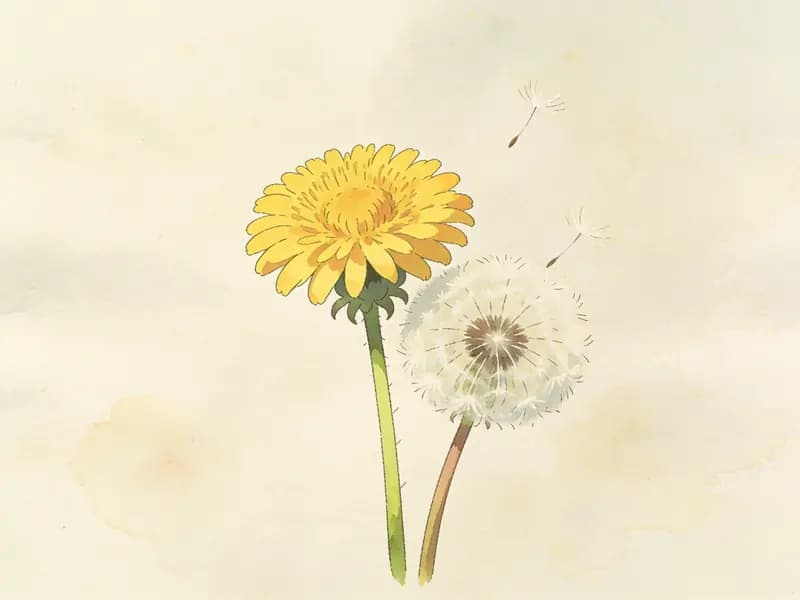
Dandelion

Taraxacum · lion's tooth

Wild plant

The young rosette of toothed leaves and the yellow flowers are edible. In a salad it has a bitter edge. The roasted root was used as a coffee substitute in times of scarcity.

  • Pick the young leaves before the plant flowers: afterwards they are more bitter.
  • Do not confuse it with greater celandine, which also has yellow flowers but an orange latex. Avoid path edges and treated fields.
Dandelion

Mushroom· 1

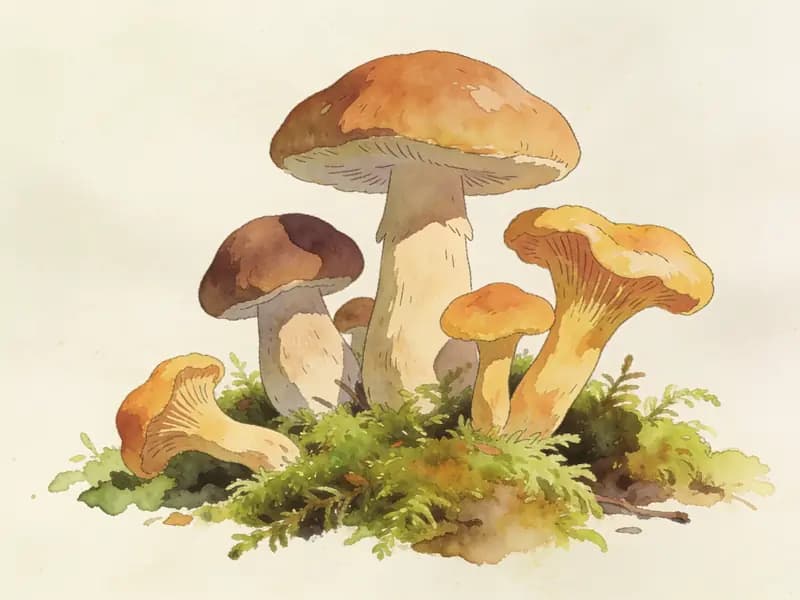
Autumn mushrooms (saffron milk caps, porcini…)

Autumn mushrooms (saffron milk caps, porcini…)

porcini · saffron milk cap · chanterelle · parasol mushroom · field mushroom

Mushroom

Saffron milk caps are sought in pine woods, porcini (Boletus edulis) in beech woods and chestnut groves, and wild field mushrooms in meadows. Pick only the mushrooms you can identify with total certainty, and check the rules where you are, because in many places there are limits on quantity or a permit is needed.

  • Never eat a mushroom you do not recognise with total certainty. No phone app is reliable for deciding whether a mushroom can be eaten.
  • Carry a wicker basket, not a closed plastic bag: mushrooms spoil quickly in plastic.
  • Take the mushroom whole, with the base of the stem, because it has features (such as the volva of the amanitas) that are essential for identifying it. Cover the hole with leaf litter.
  • Learn with an experienced person or on a course run by a mycological society before eating anything, and show your basket to an expert if you have doubts.

Careful: The death cap (Amanita phalloides) is deadly and has often been mistaken for edible mushrooms. Do not eat any mushroom without a certain identification; if you have digestive symptoms hours after eating mushrooms, go to the emergency department (112 in Spain; use your local emergency number elsewhere) with leftovers of the mushroom.

Job of the month· 1

Getting the garden ready for winter

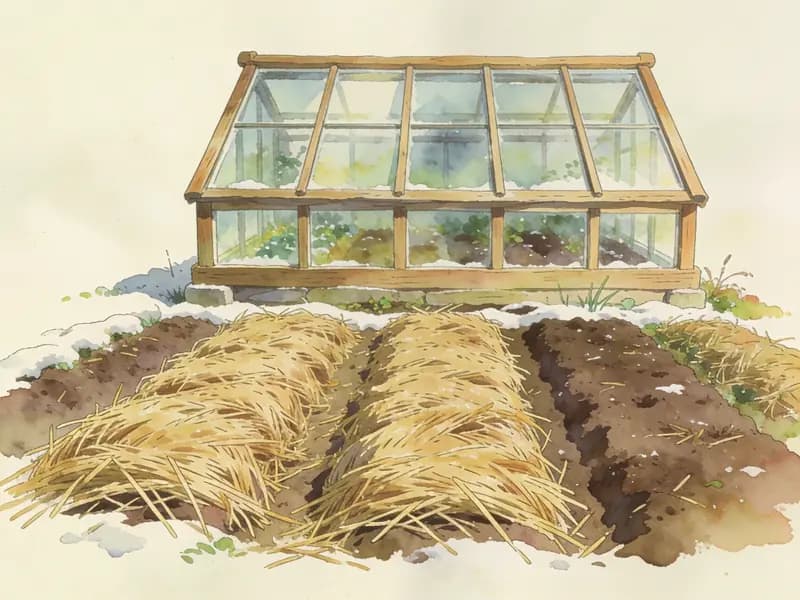
Getting the garden ready for winter

Job of the month

Gather the last of the bed. Add compost or well-rotted manure. Sow a green manure (broad beans, vetch, oats) or cover the soil with mulch.

  • Do not leave the soil bare in winter: sow green manure or cover it with straw.
  • Finished compost is spread now as a base feed for spring.
  • Deciduous fruit trees are best pruned in January and February.

Important warning about mushrooms: many edible species look like deadly ones (for example Amanita phalloides, the death cap). NEVER eat a mushroom without a 100 % certain identification. Learn with a local expert or an identification course before foraging to eat.