
Not one more insecticide
The first step to having allies is to stop using broad-spectrum products: they do not tell friend from foe and end up harming those who help you.
Garden allies
Before doing anything about a creature, check whether it is an ally. Ladybirds, lacewings, hoverflies, toads, hedgehogs, bats, lizards… They work for free all year: they keep other visitors in balance, pollinate and recycle organic matter.
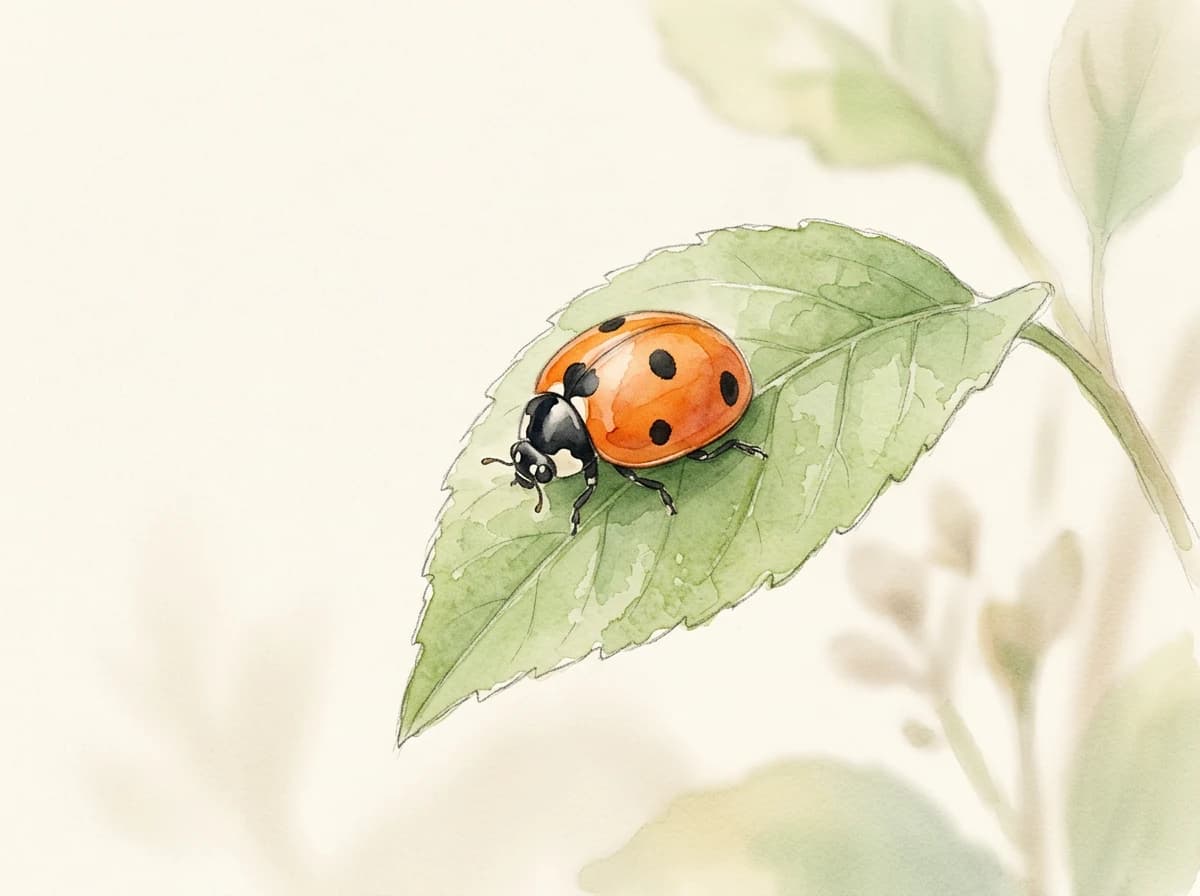 Predator
The queen of biological control. An adult ladybird eats about 50 aphids a day, and its larva several hundred before it becomes a pupa. If you see aphids and ladybirds together, do nothing: give them a week.
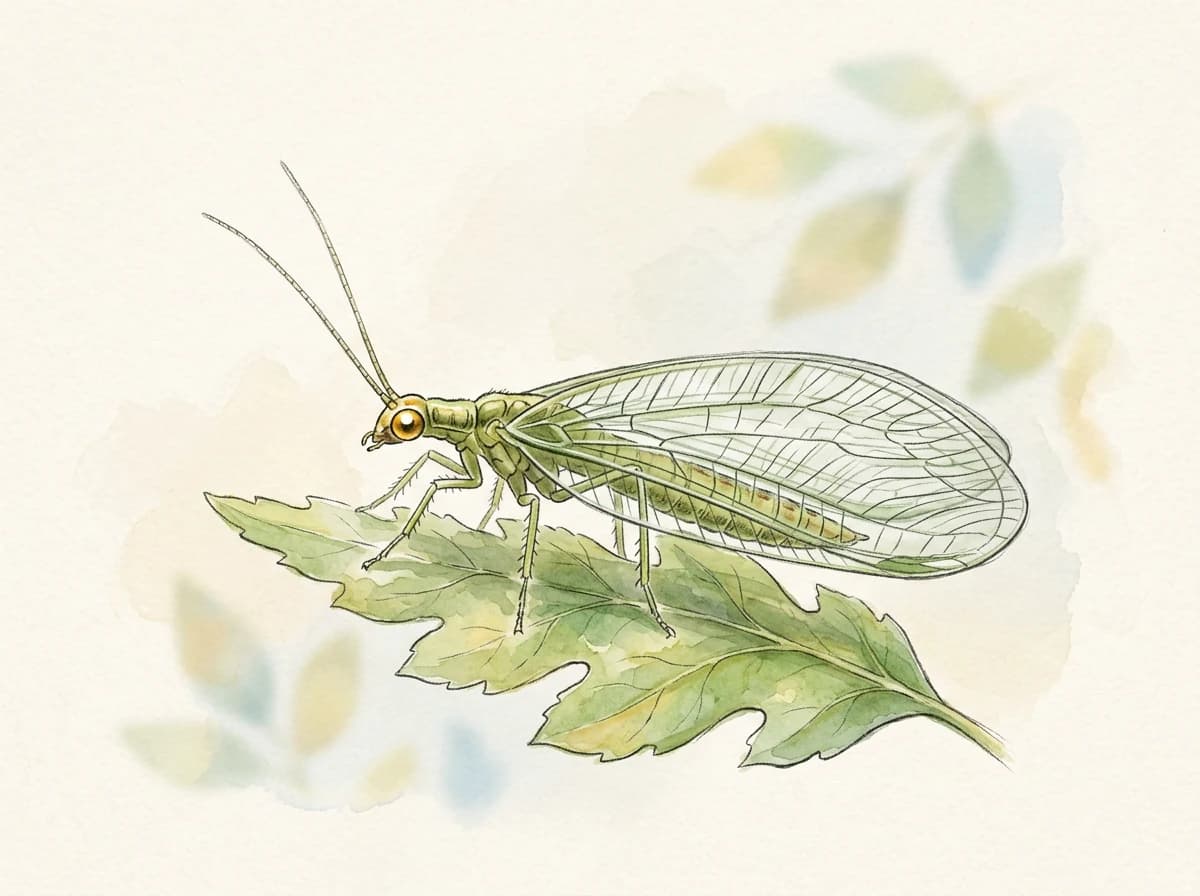 Predator
A translucent green insect with golden eyes. The adult feeds on nectar and pollen, but the larva is a voracious hunter: it eats aphids, thrips, scale insects and whitefly eggs, several hundred prey during its development.
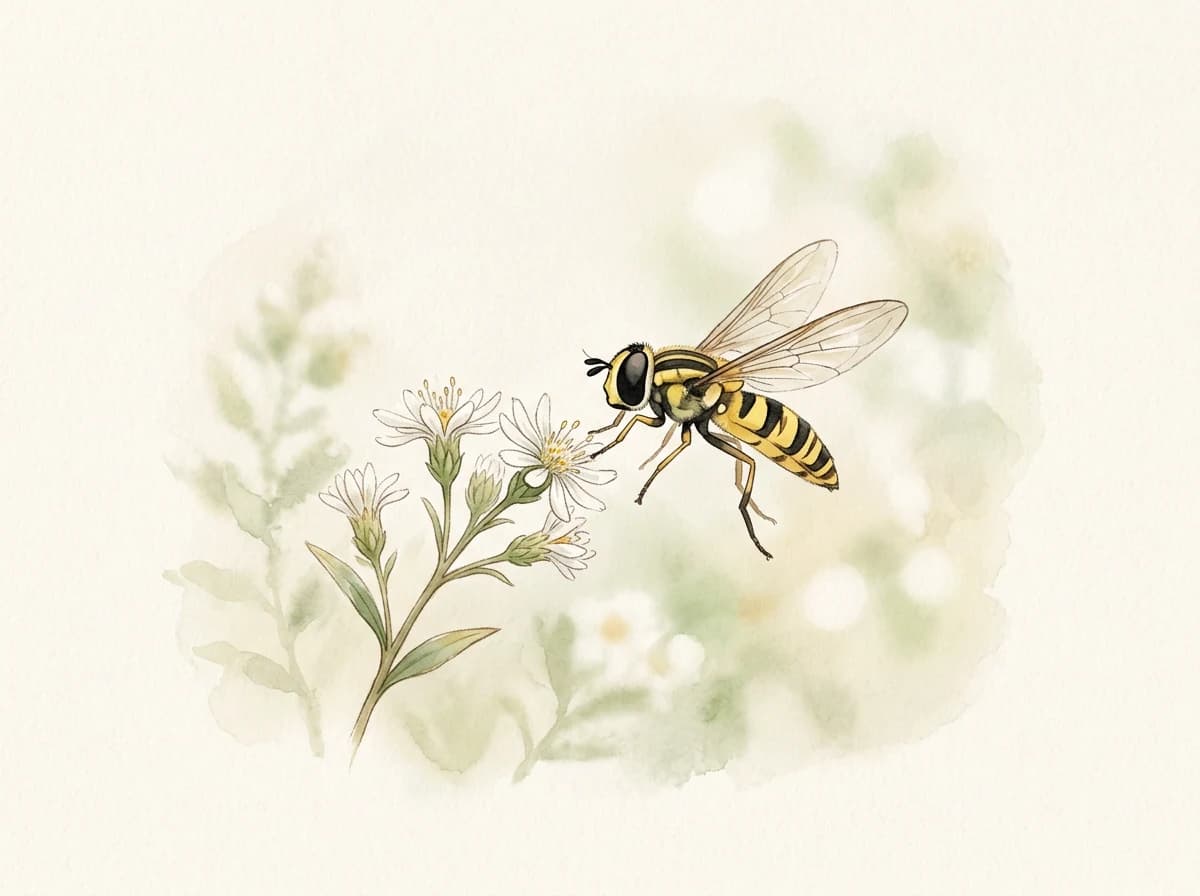 Predator
They look like wasps but are harmless flies that hang motionless in the air. The adult pollinates (it is one of the most important pollinators after bees) and the larva eats hundreds of aphids.
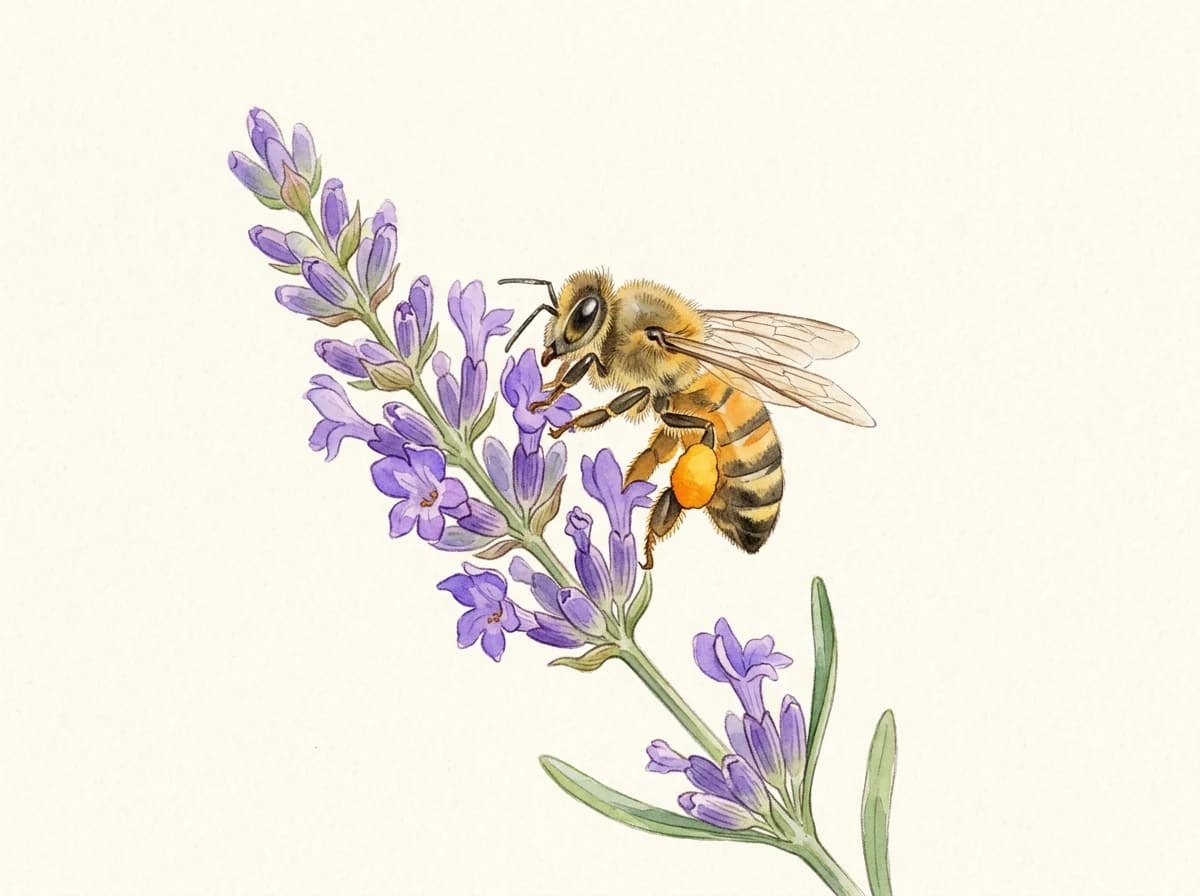 Pollinator
It is the best-known pollinator. Pollinating insects, with bees at the head, play a part in about a third of the food we eat. Without them we would get far fewer courgettes, pumpkins, strawberries, apples or cherries.
 Pollinator
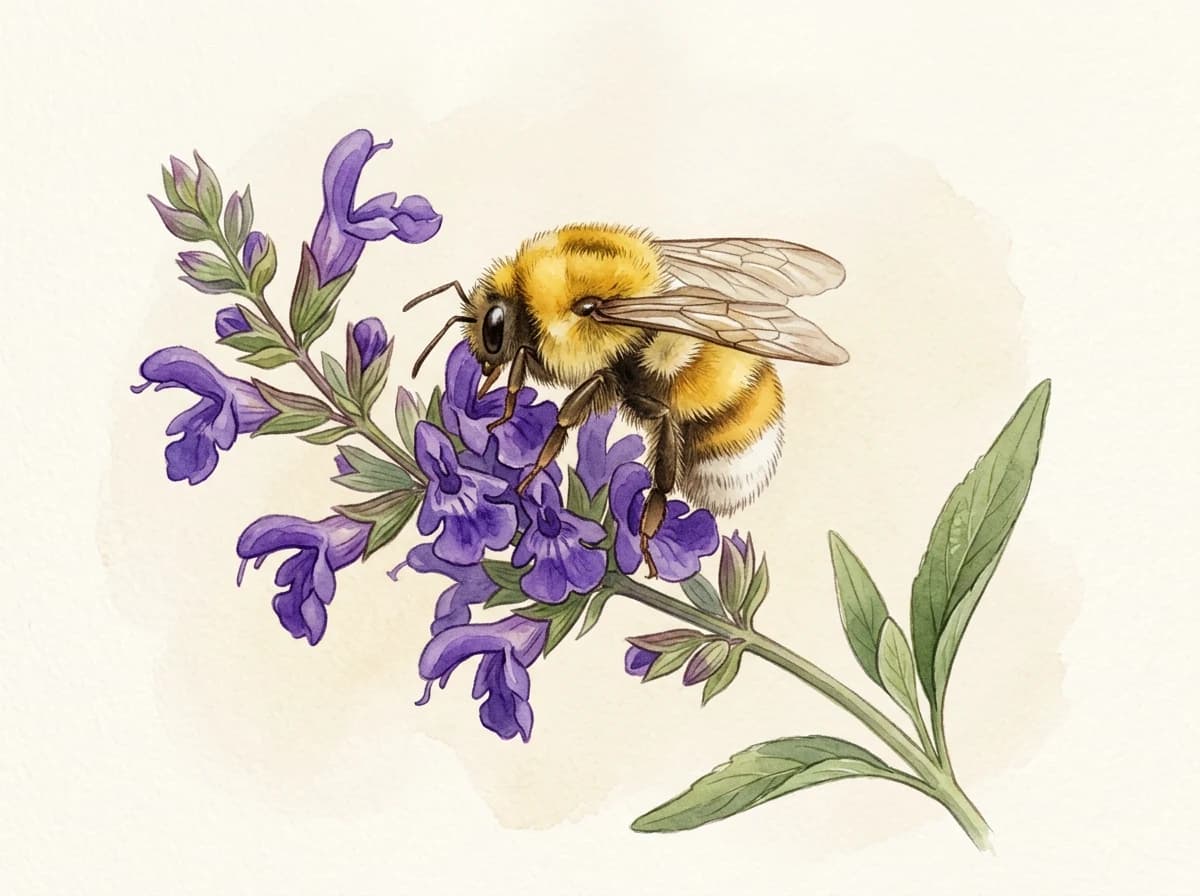
Big, furry and clumsy fliers. They work in weather when honey bees stay in the hive (cold, wind and light rain). They are excellent tomato pollinators: they buzz the flower to shake the pollen loose.
 Parasitoid
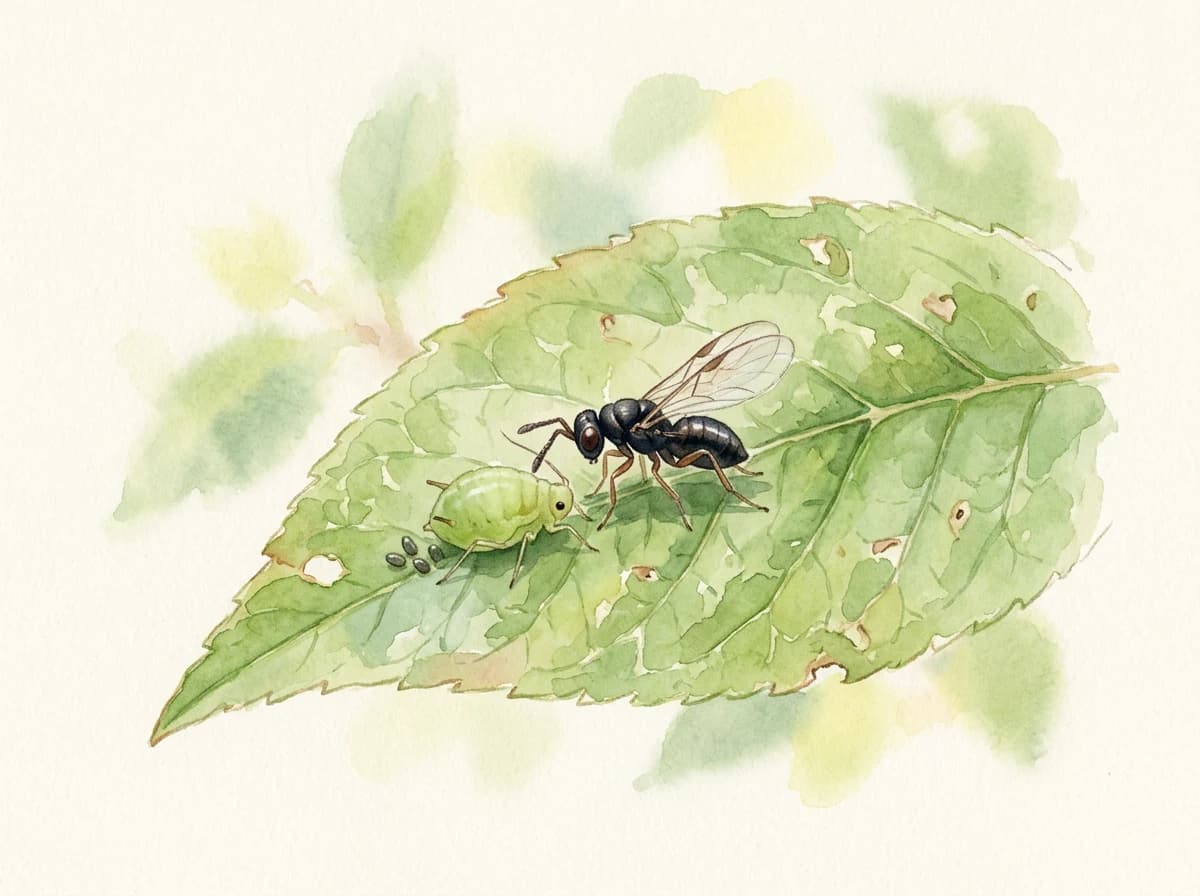
Microscopic wasps (1-3 mm) that lay their eggs INSIDE the garden's pests: aphids, whitefly, caterpillars. The larva eats the host from the inside. Although they are called wasps, they are harmless to people.
 Predator
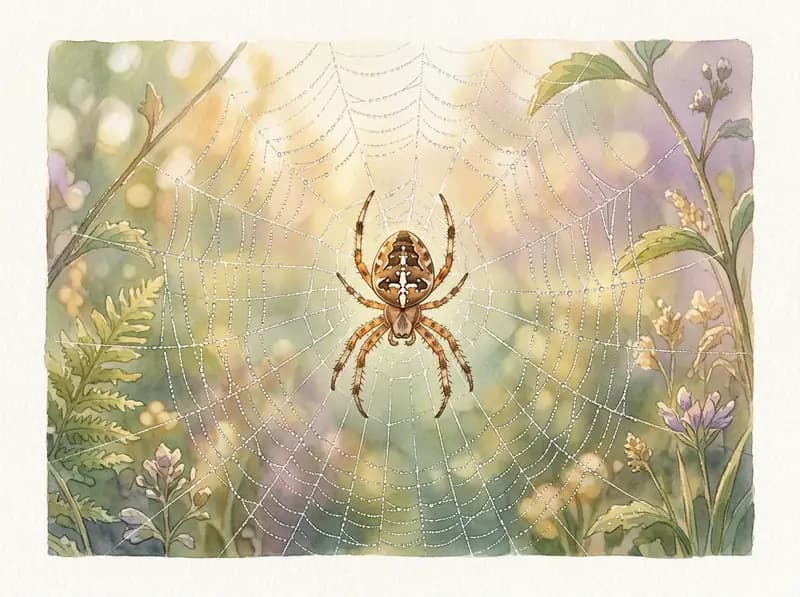
The webs in your garden catch flies, mosquitoes and moths at all hours. Each spider gets through a great number of insects over the year. Treat them as allies and do not kill them or tear down their webs without reason.
 Predator
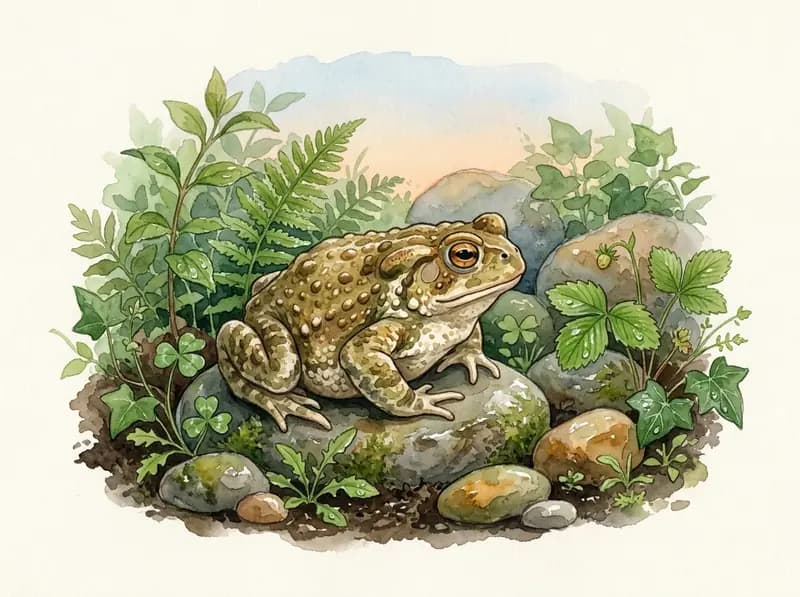
A night hunter of slugs. A big toad can eat several slugs every night, as well as snails, earwigs, larvae and ants. Having one in the garden is a good sign.
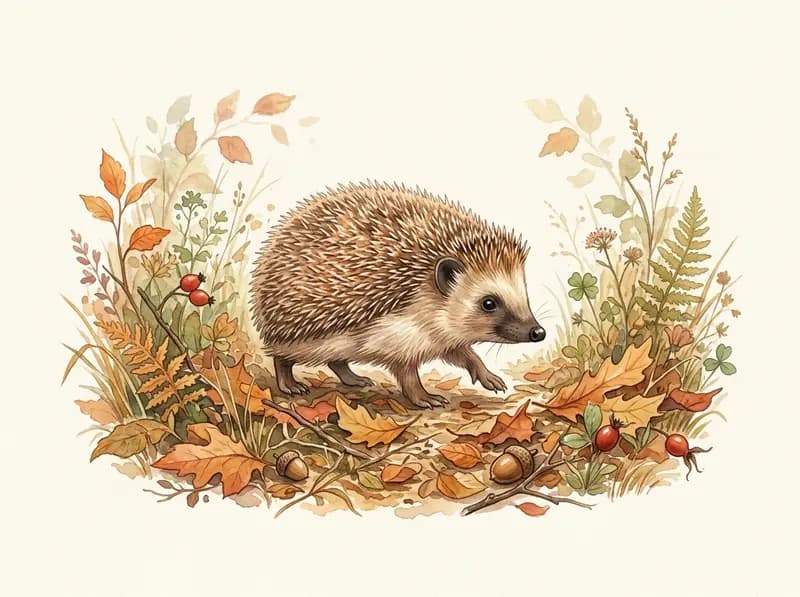 Predator
Another night hunter of slugs and caterpillars, which also eats beetles and earthworms. It is a protected species and in decline because of road traffic and strimmers. If you have one in the garden, look after it.
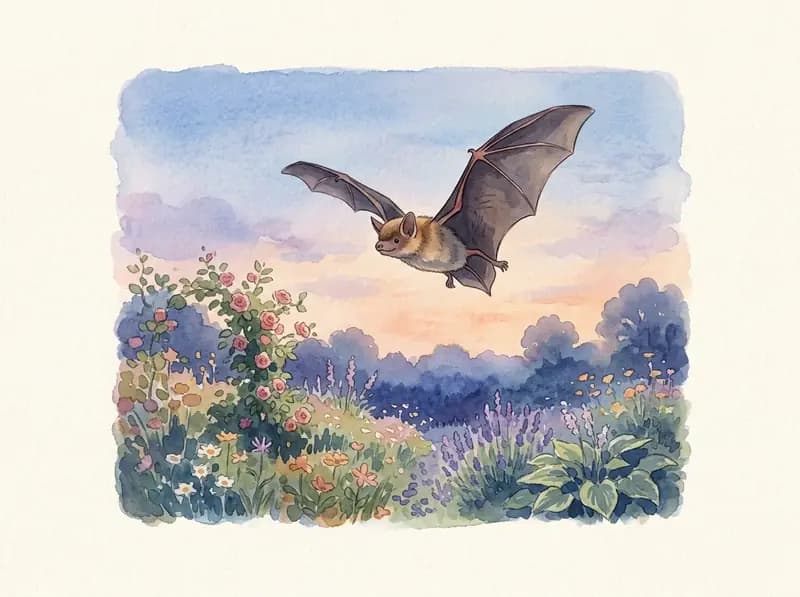 Predator
A small bat can eat, depending on the species and the season, up to about 3,000 tiny insects every night. They help reduce the tomato leafminer and the mosquitoes on the terrace. All European bats are protected by law.
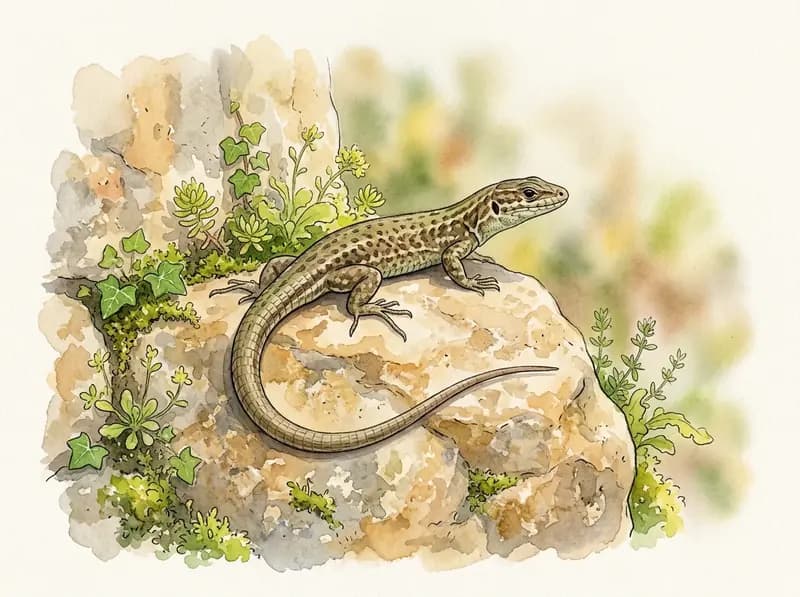 Predator
Daytime hunters of mosquitoes, flies, ants and crickets. They also eat small caterpillars and spiders. If you have an old stone wall full of lizards basking in the sun, your garden will thank you.
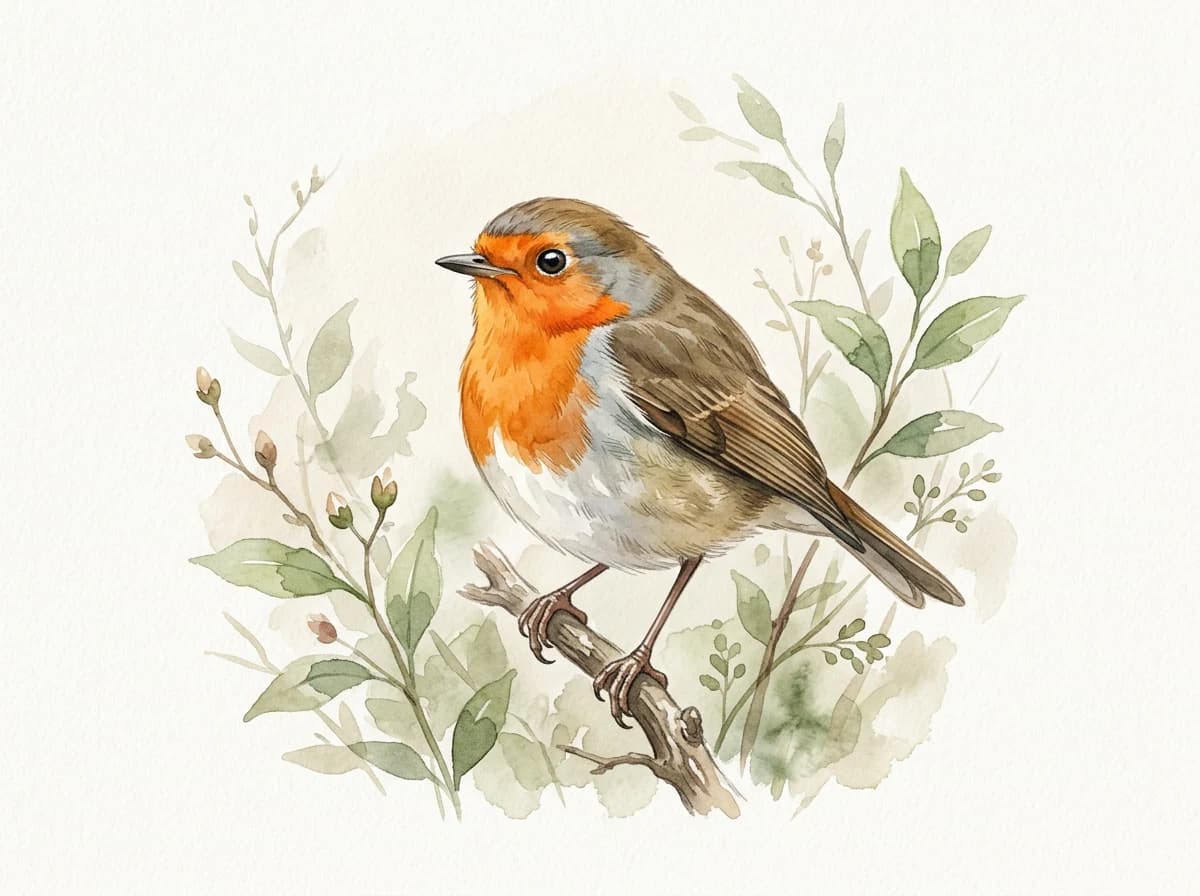 Predator
The insect-eating birds of the garden eat caterpillars, worms, beetles, spiders and small slugs. Birds such as the robin, the great tit and the blue tit get used to people easily.
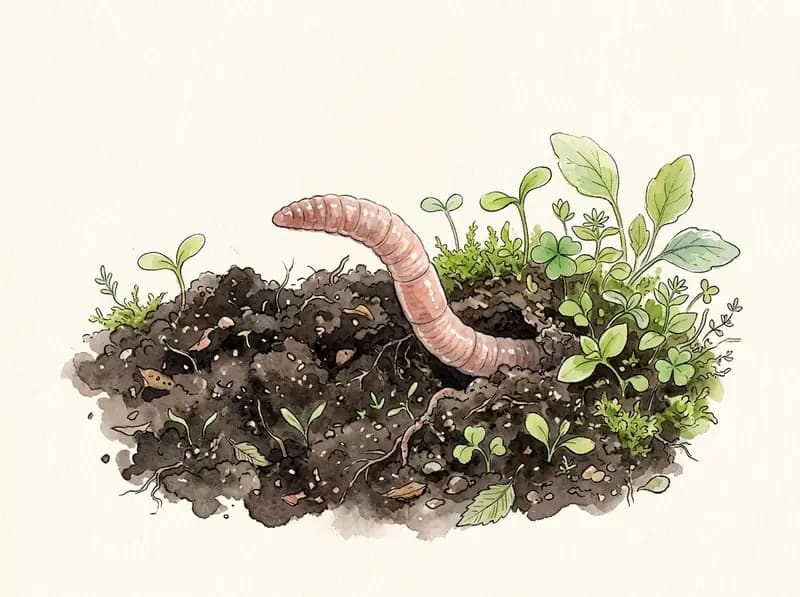 Soil mover
They aerate and feed the soil non-stop. If you see several earthworms when you lift a spadeful of soil, your soil is alive. If you see none, it is worth checking how you are looking after it.
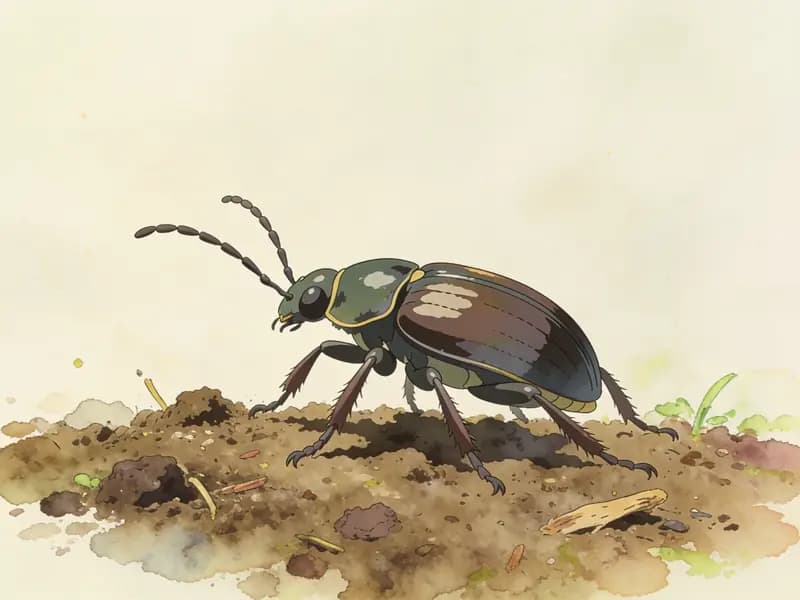 Predator
Black or metallic-shiny beetles that scurry over the garden floor at dusk. They eat young slugs, soil caterpillars and fly larvae. They are discreet hunters and very useful.
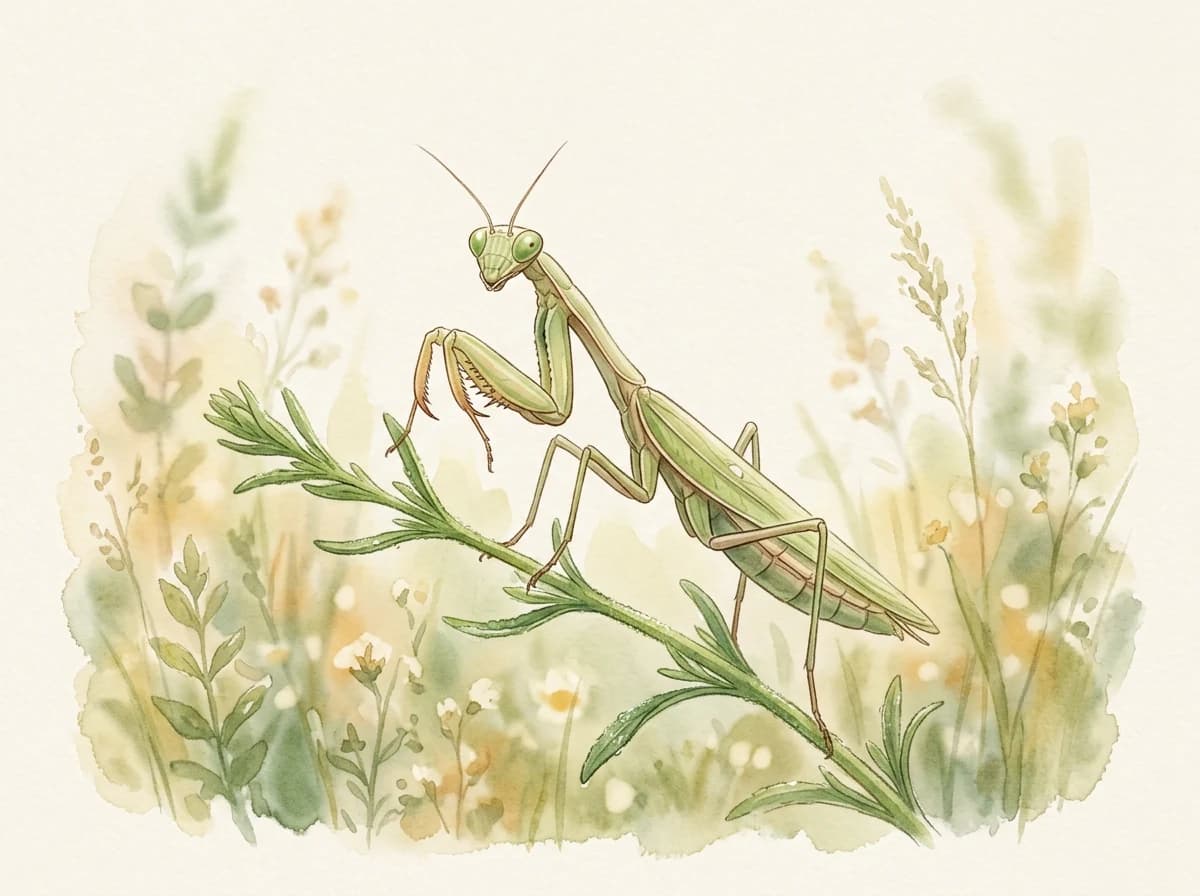 Predator
An ambush hunter, green or brown. It eats whatever it can catch: garden pests as well as the odd small pollinator. It is impressive to watch them hunt, but they are peaceful with people and useful in the garden.
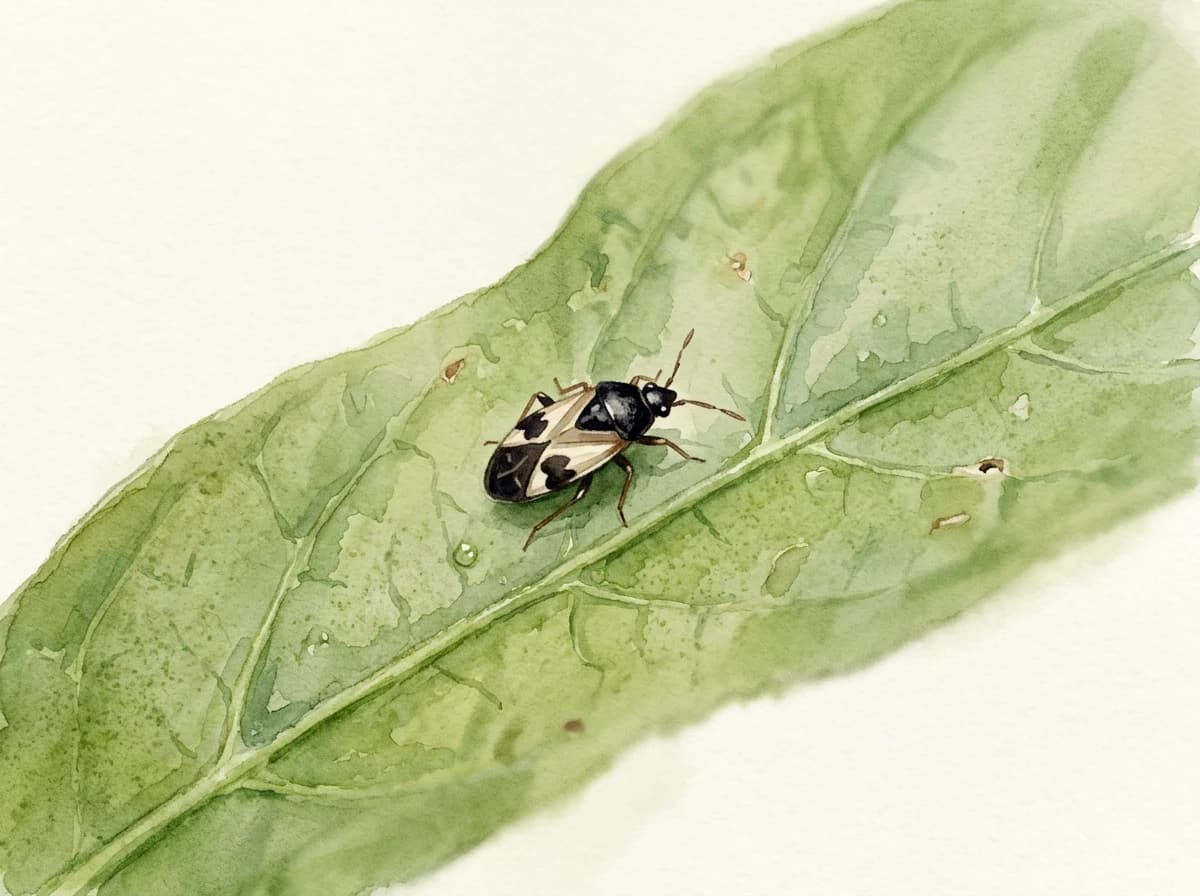 Predator
Tiny bugs (2-3 mm), very active against thrips, red spider mites and pest eggs. They are sold as biological control in peppers and strawberries. They are mistaken for the crop-eating bugs, but they are allies.
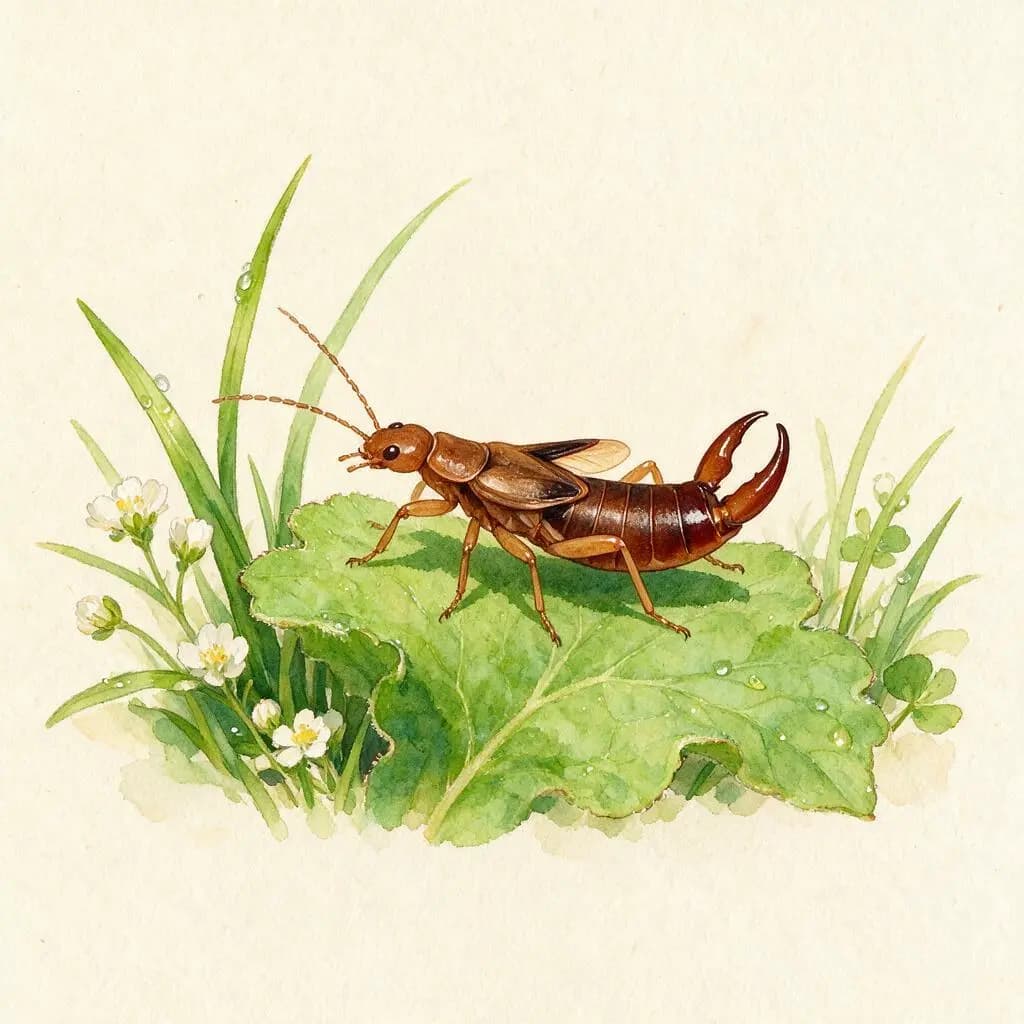 Predator
A night-time insect with pincers on its abdomen that frightens people for no reason. It is omnivorous: it eats aphids, pest eggs, small caterpillars and plant remains, and sometimes soft fruit or flowers. In fruit trees, it helps keep aphids in check.
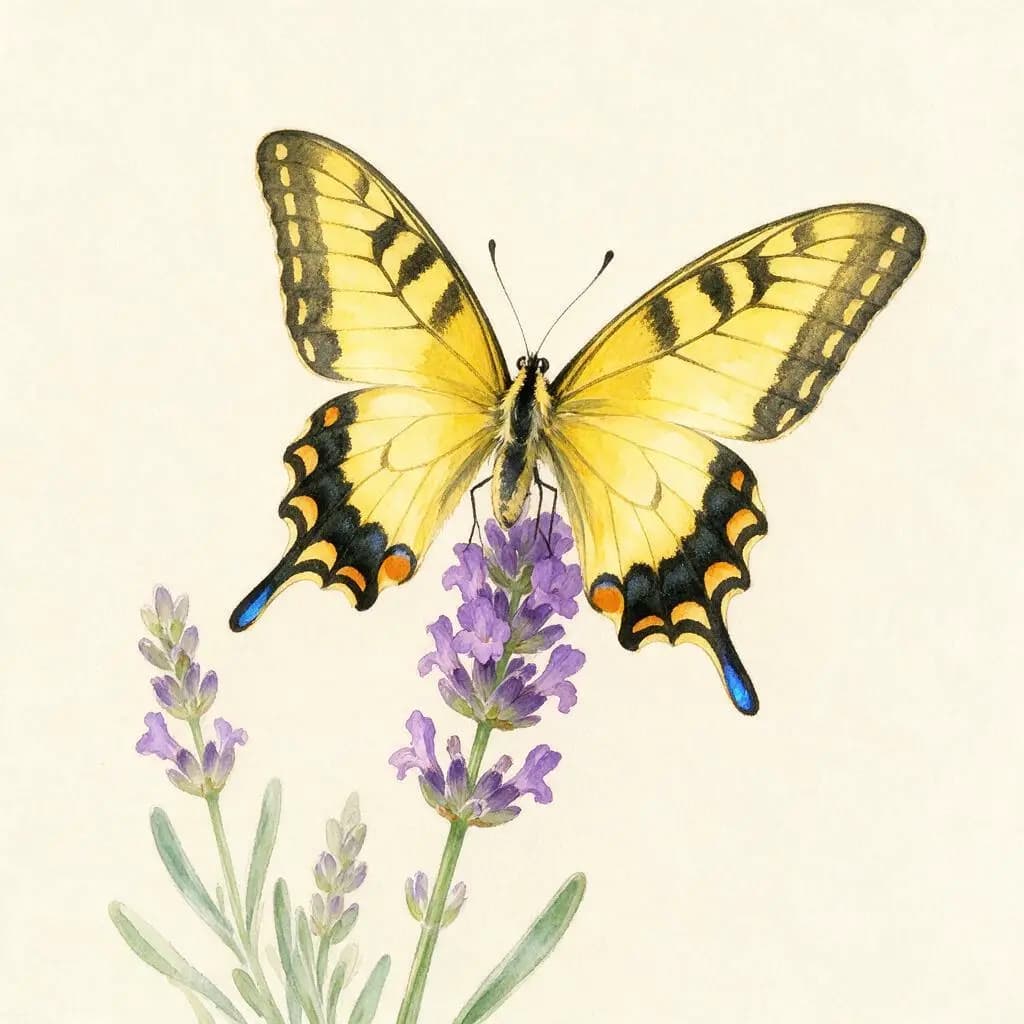 Pollinator
Butterflies and some night-flying moths pollinate flowers that bees cannot reach: tubular ones (sage, flowering tobacco), spurred ones (columbine) and those that open at night (four o'clock flower, jasmine).
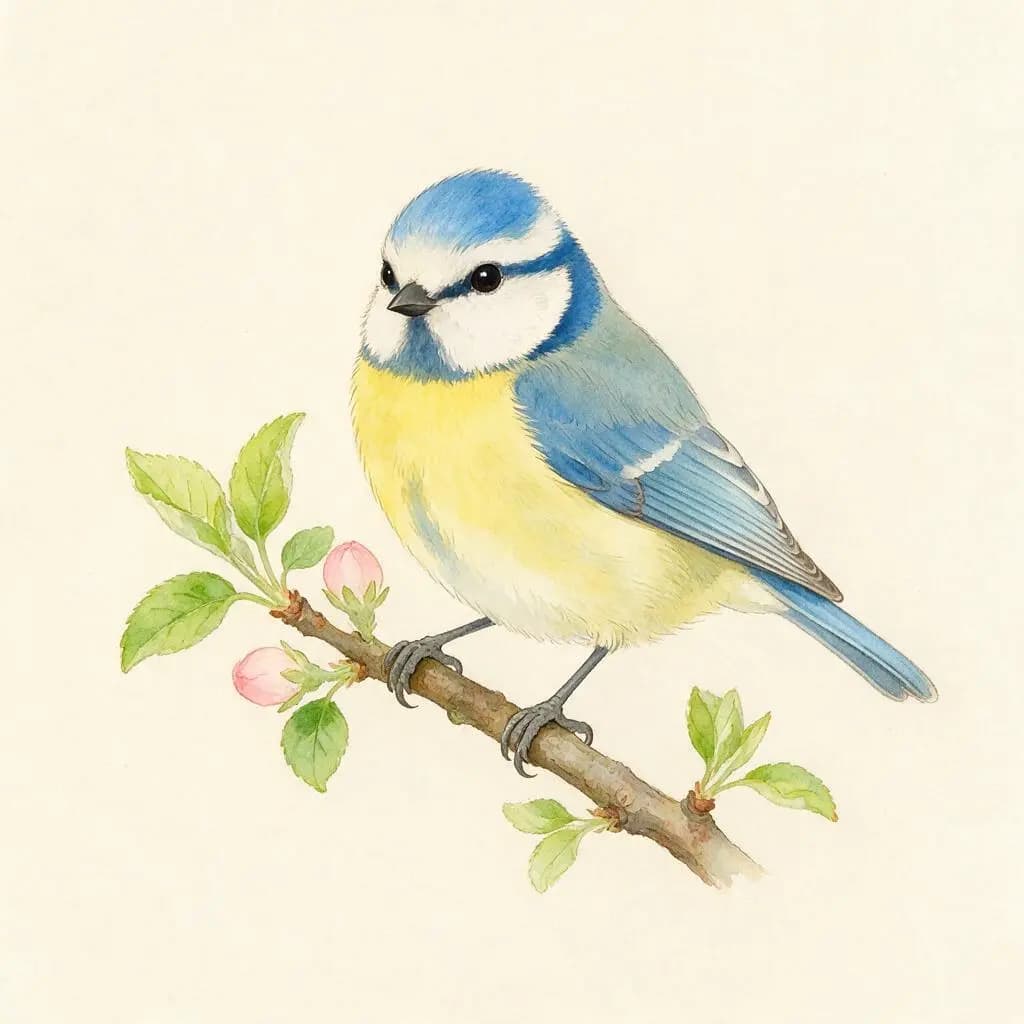 Predator
Small insect-eating birds that feed their chicks on caterpillars during the breeding season. A single family can eat thousands of caterpillars and insects in a season. They are very useful in the biological control of fruit trees.
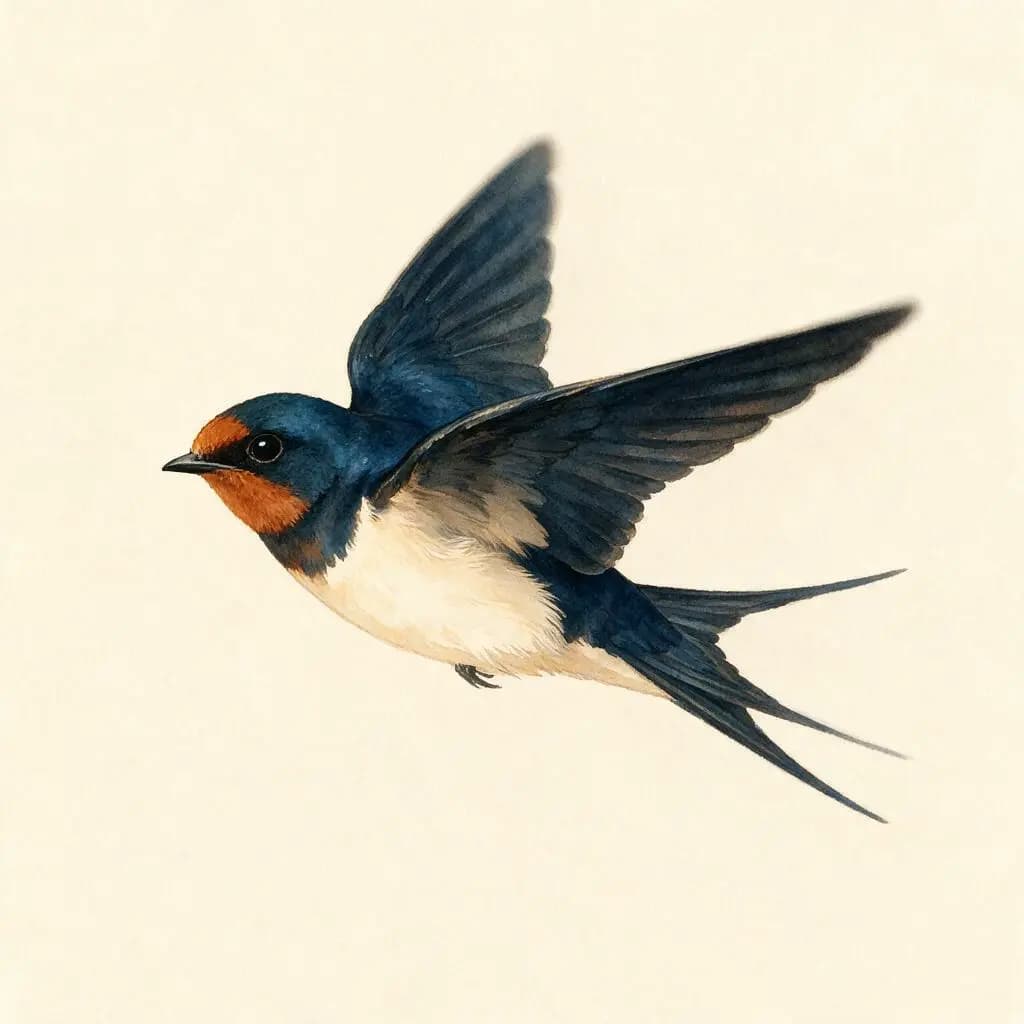 Predator
Migratory birds that hunt mosquitoes, flies, winged aphids and moths on the wing; between them they catch thousands of insects a day during the breeding season.
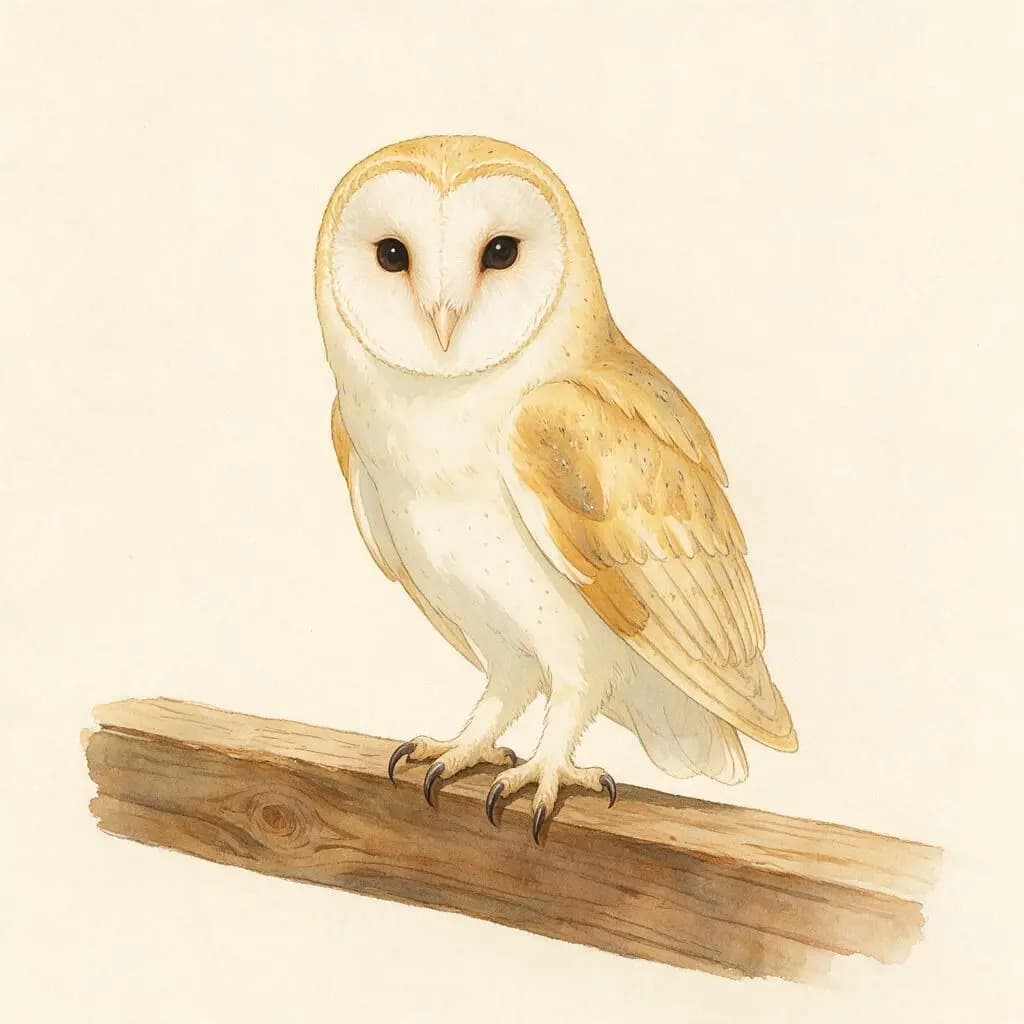 Predator
Night-time birds of prey that feed mainly on rodents. A pair of barn owls with a brood can catch thousands of mice and voles a year. They are very useful if rodents are damaging tubers and seedbeds in your garden.
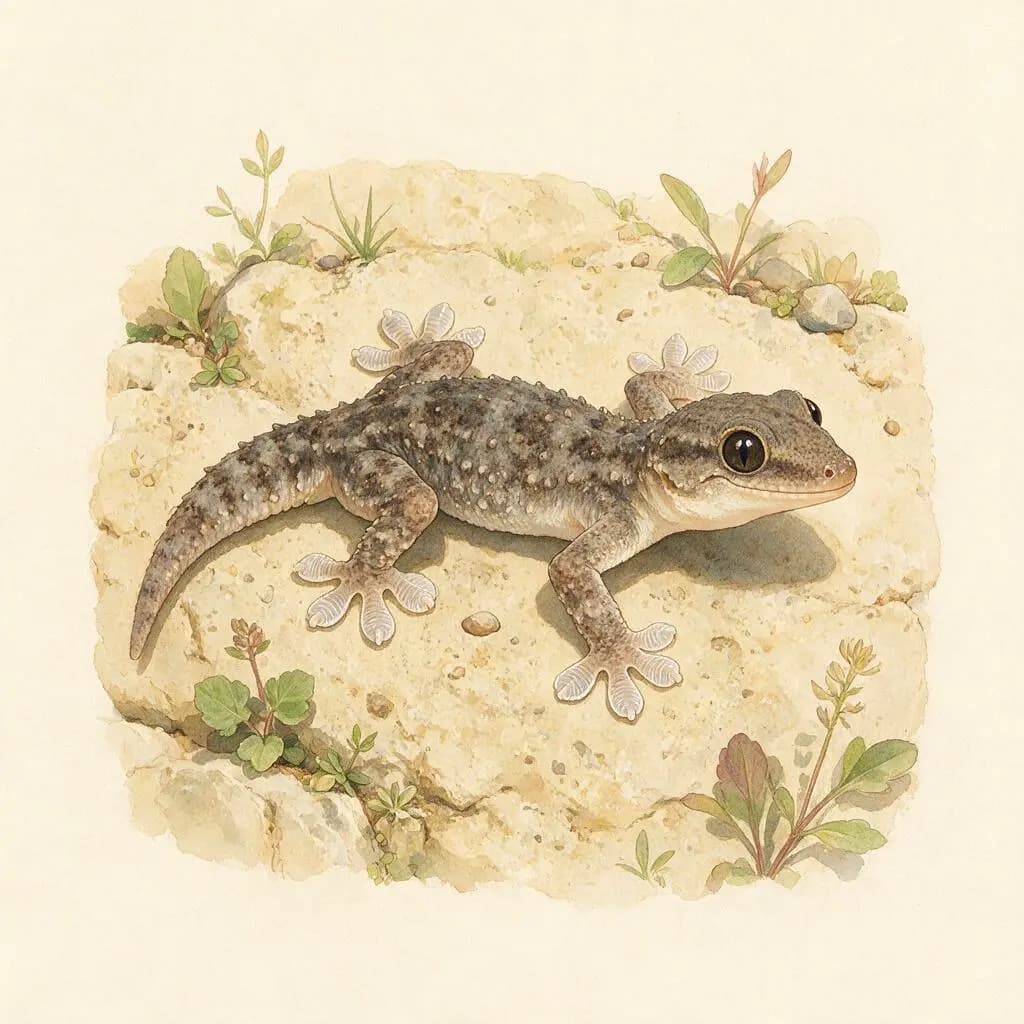 Predator
A night-time reptile that hunts mosquitoes, moths and spiders drawn to the light. It is very common in homes across the Iberian Peninsula and the Mediterranean. It is harmless and beneficial, even though many people feel wary of it.
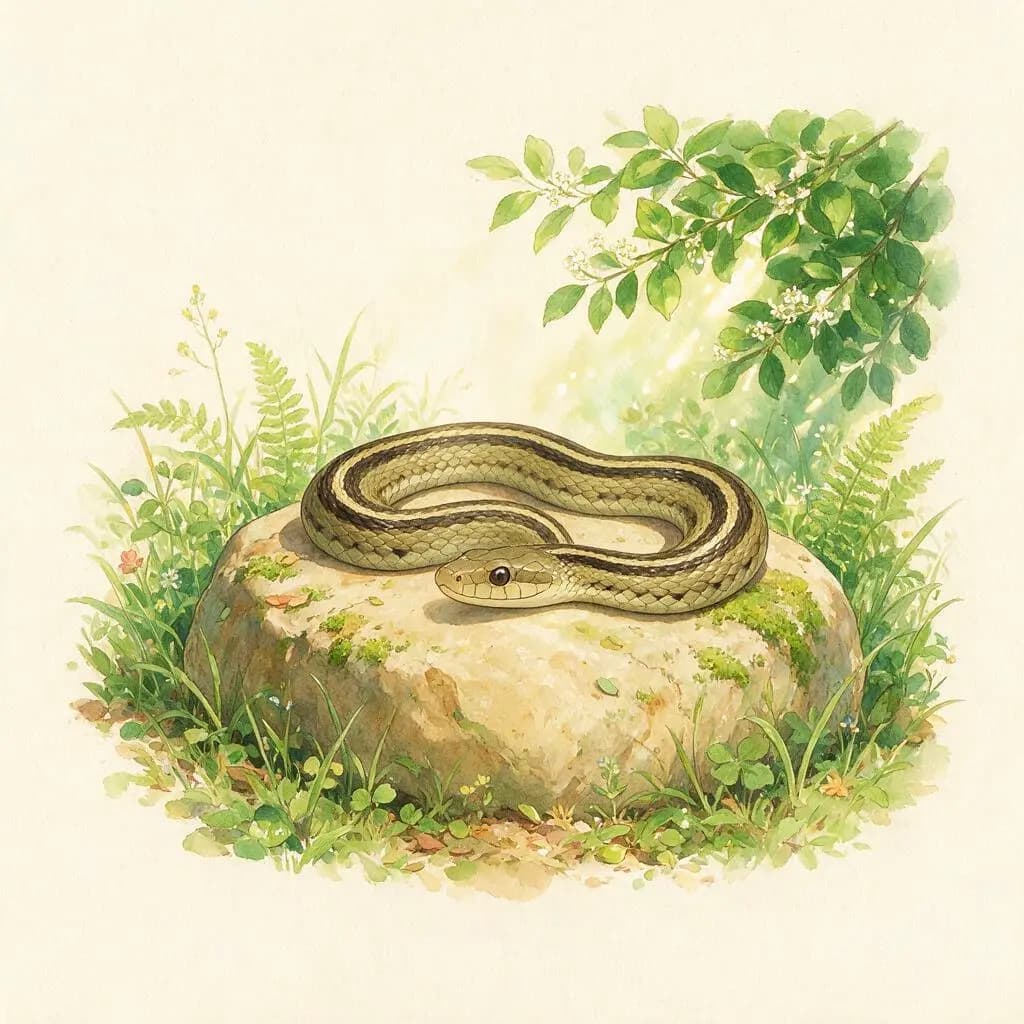 Predator
Native Iberian snakes that feed mainly on rodents (mice, voles, young rats). They help keep tuber-eating rodents in check. The ladder snake is not venomous; the Montpellier snake (Malpolon) has a mild venom in its back teeth: it almost never affects people, but they should not be handled.
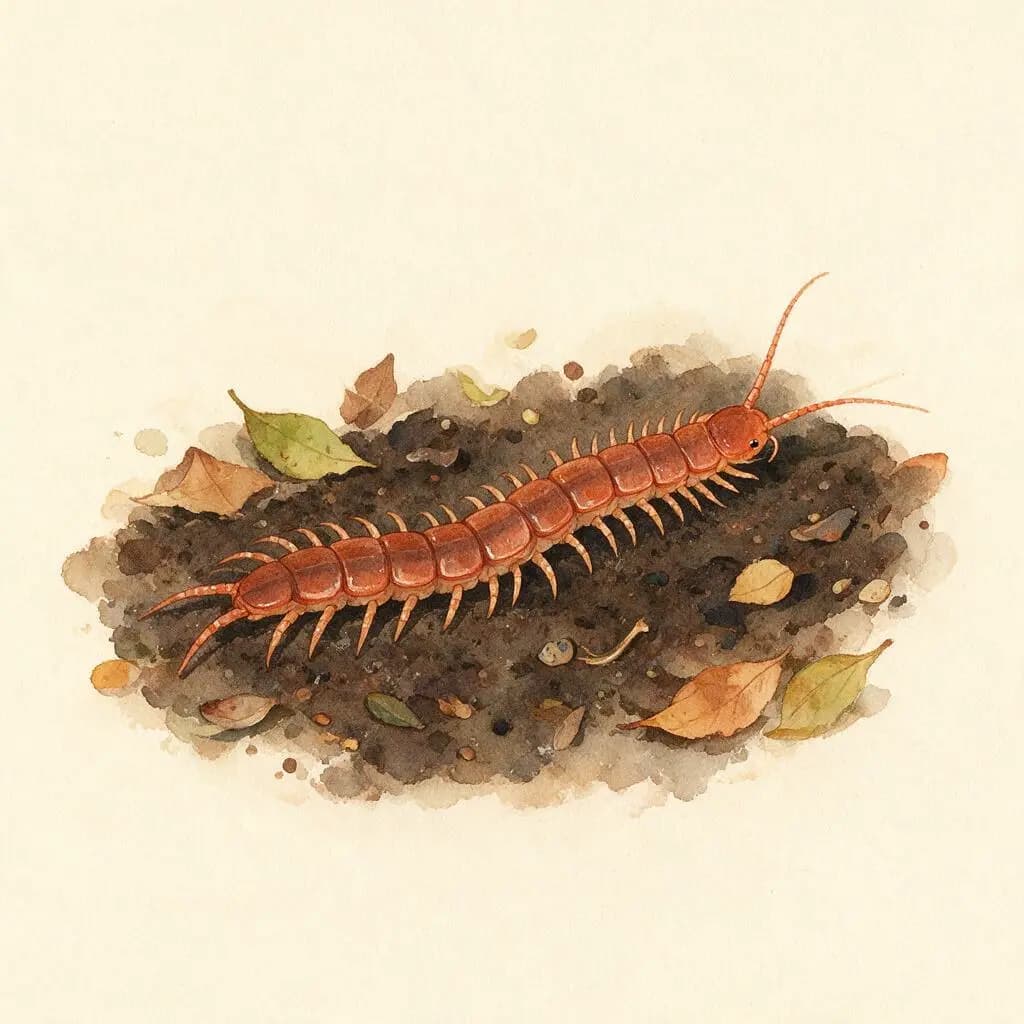 Predator
A night-time ground predator that hunts insects, spiders, larvae and young slugs. Not to be confused with the millipede (a plant-eating decomposer with short legs). The centipede is fast, flattened and long-legged.
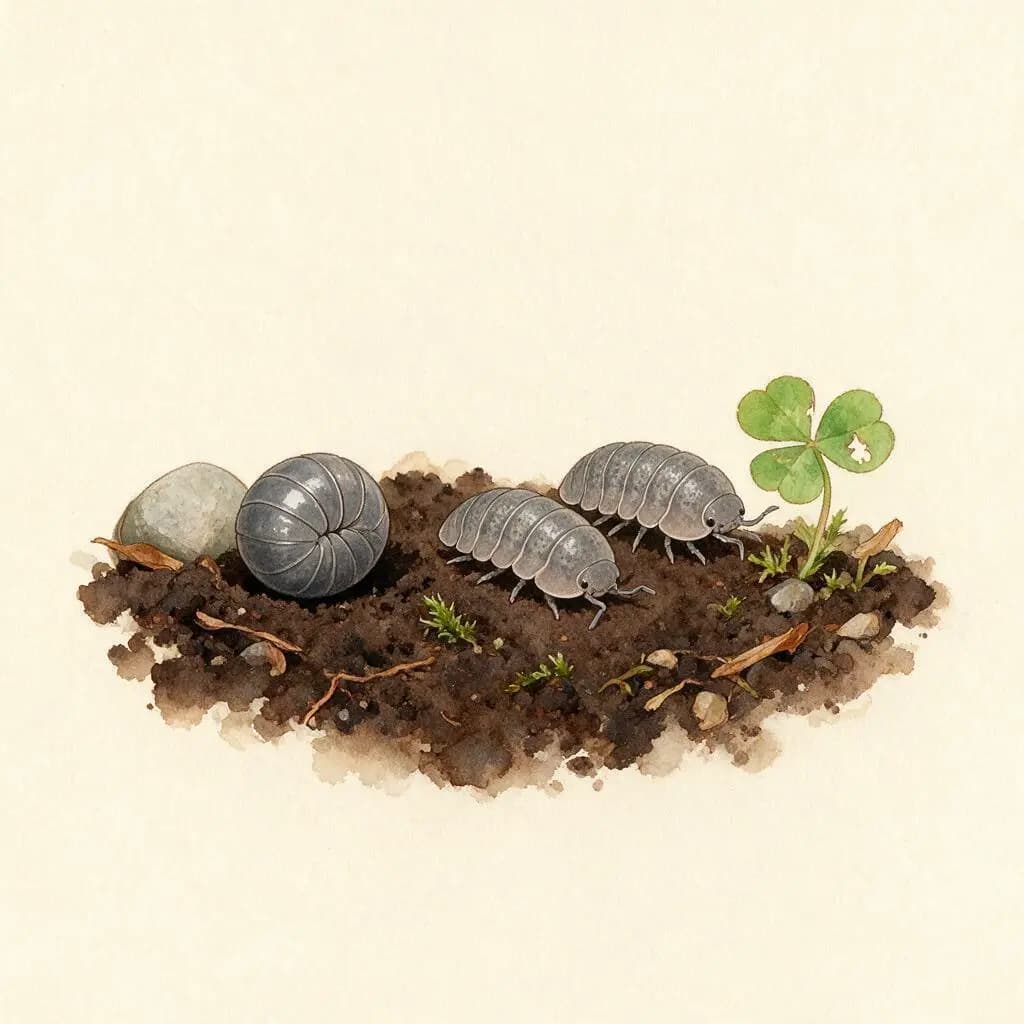 Decomposer
Although they look like insects, they are land crustaceans. They eat dead plant matter, leaf litter and woody remains: they are key players in breaking down and recycling in the soil. They are only a nuisance if their numbers soar in very damp seedbeds.
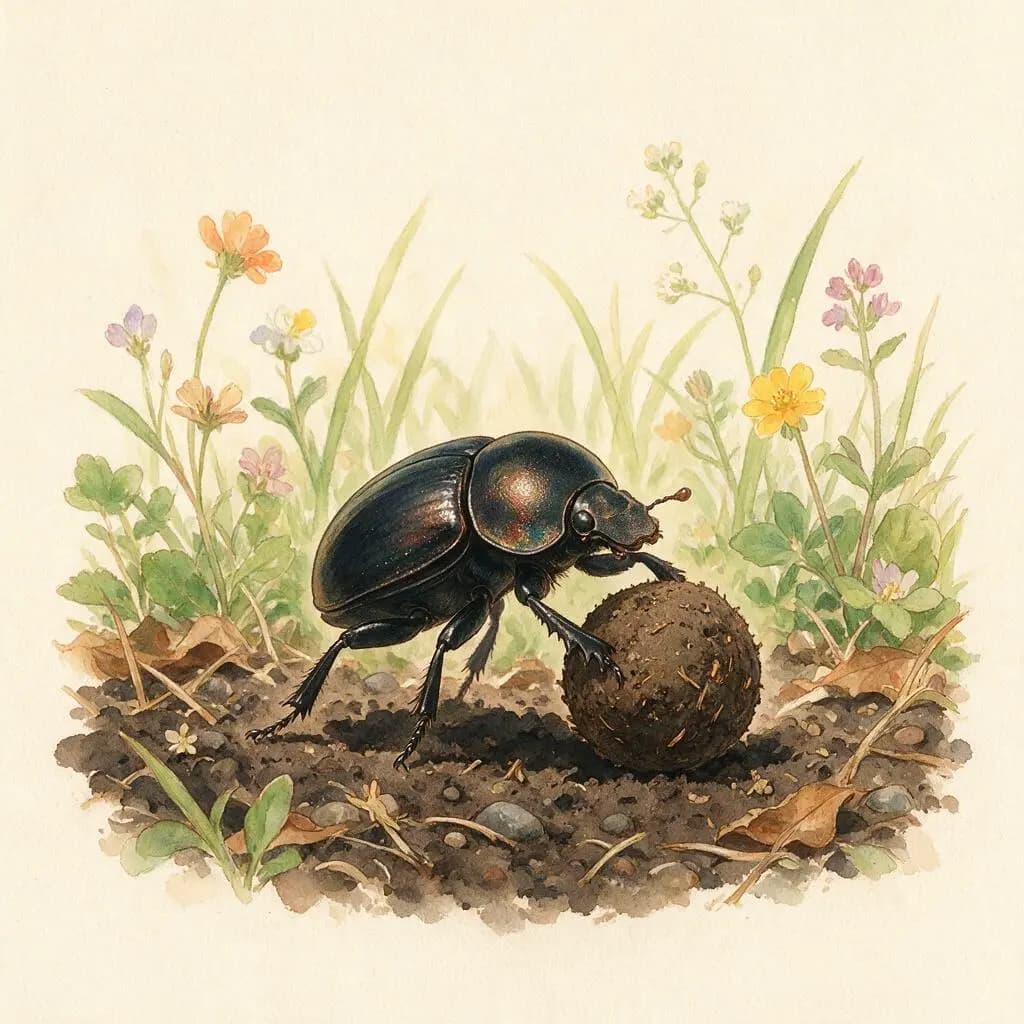 Decomposer
Dung-eating beetles that bury manure and remains in the soil. They aerate, fertilise and keep fly numbers down by clearing droppings from the surroundings. They contribute to nutrient recycling in the countryside.

The first step to having allies is to stop using broad-spectrum products: they do not tell friend from foe and end up harming those who help you.
The adults of almost all predators feed on nectar. They need small flowers of umbellifers (fennel, dill, coriander) and daisy-family plants (calendula, aster, cosmos).
Stones, stacked logs, an insect hotel, unmown corners. Without shelter there is no crew. Think of your garden as a home shared with many neighbours.
Flowering plan
Having allies is not just about not harming them: you have to feed them. With the right selection of plants, your garden always has something in flower for bees, bumblebees, hoverflies, butterflies and other pollinators.
Combine flat flowers (daisy family: marigold, aster), tubular ones (sage, foxglove) and umbrella-shaped ones (umbellifers: fennel, dill). Each pollinator prefers a shape.
From January (rosemary, winter heath) to December (ivy, rosemary again). Let the herbs go to flower: that is when they attract the most pollinators.
A shallow dish with stones (so they do not drown), a rock garden or dry-stone wall where they can nest, and tall grass left unmown in a corner. Flowers alone are not enough.
The months shown are for the northern hemisphere (based on Spain).
How many of our 20 plants flower each month. The goal: always have something in flower.
3 plants flowering in November
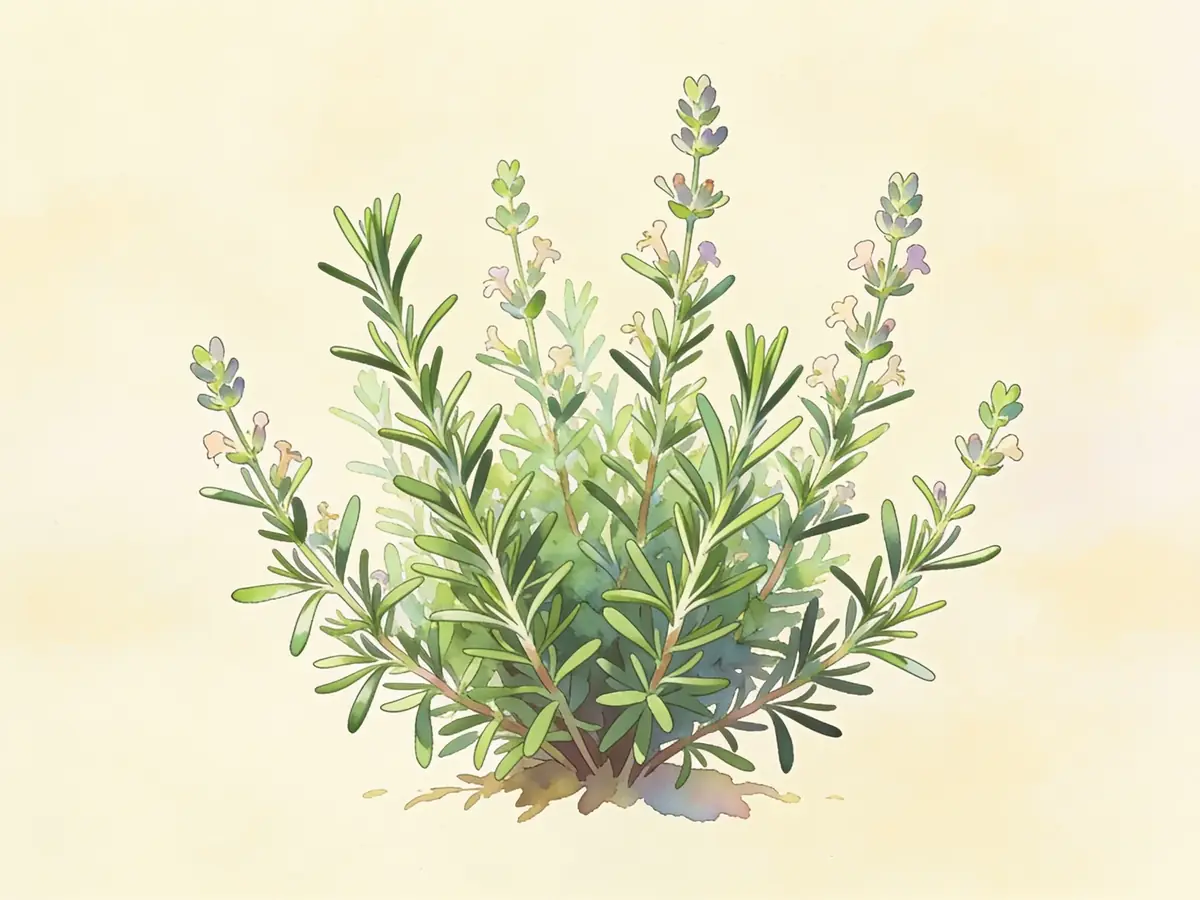 Shrub
Rosmarinus
Care: Full sun, little watering and poor soil with very good drainage. It lives 15-20 years. It needs almost no care: a light prune after flowering is enough.
Where: On sunny edges of the garden, in corners and in large pots. Works as a low hedge.
See the profile in the catalogue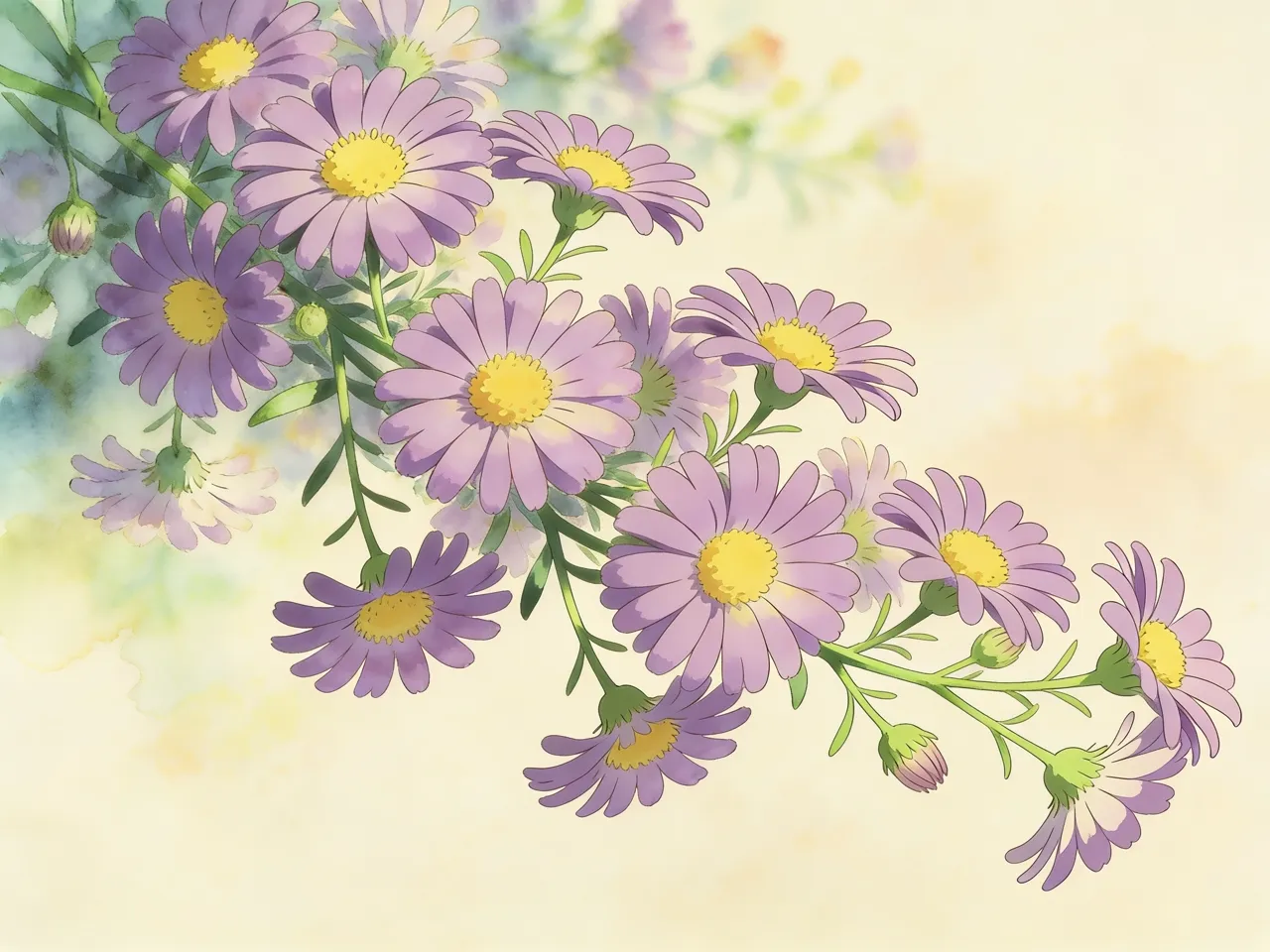 Perennial
 Shrub
When you treat anything in the garden, even with an organic product, NEVER do it while the plant is in flower or during the hours bees are flying (better at dusk). Systemic treatments reach the nectar and pollen even if you do not spray the flower.
A healthy garden always has a few creatures nibbling leaves: that is what draws the allies in, and if there is nothing left to eat, they go elsewhere. Tolerate a little nibbling on leaves or harvest and let nature do its work; step in only if things get out of hand.
See pests and diseases