
Credits and licences
- #1 — vueltaalhuerto illustration
- #2 — vueltaalhuerto illustration
- #3 — vueltaalhuerto illustration
- #4 — vueltaalhuerto illustration
- #5 — vueltaalhuerto illustration
- #6 — vueltaalhuerto illustration
- #7 — vueltaalhuerto illustration
- #8 — vueltaalhuerto illustration
- #9 — vueltaalhuerto illustration
- #10 — vueltaalhuerto illustration
Phacelia
and 1 more names
Phacelia tanacetifoliaPhacelia is sown directly outdoors from March to April and from August to September. It is harvested from May to June and in October (about 60 days to the first harvest). Grow it in full sun, 10 cm apart, with little watering. Dates are for a mild temperate climate in the northern hemisphere; the calendar below adjusts them to your zone.
What else to sow in March, April, August and September
A green manure with violet-blue flowers that grows fast and attracts bees like few other plants. It does not fix nitrogen, but it covers the soil well. Cut it before it sets seed, because otherwise it self-sows.
Family and origin: Borage family (Boraginaceae) · native to California and south-western North America · More plants from North America
01In your area
How will it do in your garden?
Year calendar
| Task | J | F | M | A | M | J | J | A | S | O | N | D |
|---|---|---|---|---|---|---|---|---|---|---|---|---|
| Direct sowingMar–Apr, Aug–Sep | no | no | yes | yes | no | no | no | yes | yes | no | no | no |
| FloweringApr–Jul | no | no | no | yes | yes | yes | yes | no | no | no | no | no |
Its life cycle at a glance
Swipe and tap a stage to see its details.
02Planting
Where and how to plant it
Sow the seed 1 cm deep; leave 10 cm between plants.
03Care
Care through the year
Sun and aspectFull sun · 8 h of sun · South or south-west, with nothing casting shade at midday
- Too little sun
- Ideal range
- Plenty of sun
South or south-west, with nothing casting shade at midday
Strong sun: Loves full midday sun and high temperatures.
WateringLet it dry out between waterings · summer: every 5-7 days
- Summerevery 5-7 days0.6 L per plant/week
- Spring / Autumnevery 10-14 days0.2 L per plant/week
- Winteronly in extreme drought (once a month)0.1 L per plant/week
Let it dry out between waterings: A Mediterranean favourite: better thirsty than overwatered.
When to water? Push your finger 5 cm into the soil next to the base of the plant:
- Damp: soil sticks to your finger. Do not water yet. It has more than enough; wait for it to dry out more.
- Cool but clean, no mud. Wait another 1-2 days before watering.
- Dry and dusty. Water now, but moderately. Do not overdo it: it prefers thirst to excess.
Soil and feedingpH 6–7.5 · Loose soil with organic matter and good drainage
Loose soil with organic matter and good drainage.
50 % topsoil · 30 % well-rotted compost · 20 % sand or perlite.
Medium/high.
This plant prefers a pH between 6.0 and 7.5 (slightly acidic to slightly alkaline).
- Overfeeding gives lots of leaf and few flowers.
- Compacted, poorly drained soil rots the roots in winter.
- TipSow densely to cover the soil and cut it before it sets seed; leave it as mulch or work it into the surface.
- Common mistakeBurying it deep or in waterlogged soil: it breaks down poorly.
Common mistakes and tips
- TipLet it flower for a few days if you want bees, and cut it soon after.
- TipIf you let it set seed, it will come up everywhere the following year.
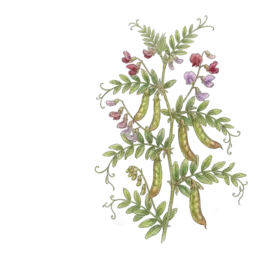
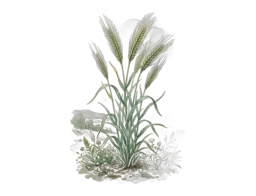
- TipIt fits well into autumn mixes with vetch and rye.
04Harvest
Harvesting and storing
- TipNo extra feeding: its job is to improve the soil, not to give a crop.
05Propagation
Make new plants
By seed, broadcast. 1 to 2 g/m² (the seed is small). Cover very lightly, 0.5 to 1 cm. It comes up in a week in moist soil.
06Uses and health
What it is used for, and with what care
- Properties
- It covers the soil and attracts bees and hoverflies when in flower.
- Uses
- Not eaten. It is sown for ground cover and for bees.
For guidance only; this is not medical treatment and does not replace advice from a doctor or vet.
07Companions and related plants
What to plant it with
Good companions
Group it in the same bedPlants with the same watering or the same sun
They are not essential companions, but you will not have to water or position them differently.
Same watering · Little water
No known toxicity to people or pets
No known toxicity to people or pets in normal garden use.