Neem oil: how to use it (application guide)
Also known as: neem oil, neem oil spray, neem oil for garden, how to use neem oil, neem spray, azadirachtin
Neem is bought ready-made, and as an insecticide only a product registered as a plant protection product is suitable. Here we explain how to apply it properly and with what precautions; the dose is always set by its label.
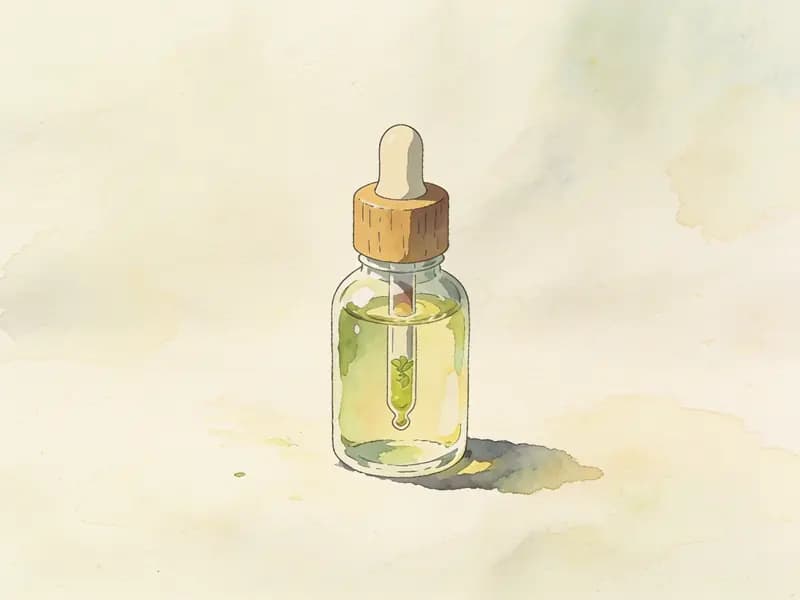
Neem (Azadirachta indica) contains azadirachtin, which alters the development and feeding of many insects. In the EU azadirachtin is an authorised active substance, but a neem oil from a herbalist or cosmetics is not authorised as an insecticide: to treat infestations you must use a product with a registration number from MAPA (Spain's Ministry of Agriculture) and follow its label (dose, crops, target species and safety interval). It is an insecticide, not a fungicide. It can also affect useful insects, which is why it is not sprayed on flowers with bees.
Ingredients
- Neem (azadirachtin) product registered as an insecticideThe label dose
Check the registration number in MAPA's Register of Plant Protection Products. Do not use cosmetic or herbalist neem oil
- Chlorine-free waterAs the label says
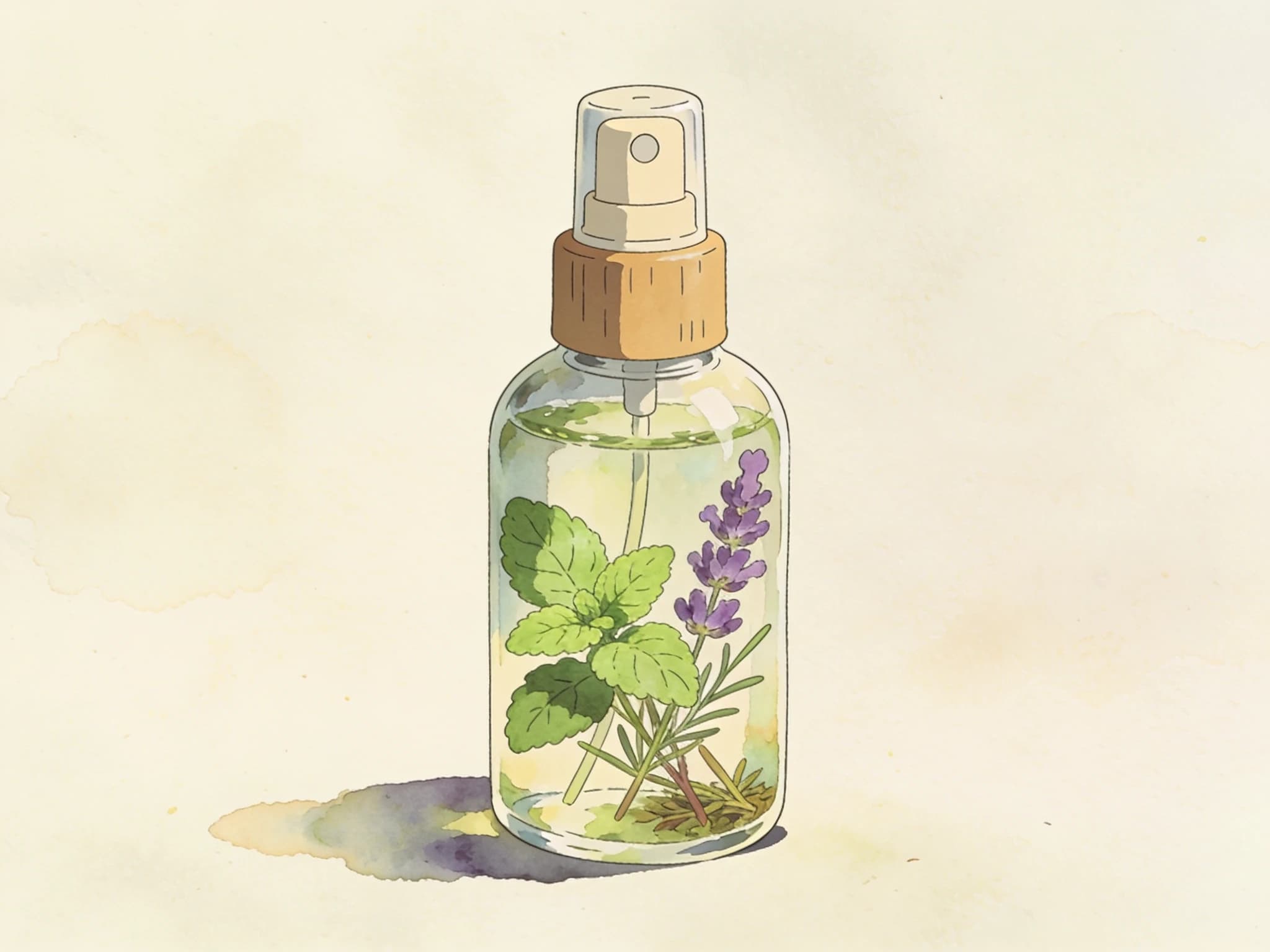
- Clean spray bottle1
Step by step
- 1Read the label before anything else: dose, authorised crops and target species, maximum number of applications and safety interval (the days you must wait between treatment and harvest).
- 2If the product has thickened in the cold, warm the closed container in lukewarm water before measuring.
- 3Fill the sprayer with part of the water, add the measured dose and top up with the rest of the water, shaking well. Shake again often while you apply.
- 4Make only what you will use that day and apply it in the evening, when there is no wind.
Storage
Prepared mix: use it the same day. Undiluted product: in its original closed container, in the dark, out of the reach of children and pets and within the date on the label.
How to use it
- Spray the upper side and, above all, the underside of the affected leaves in the evening.
- Against the insects named on the label, for example aphids, whitefly, caterpillars or thrips.
- Repeat only at the interval and number of applications the label allows.
- On houseplants, take the plant to a ventilated spot to treat it.
Precautions
- Neem affects the development of insects: do not spray it on flowers with pollinators.
- Avoid it during flowering and fruit set of fruit trees (cherry, apple, pear), when there are bees.
- Do not apply it above 30 °C (86 °F) or in full sun, because it can scorch the leaves. Test it first on a few leaves.
- Respect the safety interval on the label before harvesting and wash the harvest well.
- It is not for consumption: it is toxic if swallowed. Keep it out of the reach of children and pets.
- Do not make homemade emulsions with cosmetic or food-grade neem oil to treat infestations: they are not authorised and their dose is not controlled.
Tips and variations
- Before turning to neem, try a jet of water or potassium soap: often they are enough.
- Buy small containers: the product loses effectiveness over time.
Gift idea. A jar with a handwritten label and a bow of raffia turns any recipe here into a memorable, original present, especially for Christmas, birthdays or when you are invited to lunch.