
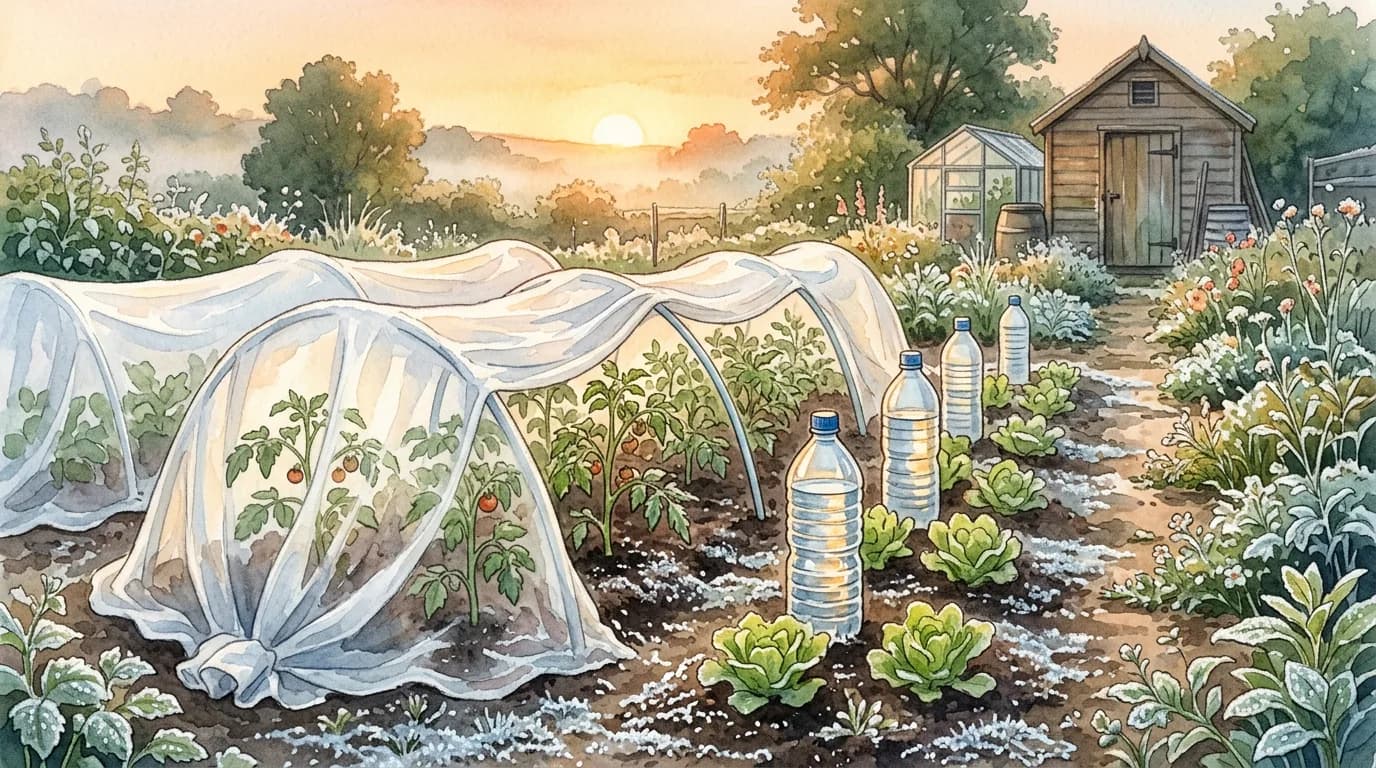
Protecting plants from frost with fleece and water bottles
Horticultural fleece and bottles filled with water to gain a few degrees on frosty nights.
Works in practice. Cover with a double layer of fleece (or an old sheet) if frost is forecast. Water bottles are a usual gardening trick with no trials cited in our sources. It helps with light frosts, not with hard frosts.
Before you start, read the precautions
You will need
- horticultural fleece (or an old sheet)
- plastic bottles
- water
- stones or clips
When to use it
The afternoon before a clear, windless night with a forecast of 0–2 °C (32–36 °F), especially on summer plants already planted out (tomato, pepper, courgette, basil) or tender shoots of fruit trees.
Step by step
1Fill plastic bottles with tap water (better 1.5–2 L, about 1.6–2.1 quarts ones) and leave them in the sun all afternoon so they soak up heat.
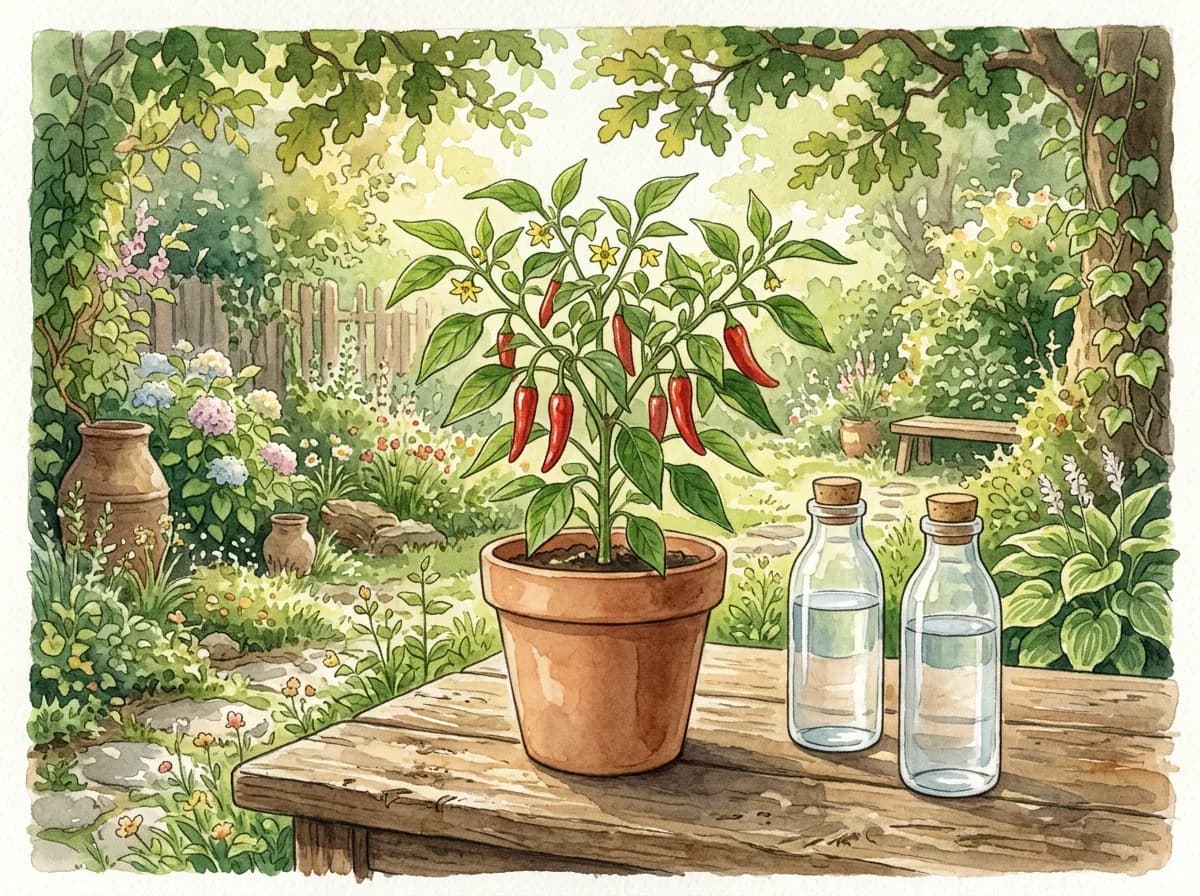
2Before dark, water the soil lightly (damp soil holds more heat than dry) and place the bottles among the plants.
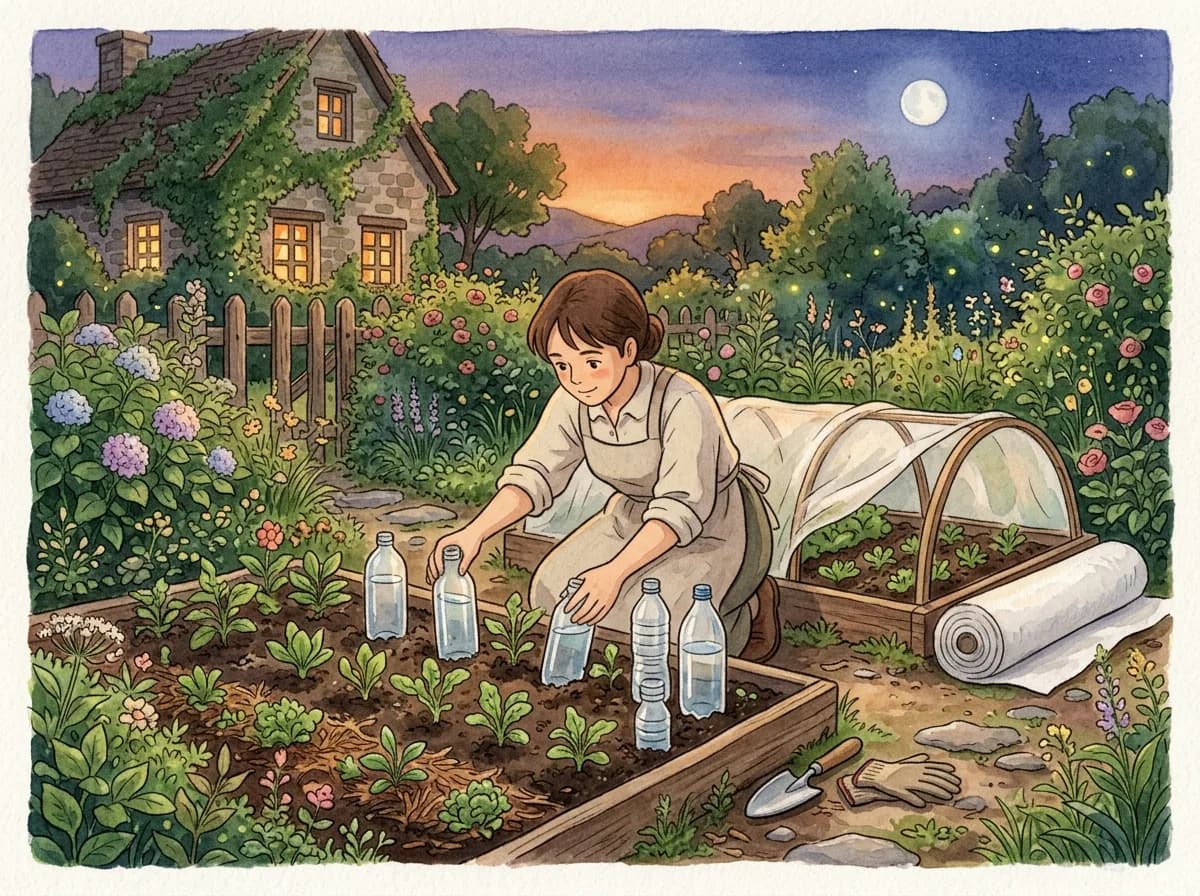
3Cover with the fleece, preferably over arches or canes so that it does not touch the leaves, and secure the edges down to the ground with stones or clips.
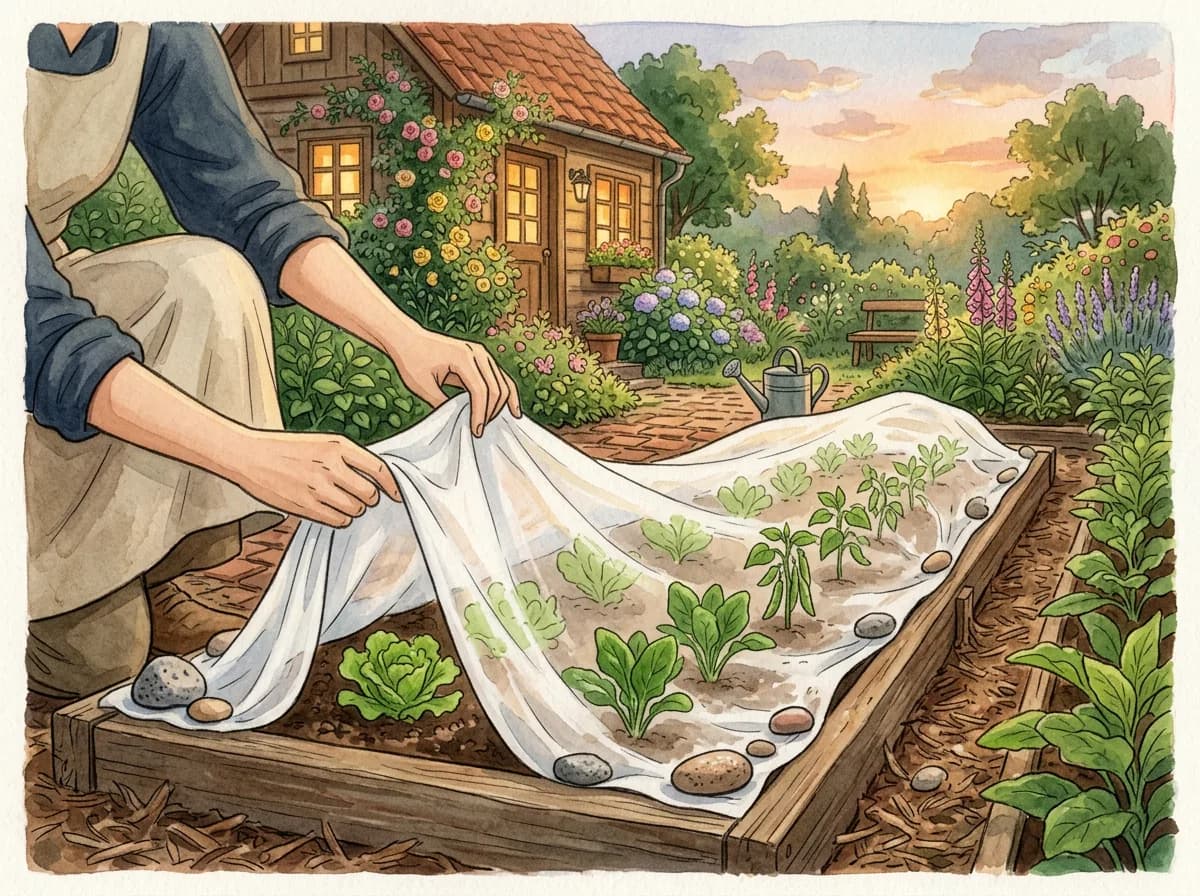
4Take off the fleece in the morning as soon as the sun comes up, so that it does not overheat or build up humidity.
Dose
As a guide: one 1.5–2 L (about 1.6–2.1 quarts) bottle for every 2–3 plants and fleece in a double layer. The margin of degrees depends on the fleece, the night and the humidity; there is no reliable figure, so do not rely on it for hard frosts.
Which plants
Useful on tomato, pepper, aubergine, courgette, basil and fruit tree shoots. Winter plants (cabbage, garlic, broad beans, onion) rarely need it.
Plants mentioned in this remedy
 Tomato 'Marmande'Marmande tomato, flattened and ribbed, a good size for salads.
 Sweet pepper 'California Wonder'California Wonder pepper, a blocky bell type with thick flesh, for stuffing or eating fresh.
 Long black aubergineAn aubergine with glossy black fruit, for warm climates.
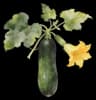 Courgette 'Nero di Milano'A cylindrical, very dark green courgette, productive and early, the classic bush type for continuous picking.
 Genovese basilGenovese basil, with broad leaves and a sweet scent, the basis of pesto.
 Savoy cabbageSavoy cabbage, with blistered, crinkled leaves, which grows sweeter with the cold; it does best in autumn…
 Las Pedroñeras purple garlicLas Pedroñeras purple garlic, with a purple, very aromatic bulb: the benchmark garlic of La Mancha, in…
 Broad bean 'Muchamiel''Muchamiel' broad bean, a traditional Mediterranean variety eaten both as shelled beans and in the pod.
Precautions
- It is no use against hard frosts (below −3 °C, 37 °F): in that case add a second layer or bring pots indoors.
- Unventilated clear plastic (film, bags) overheats in the sun and can scorch; if you use it, take it off early in the morning.
- A very heavy or wet cloth breaks tender stems: rest it on a frame.
- Watering at night in frost is counterproductive; water in the afternoon and lightly.
Why it works
Water has a high heat capacity: it gives up its heat slowly during the night. The fleece holds back heat loss by radiation to the clear sky, which is what causes radiation frost.
Sources
- Royal Horticultural Society: frost damage; cover with a double layer of fleece or an old sheet on the night of the frost. There is no verified source on water bottles