
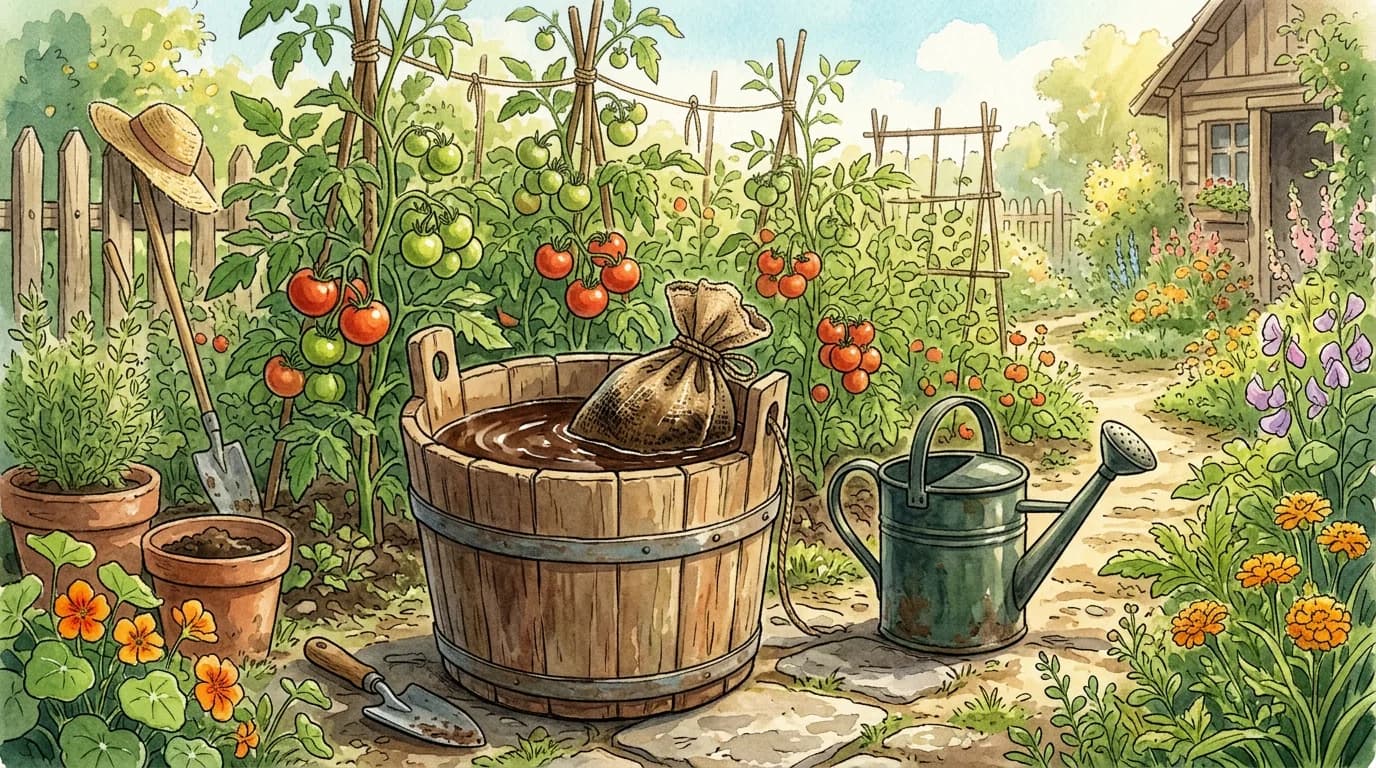
Aerated compost tea
An infusion of mature compost for watering the soil; useful as a gentle supplement, but with hygiene precautions.
Use with care. A New England project concluded that the effectiveness of aerated compost tea was weak and inconsistent and did not recommend it; it detected E. coli in the tea and removed it by leaving out the molasses. Additives such as molasses can favour human pathogens. As a gentle nutrient watering it is reasonable, but do not use it on raw edible crops.
Before you start, read the precautions
You will need
- mature compost
- water
- bucket
- cloth bag or stocking
- aquarium air pump
When to use it
In spring and summer, to water seed trays, pots and growing plants that you want to give a gentle push.
Step by step
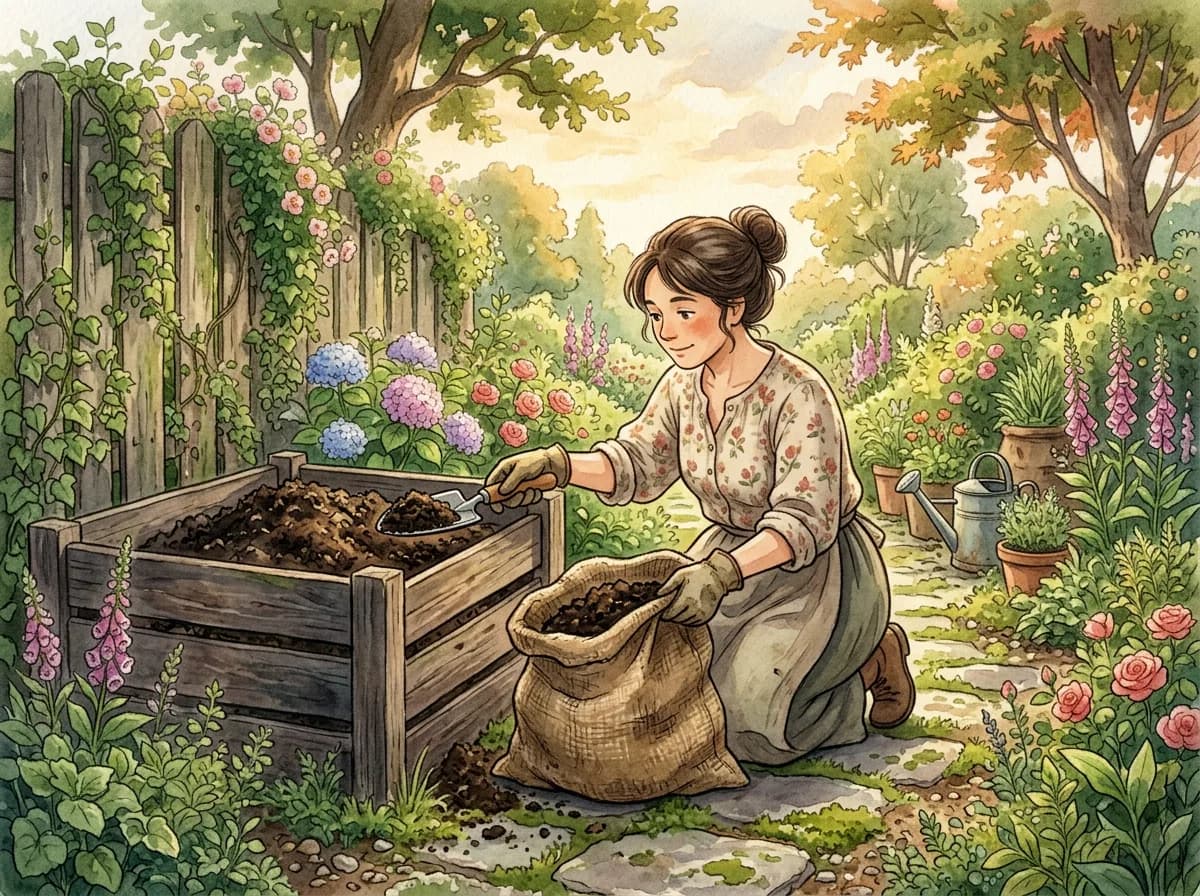
1Use well-matured compost, dark and smelling of forest soil. Fill a cloth bag or a stocking with about 2 handfuls.
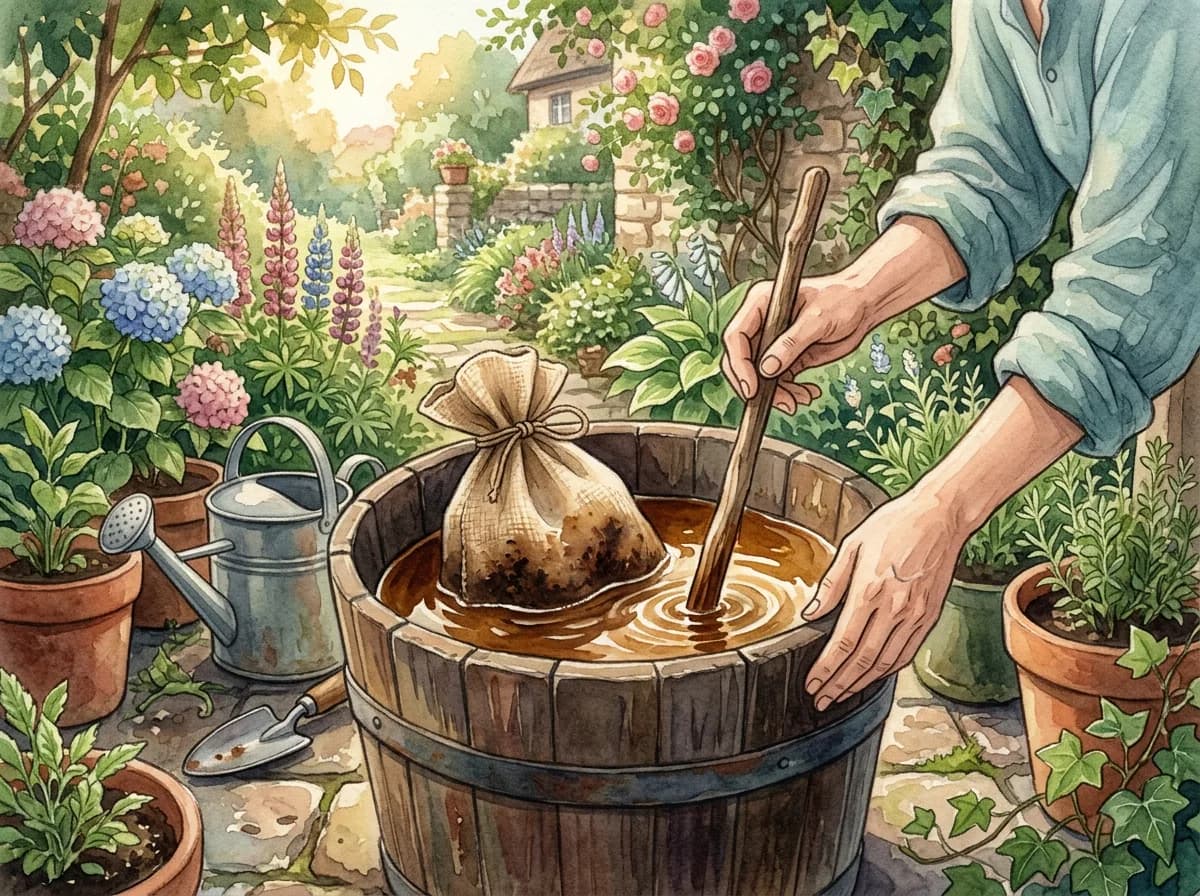
2Hang it in a bucket with 10 litres (about 2.6 US gal) of water without chlorine and aerate with an aquarium pump for 24 hours. Do not add sugar or molasses.
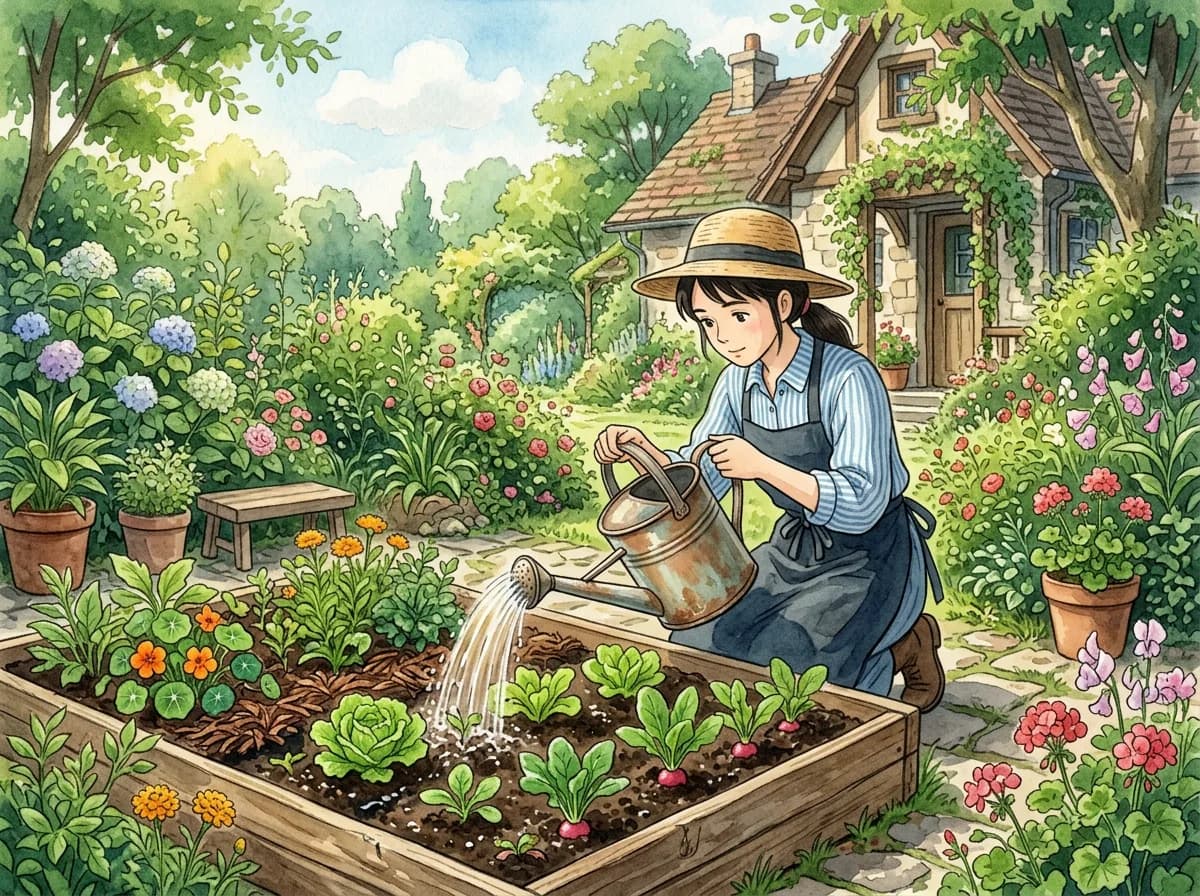
3Remove the bag and use the liquid the same day, applying it to the growing medium, not to leaves or to fruit you will eat raw.
Dose
Indicative dose, with no trial backing: use it undiluted or diluted to the colour of weak tea and water the growing medium every 2–3 weeks. Prepare only what you will use that day.
Which plants
Pots, seed trays, fruiting vegetables and flowers. Do not spray it on leaf vegetables.
Precautions
- Do not store the tea: after 24–36 hours it turns anaerobic and smells rotten.
- Do not spray it on lettuce or spinach leaves or on fruit eaten raw.
- If the compost contains manure, make sure it reached temperature and is cured.
- It does not replace compost on the surface: it supplies much less.
Why it works
The water extracts soluble salts and some fine organic matter from the compost, and the air keeps the aerobic part alive. Its effect on leaf fungi is unreliable; the most solid thing is the supply of soluble nutrients.
Sources
- University of Connecticut: compost, compost tea and manure and food safety (additives such as molasses can favour E. coli and Salmonella; dilute to tea colour)
- Sustainable Agriculture Research and Education: project on aerated compost tea and diseases (weak and inconsistent effectiveness; E. coli removed by leaving out the molasses)