
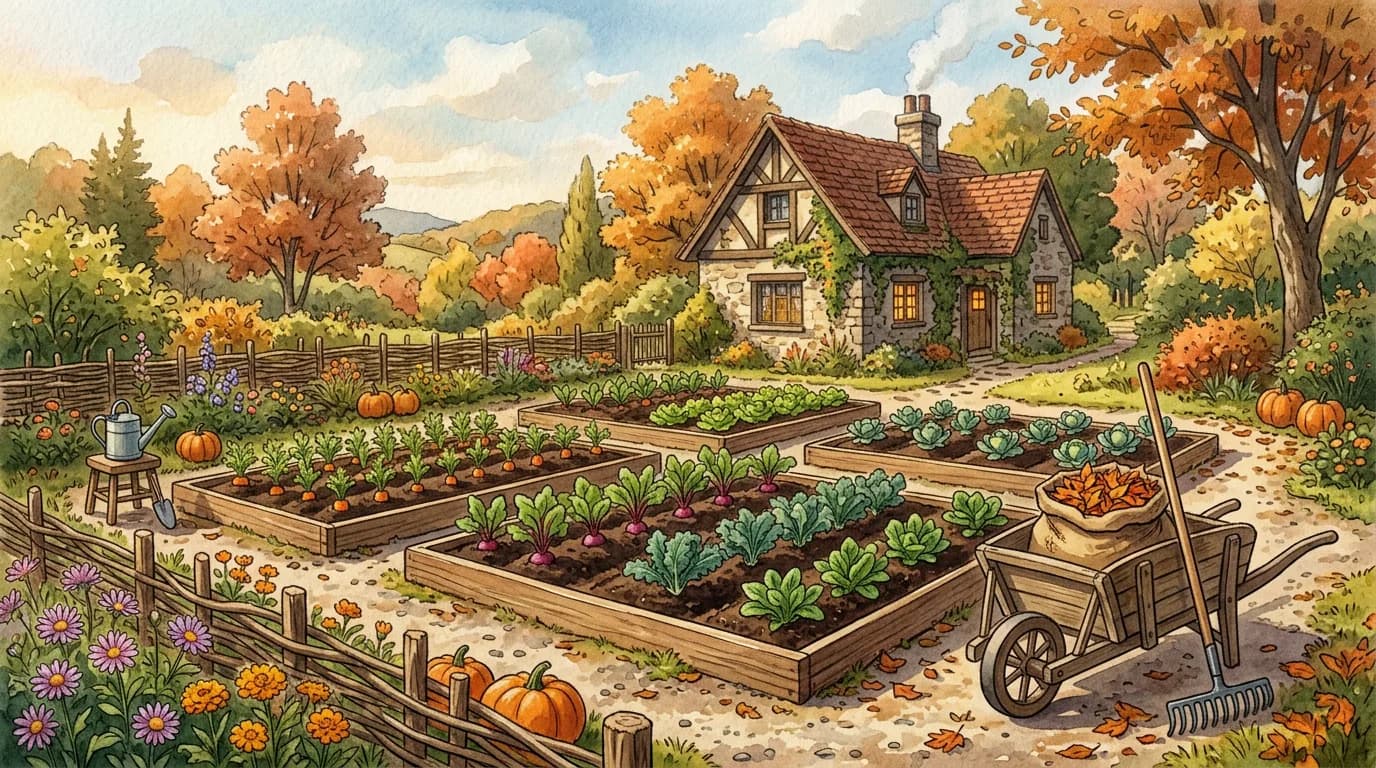
Removing infected remains and rotating crops
The basis of all defence against fungi: take diseased remains out of the garden and do not repeat the same family in the same place.
Well established. It is the most repeated recommendation: many fungi (alternaria, mildew, botrytis, fusarium) survive in crop remains and in the soil and are held back by reducing the inoculum and rotating.
Before you start, read the precautions
You will need
- rake
- bag or bucket with a lid
- notebook
When to use it
During the season (leaves with spots) and especially at the end of the crop, in autumn, as well as planning the rotation before sowing the following year.
Step by step
1During the crop, remove leaves and fruit with spots by hand or with clean scissors and put them in a closed bag.
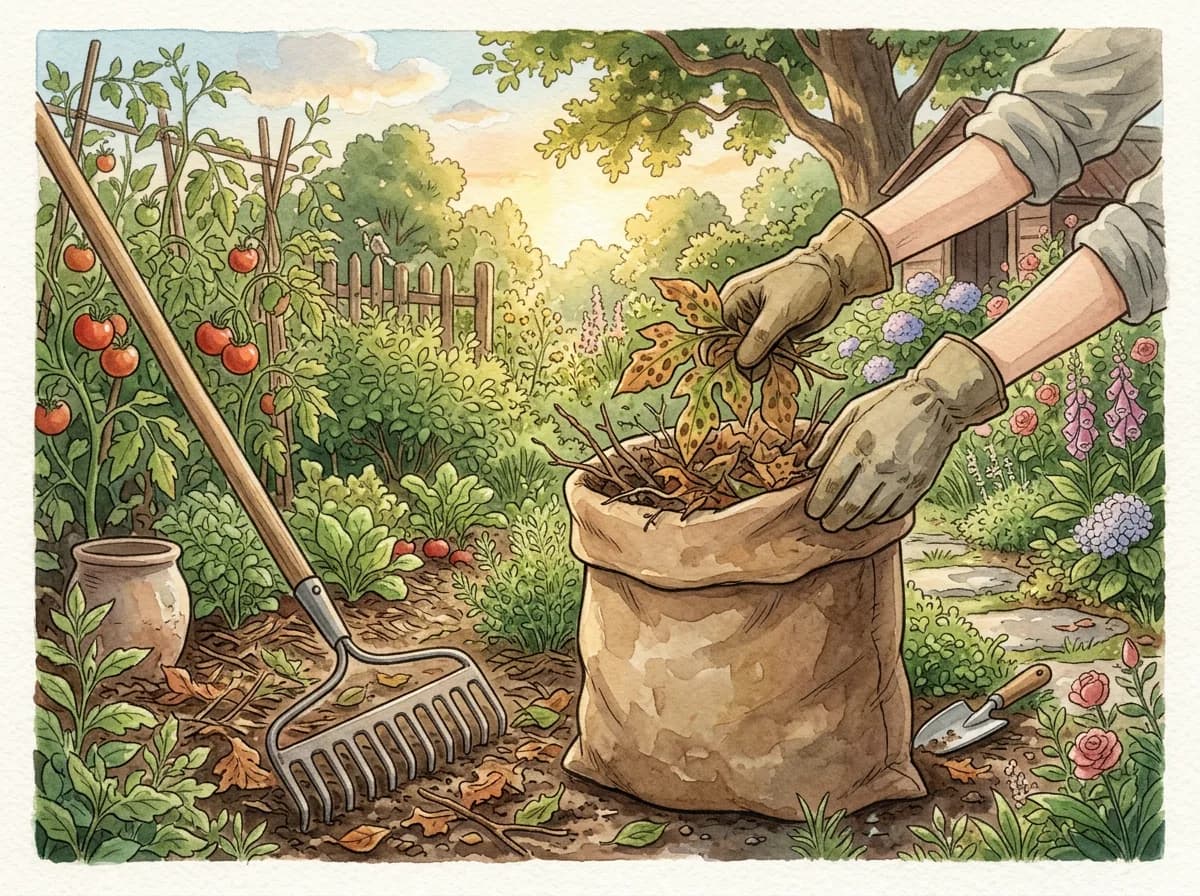
2At the end of the crop, pull up the whole plant with its roots and also remove the remains from the soil. Do not leave them on the ground or bury them nearby.
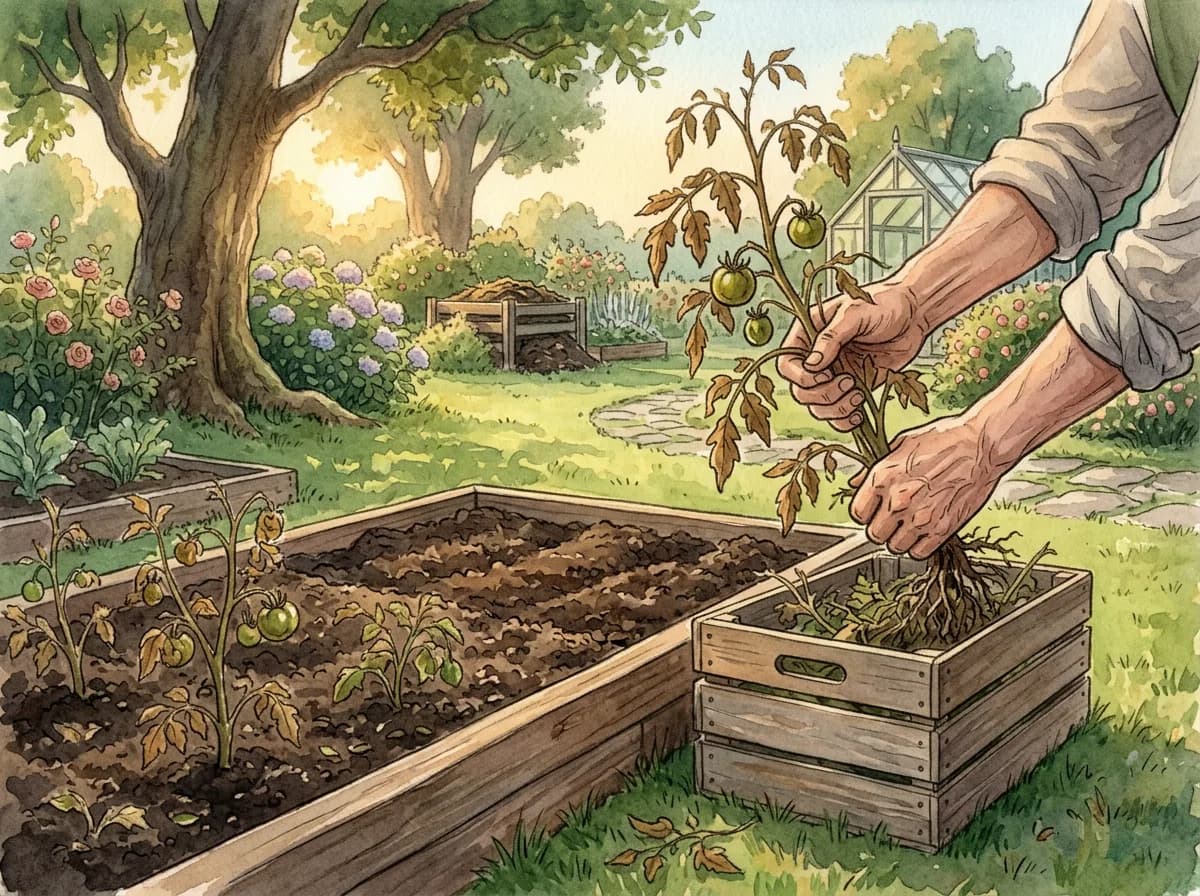
3If the plant had mildew, alternaria or botrytis, throw it out with the waste (or take it to the recycling point), not into the home compost, unless your compost reliably reaches about 63 °C (145 °F) and is turned regularly.
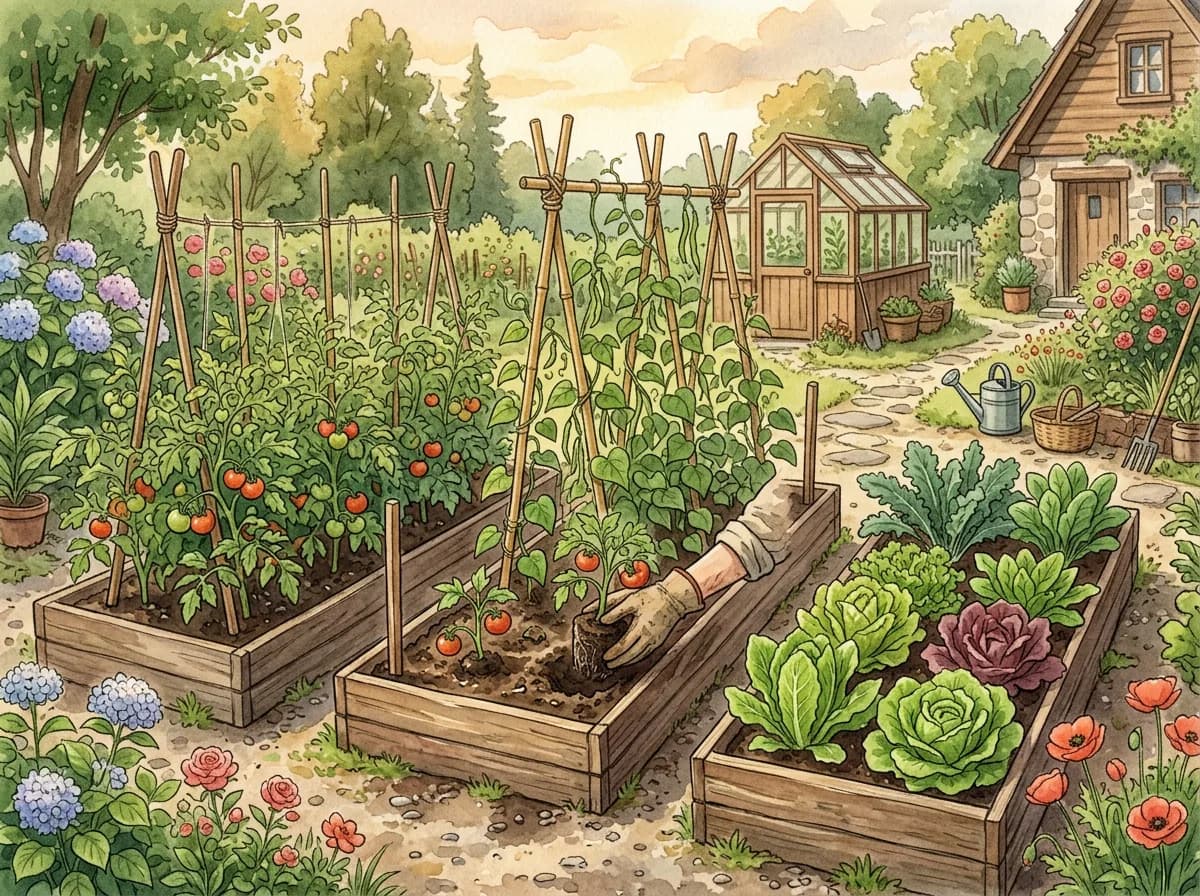
4Note which family you grew in each bed and do not repeat tomato, potato, pepper or aubergine (nightshades) in the same place until 3–4 years have passed (at least 3, ideally up to 4). Alternate with legumes, leaf or root vegetables.
Which plants
All vegetables, with special importance for nightshades (tomato, potato, pepper, aubergine), cucurbits and strawberry.
Plants mentioned in this remedy
 Tomato 'Marmande'Marmande tomato, flattened and ribbed, a good size for salads.
 Potato 'Kennebec'The 'Kennebec' potato is versatile in the kitchen, with pale skin.
 Sweet pepper 'California Wonder'California Wonder pepper, a blocky bell type with thick flesh, for stuffing or eating fresh.
 Long black aubergineAn aubergine with glossy black fruit, for warm climates.
 Camarosa strawberryA strawberry with large, firm, deep red fruit, very productive and early.
Precautions
- Do not compost remains with serious diseases in cold heaps: the fungus survives and is spread with the compost.
- Disinfect scissors with alcohol when moving from diseased plants to healthy ones.
- In small gardens full rotation is difficult: alternate at least between families (nightshades, cucurbits, brassicas, legumes) and use containers with new growing medium when you repeat.
- Also remove weeds of the same family (for example wild nightshades), which host the fungus.
Why it works
Many fungi spend the winter in plant remains and in the soil. Removing the remains reduces the spores that will infect the following crop, and changing family leaves the fungus without its specific host.
Sources
- Clemson University Home & Garden Information Center: tomato diseases; do not repeat nightshades on the same ground more than once every 3 years and remove crop remains
- Colorado State University Extension: tomato early blight; remove infected leaves and remains in autumn, do not compost except at 145 °F, rotation of several years