
Credits and licences
- #1 — vueltaalhuerto illustration
- #2 — vueltaalhuerto illustration
- #3 — vueltaalhuerto illustration
- #4 — vueltaalhuerto illustration
- #5 — vueltaalhuerto illustration
- #6 — vueltaalhuerto illustration
- #7 — vueltaalhuerto illustration
- #8 — vueltaalhuerto illustration
- #9 — vueltaalhuerto illustration
Camarosa strawberry
and 1 more names
June-bearing strawberryCamarosa strawberry is planted from September to October. It is harvested from March to June. Grow it in full sun, 30 cm apart, with moderate watering. Dates are for a mild temperate climate in the northern hemisphere; the calendar below adjusts them to your zone.
A strawberry with large, firm, deep red fruit, very productive and early. It was bred by the University of California and for many years it was the most widely planted variety in Huelva, southern Spain.
Family and origin: Rose family (Rosaceae) · native to United States (California) · More plants from North America
01In your area
How will it do in your garden?
Year calendar
| Task | J | F | M | A | M | J | J | A | S | O | N | D |
|---|---|---|---|---|---|---|---|---|---|---|---|---|
| Plant / transplantSep–Oct | no | no | no | no | no | no | no | no | yes | yes | no | no |
| HarvestMar–Jun | no | no | yes | yes | yes | yes | no | no | no | no | no | no |
| FloweringMar–May | no | no | yes | yes | yes | no | no | no | no | no | no | no |
Its life cycle at a glance
Swipe and tap a stage to see its details.
02Step by step
From seed to harvest, stage by stage
What the plant needs at each point in its life, from the seed to the harvest and on to the next seed. The figures are only a guide: your climate, your soil and the variety will shift them.
Approximate months for a temperate Spanish climate. Choose your zone in the calendar to adjust them.
Stage 1Sowing (alpine strawberry only)Sowing (alpine strawberry only): Feb–AprGerminates in 14–42 daysMost strawberries are started from young plants or runners, because the seed of hybrid strawberries does not reproduce the variety. The wild alpine strawberry, which produces hardly any runners, is grown from seed: its seed is tiny, needs light and comes up slowly and unevenly.
Most strawberries are started from young plants or runners, because the seed of hybrid strawberries does not reproduce the variety. The wild alpine strawberry, which produces hardly any runners, is grown from seed: its seed is tiny, needs light and comes up slowly and unevenly.
It takes two to six weeks to come up, and the seeds do not all come up at once.
For this varietyThis variety is not grown from seed: its seed does not reproduce the parent plant. Start straight away by planting nursery-grown plants or rooted runners.
Temperature
min. 10°Cideal 18°C–24°Cmax. 28°CA couple of weeks of moist cold in the fridge before sowing improves germination.
Moisture and watering
Keep the potting mix slightly moist at all times, preferably with a sprayer or by watering from the saucer; if it dries out for a single day, the tiny seedlings die.
How often: Every day or every two days, depending on how long the surface takes to dry.
Light · Diffuse light
It needs light to germinate, so leave the seed on the surface and put the seed tray somewhere bright out of direct sun.
Container · Seed tray
A seed tray or pot, with the seed scattered on the surface and only a pinch of fine sand on top.
Potting mix or soil
pH 5.5–6.5
Use a fine, light seed compost without fertiliser.
Nutrients
Mainly needs: no fertiliser
It needs no fertiliser until it has several true leaves.
Protection
- Cover the seed tray with clear plastic or a sheet of glass to keep in the moisture, and uncover it as soon as the seedlings come up.
Common problems
- Damping off. The seedlings keel over at the collar when the potting mix is too wet and there is no ventilation.
Warning signs
After three or four weeks hardly anything has come up.
Likely cause: This is normal with alpine strawberries, which come up slowly and unevenly; they may also be short of light or warmth.
What to do: Do not throw the seed tray away before six weeks; keep it moist, bright and at about 18-24 °C.
Reference photos
When it moves on to the next stageWhen the seedlings have three or four true leaves, prick them out into small pots and, when their roots fill the pot, move them to their final position as if they were bought plants.
Stage 2Planting and establishmentPlanting and establishment: Sep–OctLasts about 15–30 daysThe usual way is to start with nursery plants, in pots or bare-root, or with rooted runners from other healthy plants. They are planted in autumn in mild areas, or in late winter where the cold is severe, and the key is to leave the crown exactly at soil level.
The usual way is to start with nursery plants, in pots or bare-root, or with rooted runners from other healthy plants. They are planted in autumn in mild areas, or in late winter where the cold is severe, and the key is to leave the crown exactly at soil level.
Two to four weeks until it takes and produces new leaves from the centre.
Temperature
min. -5°Cideal 10°C–20°Cmax. 30°CNewly planted strawberries cope with cool weather, but hard frosts can lift them out of the ground.
Moisture and watering
Water thoroughly straight after planting so that the soil settles around the roots, and then keep the soil moist, without waterlogging, until the plant has taken.
How often: Every two or three days for the first few weeks if it does not rain.
How much: As a guide, 0.5-1 L per plant each time you water.
Light · Full sun
At least 5 h of light
Full sun or at least five or six hours of direct sun; alpine strawberries make do with partial shade. In the hot inland areas of Spain they appreciate shade in the middle of summer days.
Container · Straight into the ground
3–10 L
In the bed, 25-30 cm between plants and 40 cm between rows, preferably on a ridge. In a pot or trough, at least about 3-5 L per plant; strawberry planters with pockets also work.
Potting mix or soil
pH 5.5–6.8
It prefers loose, cool, well-drained, slightly acid soil rich in organic matter. Mix in well-rotted compost when preparing the bed and avoid fresh manure.
Nutrients
Mainly needs: phosphorus (P)
The compost added when preparing the bed is enough for establishment.
What with: well-rotted compost, worm compost
Protection
- If hard frosts are forecast just after planting, cover the plants with horticultural fleece or loose straw.
Jobs for this stage
- Plant with the crown, the heart from which the leaves grow, exactly at soil level; buried, it rots, and left too high, it dries out.
- If it is bare-root, spread the roots out well in the hole and trim the longest ones before planting.
- Put the mulch or planting film in place from the start so that the fruits do not touch the soil later.
Common problems
- Slugs and snails. They nibble the leaves of newly planted strawberries, especially in a rainy autumn.
- Wireworms. They gnaw the roots and crown in soil that used to be grassland or lawn.
Warning signs
The plant dries up from the centre a few weeks after planting.
Likely cause: The crown was buried and has rotted, or the soil is waterlogged.
What to do: Replant with the crown at soil level and improve drainage with a ridge.
After some frosts the plant has lifted, with its roots exposed.
Likely cause: The frost has heaved the plant out of the ground.
What to do: Settle it back in by hand, firm the soil around it and mulch.
Reference photos
When it moves on to the next stageIt has taken when the plant produces new leaves from the heart and does not wilt in the sunny hours.
Stage 3Growth and winter dormancyGrowth and winter dormancy: Oct–JanLasts about 60–150 daysAfter planting, the strawberry forms roots and leaves while the weather allows and spends the winter almost at a standstill, with its leaves pressed to the ground. In autumn and winter it prepares the buds that will flower in spring.
After planting, the strawberry forms roots and leaves while the weather allows and spends the winter almost at a standstill, with its leaves pressed to the ground. In autumn and winter it prepares the buds that will flower in spring.
Two to five months from autumn planting to spring flowering.
Temperature
min. -10°Cideal 12°C–22°Cmax. 30°CThe dormant plant withstands hard frosts; new leaves and flowers do not.
Moisture and watering
In autumn and winter the rain is usually enough. When spring arrives, water at the base when the surface of the soil starts to dry, preferably by drip irrigation and without wetting the leaves.
How often: Hardly ever in winter; once or twice a week as spring awakens.
How much: As a guide, 0.5-1 L per plant each time you water.
Light · Full sun
5–10 h of light
The more light it gets in winter and spring, the more flowers it will form.
Potting mix or soil
Keep the straw or bark mulch around the plants and the soil free of weeds.
Nutrients
Mainly needs: nitrogen (N), potassium (K)
In late winter, a dressing of compost or worm compost around the plant helps it get going. Do not overdo the nitrogen, which gives lots of leaf, soft fruit and more grey mould.
How often: Once in late winter.
What with: well-rotted compost, worm compost
Protection
- In areas with hard frosts, cover the plants with straw or horticultural fleece on the coldest nights.
- A low tunnel in late winter brings flowering and harvest forward by a few weeks.
Jobs for this stage
- At the end of winter, remove dry, reddish or spotted leaves without damaging the crown.
- Remove any runners that appear at this time of year so that the plant concentrates its energy on flowering.
- Renew or top up the straw mulch before the flowers appear.
Common problems
- Slugs and snails. They remain active in mild, rainy winters, hiding under the mulch.
- Leaf spot. Small reddish or purple spots with pale centres on the older leaves; it usually stays on the lower leaves.
- Aphids. They appear on the tender leaves at the heart when spring arrives.
Warning signs
The older leaves turn reddish in winter.
Likely cause: This is the strawberry's normal reaction to cold.
What to do: There is no need to do anything; remove the most damaged ones in late winter.
The plant produces lots of large, soft leaves.
Likely cause: Too much nitrogen fertiliser.
What to do: Stop feeding with nitrogen; give a little potassium if it is about to flower.
Reference photos
When it moves on to the next stageMove on to flowering when the first stems with white flower buds emerge from the centre of the plant.
Stage 4Flowering and fruit setFlowering and fruit set: Mar–MayLasts about 20–40 daysThe flowers, white with yellow centres, appear in clusters from the crown. Bees and other insects pollinate them, and how well they do so decides whether the fruit comes out large and well formed. Everbearing strawberries keep flowering in flushes until autumn.
The flowers, white with yellow centres, appear in clusters from the crown. Bees and other insects pollinate them, and how well they do so decides whether the fruit comes out large and well formed. Everbearing strawberries keep flowering in flushes until autumn.
Each cluster flowers and sets in a few weeks; the fruit ripens about 30 days after flowering.
Temperature
min. 0°Cideal 15°C–22°Cmax. 30°CA frost in full flower blackens the centre of the flower, which will then not produce fruit.
Moisture and watering
Keep the soil evenly moist, watering at the base or by drip, without wetting flowers or leaves so as not to invite grey mould.
How often: Two or three times a week in spring if it does not rain.
How much: As a guide, 0.5-1 L per plant each time you water.
Light · Full sun
At least 5 h of light
Full sun, or a little shade during the hottest hours in the inland and south of Spain.
Nutrients
Mainly needs: potassium (K)
During flowering it appreciates potassium, which improves fruit set and flavour; keep nitrogen low.
How often: Every three or four weeks.
What with: sieved wood ash (in moderation), organic fruiting fertiliser, compost
Protection
- If frost is forecast while the flowers are open, cover the plants with horticultural fleece overnight.
- Do not spray anything on the flowers, which are visited by bees.
Jobs for this stage
- Finish mulching with straw under the flower clusters so that the fruits do not touch the soil.
- Keep cutting off any runners that appear, except those you want to keep for propagation.
Common problems
- Grey mould (botrytis). Grey mould on the flowers and newly set fruit in a damp spring and when plants are crowded.
- Aphids. They settle on the flower stalks and the tender leaves.
- Strawberry blossom weevil. A small weevil that cuts through the stalks of the flower buds, which are left hanging and dry up.
Warning signs
The flowers have black centres after a cold night.
Likely cause: Frost in full flower.
What to do: Those flowers will not produce fruit; protect the next ones with horticultural fleece.
The strawberries come out misshapen, with hard areas without seeds.
Likely cause: Incomplete pollination, because of cold or too few visits from insects.
What to do: Plant nectar-rich flowers nearby and avoid any treatment during flowering.
Reference photos
When it moves on to the next stageWhen the petals fall and a small green strawberry is left in the centre and starts to swell, the flower has set.
Stage 5Ripening and harvestRipening and harvest: Mar–JunLasts about 30–90 daysThe fruits swell while green, turn white and then red. Strawberries do not carry on ripening once picked, so they must be picked at the right moment, checking the plants every two or three days throughout the season.
The fruits swell while green, turn white and then red. Strawberries do not carry on ripening once picked, so they must be picked at the right moment, checking the plants every two or three days throughout the season.
With short-day (June-bearing) strawberries the harvest lasts one to three months in spring.
Temperature
min. 5°Cideal 15°C–25°Cmax. 32°CIn very hot weather the plant stops flowering and the fruits come out small and soft.
Moisture and watering
Water regularly by drip or at the base, without wetting the fruit: too much water softens and rots them, and too little keeps them small.
How often: Every two or three days in spring; daily in containers in hot weather.
How much: As a guide, 0.5-1 L per plant each time you water.
Light · Full sun
At least 5 h of light
Full sun so that the fruit colours up and builds sugar, with light shade during the hottest hours of summer.
Nutrients
Mainly needs: potassium (K)
During the harvest a little potassium from time to time is enough; do not add nitrogen.
How often: Every four weeks for everbearing types.
What with: organic fruiting fertiliser, compost
Protection
- Netting over the plants stops birds pecking the ripe fruit.
- Remove rotten or pecked fruit straight away so that the rot does not spread to its neighbours.
Jobs for this stage
- Check the plants every two days in hot weather and every three or four in cool weather, and pick the strawberries that are completely red.
- Remove runners during the harvest so that the plant does not waste energy on them.
- Keep the straw under the fruit and renew it if it gets dirty or too wet.
Harvesting
When it is ready: Harvest when the strawberry is evenly red and glossy, with a fresh green calyx. If it has a white ring inside when you cut it open, it was not quite ripe yet. The exact shade of red depends on the variety, so taste one and note the colour that has the best flavour.
How to pick: Pinch the little stalk with your fingernails or cut it with scissors half a centimetre above the calyx, rather than pulling the fruit, which bruises and keeps less well. Leave the calyx attached to the strawberry.
Time of day: Pick in the morning, once the dew has dried and before the heat sets in, and get the strawberries out of the sun straight away.
Yield: As a guide, 250 to 500 g per plant over the season, depending on the variety, the age of the plant and the climate.
How to store: Keep them in the fridge unwashed and with the calyx on, in a single layer, and wash them just before eating. They last only a few days, especially soft varieties and alpine strawberries; to keep them longer, freeze them or make jam.
Common problems
- Grey mould (botrytis). This is strawberry grey mould: in damp weather it covers the ripe fruit with grey mould.
- Slugs and snails. They make holes in the ripe fruit, especially fruit that touches the ground.
- Shield bugs. They pierce the green fruit, which becomes misshapen and stays hard where it has been pierced.
- Anthracnose. Sunken, dark, firm spots on the fruit in warm, humid weather.
Warning signs
The fruits become covered in grey mould.
Likely cause: Grey mould, encouraged by damp, overhead watering and poor air flow.
What to do: Remove diseased fruit, water at the base and thin out old leaves so that air can circulate.
Fruits appear with holes and shiny trails.
Likely cause: Slugs and snails.
What to do: Collect them at dusk and keep the fruit off the ground with straw.
Reference photos
When it moves on to the next stageThe main harvest ends when the plant stops flowering in the heat; everbearing types keep producing fruit in flushes until autumn.
Stage 6Cleaning up and renewing the bedCleaning up and renewing the bed: Apr–JulLasts about 7–30 daysStrawberries are short-lived perennials: each season they produce a little less and build up diseases. After the main harvest the plants are cleaned up so that they regrow healthy, and every three or four years the whole bed is renewed with young runners somewhere else.
Strawberries are short-lived perennials: each season they produce a little less and build up diseases. After the main harvest the plants are cleaned up so that they regrow healthy, and every three or four years the whole bed is renewed with young runners somewhere else.
For this variety'Camarosa' strawberries crop best in their first year, so in the garden it is wise to renew them every one or two years, sooner than other strawberries.
Jobs for this stage
- When the main harvest of single-crop strawberries is over, cut off the old, dry or spotted leaves with clean scissors without touching the crown or the new leaves, and clear the debris from the bed.
- With everbearing types, such as 'Mara des Bois', do not do this thorough clean-up: remove only dry or diseased leaves so as not to lose the late-season fruit.
- After cleaning up, pull out the weeds, renew the straw and water so that the plants regrow vigorously.
- Every three or four years, or sooner if the plants are producing little, pull up the bed and start a new one with healthy runners in a different place.
- Do not plant strawberries again where strawberries, potatoes, tomatoes or peppers have grown in the previous three or four years.
Common problems
- Fusarium wilt and other root rots. The plants wilt and the crown looks brown inside; the fungi remain in the soil, which is why the crop must be rotated.
- Grey mould (botrytis). Old leaves and forgotten fruit are its refuge; cleaning up after the harvest reduces it greatly.
Warning signs
The plants produce less each year and the fruit gets smaller.
Likely cause: The bed is old or has built up viruses and fungi.
What to do: Renew it with runners from the healthiest plants in a new bed.
Some plants wilt even though the soil is moist.
Likely cause: Root or crown rot.
What to do: Pull them up with their soil, do not compost them and do not take runners from them.
Reference photos
Stage 7Seeds and propagationSeeds and propagation: May–AugLasts about 14–28 daysStrawberries are propagated mainly by runners, the creeping stems that end in a small daughter plant identical to the parent. Seed only makes sense for the wild alpine strawberry, and old plants that do not produce runners can be divided. Runners are rooted from late spring to late summer, from May to August in a temperate climate, and well-stored alpine strawberry seed keeps for one to three years.
Strawberries are propagated mainly by runners, the creeping stems that end in a small daughter plant identical to the parent. Seed only makes sense for the wild alpine strawberry, and old plants that do not produce runners can be divided. Runners are rooted from late spring to late summer, from May to August in a temperate climate, and well-stored alpine strawberry seed keeps for one to three years.
Two to four weeks from pinning down the runner until it roots; alpine strawberry seed dries in five to ten days.
Saving seed
When the seed is ripe: It is only worthwhile with alpine strawberries. Choose very ripe fruit, fully coloured and fragrant, from healthy plants, and work with it on the day you pick it.
How to extract it: Mash the fruit in a glass with a little water and stir: the pulp floats and the good seeds sink to the bottom. Strain them and wash them until nothing sweet is left stuck to them, because sugar attracts moulds.
Drying: Spread them on a plate or kitchen paper somewhere airy and shady for five to ten days, moving them a little each day.
Storage: Store them in an envelope or a small, tightly closed jar, labelled with the name and the year, in a cool, dry, dark place.
The seed stays viable for about 1–3 years.
F1 hybrids: Garden strawberries, such as 'Camarosa' or 'Mara des Bois', are varieties bred by crossing, and their seed gives different plants, almost always worse ones. To keep them, always propagate them by runners.
Cross-pollination: Bees cross strawberries with one another, so alpine strawberry seed only comes true if there are no other strawberries flowering nearby. Runners and division do not have this problem.
Other ways to propagate
Runners: This is the main method. From late spring into summer, after the harvest, choose runners from the most productive and healthy plants, pin the first node onto a small pot of soil with a wire staple or a stone and keep it moist. When it roots, in two to four weeks, cut the stem joining it to the parent and plant the new strawberry in autumn. Keep one or two runners per plant and discard those from weak plants or plants with distorted leaves.
Division: Alpine strawberries, which produce hardly any runners, are propagated by dividing old plants in early autumn or early spring: lift the plant, split it into pieces each with its own crown and roots, and replant them straight away.
Reference photos
Sources and review
Reviewed on 4 November 2026. Approximate figures, written from these sources and the data in this profile.
- Royal Horticultural Society: How to grow strawberries
- Utah State University Extension: How to grow strawberries in your garden
- University of California Integrated Pest Management: Harvesting strawberries
- Iowa State University Extension: When should strawberries be harvested?
- Iowa State University Extension: Renovation of June-bearing strawberries
- Vuelta al Huerto catalogue data (alpine strawberry germination, calendar, tolerances, propagation and Visual harvest and pruning guide)
03Planting
Where and how to plant it
Leave 30 cm between plants and 40 cm between rows.
30 cm between plants · 40 cm between rows
Seedlings are planted with the root ball level with the soil.
- In a square-foot bed
- 1 plant per square30 × 30 cm squares
- Transplanting
- Sep–Oct
- TipCamarosa is a short-day variety, does not repeat-flower, and crops best in its first year: renew the plants often, because old ones produce much less.
04Care
Care through the year
Sun and aspectFull sun · 8 h of sun · South or south-west, with nothing casting shade at midday
- Too little sun
- Ideal range
- Plenty of sun
South or south-west, with nothing casting shade at midday
Strong sun: Loves full midday sun and high temperatures.
WateringMoist but never waterlogged · summer: every 2-3 days
- Summerevery 2-3 days8 L per tree/week
- Spring / Autumnevery 4-5 days4 L per tree/week
- Winterevery 2-3 weeks1.2 L per tree/week
Moist but never waterlogged: Water before the surface is completely dry. Never puddles. Mulch: straw or dry plant material cuts watering by 30-50 %.
When to water? Push your finger 3 cm into the soil next to the base of the plant:
- Damp: soil sticks to your finger. Do not water today. The moisture is fine.
- Cool but clean, no mud. Water early tomorrow if it stays like this, or this evening.
- Dry and dusty. Water now, and deeply. This is not where it likes to be.
Soil and feedingCool, slightly acidic soil with organic matter
Cool, slightly acidic soil with organic matter.
Medium: constant moisture but no puddles.
This plant prefers a pH between 5.0 and 6.5 (acidic to neutral).
- Use pine needles or pine bark as a mulch (they lower the pH little by little).
- Water with rainwater or softened water if your tap water is hard.
- Compost made from chestnut leaves or leaf litter in autumn keeps up the humus.
- Chalky or alkaline soils cause chlorosis (yellow leaves with green veins).
- Letting the roots dry out while fruiting ruins the harvest.
Pruning
- Common mistakeNot pruning the canes that have already fruited leaves the clump congested.
Common mistakes and tips
- TipAt the end of winter, clear away dry or diseased leaves.
- TipRenew old canes every year to keep up production and air flow.
05Harvest
Harvesting and storing
Harvest in Mar–Jun.
- TipUse drip irrigation, without wetting leaves or fruit, and remove the runners during the harvest so that the plant does not waste energy.
- Common mistakeLetting it dry out while fruiting ruins the harvest.
06Propagation
Make new plants
Plant in autumn, using fresh nursery plants, to harvest in spring; in areas with cold winters it can also be planted at the end of winter. It is propagated from runners: in summer let some of them root in small pots without separating them from the parent, and cut them off once they have roots. It is not grown from cuttings, and seed does not come true to the variety.
07Uses and health
What it is used for, and with what care
- Properties
- Strawberries rich in vitamin C and antioxidants.
- Uses
- Fresh fruit, in desserts or in jam.
For guidance only; this is not medical treatment and does not replace advice from a doctor or vet.
08Companions and related plants
What to plant it with
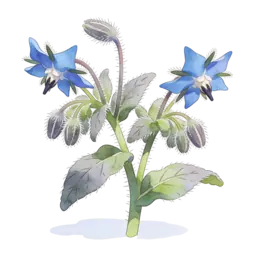
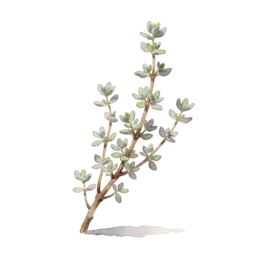
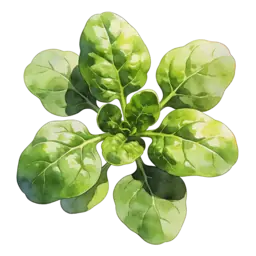
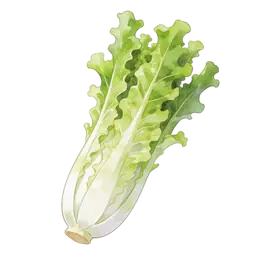
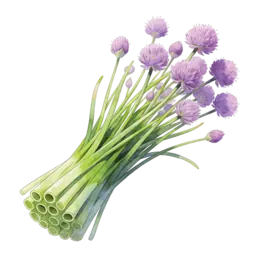
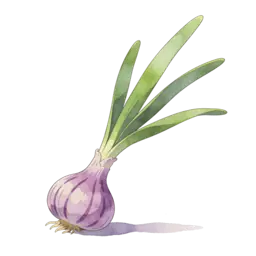
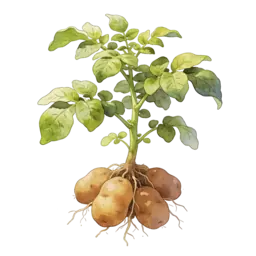
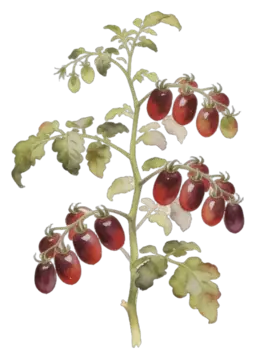
Group it in the same bedPlants with the same watering or the same sun
They are not essential companions, but you will not have to water or position them differently.
Same watering · Moderate watering
Compare with similar varieties
| Variety | Sowing | Harvest | Days | Spacing | Difficulty |
|---|---|---|---|---|---|
| Mara des Bois strawberry | Nov–Mar | May–Oct | — | 25 cm | Easy |
| Alpine strawberry | Feb–Mar | May–Sep | — | 25 cm | Easy |
| Camarosa strawberry | Sep–Oct | Mar–Jun | — | 30 cm | Easy |
No known toxicity to people or pets
It is not toxic to people or pets. In some children, eating strawberries causes itching or hives, almost always mild; if it happens again, mention it to the paediatrician.