
Credits and licences
- #1 — vueltaalhuerto illustration
- #2 — vueltaalhuerto illustration
- #3 — vueltaalhuerto illustration
- #4 — vueltaalhuerto illustration
- #5 — vueltaalhuerto illustration
- #6 — vueltaalhuerto illustration
- #7 — vueltaalhuerto illustration
- #8 — vueltaalhuerto illustration
- #9 — vueltaalhuerto illustration
- #10 — vueltaalhuerto illustration
- #11 — vueltaalhuerto illustration
- #12 — vueltaalhuerto illustration
- #13 — AfroBrazilian · CC BY-SA 3.0 see on Wikimedia
- #14 — Forest and Kim Starr · CC BY 3.0 us see on Wikimedia
Cos lettuce (romaine)
and 1 more names
cosCos lettuce (romaine) is sown directly outdoors from March to May and from August to September. It is harvested from May to July and from October to November (about 65 days to the first harvest). Grow it in full sun, 30 cm apart, with plenty of watering. Dates are for a mild temperate climate in the northern hemisphere; the calendar below adjusts them to your zone.
What else to sow in March, April, May, August and September
Cos lettuce, with a long, crisp heart. It prefers cool weather, because heat makes it bitter. Sow it in succession every two or three weeks and water evenly so it does not bolt.
Family and origin: Daisy family (Asteraceae) · native to Ancient Rome (Mediterranean) · More plants from Mediterranean basin
01In your area
How will it do in your garden?
Year calendar
| Task | J | F | M | A | M | J | J | A | S | O | N | D |
|---|---|---|---|---|---|---|---|---|---|---|---|---|
| Direct sowingMar–May, Aug–Sep | no | no | yes | yes | yes | no | no | yes | yes | no | no | no |
| HarvestMay–Jul, Oct–Nov | no | no | no | no | yes | yes | yes | no | no | yes | yes | no |
Its life cycle at a glance
Swipe and tap a stage to see its details.
02Step by step
From seed to harvest, stage by stage
What the plant needs at each point in its life, from the seed to the harvest and on to the next seed. The figures are only a guide: your climate, your soil and the variety will shift them.
Approximate months for a temperate Spanish climate. Choose your zone in the calendar to adjust them.
Stage 1Seed and germinationSeed and germination: Mar–May, Aug–SepGerminates in 2–7 daysLettuce seed is small, elongated and very lively: in moist potting mix and at a mild temperature it comes up in a few days. It needs some light to germinate, so it is sown almost on the surface, barely covered.
Lettuce seed is small, elongated and very lively: in moist potting mix and at a mild temperature it comes up in a few days. It needs some light to germinate, so it is sown almost on the surface, barely covered.
At 15-20 °C it comes up in two to five days; in cold weather it takes longer and in strong heat it may not come up at all.
Temperature
min. 2°Cideal 15°C–24°Cmax. 30°CAbove 25-28 °C many seeds go into a kind of heat dormancy and do not come up even though the potting mix is moist; in summer it is best to sow in the shade or in the evening.
Moisture and watering
Keep the surface constantly moist with a sprayer or a watering can with a very fine rose, because the seed is almost on the surface and dries out quickly.
How often: Once or twice a day in warm weather; every one or two days if it is cool.
Light · Diffuse light
Lettuce seed germinates better with some light, which is why it is not buried. The brightness of a light spot out of direct sun is enough; in summer, direct sun would overheat the seed tray.
Container · Small cell
A tray of small cells with two or three seeds per cell, or direct sowing thinly along a row in the bed, covering the seed with only 2-3 mm of fine soil.
Potting mix or soil
pH 6–7
Use a fine, light seed compost without lumps, one that holds moisture without compacting.
Nutrients
Mainly needs: no fertiliser
It needs no fertiliser at this stage: the seed has reserves for the first few days.
Protection
- In summer, put the tray in the coolest, shadiest spot you have, or sow it late in the evening.
- If it is very hot, soak the seed for a few hours and keep it in the fridge for one or two days before sowing; this helps it wake up.
Common problems
- Damping off. The newly emerged seedlings keel over at the base and dry up. Too much water and stuffy conditions encourage it.
Warning signs
Nothing has come up after a week in high summer.
Likely cause: The potting mix has heated up above 25-28 °C and the seed has gone dormant.
What to do: Sow again somewhere cool and shady, or wait until temperatures drop.
Only a few plants have come up, widely spaced.
Likely cause: The seed was buried too deep or the potting mix dried out at some point.
What to do: Sow almost on the surface and keep the moisture constant until they have all come up.
Reference photos
When it moves on to the next stageMove on to the seed tray stage when the seedlings have opened their two rounded seed leaves and the first true leaf is showing.
Stage 2Seed tray and seedlingsSeed tray and seedlings: Mar–Jun, Aug–OctLasts about 20–35 daysAlthough lettuce can also be sown directly in the garden, in a seed tray germination is easier to control and you gain time. The seedling forms its first true leaves in a few weeks and soon needs transplanting.
Although lettuce can also be sown directly in the garden, in a seed tray germination is easier to control and you gain time. The seedling forms its first true leaves in a few weeks and soon needs transplanting.
Three to five weeks from emergence, depending on the time of year.
Temperature
min. 4°Cideal 12°C–20°Cmax. 26°CAbove 25 °C the seedling becomes leggy and weak.
Moisture and watering
Water when the surface starts to dry, preferably from below or with a fine spray so as not to flatten the seedlings.
How often: Every one or two days, depending on the heat and the size of the cell.
Light · Full sun
6–12 h of light
As soon as it comes up it needs plenty of light to grow compact. In winter, the brightest spot is best; in summer, bright light but with shade during the hottest hours.
Container · Small cell
The seed tray cell is enough until transplanting. If several seedlings came up per cell, keep the strongest and snip off the others at soil level with scissors.
Potting mix or soil
Seed compost or a light multipurpose compost, with a little worm compost if it is very poor.
Nutrients
Mainly needs: nitrogen (N)
There is normally no need to feed in the seed tray; if the leaves turn pale before transplanting, one watering with worm compost is enough.
What with: worm compost
Jobs for this stage
- Thin out each cell, leaving a single seedling, the most vigorous one.
- Put the tray outside for a few hours a day during the last week so that the plants harden off before transplanting.
Common problems
- Damping off. It remains the main danger while the stem is soft; avoid overwatering and ventilate well.
- Aphids. They may appear on the undersides of tender leaves, especially in seed trays indoors or in a greenhouse.
Warning signs
The seedlings come up long and thin and flop over.
Likely cause: They are short of light or it is too hot.
What to do: Move them somewhere brighter and cooler; very leggy ones can be transplanted a little deeper.
The leaves turn yellow before the plants are ready to transplant.
Likely cause: The seedlings have been in their cells too long and have run out of food.
What to do: Transplant as soon as possible; if you cannot, water once with worm compost.
Reference photos
When it moves on to the next stageIt is ready to transplant when it has 3 to 5 true leaves and the rootball comes out of the cell in one piece.
Stage 3Transplanting or thinningTransplanting or thinning: Apr–Jun, Sep–OctLasts about 5–10 daysLettuce transplants easily if it is moved with the whole rootball and at a cool time of day. With direct sowings, this stage is thinning: giving each plant its own space so that it can form its rosette or heart.
Lettuce transplants easily if it is moved with the whole rootball and at a cool time of day. With direct sowings, this stage is thinning: giving each plant its own space so that it can form its rosette or heart.
Almost a week for the plant to take and start growing again.
Temperature
min. 0°Cideal 10°C–20°Cmax. 26°CAvoid transplanting during a heatwave: the plant suffers and tends to bolt.
Moisture and watering
Water the seed tray before taking out the seedlings and water again straight after planting so that the soil settles around the roots.
How often: For the first few days, daily, or every two days in hot weather.
How much: As a guide, half a litre per plant at planting.
Light · Full sun
At least 4 h of light
In spring and autumn it grows well in full sun; for late spring and summer plantings it appreciates the shade of other plants or netting in the middle of the day.
Container · Straight into the ground
2–5 L
In the bed, about 25-30 cm between plants and 30-35 cm between rows, depending on the size of the variety. In a pot or trough, 15-20 cm of depth and about 2-5 L per plant is enough.
Potting mix or soil
pH 6–7
It prefers loose, cool soil rich in organic matter that holds moisture without becoming waterlogged. Plant with the collar at soil level, without burying it, so that it does not rot.
Nutrients
Mainly needs: nitrogen (N)
A little well-rotted compost mixed into the soil before planting is enough. Avoid fresh manure, which scorches the roots and encourages rots.
What with: well-rotted compost, worm compost
Protection
- If hard frosts are forecast just after planting, cover the plants with horticultural fleece.
- Set traps or barriers against slugs and snails from the first day, because a newly planted seedling can disappear overnight.
Jobs for this stage
- Transplant late in the evening or on a cloudy day.
- Keep the collar of the plant at soil level, without burying the rosette.
- With direct sowings, thin out in two stages until you reach the final spacing; the little plants you remove can be eaten in salads.
Common problems
- Slugs and snails. They are the number one enemy of young lettuce; they attack at night and after rain.
- Cutworms. They cut the plant off at ground level during the night; you can find them by scratching the soil around the plant a little.
Warning signs
The plant wilts at midday for the first few days.
Likely cause: This is normal transplant stress.
What to do: Keep the soil moist and provide light shade for a few days; it should recover within a week.
Plants are found cut through at the base in the morning.
Likely cause: Cutworms or slugs.
What to do: Search at dusk or scratch the soil a little next to the damaged plants, and replace any that are missing.
Reference photos
When it moves on to the next stageIt has taken when it produces new leaves from the centre and no longer wilts in the sunny hours.
Stage 4Growth of the rosette and heartGrowth of the rosette and heart: Apr–Jul, Sep–NovLasts about 30–50 daysThe plant forms an ever larger rosette of leaves and, in hearting varieties, begins to close its heart. It grows quickly and has shallow roots, so it depends heavily on regular watering and not getting too hot.
The plant forms an ever larger rosette of leaves and, in hearting varieties, begins to close its heart. It grows quickly and has shallow roots, so it depends heavily on regular watering and not getting too hot.
Four to seven weeks from transplanting, depending on the variety and the season.
Temperature
min. -2°Cideal 12°C–20°Cmax. 28°CIt tolerates light frosts, especially winter varieties, but above 25-28 °C it turns bitter and tends to bolt.
Moisture and watering
Water little and often, without letting the soil dry out completely and without soaking the collar. If you can, water in the morning so that the leaves do not stay wet overnight.
How often: Every two or three days in spring and autumn; daily or nearly so in hot weather.
How much: As a guide, half a litre to a litre per plant each time you water, more in containers.
Light · Full sun
4–8 h of light
It needs at least four or five hours of sun. In the warm months light shade delays bolting and keeps the leaves tender.
Potting mix or soil
Keep the soil crumbly, without a crust, and mulched with a thin layer of straw or dry grass clippings.
Nutrients
Mainly needs: nitrogen (N)
It is a short-cycle crop that makes do with the compost added at planting. Too much nitrogen gives soft leaves that are more prone to rots and aphids.
How often: Only if the leaves turn pale, a light feed halfway through the cycle.
What with: compost, worm compost, diluted nettle feed
Protection
- From late spring, 30 % shade netting in the middle of the day delays bolting.
- In winter, a tunnel or horticultural fleece protects against hard frosts and hail.
Jobs for this stage
- Weed carefully by hand, because lettuce roots are shallow.
- Remove rotten or yellow lower leaves so that fungal diseases do not spread.
- Sow or transplant another batch every two or three weeks to have a continuous supply of lettuces.
Common problems
- Aphids. They hide in the heart and on the undersides of the leaves; with a lot of nitrogen they multiply faster.
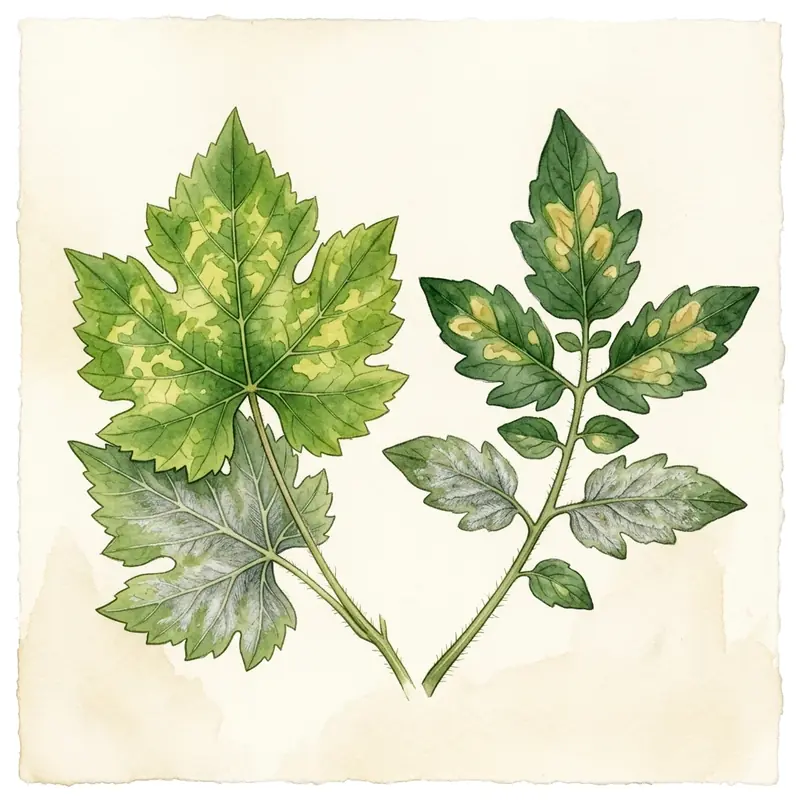
- Lettuce downy mildew. Yellowish patches bounded by the veins on the upper side of the leaves and whitish fuzz underneath, in cool, damp weather.
- Leaf miner. Pale, winding tunnels inside the leaf; it usually affects the outer leaves.
- Caterpillars and armyworms. Large holes in the leaves and dark droppings in the heart.
- Slugs and snails. They keep nibbling the outer leaves, especially in rainy springs and autumns.
Warning signs
The edges of the inner leaves turn brown and dry.
Likely cause: Tipburn caused by heat or irregular watering, which stops calcium reaching the tender leaves properly.
What to do: Water regularly, provide shade during heatwaves and do not overdo nitrogen fertiliser.
The lower leaves rot and look grey, or there is white cottony growth on the collar.
Likely cause: Grey mould or sclerotinia, encouraged by damp and very dense planting.
What to do: Remove the affected plants, water at the base in the morning and leave more space between lettuces.
The centre of the plant begins to lengthen.
Likely cause: It is about to bolt because of the heat or the long days.
What to do: Harvest as soon as possible, even if it has not reached its full size.
Reference photos
When it moves on to the next stageIt is nearly ready when the rosette reaches the size typical of its type and, in hearting lettuces, the heart feels firm when squeezed gently.
Stage 5HarvestHarvest: May–Jul, Oct–NovLasts about 7–21 daysLettuce is harvested when the rosette or heart has reached its size and the leaves are crisp. You need to keep an eye on it, because it stays at its best for only a few days, especially in hot weather: it is better to be early than late.
Lettuce is harvested when the rosette or heart has reached its size and the leaves are crisp. You need to keep an eye on it, because it stays at its best for only a few days, especially in hot weather: it is better to be early than late.
Each batch is at its best for one or two weeks; loose-leaf types allow several cuts.
For this varietyThe Cos lettuce (romaine) profile gives about 65 days to the first harvest; treat it as a rough guide.
Temperature
min. -2°Cideal 10°C–20°Cmax. 28°CAbove 25-28 °C the plant bolts and turns bitter in a few days.
Moisture and watering
Keep watering regularly until the end; a lettuce that goes thirsty just before harvest becomes tough and bitter.
How often: Every two or three days, or daily in hot weather.
How much: As a guide, half a litre to a litre per plant each time you water.
Light · Full sun
At least 4 h of light
Sun in spring and autumn; light shade in the middle of the day in summer.
Nutrients
Mainly needs: no fertiliser
No feeding is needed at harvest time.
Jobs for this stage
- Harvest the lettuces from a batch as they become ready, without waiting for them all to be ready at once.
- With loose-leaf types, keep picking the outer leaves and leave the centre to carry on producing.
Harvesting
When it is ready: For hearting lettuces, such as cos, iceberg or 'Cogollo de Tudela', harvest when the heart is formed and firm when squeezed gently. For loose-leaf types, as soon as the leaves are a usable size and crisp and glossy. If the centre starts to lengthen, harvest straight away.
How to pick: For the whole plant, cut the stem with a clean knife at ground level or just above, and remove any damaged outer leaves. For cut-and-come-again, cut the leaves above the centre, leaving a low stump, or pull off the outer leaves by hand one at a time.
Time of day: Harvest first thing in the morning, when the leaves are cool and crisp.
Yield: As a guide, one head per plant, from about 200 g for small ones to nearly 1 kg for large ones; for loose-leaf types, several successive pickings.
How to store: Store it unwashed in a bag or a closed container in the least cold part of the fridge, where it stays in good condition for four to seven days. Wash it just before eating.
Common problems
- Grey mould (botrytis). Grey mould on the lower leaves and the collar in damp weather and very dense plantings.
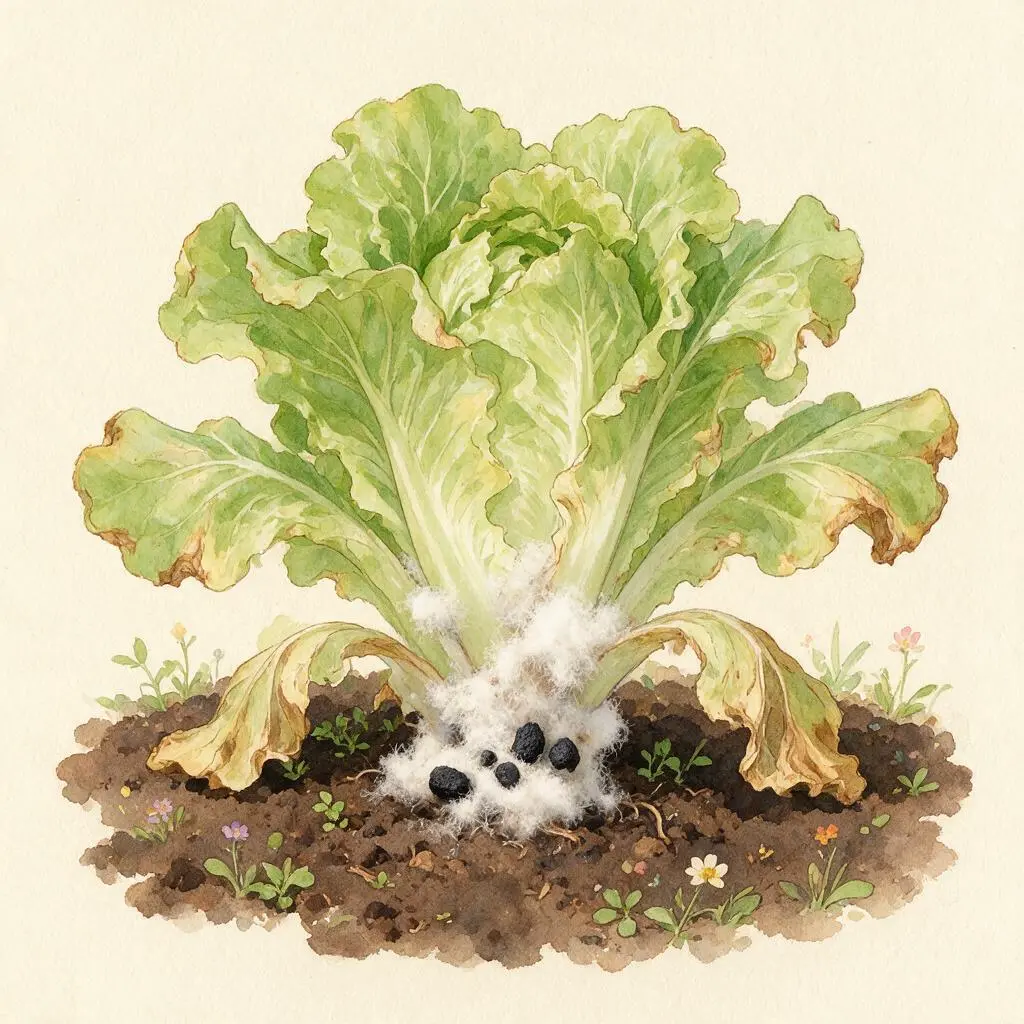
- Sclerotinia. The plant suddenly wilts and white, cottony mould with small black grains appears on the collar.
Warning signs
The leaves taste bitter and the centre has lengthened.
Likely cause: The plant has started to bolt.
What to do: Harvest everything left from that batch and sow the next one somewhere cooler.
Reference photos
When it moves on to the next stageThe cycle ends when a lengthening stem starts to rise from the centre and the leaves turn bitter.
Stage 6BoltingBolting: Jun–AugLasts about 15–30 daysWith heat and long days, lettuce stops forming leaves and sends up a central stem that ends in clusters of yellow flowers. In the kitchen this marks the end of the tender leaves, but if you want to save seed it is the start of the last stage.
With heat and long days, lettuce stops forming leaves and sends up a central stem that ends in clusters of yellow flowers. In the kitchen this marks the end of the tender leaves, but if you want to save seed it is the start of the last stage.
From when the stem starts to rise until the first flowers open.
Temperature
min. 5°Cideal 15°C–25°Cmax. 32°CMoisture and watering
If you are going to save seed, keep watering moderately until the seed heads form and then cut back on water.
How often: Every three or four days, depending on the heat.
Light · Full sun
At least 6 h of light
It needs full sun to set seed.
Jobs for this stage
- If you are not going to save seed, pull up the bolted plants to make room for another sowing.
- If you are saving seed, choose the plants that were slowest to bolt and stake the flower stem, which can grow over a metre tall.
Common problems
- Aphids. They cluster on the tender flower stems and the buds.
Warning signs
The plant bolts only a few weeks after transplanting.
Likely cause: Strong heat, drought, or transplanting a plant that had already been in the seed tray too long.
What to do: Choose summer varieties for those dates, sow in the shade and do not let it go thirsty.
Reference photos
When it moves on to the next stageMove on to the seed stage when the flowers close and form seed heads with a white tuft, like little dandelions.
Stage 7End of the cycleEnd of the cycle: May–Jul, Oct–NovLasts about 1–7 daysOnce harvested or bolted, lettuce frees up its space very quickly. It is a good crop to grow between slower ones and to fill gaps in the bed between one season and the next.
Once harvested or bolted, lettuce frees up its space very quickly. It is a good crop to grow between slower ones and to fill gaps in the bed between one season and the next.
Jobs for this stage
- Pull up the remains and put them on the compost heap if they are healthy; plants with collar rot are best removed from the garden.
- Use the gap to sow another batch of lettuces elsewhere or a crop from another family, such as carrots, beans or onions.
- Avoid growing lettuces and other members of the daisy family, such as endive, in the same place in succession, so that soil-borne fungi do not build up.
Common problems
- Sclerotinia. Its small black grains stay in the soil for several years; remove affected plants thoroughly and rotate the crop.
Warning signs
Lettuces rot at the collar year after year in the same bed.
Likely cause: Soil-borne fungi that have built up from growing the same crop repeatedly.
What to do: Rotate to another bed for two or three years and always plant with the collar at soil level.
Stage 8Seeds and propagationSeeds and propagation: Jul–SepLasts about 20–45 daysLettuce is one of the most rewarding vegetables for saving your own seed: it is self-pollinating, rarely crosses, and a single plant gives more than enough seed for several years. You just need patience, because the seed ripens over several weeks. With spring lettuces the seed is collected in high summer, from July to September in a temperate climate, and stored well it keeps for three to six years.
Lettuce is one of the most rewarding vegetables for saving your own seed: it is self-pollinating, rarely crosses, and a single plant gives more than enough seed for several years. You just need patience, because the seed ripens over several weeks. With spring lettuces the seed is collected in high summer, from July to September in a temperate climate, and stored well it keeps for three to six years.
Two to three weeks from flower to the first seed heads with their fluffy tufts; collecting goes on for several more weeks.
Saving seed
When the seed is ripe: The seed is ripe when the seed heads dry and open into a white, silky tuft, two to three weeks after flowering. They do not all ripen at once, so collection is spread over several weeks.
How to extract it: Every few days, shake the dry seed heads into a paper bag, or cut the whole flower stem when half the seed heads have their tufts and finish drying it upside down inside a bag. Then rub it between your hands and blow gently to separate the seed from the fluff.
Drying: Spread the seed in a thin layer, in the shade and somewhere airy, for another week, until it is loose and crisp.
Storage: Store it in a paper envelope inside a tightly closed jar, labelled with the variety and the year, in a cool, dry, dark place.
The seed stays viable for about 3–6 years.
F1 hybrids: Many lettuces are traditional varieties that come true from seed, but if the packet says it is an F1 hybrid, its seeds will produce plants unlike the parent. Save seed only from open-pollinated varieties.
Cross-pollination: Lettuce is self-pollinating and crossing between varieties is rare, although an insect can occasionally cause it. It is enough to keep the varieties you want to save true a few metres apart, 3 to 6, and to choose the plants that were slowest to bolt as parents.
Reference photos
Sources and review
Reviewed on 4 November 2026. Approximate figures, written from these sources and the data in this profile.
- Royal Horticultural Society: Lettuce, grow your own
- University of Illinois Extension: Lettuce
- Utah State University Extension: Lettuce (growing guide)
- Oregon State University Extension: soil temperature and vegetable seed germination
- Seed Savers Exchange: How to grow and save lettuce seeds
- Maroto, J. V.: Horticultura herbácea especial (Mundi-Prensa), lettuce chapter
- Vuelta al Huerto catalogue data (germination, calendar, tolerances and Visual harvest guide)
03Planting
Where and how to plant it
Sow the seed 1 cm deep; leave 30 cm between plants and 30 cm between rows.
30 cm between plants · 30 cm between rows
Seed at a depth of 1 cm.
- In a square-foot bed
- 1 plant per square30 × 30 cm squares
- Direct sowing
- Mar–May, Aug–Sep
- Germination
- ~7 days
- TipSow in succession, a little every two or three weeks, so you get tender leaves without everything maturing at once.
- Common mistakeSowing in heat and long days: many bolt as soon as temperatures rise; better in the cool seasons.
04Care
Care through the year
Sun and aspectFull sun · 8 h of sun · shade in summer
- Too little sun
- Ideal range
- Plenty of sun
South or south-west, with nothing casting shade at midday
Strong sun: Loves full midday sun and high temperatures.
WateringConstantly moist · summer: daily, or every 2 days when >30 °C
- Summerdaily, or every 2 days when >30 °C3.5 L per plant/week
- Spring / Autumnevery 3-4 days1.6 L per plant/week
- Winterevery 2 weeks if dry0.4 L per plant/week
Constantly moist: The soil should always feel cool and damp. Ideal with mulch and drip irrigation. Mulch: straw or dry plant material cuts watering by 30-50 %.
When to water? Push your finger 2 cm into the soil next to the base of the plant:
- Damp: soil sticks to your finger. Do not water, although for this plant it is just right — check again tomorrow.
- Cool but clean, no mud. Water today: it likes to stay constantly moist.
- Dry and dusty. Water urgently and add mulch to hold in moisture.
Soil and feedingRich, airy loam
Rich, airy loam.
40 % topsoil · 40 % well-rotted compost · 20 % perlite or sand.
Medium: moist but never waterlogged.
This plant prefers a pH between 6.0 and 7.0 (slightly acidic to neutral).
- Well-rotted compost every season and well-decomposed manure in autumn.
- Mulch with straw or dry plant material to hold moisture and smother weeds.
- Rotate crops: do not grow the same family in the same spot two years running.
- Compacted soil or unbroken clay can halve the harvest.
- Watering with a hose from above compacts the soil: drip irrigation or watering at the base is better.
05Harvest
Harvesting and storing
Harvest in May–Jul, Oct–Nov; the first, about 65 days after sowing.
- TipIt tolerates slightly more heat than oak leaf lettuce, although in heat and drought it turns bitter and bolts: keep watering regularly until harvest.
- TipWater lightly and often, and harvest young or pick the outer leaves: it regrows and stays tender.
- Common mistakeLeaving the harvest too late: the leaves turn stringy or bitter.
06Propagation
Make new plants
Always from seed: direct sowing in March-May or August-September, half a centimetre deep. Do not transplant in strong heat or it will bolt. Water with a fine spray until the seedlings come up (7-10 days).
07Uses and health
What it is used for, and with what care
- Properties
- Rich in folate and vitamin A; a crisp leaf (the basis of Caesar salad).
- Uses
- Leaves in salads.
For guidance only; this is not medical treatment and does not replace advice from a doctor or vet.
08Companions and related plants
What to plant it with
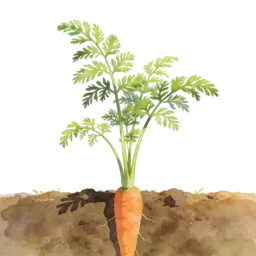
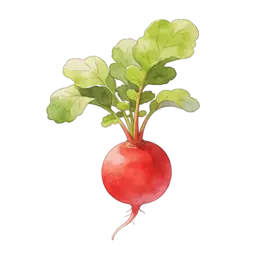

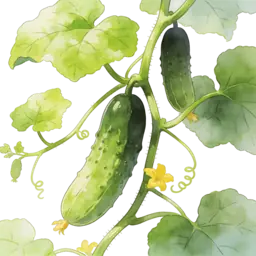
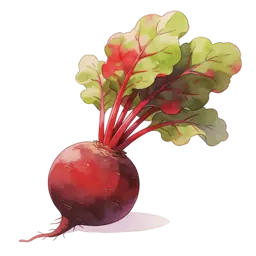
Group it in the same bedPlants with the same watering or the same sun
They are not essential companions, but you will not have to water or position them differently.
Same watering · Lots of water
Compare with similar varieties
| Variety | Sowing | Harvest | Days | Spacing | Difficulty |
|---|---|---|---|---|---|
| Cogollo de Tudela lettuce | Feb–Mar, Aug–Sep | Apr–May, Oct–Nov | ~60 | 25 cm | Easy |
| Batavia lettuce | Feb–May, Aug–Oct | Apr–Jul, Oct–Dec | ~50 | 25 cm | Easy |
| Iceberg lettuce | Mar–Apr, Aug–Sep | May–Jul, Oct–Nov | ~75 | 30 cm | Easy |
| Lollo Rosso lettuce | Mar–May, Sep | May–Jul, Oct–Nov | ~55 | 25 cm | Easy |
| Lettuce 'Merveille des Quatre Saisons' | Feb–Apr, Sep–Oct | Apr–Jun, Nov–Dec | ~60 | 25 cm | Easy |
| Lettuce 'Maravilla de Verano' (summer marvel) | Apr–Jul | Jun–Sep | ~65 | 30 cm | Easy |
| Cos lettuce (romaine) | Mar–May, Aug–Sep | May–Jul, Oct–Nov | ~65 | 30 cm | Easy |
| Lettuce 'Trocadero' (butterhead) | Mar–Apr, Aug–Sep | May–Jun, Oct–Nov | ~60 | 28 cm | Easy |
| Oak leaf lettuce | Mar–May, Sep–Oct | May–Jun, Nov–Dec | ~45 | 25 cm | Easy |
09Pests and diseases
Critters and ailments to keep an eye on
The most common ones on this plant. Tap one to see how to recognise it and what to do.
- Downy mildewSeriousA very destructive disease encouraged by damp conditions
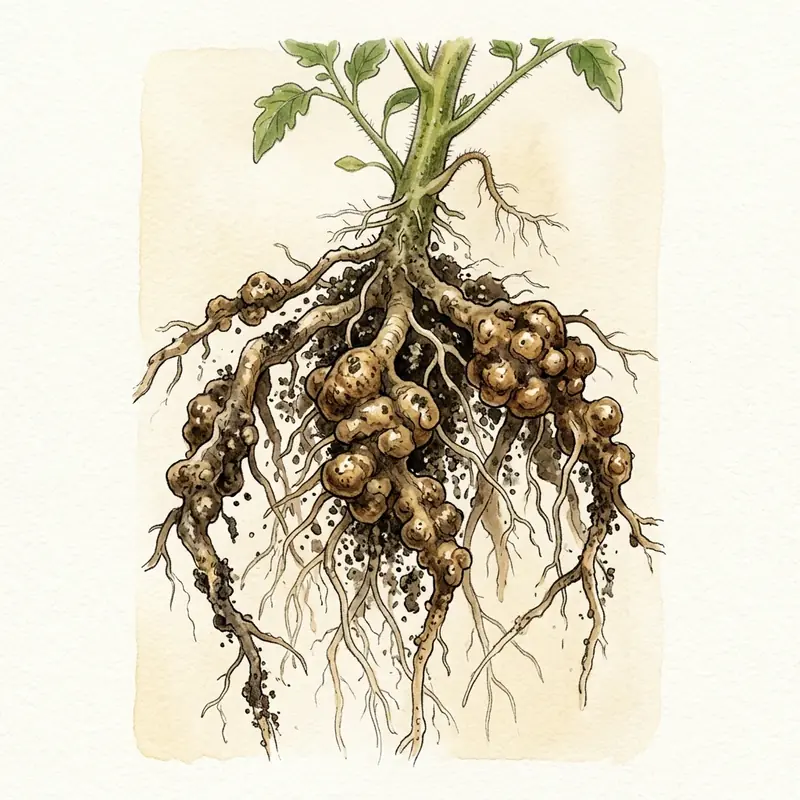
- NematodesSeriousMicroscopic soil worms that attack the roots and form knots or galls
- Sclerotinia (white mould)SeriousA fungus that produces a very dense, cottony white mould with black ‘marbles’ (sclerotia) inside it
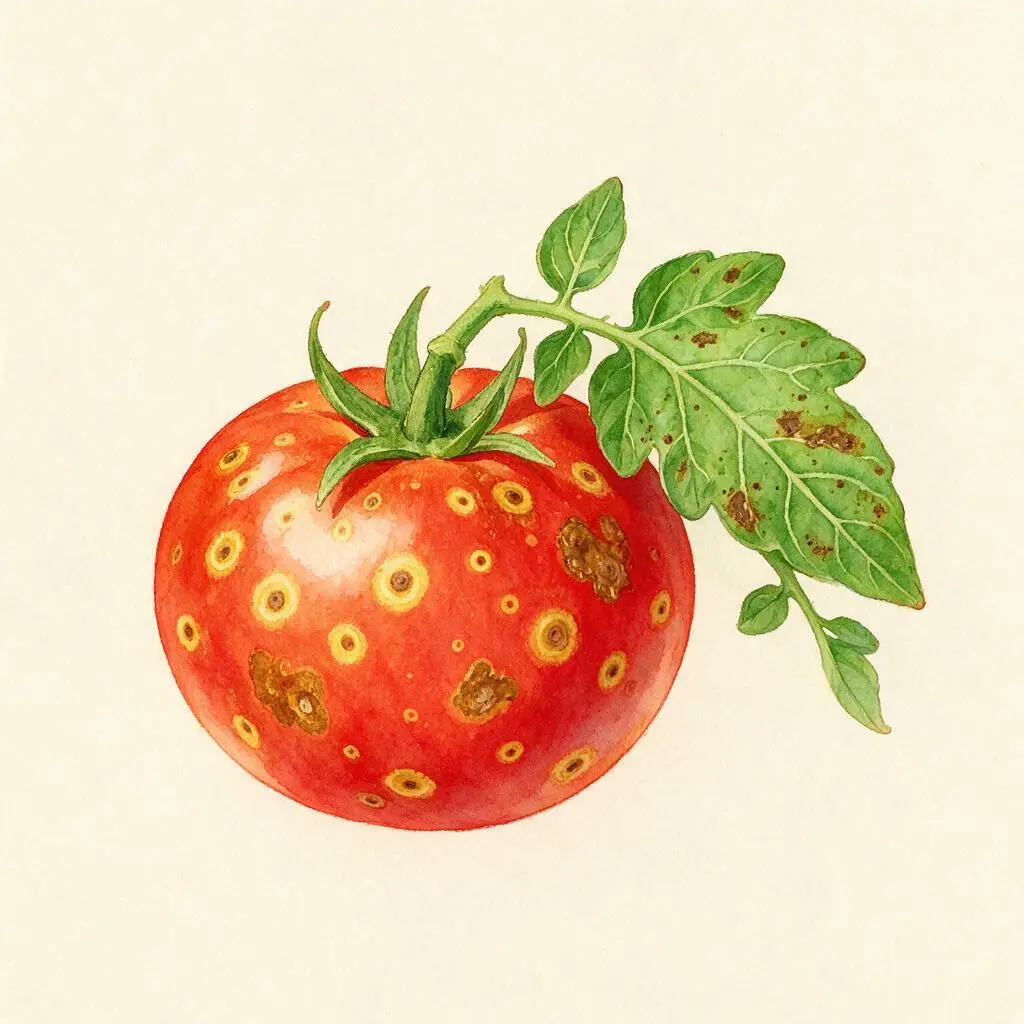
- Tomato spotted wilt virusSeriousA virus transmitted by thrips that causes bronzed patches and concentric rings on leaves and fruit
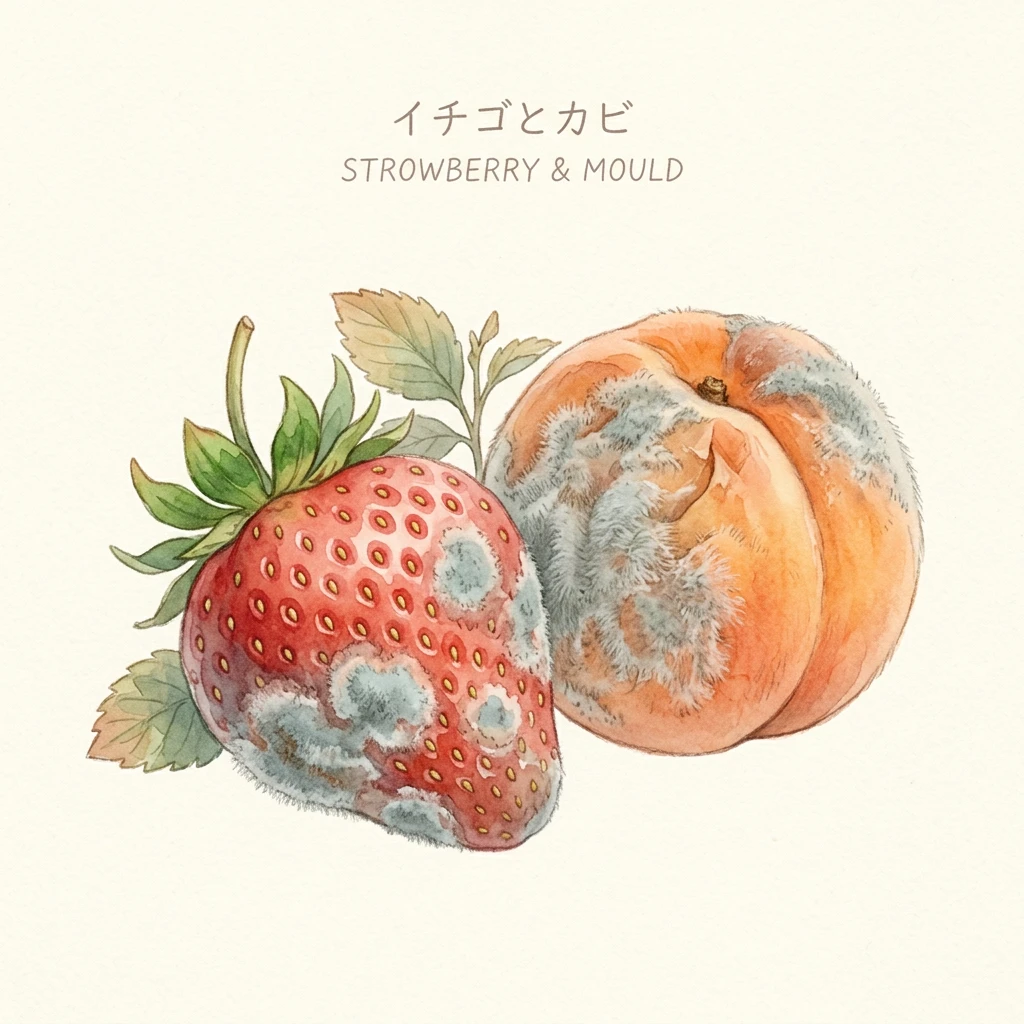
- Botrytis (grey mould)ModerateThe grey mould fungus, which rots flowers, fruit and soft tissue, covering them in a grey felt
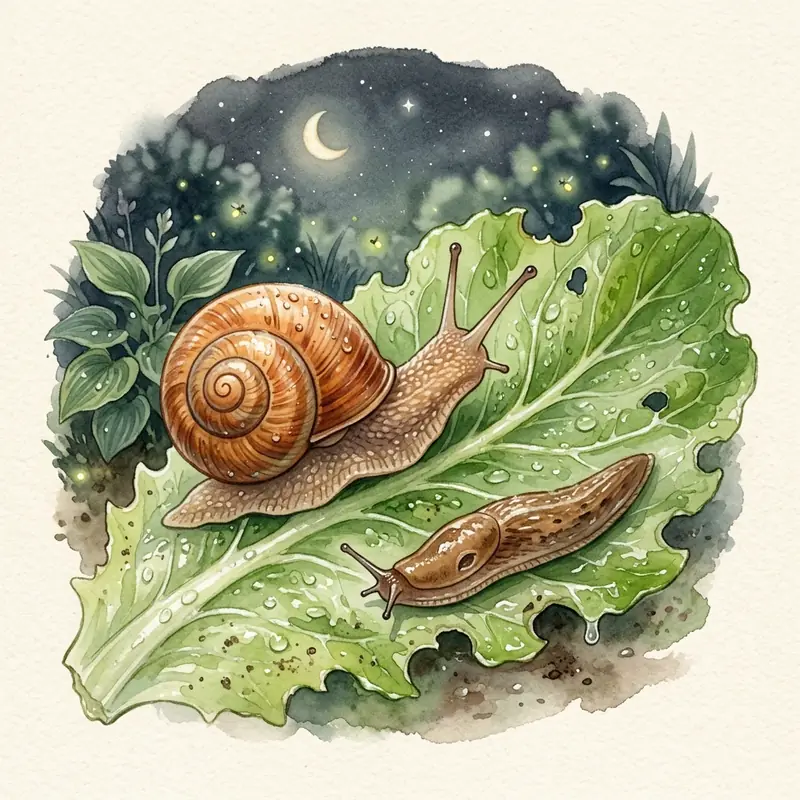
- Slugs and snailsModerateNight-feeding molluscs that devour tender leaves and seedlings, especially in damp weather
No known toxicity to people or pets
Not toxic to people or pets.