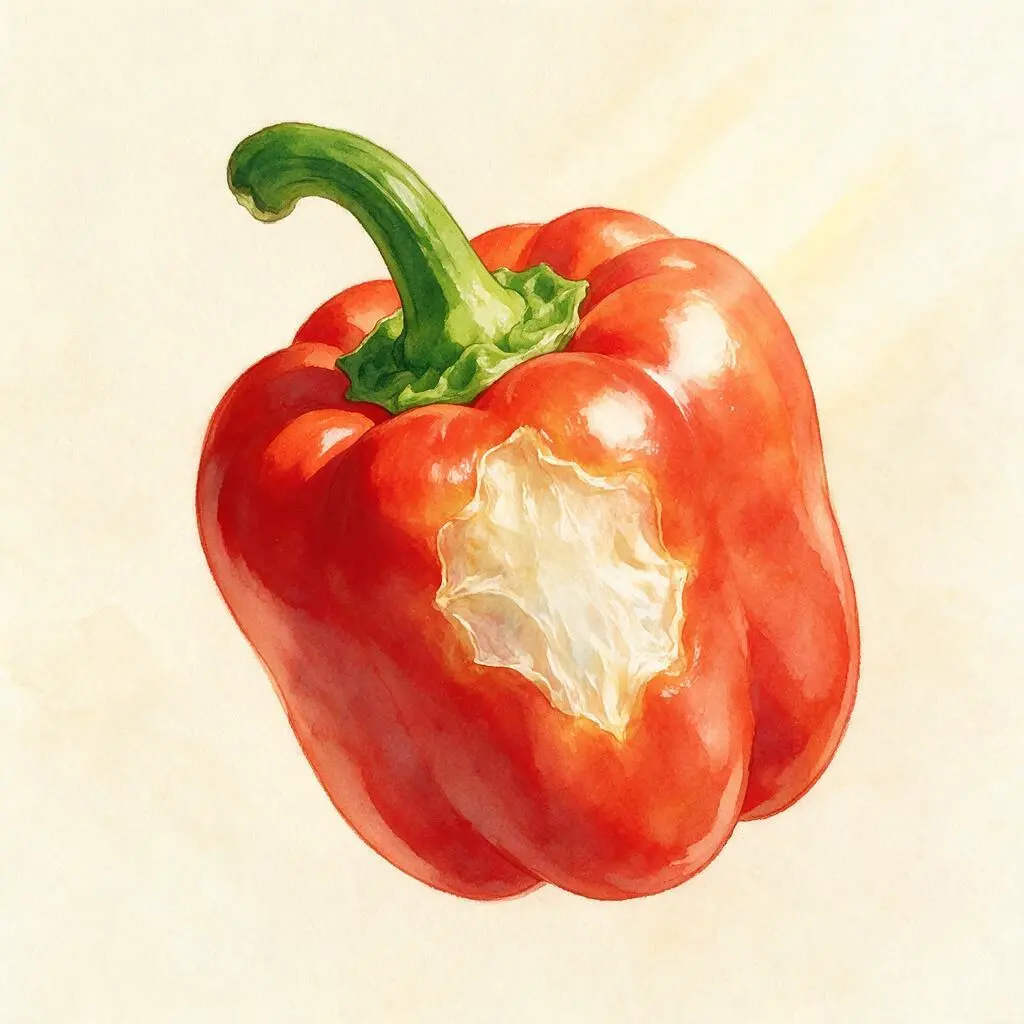
Credits and licences
- #1 — vueltaalhuerto illustration
- #2 — vueltaalhuerto illustration
- #3 — vueltaalhuerto illustration
- #4 — vueltaalhuerto illustration
- #5 — vueltaalhuerto illustration
- #6 — vueltaalhuerto illustration
- #7 — vueltaalhuerto illustration
- #8 — vueltaalhuerto illustration
- #9 — vueltaalhuerto illustration
- #10 — vueltaalhuerto illustration
Kei apple
Kei apple is sown in seed trays from March to May, and planted out from March to May and from September to October. It is harvested from July to October (about 365 days to the first harvest). Grow it in full sun, 300 cm apart, with moderate watering. Dates are for a mild temperate climate in the northern hemisphere; the calendar below adjusts them to your zone.
What else to sow in March, April and May
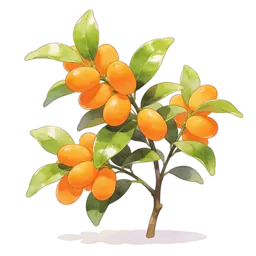
An evergreen shrub or small tree, 3 to 5 m tall in cultivation, much branched and armed with straight, sharp spines several centimetres long, widely used as a defensive hedge. The leaves are small, oval and glossy. The sexes are on separate plants: some plants bear male flowers and others female ones, small and greenish, and only the female plants bear fruit, which develops well with a male plant nearby. The fruits are round, about 3 to 5 cm, with thin, apricot-orange skin and juicy, sour, aromatic flesh with a few flat seeds. They are eaten fresh with sugar, or in jam and jelly, and pickled when green. It copes well with heat and drought and withstands cold somewhat better than most subtropical fruit trees. Its spines are dangerous: plant it away from paths and from where children play.
Family and origin: Willow family (Salicaceae) · native to South Africa and the south of East Africa, from the Eastern Cape coast to Mozambique · More plants from Africa
01In your area
How will it do in your garden?
Year calendar
| Task | J | F | M | A | M | J | J | A | S | O | N | D |
|---|---|---|---|---|---|---|---|---|---|---|---|---|
| Seed trayMar–May | no | no | yes | yes | yes | no | no | no | no | no | no | no |
| Plant / transplantMar–May, Sep–Oct | no | no | yes | yes | yes | no | no | no | yes | yes | no | no |
| HarvestJul–Oct | no | no | no | no | no | no | yes | yes | yes | yes | no | no |
| PruningFeb–Mar | no | yes | yes | no | no | no | no | no | no | no | no | no |
| CuttingsJun–Jul | no | no | no | no | no | yes | yes | no | no | no | no | no |
Its life cycle at a glance
Swipe and tap a stage to see its details.
02Planting
Where and how to plant it
Sow the seed 5 mm deep; leave 3 m between plants and 4 m between rows.
3 m between plants · 4 m between rows
Seed at a depth of 5 mm; seedlings go in with the root ball level with the soil.
- In a square-foot bed
- 1 plant every 100 squares30 × 30 cm squares
- Transplanting
- Mar–May, Sep–Oct
- Seed tray
- Mar–May
- Germination
- ~30 days
- TipFor fruit, allow one male plant for every several female plants; some female plants fruit without pollen.
- Common mistakeNot thinning the fruit overloads the branches and gives small fruit, with a good crop only every other year.
03Care
Care through the year
Sun and aspectFull sun · 8 h of sun · South or south-west, with nothing casting shade at midday
- Too little sun
- Ideal range
- Plenty of sun
South or south-west, with nothing casting shade at midday
Strong sun: Loves full midday sun and high temperatures.
Full sun or very bright light; it tolerates some shade, but fruits less. Young plants need protection from frost; mature ones withstand light frosts. Cold figures vary between sources (from about -3 to -6 °C), so the figure is cautious and only a guide.
WateringMoist but never waterlogged · summer: every 2-3 days
- Summerevery 2-3 days30 L per tree/week
- Spring / Autumnevery 4-5 days15 L per tree/week
- Winterevery 2-3 weeks4.5 L per tree/week
Moist but never waterlogged: Water before the surface is completely dry. Never puddles. Mulch: straw or dry plant material cuts watering by 30-50 %.
It tolerates drought well once established, but produces more and better fruit with regular watering in summer, without waterlogging. It adapts to sandy to clay soils with good drainage. In a pot, water when the top layer dries out.
When to water? Push your finger 3 cm into the soil next to the base of the plant:
- Damp: soil sticks to your finger. Do not water today. The moisture is fine.
- Cool but clean, no mud. Water early tomorrow if it stays like this, or this evening.
- Dry and dusty. Water now, and deeply. This is not where it likes to be.
Soil and feedingpH 5.5–7.5 · A deep planting hole and well-drained soil
A deep planting hole and well-drained soil.
The site's own topsoil + 1/3 well-rotted compost + a handful of sand if there is clay.
Good: prolonged waterlogging rots the roots.
This plant prefers a pH between 5.5 and 7.5 (slightly acidic to slightly alkaline).
- Dig a hole at least 60×60×60 cm before planting.
- A thick mulch around the tree (not touching the trunk) reduces water stress.
- Spread compost on the surface every autumn; never bury the graft union.
- A narrow hole in hard ground: the roots end up trapped as if in a pot.
- Burying the graft encourages rot and takes vigour away from the rootstock.
- TipPlant it in full sun, in well-drained soil, about 3 m from other trees, or 1 m apart if you want it as a hedge.
- Common mistakeDo not bury the graft union (the bulge on the trunk): if it ends up below ground it rots. Leave it a little above the soil.
PruningWhen: Feb–Mar
Pruning time for this plant: Feb–Mar.
- TipPrune at the end of winter: thin the centre and trim the hedge, wearing thick gloves and goggles because of the spines.
- TipIt is very tough, but around the world it has gone wild in some warm areas: in Spain it is not on the Catálogo de especies exóticas invasoras (Spanish Catalogue of Invasive Alien Species), but avoid planting it near natural areas and do not dump prunings or fruit in the countryside.
- TipPlant while dormant (autumn to winter) and shape the canopy by pruning in the first few years.
Common mistakes and tips
- TipCold, yield and calendar figures are only a guide.
04Harvest
Harvesting and storing
Harvest in Jul–Oct; the first, about 365 days after sowing.
- TipThe fruits are picked when they are deep orange and give when pressed, and used promptly.
- TipA good mulch and drip irrigation in summer make all the difference to the harvest.
05Propagation
Make new plants
It is easily propagated from seed, taken from a fully ripe fruit, washed and dried in the shade, and sown in spring or summer in a sandy potting mix, almost on the surface and barely covered, at about 20 to 28 °C; it comes up in a few weeks. As the sex is not known until it flowers, at three or four years, it is worth sowing several seeds, or buying plants of known sex. Hardwood cuttings treated with rooting hormone work in some cases and are a way of keeping a plant of known sex, although there are fewer data on them; timings are only a guide.
Seeds: how to germinate them~30 days
06Uses and health
What it is used for, and with what care
The ripe fruit is edible. The straight, sharp spines, several centimetres long, cause painful pricks and wounds that can become infected: wear gloves and goggles when pruning and harvesting, and plant it away from paths, children and pets. There are no solid data on its effect on dogs and cats.
- Properties
- A fruit rich in vitamin C, with organic acids and fibre; nutritional data are not very specific.
- Uses
- The ripe fruits are eaten fresh with sugar, or in jam, jelly, compote and drinks; the green ones are pickled. The skin is thin and is eaten, and the seeds are spat out.
For guidance only; this is not medical treatment and does not replace advice from a doctor or vet.
07Companions and related plants
What to plant it with
Good companions
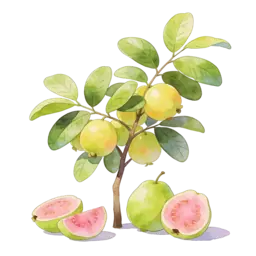
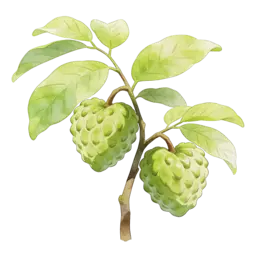
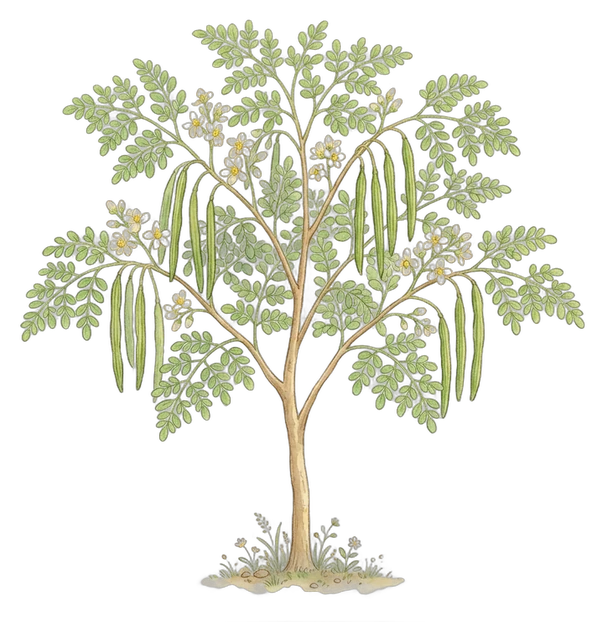
Group it in the same bedPlants with the same watering or the same sun
They are not essential companions, but you will not have to water or position them differently.
Same watering · Moderate watering
Compare with similar varieties
| Variety | Sowing | Harvest | Days | Spacing | Difficulty |
|---|---|---|---|---|---|
| Wax apple (Syzygium samarangense) | Apr–Jun | Jul–Sep | ~1460 | 400 cm | Difficult |
| Kei apple | Mar–May | Jul–Oct | ~365 | 300 cm | Moderate |
08Pests and diseases
Critters and ailments to keep an eye on
The most common ones on this plant. Tap one to see how to recognise it and what to do.