
Credits and licences
- #1 — vueltaalhuerto illustration
- #2 — vueltaalhuerto illustration
- #3 — vueltaalhuerto illustration
- #4 — vueltaalhuerto illustration
- #5 — vueltaalhuerto illustration
- #6 — vueltaalhuerto illustration
- #7 — vueltaalhuerto illustration
- #8 — vueltaalhuerto illustration
- #9 — vueltaalhuerto illustration
- #10 — vueltaalhuerto illustration
- #11 — vueltaalhuerto illustration
- #12 — vueltaalhuerto illustration
- #13 — Zenon Sych · CC BY-SA 4.0 see on Wikimedia
- #14 — Ryan Hodnett · CC BY-SA 4.0 see on Wikimedia
- #15 — Stefan.lefnaer · CC BY-SA 4.0 see on Wikimedia
Beetroot 'Detroit'
and 2 more names
red beet, DetroitBeetroot 'Detroit' is sown directly outdoors from March to May and in August. It is harvested from June to July and in October (about 70 days to the first harvest). Grow it in full sun, 10 cm apart, with moderate watering. Dates are for a mild temperate climate in the northern hemisphere; the calendar below adjusts them to your zone.
What else to sow in March, April, May and August
'Detroit' is a beetroot with a round root and deep colour. It needs a loose soil that does not form a crust. Thin out the seedlings and keep the soil constantly moist so that the roots do not split.
Family and origin: Goosefoot family (Amaranthaceae) · native to Mediterranean basin (wild on coasts) · More plants from Mediterranean basin
01In your area
How will it do in your garden?
Year calendar
| Task | J | F | M | A | M | J | J | A | S | O | N | D |
|---|---|---|---|---|---|---|---|---|---|---|---|---|
| Direct sowingMar–May, Aug | no | no | yes | yes | yes | no | no | yes | no | no | no | no |
| HarvestJun–Jul, Oct | no | no | no | no | no | yes | yes | no | no | yes | no | no |
Its life cycle at a glance
Swipe and tap a stage to see its details.
02Step by step
From seed to harvest, stage by stage
What the plant needs at each point in its life, from the seed to the harvest and on to the next seed. The figures are only a guide: your climate, your soil and the variety will shift them.
Approximate months for a temperate Spanish climate. Choose your zone in the calendar to adjust them.
Stage 1 · Year 1Direct sowing and germinationDirect sowing and germination: Mar–May, AugGerminates in 5–14 daysBeetroot is sown directly in the garden once the soil is no longer cold. What we call the seed is actually a small corky fruit with several seeds inside, which is why two, three or four seedlings come up together from each one and will need thinning out later.
Beetroot is sown directly in the garden once the soil is no longer cold. What we call the seed is actually a small corky fruit with several seeds inside, which is why two, three or four seedlings come up together from each one and will need thinning out later.
With the soil at 15-25 °C it comes up in a week; in cold soil it can take two.
Temperature
min. 4°Cideal 15°C–29°Cmax. 35°CBelow 8-10 °C it germinates slowly and unevenly, and plants that endure a lot of cold when young may bolt.
Moisture and watering
Before sowing, soak the seed in room-temperature water for 12 to 24 hours to soften the coat. Then keep the drill moist, but not waterlogged, until the seedlings come up.
How often: Every one or two days if it does not rain.
Light · Not important
Light makes no difference to germination; as soon as the seedlings emerge they need direct sun.
Container · Straight into the ground
Sow in drills 1-2 cm deep and 25-30 cm apart, placing one seed every 5-8 cm. In a pot or trough you need at least 20-25 cm of soil.
Potting mix or soil
pH 6.5–7.5
It prefers loose, stone-free, moisture-retentive soil with a little lime that does not form a crust. It does poorly in acid soils, where it grows little and the root comes out blotchy.
Nutrients
Mainly needs: no fertiliser
It needs no fertiliser to germinate; well-rotted compost worked in before sowing is enough.
Protection
- A thin layer of sieved compost over the drill stops a crust forming after rain or watering.
- If birds scratch about, cover the sowing with netting until the seedlings are a few centimetres tall.
Common problems
- Damping-off fungi (collar rot). Seedlings keel over at the base, which looks pinched and dark, in cold, waterlogged soils.
Warning signs
Very few plants come up, and unevenly.
Likely cause: Soil too cold, a crust on the surface or dry seed that was not soaked.
What to do: Wait for the soil to warm up, soak the seed and keep the surface moist until the seedlings emerge.
Reference photos
When it moves on to the next stageMove on to thinning once the clusters of seedlings have opened their long seed leaves, often with reddish stems, and the first true leaf is showing.
Stage 2 · Year 1ThinningThinning: Apr–Jun, SepLasts about 7–21 daysBecause several seedlings come up from each seed, thinning is essential for the root to swell. The surplus seedlings can be eaten as tender microgreens and, with care, can even be transplanted into a gap elsewhere, something beetroot tolerates better than other root crops.
Because several seedlings come up from each seed, thinning is essential for the root to swell. The surplus seedlings can be eaten as tender microgreens and, with care, can even be transplanted into a gap elsewhere, something beetroot tolerates better than other root crops.
Thin out once or twice over the three weeks after the seedlings emerge.
Temperature
min. 0°Cideal 12°C–24°Cmax. 30°CSeveral weeks below 10 °C at this stage can make it bolt in spring.
Moisture and watering
Water a little before thinning so the seedlings come out easily, and again afterwards to settle the soil.
How often: Every two or three days if it does not rain.
How much: As a rough guide, 3 to 5 L per square metre each time.
Light · Full sun
At least 5 h of light
Full sun or, at the very least, five hours of direct sun.
Container · Straight into the ground
Leave 8 to 12 cm between plants and 25 to 30 cm between rows.
Potting mix or soil
Firm the soil a little around the plant you keep and weed around it.
Nutrients
Mainly needs: no fertiliser
It needs no fertiliser at this stage.
Jobs for this stage
- In each cluster of seedlings keep the strongest and snip the rest off at soil level with scissors, so as not to disturb the roots of the one that stays.
- If you want to use the surplus seedlings, lift them carefully with their root ball and transplant them into gaps in the row, watering them in straight away.
Common problems
- Slugs and snails. They nibble the tender leaves at night, especially in wet springs.
- Cutworms. They cut through seedlings at ground level during the night.
- Flea beetle. Small round holes in the young leaves, especially in dry weather.
Warning signs
The plants are still in tight clusters and the roots are not swelling.
Likely cause: They have not been thinned enough.
What to do: Leave a single plant every 8-12 cm; crowded roots stay small and elongated.
Reference photos
When it moves on to the next stageMove on to the growing stage when each plant stands alone at its final spacing, with three or four true leaves.
Stage 3 · Year 1Growth and root swellingGrowth and root swelling: Apr–Jul, Sep–OctLasts about 40–70 daysAfter thinning, beetroot forms a rosette of glossy leaves, with red or yellow veins depending on the variety, and the root swells right at soil level. It grows well in mild weather with steady watering; ups and downs in moisture make it split and turn woody.
After thinning, beetroot forms a rosette of glossy leaves, with red or yellow veins depending on the variety, and the root swells right at soil level. It grows well in mild weather with steady watering; ups and downs in moisture make it split and turn woody.
Six to ten weeks from thinning, depending on the variety and the time of year.
Temperature
min. -2°Cideal 15°C–24°Cmax. 30°CAt 15-20 °C it forms sweet, deeply coloured roots. In strong heat pale rings appear inside the root and the flesh becomes fibrous; light frosts do not harm it.
Moisture and watering
Keep the soil evenly moist, watering deeply when the top layer dries out. Drought followed by heavy watering splits the root, and a prolonged lack of water makes it woody.
How often: Once or twice a week in spring; every two or three days in hot weather.
How much: As a rough guide, 5 to 8 L per square metre each time.
Light · Full sun
5–10 h of light
Full sun; it tolerates some partial shade, but the root swells less.
Potting mix or soil
Keep the soil crumbly and mulched with fine straw or dry grass clippings.
Nutrients
Mainly needs: potassium (K)
It is a moderately hungry crop. It appreciates potassium, which gives sweeter roots, and it is sensitive to boron deficiency, which is avoided with soil rich in organic matter. Too much nitrogen gives lots of leaf and small roots.
How often: A light top-up of compost halfway through the cycle if the plant is growing slowly.
What with: well-rotted compost, sieved wood ash (in moderation)
Protection
- In spring, horticultural fleece protects against late frosts and flea beetle.
Jobs for this stage
- Pick a few tender leaves for salads or to cook like chard, taking no more than two or three per plant.
- Weed carefully so as not to damage the root, which swells at the surface.
- Sow a new batch every three or four weeks in spring for a succession of tender beetroot.
Common problems
- Beet leaf miner. Pale, blistered patches inside the leaves, where the larva lives; it mainly affects the outer leaves.
- Aphids. Black colonies on the undersides of the leaves and on the tender shoots, which become crinkled.
- Cercospora leaf spot. Small round spots, grey with a reddish edge, which eventually dry out the older leaves in warm, humid weather.
- Flea beetle. It riddles the young leaves with holes in dry weather.
- Slugs and snails. They gnaw the leaves and the part of the root that shows above the soil.
Warning signs
The root is split, or the flesh is woody with pale rings.
Likely cause: Irregular watering or strong heat while the root is swelling.
What to do: Water regularly, mulch the soil and sow earlier in spring or later in summer.
The centre of the root turns black and corky and the young leaves become deformed.
Likely cause: Boron deficiency, especially in chalky, sandy or very dry soils.
What to do: Add plenty of compost and water regularly; if it happens again, seek advice before using boron fertilisers.
The plant bolts in spring without having formed a root.
Likely cause: The young plant went through several weeks of cold.
What to do: Delay spring sowing until the soil has warmed up, or choose bolt-resistant varieties.
Reference photos
When it moves on to the next stageIt is ready to harvest when the root is 4 to 8 cm across and shows above the soil with the colour typical of its variety.
Stage 4 · Year 1HarvestHarvest: Jun–Jul, OctLasts about 15–45 daysBeetroot is harvested by root size. Spring-sown roots are best lifted before the strong heat arrives; those sown at the end of summer can stay in the ground for part of the autumn as long as there are no hard frosts.
Beetroot is harvested by root size. Spring-sown roots are best lifted before the strong heat arrives; those sown at the end of summer can stay in the ground for part of the autumn as long as there are no hard frosts.
You can keep lifting them over several weeks, starting with the largest.
For this varietyThe Beetroot 'Detroit' profile gives about 70 days to the first harvest; treat it as a rough guide.
Temperature
min. -4°Cideal 8°C–22°Cmax. 30°CHard frosts damage the part of the root that shows above ground; lift them before severe cold sets in.
Moisture and watering
Keep watering regularly until the end so they do not split; if the soil is hard, water the day before.
How often: Once or twice a week, depending on the weather.
Light · Full sun
At least 5 h of light
Full sun.
Nutrients
Mainly needs: no fertiliser
No more feeding is needed at harvest time.
Jobs for this stage
- Lift the largest first, or every other one, so the rest have room to finish swelling.
- Make use of the tender leaves of the beetroot you lift as well.
Harvesting
When it is ready: Harvest when the root is 4 to 8 cm across, between eight and twelve weeks after sowing, depending on the variety. Roots of 2-3 cm can already be eaten as tender baby beetroot, and those over 8 cm tend to be tough and fibrous. With Chioggia and golden beetroot the inner colour cannot be seen from outside, so judge them by size as well.
How to pick: Loosen the soil next to the root and pull it up by hand, without cutting or peeling it. Twist off the leaves or cut them leaving 3-5 cm of stalk, so the root does not ‘bleed’ and lose colour when cooked.
Time of day: Lift them in the morning, when the root is cool and firm.
Yield: As a rough guide, 2 to 4 kg of root per square metre, plus the leaves.
How to store: With the leaves removed and unwashed, they keep for two to four weeks in the fridge in a bag. To store them for months, place them in a box of slightly damp sand or coir in a cool, frost-free place. The leaves are kept separately and used within a few days.
Common problems
- Slugs and snails. They gnaw the exposed part of the root during the autumn rains.
- Cercospora leaf spot. Spotted leaves do not affect the root, but it is best to remove them rather than leave them on the bed.
Warning signs
The root is well over 8 cm and has rough, cracked skin.
Likely cause: It has gone past its best.
What to do: Use the young leaves and the tender part of the root; next time harvest earlier.
Reference photos
When it moves on to the next stageThe cycle ends when you lift the last ones or when those that remain start to send up a flower stalk.
Stage 5 · Year 1End of the cycleEnd of the cycle: Jul–Aug, NovLasts about 1–14 daysBeetroot leaves the soil in good condition and is not very demanding, so it fits well into a rotation. The key is not to repeat it, or sow chard or spinach in the same place, because they share pests and diseases.
Beetroot leaves the soil in good condition and is not very demanding, so it fits well into a rotation. The key is not to repeat it, or sow chard or spinach in the same place, because they share pests and diseases.
Jobs for this stage
- Lift any remaining roots and put the healthy leaves on the compost heap; those spotted with cercospora are best taken out of the garden.
- Afterwards, sow a crop from another family, such as cabbages, lettuces, onions or legumes.
- Do not sow beetroot, chard or spinach in the same place again for three years.
Common problems
- Cercospora leaf spot. It survives on leaf debris; remove it and rotate the crop.
Warning signs
The leaves come up spotted every year in the same bed.
Likely cause: Debris from the previous crop keeps the fungus going.
What to do: Clear the debris thoroughly and sow somewhere else for at least three years.
Second year: these stages are only needed if you want to save your own seed. Leave a few healthy plants in the ground after harvesting and they will overwinter and flower.
Stage 6 · Year 2 · only for seedSeeds and propagationSeeds and propagation: Jul–AugLasts about 40–60 daysBeetroot is a biennial: in its first year it forms the root you eat, and it only flowers in its second, after coming through the winter. In the second year, if you want seed, leave a few healthy plants in the ground: they will run to flower in late spring and the seed will ripen in high summer. It takes patience, several parent plants and care over crossing, because it is the same species as chard.
Beetroot is a biennial: in its first year it forms the root you eat, and it only flowers in its second, after coming through the winter. In the second year, if you want seed, leave a few healthy plants in the ground: they will run to flower in late spring and the seed will ripen in high summer. It takes patience, several parent plants and care over crossing, because it is the same species as chard.
From the first open flowers until the seed is brown and dry takes six to eight weeks.
Saving seed
When the seed is ripe: Choose healthy, round roots with good colour. In mild winters they are left in the ground under a thick mulch; where frosts are hard, they are lifted in autumn, stored in damp sand and replanted at the end of winter. In spring they send up flower stalks over a metre tall, and the seed is ripe in high summer, around July and August in a temperate climate, when the seed clusters on the lower part of the stalks turn brown and dry.
How to extract it: Cut the stalks when most of the seed is brown, before it drops, and finish drying them hanging upside down over a sheet. Then run your hand along the stalks to release the seed and clean off the debris with a sieve.
Drying: Spread the seed in a thin layer in an airy, shady place for one or two weeks.
Storage: Store it in a paper envelope inside a tightly closed jar, labelled with the variety and year, in a cool, dry, dark place.
The seed stays viable for about 4–6 years.
F1 hybrids: Some commercial beetroot are F1 hybrids, whose seeds do not produce plants identical to the parent. Only save seed from heritage or open-pollinated varieties such as Detroit or Chioggia.
Cross-pollination: Beetroot is wind-pollinated, and the wind carries its fine pollen over long distances, so it crosses with any other beetroot, with chard and with sugar beet in flower. To keep it pure, let only one variety flower each year, or separate them widely, from several hundred metres to more than a kilometre, and keep at least six parent plants.
Reference photos
Sources and review
Reviewed on 4 November 2026. Approximate figures, written from these sources and the data in this profile.
- Royal Horticultural Society: Beetroot, grow your own
- University of Illinois Extension: Beet
- Utah State University Extension: Beets (growing guide)
- Texas A&M AgriLife Extension: Beets (EHT-050S)
- Seed Savers Exchange: How to grow and save beet seeds
- Maroto, J. V.: Horticultura herbácea especial (Mundi-Prensa), chapter on table beetroot
- Vuelta al Huerto catalogue data (germination, calendar, tolerances and Visual harvest guide)
03Planting
Where and how to plant it
Sow the seed 2.5 cm deep; leave 10 cm between plants and 30 cm between rows.
10 cm between plants · 30 cm between rows
Seed at a depth of 2.5 cm.
- In a square-foot bed
- 9 plants per square30 × 30 cm squares
- Direct sowing
- Mar–May, Aug
- Germination
- ~10 days
- TipSow in small groups directly where they are to grow: the roots do not take well to transplanting.
- Common mistakeNot thinning the seedlings: without space, the roots come out small and misshapen.
04Care
Care through the year
Sun and aspectFull sun · 8 h of sun · South or south-west, with nothing casting shade at midday
- Too little sun
- Ideal range
- Plenty of sun
South or south-west, with nothing casting shade at midday
Strong sun: Loves full midday sun and high temperatures.
WateringMoist but never waterlogged · summer: every 2-3 days
- Summerevery 2-3 days2 L per plant/week
- Spring / Autumnevery 4-5 days1 L per plant/week
- Winterevery 2-3 weeks0.3 L per plant/week
Moist but never waterlogged: Water before the surface is completely dry. Never puddles. Mulch: straw or dry plant material cuts watering by 30-50 %.
When to water? Push your finger 3 cm into the soil next to the base of the plant:
- Damp: soil sticks to your finger. Do not water today. The moisture is fine.
- Cool but clean, no mud. Water early tomorrow if it stays like this, or this evening.
- Dry and dusty. Water now, and deeply. This is not where it likes to be.
Soil and feedingLoose, deep, stone-free soil
Loose, deep, stone-free soil.
High: constant moisture deforms the root.
This plant prefers a pH between 6.0 and 7.0 (slightly acidic to neutral).
- TipLoose, stone-free soil, slightly limy, so that the root develops evenly.
- TipKeep the soil constantly moist without waterlogging, to stop the skin cracking.
- TipLoose, crumbly, stone-free soil lets the root swell straight.
- Common mistakeToo much nitrogen: plenty of leaf and very little root.
05Harvest
Harvesting and storing
Harvest in Jun–Jul, Oct; the first, about 70 days after sowing.
06Uses and health
What it is used for, and with what care
Healthy for people. It contains oxalates, so in pets a large amount can cause upset. If a large amount is eaten, see a vet.
- Properties
- Rich in folate, iron and nitrates that aid circulation.
- Uses
- Boiled, roasted or grated raw.
For guidance only; this is not medical treatment and does not replace advice from a doctor or vet.
07Companions and related plants
What to plant it with
Good companions
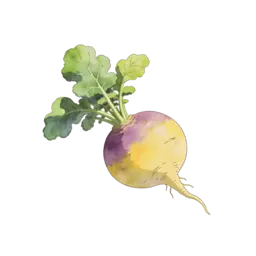
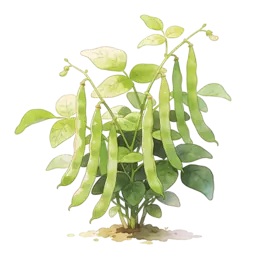
Keep apart
Group it in the same bedPlants with the same watering or the same sun
They are not essential companions, but you will not have to water or position them differently.
Same watering · Moderate watering
Compare with similar varieties
| Variety | Sowing | Harvest | Days | Spacing | Difficulty |
|---|---|---|---|---|---|
| Beetroot 'Chioggia' | Mar–Apr, Aug | Jun, Oct | ~60 | 10 cm | Easy |
| Beetroot 'Detroit' | Mar–May, Aug | Jun–Jul, Oct | ~70 | 10 cm | Easy |
| Golden beetroot | Mar–May, Aug–Sep | Jun–Jul, Oct–Nov | ~80 | 12 cm | Easy |