
Credits and licences
- #1 — vueltaalhuerto illustration
- #2 — vueltaalhuerto illustration
- #3 — vueltaalhuerto illustration
- #4 — vueltaalhuerto illustration
- #5 — vueltaalhuerto illustration
- #6 — vueltaalhuerto illustration
- #7 — vueltaalhuerto illustration
- #8 — vueltaalhuerto illustration
- #9 — vueltaalhuerto illustration
- #10 — vueltaalhuerto illustration
Black raspberry
and 1 more names
raspberryBlack raspberry is planted from November to March. It is harvested from June to July. Grow it in full sun, 90 cm apart, with moderate watering. Dates are for a mild temperate climate in the northern hemisphere; the calendar below adjusts them to your zone.
A bramble with arching canes covered in a bluish bloom and curved prickles, which bears purplish-black raspberries that are more fragrant and deeper in flavour than red ones, with slightly more noticeable seeds. Unlike the red raspberry it hardly produces any suckers: it is propagated by burying the cane tips, which root and form a new plant. It fruits on the previous year's canes, so it gives a single crop, in early summer. You can tell it apart from a blackberry at harvest: the raspberry comes away from the receptacle and is hollow, whereas the blackberry comes off with its white core inside.
Family and origin: Rose family (Rosaceae) · native to Eastern North America · More plants from North America
01In your area
How will it do in your garden?
Year calendar
| Task | J | F | M | A | M | J | J | A | S | O | N | D |
|---|---|---|---|---|---|---|---|---|---|---|---|---|
| Plant / transplantNov–Mar | yes | yes | yes | no | no | no | no | no | no | no | yes | yes |
| HarvestJun–Jul | no | no | no | no | no | yes | yes | no | no | no | no | no |
| FloweringMay–Jun | no | no | no | no | yes | yes | no | no | no | no | no | no |
| PruningFeb, Jul | no | yes | no | no | no | no | yes | no | no | no | no | no |
| CuttingsAug–Sep | no | no | no | no | no | no | no | yes | yes | no | no | no |
Its life cycle at a glance
Swipe and tap a stage to see its details.
02Planting
Where and how to plant it
Leave 90 cm between plants and 2.5 m between rows; give it a stake from the start.
90 cm between plants · 2.5 m between rows
Seedlings are planted with the root ball level with the soil.
- In a square-foot bed
- 1 plant every 9 squares30 × 30 cm squares
- Transplanting
- Nov–Mar
- Support
- Needs a stake
- TipIn late winter thin them out, leaving about 4 to 5 canes per plant, and shorten the side shoots so that they branch.
03Care
Care through the year
Sun and aspectFull sun · 8 h of sun · South or south-west, with nothing casting shade at midday
- Too little sun
- Ideal range
- Plenty of sun
South or south-west, with nothing casting shade at midday
Strong sun: Loves full midday sun and high temperatures.
Full sun; in hot inland areas afternoon shade is advisable so that the fruit does not scorch.
WateringMoist but never waterlogged · summer: every 2-3 days
- Summerevery 2-3 days8 L per tree/week
- Spring / Autumnevery 4-5 days4 L per tree/week
- Winterevery 2-3 weeks1.2 L per tree/week
Moist but never waterlogged: Water before the surface is completely dry. Never puddles. Mulch: straw or dry plant material cuts watering by 30-50 %.
Regular watering without waterlogging, especially while the fruit sets and ripens. A mulch of straw or bark keeps moisture in and reduces weeds. Strong dry heat and drought leave it with small fruits.
When to water? Push your finger 3 cm into the soil next to the base of the plant:
- Damp: soil sticks to your finger. Do not water today. The moisture is fine.
- Cool but clean, no mud. Water early tomorrow if it stays like this, or this evening.
- Dry and dusty. Water now, and deeply. This is not where it likes to be.
Soil and feedingpH 6–6.8 · Cool, slightly acidic soil with organic matter
Cool, slightly acidic soil with organic matter.
Medium: constant moisture but no puddles.
This plant prefers a pH between 6.0 and 6.8 (slightly acidic to neutral).
- Use pine needles or pine bark as a mulch (they lower the pH little by little).
- Water with rainwater or softened water if your tap water is hard.
- Compost made from chestnut leaves or leaf litter in autumn keeps up the humus.
- Chalky or alkaline soils cause chlorosis (yellow leaves with green veins).
- Letting the roots dry out while fruiting ruins the harvest.
- TipPlant about 90 cm apart with 2.5 m between rows, in loose, fertile, well-drained, slightly acidic soil (pH 6 to 6.8), and give it a wire or trellis to tie the canes to.
- TipIt is susceptible to diseases such as anthracnose and viruses, so avoid planting it near red raspberries or wild brambles, or in soil where tomatoes, potatoes or peppers have grown, and buy certified plants.
- TipMulch the base: almost all berry bushes want cool, slightly acidic soil.
PruningWhen: Feb, Jul
Pruning time for this plant: Feb, Jul.
- Common mistakeNot pruning the canes that have already fruited leaves the clump congested.
Common mistakes and tips
- TipThe prickles are curved and strong: wear thick gloves.
- TipIt needs cool winters and mild summers: in the hot Mediterranean and the dry interior of Spain it yields little and struggles.
- TipRenew old canes every year to keep up production and air flow.
04Harvest
Harvesting and storing
Harvest in Jun–Jul.
- TipAfter harvesting, in summer, cut the canes that have fruited right down, as they will not produce again, and keep the new canes.
- Common mistakeLetting it dry out while fruiting ruins the harvest.
05Propagation
Make new plants
It is propagated by tip layering, which is what nurseries do: in late summer, when the young canes arch over and the tip becomes thin, bury it about 8 to 10 cm deep in a hole, pin it down with a hoop of wire and cover it with soil. By winter the tip will have rooted and can be separated from the parent. You can also buy it in a pot or bare-root in winter. It grows from seed, but takes longer and does not come true to the variety.
06Uses and health
What it is used for, and with what care
The ripe fruit is not toxic to people. The canes have strong, curved prickles: wear thick gloves when pruning and harvesting and place it away from play areas. There are no solid data on the plant's effects on pets: to be on the safe side, do not give them fruit in quantity. Do not eat berries from wild brambles that you cannot identify.
- Properties
- A fruit rich in anthocyanins and other antioxidant polyphenols, with vitamin C and fibre; studies on its health effects are still limited.
- Uses
- It is eaten fresh, or in jam, compote, ice cream, tarts, juice or liqueur, and it freezes well; its flavour is deeper and less tart than that of the red raspberry.
For guidance only; this is not medical treatment and does not replace advice from a doctor or vet.
07Companions and related plants
What to plant it with
Good companions
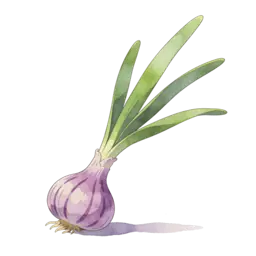
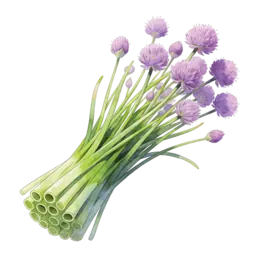
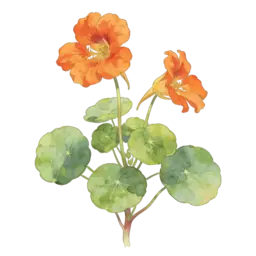
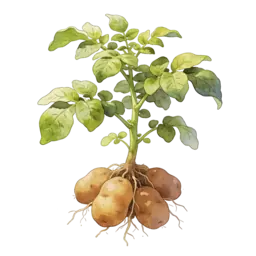
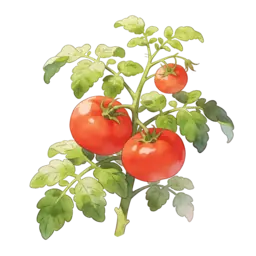
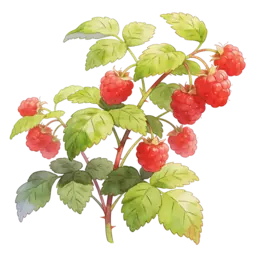
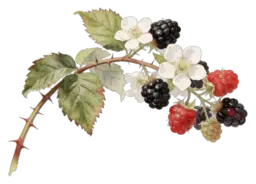
Group it in the same bedPlants with the same watering or the same sun
They are not essential companions, but you will not have to water or position them differently.
Same watering · Moderate watering
Compare with similar varieties
| Variety | Sowing | Harvest | Days | Spacing | Difficulty |
|---|---|---|---|---|---|
| Raspberry 'Autumn Bliss' | Nov–Mar | Aug–Oct | — | 50 cm | Easy |
| Raspberry 'Heritage' | Nov–Mar | Jun–Jul, Sep–Oct | — | 60 cm | Easy |
| Black raspberry | Nov–Mar | Jun–Jul | — | 90 cm | Moderate |
| Purple raspberry | Nov–Mar | Jun–Jul | — | 100 cm | Moderate |
| Salmonberry | Nov–Mar | Jun–Aug | ~730 | 150 cm | Moderate |
| Arctic raspberry (arctic bramble) | Mar–Apr, Oct | Jul–Aug | ~365 | 30 cm | Difficult |