
Credits and licences
- #1 — vueltaalhuerto illustration
- #2 — vueltaalhuerto illustration
- #3 — vueltaalhuerto illustration
- #4 — vueltaalhuerto illustration
- #5 — vueltaalhuerto illustration
- #6 — vueltaalhuerto illustration
- #7 — vueltaalhuerto illustration
- #8 — vueltaalhuerto illustration
- #9 — vueltaalhuerto illustration
- #10 — vueltaalhuerto illustration
- #11 — vueltaalhuerto illustration
- #12 — vueltaalhuerto illustration
- #13 — Ryan Hodnett · CC BY-SA 4.0 see on Wikimedia
- #14 — Matt Lavin · CC BY-SA 2.0 see on Wikimedia
- #15 — Björn S... · CC BY-SA 2.0 see on Wikimedia
- #16 — Ryan Hodnett · CC BY-SA 4.0 see on Wikimedia
Raspberry 'Heritage'
and 2 more names
autumn-fruiting raspberry, Rubus idaeusRaspberry 'Heritage' is planted from November to March. It is harvested from June to July and from September to October. Grow it in sun or partial shade, 60 cm apart, with plenty of watering. Dates are for a mild temperate climate in the northern hemisphere; the calendar below adjusts them to your zone.
An everbearing raspberry of American origin, one of the most widely grown in home gardens. It gives its main crop in late summer and autumn on the current year's canes and, if they are left, a smaller one in early summer the following year on those same canes. It likes cool soil rich in organic matter and slightly acidic, a mulch and steady watering while fruiting; in warm areas it appreciates afternoon shade.
Family and origin: Rose family (Rosaceae) · native to Temperate Europe and western Asia · More plants from Temperate Europe
01In your area
How will it do in your garden?
Year calendar
| Task | J | F | M | A | M | J | J | A | S | O | N | D |
|---|---|---|---|---|---|---|---|---|---|---|---|---|
| Plant / transplantNov–Mar | yes | yes | yes | no | no | no | no | no | no | no | yes | yes |
| HarvestJun–Jul, Sep–Oct | no | no | no | no | no | yes | yes | no | yes | yes | no | no |
| FloweringMay–Sep | no | no | no | no | yes | yes | yes | yes | yes | no | no | no |
| PruningFeb | no | yes | no | no | no | no | no | no | no | no | no | no |
| Divide the clumpFeb–Mar, Oct–Nov | no | yes | yes | no | no | no | no | no | no | yes | yes | no |
Its life cycle at a glance
Swipe and tap a stage to see its details.
02Planting
Where and how to plant it
Leave 60 cm between plants and 1.5 m between rows; give it a stake from the start.
60 cm between plants · 1.5 m between rows
Seedlings are planted with the root ball level with the soil.
- In a square-foot bed
- 1 plant every 4 squares30 × 30 cm squares
- Transplanting
- Nov–Mar
- Support
- Needs a stake
03Care
Care through the year
Sun and aspectSun and shade · 5 h of sun · shade in summer
- Too little sun
- Ideal range
- Plenty of sun
East, or south with light shade during the middle of the day
Moderate sun: Copes with full sun, but give it some shade during heatwaves.
WateringConstantly moist · summer: daily or every 2 days above 30 °C
- Summerdaily or every 2 days above 30 °C14 L per tree/week
- Spring / Autumnevery 3-4 days6.5 L per tree/week
- Winterevery 2 weeks if dry1.6 L per tree/week
Constantly moist: The soil should always feel cool and damp. Ideal with mulch and drip irrigation. Mulch: straw or dry plant material cuts watering by 30-50 %.
When to water? Push your finger 2 cm into the soil next to the base of the plant:
- Damp: soil sticks to your finger. Do not water, although for this plant it is just right — check again tomorrow.
- Cool but clean, no mud. Water today: it likes to stay constantly moist.
- Dry and dusty. Water urgently and add mulch to hold in moisture.
- TipIt needs steady watering while fruiting.
Soil and feedingCool, slightly acidic soil with organic matter
Cool, slightly acidic soil with organic matter.
Medium: constant moisture but no puddles.
This plant prefers a pH between 5.0 and 6.5 (acidic to neutral).
- Use pine needles or pine bark as a mulch (they lower the pH little by little).
- Water with rainwater or softened water if your tap water is hard.
- Compost made from chestnut leaves or leaf litter in autumn keeps up the humus.
- Chalky or alkaline soils cause chlorosis (yellow leaves with green veins).
- Letting the roots dry out while fruiting ruins the harvest.
- TipMulch the base: almost all berry bushes want cool, slightly acidic soil.
PruningWhen: Feb
Pruning time for this plant: Feb.
- Common mistakeNot pruning the canes that have already fruited leaves the clump congested.
Common mistakes and tips
- TipIt gives two crops: one in early summer on the previous year's canes and another in late summer and autumn on the current year's canes.
- TipRenew old canes every year to keep up production and air flow.
04Harvest
Harvesting and storing
Harvest in Jun–Jul, Sep–Oct.
- Common mistakeLetting it dry out while fruiting ruins the harvest.
05Propagation
Make new plants
Plant bare-root in winter (November-February), or pot-grown at any time of year. It propagates easily from the suckers that sprout from the roots around the plant: separate them with a piece of root in autumn or late winter and plant them where they are to grow.
06Uses and health
What it is used for, and with what care
- Properties
- Raspberries rich in fibre, vitamin C and antioxidants.
- Uses
- Fresh fruit or in jam.
For guidance only; this is not medical treatment and does not replace advice from a doctor or vet.
07Companions and related plants
What to plant it with
Good companions
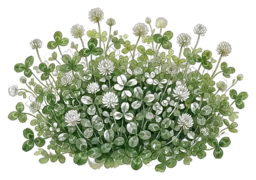
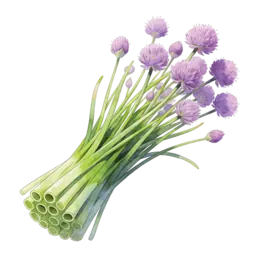
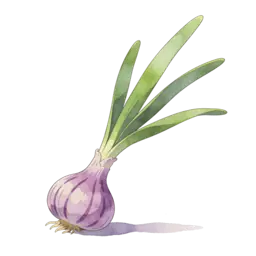
Keep apart
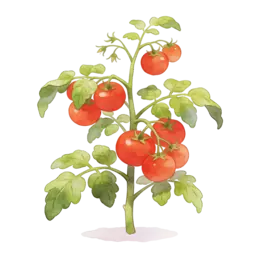
Group it in the same bedPlants with the same watering or the same sun
They are not essential companions, but you will not have to water or position them differently.
Same watering · Lots of water
Compare with similar varieties
| Variety | Sowing | Harvest | Days | Spacing | Difficulty |
|---|---|---|---|---|---|
| Raspberry 'Autumn Bliss' | Nov–Mar | Aug–Oct | — | 50 cm | Easy |
| Raspberry 'Heritage' | Nov–Mar | Jun–Jul, Sep–Oct | — | 60 cm | Easy |
| Black raspberry | Nov–Mar | Jun–Jul | — | 90 cm | Moderate |
| Purple raspberry | Nov–Mar | Jun–Jul | — | 100 cm | Moderate |
| Salmonberry | Nov–Mar | Jun–Aug | ~730 | 150 cm | Moderate |
| Arctic raspberry (arctic bramble) | Mar–Apr, Oct | Jul–Aug | ~365 | 30 cm | Difficult |
No known toxicity to people or pets
Not toxic; in dogs, too many can cause discomfort (they contain a little natural xylitol, which is harmless in small amounts).