Credits and licences
- #1 — vueltaalhuerto illustration
- #2 — vueltaalhuerto illustration
- #3 — vueltaalhuerto illustration
- #4 — vueltaalhuerto illustration
- #5 — vueltaalhuerto illustration
- #6 — vueltaalhuerto illustration
- #7 — vueltaalhuerto illustration
- #8 — vueltaalhuerto illustration
- #9 — vueltaalhuerto illustration
- #10 — vueltaalhuerto illustration
Bottle gourd
and 3 more names
lauki, opo squash, white-flowered gourdBottle gourd is sown in seed trays from March to April or directly outdoors in May, and planted out from May to June. It is harvested from July to October (about 130 days to the first harvest). Grow it in full sun, 100 cm apart, with plenty of watering. Dates are for a mild temperate climate in the northern hemisphere; the calendar below adjusts them to your zone.
What else to sow in March, April and May
An annual climbing member of the cucumber family, with large, soft, slightly sticky leaves and white flowers that open at dusk. It bears bottle- or flask-shaped fruits, sometimes with a waist, with pale green skin and white flesh. Young fruits are cooked as a vegetable, rather like courgettes; mature ones are left to dry on the plant until the shell becomes hard and woody, and are then used as containers, water flasks or decorative pieces. It is a different species from the Cucurbita squashes and does not cross with them. Caution: if a fruit tastes bitter, it must not be eaten (see the health warning).
Family and origin: Gourd family (Cucurbitaceae) · native to Africa (grown around the world since ancient times) · More plants from Africa
01In your area
How will it do in your garden?
Year calendar
| Task | J | F | M | A | M | J | J | A | S | O | N | D |
|---|---|---|---|---|---|---|---|---|---|---|---|---|
| Seed trayMar–Apr | no | no | yes | yes | no | no | no | no | no | no | no | no |
| Direct sowingMay | no | no | no | no | yes | no | no | no | no | no | no | no |
| Plant / transplantMay–Jun | no | no | no | no | yes | yes | no | no | no | no | no | no |
| HarvestJul–Oct | no | no | no | no | no | no | yes | yes | yes | yes | no | no |
| FloweringJun–Sep | no | no | no | no | no | yes | yes | yes | yes | no | no | no |
Its life cycle at a glance
Swipe and tap a stage to see its details.
02Planting
Where and how to plant it
Sow the seed 2.5 cm deep; leave 1 m between plants and 2 m between rows.
1 m between plants · 2 m between rows
Seed at a depth of 2.5 cm; seedlings go in with the root ball level with the soil.
- In a square-foot bed
- 1 plant every 16 squares30 × 30 cm squares
- Transplanting
- May–Jun
- Seed tray
- Mar–Apr
- Direct sowing
- May
- TipGive it a very sturdy trellis, pergola or arch, because the plant is very vigorous and the fruits hang down and are heavy.
- TipFor drying, leave the fruits on the plant until the stem dries and you can hear the seeds rattling inside, then hang them for several weeks in a dry, well-ventilated place.
- Common mistakePlanting too close together cuts down air flow and encourages fungal disease.
03Care
Care through the year
Sun and aspectFull sun · 8 h of sun · South or south-west, with nothing casting shade at midday
- Too little sun
- Ideal range
- Plenty of sun
South or south-west, with nothing casting shade at midday
Strong sun: Loves full midday sun and high temperatures.
Full sun and warmth; it needs a long, hot summer for the fruits to ripen and dry.
WateringConstantly moist · summer: daily, or every 2 days above 30 °C
- Summerdaily, or every 2 days above 30 °C3.5 L per plant/week
- Spring / Autumnevery 3-4 days1.6 L per plant/week
- Winterevery 2 weeks if dry0.4 L per plant/week
Constantly moist: The soil should always feel cool and damp. Ideal with mulch and drip irrigation. Mulch: straw or dry plant material cuts watering by 30-50 %.
Water generously and regularly while it is growing, without wetting the leaves, to avoid powdery mildew. At the end of summer, once the fruit has set and you want it to dry, cut back on watering.
When to water? Push your finger 2 cm into the soil next to the base of the plant:
- Damp: soil sticks to your finger. Do not water, although for this plant it is just right — check again tomorrow.
- Cool but clean, no mud. Water today: it likes to stay constantly moist.
- Dry and dusty. Water urgently and add mulch to hold in moisture.
- Common mistakeWatering in fits and starts (bone dry, then waterlogged) splits the fruit and leaves flowers that fail to set.
Soil and feedingpH 6–7.5 · Rich, airy loam
Rich, airy loam.
40 % topsoil · 40 % well-rotted compost · 20 % perlite or sand.
Medium: moist but never waterlogged.
This plant prefers a pH between 6.0 and 7.5 (slightly acidic to slightly alkaline).
- Well-rotted compost every season and well-decomposed manure in autumn.
- Mulch with straw or dry plant material to hold moisture and smother weeds.
- Rotate crops: do not grow the same family in the same spot two years running.
- Compacted soil or unbroken clay can halve the harvest.
- Watering with a hose from above compacts the soil: drip irrigation or watering at the base is better.
- TipDig compost into the soil before planting and keep watering regular so growth never stalls.
Common mistakes and tips
- TipThe flowers open at night and are visited by moths and bees; if few fruits are setting, you can hand-pollinate at dusk, transferring pollen from a male flower to a female one (the one with a small fruit behind it).
04Harvest
Harvesting and storing
Harvest in Jul–Oct; the first, about 130 days after sowing.
- TipFor eating, harvest the fruits young and tender, about the length of a large courgette, while the skin still marks with a fingernail, and always taste a small piece: if it tastes bitter, throw it away.
- TipHarvest often: the more you pick, the more the plant produces.
05Propagation
Make new plants
From seed only. The seed is hard and germinates best with warmth (above 20 °C): soak it for about 12 hours in lukewarm water and sow it about 2 cm deep in pots or seed trays in March and April, or directly outdoors in May once the soil has warmed. Transplant carefully, without breaking the root ball, once the frosts are over. It is best sown in biodegradable pots because it does not take kindly to bare-root transplanting. It crosses with other Lagenaria, but not with Cucurbita squashes and courgettes.
Seeds: how to germinate them~8 days
06Uses and health
What it is used for, and with what care
SAFETY WARNING: some fruits, especially when the plant has suffered heat or stress or comes from seed of bitter fruits, accumulate cucurbitacins, very bitter and toxic substances. They have caused serious poisoning, with vomiting, abdominal pain, bloody diarrhoea and a drop in blood pressure, and in rare cases death, above all from drinking the juice. Always taste a small raw piece: if it tastes bitter, spit it out and throw away the whole fruit, without cooking or blending it. Never drink bottle gourd juice. There is no specific antidote: if you have eaten something bitter and feel unwell, go to A&E. Take care that children and pets do not eat raw or bitter fruits.
- Properties
- The young fruit provides water, fibre and very few calories, with some vitamin C and potassium.
- Uses
- Young, tender fruits are cooked like courgettes (stews, curries, stuffed, stir-fried); in some cuisines the leaves and tender shoots are eaten cooked. Mature, dried fruits are not eaten: they are used as containers and for decoration.
For guidance only; this is not medical treatment and does not replace advice from a doctor or vet.
07Companions and related plants
What to plant it with
Good companions
Keep apart
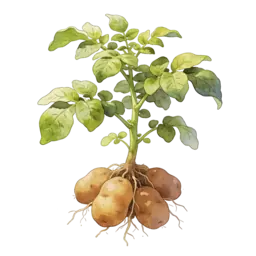
Group it in the same bedPlants with the same watering or the same sun
They are not essential companions, but you will not have to water or position them differently.
Same watering · Lots of water
Compare with similar varieties
| Variety | Sowing | Harvest | Days | Spacing | Difficulty |
|---|---|---|---|---|---|
| Butternut squash | Apr–May | Sep–Oct | ~110 | 120 cm | Moderate |
| Red kuri squash (Hokkaido, potimarron) | Mar–Jun | Sep–Oct | ~95 | 90 cm | Easy |
| Acorn squash | May–Jun | Sep–Oct | ~90 | 90 cm | Easy |
| Fig-leaf gourd (angel's hair squash) | Apr–May | Oct–Nov | ~130 | 150 cm | Easy |
| Halloween pumpkin | Apr–May | Oct | ~110 | 150 cm | Easy |
| Bottle gourd | Mar–May | Jul–Oct | ~130 | 100 cm | Moderate |
| Spaghetti squash | May–Jun | Sep–Oct | ~95 | 90 cm | Easy |
| Pumpkin 'Musquée de Provence' | May–Jun | Oct–Nov | ~110 | 120 cm | Easy |
| Pattypan squash | May–Jun | Jul–Sep | ~60 | 80 cm | Easy |
08Pests and diseases
Critters and ailments to keep an eye on
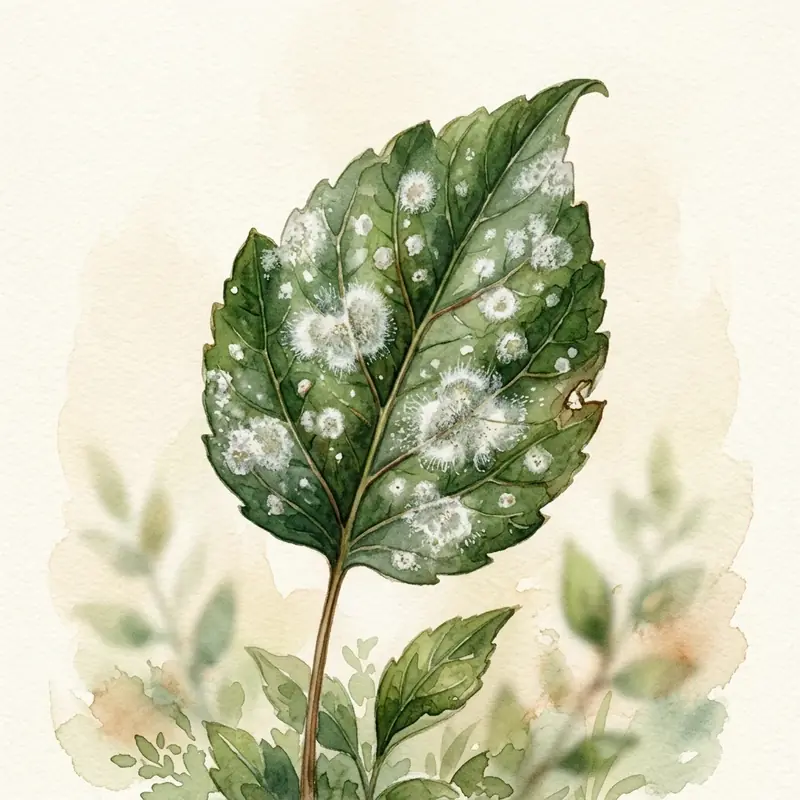
The most common ones on this plant. Tap one to see how to recognise it and what to do.