
Credits and licences
- #1 — vueltaalhuerto illustration
- #2 — vueltaalhuerto illustration
- #3 — vueltaalhuerto illustration
- #4 — vueltaalhuerto illustration
- #5 — vueltaalhuerto illustration
- #6 — vueltaalhuerto illustration
- #7 — vueltaalhuerto illustration
- #8 — vueltaalhuerto illustration
- #9 — vueltaalhuerto illustration
- #10 — Dandarmkd · CC BY-SA 4.0 see on Wikimedia
- #11 — Agnieszka Kwiecień, Nova · CC BY-SA 4.0 see on Wikimedia
- #12 — Javier martin · Public domain see on Wikimedia
- #13 — Photo by David J. Stang · CC BY-SA 4.0 see on Wikimedia
Purple sage (Salvia officinalis 'Purpurascens')
and 1 more names
Salvia officinalis 'Purpurascens'Purple sage (Salvia officinalis 'Purpurascens') is planted from March to May and from September to November. It is harvested from May to September. Grow it in full sun, 50 cm apart, with little watering. Dates are for a mild temperate climate in the northern hemisphere; the calendar below adjusts them to your zone.
A sage cultivar whose young leaves are purple, very decorative, with the same culinary uses as common sage.
Family and origin: Mint family (Lamiaceae) · native to Mediterranean cultivar · More plants from Mediterranean basin
01In your area
How will it do in your garden?
Year calendar
| Task | J | F | M | A | M | J | J | A | S | O | N | D |
|---|---|---|---|---|---|---|---|---|---|---|---|---|
| Plant / transplantMar–May, Sep–Nov | no | no | yes | yes | yes | no | no | no | yes | yes | yes | no |
| HarvestMay–Sep | no | no | no | no | yes | yes | yes | yes | yes | no | no | no |
| FloweringMay–Jun | no | no | no | no | yes | yes | no | no | no | no | no | no |
| PruningMar–Apr, Sep | no | no | yes | yes | no | no | no | no | yes | no | no | no |
| CuttingsApr–Jun, Sep–Oct | no | no | no | yes | yes | yes | no | no | yes | yes | no | no |
Its life cycle at a glance
Swipe and tap a stage to see its details.
02Planting
Where and how to plant it
Sow the seed 5 mm deep; leave 50 cm between plants and 45 cm between rows.
50 cm between plants · 45 cm between rows
Seed at a depth of 5 mm; seedlings go in with the root ball level with the soil.
- In a square-foot bed
- 1 plant every 4 squares30 × 30 cm squares
- Transplanting
- Mar–May, Sep–Nov
- Germination
- ~14 days
03Care
Care through the year
Sun and aspectFull sun · 8 h of sun · South or south-west, with nothing casting shade at midday
- Too little sun
- Ideal range
- Plenty of sun
South or south-west, with nothing casting shade at midday
Strong sun: Loves full midday sun and high temperatures.
WateringLet it dry out between waterings · summer: every 5-7 days
- Summerevery 5-7 days0.4 L per plant/week
- Spring / Autumnevery 10-14 days0.2 L per plant/week
- Winteronly in extreme drought (once a month)0.1 L per plant/week
Let it dry out between waterings: A Mediterranean favourite: better thirsty than overwatered.
When to water? Push your finger 5 cm into the soil next to the base of the plant:
- Damp: soil sticks to your finger. Do not water yet. It has more than enough; wait for it to dry out more.
- Cool but clean, no mud. Wait another 1-2 days before watering.
- Dry and dusty. Water now, but moderately. Do not overdo it: it prefers thirst to excess.
- Common mistakeOverwatering: most prefer to dry out between waterings.
Soil and feedingFree-draining, airy mix
Free-draining, airy mix.
40 % topsoil · 30 % coarse sand or perlite · 30 % well-rotted compost (less compost for Mediterranean herbs).
High: almost all prefer being thirsty to being wet.
This plant prefers a pH between 6.5 and 7.5 (neutral to slightly alkaline).
- Mediterranean herbs in very rich, heavily watered soil: they grow a lot but lose their aroma.
- A pot without a drainage hole: the roots rot within weeks.
- TipFull sun and poor, well-drained soil.
- TipMany Mediterranean herbs prefer poor soil and little water: more aroma.
PruningWhen: Mar–Apr, Sep
Pruning time for this plant: Mar–Apr, Sep.
- TipCut off faded flowers to keep the leaves tender and aromatic; do not let it become waterlogged, especially in winter.
- TipPinch out the tips often so it branches and does not run to seed so soon.
Common mistakes and tips
- Common mistakeLetting them flower early makes the leaves bitter (in leafy herbs).
04Harvest
Harvesting and storing
Harvest in May–Sep.
05Propagation
Make new plants
The usual approach is to buy plug plants from a nursery or take cuttings in spring and autumn (12-15 cm, they root in 3-4 weeks). It is not worth sowing: seed does not reproduce the purple colour of the leaves.
06Uses and health
What it is used for, and with what care
Safe in culinary amounts. In large quantities it contains thujone; the essential oil can irritate sensitive people and pets.
- Properties
- An aromatic, ornamental Salvia, rich in nectar.
- Uses
- Leaves as a seasoning for meat, pasta and butters, in moderation.
For guidance only; this is not medical treatment and does not replace advice from a doctor or vet.
07Companions and related plants
What to plant it with
Good companions

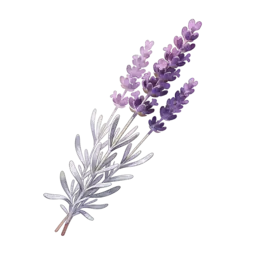
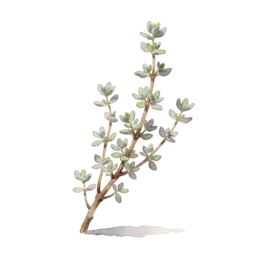
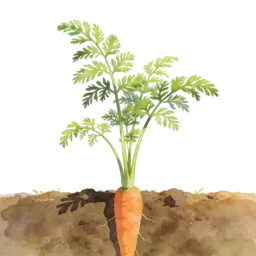
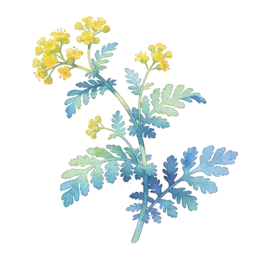
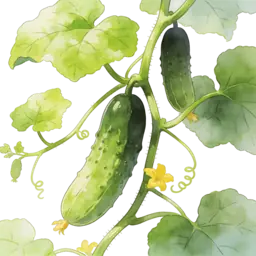
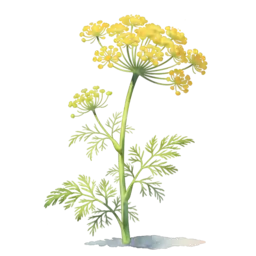
Group it in the same bedPlants with the same watering or the same sun
They are not essential companions, but you will not have to water or position them differently.
Same watering · Little water
Compare with similar varieties
| Variety | Sowing | Harvest | Days | Spacing | Difficulty |
|---|---|---|---|---|---|
| Mealycup sage (Salvia farinacea) | Jan–May | Jun–Oct | — | 35 cm | Easy |
| White sage | Feb–May | May–Sep | ~365 | 100 cm | Moderate |
| Canary Island sage | Feb–May | Apr–Jul | — | 100 cm | Easy |
| Jerusalem sage | Mar–May | May–Jul | — | 120 cm | Easy |
| Common sage (Salvia officinalis) | Mar–Apr | May–Sep | — | 50 cm | Easy |
| Woodland sage 'Caradonna' | Mar–Apr, Oct | May–Aug | — | 40 cm | Easy |
| Painted sage (annual clary) | Feb–May, Oct | May–Sep | ~90 | 25 cm | Easy |
| Pineapple sage | Mar–Apr | Jun–Oct | — | 60 cm | Moderate |
| Purple sage (Salvia officinalis 'Purpurascens') | Mar–May, Sep–Nov | May–Sep | — | 50 cm | Easy |
| Chinese red sage (danshen) | Feb–Mar | May–Aug | — | 50 cm | Easy |
| Clary sage | Mar–Jun, Sep | Jun–Sep | ~330 | 50 cm | Easy |
| Baby sage (Salvia microphylla) | Feb–Mar | May–Oct | — | 80 cm | Easy |
| Wild clary | Mar–Apr | Apr–Jul | — | 30 cm | Easy |
| Scarlet sage (Salvia splendens) | Mar | Jun–Sep | — | 30 cm | Easy |
| Whorled clary (Salvia verticillata) | Feb–May | Jun–Aug | — | 50 cm | Easy |