
Credits and licences
- #1 — vueltaalhuerto illustration
- #2 — vueltaalhuerto illustration
- #3 — vueltaalhuerto illustration
- #4 — vueltaalhuerto illustration
- #5 — vueltaalhuerto illustration
- #6 — vueltaalhuerto illustration
- #7 — vueltaalhuerto illustration
Wild clary
Wild clary is sown in seed trays from March to April, and planted out from March to May and from September to November. It is harvested from April to July. Grow it in full sun, 30 cm apart, with little watering. Dates are for a mild temperate climate in the northern hemisphere; the calendar below adjusts them to your zone.
What else to sow in March and April
A tough wild Salvia of meadows and roadside verges, with wrinkled leaves and spikes of violet-blue flowers. Aromatic and very rich in nectar.
Family and origin: Mint family (Lamiaceae) · native to Mediterranean basin · More plants from Mediterranean basin
01In your area
How will it do in your garden?
Year calendar
| Task | J | F | M | A | M | J | J | A | S | O | N | D |
|---|---|---|---|---|---|---|---|---|---|---|---|---|
| Seed trayMar–Apr | no | no | yes | yes | no | no | no | no | no | no | no | no |
| Plant / transplantMar–May, Sep–Nov | no | no | yes | yes | yes | no | no | no | yes | yes | yes | no |
| HarvestApr–Jul | no | no | no | yes | yes | yes | yes | no | no | no | no | no |
| FloweringMar–Jun | no | no | yes | yes | yes | yes | no | no | no | no | no | no |
| PruningMar–Apr, Sep | no | no | yes | yes | no | no | no | no | yes | no | no | no |
| CuttingsApr–Jun, Sep–Oct | no | no | no | yes | yes | yes | no | no | yes | yes | no | no |
Its life cycle at a glance
Swipe and tap a stage to see its details.
02Planting
Where and how to plant it
Sow the seed 3 mm deep; leave 30 cm between plants and 40 cm between rows.
30 cm between plants · 40 cm between rows
Seed at a depth of 3 mm; seedlings go in with the root ball level with the soil.
- In a square-foot bed
- 1 plant per square30 × 30 cm squares
- Transplanting
- Mar–May, Sep–Nov
- Seed tray
- Mar–Apr
- Germination
- ~14 days
- TipCut off the dry spikes so that the plant renews itself.
03Care
Care through the year
Sun and aspectFull sun · 8 h of sun · South or south-west, with nothing casting shade at midday
- Too little sun
- Ideal range
- Plenty of sun
South or south-west, with nothing casting shade at midday
Strong sun: Loves full midday sun and high temperatures.
WateringLet it dry out between waterings · summer: every 5-7 days
- Summerevery 5-7 days0.4 L per plant/week
- Spring / Autumnevery 10-14 days0.2 L per plant/week
- Winteronly in extreme drought (once a month)0.1 L per plant/week
Let it dry out between waterings: A Mediterranean favourite: better thirsty than overwatered.
When to water? Push your finger 5 cm into the soil next to the base of the plant:
- Damp: soil sticks to your finger. Do not water yet. It has more than enough; wait for it to dry out more.
- Cool but clean, no mud. Wait another 1-2 days before watering.
- Dry and dusty. Water now, but moderately. Do not overdo it: it prefers thirst to excess.
- Common mistakeOverwatering: most prefer to dry out between waterings.
Soil and feedingFree-draining, airy mix
Free-draining, airy mix.
40 % topsoil · 30 % coarse sand or perlite · 30 % well-rotted compost (less compost for Mediterranean herbs).
High: almost all prefer being thirsty to being wet.
This plant prefers a pH between 6.5 and 7.5 (neutral to slightly alkaline).
- Mediterranean herbs in very rich, heavily watered soil: they grow a lot but lose their aroma.
- A pot without a drainage hole: the roots rot within weeks.
PruningWhen: Mar–Apr, Sep
Pruning time for this plant: Mar–Apr, Sep.
- TipPinch out the tips often so it branches and does not run to seed so soon.
Common mistakes and tips
- Common mistakeLetting them flower early makes the leaves bitter (in leafy herbs).
04Harvest
Harvesting and storing
Harvest in Apr–Jul.
05Propagation
Make new plants
It is propagated mainly by seed, which comes up easily when sown in spring or autumn and self-seeds on verges and in meadows. Clumps can also be divided in early spring. It is rarely found in nurseries.
06Uses and health
What it is used for, and with what care
In quantity it can cause digestive upset; the essential oil is more potent. If a pet eats a large amount, see the vet.
- Properties
- An aromatic wild Salvia with traditional use for the eyes and digestion.
- Uses
- Leaves in infusions (moderate use).
For guidance only; this is not medical treatment and does not replace advice from a doctor or vet.
07Companions and related plants
What to plant it with
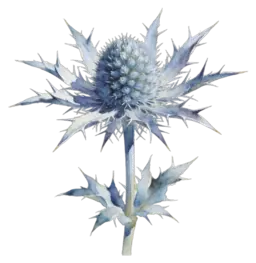
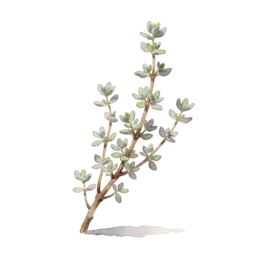
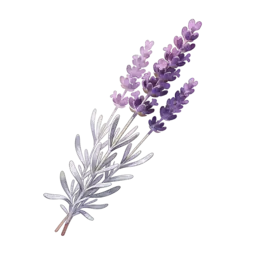

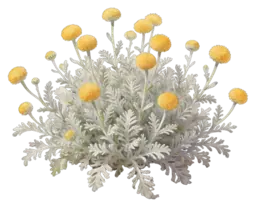
Group it in the same bedPlants with the same watering or the same sun
They are not essential companions, but you will not have to water or position them differently.
Same watering · Little water
Compare with similar varieties
| Variety | Sowing | Harvest | Days | Spacing | Difficulty |
|---|---|---|---|---|---|
| Mealycup sage (Salvia farinacea) | Jan–May | Jun–Oct | — | 35 cm | Easy |
| White sage | Feb–May | May–Sep | ~365 | 100 cm | Moderate |
| Canary Island sage | Feb–May | Apr–Jul | — | 100 cm | Easy |
| Jerusalem sage | Mar–May | May–Jul | — | 120 cm | Easy |
| Common sage (Salvia officinalis) | Mar–Apr | May–Sep | — | 50 cm | Easy |
| Woodland sage 'Caradonna' | Mar–Apr, Oct | May–Aug | — | 40 cm | Easy |
| Painted sage (annual clary) | Feb–May, Oct | May–Sep | ~90 | 25 cm | Easy |
| Pineapple sage | Mar–Apr | Jun–Oct | — | 60 cm | Moderate |
| Purple sage (Salvia officinalis 'Purpurascens') | Mar–May, Sep–Nov | May–Sep | — | 50 cm | Easy |
| Chinese red sage (danshen) | Feb–Mar | May–Aug | — | 50 cm | Easy |
| Clary sage | Mar–Jun, Sep | Jun–Sep | ~330 | 50 cm | Easy |
| Baby sage (Salvia microphylla) | Feb–Mar | May–Oct | — | 80 cm | Easy |
| Wild clary | Mar–Apr | Apr–Jul | — | 30 cm | Easy |
| Scarlet sage (Salvia splendens) | Mar | Jun–Sep | — | 30 cm | Easy |
| Whorled clary (Salvia verticillata) | Feb–May | Jun–Aug | — | 50 cm | Easy |