
Credits and licences
- #1 — vueltaalhuerto illustration
- #2 — vueltaalhuerto illustration
- #3 — vueltaalhuerto illustration
- #4 — vueltaalhuerto illustration
- #5 — vueltaalhuerto illustration
- #6 — vueltaalhuerto illustration
- #7 — vueltaalhuerto illustration
- #8 — vueltaalhuerto illustration
- #9 — vueltaalhuerto illustration
- #10 — vueltaalhuerto illustration
Blessed thistle
and 1 more names
spotted thistleBlessed thistle is sown in seed trays in March or directly outdoors from March to May and in October, and planted out from April to May. It is harvested from June to August (about 120 days to the first harvest). Grow it in full sun, 40 cm apart, with little watering. Dates are for a mild temperate climate in the northern hemisphere; the calendar below adjusts them to your zone.
What else to sow in March, April, May and October
An annual thistle 30 to 60 cm tall, with branched, hairy stems and long, deeply lobed, spiny leaves with pale veins. In spring and summer it opens yellow flower heads surrounded by spiny bracts, which give way to cylindrical dry fruits crowned with bristles. It is very bitter and has been used since ancient times as an apothecary's plant and, in small amounts, as a flavouring for liqueurs and bitters, but today it is grown mainly as a curiosity, as a nectar plant and for its traditional interest. It is hardy, does well in poor, dry, sunny soils, and is sown directly outdoors because it does not transplant well. It is prickly all over: handle it with gloves. Do not confuse it with milk thistle (Silybum marianum), which has white-marbled leaves and a purple flower, or with the edible cardoon (Cynara cardunculus).
Family and origin: Daisy family (Asteraceae) · native to The Mediterranean region and the Middle East · More plants from Mediterranean basin
01In your area
How will it do in your garden?
Year calendar
| Task | J | F | M | A | M | J | J | A | S | O | N | D |
|---|---|---|---|---|---|---|---|---|---|---|---|---|
| Seed trayMar | no | no | yes | no | no | no | no | no | no | no | no | no |
| Direct sowingMar–May, Oct | no | no | yes | yes | yes | no | no | no | no | yes | no | no |
| Plant / transplantApr–May | no | no | no | yes | yes | no | no | no | no | no | no | no |
| HarvestJun–Aug | no | no | no | no | no | yes | yes | yes | no | no | no | no |
| FloweringMay–Jul | no | no | no | no | yes | yes | yes | no | no | no | no | no |
Its life cycle at a glance
Swipe and tap a stage to see its details.
02Planting
Where and how to plant it
Sow the seed 1.5 cm deep; leave 40 cm between plants and 60 cm between rows.
40 cm between plants · 60 cm between rows
Seed at a depth of 1.5 cm; seedlings go in with the root ball level with the soil.
- In a square-foot bed
- 1 plant every 4 squares30 × 30 cm squares
- Transplanting
- Apr–May
- Seed tray
- Mar
- Direct sowing
- Mar–May, Oct
- TipAs it self-sows, remove the flower heads before they shed their fruit if you do not want it to take over the bed.
03Care
Care through the year
Sun and aspectFull sun · 8 h of sun · South or south-west, with nothing casting shade at midday
- Too little sun
- Ideal range
- Plenty of sun
South or south-west, with nothing casting shade at midday
Strong sun: Loves full midday sun and high temperatures.
Full sun all day; in shade it becomes leggy, flops and hardly flowers.
WateringLet it dry out between waterings · summer: every 5-7 days
- Summerevery 5-7 days0.4 L per plant/week
- Spring / Autumnevery 10-14 days0.2 L per plant/week
- Winteronly in extreme drought (once a month)0.1 L per plant/week
Let it dry out between waterings: A Mediterranean favourite: better thirsty than overwatered.
Water moderately only until it is established. After that, rain is enough, and waterlogged or very wet soil rots it and fills it with fungal disease.
When to water? Push your finger 5 cm into the soil next to the base of the plant:
- Damp: soil sticks to your finger. Do not water yet. It has more than enough; wait for it to dry out more.
- Cool but clean, no mud. Wait another 1-2 days before watering.
- Dry and dusty. Water now, but moderately. Do not overdo it: it prefers thirst to excess.
- Common mistakeOverwatering: most prefer to dry out between waterings.
Soil and feedingpH 6–8 · Free-draining, airy mix
Free-draining, airy mix.
40 % topsoil · 30 % coarse sand or perlite · 30 % well-rotted compost (less compost for Mediterranean herbs).
High: almost all prefer being thirsty to being wet.
This plant prefers a pH between 6.0 and 8.0 (slightly acidic to alkaline).
- Mediterranean herbs in very rich, heavily watered soil: they grow a lot but lose their aroma.
- A pot without a drainage hole: the roots rot within weeks.
- TipSow it in a sunny spot with poor, stony, dry soil; do not feed it or overwater it.
- TipMany Mediterranean herbs prefer poor soil and little water: more aroma.
Pruning
- TipPinch out the tips often so it branches and does not run to seed so soon.
Common mistakes and tips
- TipWear gloves and long sleeves to handle it, because the spines are tough.
- TipIf you want to use the aerial parts, cut them at the start of flowering, without waiting for them to dry.
- Common mistakeLetting them flower early makes the leaves bitter (in leafy herbs).
04Harvest
Harvesting and storing
Harvest in Jun–Aug; the first, about 120 days after sowing.
05Propagation
Make new plants
It is propagated only by seed. The fruits are cylindrical achenes with a crown of bristles, collected when the flower head is dry and opening. Sow directly, from March to May (and in autumn in areas with mild winters), 1 or 2 cm deep, in loose, well-drained soil; it comes up in one or two weeks at 12 to 22 °C. As it forms a taproot and transplants badly, if you start it early in a seed tray, use pots or deep cells and move the seedlings into the ground very carefully and as soon as possible. It self-sows readily, so cut off the flower heads if you do not want it to spread.
Seeds: how to germinate them~10 days
06Uses and health
What it is used for, and with what care
ALLERGY WARNING: it belongs to the daisy family (Asteraceae), and can cause allergy or contact dermatitis in people sensitive to daisies, chamomile, calendula, ragweed or chrysanthemums; if you have such an allergy, avoid it. The spines prick and can infect wounds: handle it with gloves and long sleeves. In high doses it irritates the stomach and can cause nausea and vomiting because of its bitterness. Avoid using it during pregnancy and breastfeeding, and in children, because it is traditionally considered that it may stimulate the uterus, and consult a professional first if you take medication or have an ulcer or inflammatory bowel disease. There are no reliable data on toxicity to dogs and cats: keep the plant out of their reach, above all because of the spines. It is no substitute for any medical treatment.
- Properties
- It is a very bitter plant that has traditionally been used in apothecary preparations to stimulate the appetite and aid digestion, but no doses or recommendations for medicinal use are given here: consult a healthcare professional before taking it.
- Uses
- It is used in very small amounts, as a bitter flavouring in liqueurs and in some traditional preparations. It is not cooked as a vegetable. Do not improvise infusions or take the plant continuously without professional advice.
For guidance only; this is not medical treatment and does not replace advice from a doctor or vet.
07Companions and related plants
What to plant it with
Good companions
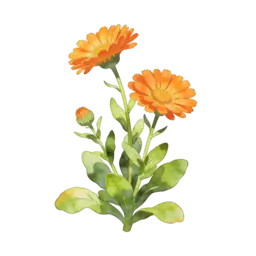
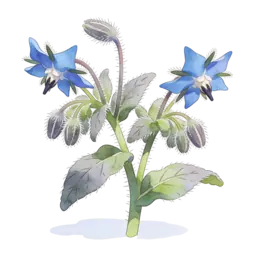
Group it in the same bedPlants with the same watering or the same sun
They are not essential companions, but you will not have to water or position them differently.
Same watering · Little water
Compare with similar varieties
| Variety | Sowing | Harvest | Days | Spacing | Difficulty |
|---|---|---|---|---|---|
| Cardoon | Apr–May | Nov–Dec | ~150 | 80 cm | Moderate |
| Blessed thistle | Mar–May, Oct | Jun–Aug | ~120 | 40 cm | Easy |
| Field eryngo | Mar–Apr, Sep–Oct | Jun–Aug | — | 40 cm | Easy |
| Milk thistle | Mar, Sep–Oct | Jun–Jul | — | 80 cm | Easy |