Credits and licences
- #1 — vueltaalhuerto illustration
- #2 — vueltaalhuerto illustration
- #3 — vueltaalhuerto illustration
- #4 — vueltaalhuerto illustration
- #5 — vueltaalhuerto illustration
- #6 — vueltaalhuerto illustration
- #7 — vueltaalhuerto illustration
- #8 — vueltaalhuerto illustration
- #9 — vueltaalhuerto illustration
- #10 — vueltaalhuerto illustration
Bitter melon (karela)
and 2 more names
bitter squash, Momordica charantiaBitter melon (karela) is sown in seed trays from March to April or directly outdoors in May, and planted out in May. It is harvested from July to October (about 75 days to the first harvest). Grow it in full sun, 40 cm apart, with plenty of watering. Dates are for a mild temperate climate in the northern hemisphere; the calendar below adjusts them to your zone.
What else to sow in March, April and May
An annual climbing cucurbit with fine tendrils, lobed leaves and small yellow flowers, which produces elongated fruits with rough, warty green skin that are cooked in Asia and the Caribbean. Its bitter taste is intense and that is exactly what people are after: it is harvested green, when the fruit is firm, before it turns yellow. It is a plant that needs a lot of heat and has a long cycle, so in most of Spain it is best started early in a seed tray and given a warm, sunny trellis. When the fruit ripens it turns orange, splits open and reveals seeds covered in a red pulp that should not be eaten. It is not to everyone's taste: if you are trying it for the first time, start with a small amount.
Family and origin: Gourd family (Cucurbitaceae) · native to Tropical Asia (probably India and South-East Asia) · More plants from South Asia
01In your area
How will it do in your garden?
Year calendar
| Task | J | F | M | A | M | J | J | A | S | O | N | D |
|---|---|---|---|---|---|---|---|---|---|---|---|---|
| Seed trayMar–Apr | no | no | yes | yes | no | no | no | no | no | no | no | no |
| Direct sowingMay | no | no | no | no | yes | no | no | no | no | no | no | no |
| Plant / transplantMay | no | no | no | no | yes | no | no | no | no | no | no | no |
| HarvestJul–Oct | no | no | no | no | no | no | yes | yes | yes | yes | no | no |
| FloweringJun–Sep | no | no | no | no | no | yes | yes | yes | yes | no | no | no |
Its life cycle at a glance
Swipe and tap a stage to see its details.
02Planting
Where and how to plant it
Sow the seed 1.5 cm deep; leave 40 cm between plants and 1.5 m between rows.
40 cm between plants · 1.5 m between rows
Seed at a depth of 1.5 cm; seedlings go in with the root ball level with the soil.
- In a square-foot bed
- 1 plant every 4 squares30 × 30 cm squares
- Transplanting
- May
- Seed tray
- Mar–Apr
- Direct sowing
- May
- TipGive it a trellis, netting or string to climb, because the fruits hang down and become twisted if they rest on the ground.
- Common mistakePlanting too close together cuts down air flow and encourages fungal disease.
03Care
Care through the year
Sun and aspectFull sun · 8 h of sun · South or south-west, with nothing casting shade at midday
- Too little sun
- Ideal range
- Plenty of sun
South or south-west, with nothing casting shade at midday
Strong sun: Loves full midday sun and high temperatures.
Full sun and heat; it does not fruit well with cool nights, below about 15 °C.
WateringConstantly moist · summer: daily or every 2 days when above 30 °C
- Summerdaily or every 2 days when above 30 °C3.5 L per plant/week
- Spring / Autumnevery 3-4 days1.6 L per plant/week
- Winterevery 2 weeks if dry0.4 L per plant/week
Constantly moist: The soil should always feel cool and damp. Ideal with mulch and drip irrigation. Mulch: straw or dry plant material cuts watering by 30-50 %.
Regular, generous watering in summer, without waterlogging, and soil rich in organic matter. Mulch to keep in moisture and avoid water stress, which increases the bitterness.
When to water? Push your finger 2 cm into the soil next to the base of the plant:
- Damp: soil sticks to your finger. Do not water, although for this plant it is just right — check again tomorrow.
- Cool but clean, no mud. Water today: it likes to stay constantly moist.
- Dry and dusty. Water urgently and add mulch to hold in moisture.
- Common mistakeWatering in fits and starts (bone dry, then waterlogged) splits the fruit and leaves flowers that fail to set.
Soil and feedingpH 6–7 · Rich, airy loam
Rich, airy loam.
40 % topsoil · 40 % well-rotted compost · 20 % perlite or sand.
Medium: moist but never waterlogged.
This plant prefers a pH between 6.0 and 7.0 (slightly acidic to neutral).
- Well-rotted compost every season and well-decomposed manure in autumn.
- Mulch with straw or dry plant material to hold moisture and smother weeds.
- Rotate crops: do not grow the same family in the same spot two years running.
- Compacted soil or unbroken clay can halve the harvest.
- Watering with a hose from above compacts the soil: drip irrigation or watering at the base is better.
- TipDig compost into the soil before planting and keep watering regular so growth never stalls.
Common mistakes and tips
- TipThe paler the green and the younger the fruit, the less bitter it is.
- TipIf there are few insects, hand-pollinate by transferring pollen from a male flower to a female one.
- TipA piece of fruit that has been salted and drained loses some of its bitterness before cooking.
04Harvest
Harvesting and storing
Harvest in Jul–Oct; the first, about 75 days after sowing.
- TipHarvest the fruits green, about 15 to 20 cm long, firm and with shiny skin, and pick often so that the plant keeps producing.
- TipHarvest often: the more you pick, the more the plant produces.
05Propagation
Make new plants
It is propagated only from seed. Soak the seeds in lukewarm water for about 24 hours, or carefully file the edge of the hard coat, and sow in a heated seed tray, at around 25 °C, about four weeks before the last frost, in individual pots because it does not like its roots disturbed. Transplant once the risk of frost has passed and the soil is warm. To save your own seed, let a fruit ripen on the plant until it turns orange and splits; the seeds are cleaned of their red pulp. It crosses with other plants of its species.
Seeds: how to germinate them~10 days
06Uses and health
What it is used for, and with what care
WARNING: the seeds and the red pulp covering them in the ripe fruit should not be eaten, and a very bitter fruit may contain cucurbitacins: if the taste is excessive when you try it, spit it out and do not eat it. It can cause stomach upset, and it is not advised during pregnancy or for young children; people with favism (G6PD deficiency) should avoid it. If you take medication for diabetes, consult your doctor, because it can lower blood sugar. Do not use it as a remedy or in the form of concentrated juices or supplements. Keep the seeds out of reach of dogs, cats and children.
- Properties
- The fruit provides water, fibre and vitamin C, and is widely used in Indian, Chinese and Caribbean cooking, with a value that is above all culinary.
- Uses
- The green, firm, young fruits are sliced, deseeded and cooked: stir-fried, battered, in curry, stuffed or in soup. They are usually salted and drained before cooking to soften the bitterness. The tender leaves and shoots are eaten cooked in some Asian cuisines. The ripe, orange, split fruit is not eaten.
For guidance only; this is not medical treatment and does not replace advice from a doctor or vet.
07Companions and related plants
What to plant it with
Good companions
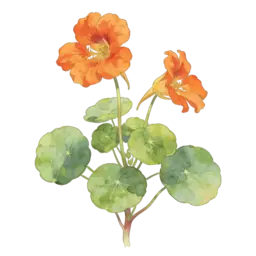
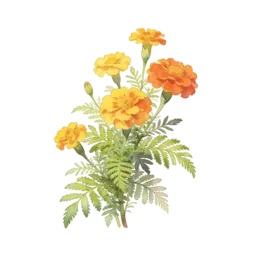
Keep apart
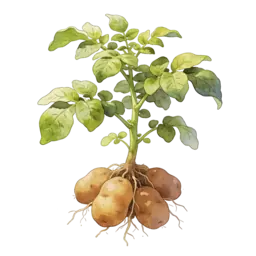
Group it in the same bedPlants with the same watering or the same sun
They are not essential companions, but you will not have to water or position them differently.
Same watering · Lots of water
Compare with similar varieties
| Variety | Sowing | Harvest | Days | Spacing | Difficulty |
|---|---|---|---|---|---|
| Charentais cantaloupe melon | Mar–May | Jul–Aug | ~85 | 100 cm | Moderate |
| Galia melon | Mar–May | Jul–Sep | ~85 | 90 cm | Moderate |
| Piel de Sapo melon | Mar–May | Aug–Sep | ~100 | 120 cm | Moderate |
| Black Tendral melon | Apr–May | Sep–Oct | ~110 | 90 cm | Moderate |
| Bitter melon (karela) | Mar–May | Jul–Oct | ~75 | 40 cm | Moderate |
08Pests and diseases
Critters and ailments to keep an eye on
The most common ones on this plant. Tap one to see how to recognise it and what to do.