Credits and licences
- #1 — vueltaalhuerto illustration
- #2 — vueltaalhuerto illustration
- #3 — vueltaalhuerto illustration
- #4 — vueltaalhuerto illustration
- #5 — vueltaalhuerto illustration
- #6 — vueltaalhuerto illustration
- #7 — vueltaalhuerto illustration
- #8 — vueltaalhuerto illustration
- #9 — vueltaalhuerto illustration
- #10 — vueltaalhuerto illustration
- #11 — vueltaalhuerto illustration
- #12 — vueltaalhuerto illustration
Black-eyed pea (cowpea)
and 2 more names
Vigna unguiculata, beanBlack-eyed pea (cowpea) is sown directly outdoors from May to June. It is harvested from August to September (about 90 days to the first harvest). Grow it in full sun, 15 cm apart, with little watering. Dates are for a mild temperate climate in the northern hemisphere; the calendar below adjusts them to your zone.
What else to sow in May and June
A white bean with a black ‘eye’, very resistant to heat and drought, typical of stews in the south of the Iberian Peninsula.
Family and origin: Pea family (Fabaceae) · native to Sub-Saharan Africa · More plants from Africa
01In your area
How will it do in your garden?
Year calendar
| Task | J | F | M | A | M | J | J | A | S | O | N | D |
|---|---|---|---|---|---|---|---|---|---|---|---|---|
| Direct sowingMay–Jun | no | no | no | no | yes | yes | no | no | no | no | no | no |
| HarvestAug–Sep | no | no | no | no | no | no | no | yes | yes | no | no | no |
| FloweringJun–Aug | no | no | no | no | no | yes | yes | yes | no | no | no | no |
Its life cycle at a glance
Swipe and tap a stage to see its details.
02Planting
Where and how to plant it
Sow the seed 2.5 cm deep; leave 15 cm between plants and 50 cm between rows.
15 cm between plants · 50 cm between rows
Seed at a depth of 2.5 cm.
- In a square-foot bed
- 4 plants per square30 × 30 cm squares
- Direct sowing
- May–Jun
- Germination
- ~10 days
- TipPut in stakes or netting from the start for climbing varieties.
03Care
Care through the year
Sun and aspectFull sun · 8 h of sun · South or south-west, with nothing casting shade at midday
- Too little sun
- Ideal range
- Plenty of sun
South or south-west, with nothing casting shade at midday
Strong sun: Loves full midday sun and high temperatures.
WateringLet it dry out between waterings · summer: every 5-7 days
- Summerevery 5-7 days1 L per plant/week
- Spring / Autumnevery 10-14 days0.4 L per plant/week
- Winteronly in extreme drought (once a month)0.2 L per plant/week
Let it dry out between waterings: A Mediterranean favourite: better thirsty than overwatered.
When to water? Push your finger 5 cm into the soil next to the base of the plant:
- Damp: soil sticks to your finger. Do not water yet. It has more than enough; wait for it to dry out more.
- Cool but clean, no mud. Wait another 1-2 days before watering.
- Dry and dusty. Water now, but moderately. Do not overdo it: it prefers thirst to excess.
- Common mistakeOverwatering during germination rots the seed: wait until it pokes through.
Soil and feedingSoil low in nitrogen (they fix their own)
Soil low in nitrogen (they fix their own).
50 % topsoil · 30 % very well-rotted compost · 20 % sand or perlite.
Medium, with good air around the roots.
This plant prefers a pH between 6.0 and 7.5 (slightly acidic to slightly alkaline).
- Do not add nitrogen: they fix their own in root nodules.
- Add wood ash or rock phosphate before sowing (more flowers and pods).
- Leave the roots in the soil after harvesting: they enrich the ground.
- Feeding with manure or urea produces lots of plant and few pods.
- Overwatering during germination rots the seed before it comes up.
Common mistakes and tips
- TipIt needs warmth to germinate and grow well.
04Harvest
Harvesting and storing
Harvest in Aug–Sep; the first, about 90 days after sowing.
- TipFor stews, let the pods dry on the plant and pick them before they split open; the tender pods and fresh beans are also eaten, always cooked.
- Common mistakeLeaving over-mature pods on the plant slows down the production of new ones.
05Uses and health
What it is used for, and with what care
Cook it thoroughly: raw or undercooked beans contain lectins (phytohaemagglutinin) that cause nausea and vomiting. Cooked, they are safe. Do not give them raw to pets.
- Properties
- A pulse rich in plant protein, fibre and folate.
- Uses
- Dry beans in stews; tender pods and fresh beans, always cooked.
For guidance only; this is not medical treatment and does not replace advice from a doctor or vet.
06Companions and related plants
What to plant it with
Good companions
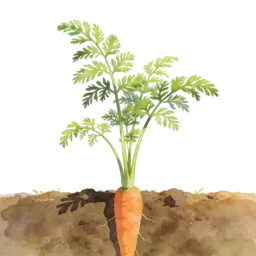
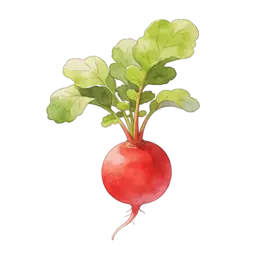
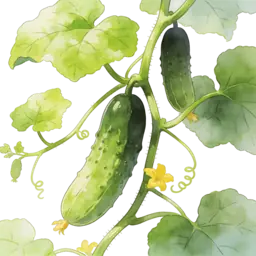
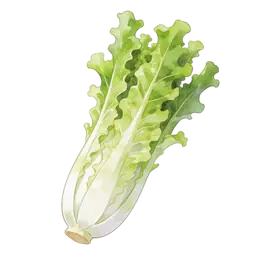
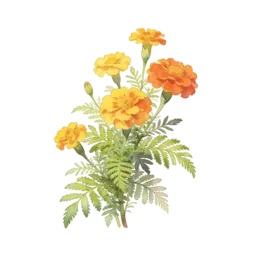
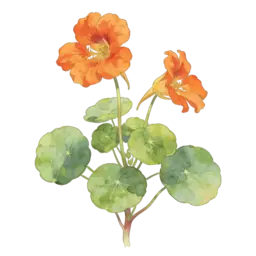
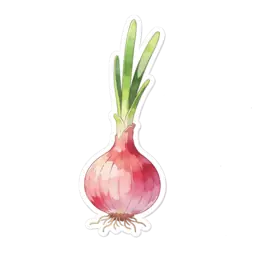
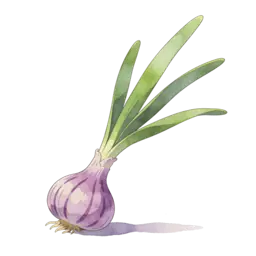
Group it in the same bedPlants with the same watering or the same sun
They are not essential companions, but you will not have to water or position them differently.
Same watering · Little water
Compare with similar varieties
| Variety | Sowing | Harvest | Days | Spacing | Difficulty |
|---|---|---|---|---|---|
| Asturian bean 'Faba de la Granja' | May–Jun | Sep–Oct | ~110 | 20 cm | Moderate |
| Climbing bean 'Buenos Aires' | Apr–Jun | Jul–Sep | ~75 | 15 cm | Easy |
| Climbing French bean 'Emerite' | Apr–Jun | Jul–Sep | ~75 | 15 cm | Easy |
| Flat climbing bean 'Garrafal Oro' | Apr–Jun | Jul–Sep | ~70 | 15 cm | Easy |
| Flat climbing bean 'Helda' | Apr–Jun | Jul–Sep | ~70 | 15 cm | Easy |
| Tolosa black bean | May–Jun | Sep–Oct | ~110 | 30 cm | Moderate |
| Flat climbing bean 'Perona' | Apr–Jun | Jul–Sep | ~75 | 15 cm | Easy |
| Adzuki bean | May–Jun | Sep–Oct | ~110 | 15 cm | Moderate |
| Black-eyed pea (cowpea) | May–Jun | Aug–Sep | ~90 | 15 cm | Easy |
| Ganxet bean | Jun–Jul | Oct–Nov | ~110 | 20 cm | Moderate |
| Mung bean (green gram) | May–Jun | Sep–Oct | ~100 | 12 cm | Moderate |
| Pinto bean | May–Jun | Sep–Oct | ~100 | 15 cm | Easy |
| Dwarf French bean | Apr–Jul | Jun–Sep | ~60 | 10 cm | Easy |
07Pests and diseases
Critters and ailments to keep an eye on
The most common ones on this plant. Tap one to see how to recognise it and what to do.
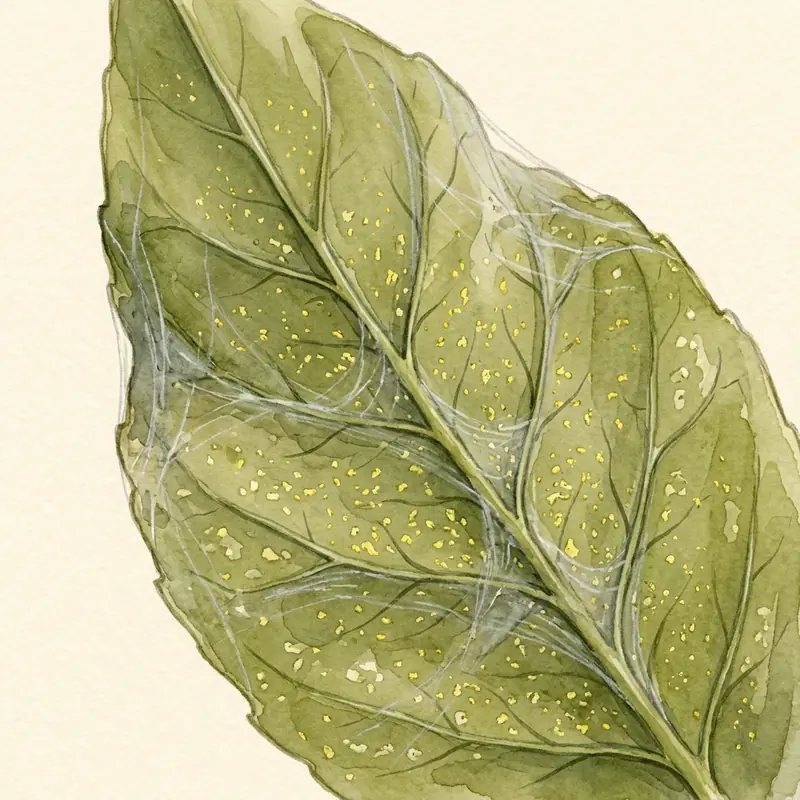
- Red spider miteSeriousA minute, almost invisible mite that settles on the undersides of leaves in hot, dry weather
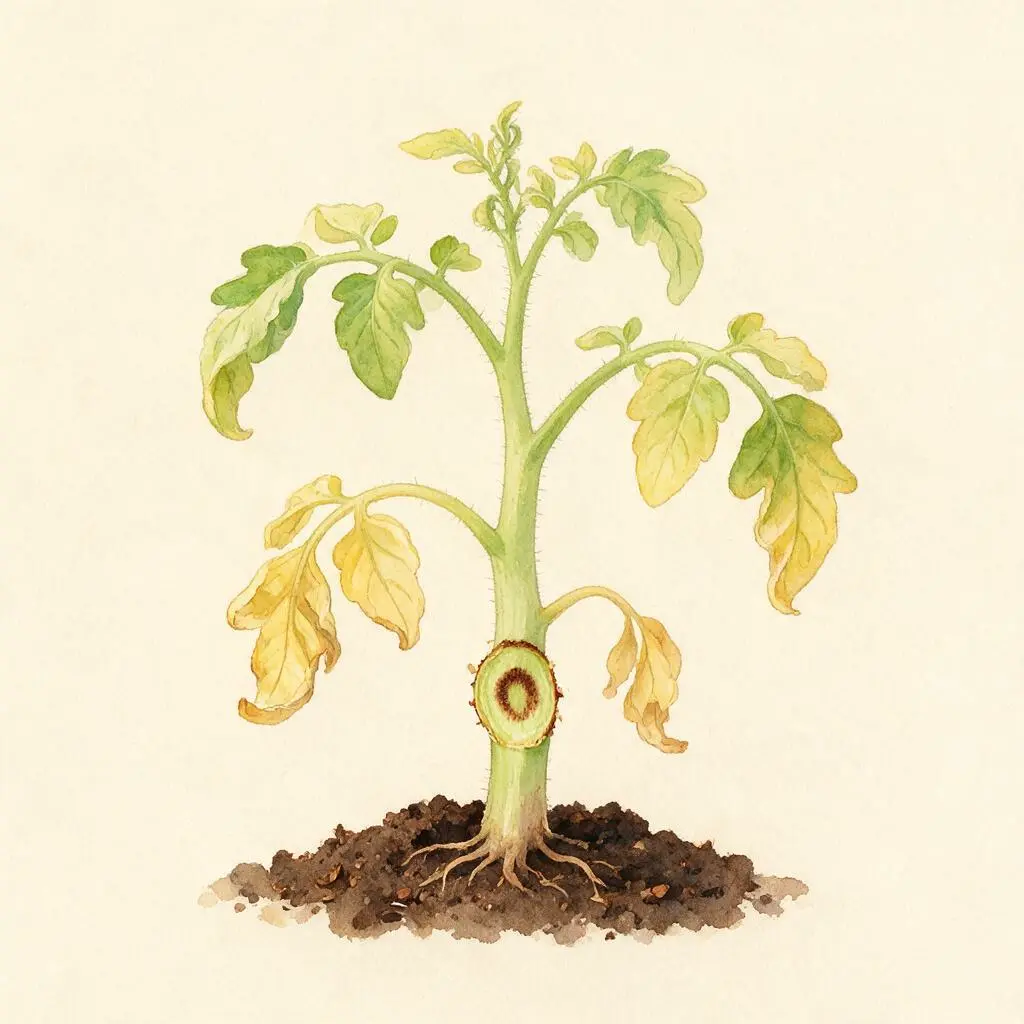
- Fusarium wiltSeriousA soil fungus that blocks the plant's water-conducting vessels
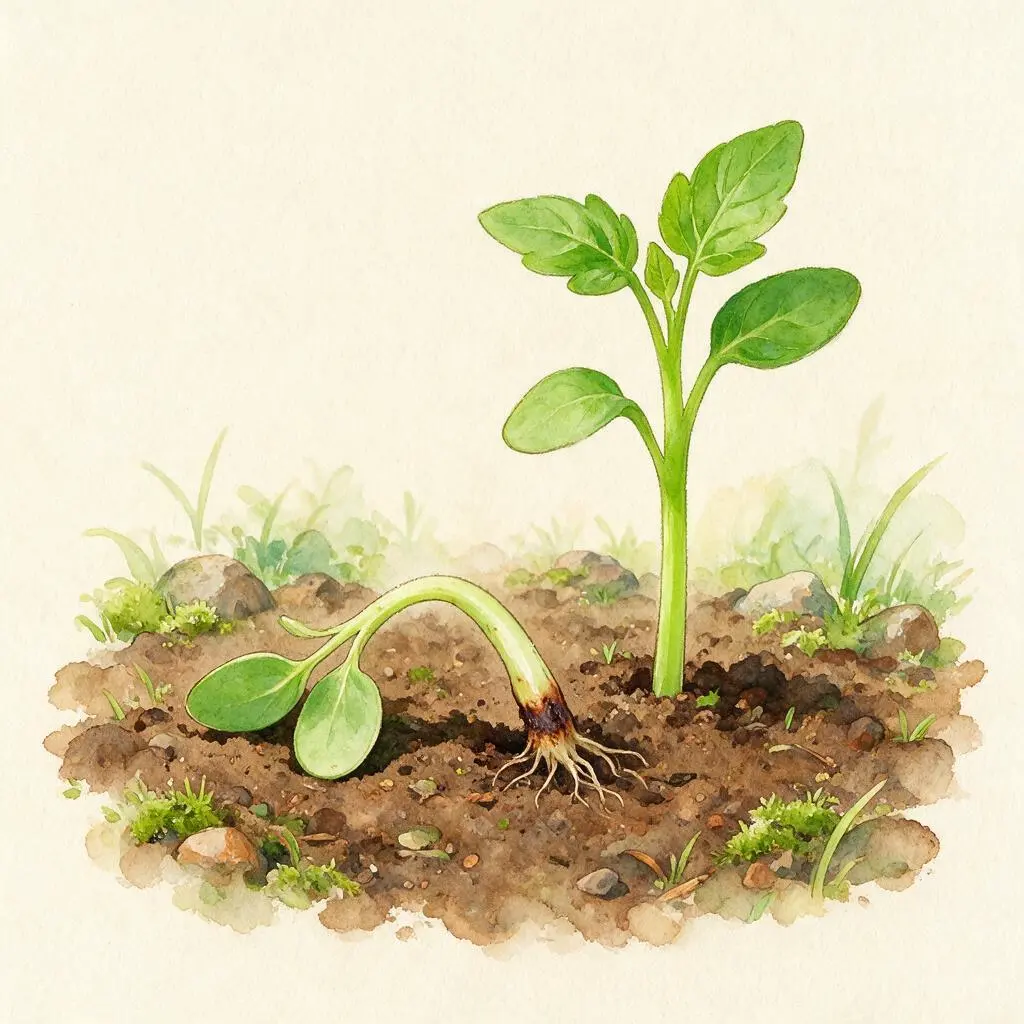
- Rhizoctonia and damping offSeriousA group of soil fungi (Rhizoctonia, Pythium, Fusarium) that pinch the collar of newly emerged seedlings and ma
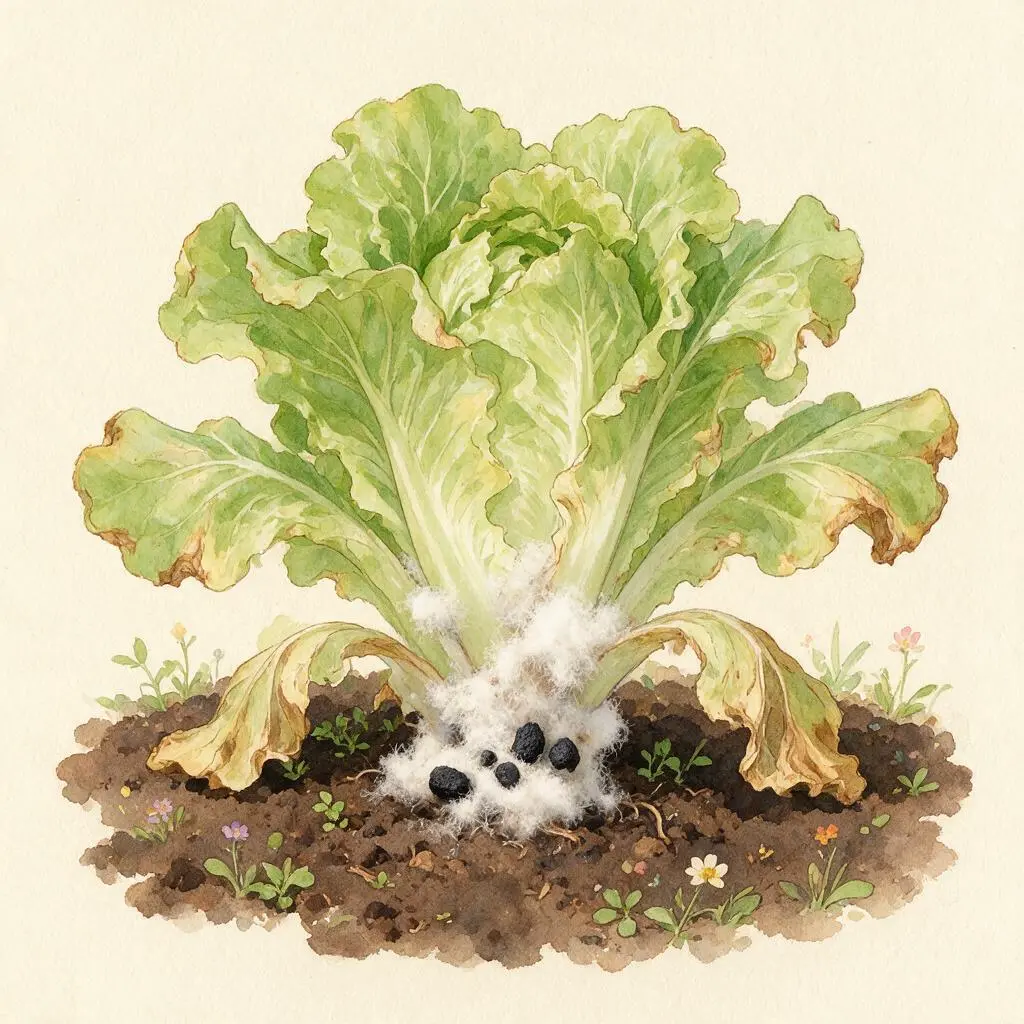
- Sclerotinia (white mould)SeriousA fungus that produces a very dense, cottony white mould with black ‘marbles’ (sclerotia) inside it
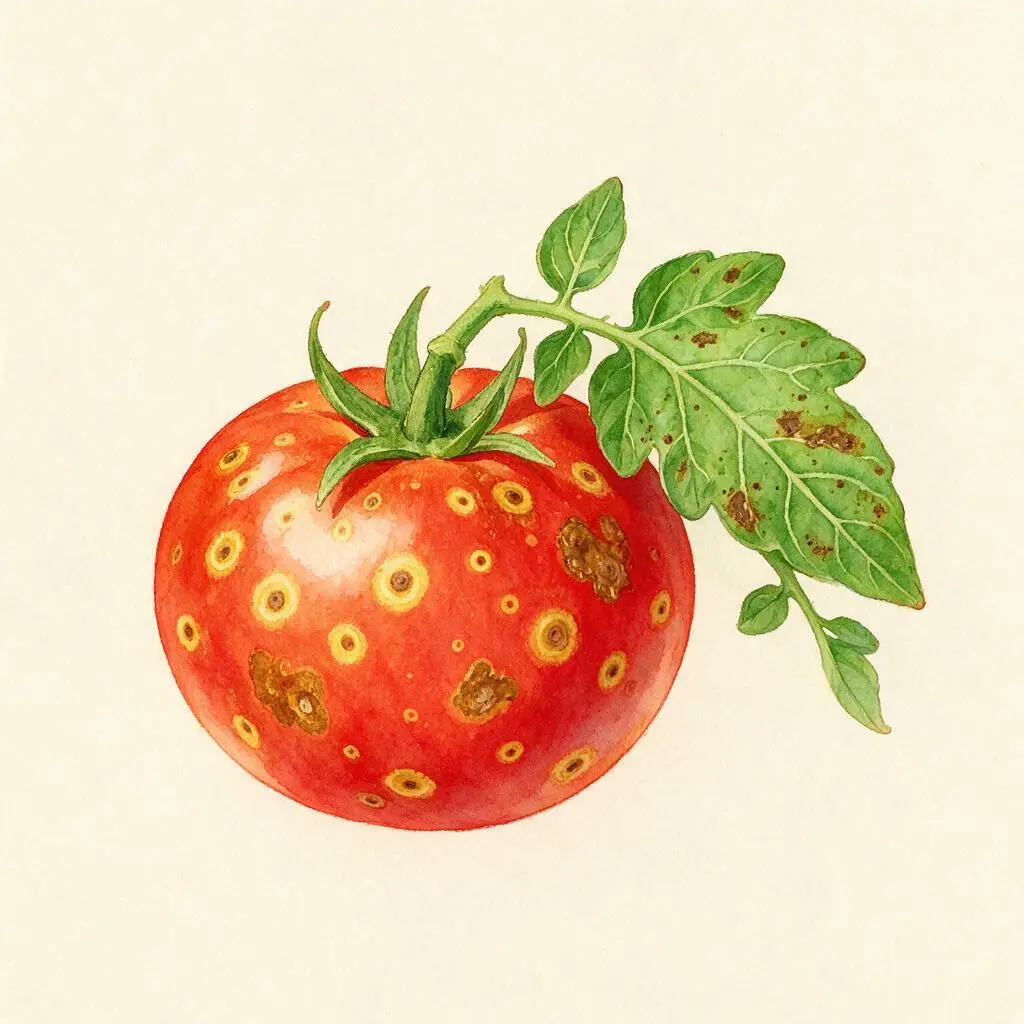
- Tomato spotted wilt virusSeriousA virus transmitted by thrips that causes bronzed patches and concentric rings on leaves and fruit
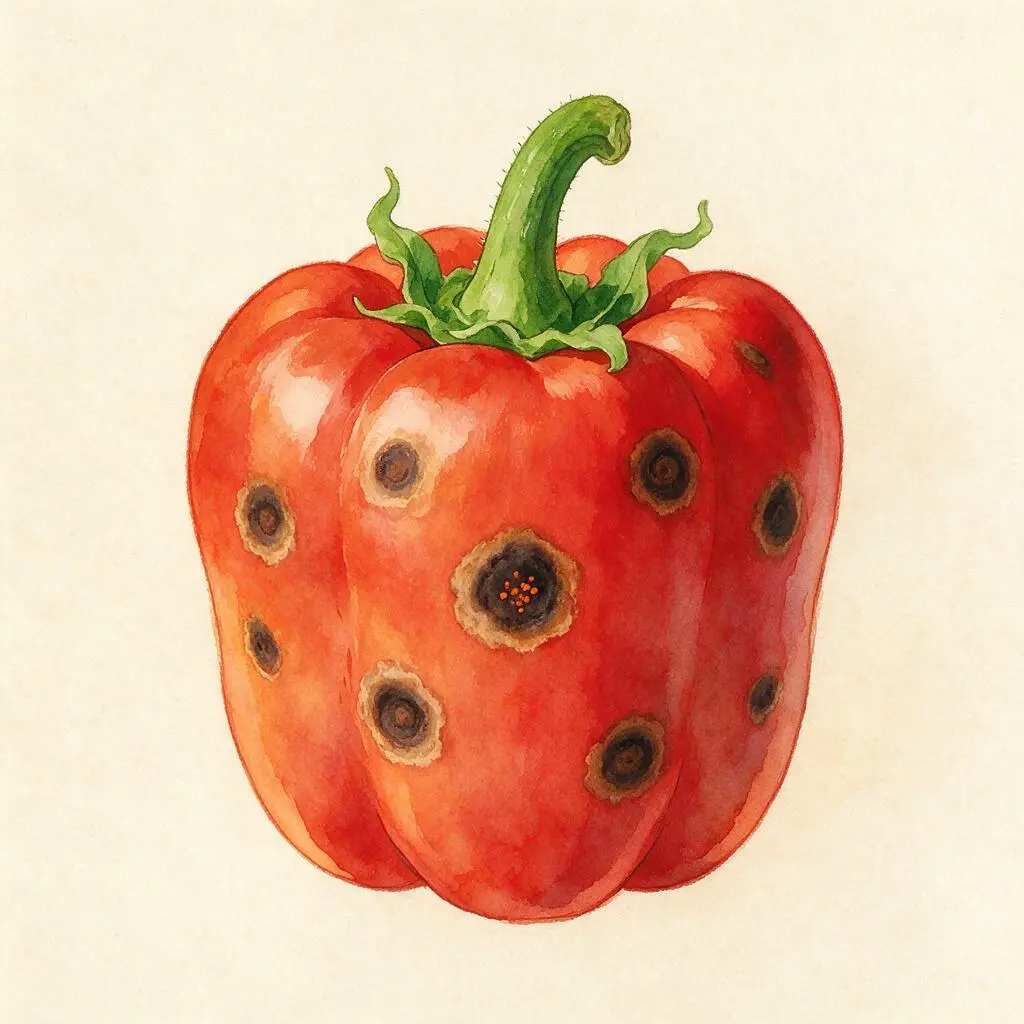
- AnthracnoseModerateA fungus that produces sunken, round, dark spots on fruit, with concentric rings and, in damp weather, pink or