Credits and licences
- #1 — vueltaalhuerto illustration
- #2 — vueltaalhuerto illustration
- #3 — vueltaalhuerto illustration
- #4 — vueltaalhuerto illustration
- #5 — vueltaalhuerto illustration
- #6 — vueltaalhuerto illustration
- #7 — vueltaalhuerto illustration
- #8 — vueltaalhuerto illustration
- #9 — vueltaalhuerto illustration
- #10 — vueltaalhuerto illustration
- #11 — vueltaalhuerto illustration
- #12 — vueltaalhuerto illustration
Mung bean (green gram)
and 3 more names
beansprouts, Vigna radiata, beanMung bean (green gram) is sown directly outdoors from May to June. It is harvested from September to October (about 100 days to the first harvest). Grow it in full sun, 12 cm apart, with moderate watering. Dates are for a mild temperate climate in the northern hemisphere; the calendar below adjusts them to your zone.
What else to sow in May and June
A tiny green pulse widely used sprouted as beansprouts and in Indian stews (dal).
Family and origin: Pea family (Fabaceae) · native to Indian subcontinent · More plants from South Asia
01In your area
How will it do in your garden?
Year calendar
| Task | J | F | M | A | M | J | J | A | S | O | N | D |
|---|---|---|---|---|---|---|---|---|---|---|---|---|
| Direct sowingMay–Jun | no | no | no | no | yes | yes | no | no | no | no | no | no |
| HarvestSep–Oct | no | no | no | no | no | no | no | no | yes | yes | no | no |
| FloweringJul–Aug | no | no | no | no | no | no | yes | yes | no | no | no | no |
Its life cycle at a glance
Swipe and tap a stage to see its details.
02Planting
Where and how to plant it
Sow the seed 2.5 cm deep; leave 12 cm between plants and 45 cm between rows.
12 cm between plants · 45 cm between rows
Seed at a depth of 2.5 cm.
- In a square-foot bed
- 4 plants per square30 × 30 cm squares
- Direct sowing
- May–Jun
- Germination
- ~7 days
- TipPut in stakes or netting from the start for climbing varieties.
03Care
Care through the year
Sun and aspectFull sun · 8 h of sun · South or south-west, with nothing casting shade at midday
- Too little sun
- Ideal range
- Plenty of sun
South or south-west, with nothing casting shade at midday
Strong sun: Loves full midday sun and high temperatures.
WateringMoist but never waterlogged · summer: every 2-3 days
- Summerevery 2-3 days2 L per plant/week
- Spring / Autumnevery 4-5 days1 L per plant/week
- Winterevery 2-3 weeks0.3 L per plant/week
Moist but never waterlogged: Water before the surface is completely dry. Never puddles. Mulch: straw or dry plant material cuts watering by 30-50 %.
When to water? Push your finger 3 cm into the soil next to the base of the plant:
- Damp: soil sticks to your finger. Do not water today. The moisture is fine.
- Cool but clean, no mud. Water early tomorrow if it stays like this, or this evening.
- Dry and dusty. Water now, and deeply. This is not where it likes to be.
- Common mistakeOverwatering during germination rots the seed: wait until it pokes through.
Soil and feedingSoil low in nitrogen (they fix their own)
Soil low in nitrogen (they fix their own).
50 % topsoil · 30 % very well-rotted compost · 20 % sand or perlite.
Medium, with good air around the roots.
This plant prefers a pH between 6.0 and 7.5 (slightly acidic to slightly alkaline).
- Do not add nitrogen: they fix their own in root nodules.
- Add wood ash or rock phosphate before sowing (more flowers and pods).
- Leave the roots in the soil after harvesting: they enrich the ground.
- Feeding with manure or urea produces lots of plant and few pods.
- Overwatering during germination rots the seed before it comes up.
04Harvest
Harvesting and storing
Harvest in Sep–Oct; the first, about 100 days after sowing.
- TipIt needs warmth to germinate and grow well; harvest the pods when the beans have formed but are still tender.
- Common mistakeLeaving over-mature pods on the plant slows down the production of new ones.
05Uses and health
What it is used for, and with what care
The dry bean, like that of other pulses, is eaten cooked. Sprouts are often eaten raw, but because of the moisture and temperature at which they germinate they can carry bacteria such as salmonella or E. coli: buy seed sold for sprouting, wash the sprouts well and blanch them if they are to be eaten by children, pregnant women, older people or people with weakened immune systems. Do not give raw beans to pets.
- Properties
- A small, easily digested pulse, rich in plant protein and fibre; sprouted, it also provides vitamin C.
- Uses
- Beans cooked in stews (dal) or sprouted as beansprouts.
For guidance only; this is not medical treatment and does not replace advice from a doctor or vet.
06Companions and related plants
What to plant it with
Good companions
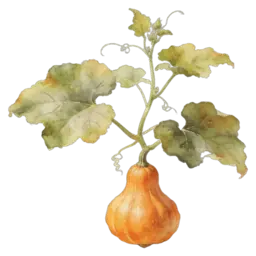
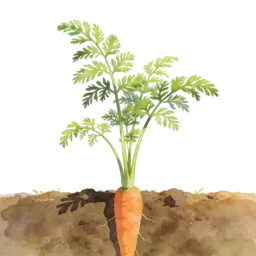
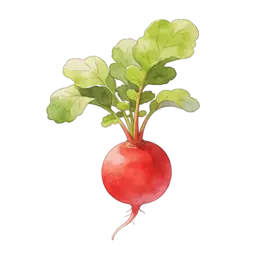
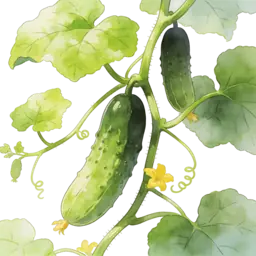

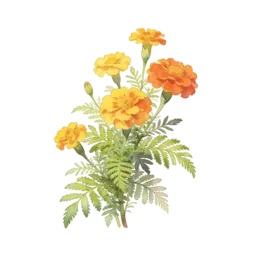
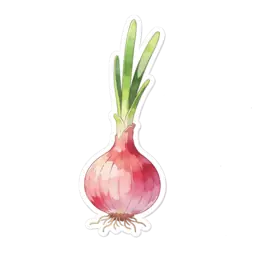
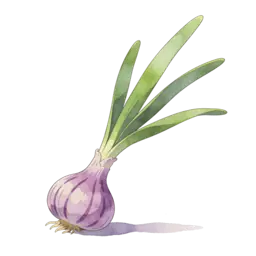
Group it in the same bedPlants with the same watering or the same sun
They are not essential companions, but you will not have to water or position them differently.
Same watering · Moderate watering
Compare with similar varieties
| Variety | Sowing | Harvest | Days | Spacing | Difficulty |
|---|---|---|---|---|---|
| Asturian bean 'Faba de la Granja' | May–Jun | Sep–Oct | ~110 | 20 cm | Moderate |
| Climbing bean 'Buenos Aires' | Apr–Jun | Jul–Sep | ~75 | 15 cm | Easy |
| Climbing French bean 'Emerite' | Apr–Jun | Jul–Sep | ~75 | 15 cm | Easy |
| Flat climbing bean 'Garrafal Oro' | Apr–Jun | Jul–Sep | ~70 | 15 cm | Easy |
| Flat climbing bean 'Helda' | Apr–Jun | Jul–Sep | ~70 | 15 cm | Easy |
| Tolosa black bean | May–Jun | Sep–Oct | ~110 | 30 cm | Moderate |
| Flat climbing bean 'Perona' | Apr–Jun | Jul–Sep | ~75 | 15 cm | Easy |
| Adzuki bean | May–Jun | Sep–Oct | ~110 | 15 cm | Moderate |
| Black-eyed pea (cowpea) | May–Jun | Aug–Sep | ~90 | 15 cm | Easy |
| Ganxet bean | Jun–Jul | Oct–Nov | ~110 | 20 cm | Moderate |
| Mung bean (green gram) | May–Jun | Sep–Oct | ~100 | 12 cm | Moderate |
| Pinto bean | May–Jun | Sep–Oct | ~100 | 15 cm | Easy |
| Dwarf French bean | Apr–Jul | Jun–Sep | ~60 | 10 cm | Easy |
07Pests and diseases
Critters and ailments to keep an eye on
The most common ones on this plant. Tap one to see how to recognise it and what to do.
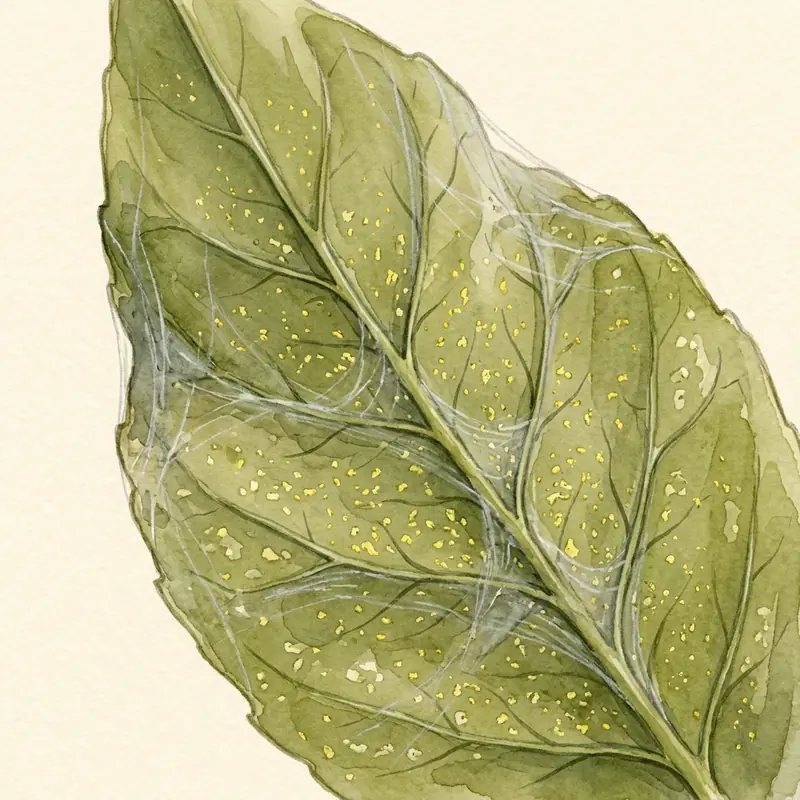
- Red spider miteSeriousA minute, almost invisible mite that settles on the undersides of leaves in hot, dry weather
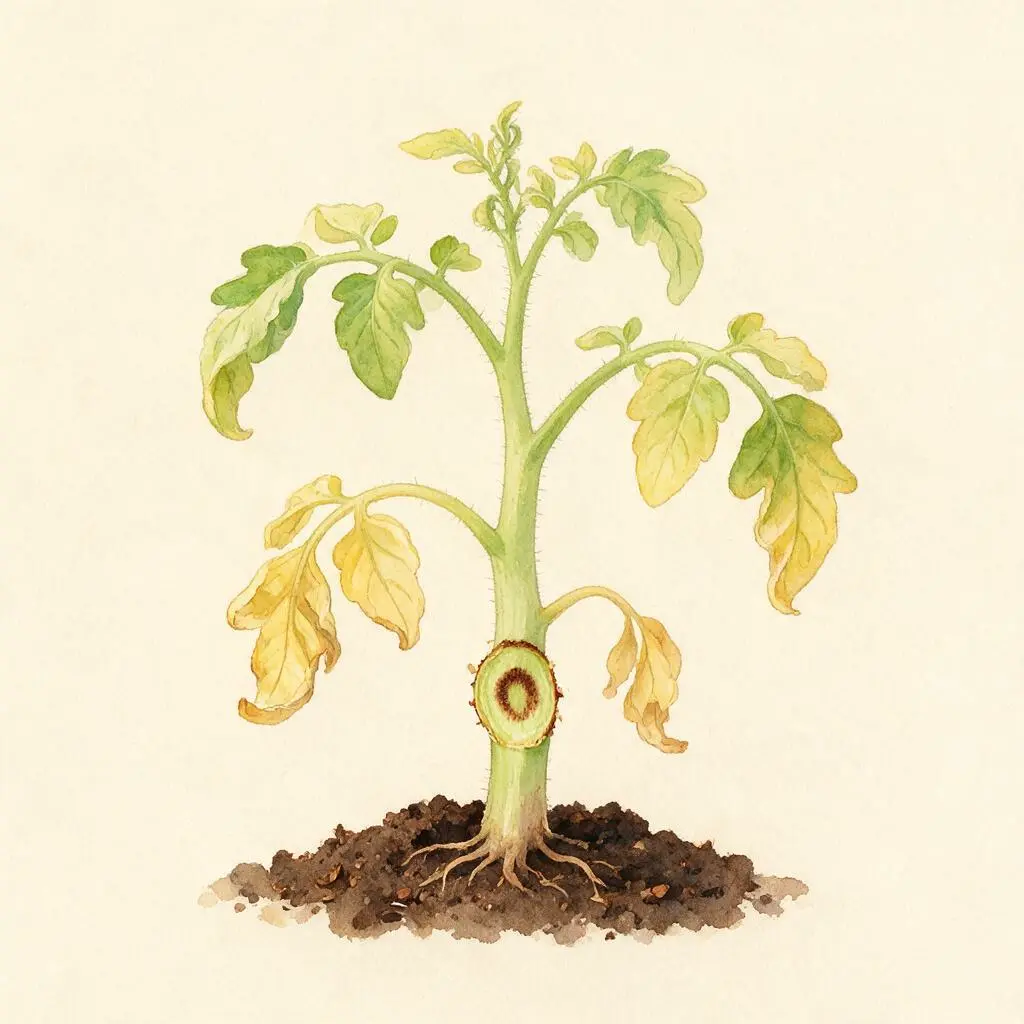
- Fusarium wiltSeriousA soil fungus that blocks the plant's water-conducting vessels
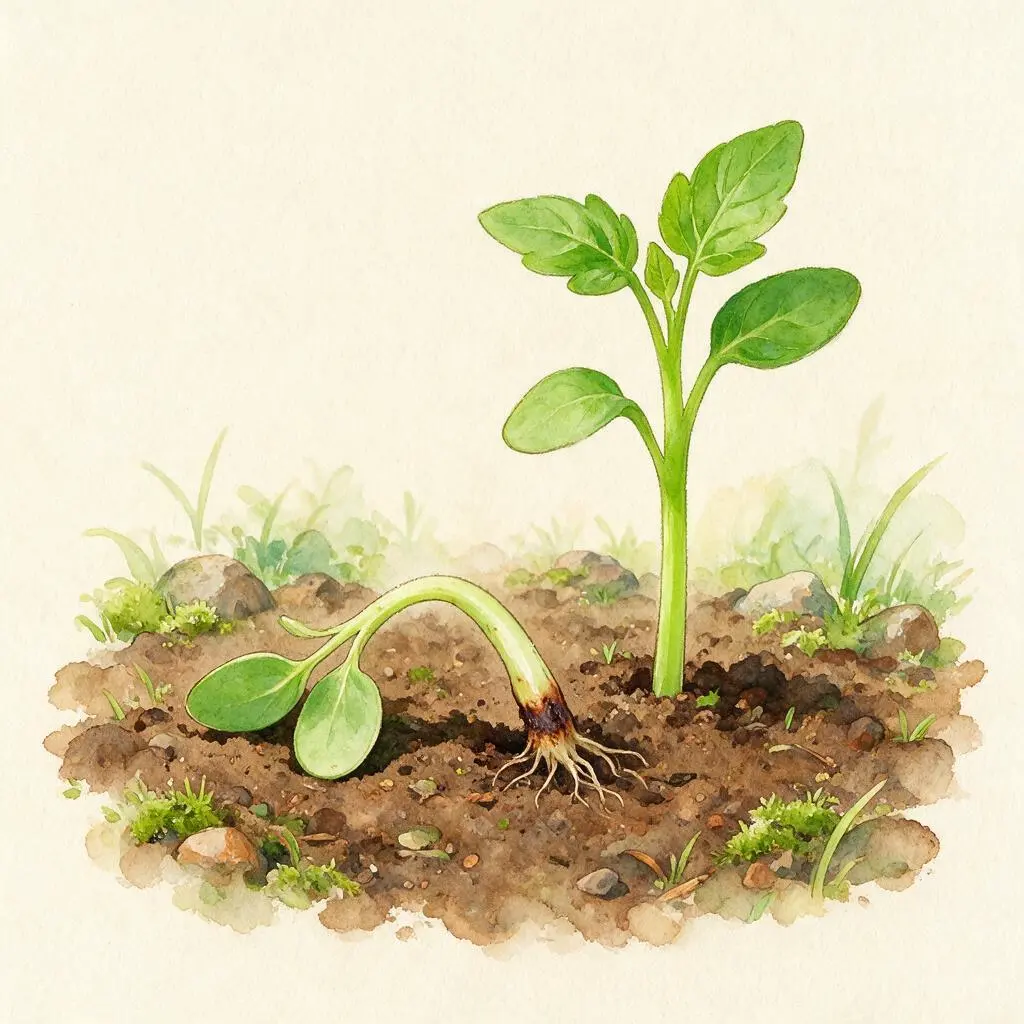
- Rhizoctonia and damping offSeriousA group of soil fungi (Rhizoctonia, Pythium, Fusarium) that pinch the collar of newly emerged seedlings and ma
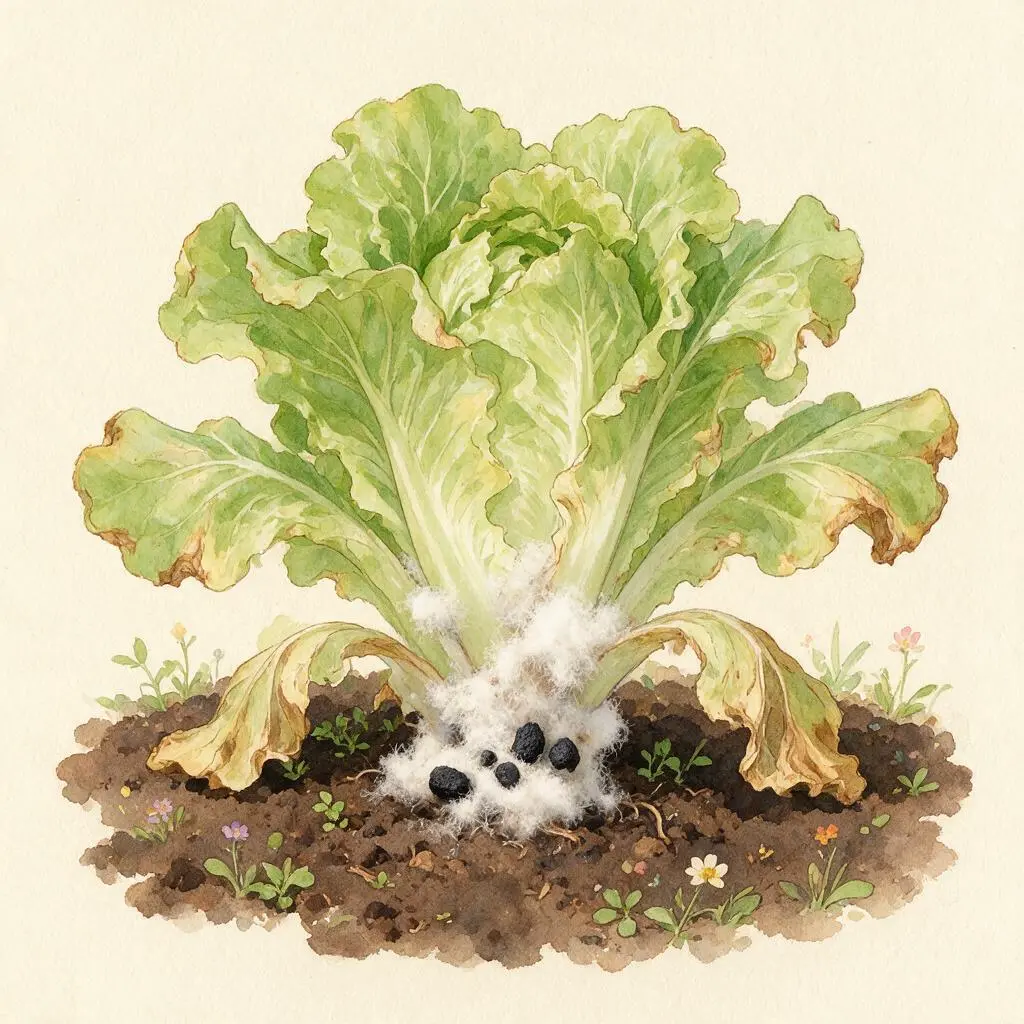
- Sclerotinia (white mould)SeriousA fungus that produces a very dense, cottony white mould with black ‘marbles’ (sclerotia) inside it
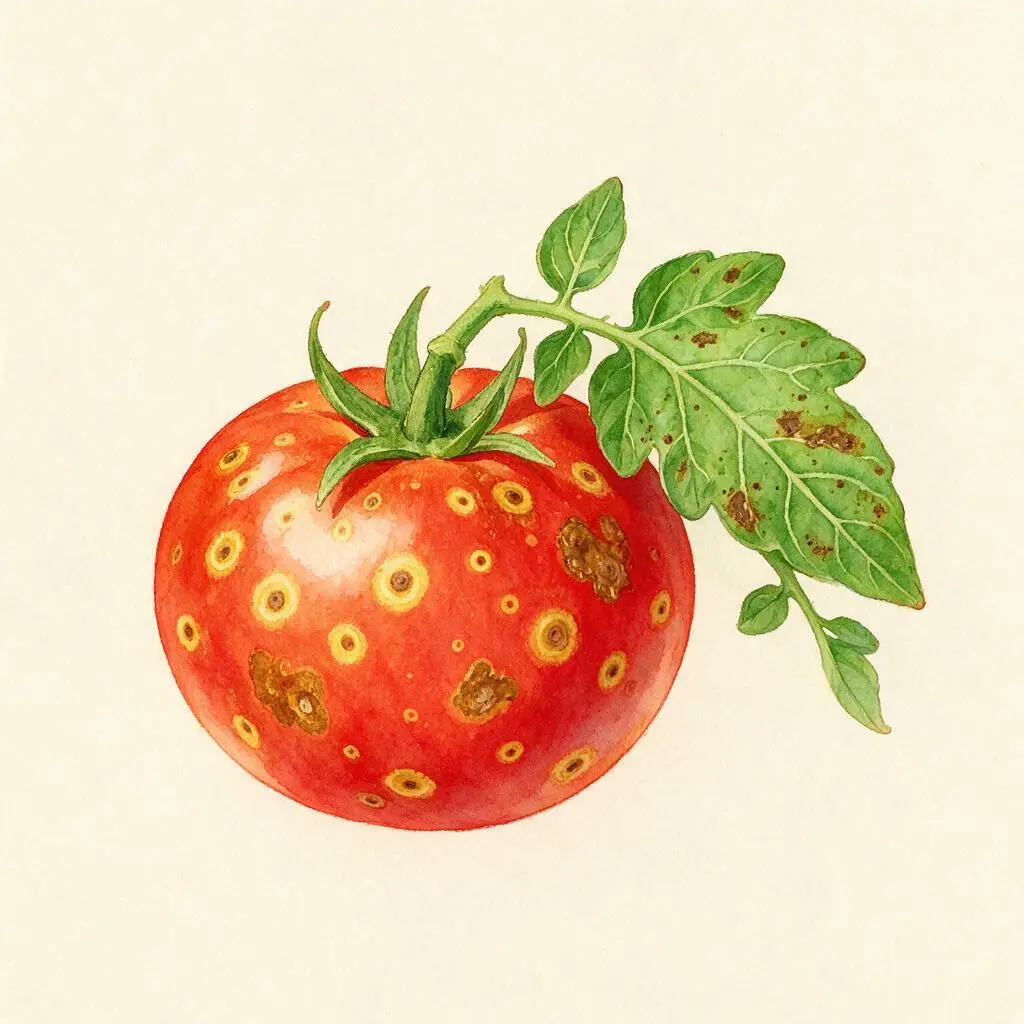
- Tomato spotted wilt virusSeriousA virus transmitted by thrips that causes bronzed patches and concentric rings on leaves and fruit
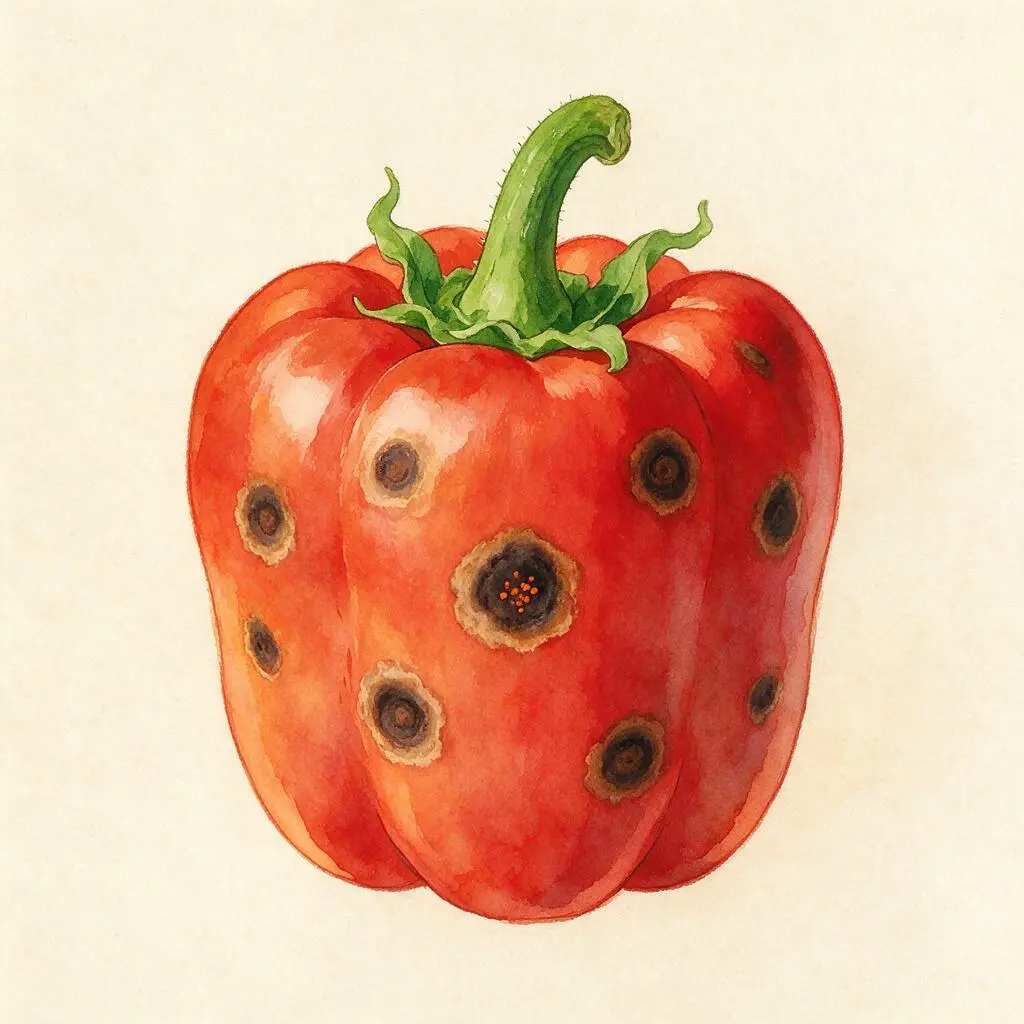
- AnthracnoseModerateA fungus that produces sunken, round, dark spots on fruit, with concentric rings and, in damp weather, pink or