
Credits and licences
- #1 — vueltaalhuerto illustration
- #2 — vueltaalhuerto illustration
- #3 — vueltaalhuerto illustration
- #4 — vueltaalhuerto illustration
- #5 — vueltaalhuerto illustration
- #6 — vueltaalhuerto illustration
- #7 — vueltaalhuerto illustration
- #8 — vueltaalhuerto illustration
Lavandin (hybrid lavender)
and 3 more names
Lavandula × intermedia, Lavandula x intermedia, lavenderLavandin (hybrid lavender) is planted from March to April and from October to November. It is harvested from July to August. Grow it in full sun, 100 cm apart, with little watering. Dates are for a mild temperate climate in the northern hemisphere; the calendar below adjusts them to your zone.
A vigorous aromatic subshrub 60 to 100 cm tall, larger and wider than common lavender, with narrow, silvery leaves and long, dense spikes of bluish-violet flowers on long stems, which open in July and August. It is a natural hybrid between English lavender and spike lavender, and is therefore sterile or almost sterile: it does not produce reliable seed and is propagated from cuttings. It yields a great deal of essential oil, with more camphor than English lavender, and is grown on a large scale for perfumery, soaps and sachets; in the garden it is a plant for sun, heat and poor, chalky soil, and very drought-resistant. Do not confuse it with English lavender (Lavandula angustifolia), which is shorter, sweeter-scented and the one preferred for cooking, or with French lavender (Lavandula dentata).
Family and origin: Mint family (Lamiaceae) · native to Natural hybrid (Lavandula angustifolia × L. latifolia) from the western Mediterranean · More plants from Mediterranean basin
01In your area
How will it do in your garden?
Year calendar
| Task | J | F | M | A | M | J | J | A | S | O | N | D |
|---|---|---|---|---|---|---|---|---|---|---|---|---|
| Plant / transplantMar–Apr, Oct–Nov | no | no | yes | yes | no | no | no | no | no | yes | yes | no |
| HarvestJul–Aug | no | no | no | no | no | no | yes | yes | no | no | no | no |
| FloweringJul–Aug | no | no | no | no | no | no | yes | yes | no | no | no | no |
| PruningAug–Sep | no | no | no | no | no | no | no | yes | yes | no | no | no |
| CuttingsJun–Sep | no | no | no | no | no | yes | yes | yes | yes | no | no | no |
Its life cycle at a glance
Swipe and tap a stage to see its details.
02Planting
Where and how to plant it
Leave 1 m between plants and 1.2 m between rows.
1 m between plants · 1.2 m between rows
Seedlings are planted with the root ball level with the soil.
- In a square-foot bed
- 1 plant every 16 squares30 × 30 cm squares
- Transplanting
- Mar–Apr, Oct–Nov
- TipReplace the plants roughly every ten years, when they open up in the middle.
03Care
Care through the year
Sun and aspectFull sun · 8 h of sun · South or south-west, with nothing casting shade at midday
- Too little sun
- Ideal range
- Plenty of sun
South or south-west, with nothing casting shade at midday
Strong sun: Loves full midday sun and high temperatures.
Full sun all day and good air circulation. In shade it becomes leggy, flowers little and rots at the base.
WateringLet it dry out between waterings · summer: every 5-7 days
- Summerevery 5-7 days0.4 L per plant/week
- Spring / Autumnevery 10-14 days0.2 L per plant/week
- Winteronly if extremely dry (once a month)0.1 L per plant/week
Let it dry out between waterings: A Mediterranean favourite: better thirsty than overwatered.
Water fairly regularly only in the first summer. After that it manages on rainfall, and in heavy soil or with frequent watering it will rot before it suffers from drought.
When to water? Push your finger 5 cm into the soil next to the base of the plant:
- Damp: soil sticks to your finger. Do not water yet. It has more than enough; wait for it to dry out more.
- Cool but clean, no mud. Wait another 1-2 days before watering.
- Dry and dusty. Water now, but moderately. Do not overdo it: it prefers thirst to excess.
- Common mistakeOverwatering: most prefer to dry out between waterings.
Soil and feedingpH 6.5–8 · Free-draining, airy mix
Free-draining, airy mix.
40 % topsoil · 30 % coarse sand or perlite · 30 % well-rotted compost (less compost for Mediterranean herbs).
High: almost all prefer being thirsty to being wet.
This plant prefers a pH between 6.5 and 8.0 (neutral to alkaline).
- Mediterranean herbs in very rich, heavily watered soil: they grow a lot but lose their aroma.
- A pot without a drainage hole: the roots rot within weeks.
- TipPlant it in loose, poor, chalky soil in full sun, and do not feed it.
- TipMany Mediterranean herbs prefer poor soil and little water: more aroma.
PruningWhen: Aug–Sep
Pruning time for this plant: Aug–Sep.
- TipPinch out the tips often so it branches and does not run to seed so soon.
Common mistakes and tips
- TipAs it is flammable, leave a cleared strip around it if you live near woodland or scrub.
- TipFor cooking, English lavender is better.
- Common mistakeLetting them flower early makes the leaves bitter (in leafy herbs).
04Harvest
Harvesting and storing
Harvest in Jul–Aug.
- TipGather the spikes when the first flowers start to open, which is when they hold the most oil, and prune after flowering, just below the spikes and without cutting into old, leafless wood, because it regrows poorly from there.
05Propagation
Make new plants
It is propagated only from cuttings, because it is a sterile or almost sterile hybrid and any seed it produces does not come true to the parent. Take semi-ripe cuttings 8 to 12 cm long from healthy, non-flowering shoots of the current year, from June to September, strip the leaves from the base and plant them in a very free-draining mix of coarse sand or perlite with a little potting compost, in a bright spot out of direct sun and kept lightly moist. They root in four to eight weeks; too much water rots them. Each cultivar (Grosso, Super, Sumian, Abrial) stays identical this way.
06Uses and health
What it is used for, and with what care
Do not swallow the essential oil: it is concentrated and can be toxic, especially to children. The oil or the plant can cause contact dermatitis or allergy in sensitive people; wear gloves if this happens to you. Avoid applying it to the skin undiluted or without professional advice, and also during pregnancy and breastfeeding and on young children. For dogs and cats, a large amount of the plant and above all the essential oil can cause vomiting, drooling and lethargy (cats are especially sensitive): keep the oil and sachets out of their reach. FIRE WARNING: like most lavenders, it is flammable because of its oils; in areas of woodland or scrub, leave a cleared strip around houses.
- Properties
- An aromatic plant rich in nectar, much visited by bees and bumblebees. Its essential oil is used in perfumery, soaps and scented sachets. No medicinal uses or doses are given here.
- Uses
- It is not culinary lavender: lavandin has more camphor and a strong, resinous flavour that is unpleasant in cooking. For cooking, use English lavender (Lavandula angustifolia), cautiously and in small amounts. Do not swallow the essential oil.
For guidance only; this is not medical treatment and does not replace advice from a doctor or vet.
07Companions and related plants
What to plant it with

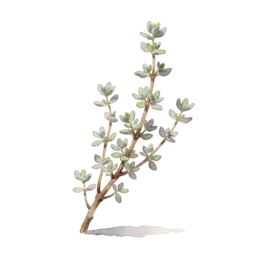
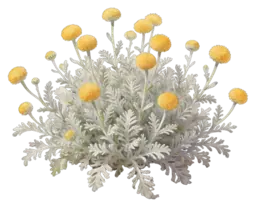
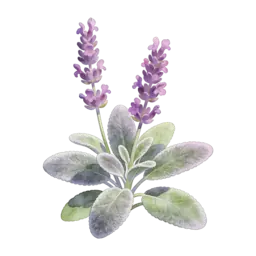
Keep apart
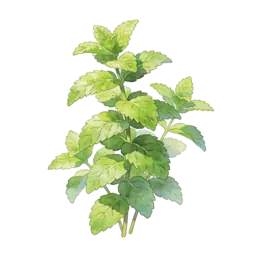
Group it in the same bedPlants with the same watering or the same sun
They are not essential companions, but you will not have to water or position them differently.