Credits and licences
- #1 — vueltaalhuerto illustration
- #2 — vueltaalhuerto illustration
- #3 — vueltaalhuerto illustration
- #4 — vueltaalhuerto illustration
- #5 — vueltaalhuerto illustration
- #6 — vueltaalhuerto illustration
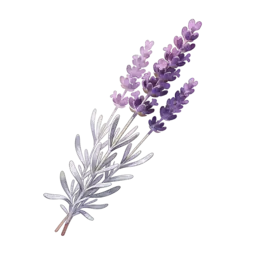
Cotton lavender (Santolina)
and 1 more names
Santolina chamaecyparissusIt flowers from June to July. Grow it in full sun, 40 cm apart, with little watering. Dates are for a mild temperate climate in the northern hemisphere; the calendar below adjusts them to your zone.
An aromatic subshrub with very fine silvery foliage that forms compact cushions, topped by yellow button flowers in summer. Perfect for borders and dry Mediterranean-style rock gardens.
Family and origin: Daisy family (Asteraceae) · native to Western Mediterranean basin · More plants from Mediterranean basin
01In your area
How will it do in your garden?
Year calendar
| Task | J | F | M | A | M | J | J | A | S | O | N | D |
|---|---|---|---|---|---|---|---|---|---|---|---|---|
| FloweringJun–Jul | no | no | no | no | no | yes | yes | no | no | no | no | no |
| PruningMar, Aug | no | no | yes | no | no | no | no | yes | no | no | no | no |
Its life cycle at a glance
Swipe and tap a stage to see its details.
02Planting
Where and how to plant it
Leave 40 cm between plants.
40 cm between plants
- TipCut the flower stems as soon as the flowers dry and trim the plant lightly so that it does not open up in the centre.
- Common mistakePlanting too deep smothers the crown of the plant.
03Care
Care through the year
Sun and aspectFull sun · 8 h of sun · South or south-west, with nothing casting shade at midday
- Too little sun
- Ideal range
- Plenty of sun
South or south-west, with nothing casting shade at midday
Strong sun: Loves full midday sun and high temperatures.
WateringLet it dry out between waterings · summer: every 5-7 days
- Summerevery 5-7 days3 L per plant/week
- Spring / Autumnevery 10-14 days1.2 L per plant/week
- Winteronly in extreme drought (once a month)0.5 L per plant/week
Let it dry out between waterings: A Mediterranean favourite: better thirsty than overwatered.
When to water? Push your finger 5 cm into the soil next to the base of the plant:
- Damp: soil sticks to your finger. Do not water yet. It has more than enough; wait for it to dry out more.
- Cool but clean, no mud. Wait another 1-2 days before watering.
- Dry and dusty. Water now, but moderately. Do not overdo it: it prefers thirst to excess.
- TipWater generously in the first year until it is established; after that it looks after itself.
Soil and feedingDeep soil with good drainage
Deep soil with good drainage.
Medium/high.
This plant prefers a pH between 6.0 and 7.5 (slightly acidic to slightly alkaline).
- Water generously in the first year until it is established.
- A thick mulch all year round, not touching the trunk.
- TipIt needs full sun and poor, very well-drained soil: overwatering and damp soil rot it.
PruningWhen: Mar, Aug
Pruning time for this plant: Mar, Aug.
- TipIn spring you can prune more firmly, but always above the leafy part, because it resprouts poorly from bare old wood.
- TipFormative pruning after flowering keeps the shape compact.
- Common mistakePruning at the wrong time removes the year's flower buds.
Common mistakes and tips
- TipIts dried sprigs are used in sachets to keep moths away from wardrobes.
04Uses and health
What it is used for, and with what care
In quantity it can cause digestive upset; its essential oil is more potent. If eaten, see the vet.
- Properties
- A silvery-grey aromatic plant that repels moths; ornamental and medicinal.
For guidance only; this is not medical treatment and does not replace advice from a doctor or vet.
05Companions and related plants