
Credits and licences
- #1 — vueltaalhuerto illustration
- #2 — vueltaalhuerto illustration
- #3 — vueltaalhuerto illustration
- #4 — vueltaalhuerto illustration
- #5 — vueltaalhuerto illustration
- #6 — vueltaalhuerto illustration
- #7 — vueltaalhuerto illustration
- #8 — vueltaalhuerto illustration
- #9 — vueltaalhuerto illustration
- #10 — vueltaalhuerto illustration
Java ginseng
and 1 more names
Talinum paniculatumJava ginseng is sown in seed trays from March to April or directly outdoors in May, and planted out from May to June. It is harvested from June to October (about 60 days to the first harvest). Grow it in full sun, 30 cm apart, with moderate watering. Dates are for a mild temperate climate in the northern hemisphere; the calendar below adjusts them to your zone.
What else to sow in March, April and May
A succulent perennial, 30 to 90 cm tall, grown as an annual in climates with frost. It has smooth, thick, oval, glossy green leaves, reddish stems and, in summer, fine airy panicles of tiny bright pink flowers followed by round reddish capsules with black seeds. The leaves and tender shoots are eaten cooked or, in moderation, raw, like a mild spinach; the fleshy root is used in traditional medicine in South-East Asia. Despite its name it is not related to true ginseng (Panax ginseng). It is very easy, tolerates heat and drought but not frost, and self-seeds very readily. Do not confuse it with purslane or Malabar spinach, although they are used in similar ways.
Family and origin: Talinum family (Talinaceae) · native to Tropical America (from Mexico to Argentina) · More plants from Mesoamerica
01In your area
How will it do in your garden?
Year calendar
| Task | J | F | M | A | M | J | J | A | S | O | N | D |
|---|---|---|---|---|---|---|---|---|---|---|---|---|
| Seed trayMar–Apr | no | no | yes | yes | no | no | no | no | no | no | no | no |
| Direct sowingMay | no | no | no | no | yes | no | no | no | no | no | no | no |
| Plant / transplantMay–Jun | no | no | no | no | yes | yes | no | no | no | no | no | no |
| HarvestJun–Oct | no | no | no | no | no | yes | yes | yes | yes | yes | no | no |
| CuttingsMay–Aug | no | no | no | no | yes | yes | yes | yes | no | no | no | no |
Its life cycle at a glance
Swipe and tap a stage to see its details.
02Planting
Where and how to plant it
Sow the seed 2 mm deep; leave 30 cm between plants and 40 cm between rows.
30 cm between plants · 40 cm between rows
Seed at a depth of 2 mm; seedlings go in with the root ball level with the soil.
- In a square-foot bed
- 1 plant per square30 × 30 cm squares
- Transplanting
- May–Jun
- Seed tray
- Mar–Apr
- Direct sowing
- May
- TipIn cold areas, grow it as an annual or in a pot you can bring under cover.
- TipSow in succession, a little every two or three weeks, so you get tender leaves without everything maturing at once.
- Common mistakeSowing in heat and long days: many bolt as soon as temperatures rise; better in the cool seasons.
03Care
Care through the year
Sun and aspectFull sun · 8 h of sun · South or south-west, with nothing casting shade at midday
- Too little sun
- Ideal range
- Plenty of sun
South or south-west, with nothing casting shade at midday
Strong sun: Loves full midday sun and high temperatures.
Full sun or partial shade. With sun and warmth it is more productive, but with less than five hours of light it becomes leggy and produces fewer leaves.
WateringMoist but never waterlogged · summer: every 2-3 days
- Summerevery 2-3 days2 L per plant/week
- Spring / Autumnevery 4-5 days1 L per plant/week
- Winterevery 2-3 weeks0.3 L per plant/week
Moist but never waterlogged: Water before the surface is completely dry. Never puddles. Mulch: straw or dry plant material cuts watering by 30-50 %.
Moderate watering: it copes well with drought thanks to its succulent leaves and fleshy root, but with regular watering the leaves are more tender. It cannot stand waterlogging.
When to water? Push your finger 3 cm into the soil next to the base of the plant:
- Damp: soil sticks to your finger. Do not water today. The moisture is fine.
- Cool but clean, no mud. Water early tomorrow if it stays like this, or this evening.
- Dry and dusty. Water now, and deeply. This is not where it likes to be.
Soil and feedingpH 5.5–7.5 · Woodland soil: rich, cool and shady
Woodland soil: rich, cool and shady.
50 % topsoil · 30 % leaf mould or woodland compost · 20 % sand for drainage.
Medium: always cool and moist, never waterlogged.
This plant prefers a pH between 5.5 and 7.5 (slightly acidic to slightly alkaline).
- A mulch of leaf litter or fine bark keeps the roots moist and cool.
- 70-80 % shade: direct sun scorches the leaves.
- Dry soil or full sun: the plant wears itself out and the root does not swell.
- Waterlogging: the fleshy root rots.
- TipChoose a loose, poor to moderately fertile, well-drained soil; in a pot it grows well in a light potting mix.
- Common mistakeLetting the soil dry out or watering in fits and starts toughens and embitters the leaves and brings on bolting (running to flower).
Pruning
- TipPinch out the tips so it branches and produces more tender leaves, and cut off the panicles if you do not want it to self-seed.
Common mistakes and tips
- TipIn warm climates it can naturalise: it is not a regulated species in Spain, but do not dump it in the countryside.
- TipThe figures for crop cycle, dates and difficulty are approximate and depend on the climate.
04Harvest
Harvesting and storing
Harvest in Jun–Oct; the first, about 60 days after sowing.
- TipHarvest the leaves and young shoots continuously, always leaving some foliage.
- TipWater lightly and often, and harvest young or pick the outer leaves: it regrows and stays tender.
- Common mistakeLeaving the harvest too late: the leaves turn stringy or bitter.
05Propagation
Make new plants
It is propagated by seed and by cuttings. The seed is tiny and black and is scattered on the surface, with light and warmth (20 to 30 °C); it germinates in one or two weeks. Stem cuttings 10 to 15 cm long root easily in water or in moist potting mix in spring and summer. In areas with frost, keep rooted cuttings under cover or sow again each year. It self-seeds, so remove the capsules if you do not want it to spread.
Seeds: how to germinate them~10 days
06Uses and health
What it is used for, and with what care
The tender leaves are edible but, like other leafy vegetables of its kind (spinach, purslane, chard), they may contain oxalates: limit the amount if you have or have had kidney stones, and cook it. Do not use the root in infusions or as a home remedy: there is no reliable safety data, and it should be avoided during pregnancy and breastfeeding. There is no solid data on its effect on dogs and cats: as a precaution, do not let them chew the plant. Do not pick similar-looking leaves in the countryside unless you are sure what they are. It is not regulated as invasive in Spain or the EU, but in warm climates it self-seeds and can naturalise.
- Properties
- The leaves provide water, fibre, iron and some protein, like other leafy vegetables. The root is used in traditional Asian medicine, but there is no solid evidence in humans and it is no substitute for any treatment.
- Uses
- The leaves and tender shoots are eaten cooked (stir-fried, in soups, stews and scrambled eggs) or raw in small amounts. It is not true ginseng (Panax); the root is not recommended as a food or a home remedy.
For guidance only; this is not medical treatment and does not replace advice from a doctor or vet.
07Companions and related plants
What to plant it with
Good companions
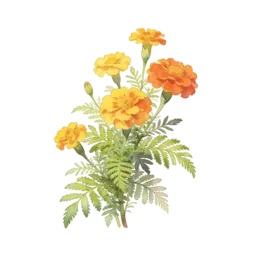
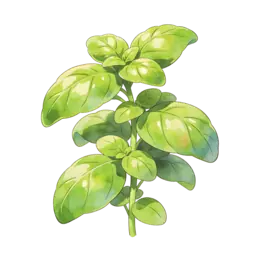
Group it in the same bedPlants with the same watering or the same sun
They are not essential companions, but you will not have to water or position them differently.
Same watering · Moderate watering
Compare with similar varieties
| Variety | Sowing | Harvest | Days | Spacing | Difficulty |
|---|---|---|---|---|---|
| Asian ginseng | Oct–Nov | Sep–Oct | ~1825 | 20 cm | Difficult |
| Java ginseng | Mar–May | Jun–Oct | ~60 | 30 cm | Easy |