
Credits and licences
- #1 — vueltaalhuerto illustration
- #2 — vueltaalhuerto illustration
- #3 — vueltaalhuerto illustration
- #4 — vueltaalhuerto illustration
- #5 — vueltaalhuerto illustration
- #6 — vueltaalhuerto illustration
- #7 — vueltaalhuerto illustration
- #8 — vueltaalhuerto illustration
- #9 — vueltaalhuerto illustration
- #10 — vueltaalhuerto illustration
- #11 — vueltaalhuerto illustration
- #12 — vueltaalhuerto illustration
- #13 — Ayotte, Gilles, 1948- · CC BY-SA 4.0 see on Wikimedia
- #14 — Filo gèn' · CC BY-SA 4.0 see on Wikimedia
- #15 — Forest & Kim Starr · CC BY 3.0 see on Wikimedia
- #16 — Howard F. Schwartz, Colorado State University, Bugwood.org · CC BY 3.0 see on Wikimedia
Grey shallot (échalote grise)
and 2 more names
shallot, Allium oschaniniiGrey shallot (échalote grise) is sown directly outdoors in February and from October to November. It is harvested from June to July (about 120 days to the first harvest). Grow it in full sun, 15 cm apart, with moderate watering. Dates are for a mild temperate climate in the northern hemisphere; the calendar below adjusts them to your zone.
What else to sow in February, October and November
The grey shallot has a delicate flavour and is propagated by planting its bulbs. Depending on the area, it is planted in autumn or at the end of winter. It needs well-drained soil; harvest it when the leaves dry off.
Family and origin: Amaryllis family (Amaryllidaceae) · native to Central Asia and Iran · More plants from Central Asia
01In your area
How will it do in your garden?
Year calendar
| Task | J | F | M | A | M | J | J | A | S | O | N | D |
|---|---|---|---|---|---|---|---|---|---|---|---|---|
| Direct sowingFeb, Oct–Nov | no | yes | no | no | no | no | no | no | no | yes | yes | no |
| HarvestJun–Jul | no | no | no | no | no | yes | yes | no | no | no | no | no |
Its life cycle at a glance
Swipe and tap a stage to see its details.
02Planting
Where and how to plant it
Sow the seed 2 cm deep; leave 15 cm between plants and 30 cm between rows.
15 cm between plants · 30 cm between rows
Seed at a depth of 2 cm.
- In a square-foot bed
- 4 plants per square30 × 30 cm squares
- Direct sowing
- Feb, Oct–Nov
03Care
Care through the year
Sun and aspectFull sun · 8 h of sun · South or south-west, with nothing casting shade at midday
- Too little sun
- Ideal range
- Plenty of sun
South or south-west, with nothing casting shade at midday
Strong sun: Loves full midday sun and high temperatures.
WateringMoist but never waterlogged · summer: every 2-3 days
- Summerevery 2-3 days2 L per plant/week
- Spring / Autumnevery 4-5 days1 L per plant/week
- Winterevery 2-3 weeks0.3 L per plant/week
Moist but never waterlogged: Water before the surface is completely dry. Never puddles. Mulch: straw or dry plant material cuts watering by 30-50 %.
When to water? Push your finger 3 cm into the soil next to the base of the plant:
- Damp: soil sticks to your finger. Do not water today. The moisture is fine.
- Cool but clean, no mud. Water early tomorrow if it stays like this, or this evening.
- Dry and dusty. Water now, and deeply. This is not where it likes to be.
- TipWhen the foliage flops over and yellows, stop watering and let the bulbs cure before storing them.
- Common mistakeOverwatering at the end of the cycle rots the bulb and spoils storage.
Soil and feedingLoose, deep, stone-free soil
Loose, deep, stone-free soil.
High: constant moisture deforms the root.
This plant prefers a pH between 6.0 and 7.0 (slightly acidic to neutral).
- TipLoose, stone-free, well-drained soil so that the bulb does not rot.
- TipLoose, well-drained soil; keep the bed free of weeds, as they compete strongly.
- Common mistakeCompacted or waterlogged soil: small, misshapen bulbs that rot easily.
04Harvest
Harvesting and storing
Harvest in Jun–Jul; the first, about 120 days after sowing.
- TipWater regularly while the bulb is swelling, reducing it before harvest to help it cure.
05Uses and health
What it is used for, and with what care
DANGER for pets: it is an Allium and causes haemolytic anaemia in dogs and cats. If it is eaten, see a vet.
- Properties
- A delicate flavour between onion and garlic; rich in antioxidants.
- Uses
- In sauces, vinaigrettes and stews.
For guidance only; this is not medical treatment and does not replace advice from a doctor or vet.
06Companions and related plants
What to plant it with
Good companions
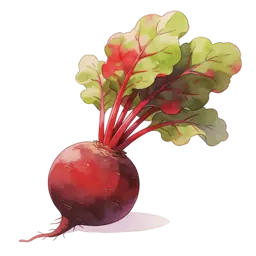
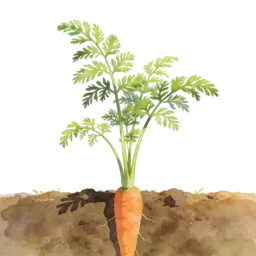
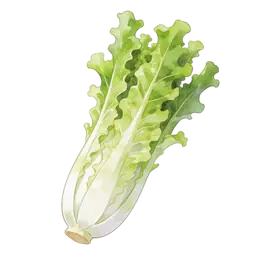
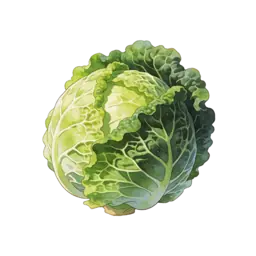
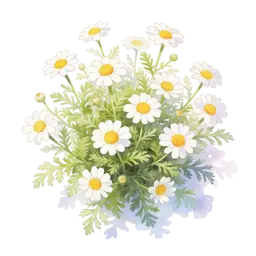
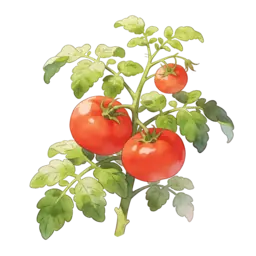
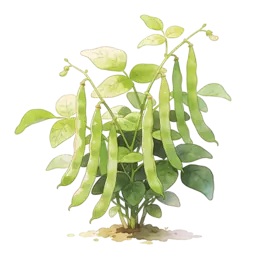
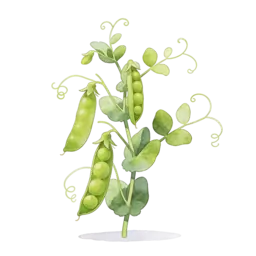
Group it in the same bedPlants with the same watering or the same sun
They are not essential companions, but you will not have to water or position them differently.