
Credits and licences
- #1 — vueltaalhuerto illustration
- #2 — vueltaalhuerto illustration
- #3 — vueltaalhuerto illustration
- #4 — vueltaalhuerto illustration
- #5 — vueltaalhuerto illustration
- #6 — vueltaalhuerto illustration
- #7 — vueltaalhuerto illustration
- #8 — vueltaalhuerto illustration
- #9 — vueltaalhuerto illustration
- #10 — vueltaalhuerto illustration
- #11 — vueltaalhuerto illustration
- #12 — vueltaalhuerto illustration
- #13 — Македонец · CC BY-SA 4.0 see on Wikimedia
Nantes carrot
Nantes carrot is sown directly outdoors from February to May and from August to September. It is harvested from June to July and from November to December (about 90 days to the first harvest). Grow it in full sun, 5 cm apart, with moderate watering. Dates are for a mild temperate climate in the northern hemisphere; the calendar below adjusts them to your zone.
What else to sow in February, March, April, May, August and September
The Nantes carrot, cylindrical and sweet. It needs deep, loose soil, without fresh manure. It is sown directly; thin out the seedlings and water regularly so the roots come out straight and without splits.
Family and origin: Carrot family (Apiaceae) · native to Afghanistan and Central Asia (the original purple carrot) · More plants from Central Asia
01In your area
How will it do in your garden?
Year calendar
| Task | J | F | M | A | M | J | J | A | S | O | N | D |
|---|---|---|---|---|---|---|---|---|---|---|---|---|
| Direct sowingFeb–May, Aug–Sep | no | yes | yes | yes | yes | no | no | yes | yes | no | no | no |
| HarvestJun–Jul, Nov–Dec | no | no | no | no | no | yes | yes | no | no | no | yes | yes |
Its life cycle at a glance
Swipe and tap a stage to see its details.
02Step by step
From seed to harvest, stage by stage
What the plant needs at each point in its life, from the seed to the harvest and on to the next seed. The figures are only a guide: your climate, your soil and the variety will shift them.
Approximate months for a temperate Spanish climate. Choose your zone in the calendar to adjust them.
Stage 1 · Year 1Direct sowing and germinationDirect sowing and germination: Feb–May, Aug–SepGerminates in 7–21 daysCarrots are always sown where they are to grow, because the taproot twists or forks if transplanted. The seed is tiny and slow: it needs fine soil without a crust that stays constantly moist for the two or three weeks it can take to come up.
Carrots are always sown where they are to grow, because the taproot twists or forks if transplanted. The seed is tiny and slow: it needs fine soil without a crust that stays constantly moist for the two or three weeks it can take to come up.
With the soil at 15-25 °C it comes up in one or two weeks; in the cold soil of late winter it can take three.
Temperature
min. 7°Cideal 15°C–27°Cmax. 30°CBelow 7-8 °C it hardly germinates, and above 30 °C germination drops sharply; in summer it is best to shade the drill.
Moisture and watering
Water the drill with a watering can with a fine rose or a gentle spray so as not to uncover the seed, and do not let the surface dry out for a single day until it comes up. A drill that dries and is wetted again forms a crust that the very weak seedling cannot break through.
How often: Daily in dry or hot weather; every two days if the weather is cool and cloudy.
Light · Not important
Light makes no difference to germination; what matters is that the soil is warm and moist. Once up, it needs full sun for the root to swell.
Container · Straight into the ground
Sow thinly in drills 1 cm deep and 20-30 cm apart, and cover the seed with about 5 mm of fine soil or sieved compost. Mixing the seed with dry sand helps to spread it more thinly. In a pot or trough you need at least 25-30 cm of depth, or short, round varieties if there is less.
Potting mix or soil
pH 6–7
It needs loose, deep soil without stones or clods, dug to about 25-30 cm, so that the root grows straight down. Clay soils that compact and fresh manure, which makes the root fork, do not suit it.
Nutrients
Mainly needs: no fertiliser
It needs no fertiliser to germinate. If the soil is poor, very well-rotted compost dug in one or two months before sowing is enough; never fresh manure.
Protection
- Cover the drill with a board, a piece of cardboard or shade netting until the seedlings start to come up, and remove it as soon as the first ones appear.
- A thin layer of sieved compost or sand over the seed stops rain or watering forming a crust.
- Sow a few radish seeds in the same drill; they come up within days and mark the row while the carrots make up their minds.
Common problems
- Slugs and snails. They eat the newly emerged seedlings at ground level during the night, especially in damp springs.
Warning signs
Three weeks have gone by and hardly anything has come up.
Likely cause: The surface dried out or formed a crust, the soil was too cold or the seed was old.
What to do: Sow again with seed less than two or three years old, cover the drill with a board or cardboard and water daily until the seedlings emerge.
The seedlings come up in patches, with long gaps in between.
Likely cause: Irregular watering or unevenly spread seed.
What to do: Resow the gaps; next time, mix the seed with sand and keep the moisture constant.
Reference photos
When it moves on to the next stageMove on to thinning when the sowing row is covered with seedlings bearing their two thread-like seed leaves and the first true leaves, already finely cut like those of the adult plant, are showing.
Stage 2 · Year 1ThinningThinning: Mar–Jun, Sep–OctLasts about 10–25 daysAs carrots are not transplanted, this stage is thinning: removing seedlings until each one has the space it needs to swell. It is the most important job in the crop, because crowded carrots stay thin, twist around one another and attract carrot fly.
As carrots are not transplanted, this stage is thinning: removing seedlings until each one has the space it needs to swell. It is the most important job in the crop, because crowded carrots stay thin, twist around one another and attract carrot fly.
Thin in one or two goes during the three or four weeks after the seedlings emerge.
Temperature
min. -2°Cideal 12°C–22°Cmax. 30°CThe seedlings withstand light frosts, but strong heat weakens them.
Moisture and watering
Water a little before thinning so that the soil is soft and the seedlings come out without dragging their neighbours with them, and water again afterwards to resettle the soil around the ones that remain.
How often: Every two or three days if it does not rain.
How much: As a guide, 3 to 5 L per square metre each time you water.
Light · Full sun
At least 5 h of light
Full sun or, at the very least, five or six hours of direct sun.
Container · Straight into the ground
First leave about 2-3 cm between seedlings and then, in a second thinning, 4 to 6 cm between carrots, with 20-30 cm between rows. In a container, the same spacing in all directions.
Potting mix or soil
After thinning, firm the soil gently with your fingers and draw a little soil up around the seedlings that remain.
Nutrients
Mainly needs: no fertiliser
It needs no fertiliser at this stage; well-worked soil with well-rotted compost from previous crops is enough.
Protection
- Thin late in the evening when there is no wind, because the smell of crushed leaves attracts carrot fly.
- If carrot fly is present in your area, cover the rows with fine insect mesh from emergence or surround them with a barrier about 60 cm high.
Jobs for this stage
- Pull out the surplus seedlings one at a time, holding down the ones that stay with your other hand, or snip them off at soil level with scissors.
- Take the thinnings out of the garden rather than leaving them on the bed.
- Weed by hand, as weeds grow much faster than carrots at this stage.
Common problems
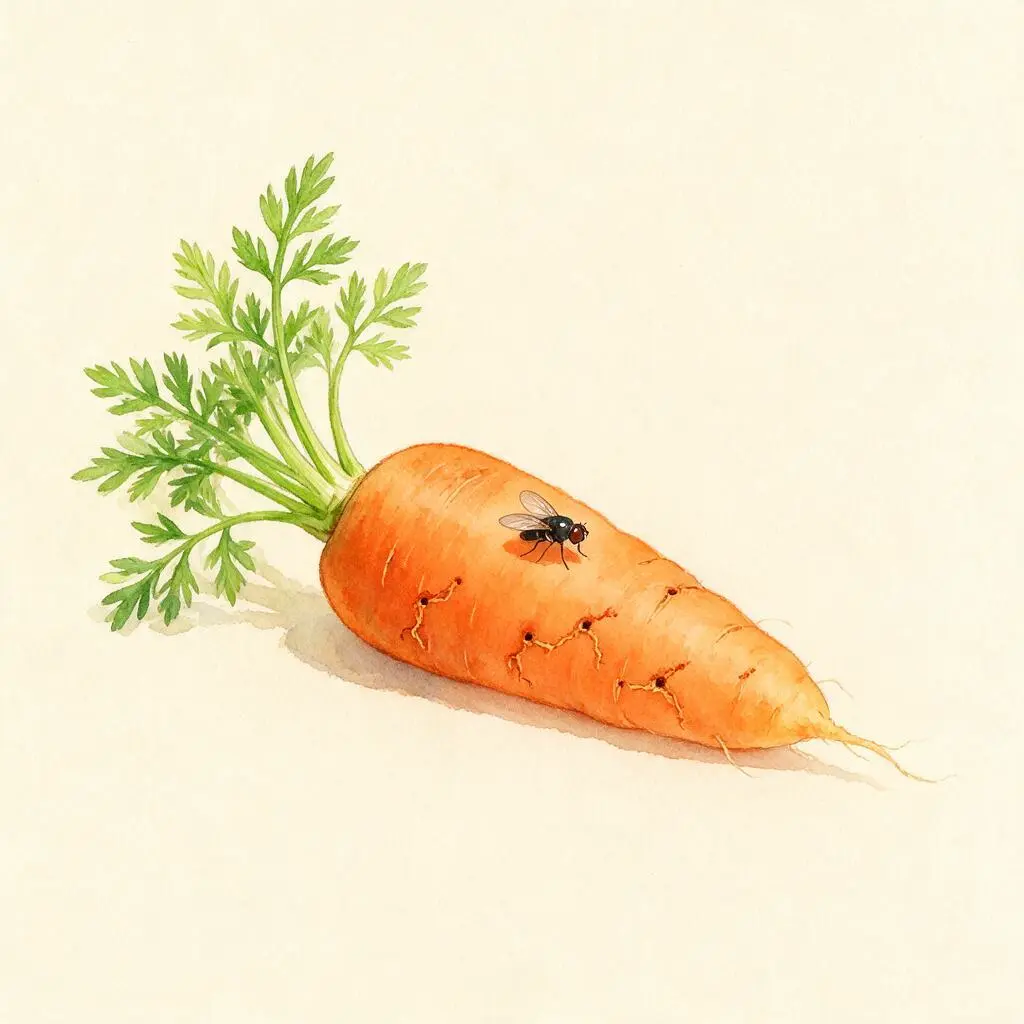
- Carrot fly. It lays its eggs next to the collar of the seedlings, attracted by the smell of thinning; its larvae tunnel into the root and the plant turns yellow and reddish.
- Slugs and snails. They keep nibbling the tender leaves while the plant is small.
- Aphids. Colonies on the tender leaves and at the collar of the plant, especially in spring.
Warning signs
Some seedlings turn yellow, then reddish, and wilt a few weeks after thinning.
Likely cause: Carrot fly larvae in the root.
What to do: Pull them up and remove them from the garden; protect the next sowings with mesh and thin with less disturbance.
Reference photos
When it moves on to the next stageMove on to the growing stage when the plants are at their final spacing and have four or five true leaves.
Stage 3 · Year 1Growth and root developmentGrowth and root development: Mar–Jul, Sep–NovLasts about 45–80 daysAfter thinning, the carrot forms a tuft of fine leaves and, above all, lengthens and swells its root. It is an undemanding crop, but it does not forgive uneven watering: drought followed by heavy watering splits the root, and compacted soil deforms it.
After thinning, the carrot forms a tuft of fine leaves and, above all, lengthens and swells its root. It is an undemanding crop, but it does not forgive uneven watering: drought followed by heavy watering splits the root, and compacted soil deforms it.
Six weeks to two and a half months, depending on the variety and the time of year.
Temperature
min. -4°Cideal 15°C–21°Cmax. 30°CAt 15-20 °C the root is sweet and well coloured; above 25-28 °C it grows shorter, paler and less sweet. Light frosts do not harm it.
Moisture and watering
Keep the soil evenly moist, watering thoroughly when the top few centimetres are dry. Avoid both waterlogging, which rots the root, and letting the soil dry out completely, because when the water returns the roots split lengthways.
How often: Once or twice a week in spring and autumn; every two or three days in hot weather.
How much: As a guide, 5 to 10 L per square metre each time you water, so that the water soaks in deeply.
Light · Full sun
5–10 h of light
Full sun; with less than five hours the root stays thin.
Potting mix or soil
Keep the soil crumbly and weed-free, and mulch between the rows with fine straw or dry grass clippings to hold moisture and prevent a crust.
Nutrients
Mainly needs: potassium (K)
It needs little nitrogen: too much and it produces lots of leaf and a poor, forked root. It appreciates some potassium, which improves sweetness and keeping quality.
How often: Not normally needed; at most, a light feed halfway through the cycle if the leaves turn pale.
What with: very well-rotted compost, sieved wood ash (in moderation)
Protection
- Keep the insect mesh in place during the carrot fly flights, which usually coincide with late spring and the end of summer.
- Growing them with onions or leeks in alternate rows may confuse the fly, although it is no substitute for mesh.
Jobs for this stage
- Draw a little soil over any shoulders that are showing so that they do not turn green in the sun.
- Weed carefully so as not to damage the roots, because wounds attract carrot fly and rots.
- Sow a new batch every three or four weeks in spring to have a succession of young carrots.
Common problems
- Carrot fly. Rusty brown tunnels in the root, especially in the lower part; it is the most damaging carrot pest.
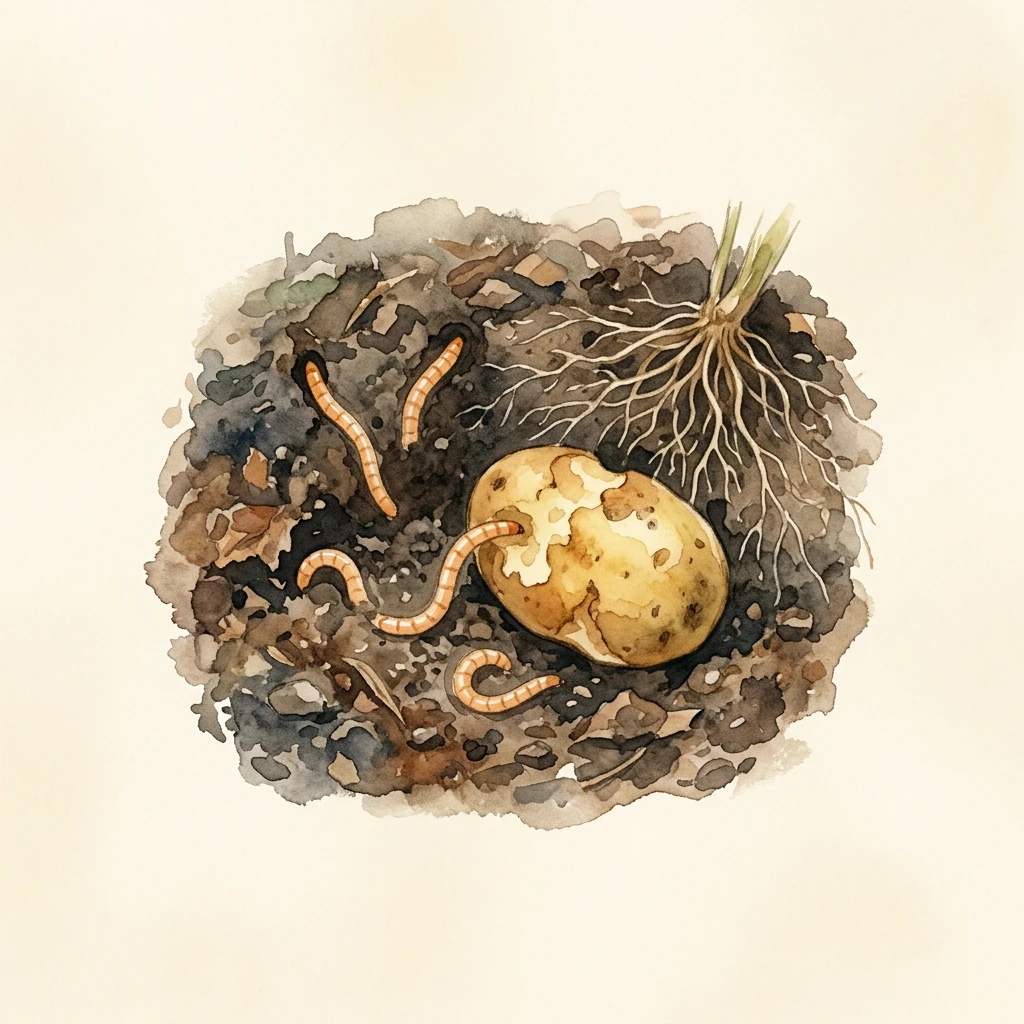
- Wireworms. Hard yellow larvae that make thin, deep holes in the root, especially in soil that used to be grassland.
- Nematodes. Forked, hairy or galled roots and stunted plants, in sandy, warm soils.
- Alternaria leaf blight. Brown or black spots with a yellow edge on the older leaves, which dry up, in warm, damp weather.
- Aphids. Colonies at the collar and on young leaves, which curl.
Warning signs
The roots come out forked, twisted or with lots of fine rootlets.
Likely cause: Stony or compacted soil, fresh manure, too much nitrogen or nematodes.
What to do: For the next sowing, dig deeper, remove stones, feed only with well-rotted compost and sow somewhere that has not had carrots in previous years.
The roots split lengthways.
Likely cause: Irregular watering, with dry spells followed by a lot of water.
What to do: Water regularly and mulch the soil; harvest those that are ready as soon as possible.
The shoulder of the root is green.
Likely cause: It has been left exposed and the sun has reached it.
What to do: Cover it with a little soil; the green part tastes bitter and is best cut off when cooking.
Reference photos
When it moves on to the next stageIt is nearly ready when the shoulder of the root, the part that shows above the soil, is about 2 cm thick and has the colour typical of its variety.
Stage 4 · Year 1HarvestHarvest: Jun–Jul, Nov–DecLasts about 15–60 daysYou can start pulling carrots as soon as they are a usable size and keep pulling them as you need them. Spring-sown carrots are harvested in summer and should not be left to go past their best in the heat; autumn carrots stand in the ground for much of the winter if there are no hard frosts.
You can start pulling carrots as soon as they are a usable size and keep pulling them as you need them. Spring-sown carrots are harvested in summer and should not be left to go past their best in the heat; autumn carrots stand in the ground for much of the winter if there are no hard frosts.
Summer carrots are at their best for a few weeks; autumn ones can stay in the ground for one or two months.
For this varietyThe Nantes carrot profile gives about 90 days to the first harvest; treat it as a rough guide.
Temperature
min. -6°Cideal 5°C–20°Cmax. 30°CIn autumn and winter light frosts sweeten the root; with hard frosts it is best to lift them or cover them.
Moisture and watering
Keep watering regularly until the end so that they do not split. If the soil is hard, watering the evening before makes lifting much easier.
How often: Once or twice a week, depending on the weather; in winter, hardly ever.
Light · Full sun
At least 5 h of light
Full sun.
Nutrients
Mainly needs: no fertiliser
No feeding is needed at harvest time.
Protection
- In areas with hard frosts, cut the leaves off winter carrots and cover the row with a thick layer of straw or cardboard so that you can lift them as you need them.
Jobs for this stage
- Pull the thickest ones first and let the rest keep swelling.
- Fill in the holes left after pulling with soil, so as not to leave tunnels open to carrot fly.
Harvesting
When it is ready: Harvest when the shoulder of the root is about 2 cm thick and the root has the colour typical of its variety. This usually happens 70 to 100 days after sowing, but size is what counts: move a little soil aside and look at the shoulder before pulling. In purple and yellow carrots colour does not indicate maturity; only size does.
How to pick: Loosen the soil alongside the row with a fork, without pushing it in right next to the roots, and pull firmly at the base of the leaves. If you are going to store them, cut off the leaves leaving a short piece of stalk of 1-2 cm, because the leaves keep drawing water from the root and soften it.
Time of day: Pull them in the morning, when the soil is slightly moist and the roots are firm.
Yield: As a guide, 3 to 5 kg per square metre, depending on the variety and the soil.
How to store: Without leaves and unwashed, they keep for two to four weeks in a bag in the fridge drawer. To store them for months, lay them in layers in a box of slightly moist sand or coir, somewhere cool and frost-free, or leave them in the ground well mulched.
Common problems
- Carrot fly. Carrots that stay in the ground for a long time in autumn are the ones most attacked by the second generation.
- Sclerotinia. Soft rot with white, cottony mould, especially on damaged roots or roots stored in damp conditions.
Warning signs
The roots are very thick, rough and cracked, and taste woody.
Likely cause: They have gone past their best, especially in hot weather or with irregular watering.
What to do: Use the tender parts for cooking and harvest earlier with the next batch.
Reference photos
When it moves on to the next stageThe cycle ends when you pull the last ones or when the remaining plants start to send up a flower stem.
Stage 5 · Year 1End of the cycleEnd of the cycle: Jul–Aug, Dec–JanLasts about 1–14 daysCarrots leave the soil loose and well worked, but their remains can harbour carrot fly and soil-borne fungi if they are left in the bed. It is time to clear up and think about rotation.
Carrots leave the soil loose and well worked, but their remains can harbour carrot fly and soil-borne fungi if they are left in the bed. It is time to clear up and think about rotation.
Jobs for this stage
- Pull up all the remaining roots, including the small ones, because carrot fly can overwinter in them.
- Put the healthy leaves on the compost heap; roots with tunnels or rot are best removed from the garden.
- Follow with a crop from another family, such as cabbages, lettuces or legumes, which appreciate the loose soil.
- Do not sow carrots, parsnips, celery, parsley or fennel in the same place again for three or four years.
Common problems
- Nematodes. They build up if the crop is repeated; long rotations and plenty of organic matter keep them in check.
Warning signs
Year after year the roots in the same bed come out with tunnels.
Likely cause: Carrot fly overwinters in the soil and in crop remains.
What to do: Change beds, clear the remains thoroughly and sow under mesh from the first day.
Second year: these stages are only needed if you want to save your own seed. Leave a few healthy plants in the ground after harvesting and they will overwinter and flower.
Stage 6 · Year 2 · only for seedSeeds and propagationSeeds and propagation: Jul–SepLasts about 40–60 daysCarrots are biennial: the root you eat is harvested in the first year, and the flowers and seed come in the second, after overwintering. In the second year, if you want seed, leave a few healthy roots in the ground or replant them: in spring they send up their flower stems, in summer they produce umbels of white flowers, and the seed ripens in late summer, from July to September in a temperate climate. Stored well it keeps for two to three years.
Carrots are biennial: the root you eat is harvested in the first year, and the flowers and seed come in the second, after overwintering. In the second year, if you want seed, leave a few healthy roots in the ground or replant them: in spring they send up their flower stems, in summer they produce umbels of white flowers, and the seed ripens in late summer, from July to September in a temperate climate. Stored well it keeps for two to three years.
Six to eight weeks from when the umbels open until they turn brown and the seed is dry.
Saving seed
When the seed is ripe: Choose healthy, straight roots that are typical of the variety. In mild winters they are left in the ground; where it freezes hard, they are lifted in autumn, stored in damp sand and replanted in late winter with the collar at soil level. In spring they send up a flower stem over a metre tall, and the seed is ripe when the umbels turn brown and curl in on themselves like a nest, by late summer.
How to extract it: Cut the dry umbels one at a time, starting with the main one, which gives the best seed, and finish drying them inside a paper bag. Then rub them between your hands to release the seed and pass it through a sieve to remove the debris.
Drying: Spread it in a thin layer, in the shade and somewhere airy, for another week.
Storage: Store it in a paper envelope inside a tightly closed jar, labelled with the variety and the year, in a cool, dry, dark place.
The seed stays viable for about 2–3 years.
F1 hybrids: Many commercial carrots are F1 hybrids, whose seeds do not produce plants identical to the parent. Save seed only from traditional or open-pollinated varieties, such as Nantes.
Cross-pollination: Carrots are pollinated by insects and cross with all other carrots in flower and also with wild carrot, which is very common on roadsides and field margins and gives white, woody roots. To keep the seed true, separate varieties by several hundred metres, or cover the umbels with fine fabric and hand-pollinate them, and let a good number of plants flower, a dozen or more, so as not to weaken the variety.
Reference photos
Sources and review
Reviewed on 4 November 2026. Approximate figures, written from these sources and the data in this profile.
- Royal Horticultural Society: Carrots, grow your own
- University of Illinois Extension: Carrots
- Utah State University Extension: Carrots (growing and harvest guide)
- Oregon State University Extension: soil temperature and vegetable seed germination
- University of California Integrated Pest Management: Carrot pest management guidelines
- Seed Savers Exchange: How to save carrot seeds
- Maroto, J. V.: Horticultura herbácea especial (Mundi-Prensa), carrot chapter
- Vuelta al Huerto catalogue data (germination, calendar, tolerances and Visual harvest guide)
03Planting
Where and how to plant it
Sow the seed 1 cm deep; leave 5 cm between plants and 25 cm between rows.
5 cm between plants · 25 cm between rows
Seed at a depth of 1 cm.
- In a square-foot bed
- 36 plants per square30 × 30 cm squares
- Direct sowing
- Feb–May, Aug–Sep
- Germination
- ~14 days
- TipSow in small groups directly where they are to grow: the roots do not take well to transplanting.
- Common mistakeNot thinning the seedlings: without space, the roots come out small and misshapen.
04Care
Care through the year
Sun and aspectFull sun · 8 h of sun · South or south-west, with nothing casting shade at midday
- Too little sun
- Ideal range
- Plenty of sun
South or south-west, with nothing casting shade at midday
Strong sun: Loves full midday sun and high temperatures.
WateringMoist but never waterlogged · summer: every 2-3 days
- Summerevery 2-3 days2 L per plant/week
- Spring / Autumnevery 4-5 days1 L per plant/week
- Winterevery 2-3 weeks0.3 L per plant/week
Moist but never waterlogged: Water before the surface is completely dry. Never puddles. Mulch: straw or dry plant material cuts watering by 30-50 %.
When to water? Push your finger 3 cm into the soil next to the base of the plant:
- Damp: soil sticks to your finger. Do not water today. The moisture is fine.
- Cool but clean, no mud. Water early tomorrow if it stays like this, or this evening.
- Dry and dusty. Water now, and deeply. This is not where it likes to be.
Soil and feedingLoose, deep, stone-free soil
Loose, deep, stone-free soil.
High: constant moisture deforms the root.
This plant prefers a pH between 6.0 and 7.0 (slightly acidic to neutral).
- TipIt needs loose, deep soil, free of stones.
- TipLoose, crumbly, stone-free soil lets the root swell straight.
- Common mistakeToo much nitrogen: plenty of leaf and very little root.
05Harvest
Harvesting and storing
Harvest in Jun–Jul, Nov–Dec; the first, about 90 days after sowing.
06Propagation
Make new plants
Only by direct sowing in the ground: February-May or August-September. Do not transplant (the root becomes misshapen). Keep the soil moist until germination (2-3 weeks). Thin out, leaving 3-5 cm between plants.
07Uses and health
What it is used for, and with what care
- Properties
- Extremely rich in beta-carotene (provitamin A), good for the eyesight.
- Uses
- Raw, cooked or juiced.
For guidance only; this is not medical treatment and does not replace advice from a doctor or vet.
08Companions and related plants
What to plant it with
Good companions
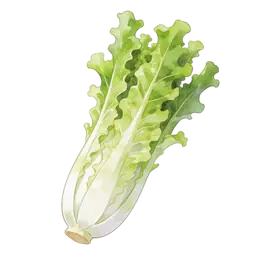
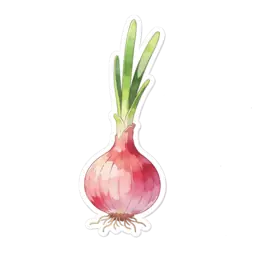
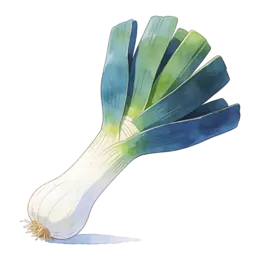
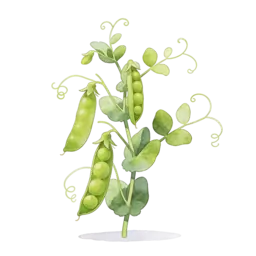
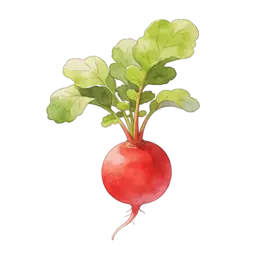

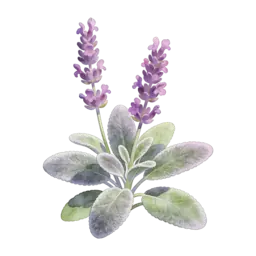
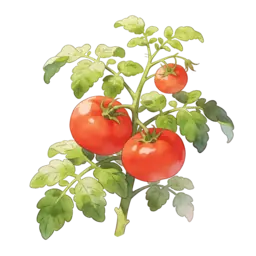
Keep apart
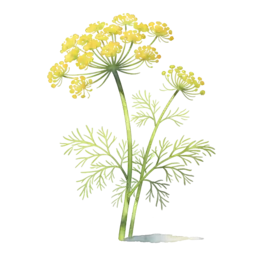
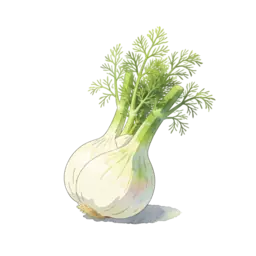
Group it in the same bedPlants with the same watering or the same sun
They are not essential companions, but you will not have to water or position them differently.
Same watering · Moderate watering
Compare with similar varieties
| Variety | Sowing | Harvest | Days | Spacing | Difficulty |
|---|---|---|---|---|---|
| Carrot 'Cosmic Purple' | Mar–May, Aug | Jun–Jul, Nov | ~75 | 5 cm | Moderate |
| Nantes carrot | Feb–May, Aug–Sep | Jun–Jul, Nov–Dec | ~90 | 5 cm | Moderate |
| Carrot 'Jaune de Lyon' (yellow carrot) | Mar–May, Aug | Jul–Aug, Nov–Dec | ~90 | 6 cm | Easy |
09Pests and diseases
Critters and ailments to keep an eye on
The most common ones on this plant. Tap one to see how to recognise it and what to do.
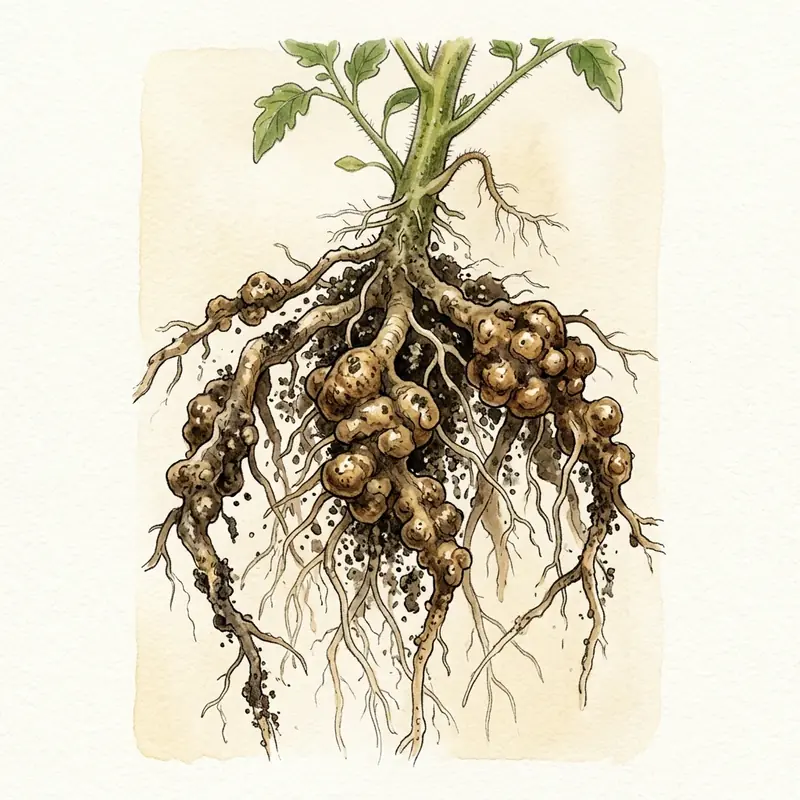
- NematodesSeriousMicroscopic soil worms that attack the roots and form knots or galls
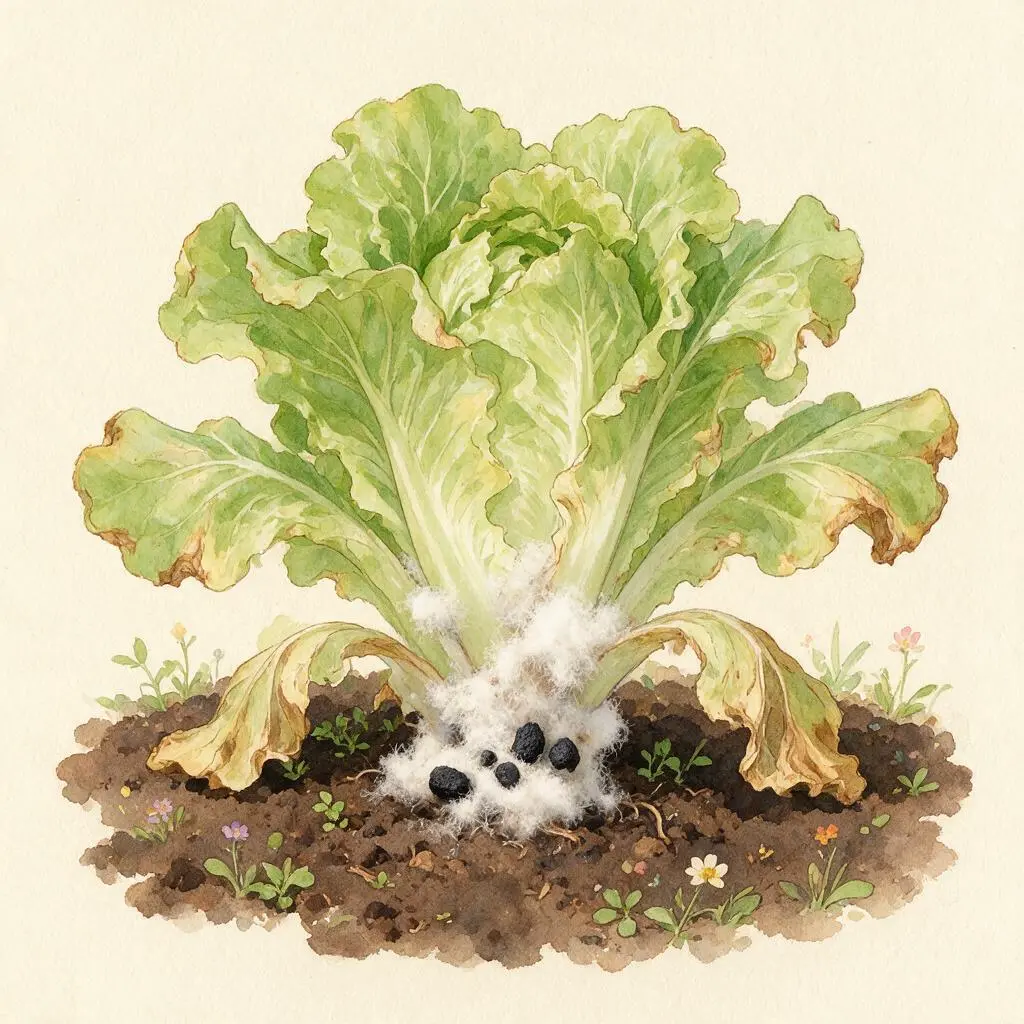
- Sclerotinia (white mould)SeriousA fungus that produces a very dense, cottony white mould with black ‘marbles’ (sclerotia) inside it
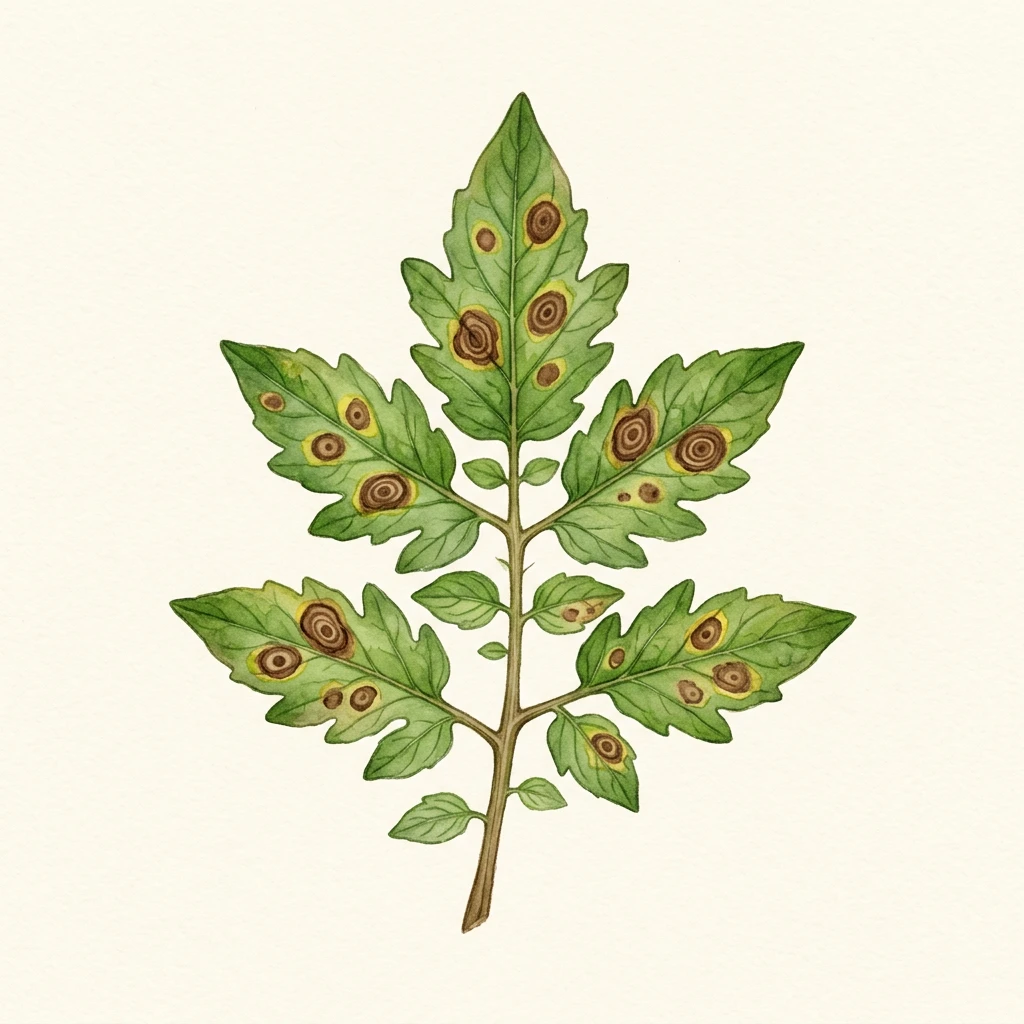
- Early blight (Alternaria)ModerateA fungus that causes dark spots with concentric rings (like a target) on leaves, stems and fruit
- WirewormsModerateHard, elongated, amber-coloured larvae (the larvae of click beetles) that live in the soil and gnaw roots, tub
- Carrot flyModerateA fly whose yellowish larvae make very fine tunnels in carrots, celery and parsley
No known toxicity to people or pets
Not toxic; it is also healthy for dogs as a crunchy treat. Toxic wild umbellifers with similar leaves, such as fool's parsley (Aethusa cynapium), may come up in the bed: sow in marked rows and pull up anything that appears outside them. Do not gather wild carrot: it is confused with hemlock (Conium maculatum), which is deadly.