Credits and licences
- #1 — vueltaalhuerto illustration
- #2 — vueltaalhuerto illustration
- #3 — vueltaalhuerto illustration
- #4 — vueltaalhuerto illustration
- #5 — vueltaalhuerto illustration
- #6 — vueltaalhuerto illustration
- #7 — vueltaalhuerto illustration
- #8 — vueltaalhuerto illustration
- #9 — vueltaalhuerto illustration
- #10 — Ayotte, Gilles, 1948- · CC BY-SA 4.0 see on Wikimedia
- #11 — SB Johnny · CC BY-SA 3.0 see on Wikimedia
- #12 — Daderot · CC0 see on Wikimedia
Leek 'Monstrueux de Carentan'
and 1 more names
giant Carentan leekLeek 'Monstrueux de Carentan' is sown in seed trays from February to March, and planted out from May to June. It is harvested from October to December (about 150 days to the first harvest). Grow it in full sun, 15 cm apart, with plenty of watering. Dates are for a mild temperate climate in the northern hemisphere; the calendar below adjusts them to your zone.
What else to sow in February and March
A thick, hardy leek from Carentan that copes well with cold. To blanch the stem, transplant it deep or draw soil up around the base (earthing up). It needs regular watering and a soil rich in organic matter.
Family and origin: Amaryllis family (Amaryllidaceae) · native to Carentan, Normandy, France · More plants from Temperate Europe
01In your area
How will it do in your garden?
Year calendar
| Task | J | F | M | A | M | J | J | A | S | O | N | D |
|---|---|---|---|---|---|---|---|---|---|---|---|---|
| Seed trayFeb–Mar | no | yes | yes | no | no | no | no | no | no | no | no | no |
| Plant / transplantMay–Jun | no | no | no | no | yes | yes | no | no | no | no | no | no |
| HarvestOct–Dec | no | no | no | no | no | no | no | no | no | yes | yes | yes |
Its life cycle at a glance
Swipe and tap a stage to see its details.
02Step by step
From seed to harvest, stage by stage
What the plant needs at each point in its life, from the seed to the harvest and on to the next seed. The figures are only a guide: your climate, your soil and the variety will shift them.
Approximate months for a temperate Spanish climate. Choose your zone in the calendar to adjust them.
Stage 1 · Year 1Seed and germinationSeed and germination: Feb–MarGerminates in 7–14 daysLeeks are sown in a seed tray in late winter or early spring, transplanted at the start of summer and harvested in autumn and winter. The seed, black and angular like onion seed, comes up in one or two weeks in warm potting mix, but it soon loses vigour: it is best used fresh.
Leeks are sown in a seed tray in late winter or early spring, transplanted at the start of summer and harvested in autumn and winter. The seed, black and angular like onion seed, comes up in one or two weeks in warm potting mix, but it soon loses vigour: it is best used fresh.
At 18-24 °C it comes up in a week; in the cold it can take three.
Temperature
min. 7°Cideal 18°C–24°Cmax. 30°CBelow 10 °C germination is slow and uneven; in February it is best to sow in a sheltered spot or indoors.
Moisture and watering
Keep the potting mix moist but not waterlogged, watering with a mister or from below.
How often: Every one or two days, depending on how quickly the surface dries out.
Light · Not important
Light makes no difference to germination; as soon as it comes up it needs plenty so the leaves do not flop over.
Container · Seed tray
Sow thinly in a seed tray or in a corner of the garden, in rows 10-15 cm apart, covering the seed with 0.5-1 cm of potting mix. It can also be sown in modules, with two or three seeds per cell.
Potting mix or soil
pH 6–7.5
Use a fine, light seed compost with no strong fertiliser that does not form a crust.
Nutrients
Mainly needs: no fertiliser
It needs no fertiliser at this stage.
Protection
- Cover the tray with plastic or a clear lid until the seedlings come up, and remove it straight away.
Common problems
- Damping-off fungi (collar rot). Seedlings keel over at the base and dry out, especially with overwatering and poor ventilation.
Warning signs
Very few seedlings come up.
Likely cause: Old seed, cold potting mix or potting mix that dried out.
What to do: Sow again with seed one or two years old, in a warm spot, and keep the moisture constant.
Reference photos
When it moves on to the next stageMove on to the seed tray stage when the seedlings have emerged bent like an elbow, straightened up and shown their first flat leaf.
Stage 2 · Year 1Seed tray and young plantsSeed tray and young plants: Feb–MayLasts about 60–90 daysLeek seedlings grow slowly and need two to three months to reach transplanting size. It is a simple stage, needing only plenty of light, regular watering and a weed-free seed tray.
Leek seedlings grow slowly and need two to three months to reach transplanting size. It is a simple stage, needing only plenty of light, regular watering and a weed-free seed tray.
Two to three months from germination.
Temperature
min. 2°Cideal 12°C–22°Cmax. 28°CSeveral weeks of intense cold while the plant is young can make it bolt prematurely the following year.
Moisture and watering
Water when the surface starts to dry out, without waterlogging.
How often: Every two or three days, more often as temperatures rise in spring.
Light · Full sun
6–12 h of light
It needs plenty of light; with too little, the leaves come out thin and flop over.
Container · Seed tray
The same seed tray will do until transplanting if the seedlings are not too crowded. If they came up very close together, thin them out to 1-2 cm apart.
Potting mix or soil
Seed compost or loose soil, with a little sieved compost.
Nutrients
Mainly needs: nitrogen (N)
If the seedlings turn pale, a watering with worm castings or a mild liquid feed at half strength is enough.
What with: worm castings
Jobs for this stage
- Weed the seed tray by hand, because weeds easily smother the fine seedlings.
- If the leaves grow very long and flop over, cut them in half with scissors so the plant thickens up.
Common problems
- Damping-off fungi. They are still a risk with overwatering.
- Thrips. Silvery speckling on the leaves, especially in seed trays under cover.
Warning signs
The seedlings stay as thin as threads and turn yellow.
Likely cause: Lack of light, a very crowded seed tray or exhausted potting mix.
What to do: Thin them out, move the tray to a brighter spot and give it a watering with worm castings.
Reference photos
When it moves on to the next stageIt is ready to transplant when the seedling is as thick as a pencil at the base and about 15-20 cm tall.
Stage 3 · Year 1TransplantingTransplanting: May–JunLasts about 7–15 daysLeeks are transplanted deep, in a hole or at the bottom of a trench, so that a good part of the stem is buried and comes out white and tender. It is a forgiving transplant: the plant takes easily if it is well watered.
Leeks are transplanted deep, in a hole or at the bottom of a trench, so that a good part of the stem is buried and comes out white and tender. It is a forgiving transplant: the plant takes easily if it is well watered.
One or two weeks to take and start producing leaves again.
Temperature
min. 5°Cideal 14°C–24°Cmax. 30°CPlant in the evening or on a cloudy day if it is already hot.
Moisture and watering
Water the seed tray before lifting the seedlings. After planting, fill the hole with water without adding soil: the watering itself gradually closes the hole around the stem.
How often: Every day or every other day during the first week.
How much: As a rough guide, half a litre per plant at planting.
Light · Full sun
At least 6 h of light
Full sun.
Container · Straight into the ground
In a bed, with 15 cm between plants and 30-40 cm between rows, to leave room for earthing up. In a pot or trough you need at least 25-30 cm of soil.
Potting mix or soil
pH 6–7.5
It prefers deep, loose soil rich in organic matter that holds moisture without waterlogging. Loose soil also makes earthing up easier.
Nutrients
Mainly needs: nitrogen (N)
Mix well-rotted compost into the soil before planting; leeks are hungrier than onions.
What with: well-rotted compost, well-rotted manure
Jobs for this stage
- Make holes 15-20 cm deep with a dibber or a stick and drop a seedling into each one, without filling in with soil.
- If the roots are very long, trim them to about 3 cm so they go straight down into the hole.
- If you prefer, plant at the bottom of a 10-15 cm trench, which you will gradually fill in with soil as they grow.
Common problems
Warning signs
Some plants flop over and turn yellow in the first few days.
Likely cause: Transplant stress in hot weather or a lack of water in the hole.
What to do: Water daily for the first week; replace any that do not recover with spare seedlings from the seed tray.
Reference photos
When it moves on to the next stageIt has taken when the plant stands upright and puts out a new leaf from the centre.
Stage 4 · Year 1Growth and blanching of the stemGrowth and blanching of the stem: Jun–OctLasts about 90–150 daysThrough summer and autumn the leek lengthens and thickens its stem, or shank, which is the part you eat. To make it long and white, soil is drawn up around its base, and to make it thick it needs plenty of water and rich soil.
Through summer and autumn the leek lengthens and thickens its stem, or shank, which is the part you eat. To make it long and white, soil is drawn up around its base, and to make it thick it needs plenty of water and rich soil.
Three to five months from transplanting, depending on the variety and the time of year.
Temperature
min. -6°Cideal 13°C–24°Cmax. 30°CIt grows well in moderate warmth with plenty of water, and withstands autumn frosts. In strong heat and drought it stops growing and the shank toughens.
Moisture and watering
It is one of the thirstiest vegetables: keep the soil moist at all times, especially in summer. Water deeply at the base, without waterlogging.
How often: Every two or three days in summer; once a week in autumn if it does not rain.
How much: As a rough guide, 8 to 12 L per square metre each time in summer.
Light · Full sun
6–10 h of light
Full sun; it tolerates some shade, but the shank thickens less.
Potting mix or soil
Keep the soil loose and weed-free, and mulch between the rows to hold summer moisture.
Nutrients
Mainly needs: nitrogen (N), potassium (K)
It appreciates one or two top-dressings of compost or diluted nettle feed during the summer, when it is growing most. Too much nitrogen in late autumn gives soft leeks that are more prone to rust.
How often: Once or twice in summer.
What with: well-rotted compost, diluted nettle feed, worm castings
Protection
- In areas with leek moth or allium leaf miner, cover the rows with fine insect-proof mesh during their spring and autumn flights.
Jobs for this stage
- Earth up the base of the plants two or three times while they grow, drawing soil up to the base of the leaves, without letting soil fall inside.
- Weed often, because leeks cope badly with competition from weeds.
- If you want to extend the harvest, sow or transplant in two batches, one early and one late.
Common problems
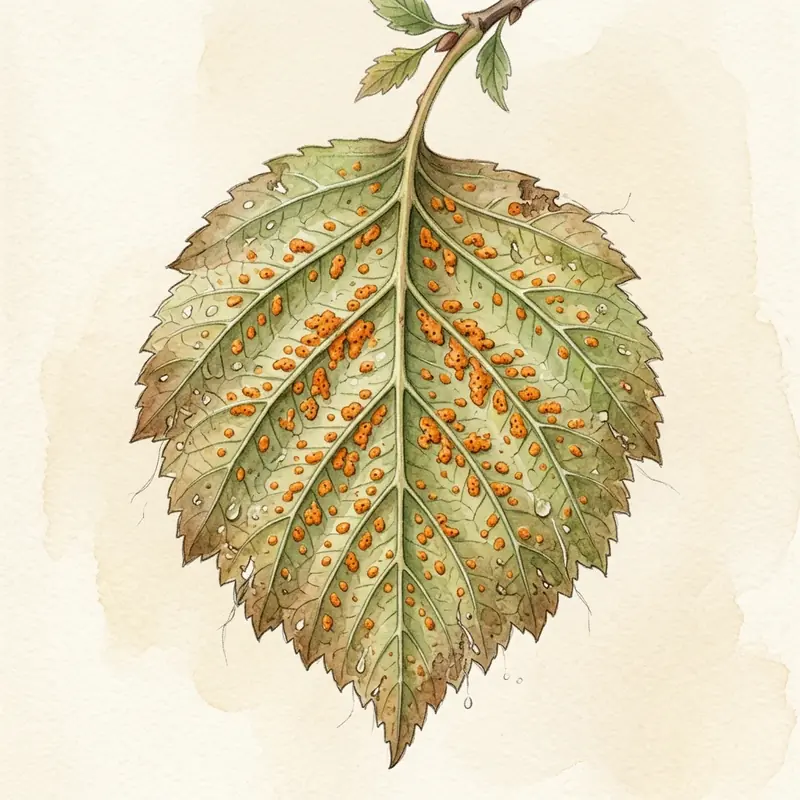
- Leek rust. Orange pustules on the leaves in late summer and autumn, in mild, damp weather; if severe, the leeks stay small.
- Thrips. Silvery speckling on the leaves in warm, dry weather; the leaves dry out from the tip.
- Leek moth. Its small caterpillars tunnel through the leaves and move down towards the heart of the plant, which rots.
- Allium leaf miner. Lines of puncture marks on the leaves and tunnels with larvae or brown pupae inside the shank in autumn.
- Purple blotch. Elongated purple spots with a yellow edge on the leaves, in damp weather.
Warning signs
The leaves become covered in orange pustules.
Likely cause: Rust, encouraged by damp and too much nitrogen.
What to do: Remove the worst-affected leaves, leave more space between plants and do not feed with nitrogen in autumn; rotate the crop.
The heart of the plant rots and tunnels appear inside the shank.
Likely cause: Leek moth or allium leaf miner.
What to do: Remove and destroy the affected plants and cover with fine mesh during their flight periods.
The shank comes out short and green.
Likely cause: Planted too shallow or not earthed up.
What to do: Draw soil up around the base more often and, next time, plant in deeper holes.
Reference photos
When it moves on to the next stageIt is ready to start harvesting when the white shank is about 2-3 cm thick, although it can be lifted earlier as a baby leek.
Stage 5 · Year 1HarvestHarvest: Oct–DecLasts about 30–120 daysLeeks have no single harvest point: they can be lifted as soon as they are a useful thickness and will stand in the ground through autumn and much of winter, so you can take them as needed. The cold even makes them sweeter.
Leeks have no single harvest point: they can be lifted as soon as they are a useful thickness and will stand in the ground through autumn and much of winter, so you can take them as needed. The cold even makes them sweeter.
They can be lifted over several months, from autumn to the end of winter.
For this varietyThe Leek 'Monstrueux de Carentan' profile gives about 150 days to the first harvest; treat it as a rough guide.
Temperature
min. -8°Cideal 2°C–18°Cmax. 25°CIt withstands hard frosts in the ground; in very low temperatures, mulch at the base makes it easier to lift.
Moisture and watering
In autumn and winter the rain is usually enough; water only if the soil is dry and you are about to lift them.
How often: Occasional.
Light · Full sun
At least 5 h of light
Full sun.
Nutrients
Mainly needs: no fertiliser
No more feeding is needed at harvest time.
Protection
- In areas with very hard frosts, mulch the row with straw so the soil does not freeze and you can keep lifting.
Jobs for this stage
- Lift every other leek in the row first, so the rest have room to keep thickening.
- If many are left at the end of winter, lift them before they bolt and heel them in in a cool corner of the garden.
Harvesting
When it is ready: Harvest when the white shank is about 2-3 cm thick and has a good blanched length, usually from autumn onwards. It can be lifted at any size, thinner and milder at first, and it stands well in the ground until it starts to bolt.
How to pick: Loosen the soil next to the plant with a fork and lift it carefully, or twist the shank and pull gently. Trim the roots and cut back the green leaves if they are very long.
Time of day: In winter, lift them mid-morning, once the soil is no longer frozen.
Yield: As a rough guide, 2 to 4 kg per square metre, depending on the variety and watering.
How to store: Unwashed and with the leaves trimmed, they keep for one or two weeks in the fridge in a bag. If you have a lot to spare, it is best to leave them in the ground or heel them in at an angle in a trench until needed. Leeks, like garlic and onions, are toxic to dogs and cats.
Common problems
- Rust. It spoils the look of the leaves but does not damage the shank; remove the spotted leaves when trimming the leek.
- Allium leaf miner. Plants that spend the autumn in the ground may have tunnels and pupae inside the shank.
Warning signs
A stiff stalk with a round bud at the top grows from the centre.
Likely cause: The leek has started to bolt, usually at the end of winter or in spring.
What to do: Lift any remaining leeks as soon as possible, because the centre becomes fibrous.
Reference photos
When it moves on to the next stageThe cycle ends when the last one is lifted or when, at the end of winter, those that remain start to send up a flower stalk.
Stage 6 · Year 1End of the cycleEnd of the cycle: Nov–JanLasts about 1–14 daysAfter the last harvest, at the end of winter, leeks leave the soil crumbly from earthing up and ready for a spring crop. It is best not to repeat alliums in the same place, because they share pests and diseases.
After the last harvest, at the end of winter, leeks leave the soil crumbly from earthing up and ready for a spring crop. It is best not to repeat alliums in the same place, because they share pests and diseases.
Jobs for this stage
- Clear away the crop debris; healthy leaves go on the compost heap, and those from plants with tunnels or rot go out of the garden.
- Afterwards, sow a crop from another family, such as tomatoes, peppers, courgettes or beans.
- Do not plant leeks, onions or garlic in the same place again for three or four years.
Common problems
- Rust. It survives on debris and on leftover leeks; clear them thoroughly and rotate the crop.
Warning signs
The leeks come up with rust and tunnels year after year in the same bed.
Likely cause: Pests and fungi that pass from one crop to the next on the debris.
What to do: Rotate to another bed and do not leave old leeks in the garden all year round.
Second year: these stages are only needed if you want to save your own seed. Leave a few healthy plants in the ground after harvesting and they will overwinter and flower.
Stage 7 · Year 2 · only for seedSeeds and propagationSeeds and propagation: Aug–SepLasts about 60–90 daysThe leek is a biennial: in its first year it forms the shaft you eat, and it only flowers in its second. In the second year, if you want seed, leave a few healthy leeks in the ground: after the winter they send up a tall stem in spring topped by a ball of white or mauve flowers. Saving the seed is simple, but you need patience, because it ripens slowly, at the end of summer.
The leek is a biennial: in its first year it forms the shaft you eat, and it only flowers in its second. In the second year, if you want seed, leave a few healthy leeks in the ground: after the winter they send up a tall stem in spring topped by a ball of white or mauve flowers. Saving the seed is simple, but you need patience, because it ripens slowly, at the end of summer.
From the opening of the flower ball, in early summer, until the black seed is ripe takes two to three months.
Saving seed
When the seed is ripe: Leave three or four of the best leeks in the ground, healthy and typical of the variety, without lifting them. In spring they will send up a flower stalk that can exceed one and a half metres, and the seed is ripe at the end of summer, when the capsules in the flower head open and reveal the black seeds.
How to extract it: Cut the heads with a piece of stalk as soon as black seeds can be seen, before they fall, and finish drying them inside a paper bag in an airy place. Then rub them hard between your hands and blow gently to separate the seed from the chaff.
Drying: Spread the seed in a thin layer in an airy, shady place for one or two weeks.
Storage: Store it in a paper envelope inside a tightly closed jar, labelled with the variety and year, in a cool, dry, dark place.
The seed stays viable for about 2–3 years.
F1 hybrids: Some commercial leeks are F1 hybrids, whose seeds do not produce plants identical to the parent. Only save seed from heritage or open-pollinated varieties, such as Monstrueux de Carentan.
Cross-pollination: Leeks are insect-pollinated and cross with other leeks in flower, and also with elephant garlic, which is the same species, but not with onions or common garlic. Let at least five or six plants flower and separate varieties by several hundred metres, or let only one flower each year.
Other ways to propagate
Bulbs: Some plants form small, hard bulbils called pearls at the base, next to the roots. Planted in autumn or spring they produce new leeks identical to the parent, although leeks are usually propagated from seed.
Reference photos
Sources and review
Reviewed on 4 November 2026. Approximate figures, written from these sources and the data in this profile.
- Royal Horticultural Society: Leeks, grow your own
- Utah State University Extension: Leeks (growing guide)
- South Dakota State University Extension: Leeks, harvest and storage
- Oregon State University Extension: soil temperature and vegetable seed germination
- Seed Savers Exchange: How to grow and save leek seeds
- Maroto, J. V.: Horticultura herbácea especial (Mundi-Prensa), chapter on leeks
- Vuelta al Huerto catalogue data (germination, calendar and Visual harvest guide)
03Planting
Where and how to plant it
Sow the seed 1 cm deep; leave 15 cm between plants and 30 cm between rows.
15 cm between plants · 30 cm between rows
Seed at a depth of 1 cm; seedlings go in with the root ball level with the soil.
- In a square-foot bed
- 4 plants per square30 × 30 cm squares
- Transplanting
- May–Jun
- Seed tray
- Feb–Mar
- Germination
- ~10 days
04Care
Care through the year
Sun and aspectFull sun · 8 h of sun · South or south-west, with nothing casting shade at midday
- Too little sun
- Ideal range
- Plenty of sun
South or south-west, with nothing casting shade at midday
Strong sun: Loves full midday sun and high temperatures.
WateringConstantly moist · summer: daily or every 2 days above 30 °C
- Summerdaily or every 2 days above 30 °C3.5 L per plant/week
- Spring / Autumnevery 3-4 days1.6 L per plant/week
- Winterevery 2 weeks if dry0.4 L per plant/week
Constantly moist: The soil should always feel cool and damp. Ideal with mulch and drip irrigation. Mulch: straw or dry plant material cuts watering by 30-50 %.
When to water? Push your finger 2 cm into the soil next to the base of the plant:
- Damp: soil sticks to your finger. Do not water, although for this plant it is just right — check again tomorrow.
- Cool but clean, no mud. Water today: it likes to stay constantly moist.
- Dry and dusty. Water urgently and add mulch to hold in moisture.
- TipWater steadily throughout its long growing season.
- TipWhen the foliage flops over and yellows, stop watering and let the bulbs cure before storing them.
- Common mistakeOverwatering at the end of the cycle rots the bulb and spoils storage.
Soil and feedingLoose, deep, stone-free soil
Loose, deep, stone-free soil.
High: constant moisture deforms the root.
This plant prefers a pH between 6.0 and 7.0 (slightly acidic to neutral).
- TipLoose, stone-free soil, deep enough to make it easy to earth up and blanch the stem.
- TipLoose, well-drained soil; keep the bed free of weeds, as they compete strongly.
- Common mistakeCompacted or waterlogged soil: small, misshapen bulbs that rot easily.
05Harvest
Harvesting and storing
Harvest in Oct–Dec; the first, about 150 days after sowing.
06Uses and health
What it is used for, and with what care
DANGER for pets: it is an Allium and causes haemolytic anaemia in dogs and cats. If eaten, see a vet.
- Properties
- Mild and rich in fibre and folate; a base for creamy soups.
- Uses
- In creamy soups, stews and omelettes.
For guidance only; this is not medical treatment and does not replace advice from a doctor or vet.
07Companions and related plants
What to plant it with
Good companions
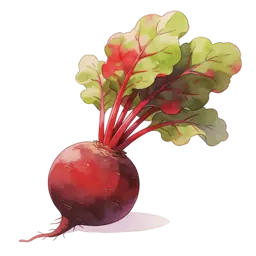
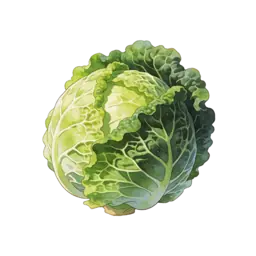
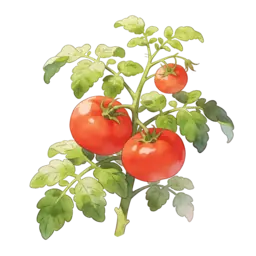
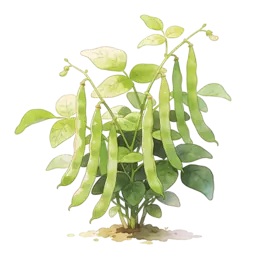
Group it in the same bedPlants with the same watering or the same sun
They are not essential companions, but you will not have to water or position them differently.
Same watering · Lots of water
08Pests and diseases
Critters and ailments to keep an eye on
The most common ones on this plant. Tap one to see how to recognise it and what to do.