
Credits and licences
- #1 — vueltaalhuerto illustration
- #2 — vueltaalhuerto illustration
- #3 — vueltaalhuerto illustration
- #4 — vueltaalhuerto illustration
- #5 — vueltaalhuerto illustration
- #6 — vueltaalhuerto illustration
- #7 — vueltaalhuerto illustration
- #8 — vueltaalhuerto illustration
- #9 — vueltaalhuerto illustration
- #10 — vueltaalhuerto illustration
Grass pea (almorta)
and 3 more names
khesari, almorta, Lathyrus sativusGrass pea (almorta) is sown directly outdoors from February to March and from October to November. It is harvested from June to July (about 180 days to the first harvest). Grow it in full sun, 10 cm apart, with little watering. Dates are for a mild temperate climate in the northern hemisphere; the calendar below adjusts them to your zone.
What else to sow in February, March, October and November
A very hardy annual legume, 30 to 70 cm tall, with winged stems, leaves of narrow leaflets ending in a tendril and small blue, white or pink flowers that produce short, flat pods with a few wedge-shaped, angular, cream or grey seeds. It is traditional in central and inland Spain (in gachas, a kind of thick porridge, and as 'titos' or 'guijas') and is grown without irrigation on poor soils, because it withstands drought very well and fixes nitrogen in the soil. WARNING: its seeds contain a neurotoxic amino acid, and eating very large amounts over a long period, as almost the only food for months, can cause lathyrism, an incurable paralysis of the legs. Here it is treated as a curious, traditional crop, not as a staple food: do not eat it in large amounts or over a long period, do not give it to children or pregnant women, and do not confuse it with the sweet pea (Lathyrus odoratus), whose seeds are also toxic.
Family and origin: Pea family (Fabaceae) · native to Mediterranean basin and south-west Asia · More plants from Mediterranean basin
01In your area
How will it do in your garden?
Year calendar
| Task | J | F | M | A | M | J | J | A | S | O | N | D |
|---|---|---|---|---|---|---|---|---|---|---|---|---|
| Direct sowingFeb–Mar, Oct–Nov | no | yes | yes | no | no | no | no | no | no | yes | yes | no |
| HarvestJun–Jul | no | no | no | no | no | yes | yes | no | no | no | no | no |
| FloweringApr–May | no | no | no | yes | yes | no | no | no | no | no | no | no |
Its life cycle at a glance
Swipe and tap a stage to see its details.
02Planting
Where and how to plant it
Sow the seed 4 cm deep; leave 10 cm between plants and 40 cm between rows; give it a stake from the start.
10 cm between plants · 40 cm between rows
Seed at a depth of 4 cm.
- In a square-foot bed
- 9 plants per square30 × 30 cm squares
- Direct sowing
- Feb–Mar, Oct–Nov
- Germination
- ~10 days
- Support
- Needs a stake
- TipPut in stakes or netting from the start for climbing varieties.
03Care
Care through the year
Sun and aspectFull sun · 8 h of sun · South or south-west, with nothing casting shade at midday
- Too little sun
- Ideal range
- Plenty of sun
South or south-west, with nothing casting shade at midday
Strong sun: Loves full midday sun and high temperatures.
Full sun. In shade it grows soft, flops over and sets few pods.
WateringLet it dry out between waterings · summer: every 5-7 days
- Summerevery 5-7 days1 L per plant/week
- Spring / Autumnevery 10-14 days0.4 L per plant/week
- Winteronly in extreme drought (once a month)0.2 L per plant/week
Let it dry out between waterings: A Mediterranean favourite: better thirsty than overwatered.
It is grown without irrigation. Water only if the spring is very dry during flowering and pod fill; waterlogging damages it.
When to water? Push your finger 5 cm into the soil next to the base of the plant:
- Damp: soil sticks to your finger. Do not water yet. It has more than enough; wait for it to dry out more.
- Cool but clean, no mud. Wait another 1-2 days before watering.
- Dry and dusty. Water now, but moderately. Do not overdo it: it prefers thirst to excess.
- Common mistakeOverwatering during germination rots the seed: wait until it pokes through.
Soil and feedingpH 6.5–8.5 · Soil low in nitrogen (they fix their own)
Soil low in nitrogen (they fix their own).
50 % topsoil · 30 % very well-rotted compost · 20 % sand or perlite.
Medium, with good air around the roots.
This plant prefers a pH between 6.5 and 8.5 (neutral to alkaline).
- Do not add nitrogen: they fix their own in root nodules.
- Add wood ash or rock phosphate before sowing (more flowers and pods).
- Leave the roots in the soil after harvesting: they enrich the ground.
- Feeding with manure or urea produces lots of plant and few pods.
- Overwatering during germination rots the seed before it comes up.
- TipSow in loose, poor soil, in stations or in drills, about 10 cm between plants and 40 between rows, and support it with canes or twiggy sticks if you do not want it to flop.
- TipIt needs no nitrogen fertiliser, because it fixes its own.
- TipEating it regularly is dangerous (lathyrism): grow it as a curiosity or a green manure and, if you plan to eat it, first check the recommendations of AESAN (the Spanish Food Safety Agency) and never use it as a staple food.
- TipDo not add extra nitrogen fertiliser: these plants take it from the air (with bacteria on their roots). Compost is usually enough.
Common mistakes and tips
- TipStore the seeds out of reach of children and pets, and keep them separate from other pulses.
04Harvest
Harvesting and storing
Harvest in Jun–Jul; the first, about 180 days after sowing.
- TipHarvest when the pods are dry and yellow, in June or July, and leave the seeds to dry in the sun.
- Common mistakeLeaving over-mature pods on the plant slows down the production of new ones.
05Propagation
Make new plants
Only from seed, sown directly in place about 4 cm deep, in autumn in mild climates (October and November) or at the end of winter in cold ones (February and March). It does not transplant well. To save seed, let the pods dry completely on the plant, shell them and store them dry.
Seeds: how to germinate them~10 days
06Uses and health
What it is used for, and with what care
SAFETY WARNING: the seeds contain a neurotoxic amino acid (BOAA). Eating very large amounts over weeks or months, especially when it is almost the only food, can cause lathyrism, a paralysis of the legs from which there is no recovery. Children, pregnant women and people whose diet is otherwise poor are the most at risk. Do not give large amounts to anyone, do not use it as a staple food, and do not follow recipes for daily consumption. Thorough cooking does not make it completely harmless. In Spain its use as food is restricted: check the current regulations and the recommendations of AESAN (the Spanish Food Safety Agency). It is not the sweet pea (Lathyrus odoratus), whose seeds are toxic. For dogs, cats and livestock, the seed and the whole plant are considered toxic: store the seeds out of their reach.
- Properties
- The seed provides plant protein, fibre and minerals, like other pulses; it is a traditional dry-land food in central Spain. No medicinal effects are claimed for it here.
- Uses
- It has been used in gachas (a thick porridge), purées and stews (as 'titos' or 'guijas'), after thorough soaking and cooking. Because of its risk, eat it only as an occasional dish and in small amounts, mixed with other foods, and never as the basis of your diet.
For guidance only; this is not medical treatment and does not replace advice from a doctor or vet.
07Companions and related plants
What to plant it with
Good companions
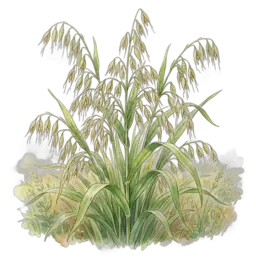
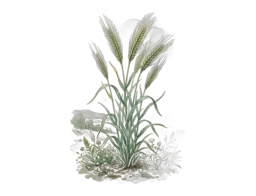
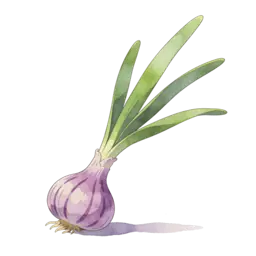
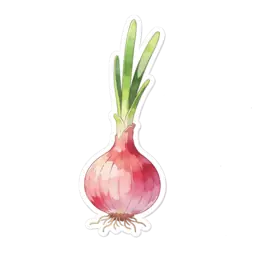
Group it in the same bedPlants with the same watering or the same sun
They are not essential companions, but you will not have to water or position them differently.