Credits and licences
- #1 — vueltaalhuerto illustration
- #2 — vueltaalhuerto illustration
- #3 — vueltaalhuerto illustration
- #4 — vueltaalhuerto illustration
- #5 — vueltaalhuerto illustration
- #6 — vueltaalhuerto illustration
- #7 — vueltaalhuerto illustration
- #8 — vueltaalhuerto illustration
- #9 — vueltaalhuerto illustration
- #10 — vueltaalhuerto illustration
Largueta almond
Largueta almond is planted from November to February. It is harvested from August to September. Grow it in full sun, 600 cm apart, with little watering. Dates are for a mild temperate climate in the northern hemisphere; the calendar below adjusts them to your zone.
A long, flat almond of excellent quality for turrón (Spanish nougat), sugared almonds and snacking. It is a traditional, early-flowering variety, sensitive to late frosts, and self-incompatible: to crop it needs another compatible almond nearby that flowers at the same time.
Family and origin: Rose family (Rosaceae) · native to Aragon, Spain · More plants from Central Asia
01In your area
How will it do in your garden?
Year calendar
| Task | J | F | M | A | M | J | J | A | S | O | N | D |
|---|---|---|---|---|---|---|---|---|---|---|---|---|
| Plant / transplantNov–Feb | yes | yes | no | no | no | no | no | no | no | no | yes | yes |
| HarvestAug–Sep | no | no | no | no | no | no | no | yes | yes | no | no | no |
| FloweringJan–Feb | yes | yes | no | no | no | no | no | no | no | no | no | no |
| PruningJan–Feb | yes | yes | no | no | no | no | no | no | no | no | no | no |
Its life cycle at a glance
Swipe and tap a stage to see its details.
02Planting
Where and how to plant it
Leave 6 m between plants.
6 m between plants
Seedlings are planted with the root ball level with the soil.
- In a square-foot bed
- 1 plant every 400 squares30 × 30 cm squares
- Transplanting
- Nov–Feb
03Care
Care through the year
Sun and aspectFull sun · 8 h of sun · South or south-west, with nothing casting shade at midday
- Too little sun
- Ideal range
- Plenty of sun
South or south-west, with nothing casting shade at midday
Strong sun: Loves full midday sun and high temperatures.
WateringLet it dry out between waterings · summer: every 5-7 days
- Summerevery 5-7 days15 L per tree/week
- Spring / Autumnevery 10-14 days6 L per tree/week
- Winteronly in extreme drought (once a month)2.3 L per tree/week
Let it dry out between waterings: A Mediterranean favourite: better thirsty than overwatered.
When to water? Push your finger 5 cm into the soil next to the base of the plant:
- Damp: soil sticks to your finger. Do not water yet. It has more than enough; wait for it to dry out more.
- Cool but clean, no mud. Wait another 1-2 days before watering.
- Dry and dusty. Water now, but moderately. Do not overdo it: it prefers thirst to excess.
Soil and feedingA deep planting hole and well-drained soil
A deep planting hole and well-drained soil.
The site's own topsoil + 1/3 well-rotted compost + a handful of sand if there is clay.
Good: prolonged waterlogging rots the roots.
This plant prefers a pH between 6.0 and 7.0 (slightly acidic to neutral).
- Dig a hole at least 60×60×60 cm before planting.
- A thick mulch around the tree (not touching the trunk) reduces water stress.
- Spread compost on the surface every autumn; never bury the graft union.
- A narrow hole in hard ground: the roots end up trapped as if in a pot.
- Burying the graft encourages rot and takes vigour away from the rootstock.
- Common mistakeDo not bury the graft union (the bulge on the trunk): if it ends up below ground it rots. Leave it a little above the soil.
PruningWhen: Jan–Feb
Pruning time for this plant: Jan–Feb.
- TipLight formative pruning to an open-centre (vase) shape in the first few years; supplementary watering only in very dry summers, as it tolerates drought better than other stone fruit trees.
- TipPlant while dormant (autumn to winter) and shape the canopy by pruning in the first few years.
04Harvest
Harvesting and storing
Harvest in Aug–Sep.
- TipA good mulch and drip irrigation in summer make all the difference to the harvest.
05Propagation
Make new plants
Buy it grafted, on a seedling almond rootstock for unirrigated land or on a peach × almond hybrid rootstock for irrigated land, and plant bare-root from November to February, while the tree is dormant. Nurseries also sell it in containers, best planted in autumn or at the end of winter.
06Uses and health
What it is used for, and with what care
The sweet almond is edible, although it is one of the nuts that cause the most allergies. Bitter almonds, the leaves and the green fruit contain amygdalin, which releases cyanide: they are toxic to people and pets in quantity.
- Properties
- A very nutritious nut; the sweet almond is a baking classic.
- Uses
- Almonds raw, roasted or fried; ideal for turrón and sugared almonds.
For guidance only; this is not medical treatment and does not replace advice from a doctor or vet.
07Companions and related plants
What to plant it with
Good companions

Group it in the same bedPlants with the same watering or the same sun
They are not essential companions, but you will not have to water or position them differently.
Same watering · Little water
Compare with similar varieties
| Variety | Sowing | Harvest | Days | Spacing | Difficulty |
|---|---|---|---|---|---|
| Guara almond | Nov–Feb | Aug–Sep | — | 500 cm | Moderate |
| Largueta almond | Nov–Feb | Aug–Sep | — | 600 cm | Moderate |
| Marcona almond | Nov–Feb | Sep | — | 500 cm | Moderate |
08Pests and diseases
Critters and ailments to keep an eye on
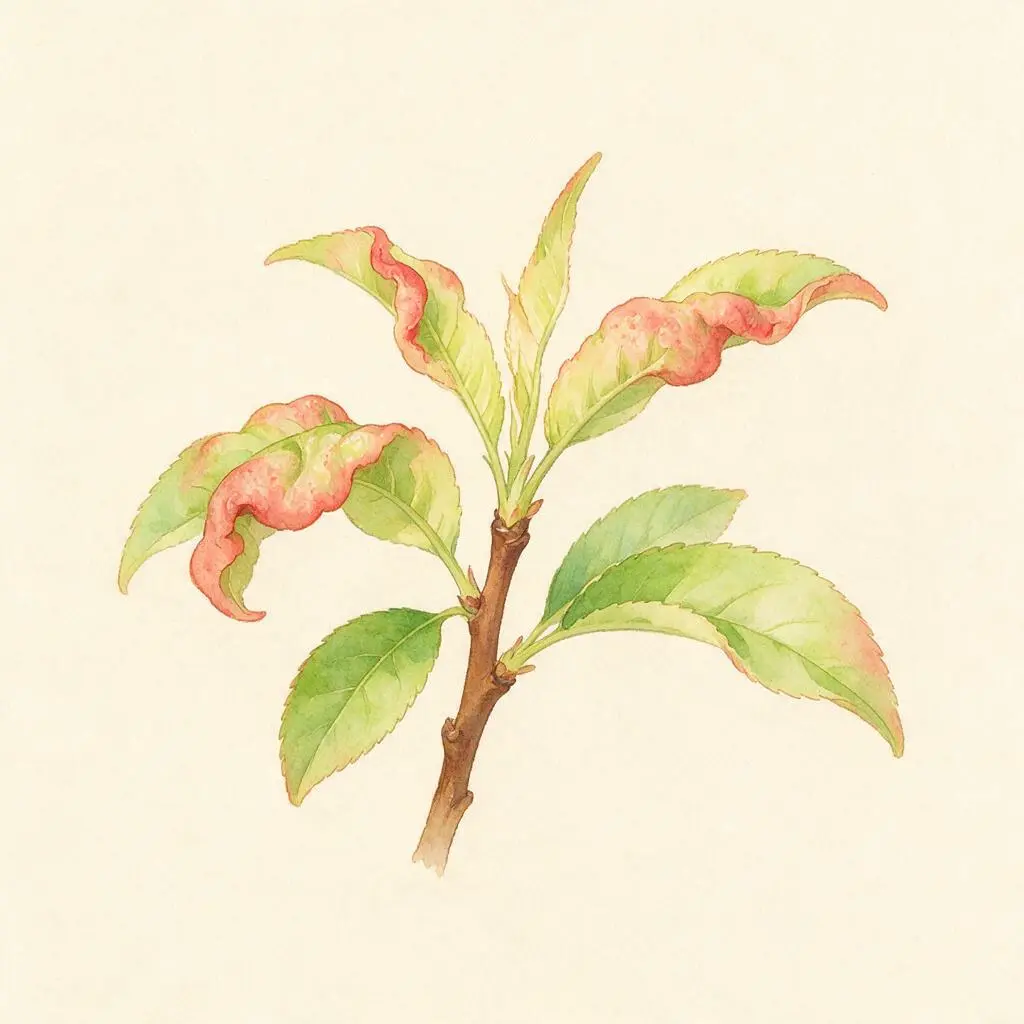
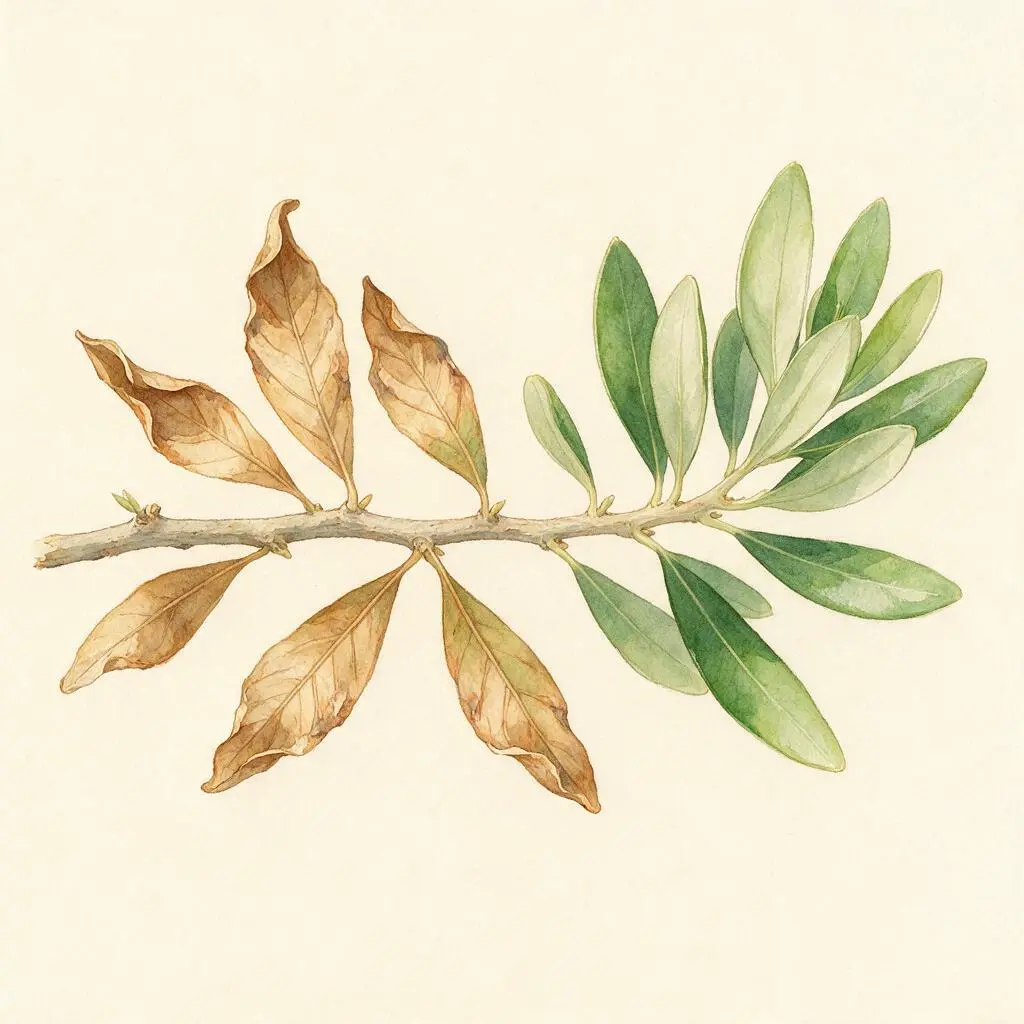
The most common ones on this plant. Tap one to see how to recognise it and what to do.