
Credits and licences
- #1 — vueltaalhuerto illustration
- #2 — vueltaalhuerto illustration
- #3 — vueltaalhuerto illustration
- #4 — vueltaalhuerto illustration
- #5 — vueltaalhuerto illustration
- #6 — vueltaalhuerto illustration
- #7 — vueltaalhuerto illustration
- #8 — vueltaalhuerto illustration
- #9 — vueltaalhuerto illustration
Golden kiwi fruit
and 2 more names
kiwifruit, Actinidia chinensisGolden kiwi fruit is planted from November to March. It is harvested from October to November. Grow it in full sun, 400 cm apart, with plenty of watering. Dates are for a mild temperate climate in the northern hemisphere; the calendar below adjusts them to your zone.
A vigorous deciduous climber bearing smooth-skinned, almost hairless kiwi fruit with golden-yellow flesh, sweeter and less acidic than that of the common green kiwi. Like other kiwis, it has separate male and female plants: only the females fruit, and they need a male of a compatible variety that flowers at the same time. It needs a strong support, such as a pergola or a wired arbour, because the foliage and crop are very heavy. It is slightly more sensitive to cold when coming into leaf than the green kiwi, but needs fewer winter chill hours, so it suits mild, humid areas of the north and the coast well.
Family and origin: Kiwifruit family (Actinidiaceae) · native to China · More plants from Far East
01In your area
How will it do in your garden?
Year calendar
| Task | J | F | M | A | M | J | J | A | S | O | N | D |
|---|---|---|---|---|---|---|---|---|---|---|---|---|
| Plant / transplantNov–Mar | yes | yes | yes | no | no | no | no | no | no | no | yes | yes |
| HarvestOct–Nov | no | no | no | no | no | no | no | no | no | yes | yes | no |
| FloweringApr–May | no | no | no | yes | yes | no | no | no | no | no | no | no |
| PruningJan–Feb, Jul | yes | yes | no | no | no | no | yes | no | no | no | no | no |
| CuttingsJan–Feb | yes | yes | no | no | no | no | no | no | no | no | no | no |
Its life cycle at a glance
Swipe and tap a stage to see its details.
02Planting
Where and how to plant it
Leave 4 m between plants and 5 m between rows; give it a stake from the start.
4 m between plants · 5 m between rows
Seedlings are planted with the root ball level with the soil.
- In a square-foot bed
- 1 plant every 196 squares30 × 30 cm squares
- Transplanting
- Nov–Mar
- Support
- Needs a stake
- TipPlant a female and a male a few metres apart, in winter, in a spot sheltered from late spring frosts, which scorch the shoots and flowers.
- TipPlants usually start cropping after three or four years.
03Care
Care through the year
Sun and aspectFull sun · 8 h of sun · South or south-west, with nothing casting shade at midday
- Too little sun
- Ideal range
- Plenty of sun
South or south-west, with nothing casting shade at midday
Strong sun: Loves full midday sun and high temperatures.
Full sun or partial shade with plenty of light; in very hot areas it appreciates some shade at midday and a spot sheltered from the wind, which tears the large leaves.
WateringConstantly moist · summer: daily, or every 2 days when >30 °C
- Summerdaily, or every 2 days when >30 °C21 L per tree/week
- Spring / Autumnevery 3-4 days9.5 L per tree/week
- Winterevery 2 weeks if dry2.4 L per tree/week
Constantly moist: The soil should always feel cool and damp. Ideal with mulch and drip irrigation. Mulch: straw or dry plant material cuts watering by 30-50 %.
Regular, generous watering in summer, because it has shallow roots and suffers in drought and dry heat. It prefers cool soil, rich in organic matter and well drained, and does not tolerate waterlogging or very chalky soils (its leaves turn yellow).
When to water? Push your finger 2 cm into the soil next to the base of the plant:
- Damp: soil sticks to your finger. Do not water, although for this plant it is just right — check again tomorrow.
- Cool but clean, no mud. Water today: it likes to stay constantly moist.
- Dry and dusty. Water urgently and add mulch to hold in moisture.
- Common mistakeOverwatering in summer swells the fruit but takes away its flavour.
Soil and feedingpH 5.5–7 · Deep, free-draining, not too rich soil
Deep, free-draining, not too rich soil.
Topsoil + 20-30 % coarse sand or fine gravel. Little compost.
High: wet feet rot the vine.
This plant prefers a pH between 5.5 and 7.0 (slightly acidic to neutral).
- Very fertile soil gives lots of leaf and shoots, little fruit and poor quality.
- Frequent watering in summer swells the fruit and takes away its sugar.
PruningWhen: Jan–Feb, Jul
Pruning time for this plant: Jan–Feb, Jul.
- TipTrain the plant along wires or a pergola and prune in winter to renew the wood that has already fruited, and in summer pinch out long shoots to let in light and air.
- TipWinter pruning concentrates the sap and improves next year's fruit.
- Common mistakeNot pruning leaves an unproductive tangle that is prone to disease.
Common mistakes and tips
- TipOne well-placed male is enough to pollinate several females, but check with the nursery which male is compatible with your variety and when it flowers.
- TipGive it a sturdy support (pergola, wires) from the start.
04Harvest
Harvesting and storing
Harvest in Oct–Nov.
- TipHarvest when the fruits have reached full size and are starting to sweeten, in autumn, and let them ripen for a few days indoors.
05Propagation
Make new plants
Nursery plants are usually rooted cuttings or plants grafted onto kiwi rootstock. At home, propagate from hardwood cuttings of the previous year's shoots, taken in winter (January and February) with two or three buds, and from semi-ripe cuttings in summer. Sowing seed is not advisable: it produces very variable plants, and you will not know whether they are male or female until they flower, and they take years to fruit.
06Uses and health
What it is used for, and with what care
The fruit is not toxic, but kiwi is a common allergen: it can cause itching in the mouth and throat or more serious reactions in allergic people, especially those allergic to latex, birch pollen or other fruits; if you have a known allergy, avoid it. Its enzymes can irritate the mouth or skin if eaten or handled in large quantities. For dogs and cats, the fruit in small amounts is not dangerous, but the skin and scraps can cause digestive upset; some cats chew the stems and shoots of Actinidia, so it is worth protecting young plants.
- Properties
- Rich in vitamin C, with fibre, potassium and vitamin K; golden kiwi is usually sweeter and less acidic than green.
- Uses
- Eaten fresh, scooped with a spoon or sliced, with its smooth skin (which is edible, though many people dislike it) or peeled, in fruit salads, yoghurts, smoothies and jams.
For guidance only; this is not medical treatment and does not replace advice from a doctor or vet.
07Companions and related plants
What to plant it with
Good companions
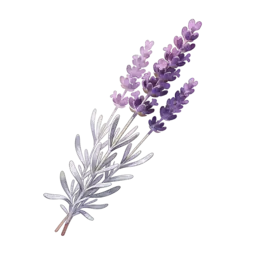
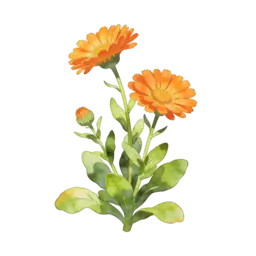
Group it in the same bedPlants with the same watering or the same sun
They are not essential companions, but you will not have to water or position them differently.
Same watering · Lots of water
Compare with similar varieties
| Variety | Sowing | Harvest | Days | Spacing | Difficulty |
|---|---|---|---|---|---|
| Kiwi fruit 'Hayward' | Dec–Mar | Oct–Nov | — | 500 cm | Moderate |
| Golden kiwi fruit | Nov–Mar | Oct–Nov | — | 400 cm | Moderate |
| Kiwiberry (baby kiwi) | Nov–Mar | Sep–Oct | — | 300 cm | Moderate |
| Arctic kiwi (Actinidia kolomikta) | Nov–Mar | Aug–Sep | — | 250 cm | Moderate |