
Credits and licences
- #1 — vueltaalhuerto illustration
- #2 — vueltaalhuerto illustration
- #3 — vueltaalhuerto illustration
- #4 — vueltaalhuerto illustration
- #5 — vueltaalhuerto illustration
- #6 — vueltaalhuerto illustration
- #7 — vueltaalhuerto illustration
- #8 — vueltaalhuerto illustration
- #9 — vueltaalhuerto illustration
- #10 — vueltaalhuerto illustration
- #11 — vueltaalhuerto illustration
- #12 — vueltaalhuerto illustration
- #13 — Acabashi · CC BY-SA 4.0 see on Wikimedia
- #14 — Nesnad · CC BY 4.0 see on Wikimedia
Florence fennel (bulb fennel)
and 2 more names
sweet fennel, Foeniculum vulgare var. azoricumFlorence fennel (bulb fennel) is sown directly outdoors from July to August. It is harvested from November to December (about 90 days to the first harvest). Grow it in full sun, 30 cm apart, with moderate watering. Dates are for a mild temperate climate in the northern hemisphere; the calendar below adjusts them to your zone.
What else to sow in July and August
Bulb or Florence fennel, crisp and aniseed-flavoured. It wants a cool climate and steady watering to form a tender bulb. Heat makes it bolt; earth up the base lightly.
Family and origin: Carrot family (Apiaceae) · native to Mediterranean basin · More plants from Mediterranean basin
01In your area
How will it do in your garden?
Year calendar
| Task | J | F | M | A | M | J | J | A | S | O | N | D |
|---|---|---|---|---|---|---|---|---|---|---|---|---|
| Direct sowingJul–Aug | no | no | no | no | no | no | yes | yes | no | no | no | no |
| HarvestNov–Dec | no | no | no | no | no | no | no | no | no | no | yes | yes |
Its life cycle at a glance
Swipe and tap a stage to see its details.
02Step by step
From seed to harvest, stage by stage
What the plant needs at each point in its life, from the seed to the harvest and on to the next seed. The figures are only a guide: your climate, your soil and the variety will shift them.
Approximate months for a temperate Spanish climate. Choose your zone in the calendar to adjust them.
Stage 1 · Year 1Sowing and germinationSowing and germination: Jul–AugGerminates in 7–14 daysFlorence fennel is sown in high summer so that it forms its bulb as the days of autumn grow shorter and cooler. It is sown directly where it is to grow, because its roots do not take well to transplanting and any damage pushes it to bolt.
Florence fennel is sown in high summer so that it forms its bulb as the days of autumn grow shorter and cooler. It is sown directly where it is to grow, because its roots do not take well to transplanting and any damage pushes it to bolt.
It comes up in one or two weeks if the soil is kept moist.
Temperature
min. 10°Cideal 15°C–21°Cmax. 30°CIn high summer, sow during the cool hours and keep the soil moist so it does not overheat.
Moisture and watering
In the summer heat the surface layer dries out quickly, so water gently to keep it moist until the seedlings come up, without forming a crust or washing the seed away.
How often: Every day or every other day in hot weather, until it comes up.
Light · Not important
It needs no light to germinate; in high summer, light shade netting over the sowing helps stop it drying out.
Container · Straight into the ground
Sow in the garden 0.5-1 cm deep, in rows 40-50 cm apart, and thin out later. If you start it in modules, transplant it very early, with the root ball intact and without disturbing the roots.
Potting mix or soil
pH 6–7.5
It prefers loose, moisture-retentive, well-drained soil rich in organic matter.
Nutrients
Mainly needs: no fertiliser
It needs no fertiliser to germinate; a bed prepared with compost is enough.
Protection
- Cover the sowing with shade netting or a very thin mulch if the August sun dries out the surface.
Common problems
- Slugs and snails. They devour newly emerged seedlings, especially after evening watering.
Warning signs
Very little comes up, and unevenly.
Likely cause: The soil surface has dried out or become too hot.
What to do: Re-sow, watering daily, and shade the sowing during the hottest hours.
Reference photos
When it moves on to the next stageMove on to the growing stage when the seedlings have two or three feathery leaves and are about 5-8 cm tall.
Stage 2 · Year 1Growth and bulb formationGrowth and bulb formation: Aug–OctLasts about 50–80 daysThe plant puts out a tuft of fine, feathery leaves, and the bases of its stalks gradually widen and overlap until they form the white bulb. To make it large and tender it needs steady watering and must not go short of anything.
The plant puts out a tuft of fine, feathery leaves, and the bases of its stalks gradually widen and overlap until they form the white bulb. To make it large and tender it needs steady watering and must not go short of anything.
Seven to eleven weeks from germination until the bulb is a good size.
Temperature
min. 5°Cideal 15°C–22°Cmax. 30°CStrong heat, long days and drought make it bolt before it forms a bulb.
Moisture and watering
Keep the soil moist at all times, watering regularly at the base. Ups and downs in moisture toughen the bulb and make it bolt.
How often: Every two or three days in hot weather; once or twice a week in autumn if it does not rain.
How much: As a rough guide, 10-15 L per square metre each time.
Light · Full sun
6–10 h of light
Full sun in autumn; on the hottest days at the end of summer it appreciates some shade.
Potting mix or soil
Keep the soil mulched so it holds moisture and does not get too hot.
Nutrients
Mainly needs: nitrogen (N), potassium (K)
A top-dressing of compost or diluted plant feed halfway through helps the bulb swell.
How often: Once or twice during the crop.
What with: compost, diluted nettle feed
Protection
- If the end of summer is very hot, shade netting during the middle of the day stops it bolting.
Jobs for this stage
- Thin out to about 25-30 cm between plants when they are about 10 cm tall.
- When the bulb starts to swell, earth up a little soil around it so it comes out whiter and more tender.
- Weed carefully so as not to damage the roots.
Common problems
- Aphids. They settle on the feathery leaves and at the base of the stalks, sometimes protected by ants.
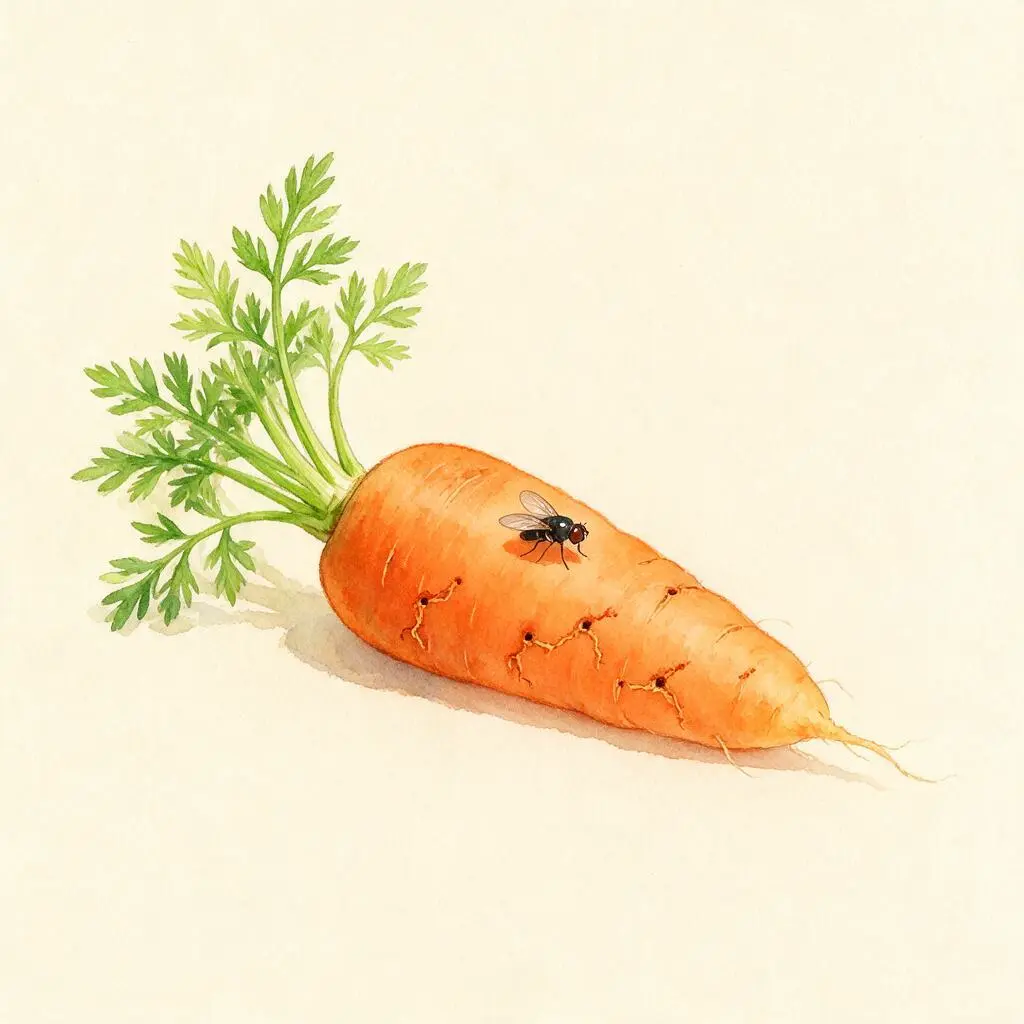
- Carrot fly. Its larva can damage the root and the base of the bulb, as in other umbellifers.
- Slugs and snails. They hide between the layers of the bulb in damp autumns.
Warning signs
A flower stalk rises from the centre before the bulb swells.
Likely cause: Heat, long days, drought or a transplant that damaged the roots.
What to do: Use the leaves and tender stalks; next time sow at the end of summer and do not transplant.
The bulb stays flat and elongated.
Likely cause: Lack of water or fertility, or plants too close together.
What to do: Water more regularly and thin out the next sowing better.
Reference photos
When it moves on to the next stageMove on to harvest when the bulb is rounded, firm and about 7-10 cm across.
Stage 3 · Year 1Bulb harvestBulb harvest: Nov–DecLasts about 20–45 daysThe bulb is harvested firm and tight, before it opens or starts to bolt. It can be picked over several weeks in autumn, and it copes well with cool weather as long as there are no hard frosts.
The bulb is harvested firm and tight, before it opens or starts to bolt. It can be picked over several weeks in autumn, and it copes well with cool weather as long as there are no hard frosts.
It stays at its best for three to six weeks in cool weather.
For this varietyThe Florence fennel (bulb fennel) profile gives about 90 days to the first harvest; treat it as a rough guide.
Temperature
min. -2°Cideal 10°C–20°Cmax. 25°CIt withstands very light frosts; with harder frosts the bulb spoils.
Moisture and watering
Keep watering if it does not rain, so the bulb does not toughen before harvest.
How often: Once a week in autumn if it does not rain.
How much: As a rough guide, 10-15 L per square metre each time.
Light · Full sun
At least 6 h of light
Full sun in autumn.
Nutrients
Mainly needs: no fertiliser
No feeding is needed at this stage.
Protection
- If frosts are forecast, harvest the mature bulbs or cover them with horticultural fleece.
Jobs for this stage
- Harvest the bulbs as they become ready, starting with the largest.
- If you cut a little above the root, the plant may regrow a few usable tender shoots.
Harvesting
When it is ready: Harvest when the bulb is rounded, greenish white, smooth and firm to the touch, with the layers tightly packed and no cracks, and about 7-10 cm across. A very large or loose bulb is usually already stringy.
How to pick: Cut the bulb with a sharp knife at ground level or a little above the root. Remove the long stalks and keep the feathery leaves for flavouring.
Time of day: Harvest in the morning, when the bulb is cool and crisp.
Yield: As a rough guide, 200 to 400 g per bulb, depending on the variety and watering.
How to store: With the long stalks removed and wrapped in a perforated bag, it keeps in the fridge for about a week. The leaves can be chopped and frozen.
Common problems
- Slugs and snails. They make holes in the outer layers of the bulb in the autumn damp.
- Aphids. They may linger on the leaves if the autumn is mild.
Warning signs
The bulb stretches, opens and a flower stalk appears.
Likely cause: Harvest was delayed or the heat has returned.
What to do: Harvest whatever is still firm as soon as possible.
Reference photos
When it moves on to the next stageThe cycle ends with hard frosts or when the remaining bulbs stretch and bolt.
Stage 4 · Year 1End of the cycleEnd of the cycle: Dec–JanLasts about 7–21 daysWith the frosts or the return of the heat, any remaining fennel bolts and is no longer usable. It is time to clear the bed, except for plants you want to leave to flower for seed.
With the frosts or the return of the heat, any remaining fennel bolts and is no longer usable. It is time to clear the bed, except for plants you want to leave to flower for seed.
Jobs for this stage
- Pull up the bolted plants or let them flower, because their yellow flowers attract many beneficial insects.
- Put the healthy debris on the compost heap.
- Do not sow fennel, carrots, celery or parsley in the same place again for three or four years.
Common problems
- Carrot fly. The larvae overwinter in the soil; rotation helps break their cycle.
Warning signs
The bolted plants self-sow all over the garden.
Likely cause: The seeds were left to ripen and fall.
What to do: Cut the umbels before they dry out completely if you do not want it to spread.
Second year: these stages are only needed if you want to save your own seed. Leave a few healthy plants in the ground after harvesting and they will overwinter and flower.
Stage 5 · Year 2 · only for seedSeeds and propagationSeeds and propagation: Aug–SepLasts about 40–60 daysFlorence fennel is harvested in its first year and the seed comes in its second. In the second year, if you want seed, leave a few healthy plants in the ground without cutting the bulb: after the winter they run to flower in summer, and their yellow umbels give long seeds that are also used as a spice.
Florence fennel is harvested in its first year and the seed comes in its second. In the second year, if you want seed, leave a few healthy plants in the ground without cutting the bulb: after the winter they run to flower in summer, and their yellow umbels give long seeds that are also used as a spice.
From the opening of the umbels until the seeds are brown and dry takes six to eight weeks.
Saving seed
When the seed is ripe: Choose healthy plants with well-formed bulbs typical of their variety, and leave them in the ground to flower. The seeds are ripe at the end of summer, when they turn from green to golden brown and come away easily.
How to extract it: Cut whole umbels with a piece of stalk before the seeds drop, put them upside down in a paper bag and shake or rub them to release the seeds.
Drying: Spread them in a thin layer for three to ten days, in an airy, shady place.
Storage: Store them in a jar, or in an envelope inside an airtight jar, labelled with the name and year, in a cool, dry, dark place.
The seed stays viable for about 3–4 years.
F1 hybrids: Many modern Florence fennels are F1 hybrids and their seed will not reproduce the variety. Only save seed from heritage or open-pollinated varieties.
Cross-pollination: It is insect-pollinated and crosses with common fennel, including the wild fennel of roadside verges, because they are the same species. If there is wild fennel flowering nearby, the seed may produce plants that do not form a bulb.
Reference photos
Sources and review
Reviewed on 4 November 2026. Approximate figures, written from these sources and the data in this profile.
- Royal Horticultural Society: How to grow Florence fennel
- Utah State University Extension: How to grow fennel in your garden
- Oregon State University Extension: soil temperature and vegetable seed germination
- J. V. Maroto: Horticultura herbácea especial (Mundi-Prensa), chapter on fennel
- Vuelta al Huerto catalogue data (germination, calendar and Visual harvest guide)
03Planting
Where and how to plant it
Sow the seed 1 cm deep; leave 30 cm between plants and 40 cm between rows.
30 cm between plants · 40 cm between rows
Seed at a depth of 1 cm.
- In a square-foot bed
- 1 plant per square30 × 30 cm squares
- Direct sowing
- Jul–Aug
- Germination
- ~10 days
- Common mistakePlanting too close together cuts down air flow and encourages fungal disease.
04Care
Care through the year
Sun and aspectFull sun · 8 h of sun · South- or south-west-facing, with nothing casting shade at midday
- Too little sun
- Ideal range
- Plenty of sun
South- or south-west-facing, with nothing casting shade at midday
Strong sun: Loves full midday sun and high temperatures.
WateringMoist but never waterlogged · summer: every 2-3 days
- Summerevery 2-3 days2 L per plant/week
- Spring / Autumnevery 4-5 days1 L per plant/week
- Winterevery 2-3 weeks0.3 L per plant/week
Moist but never waterlogged: Water before the surface is completely dry. Never puddles. Mulch: straw or dry plant material cuts watering by 30-50 %.
When to water? Push your finger 3 cm into the soil next to the base of the plant:
- Damp: soil sticks to your finger. Do not water today. The moisture is fine.
- Cool but clean, no mud. Water early tomorrow if it stays like this, or this evening.
- Dry and dusty. Water now, and deeply. This is not where it likes to be.
Soil and feedingRich, airy loam
Rich, airy loam.
40 % topsoil · 40 % well-rotted compost · 20 % perlite or sand.
Medium: moist but never waterlogged.
This plant prefers a pH between 6.0 and 7.0 (slightly acidic to neutral).
- Well-rotted compost every season and well-decomposed manure in autumn.
- Mulch with straw or dry plant material to hold moisture and smother weeds.
- Rotate crops: do not grow the same family in the same spot two years running.
- Compacted soil or unbroken clay can halve the harvest.
- Watering with a hose from above compacts the soil: drip irrigation or watering at the base is better.
- TipWater regularly without letting the soil dry out, and cut the bulb at ground level when it is firm and well formed.
- TipDig compost into the soil before planting and keep watering regular so growth never stalls.
05Harvest
Harvesting and storing
Harvest in Nov–Dec; the first, about 90 days after sowing.
- TipSow it in summer to harvest in autumn: spring sowings tend to bolt with the long days and the heat.
- TipWatch the plant and harvest at the right moment: every crop has its own.
- Common mistakeWatering in fits and starts (bone dry, then waterlogged) stresses the plant and lowers the yield.
06Uses and health
What it is used for, and with what care
- Properties
- Aids digestion and relieves wind; aniseed flavour, rich in fibre.
- Uses
- Raw in salads, braised or in stews.
For guidance only; this is not medical treatment and does not replace advice from a doctor or vet.
07Companions and related plants
What to plant it with
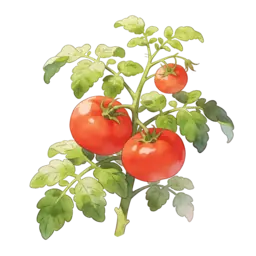
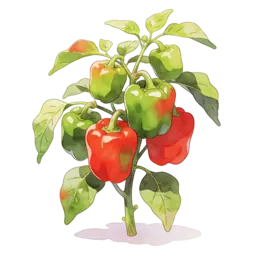
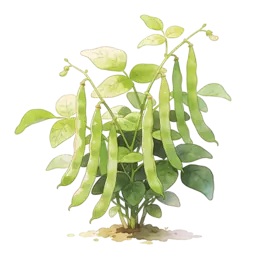
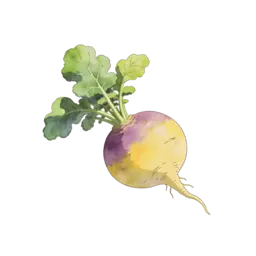
Group it in the same bedPlants with the same watering or the same sun
They are not essential companions, but you will not have to water or position them differently.
Compare with similar varieties
| Variety | Sowing | Harvest | Days | Spacing | Difficulty |
|---|---|---|---|---|---|
| Florence fennel (bulb fennel) | Jul–Aug | Nov–Dec | ~90 | 30 cm | Moderate |
| Common fennel | Mar–Apr, Aug–Sep | Jul–Oct | — | 50 cm | Easy |
| Rock samphire (sea fennel) | Feb–Apr, Sep–Oct | Apr–Oct | ~120 | 40 cm | Moderate |
08Pests and diseases
Critters and ailments to keep an eye on
The most common ones on this plant. Tap one to see how to recognise it and what to do.
No known toxicity to people or pets
Not toxic to people or pets in normal amounts.