Credits and licences
- #1 — vueltaalhuerto illustration
- #2 — vueltaalhuerto illustration
- #3 — vueltaalhuerto illustration
- #4 — vueltaalhuerto illustration
- #5 — vueltaalhuerto illustration
- #6 — vueltaalhuerto illustration
- #7 — vueltaalhuerto illustration
- #8 — vueltaalhuerto illustration
- #9 — vueltaalhuerto illustration
- #10 — vueltaalhuerto illustration
Rock samphire (sea fennel)
and 2 more names
crithmum, sampierRock samphire (sea fennel) is sown in seed trays from February to March or directly outdoors from March to April and from September to October, and planted out from April to May and in October. It is harvested from April to October (about 120 days to the first harvest). Grow it in full sun, 40 cm apart, with little watering. Dates are for a mild temperate climate in the northern hemisphere; the calendar below adjusts them to your zone.
What else to sow in February, March, April, September and October
A fleshy perennial of rocky coasts that forms a low clump 20 to 50 cm tall of thick, cylindrical, grey-green leaves, like small juicy needles, and in summer raises flat umbels of greenish-yellow flowers. Its tender leaves, with a salty, aromatic flavour with hints of citrus and fennel, are eaten in salads, pickled in vinegar or as a seasoning for fish. It lives in cliff crevices and on sandy or stony soils in sea air, although it does not need salt in the soil to grow: what it cannot tolerate is waterlogging. Do not confuse it with common fennel (Foeniculum vulgare) or with marsh samphire (Salicornia, another salty saltmarsh plant). In some coastal areas it is a monitored or protected species: do not pull it up in the wild, and grow it from seed or from a nursery plant.
Family and origin: Carrot family (Apiaceae) · native to Atlantic and Mediterranean coasts of Europe, and the Black Sea · More plants from Mediterranean basin
01In your area
How will it do in your garden?
Year calendar
| Task | J | F | M | A | M | J | J | A | S | O | N | D |
|---|---|---|---|---|---|---|---|---|---|---|---|---|
| Seed trayFeb–Mar | no | yes | yes | no | no | no | no | no | no | no | no | no |
| Direct sowingMar–Apr, Sep–Oct | no | no | yes | yes | no | no | no | no | yes | yes | no | no |
| Plant / transplantApr–May, Oct | no | no | no | yes | yes | no | no | no | no | yes | no | no |
| HarvestApr–Oct | no | no | no | yes | yes | yes | yes | yes | yes | yes | no | no |
| FloweringJul–Oct | no | no | no | no | no | no | yes | yes | yes | yes | no | no |
| CuttingsJun–Aug | no | no | no | no | no | yes | yes | yes | no | no | no | no |
| Divide the clumpMar–Apr | no | no | yes | yes | no | no | no | no | no | no | no | no |
Its life cycle at a glance
Swipe and tap a stage to see its details.
02Planting
Where and how to plant it
Sow the seed 5 mm deep; leave 40 cm between plants and 50 cm between rows.
40 cm between plants · 50 cm between rows
Seed at a depth of 5 mm; seedlings go in with the root ball level with the soil.
- In a square-foot bed
- 1 plant every 4 squares30 × 30 cm squares
- Transplanting
- Apr–May, Oct
- Seed tray
- Feb–Mar
- Direct sowing
- Mar–Apr, Sep–Oct
- TipIf you live inland, grow it in a pot and protect it from hard frosts.
03Care
Care through the year
Sun and aspectFull sun · 8 h of sun · South- or south-west-facing, with nothing casting shade at midday
- Too little sun
- Ideal range
- Plenty of sun
South- or south-west-facing, with nothing casting shade at midday
Strong sun: Loves full midday sun and high temperatures.
Full sun, or with some midday shade in the very hot interior of Spain. In poor light it becomes leggy and loses its flavour.
- TipGive it a sunny, very well-drained spot: a planter with sand and gravel, a dry-stone wall or a bank.
WateringLet it dry out between waterings · summer: every 5-7 days
- Summerevery 5-7 days0.4 L per plant/week
- Spring / Autumnevery 10-14 days0.2 L per plant/week
- Winteronly in extreme drought (once a month)0.1 L per plant/week
Let it dry out between waterings: A Mediterranean favourite: better thirsty than overwatered.
Sparse, infrequent watering with ordinary water (there is no need to add salt). Once established it copes well with drought; what kills it is compacted, waterlogged soil, so plant it in sand, gravel or on a bank.
When to water? Push your finger 5 cm into the soil next to the base of the plant:
- Damp: soil sticks to your finger. Do not water yet. It has more than enough; wait for it to dry out more.
- Cool but clean, no mud. Wait another 1-2 days before watering.
- Dry and dusty. Water now, but moderately. Do not overdo it: it prefers thirst to excess.
- Common mistakeOverwatering: most prefer to dry out between waterings.
Soil and feedingpH 6.5–8.5 · Free-draining, airy mix
Free-draining, airy mix.
40 % topsoil · 30 % coarse sand or perlite · 30 % well-rotted compost (less compost for Mediterranean herbs).
High: almost all prefer being thirsty to being wet.
This plant prefers a pH between 6.5 and 8.5 (neutral to alkaline).
- Mediterranean herbs in very rich, heavily watered soil: they grow a lot but lose their aroma.
- A pot without a drainage hole: the roots rot within weeks.
- TipMany Mediterranean herbs prefer poor soil and little water: more aroma.
Pruning
- TipPinch out the tips often so it branches and does not run to seed so soon.
Common mistakes and tips
- TipThey are naturally salty, so do not add salt when cooking them and rinse them well if you pickle them.
- Common mistakeLetting them flower early makes the leaves bitter (in leafy herbs).
04Harvest
Harvesting and storing
Harvest in Apr–Oct; the first, about 120 days after sowing.
- TipHarvest the young, fleshy leaves from spring to autumn by cutting the tips, before the plant runs to flower, because they then turn tough.
- TipDo not gather it in the wild: it may be protected and it grows in dangerous places.
05Propagation
Make new plants
It is propagated from seed and from cuttings. The seed is actually the dry fruit, with a corky coat that delays germination; sow it in autumn or late winter, shallowly, in moist, sandy potting mix, and it comes up in about three weeks, sometimes longer. Semi-ripe cuttings about 8 to 10 cm long taken in summer root in sand, and large clumps can be divided in spring.
Seeds: how to germinate them~21 days
06Uses and health
What it is used for, and with what care
It is edible in culinary amounts, but it is an umbellifer: the sap can irritate the skin and, in sunlight, cause marks in sensitive people (wear gloves when gathering it in summer and wash your hands). It is quite high in sodium, so eat it in moderation if you follow a low-salt diet. WARNING ABOUT LOOKALIKES: many wild umbellifers are toxic or deadly (hemlock, other members of the carrot family) and look similar; do not gather wild plants unless you are sure, and do not pull it up from cliffs, because it is dangerous and the species may be protected. Avoid eating it during pregnancy except in small culinary amounts. There are no reliable toxicity data for dogs and cats.
- Properties
- The leaves provide vitamin C, minerals and aromatic oils, and were used as sailors' food to prevent scurvy; its value is mainly culinary.
- Uses
- The young, tender leaves are eaten in small amounts, raw in salads or sauces, blanched or pickled in vinegar, and as an aromatic seasoning for fish and rice dishes. They are naturally salty: do not add salt.
For guidance only; this is not medical treatment and does not replace advice from a doctor or vet.
07Companions and related plants
What to plant it with
Good companions
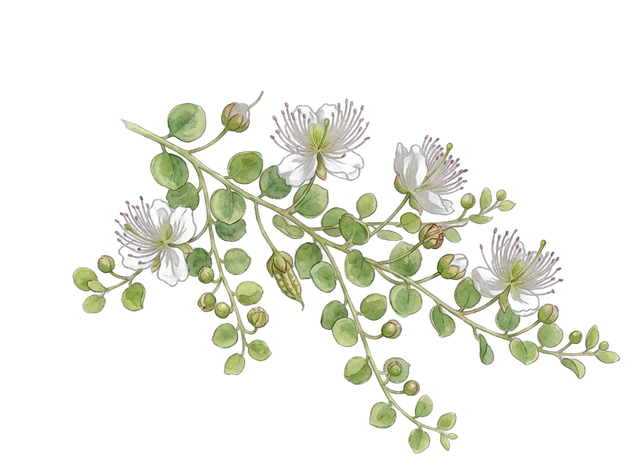
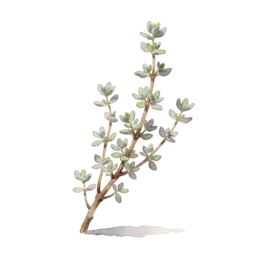
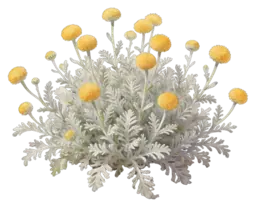
Group it in the same bedPlants with the same watering or the same sun
They are not essential companions, but you will not have to water or position them differently.
Same watering · Little water
Compare with similar varieties
| Variety | Sowing | Harvest | Days | Spacing | Difficulty |
|---|---|---|---|---|---|
| Florence fennel (bulb fennel) | Jul–Aug | Nov–Dec | ~90 | 30 cm | Moderate |
| Common fennel | Mar–Apr, Aug–Sep | Jul–Oct | — | 50 cm | Easy |
| Rock samphire (sea fennel) | Feb–Apr, Sep–Oct | Apr–Oct | ~120 | 40 cm | Moderate |
08Pests and diseases
Critters and ailments to keep an eye on
The most common ones on this plant. Tap one to see how to recognise it and what to do.