Credits and licences
- #1 — vueltaalhuerto illustration
- #2 — vueltaalhuerto illustration
- #3 — vueltaalhuerto illustration
- #4 — vueltaalhuerto illustration
- #5 — vueltaalhuerto illustration
- #6 — vueltaalhuerto illustration
- #7 — vueltaalhuerto illustration
- #8 — vueltaalhuerto illustration
- #9 — vueltaalhuerto illustration
Grenache grapevine
and 3 more names
Garnacha, Grenache Noir, wine grapeGrenache grapevine is planted from December to March. It is harvested from September to October. Grow it in full sun, 150 cm apart, with little watering. Dates are for a mild temperate climate in the northern hemisphere; the calendar below adjusts them to your zone.
A red grape that is very tolerant of drought and wind, producing warm, fruity wines. It is ideal for dry-farmed Mediterranean land.
Family and origin: Grape family (Vitaceae) · native to Aragón, Spain · More plants from Mediterranean basin
01In your area
How will it do in your garden?
Year calendar
| Task | J | F | M | A | M | J | J | A | S | O | N | D |
|---|---|---|---|---|---|---|---|---|---|---|---|---|
| Plant / transplantDec–Mar | yes | yes | yes | no | no | no | no | no | no | no | no | yes |
| HarvestSep–Oct | no | no | no | no | no | no | no | no | yes | yes | no | no |
| FloweringMay–Jun | no | no | no | no | yes | yes | no | no | no | no | no | no |
| PruningDec–Feb | yes | yes | no | no | no | no | no | no | no | no | no | yes |
| CuttingsJan–Feb | yes | yes | no | no | no | no | no | no | no | no | no | no |
Its life cycle at a glance
Swipe and tap a stage to see its details.
02Planting
Where and how to plant it
Leave 1.5 m between plants and 3 m between rows; give it a stake from the start.
1.5 m between plants · 3 m between rows
Seedlings are planted with the root ball level with the soil.
- In a square-foot bed
- 1 plant every 25 squares30 × 30 cm squares
- Transplanting
- Dec–Mar
- Support
- Needs a stake
03Care
Care through the year
Sun and aspectFull sun · 8 h of sun · South or south-west, with nothing casting shade at midday
- Too little sun
- Ideal range
- Plenty of sun
South or south-west, with nothing casting shade at midday
Strong sun: Loves full midday sun and high temperatures.
WateringLet it dry out between waterings · summer: every 5-7 days
- Summerevery 5-7 days6 L per tree/week
- Spring / Autumnevery 10-14 days2.4 L per tree/week
- Winteronly in extreme drought (once a month)0.9 L per tree/week
Let it dry out between waterings: A Mediterranean favourite: better thirsty than overwatered.
When to water? Push your finger 5 cm into the soil next to the base of the plant:
- Damp: soil sticks to your finger. Do not water yet. It has more than enough; wait for it to dry out more.
- Cool but clean, no mud. Wait another 1-2 days before watering.
- Dry and dusty. Water now, but moderately. Do not overdo it: it prefers thirst to excess.
- TipOnce established, water little or not at all.
- Common mistakeOverwatering in summer swells the fruit but takes away its flavour.
Soil and feedingDeep, free-draining, not too rich soil
Deep, free-draining, not too rich soil.
Topsoil + 20-30 % coarse sand or fine gravel. Little compost.
High: wet feet rot the vine.
This plant prefers a pH between 6.0 and 7.5 (slightly acidic to slightly alkaline).
- Very fertile soil gives lots of leaf and shoots, little fruit and poor quality.
- Frequent watering in summer swells the fruit and takes away its sugar.
PruningWhen: Dec–Feb
Pruning time for this plant: Dec–Feb.
- TipIts toughness in the face of drought and wind has made it the classic vine of dry-farmed Mediterranean vineyards, almost always trained as a free-standing bush vine with short pruning.
- TipWinter pruning concentrates the sap and improves next year's fruit.
- Common mistakeNot pruning leaves an unproductive tangle that is prone to disease.
Common mistakes and tips
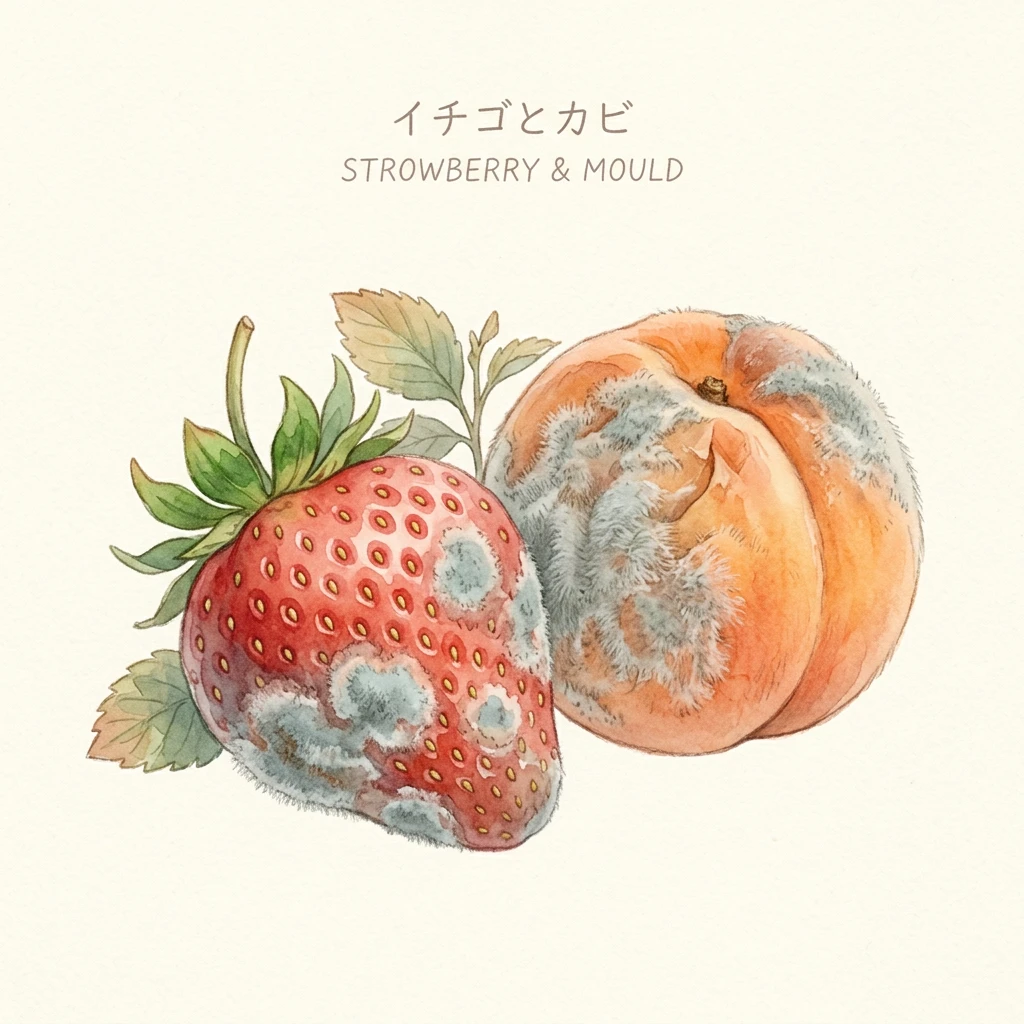
- TipIt is prone to poor fruit set (coulure), meaning it sets badly if the weather is cold or rainy during flowering, and to grey mould in very tight bunches.
- TipGive it a sturdy support (pergola, wires) from the start.
04Harvest
Harvesting and storing
Harvest in Sep–Oct.
05Propagation
Make new plants
Plant in winter as bare-root stock, or from pots at any time of year. Almost all of Spain has phylloxera, so the usual choice is to buy plants grafted onto an American rootstock (110 Richter, 1103 Paulsen, SO4…). Canes rooted in January and February only do well on their own roots in very sandy soils, where phylloxera barely spreads.
06Uses and health
What it is used for, and with what care
DANGER for dogs: grapes are toxic (kidney failure). If eaten, treat it as a veterinary emergency.
- Properties
- A wine grape rich in antioxidants.
- Uses
- Winemaking; fresh grapes.
For guidance only; this is not medical treatment and does not replace advice from a doctor or vet.
07Companions and related plants
What to plant it with
Good companions
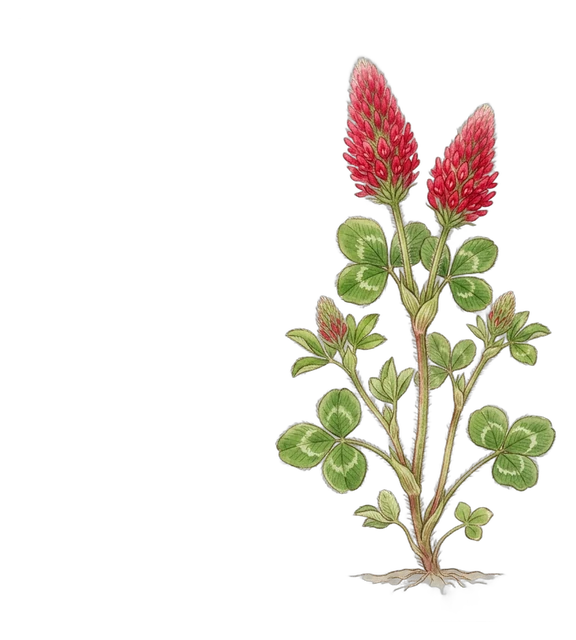
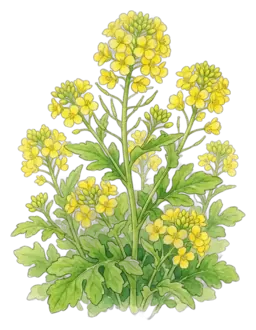
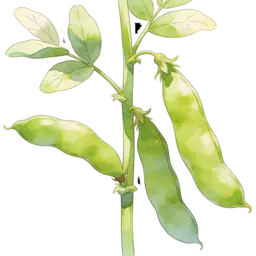
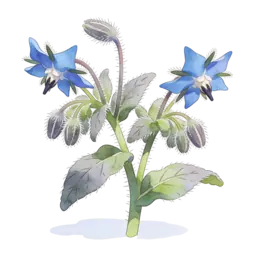
Group it in the same bedPlants with the same watering or the same sun
They are not essential companions, but you will not have to water or position them differently.
Same watering · Little water
08Pests and diseases
Critters and ailments to keep an eye on
The most common ones on this plant. Tap one to see how to recognise it and what to do.
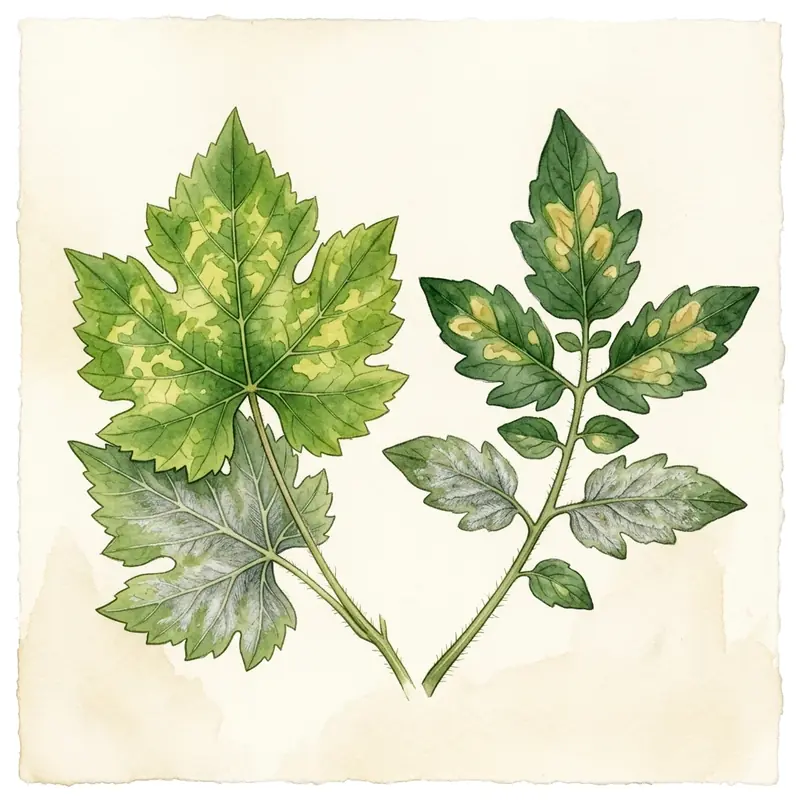
- Downy mildewSeriousA very destructive disease encouraged by damp conditions
- Botrytis (grey mould)ModerateThe grey mould fungus, which rots flowers, fruit and soft tissue, covering them in a grey felt
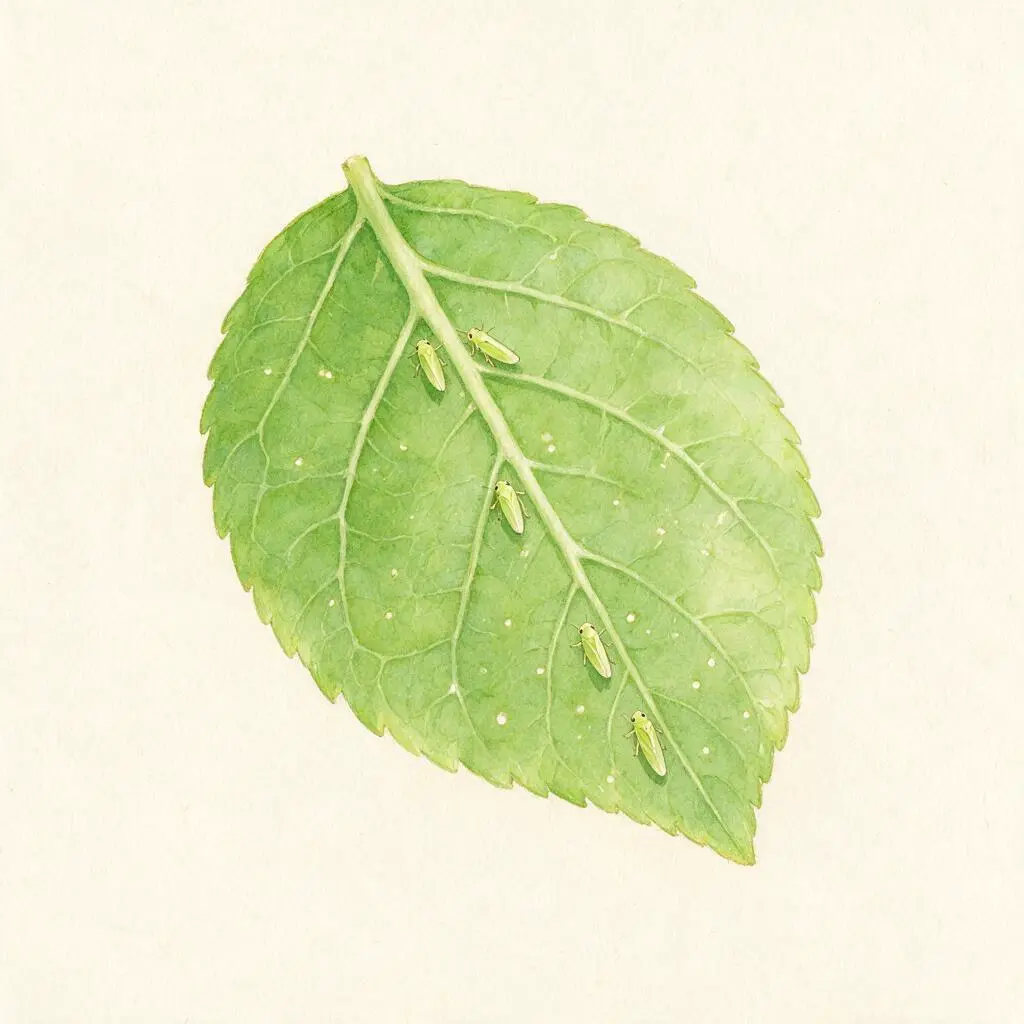
- LeafhoppersModerateSmall, elongated insects (3 to 5 mm), green or cream, that hop sideways
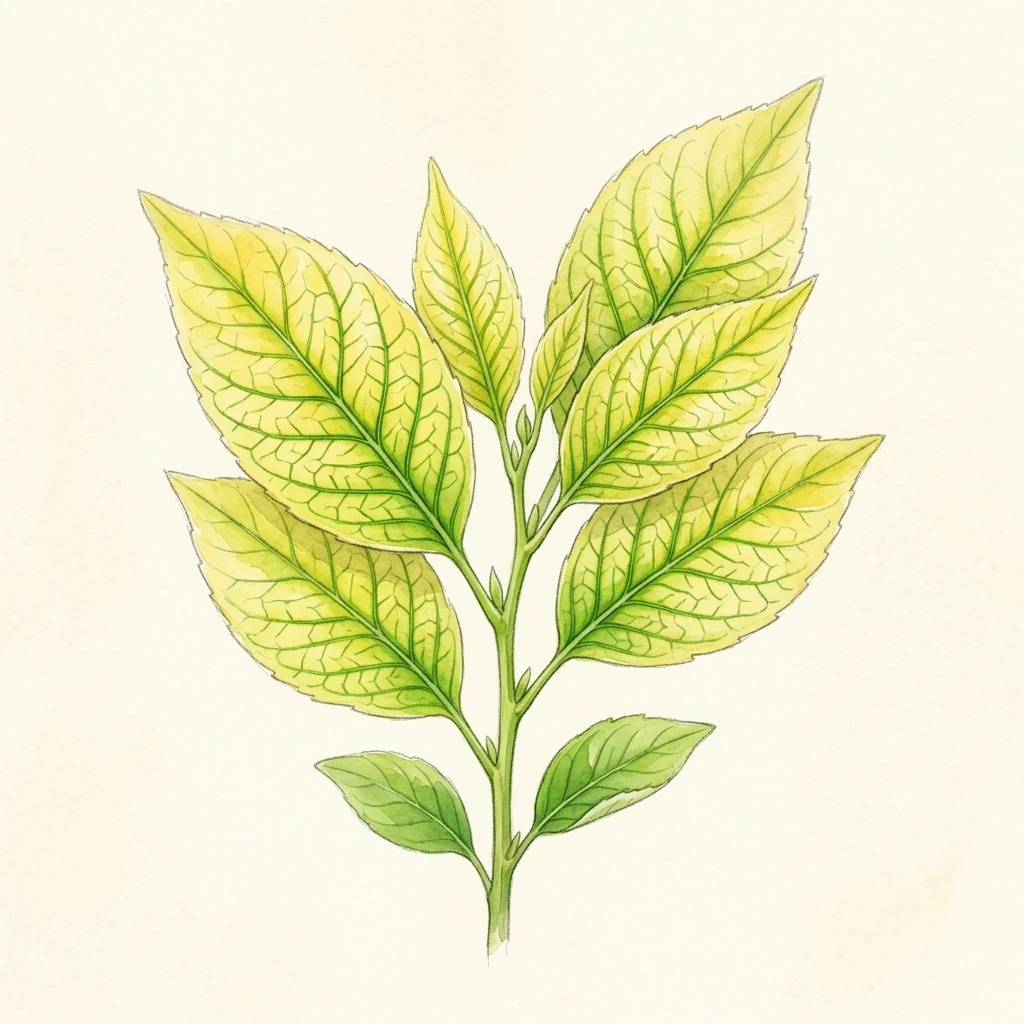
- Iron chlorosisModerateYellowing of young leaves caused by a lack of available iron, very common on chalky, limestone soils
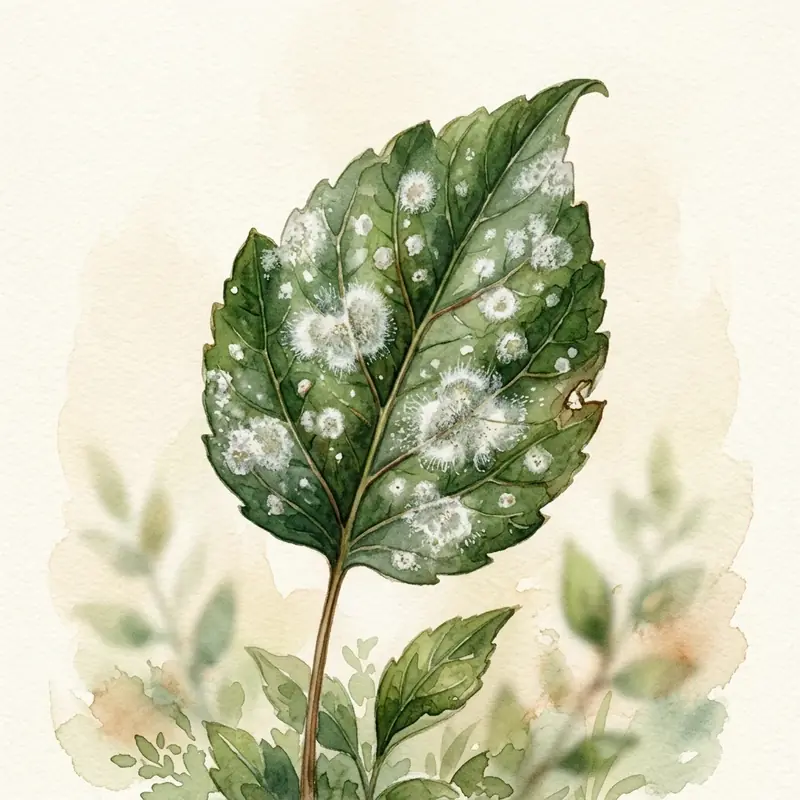
- Powdery mildewModerateA fungus that covers the leaves in a white, flour-like powder