
Credits and licences
- #1 — vueltaalhuerto illustration
- #2 — vueltaalhuerto illustration
- #3 — vueltaalhuerto illustration
- #4 — vueltaalhuerto illustration
- #5 — vueltaalhuerto illustration
- #6 — vueltaalhuerto illustration
- #7 — vueltaalhuerto illustration
- #8 — vueltaalhuerto illustration
- #9 — vueltaalhuerto illustration
- #10 — vueltaalhuerto illustration
Crimson clover
and 1 more names
Trifolium incarnatumCrimson clover is sown directly outdoors from February to March and from September to November. It is harvested from April to May (about 150 days to the first harvest). Grow it in full sun, 10 cm apart, with moderate watering. Dates are for a mild temperate climate in the northern hemisphere; the calendar below adjusts them to your zone.
What else to sow in February, March, September, October and November
A winter annual legume, 30 to 60 cm tall, with upright, hairy stems and leaves of three rounded leaflets, grown as a green manure, as fodder and as a bee plant. In spring it produces elongated, conical or cylindrical spikes of intense crimson flowers, very showy and much visited by honeybees and bumblebees. Like other legumes, it fixes nitrogen from the air with the help of bacteria in its roots, so it enriches the soil, and its dense foliage covers the ground and holds back weeds in winter. It is sown in autumn in a Mediterranean climate, or at the end of winter in colder areas, and is mown or dug into the soil as it starts to flower. It is not a kitchen plant. Do not confuse it with red clover (Trifolium pratense), which is perennial and pink-flowered, or with white clover (Trifolium repens), which is creeping.
Family and origin: Pea family (Fabaceae) · native to Southern and western Europe and the Mediterranean basin · More plants from Mediterranean basin
01In your area
How will it do in your garden?
Year calendar
| Task | J | F | M | A | M | J | J | A | S | O | N | D |
|---|---|---|---|---|---|---|---|---|---|---|---|---|
| Direct sowingFeb–Mar, Sep–Nov | no | yes | yes | no | no | no | no | no | yes | yes | yes | no |
| HarvestApr–May | no | no | no | yes | yes | no | no | no | no | no | no | no |
Its life cycle at a glance
Swipe and tap a stage to see its details.
02Planting
Where and how to plant it
Sow the seed 1 cm deep; leave 10 cm between plants and 20 cm between rows.
10 cm between plants · 20 cm between rows
Seed at a depth of 1 cm.
- In a square-foot bed
- 9 plants per square30 × 30 cm squares
- Direct sowing
- Feb–Mar, Sep–Nov
- Germination
- ~7 days
03Care
Care through the year
Sun and aspectFull sun · 8 h of sun · South or south-west, with nothing casting shade at midday
- Too little sun
- Ideal range
- Plenty of sun
South or south-west, with nothing casting shade at midday
Strong sun: Loves full midday sun and high temperatures.
Full sun or light partial shade. In cold mountain climates it does not overwinter well if sown late.
WateringMoist but never waterlogged · summer: every 2-3 days
- Summerevery 2-3 days2 L per plant/week
- Spring / Autumnevery 4-5 days1 L per plant/week
- Winterevery 2-3 weeks0.3 L per plant/week
Moist but never waterlogged: Water before the surface is completely dry. Never puddles. Mulch: straw or dry plant material cuts watering by 30-50 %.
Keep the soil slightly moist until it comes up, and after that it hardly needs watering in winter, except in very dry autumns. It tolerates poor, slightly acid soils, but not waterlogged or very chalky ground.
When to water? Push your finger 3 cm into the soil next to the base of the plant:
- Damp: soil sticks to your finger. Do not water today. The moisture is fine.
- Cool but clean, no mud. Water early tomorrow if it stays like this, or this evening.
- Dry and dusty. Water now, and deeply. This is not where it likes to be.
Soil and feedingpH 5.5–7.5 · Soil low in nitrogen (they fix their own)
Soil low in nitrogen (they fix their own).
50 % topsoil · 30 % very well-rotted compost · 20 % sand or perlite.
Medium, with good air around the roots.
This plant prefers a pH between 5.5 and 7.5 (slightly acidic to slightly alkaline).
- Do not add nitrogen: they fix their own in root nodules.
- Add wood ash or rock phosphate before sowing (more flowers and pods).
- Leave the roots in the soil after harvesting: they enrich the ground.
- Feeding with manure or urea produces lots of plant and few pods.
- Overwatering during germination rots the seed before it comes up.
- TipMow or cut it as it starts to flower, in April or May, and leave it on the soil as a mulch or dig it in shallowly about two or three weeks before planting the next vegetable crop.
- TipSow densely to cover the soil and cut it before it sets seed; leave it as mulch or work it into the surface.
- Common mistakeBurying it deep or in waterlogged soil: it breaks down poorly.
Common mistakes and tips
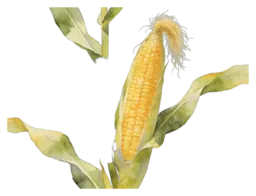
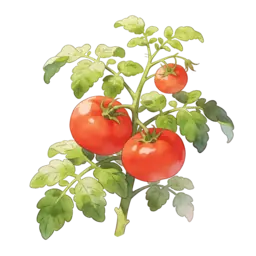
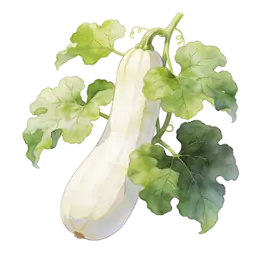
- TipIt is a good forerunner for maize, tomatoes and courgettes, and a good winter cover for empty beds.
04Harvest
Harvesting and storing
Harvest in Apr–May; the first, about 150 days after sowing.
- TipNo extra feeding: its job is to improve the soil, not to give a crop.
05Propagation
Make new plants
Only by seed, broadcast or sown in rows directly in the ground, about 1 cm deep and covered with a light raking. On a small plot, scatter about 2 to 4 g of seed per m² and tread it in or roll it so it makes contact with the soil. It germinates in one or two weeks in mild temperatures. In soils where no legume has grown before, nitrogen fixation can be improved with a commercial clover inoculant.
Seeds: how to germinate them~7 days
06Uses and health
What it is used for, and with what care
No toxicity to people is known from normal handling. For livestock and horses, the danger is the ripe, dry flower head, with stiff hairs, which can form balls of hair and fibre in the stomach or intestine and cause blockages, so it should not be given as fodder once it has set seed; if you keep animals, cut it before or at flowering. Clovers can also cause bloat in ruminants if they graze a large amount of fresh growth at once. There are no reliable data for dogs and cats: do not let them eat large amounts.
- Properties
- It is a green manure and bee plant, and its flowers provide nectar and pollen for honeybees and bumblebees in spring. It is not grown for medicinal purposes.
- Uses
- It is not a kitchen plant. Its flowers are edible in small amounts, but it is not used as food and there are no established doses or culinary uses.
For guidance only; this is not medical treatment and does not replace advice from a doctor or vet.
07Companions and related plants
What to plant it with
Group it in the same bedPlants with the same watering or the same sun
They are not essential companions, but you will not have to water or position them differently.
Same watering · Moderate watering
Compare with similar varieties
| Variety | Sowing | Harvest | Days | Spacing | Difficulty |
|---|---|---|---|---|---|
| White clover | Mar–Apr, Sep–Oct | May–Sep | ~90 | 10 cm | Easy |
| Good luck plant (four-leaf oxalis) | Mar–May | May–Sep | ~70 | 8 cm | Easy |
| Crimson clover | Feb–Mar, Sep–Nov | Apr–May | ~150 | 10 cm | Easy |