
Credits and licences
- #1 — vueltaalhuerto illustration
- #2 — vueltaalhuerto illustration
- #3 — vueltaalhuerto illustration
- #4 — vueltaalhuerto illustration
- #5 — vueltaalhuerto illustration
- #6 — vueltaalhuerto illustration
- #7 — vueltaalhuerto illustration
- #8 — vueltaalhuerto illustration
- #9 — vueltaalhuerto illustration
- #10 — vueltaalhuerto illustration
- #11 — vueltaalhuerto illustration
- #12 — vueltaalhuerto illustration
Sweetcorn
and 1 more names
Zea mays var. saccharataSweetcorn is sown directly outdoors from April to June. It is harvested from July to September (about 90 days to the first harvest). Grow it in full sun, 25 cm apart, with plenty of watering. Dates are for a mild temperate climate in the northern hemisphere; the calendar below adjusts them to your zone.
What else to sow in April, May and June
Maize with tender, sugary kernels for eating on the cob. It is sown in a block for good pollination.
Family and origin: Grass family (Poaceae) · native to Mesoamerica · More plants from Mesoamerica
01In your area
How will it do in your garden?
Year calendar
| Task | J | F | M | A | M | J | J | A | S | O | N | D |
|---|---|---|---|---|---|---|---|---|---|---|---|---|
| Direct sowingApr–Jun | no | no | no | yes | yes | yes | no | no | no | no | no | no |
| HarvestJul–Sep | no | no | no | no | no | no | yes | yes | yes | no | no | no |
| FloweringJun–Aug | no | no | no | no | no | yes | yes | yes | no | no | no | no |
Its life cycle at a glance
Swipe and tap a stage to see its details.
02Step by step
From seed to harvest, stage by stage
What the plant needs at each point in its life, from the seed to the harvest and on to the next seed. The figures are only a guide: your climate, your soil and the variety will shift them.
Approximate months for a temperate Spanish climate. Choose your zone in the calendar to adjust them.
Stage 1Sowing and germinationSowing and germination: Apr–JunGerminates in 7–10 daysSweetcorn is sown directly in the garden, because it grows fast and does not like having its roots disturbed. The seed needs warm soil to germinate, and the first leaf emerges rolled up like a thin spear.
Sweetcorn is sown directly in the garden, because it grows fast and does not like having its roots disturbed. The seed needs warm soil to germinate, and the first leaf emerges rolled up like a thin spear.
With the soil above 18 °C it comes up in a week; in cold soil it is slow and may rot.
Temperature
min. 10°Cideal 21°C–30°Cmax. 40°CSow when the soil is above 15-16 °C; supersweet types need 18 °C or more.
Moisture and watering
Water well at sowing and keep the soil moist but not waterlogged until the seedlings emerge. In cold, sodden soil the seed rots.
How often: Every two or three days if it does not rain, depending on how quickly the surface dries out.
Light · Not important
It needs no light to germinate, but the chosen spot must get full sun throughout the whole cycle.
Container · Straight into the ground
Sow in the garden two or three seeds per station, 3-5 cm deep, with about 25 cm between stations and 70 cm between rows. A block of several short rows is better than a single long row.
Potting mix or soil
pH 6–7
It prefers loose, deep, warm soil, well manured since the autumn or with compost added when preparing the bed.
Nutrients
Mainly needs: no fertiliser
It needs no fertiliser at this stage: it is enough for the soil to have been prepared with compost.
Protection
- Protect the sowing from birds with netting or a few branches until the plants are a few centimetres tall.
- If spring is cool, wait a few days before sowing rather than sowing into cold soil.
Common problems
- Wireworms. Tough yellow larvae that bore into the seed and the base of the seedlings, especially in ground that used to be grassland.
Warning signs
Many plants are missing from the row.
Likely cause: The seed rotted in cold soil, was dug up by birds or was eaten by soil larvae.
What to do: Re-sow the gaps as soon as possible once the soil has warmed, and protect the sowing with netting.
Reference photos
When it moves on to the next stageMove on to the growing stage when the seedlings have unfurled two or three leaves and you can clearly see which stations have come up.
Stage 2GrowthGrowth: May–JulLasts about 35–60 daysWith warmth, sun and water, sweetcorn grows at great speed and within a few weeks is taller than a person. This is the stage for thinning, earthing up and deep watering so it forms a good root system.
With warmth, sun and water, sweetcorn grows at great speed and within a few weeks is taller than a person. This is the stage for thinning, earthing up and deep watering so it forms a good root system.
Five to eight weeks from germination until the tassel appears at the top.
Temperature
min. 10°Cideal 20°C–30°Cmax. 38°CBelow 10 °C it stops growing; with warmth and water it grows very fast.
Moisture and watering
Water deeply and infrequently so the roots go down deep. The soil must not dry out completely, especially once the plant is taller than knee height.
How often: Once or twice a week at first, and every two or three days in hot weather.
How much: As a rough guide, 15-25 L per square metre each time.
Light · Full sun
8–12 h of light
Full sun all day; in shade it grows weakly and produces small cobs.
Potting mix or soil
Keep the soil crumbly and mulched between the rows so it holds moisture.
Nutrients
Mainly needs: nitrogen (N)
Sweetcorn is very hungry for nitrogen at this stage. A top-dressing of compost or well-made manure at the base, when the plant is about 30-40 cm tall, is usually enough in well-prepared soil.
How often: Once or twice during growth.
What with: compost, well-rotted manure, diluted nettle feed
Protection
- In windy areas, earthing up and sowing in a block help stop the plants from falling over.
Jobs for this stage
- Thin out when the plants have two or three leaves, keeping the strongest at each station.
- Earth up the base with a little soil when they are about 30 cm tall so they are better anchored.
- Do not remove the side shoots that grow from the base; they do not reduce the crop and help anchor the plant.
- If you like, sow squashes or beans among the sweetcorn, as in the traditional milpa.
Common problems
- Cutworms. They cut through young plants at ground level at night.
- Aphids. Colonies on the leaves of the growing point and, later, on the tassel.
- Red spider mite. In hot, dry weather the lower leaves fill with tiny yellow speckles and eventually dry out.
- Caterpillars and borers. They eat the growing point and some bore into the stem, which then snaps in the wind.
Warning signs
The lower leaves turn yellow from the tip towards the centre, in a V shape.
Likely cause: Nitrogen deficiency.
What to do: Add compost or an organic fertiliser rich in nitrogen and water it in.
The leaves take on a purple tinge when the plant is young.
Likely cause: Cold soil, which makes it harder to take up phosphorus.
What to do: It usually disappears when the soil warms up.
The leaves roll up like a cigar in the hot hours of the day.
Likely cause: It is short of water.
What to do: Water deeply; if they unroll in the evening, the plant is fine.
Reference photos
When it moves on to the next stageMove on to flowering when the tassel, the male flower, appears at the top and the silks of the cobs start to show shortly afterwards.
Stage 3Flowering and pollinationFlowering and pollination: Jun–AugLasts about 10–20 daysSweetcorn has its male flower in the tassel at the top and its female flower in the silks that emerge from each cob. The wind carries pollen from the tassel to the silks, and each silk that receives pollen forms a kernel.
Sweetcorn has its male flower in the tassel at the top and its female flower in the silks that emerge from each cob. The wind carries pollen from the tassel to the silks, and each silk that receives pollen forms a kernel.
The tassel sheds pollen for one or two weeks; the silks receive it a few days after they appear.
Temperature
min. 14°Cideal 20°C–30°Cmax. 36°CIn extreme heat and dry air the pollen spoils and the cobs come out with gaps.
Moisture and watering
This is when it needs most water: thirst during flowering gives short cobs with many gaps without kernels.
How often: Every two or three days in hot weather.
How much: As a rough guide, 20-30 L per square metre each time.
Light · Full sun
At least 8 h of light
It still needs full sun, with no shade from other crops taking its light.
Nutrients
Mainly needs: potassium (K)
If the soil is well manured, no more fertiliser is needed; a little compost at the base helps hold moisture.
What with: compost
Protection
- Avoid wetting the tassel with sprinklers during the pollination hours, mid-morning.
Jobs for this stage
- If you have few plants, shake the tassel in the morning over the silks of neighbouring plants to help pollination.
- Do not cut the tassel or the silks until the cob has been pollinated.
Common problems
- Earworm caterpillar. The caterpillar enters through the silks and eats the kernels at the tip of the cob.
- European corn borer. The caterpillars bore into the stem and the cob, which weaken and may break.
- Corn smut. Swollen grey galls on cobs, stems or tassels, which release a black powder when they burst; remove them before they open.
Warning signs
The cobs come out with many gaps or are filled on one side only.
Likely cause: Poor pollination, from sowing in a single row, having few plants or thirst during flowering.
What to do: Sow in a block of at least four short rows and water well at this stage.
Reference photos
When it moves on to the next stageWhen the silks dry and turn brown, the cob has been pollinated and starts to fill its kernels.
Stage 4Kernel filling and harvestKernel filling and harvest: Jul–SepLasts about 18–30 daysAfter pollination the kernels fill with a sweet, milky juice. The harvest window for sweetcorn lasts only a few days, because after that the sugar turns to starch and the kernel hardens.
After pollination the kernels fill with a sweet, milky juice. The harvest window for sweetcorn lasts only a few days, because after that the sugar turns to starch and the kernel hardens.
The cob is usually ready three to four weeks after the silks appear.
For this varietyThe Sweetcorn profile gives about 90 days to the first harvest; treat it as a rough guide.
Temperature
min. 10°Cideal 20°C–30°Cmax. 36°CIn very hot weather the kernels ripen faster and the harvest window is shorter.
Moisture and watering
Keep watering regularly until harvest so the kernels fill well.
How often: Every two or three days in hot weather.
How much: As a rough guide, 15-25 L per square metre each time.
Light · Full sun
At least 8 h of light
It still needs full sun, with no shade from other crops taking its light.
Nutrients
Mainly needs: no fertiliser
No more feeding is needed at this stage.
Protection
- If birds or badgers attack the cobs, cover them with paper or mesh bags once the silks have dried.
Jobs for this stage
- Start checking the cobs a few days before the date given on your variety's seed packet.
- Do the fingernail test on one or two cobs before picking them all.
Harvesting
When it is ready: The cob is ready when the silks have dried and turned brown, the husk is still green and tight and the cob feels full and firm. Open the tip a little and press a fingernail into a kernel: if a milky liquid comes out, it is ready.
How to pick: Hold the cob with one hand and pull downwards while twisting to separate it from the stem, without bending the plant, which may have another cob lower down.
Time of day: Pick early in the morning, when the kernels are coolest and sweetest, and cook them as soon as possible.
Yield: As a rough guide, one or two good cobs per plant, depending on the variety, the climate and the care given.
How to store: The sugar is lost within a few hours, so ideally cook it the same day. Otherwise, keep it in its husk in the fridge for one or two days, or strip the kernels and freeze them.
Common problems
- Earworm caterpillar. It keeps eating the kernels at the tip; just cut off the damaged part.
- Birds. They open the husk and peck at the kernels of ripe cobs.
Warning signs
When you press a fingernail in, the liquid comes out clear and watery.
Likely cause: The cob is not ready yet.
What to do: Wait a few days and check it again.
The kernel is hard and releases no liquid.
Likely cause: The cob has gone past its best and the sugar has turned to starch.
What to do: Use it cooked or leave it to dry for flour or seed, and next time pick earlier.
Reference photos
When it moves on to the next stageThe cycle ends when the cobs have been picked and the plants start to dry out.
Stage 5End of the cycleEnd of the cycle: Aug–OctLasts about 7–21 daysAfter harvest the plants slowly dry out. It is time to remove them, make use of the stalks and prepare the soil, which sweetcorn leaves fairly exhausted, for the next crop.
After harvest the plants slowly dry out. It is time to remove them, make use of the stalks and prepare the soil, which sweetcorn leaves fairly exhausted, for the next crop.
Jobs for this stage
- Cut down the stalks and chop them up for the compost heap or use them as mulch; not those with smut.
- Add compost and sow a green manure or a legume, such as broad beans or peas, to return nitrogen to the soil.
- Do not sow sweetcorn in the same place the following year.
Common problems
- European corn borer. It overwinters inside the stalks; chop them up or remove them to break its cycle.
Warning signs
Black, powdery galls appear on the dry stalks.
Likely cause: Corn smut.
What to do: Remove those plants and do not compost them, and grow sweetcorn somewhere else for the next few years.
Stage 6Seeds and propagationSeeds and propagation: Aug–OctLasts about 55–75 daysTo save sweetcorn seed you have to leave some cobs on the plant until they are completely dry, in late summer or early autumn. It is a plant that crosses very easily through the wind, so it is worth planning from sowing time.
To save sweetcorn seed you have to leave some cobs on the plant until they are completely dry, in late summer or early autumn. It is a plant that crosses very easily through the wind, so it is worth planning from sowing time.
From the appearance of the silks until the cob is dry and hard on the plant takes eight to ten weeks.
Saving seed
When the seed is ripe: Leave the cobs of the best plants on the plant, without harvesting them, until the husk is dry and straw-coloured and the kernels are hard, which usually takes four to six weeks longer than the eating stage. In sweetcorn the dry kernels end up wrinkled, and that is normal.
How to extract it: Pick the dry cobs, peel back the husk and hang them up by it in a dry, airy place. When they are thoroughly dry, strip the kernels by hand by rubbing two cobs together or twisting the cob between your hands.
Drying: Leave the cobs hanging for two or three more weeks, or spread the kernels in a thin layer in the shade, until they are so hard that a fingernail does not mark them.
Storage: Store them in a tightly closed jar, labelled with the name and year, in a cool, dry, dark place. Check that no weevils appear.
The seed stays viable for about 2–3 years.
F1 hybrids: Almost all commercial sweetcorn is F1 hybrid, and many supersweet varieties carry genes that are not maintained in home-saved seed. Only save seed from open-pollinated varieties.
Cross-pollination: The wind carries pollen hundreds of metres, and sweetcorn crosses with any other maize, including field corn and popcorn; if it is pollinated by field corn, that same year's cobs come out less sweet. To keep it pure, separate it by several hundred metres from other maize or sow it so that it flowers two or three weeks earlier or later. Save seed from at least 50 plants so the variety does not lose vigour.
Reference photos
Sources and review
Reviewed on 4 November 2026. Approximate figures, written from these sources and the data in this profile.
- Oregon State University Extension: soil temperature and vegetable seed germination
- Royal Horticultural Society: How to grow sweetcorn
- Utah State University Extension: How to grow sweet corn in your garden
- Penn State Extension: Sweet Corn Production
- Suzanne Ashworth: Seed to Seed (Seed Savers Exchange), chapter on maize
- Vuelta al Huerto catalogue data (germination, calendar, tolerances and Visual harvest guide)
03Planting
Where and how to plant it
Sow the seed 2.5 cm deep; leave 25 cm between plants and 70 cm between rows.
25 cm between plants · 70 cm between rows
Seed at a depth of 2.5 cm.
- In a square-foot bed
- 1 plant per square30 × 30 cm squares
- Direct sowing
- Apr–Jun
- Germination
- ~7 days
- TipSow it in a block, with several short rows forming a square, rather than in one long row: that way the pollen falls better onto the cobs.
- Common mistakePlanting too close together cuts down air flow and encourages fungal disease.
04Care
Care through the year
Sun and aspectFull sun · 8 h of sun · South or south-west, with nothing casting shade at midday
- Too little sun
- Ideal range
- Plenty of sun
South or south-west, with nothing casting shade at midday
Strong sun: Loves full midday sun and high temperatures.
WateringConstantly moist · summer: daily or every 2 days when above 30 °C
- Summerdaily or every 2 days when above 30 °C3.5 L per plant/week
- Spring / Autumnevery 3-4 days1.6 L per plant/week
- Winterevery 2 weeks if dry0.4 L per plant/week
Constantly moist: The soil should always feel cool and damp. Ideal with mulch and drip irrigation. Mulch: straw or dry plant material cuts watering by 30-50 %.
When to water? Push your finger 2 cm into the soil next to the base of the plant:
- Damp: soil sticks to your finger. Do not water, although for this plant it is just right — check again tomorrow.
- Cool but clean, no mud. Water today: it likes to stay constantly moist.
- Dry and dusty. Water urgently and add mulch to hold in moisture.
- TipWater generously during flowering and while the kernels are milky.
Soil and feedingRich, airy loam
Rich, airy loam.
40 % topsoil · 40 % well-rotted compost · 20 % perlite or sand.
Medium: moist but never waterlogged.
This plant prefers a pH between 6.0 and 7.0 (slightly acidic to neutral).
- Well-rotted compost every season and well-decomposed manure in autumn.
- Mulch with straw or dry plant material to hold moisture and smother weeds.
- Rotate crops: do not grow the same family in the same spot two years running.
- Compacted soil or unbroken clay can halve the harvest.
- Watering with a hose from above compacts the soil: drip irrigation or watering at the base is better.
- TipDig compost into the soil before planting and keep watering regular so growth never stalls.
05Harvest
Harvesting and storing
Harvest in Jul–Sep; the first, about 90 days after sowing.
- TipWatch the plant and harvest at the right moment: every crop has its own.
- Common mistakeWatering in fits and starts (bone dry, then waterlogged) stresses the plant and lowers the yield.
06Uses and health
What it is used for, and with what care
- Properties
- A source of energy, fibre and antioxidants (lutein).
- Uses
- Cobs boiled or grilled; kernels in salads.
For guidance only; this is not medical treatment and does not replace advice from a doctor or vet.
07Companions and related plants
What to plant it with
Good companions
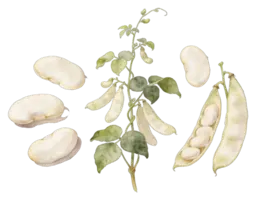
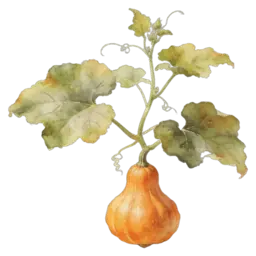
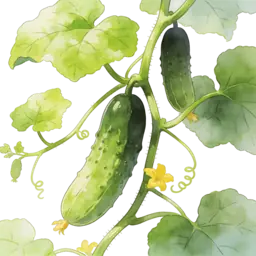
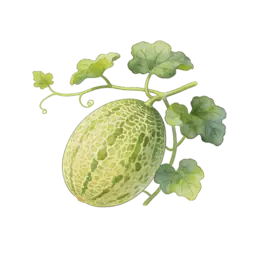
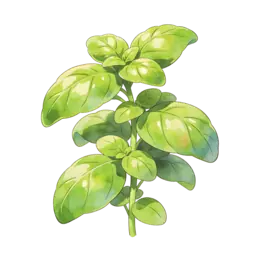

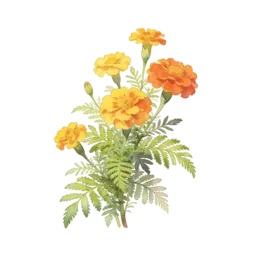

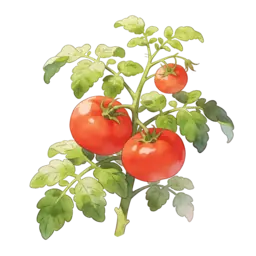
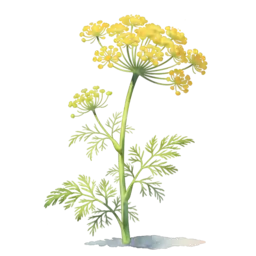
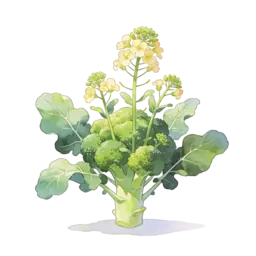

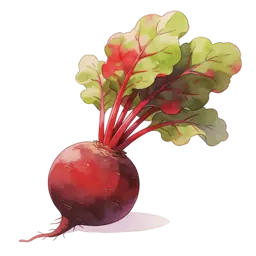
Group it in the same bedPlants with the same watering or the same sun
They are not essential companions, but you will not have to water or position them differently.
Same watering · Lots of water
08Pests and diseases
Critters and ailments to keep an eye on
The most common ones on this plant. Tap one to see how to recognise it and what to do.
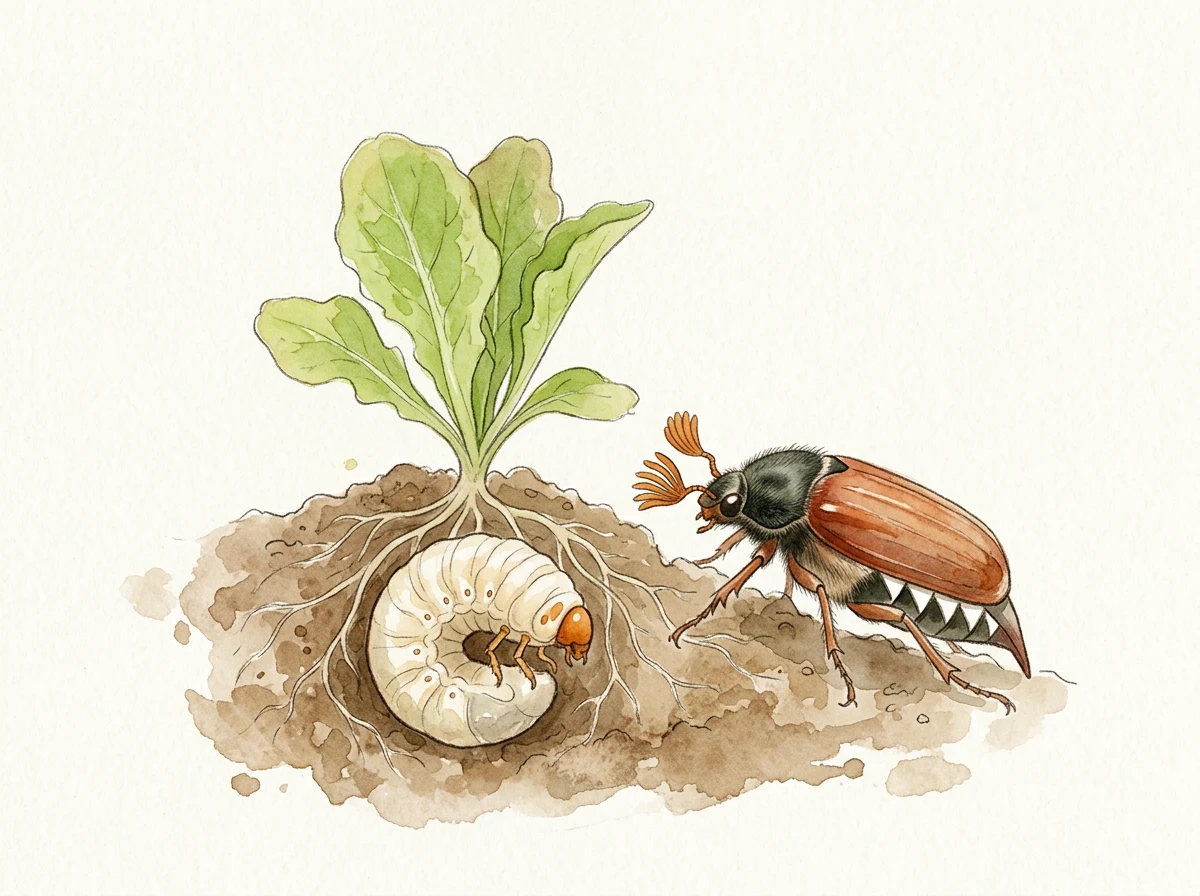
- White grubs (chafer grubs)ModerateWhite, C-shaped larvae of several chafer beetles that live underground for two to four years, eating the roots
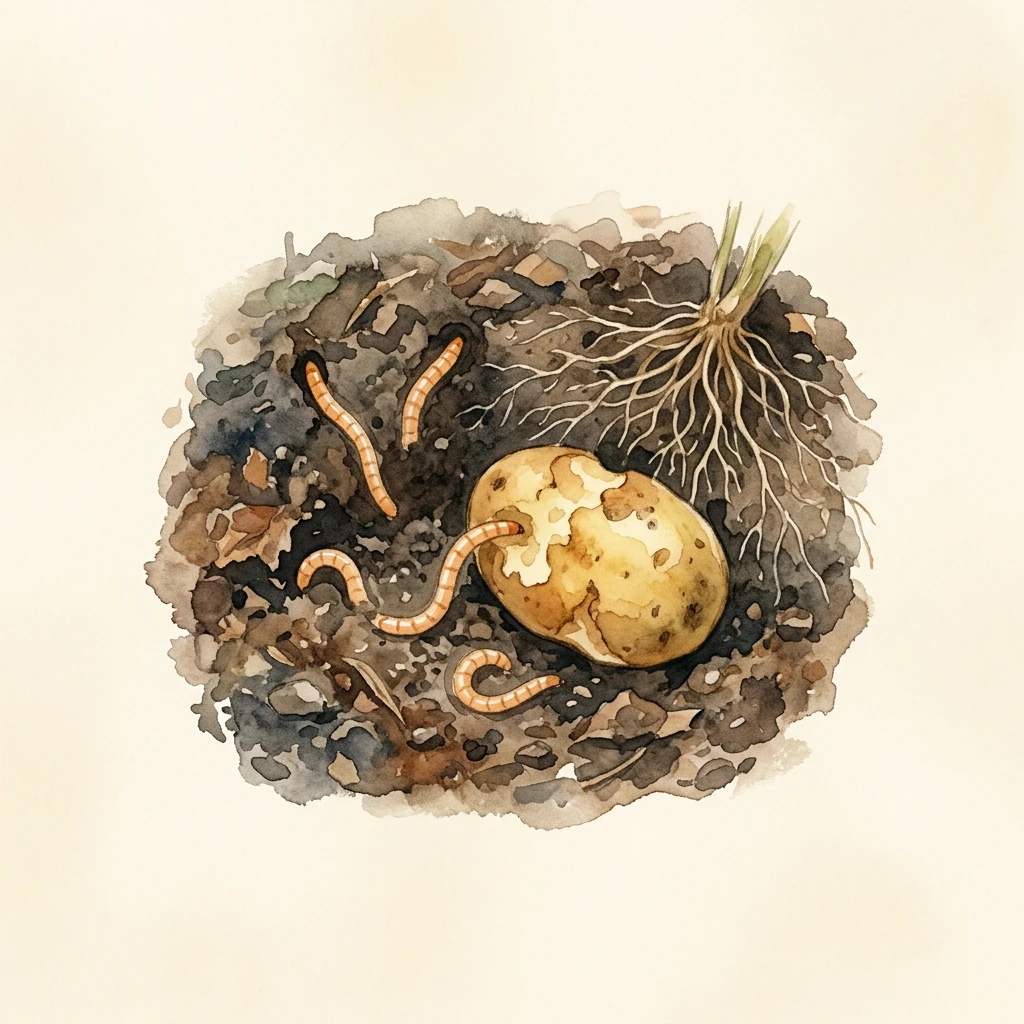
- WirewormsModerateHard, elongated, amber-coloured larvae (the larvae of click beetles) that live in the soil and gnaw roots, tub
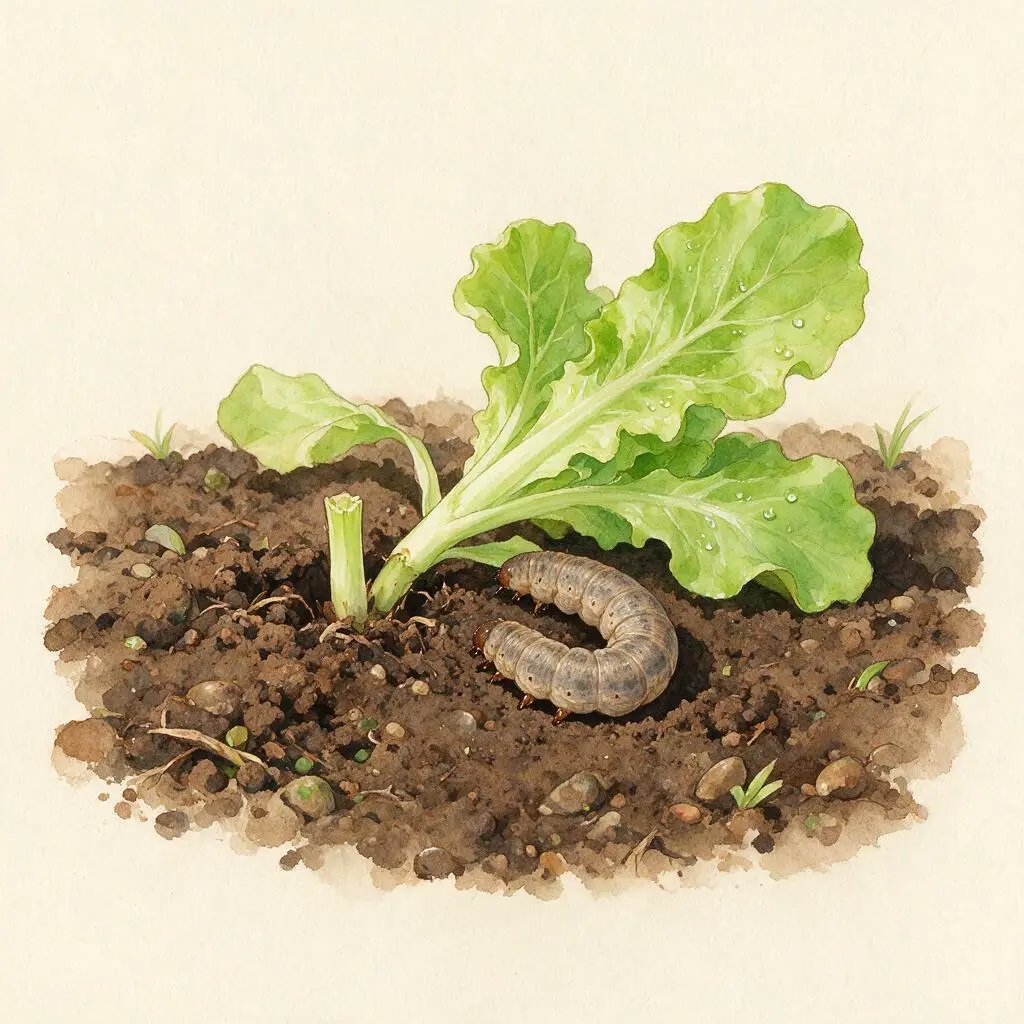
- CutwormsModerateFat, greyish, night-feeding caterpillars that cut seedlings off at the base, at ground level
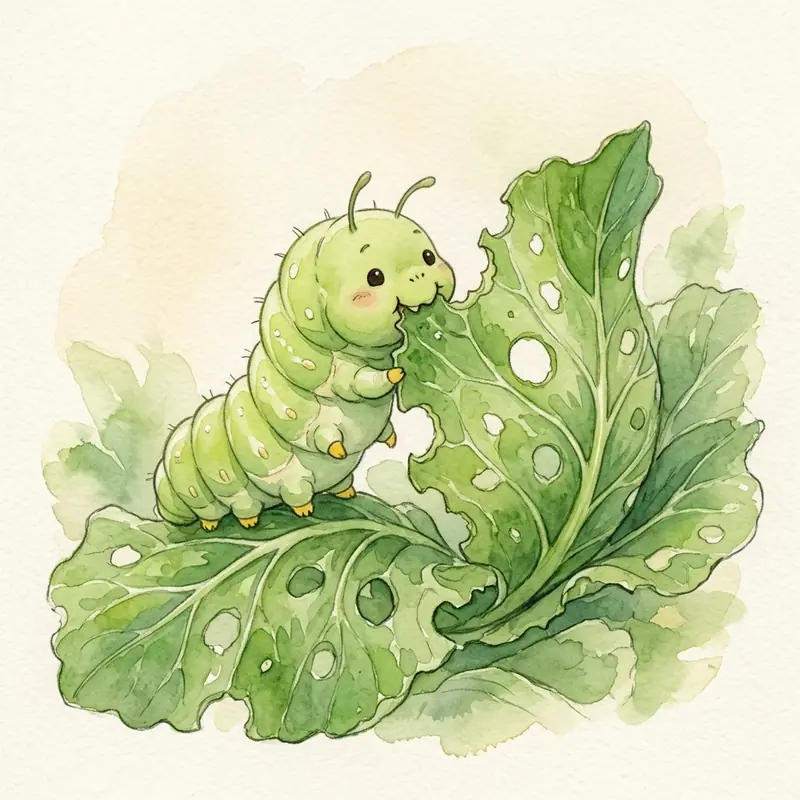
- Caterpillars and armywormsModerateThe larvae of various moths and butterflies, which devour leaves and fruit, mostly at night
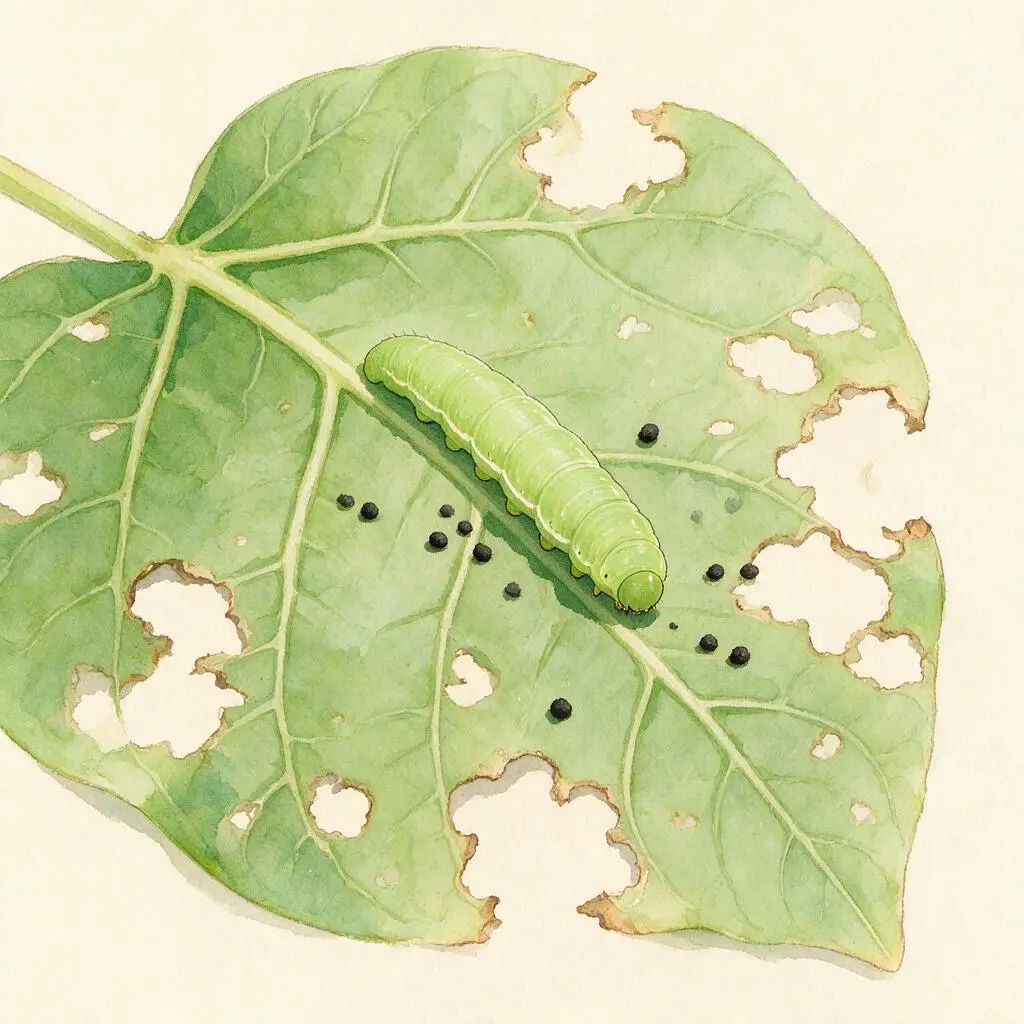
- Beet armywormModerateGreen caterpillars, up to about 3 cm long, that devour leaves and fruit in groups
No known toxicity to people or pets
The kernels are not toxic; for pets, the cob (the core) is dangerous because it can cause a blockage if swallowed. Do not let them gnaw on cobs.