Credits and licences
- #1 — vueltaalhuerto illustration
- #2 — vueltaalhuerto illustration
- #3 — vueltaalhuerto illustration
- #4 — vueltaalhuerto illustration
- #5 — vueltaalhuerto illustration
- #6 — vueltaalhuerto illustration
- #7 — vueltaalhuerto illustration
- #8 — vueltaalhuerto illustration
- #9 — vueltaalhuerto illustration
- #10 — vueltaalhuerto illustration
New Zealand spinach
and 1 more names
Tetragonia tetragonioidesNew Zealand spinach is sown in seed trays from March to April or directly outdoors from April to June, and planted out from May to June. It is harvested from June to October (about 60 days to the first harvest). Grow it in full sun, 50 cm apart, with moderate watering. Dates are for a mild temperate climate in the northern hemisphere; the calendar below adjusts them to your zone.
What else to sow in March, April, May and June
A fleshy, triangular leaf with a flavour similar to spinach which, unlike spinach, withstands summer heat and does not bolt in long days. It is a sprawling plant that takes up a lot of space and is harvested continuously by pinching out the tips. It is not ordinary spinach (Spinacia oleracea), which is a cool-weather crop from a different family, nor Malabar spinach (Basella alba), which is a tropical climber; they are only alike in how they are used in the kitchen. It contains oxalates, and blanching the leaves before cooking is recommended.
Family and origin: Ice plant family (Aizoaceae) · native to New Zealand, Australia and Japan · More plants from Oceania
01In your area
How will it do in your garden?
Year calendar
| Task | J | F | M | A | M | J | J | A | S | O | N | D |
|---|---|---|---|---|---|---|---|---|---|---|---|---|
| Seed trayMar–Apr | no | no | yes | yes | no | no | no | no | no | no | no | no |
| Direct sowingApr–Jun | no | no | no | yes | yes | yes | no | no | no | no | no | no |
| Plant / transplantMay–Jun | no | no | no | no | yes | yes | no | no | no | no | no | no |
| HarvestJun–Oct | no | no | no | no | no | yes | yes | yes | yes | yes | no | no |
Its life cycle at a glance
Swipe and tap a stage to see its details.
02Planting
Where and how to plant it
Sow the seed 2 cm deep; leave 50 cm between plants and 1 m between rows.
50 cm between plants · 1 m between rows
Seed at a depth of 2 cm; seedlings go in with the root ball level with the soil.
- In a square-foot bed
- 1 plant every 4 squares30 × 30 cm squares
- Transplanting
- May–Jun
- Seed tray
- Mar–Apr
- Direct sowing
- Apr–Jun
- TipLeave half a metre between plants, because it spreads a great deal; you can also train it over a mesh or grow it in a large pot.
- TipIt can self-sow from one year to the next if you let it set seed; keep an eye on it so it does not get away from you.
- TipSow in succession, a little every two or three weeks, so you get tender leaves without everything maturing at once.
- Common mistakeSowing in heat and long days: many bolt as soon as temperatures rise; better in the cool seasons.
03Care
Care through the year
Sun and aspectFull sun · 8 h of sun · South or south-west, with nothing casting shade at midday
- Too little sun
- Ideal range
- Plenty of sun
South or south-west, with nothing casting shade at midday
Strong sun: Loves full midday sun and high temperatures.
WateringMoist but never waterlogged · summer: every 2-3 days
- Summerevery 2-3 days2 L per plant/week
- Spring / Autumnevery 4-5 days1 L per plant/week
- Winterevery 2-3 weeks0.3 L per plant/week
Moist but never waterlogged: Water before the surface is completely dry. Never puddles. Mulch: straw or dry plant material cuts watering by 30-50 %.
It copes well with heat, but the leaves are more tender and tasty with regular watering. If it dries out completely, it becomes fibrous and bitter.
When to water? Push your finger 3 cm into the soil next to the base of the plant:
- Damp: soil sticks to your finger. Do not water today. The moisture is fine.
- Cool but clean, no mud. Water early tomorrow if it stays like this, or this evening.
- Dry and dusty. Water now, and deeply. This is not where it likes to be.
Soil and feedingpH 6–7.5 · Rich, airy loam
Rich, airy loam.
40 % topsoil · 40 % well-rotted compost · 20 % perlite or sand.
Medium: moist but never waterlogged.
This plant prefers a pH between 6.0 and 7.5 (slightly acidic to slightly alkaline).
- Well-rotted compost every season and well-decomposed manure in autumn.
- Mulch with straw or dry plant material to hold moisture and smother weeds.
- Rotate crops: do not grow the same family in the same spot two years running.
- Compacted soil or unbroken clay can halve the harvest.
- Watering with a hose from above compacts the soil: drip irrigation or watering at the base is better.
- Common mistakeLetting the soil dry out or watering in fits and starts toughens and embitters the leaves and brings on bolting (running to flower).
Common mistakes and tips
- TipIf you have kidney stones or are on a low-oxalate diet, check with your doctor.
04Harvest
Harvesting and storing
Harvest in Jun–Oct; the first, about 60 days after sowing.
- TipStart pinching out the tender tips about 6 to 8 weeks after it comes up and keep harvesting until autumn: the more you cut it, the more it branches.
- TipWater lightly and often, and harvest young or pick the outer leaves: it regrows and stays tender.
- Common mistakeLeaving the harvest too late: the leaves turn stringy or bitter.
05Propagation
Make new plants
The seed has a hard coat and is slow to germinate: soak it in water for about 12 to 24 hours before sowing, or lightly nick the coat. Sow after the last frost, either directly or in a seed tray under cover in spring, and transplant carefully. It comes up in 10 to 20 days and early growth is slow.
Seeds: how to germinate them~14 days
06Uses and health
What it is used for, and with what care
Like ordinary spinach, it contains oxalates, and it is advisable to blanch the leaves and discard the water; if you have kidney stones or follow a low-oxalate diet, consult your doctor. Like other leafy vegetables, it can accumulate nitrates, especially if heavily fed with nitrogen: as a precaution, do not give it in purées to babies under one year old, just as is recommended for spinach and chard. Wash the leaves before eating them. In dogs and cats, eating a lot of leaf can cause digestive upset.
- Properties
- A leaf with fibre, vitamin A in the form of beta-carotene and vitamin C, and quite low in calories.
- Uses
- The leaves and tender shoots are blanched for a minute and used like spinach: sautéed, in omelettes, creamy soups, fillings or stews. Raw, only in small amounts.
For guidance only; this is not medical treatment and does not replace advice from a doctor or vet.
07Companions and related plants
What to plant it with
Good companions
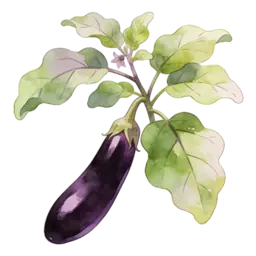
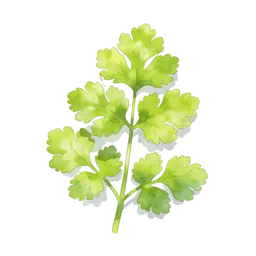
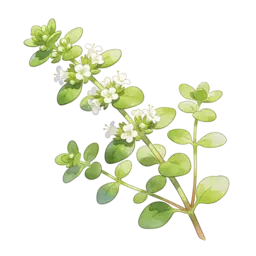

Keep apart
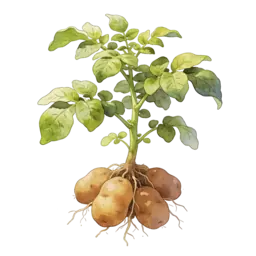
Group it in the same bedPlants with the same watering or the same sun
They are not essential companions, but you will not have to water or position them differently.
Same watering · Moderate watering
Compare with similar varieties
| Variety | Sowing | Harvest | Days | Spacing | Difficulty |
|---|---|---|---|---|---|
| Spinach | Feb–Mar, Sep–Oct | Apr–May, Nov–Dec | ~45 | 15 cm | Easy |
| New Zealand spinach | Mar–Jun | Jun–Oct | ~60 | 50 cm | Easy |
| Strawberry spinach | Mar–May, Sep–Oct | May–Oct | ~60 | 30 cm | Easy |
| Malabar spinach | Mar–Jun | Jun–Oct | ~60 | 30 cm | Easy |
08Pests and diseases
Critters and ailments to keep an eye on
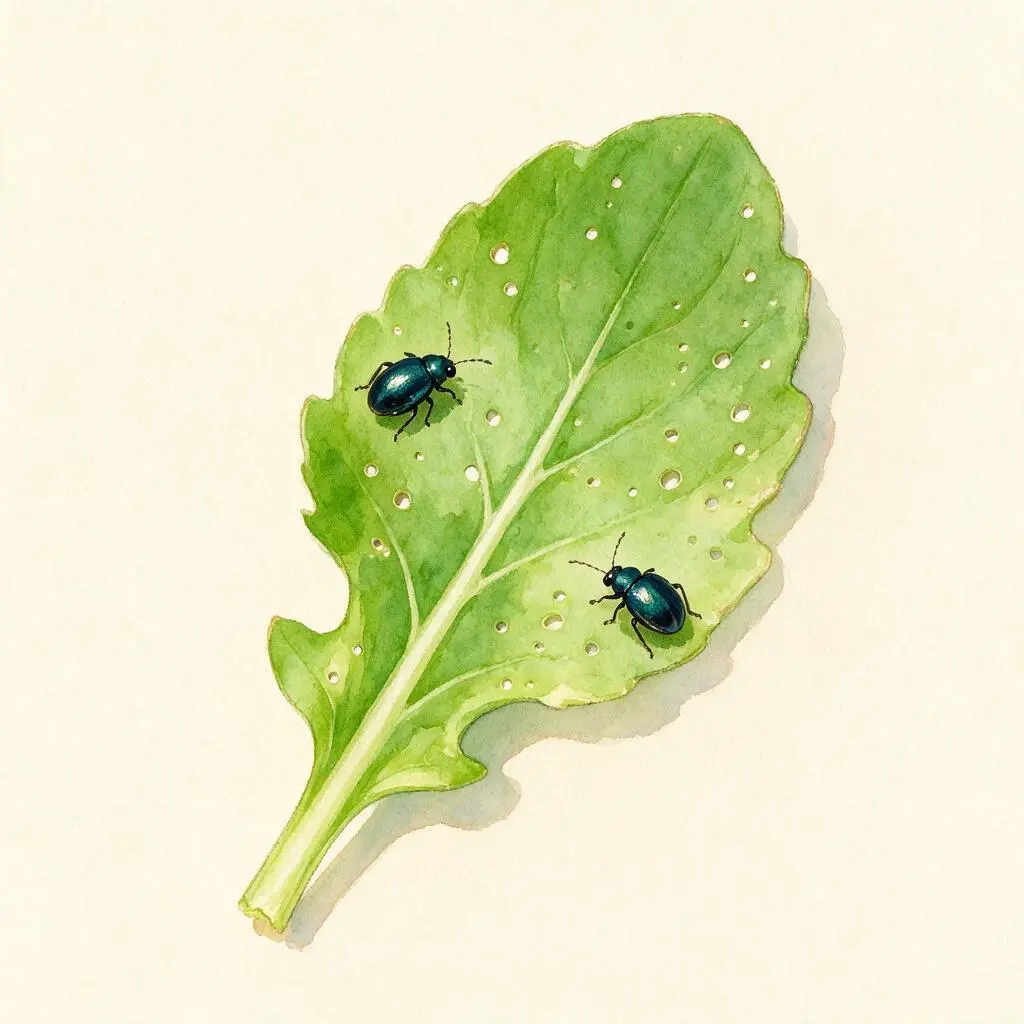
The most common ones on this plant. Tap one to see how to recognise it and what to do.