Credits and licences
- #1 — vueltaalhuerto illustration
- #2 — vueltaalhuerto illustration
- #3 — vueltaalhuerto illustration
- #4 — vueltaalhuerto illustration
- #5 — vueltaalhuerto illustration
- #6 — vueltaalhuerto illustration
- #7 — vueltaalhuerto illustration
- #8 — vueltaalhuerto illustration
- #9 — vueltaalhuerto illustration
Crimson Seedless grape
and 3 more names
grape, grapevine, vineCrimson Seedless grape is planted from December to March. It is harvested from October to November. Grow it in full sun, 200 cm apart, with moderate watering. Dates are for a mild temperate climate in the northern hemisphere; the calendar below adjusts them to your zone.
A red, elongated, seedless grape, crisp and sweet. Because it ripens very late and keeps well, it can be found in the shops until Christmas.
Family and origin: Grape family (Vitaceae) · native to United States · More plants from North America
01In your area
How will it do in your garden?
Year calendar
| Task | J | F | M | A | M | J | J | A | S | O | N | D |
|---|---|---|---|---|---|---|---|---|---|---|---|---|
| Plant / transplantDec–Mar | yes | yes | yes | no | no | no | no | no | no | no | no | yes |
| HarvestOct–Nov | no | no | no | no | no | no | no | no | no | yes | yes | no |
| FloweringMay–Jun | no | no | no | no | yes | yes | no | no | no | no | no | no |
| PruningDec–Feb | yes | yes | no | no | no | no | no | no | no | no | no | yes |
| CuttingsJan–Feb | yes | yes | no | no | no | no | no | no | no | no | no | no |
Its life cycle at a glance
Swipe and tap a stage to see its details.
02Planting
Where and how to plant it
Leave 2 m between plants and 3 m between rows; give it a stake from the start.
2 m between plants · 3 m between rows
Seedlings are planted with the root ball level with the soil.
- In a square-foot bed
- 1 plant every 49 squares30 × 30 cm squares
- Transplanting
- Dec–Mar
- Support
- Needs a stake
03Care
Care through the year
Sun and aspectFull sun · 8 h of sun · South or south-west, with nothing casting shade at midday
- Too little sun
- Ideal range
- Plenty of sun
South or south-west, with nothing casting shade at midday
Strong sun: Loves full midday sun and high temperatures.
WateringMoist but never waterlogged · summer: every 2-3 days
- Summerevery 2-3 days12 L per tree/week
- Spring / Autumnevery 4-5 days6 L per tree/week
- Winterevery 2-3 weeks1.8 L per tree/week
Moist but never waterlogged: Water before the surface is completely dry. Never puddles. Mulch: straw or dry plant material cuts watering by 30-50 %.
When to water? Push your finger 3 cm into the soil next to the base of the plant:
- Damp: soil sticks to your finger. Do not water today. The moisture is fine.
- Cool but clean, no mud. Water early tomorrow if it stays like this, or this evening.
- Dry and dusty. Water now, and deeply. This is not where it likes to be.
- Common mistakeOverwatering in summer swells the fruit but takes away its flavour.
Soil and feedingDeep, free-draining, not too rich soil
Deep, free-draining, not too rich soil.
Topsoil + 20-30 % coarse sand or fine gravel. Little compost.
High: wet feet rot the vine.
This plant prefers a pH between 6.0 and 7.5 (slightly acidic to slightly alkaline).
- Very fertile soil gives lots of leaf and shoots, little fruit and poor quality.
- Frequent watering in summer swells the fruit and takes away its sugar.
PruningWhen: Dec–Feb
Pruning time for this plant: Dec–Feb.
Common mistakes and tips
- TipGive it a sturdy support (pergola, wires) from the start.
04Harvest
Harvesting and storing
Harvest in Oct–Nov.
- TipFull sun and moderate watering, which is best reduced in the weeks before the harvest to concentrate the sugar.
05Propagation
Make new plants
Plant it bare-root in winter or container-grown at any time of year. Propagate it from hardwood cuttings of the canes in January-February.
06Uses and health
What it is used for, and with what care
DANGER for dogs: grapes and raisins cause acute kidney failure. If eaten, this is a veterinary emergency.
- Properties
- A sweet seedless grape, rich in antioxidants.
- Uses
- Fresh grapes or raisins.
For guidance only; this is not medical treatment and does not replace advice from a doctor or vet.
07Companions and related plants
What to plant it with
Good companions
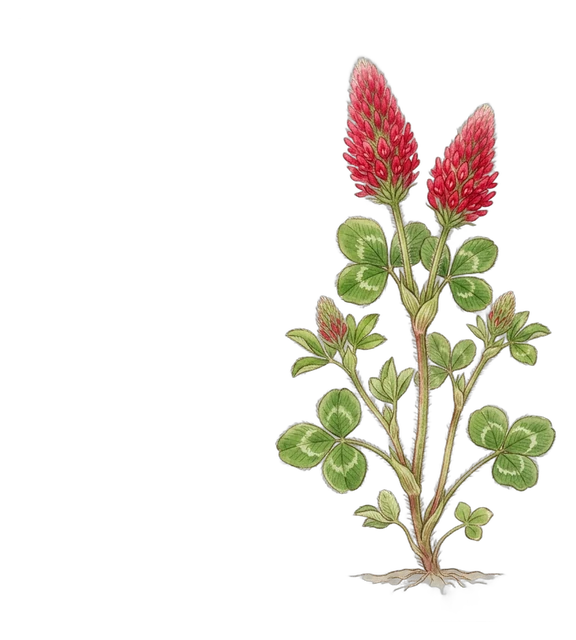
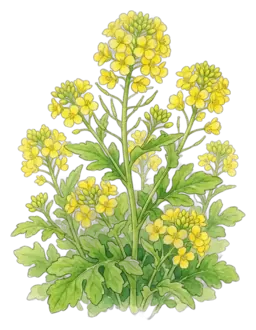
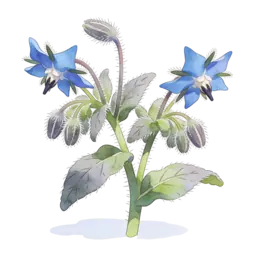
Group it in the same bedPlants with the same watering or the same sun
They are not essential companions, but you will not have to water or position them differently.
Same watering · Moderate watering
08Pests and diseases
Critters and ailments to keep an eye on
The most common ones on this plant. Tap one to see how to recognise it and what to do.
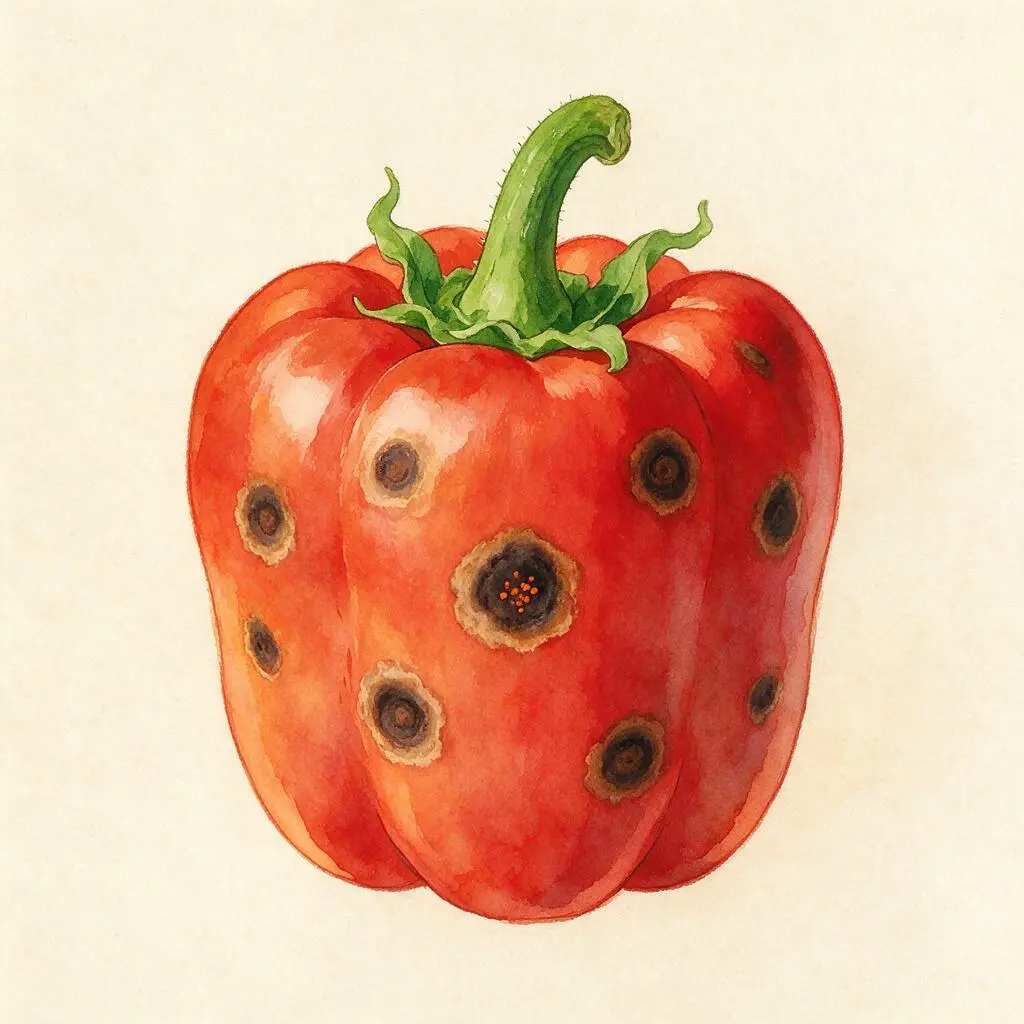
- AnthracnoseModerateA fungus that produces sunken, round, dark spots on fruit, with concentric rings and, in damp weather, pink or
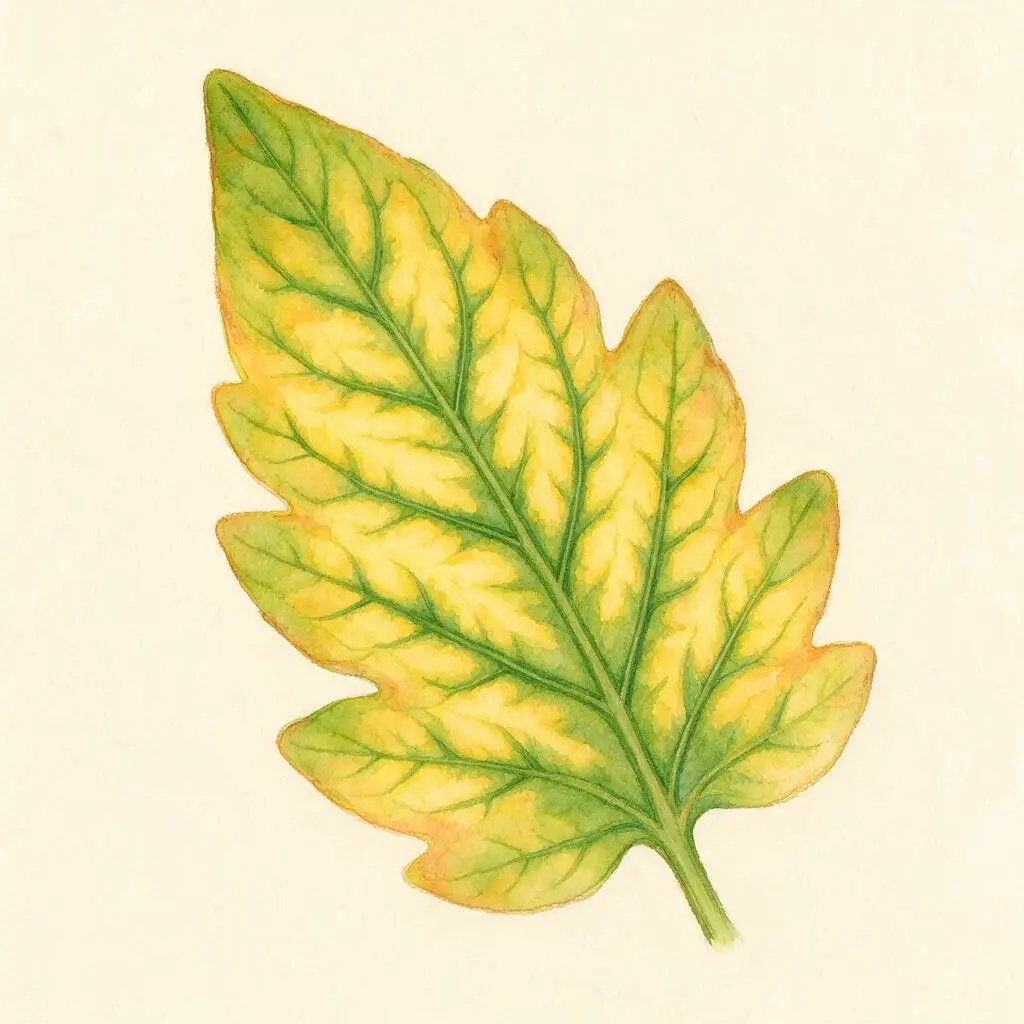
- Magnesium deficiencyModerateMagnesium is the central atom of chlorophyll
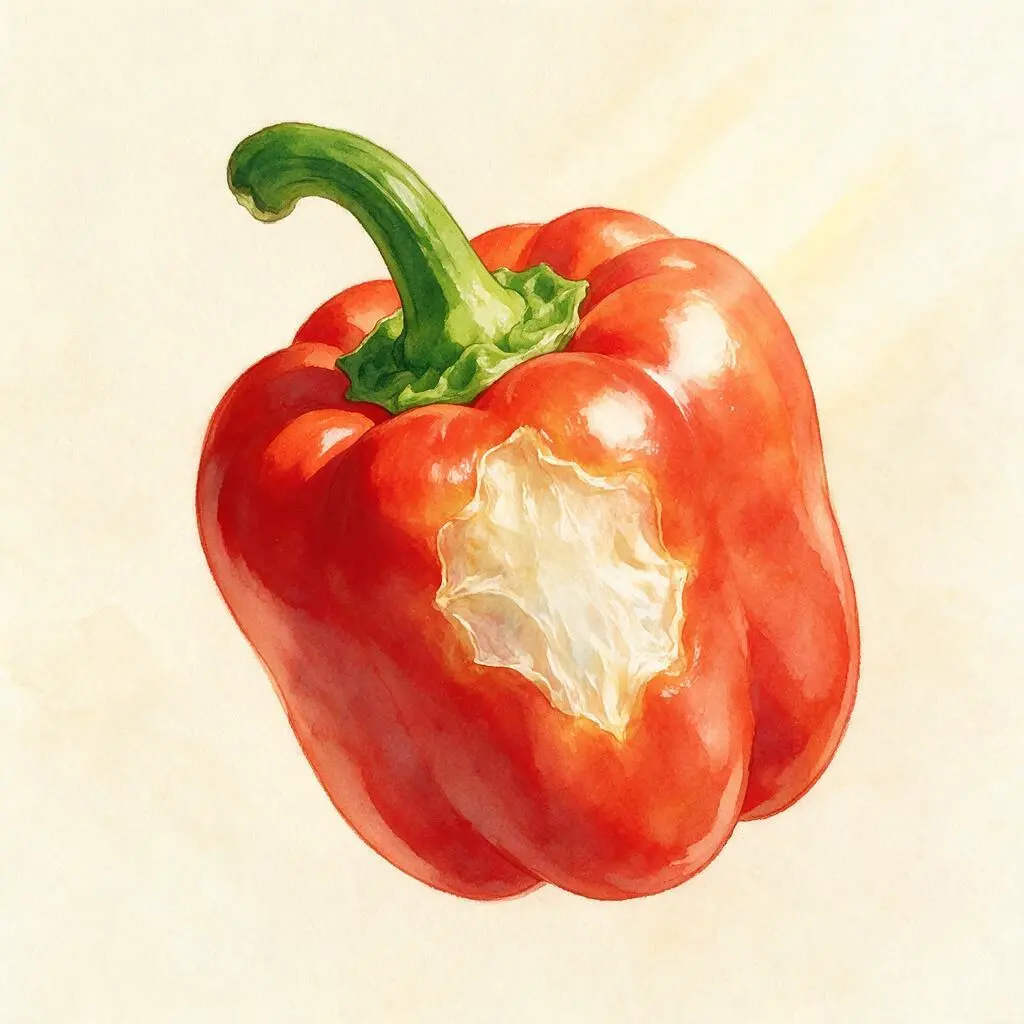
- SunscaldMildAreas of fruit or leaves exposed to direct sun that burn because of extreme temperatures or because they are s
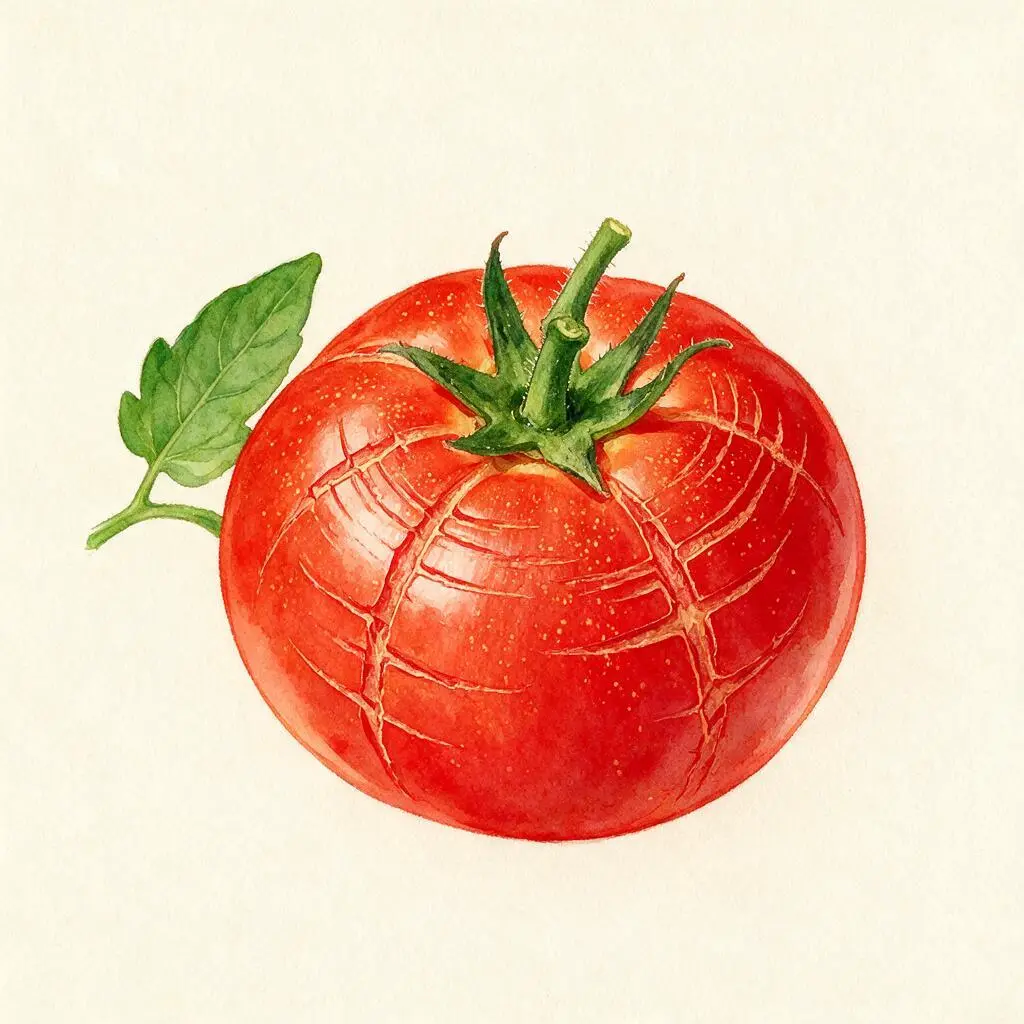
- Fruit splittingMildConcentric or radial cracks in the skin of the fruit caused by taking up water suddenly after a dry spell