
Credits and licences
- #1 — vueltaalhuerto illustration
- #2 — vueltaalhuerto illustration
- #3 — vueltaalhuerto illustration
- #4 — vueltaalhuerto illustration
- #5 — vueltaalhuerto illustration
- #6 — vueltaalhuerto illustration
- #7 — vueltaalhuerto illustration
- #8 — vueltaalhuerto illustration
- #9 — vueltaalhuerto illustration
- #10 — vueltaalhuerto illustration
Aji pepper (Capsicum baccatum)
and 4 more names
Peruvian chili pepper, chilli pepper, yellow chilli, Capsicum baccatumAji pepper (Capsicum baccatum) is sown in seed trays from February to March, and planted out in May. It is harvested from August to November (about 140 days to the first harvest). Grow it in full sun, 60 cm apart, with moderate watering. Dates are for a mild temperate climate in the northern hemisphere; the calendar below adjusts them to your zone.
What else to sow in February and March
A tall, branching hot pepper plant with white flowers marked with greenish or yellowish spots on the petals, bearing long, hanging fruits that are yellow, orange or red depending on the variety, with medium to strong heat and a fruity flavour. Ají amarillo is the cornerstone of Peruvian cooking. It is a long-season, heat-loving plant, so in most of Spain it is best sown very early in seed trays. It is not the same as the common pepper, Capsicum annuum, or the Capsicum chinense chillies. WARNING: the heat stays on your hands; wear gloves and do not touch your eyes.
Family and origin: Nightshade family (Solanaceae) · native to South America (Bolivia, Peru) · More plants from Andes
01In your area
How will it do in your garden?
Year calendar
| Task | J | F | M | A | M | J | J | A | S | O | N | D |
|---|---|---|---|---|---|---|---|---|---|---|---|---|
| Seed trayFeb–Mar | no | yes | yes | no | no | no | no | no | no | no | no | no |
| Plant / transplantMay | no | no | no | no | yes | no | no | no | no | no | no | no |
| HarvestAug–Nov | no | no | no | no | no | no | no | yes | yes | yes | yes | no |
| FloweringJun–Oct | no | no | no | no | no | yes | yes | yes | yes | yes | no | no |
Its life cycle at a glance
Swipe and tap a stage to see its details.
02Planting
Where and how to plant it
Sow the seed 8 mm deep; leave 60 cm between plants and 80 cm between rows; give it a stake from the start.
60 cm between plants · 80 cm between rows
Seed at a depth of 8 mm; seedlings go in with the root ball level with the soil.
- In a square-foot bed
- 1 plant every 4 squares30 × 30 cm squares
- Transplanting
- May
- Seed tray
- Feb–Mar
- Germination
- ~14 days
- TipIt is a tall plant, up to a metre and a half: give it a stake.
- TipIf your summer is short, grow it in a large pot and bring it indoors when the cold arrives, as it can live for several years.
- Common mistakePlanting too close together cuts down air flow and encourages fungal disease.
03Care
Care through the year
Sun and aspectFull sun · 8 h of sun · South or south-west, with nothing casting shade at midday
- Too little sun
- Ideal range
- Plenty of sun
South or south-west, with nothing casting shade at midday
Strong sun: Loves full midday sun and high temperatures.
Full sun and steady warmth; below about 15 °C at night it stops growing and drops its flowers.
WateringMoist but never waterlogged · summer: every 2-3 days
- Summerevery 2-3 days2 L per plant/week
- Spring / Autumnevery 4-5 days1 L per plant/week
- Winterevery 2-3 weeks0.3 L per plant/week
Moist but never waterlogged: Water before the surface is completely dry. Never puddles. Mulch: straw or dry plant material cuts watering by 30-50 %.
Regular, moderate watering without waterlogging, and slightly less as the fruits ripen. Soil that dries out completely and is then soaked makes the plant drop its flowers and small fruits.
When to water? Push your finger 3 cm into the soil next to the base of the plant:
- Damp: soil sticks to your finger. Do not water today. The moisture is fine.
- Cool but clean, no mud. Water early tomorrow if it stays like this, or this evening.
- Dry and dusty. Water now, and deeply. This is not where it likes to be.
- Common mistakeWatering in fits and starts (bone dry, then waterlogged) splits the fruit and leaves flowers that fail to set.
Soil and feedingpH 6–7 · Rich, airy loam
Rich, airy loam.
40 % topsoil · 40 % well-rotted compost · 20 % perlite or sand.
Medium: moist but never waterlogged.
This plant prefers a pH between 6.0 and 7.0 (slightly acidic to neutral).
- Well-rotted compost every season and well-decomposed manure in autumn.
- Mulch with straw or dry plant material to hold moisture and smother weeds.
- Rotate crops: do not grow the same family in the same spot two years running.
- Compacted soil or unbroken clay can halve the harvest.
- Watering with a hose from above compacts the soil: drip irrigation or watering at the base is better.
- TipDig compost into the soil before planting and keep watering regular so growth never stalls.
Common mistakes and tips
- TipHeat varies a great deal between varieties and with how hot the year is, and sweet ajís such as Delight are barely hot at all.
04Harvest
Harvesting and storing
Harvest in Aug–Nov; the first, about 140 days after sowing.
- TipHarvest the fruits once they reach their final colour, because green ones have less flavour and less heat.
- TipHarvest often: the more you pick, the more the plant produces.
05Propagation
Make new plants
It is propagated from seed. Sow in a heated seed tray, at 24 to 30 °C, at the start of the year: it germinates slowly, in two or three weeks, and the plant needs about eight weeks before it is ready to transplant. Pot it on when it has its first true leaves and plant it out when nights are mild and the risk of frost has passed. To save your own seed, let a fruit ripen fully and dry the seeds; it cross-pollinates easily with nearby ajís.
Seeds: how to germinate them~14 days
06Uses and health
What it is used for, and with what care
The heat of ajís can burn the mouth, stomach and eyes. Wear gloves when cutting the fruits and wash your hands thoroughly before touching your face. The plant belongs to the nightshade family (Solanaceae) and its leaves and stems are not eaten. Dogs and cats should not eat ajís: they can cause vomiting, diarrhoea and mouth irritation.
- Properties
- Ajís provide vitamin C and vitamin A, and their heat comes from capsaicin; their value is culinary and they are no substitute for any treatment.
- Uses
- The fruits, fresh, dried or as a paste, are the base of sauces, escabeches and stews in Peruvian and South American cooking; ají amarillo gives a fruity flavour and medium to strong heat, and sweet ajís such as Delight are barely hot at all. They are eaten in small quantities. It is a good idea to remove the seeds and the white ribs, which are the hottest parts, to make a dish milder.
For guidance only; this is not medical treatment and does not replace advice from a doctor or vet.
07Companions and related plants
What to plant it with
Good companions
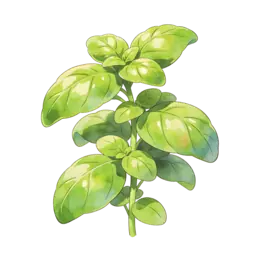
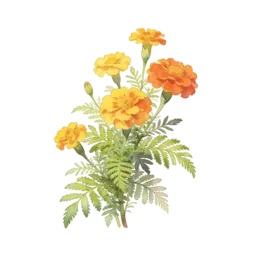
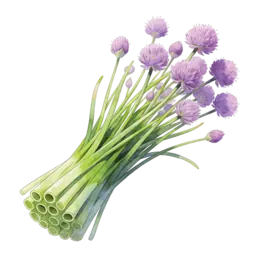
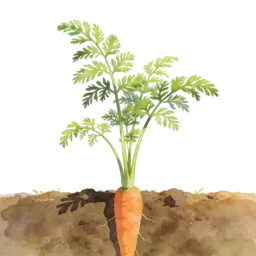
Keep apart
Group it in the same bedPlants with the same watering or the same sun
They are not essential companions, but you will not have to water or position them differently.