
Credits and licences
- #1 — vueltaalhuerto illustration
- #2 — vueltaalhuerto illustration
- #3 — vueltaalhuerto illustration
- #4 — vueltaalhuerto illustration
- #5 — vueltaalhuerto illustration
- #6 — vueltaalhuerto illustration
- #7 — vueltaalhuerto illustration
- #8 — vueltaalhuerto illustration
Liquorice
and 1 more names
sweetwoodLiquorice is sown in seed trays from February to March or directly outdoors from March to April, and planted out from April to May. It is harvested from October to November. Grow it in full sun, 90 cm apart, with moderate watering. Dates are for a mild temperate climate in the northern hemisphere; the calendar below adjusts them to your zone.
What else to sow in February, March and April
A perennial legume 1 to 1.5 m tall, with compound leaves of oval leaflets, clusters of violet-blue flowers in early summer and small reddish-brown pods. It is grown for its sweet root and rhizomes, which give liquorice or 'sweetwood'. It is a slow plant: the root is not worth harvesting until the third or fourth year, and it spreads by rhizomes, so it is best to give it a corner of its own. Caution: regular or heavy consumption can raise blood pressure and lower potassium (see the health notice).
Family and origin: Pea family (Fabaceae) · native to Mediterranean and western Asia · More plants from Mediterranean basin
01In your area
How will it do in your garden?
Year calendar
| Task | J | F | M | A | M | J | J | A | S | O | N | D |
|---|---|---|---|---|---|---|---|---|---|---|---|---|
| Seed trayFeb–Mar | no | yes | yes | no | no | no | no | no | no | no | no | no |
| Direct sowingMar–Apr | no | no | yes | yes | no | no | no | no | no | no | no | no |
| Plant / transplantApr–May | no | no | no | yes | yes | no | no | no | no | no | no | no |
| HarvestOct–Nov | no | no | no | no | no | no | no | no | no | yes | yes | no |
| FloweringJun–Aug | no | no | no | no | no | yes | yes | yes | no | no | no | no |
| Divide the clumpFeb–Mar, Oct–Nov | no | yes | yes | no | no | no | no | no | no | yes | yes | no |
Its life cycle at a glance
Swipe and tap a stage to see its details.
02Planting
Where and how to plant it
Sow the seed 1 cm deep; leave 90 cm between plants and 1 m between rows.
90 cm between plants · 1 m between rows
Seed at a depth of 1 cm; seedlings go in with the root ball level with the soil.
- In a square-foot bed
- 1 plant every 9 squares30 × 30 cm squares
- Transplanting
- Apr–May
- Seed tray
- Feb–Mar
- Direct sowing
- Mar–Apr
- TipDo not plant it in a rotation bed: the rhizomes spread and regrow from any piece left behind, so the sensible thing is to contain it with a barrier buried very deep or to grow it in a very deep large pot.
03Care
Care through the year
Sun and aspectFull sun · 8 h of sun · South or south-west, with nothing casting shade at midday
- Too little sun
- Ideal range
- Plenty of sun
South or south-west, with nothing casting shade at midday
Strong sun: Loves full midday sun and high temperatures.
Full sun and loose soil. It tolerates Mediterranean heat if the root can go deep.
WateringMoist but never waterlogged · summer: every 2-3 days
- Summerevery 2-3 days0.8 L per plant/week
- Spring / Autumnevery 4-5 days0.4 L per plant/week
- Winterevery 2-3 weeks0.1 L per plant/week
Moist but never waterlogged: Water before the surface is completely dry. Never puddles. Mulch: straw or dry plant material cuts watering by 30-50 %.
Water generously but infrequently during the first summer so that the root goes down in search of water. Once established it copes well with drought; waterlogging is what it tolerates worst.
When to water? Push your finger 3 cm into the soil next to the base of the plant:
- Damp: soil sticks to your finger. Do not water today. The moisture is fine.
- Cool but clean, no mud. Water early tomorrow if it stays like this, or this evening.
- Dry and dusty. Water now, and deeply. This is not where it likes to be.
- Common mistakeOverwatering: most prefer to dry out between waterings.
Soil and feedingpH 6–8 · Free-draining, airy mix
Free-draining, airy mix.
40 % topsoil · 30 % coarse sand or perlite · 30 % well-rotted compost (less compost for Mediterranean herbs).
High: almost all prefer being thirsty to being wet.
This plant prefers a pH between 6.0 and 8.0 (slightly acidic to alkaline).
- Mediterranean herbs in very rich, heavily watered soil: they grow a lot but lose their aroma.
- A pot without a drainage hole: the roots rot within weeks.
- TipChoose a sunny corner with loose, sandy, deep soil, because the taproot goes down a metre or more.
- TipIt goes well with dry-climate aromatic herbs such as lavender or thyme, which want the same soil and little watering.
- TipMany Mediterranean herbs prefer poor soil and little water: more aroma.
Pruning
- TipPinch out the tips often so it branches and does not run to seed so soon.
Common mistakes and tips
- TipDry it and use it in moderation and only occasionally: read the health notice first.
- Common mistakeLetting them flower early makes the leaves bitter (in leafy herbs).
04Harvest
Harvesting and storing
Harvest in Oct–Nov; the first, about 1095 days after sowing.
- TipHarvest the roots in autumn, from the third or fourth year onwards, leaving some of the rhizomes in the ground so that it regrows.
05Propagation
Make new plants
The most reliable method is division: in autumn or late winter, separate pieces of rhizome with at least one bud and plant them lying flat, buried a few centimetres deep. It can also be grown from seed, but the seed coat is very hard: lightly sand each seed or soak it for about 24 hours in lukewarm water, and sow in a seed tray between February and March. It germinates unevenly and the seedlings grow slowly; move them to their final position once the risk of frost has passed.
Seeds: how to germinate them~14 days
06Uses and health
What it is used for, and with what care
HEALTH NOTICE: glycyrrhizin makes the body retain salt and water and lose potassium. With regular or heavy consumption (daily infusions, lots of liquorice sweets or supplements) it can raise blood pressure and cause swelling, muscle weakness and heart rhythm disturbances. Avoid it if you have high blood pressure or heart, kidney or liver problems, if your potassium is low, if you are pregnant or if you take diuretics, digoxin or corticosteroids. As a rough guide, the European scientific committees (SCF, 2003) and the WHO and FAO (JECFA, 2005) put the level of no concern for most healthy adults at about 100 mg of glycyrrhizin a day, but some people are more sensitive and a recent study suggests it could be lower. In a home-grown root the amount of glycyrrhizin cannot be known, so it cannot be dosed: for continued use, check with your doctor or pharmacist first. Do not give it to your pets.
- Properties
- The root contains glycyrrhizin, which gives it its sweet taste, and it has traditionally been used as an infusion for coughs and for throat and stomach complaints. The clinical evidence is limited and it does not replace any treatment.
- Uses
- A piece of dried root to chew or in an infusion, only in small amounts and occasionally (it is often combined with anise or fennel).
For guidance only; this is not medical treatment and does not replace advice from a doctor or vet.
07Companions and related plants
What to plant it with
Good companions
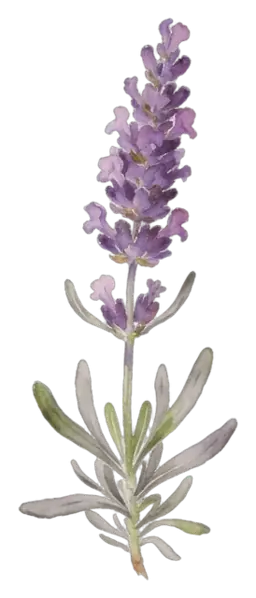
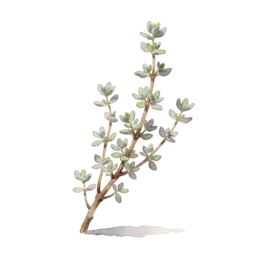
Group it in the same bedPlants with the same watering or the same sun
They are not essential companions, but you will not have to water or position them differently.
Compare with similar varieties
| Variety | Sowing | Harvest | Days | Spacing | Difficulty |
|---|---|---|---|---|---|
| Liquorice | Feb–Apr | Oct–Nov | ~1095 | 90 cm | Moderate |
| Chinese liquorice | Feb–May | Oct–Nov | ~1095 | 60 cm | Moderate |