
Credits and licences
- #1 — vueltaalhuerto illustration
- #2 — vueltaalhuerto illustration
- #3 — vueltaalhuerto illustration
- #4 — vueltaalhuerto illustration
- #5 — vueltaalhuerto illustration
- #6 — vueltaalhuerto illustration
- #7 — vueltaalhuerto illustration
- #8 — vueltaalhuerto illustration
- #9 — vueltaalhuerto illustration
- #10 — vueltaalhuerto illustration
Legacy blueberry
and 1 more names
Vaccinium corymbosum 'Legacy'Legacy blueberry is planted from November to March. It is harvested from July to August. Grow it in full sun, 120 cm apart, with moderate watering. Dates are for a mild temperate climate in the northern hemisphere; the calendar below adjusts them to your zone.
A late-ripening highbush blueberry with large, tasty berries. In mild climates it keeps some of its leaves in winter. It demands acid soil.
Family and origin: Heather family (Ericaceae) · native to United States · More plants from North America
01In your area
How will it do in your garden?
Year calendar
| Task | J | F | M | A | M | J | J | A | S | O | N | D |
|---|---|---|---|---|---|---|---|---|---|---|---|---|
| Plant / transplantNov–Mar | yes | yes | yes | no | no | no | no | no | no | no | yes | yes |
| HarvestJul–Aug | no | no | no | no | no | no | yes | yes | no | no | no | no |
| FloweringMar–Apr | no | no | yes | yes | no | no | no | no | no | no | no | no |
| PruningDec–Feb | yes | yes | no | no | no | no | no | no | no | no | no | yes |
| CuttingsFeb–Mar, Oct–Nov | no | yes | yes | no | no | no | no | no | no | yes | yes | no |
Its life cycle at a glance
Swipe and tap a stage to see its details.
02Planting
Where and how to plant it
Leave 1.2 m between plants and 3 m between rows.
1.2 m between plants · 3 m between rows
Seedlings are planted with the root ball level with the soil.
- In a square-foot bed
- 1 plant every 16 squares30 × 30 cm squares
- Transplanting
- Nov–Mar
- TipIn winter, remove old, unproductive branches from the base, and protect the crop with a net, because birds go after it.
03Care
Care through the year
Sun and aspectFull sun · 8 h of sun · South or south-west, with nothing casting shade at midday
- Too little sun
- Ideal range
- Plenty of sun
South or south-west, with nothing casting shade at midday
Strong sun: Loves full midday sun and high temperatures.
WateringMoist but never waterlogged · summer: every 2-3 days
- Summerevery 2-3 days8 L per tree/week
- Spring / Autumnevery 4-5 days4 L per tree/week
- Winterevery 2-3 weeks1.2 L per tree/week
Moist but never waterlogged: Water before the surface is completely dry. Never puddles. Mulch: straw or dry plant material cuts watering by 30-50 %.
When to water? Push your finger 3 cm into the soil next to the base of the plant:
- Damp: soil sticks to your finger. Do not water today. The moisture is fine.
- Cool but clean, no mud. Water early tomorrow if it stays like this, or this evening.
- Dry and dusty. Water now, and deeply. This is not where it likes to be.
Soil and feedingpH 4.5–5.5 · Cool, slightly acidic soil with organic matter
Cool, slightly acidic soil with organic matter.
Medium: constant moisture but no puddles.
This plant prefers a pH between 4.5 and 5.5 (acidic to slightly acidic).
- Use pine needles or pine bark as a mulch (they lower the pH little by little).
- Water with rainwater or softened water if your tap water is hard.
- Compost made from chestnut leaves or leaf litter in autumn keeps up the humus.
- Chalky or alkaline soils cause chlorosis (yellow leaves with green veins).
- Letting the roots dry out while fruiting ruins the harvest.
- TipIt needs acid, loose soil: if yours is chalky, grow it in a large pot or in a wide planting hole filled with ericaceous potting mix, and water it with rainwater or low-lime water.
- TipA mulch of pine bark or pine needles keeps the soil moist and acid.
- TipMulch the base: almost all berry bushes want cool, slightly acidic soil.
PruningWhen: Dec–Feb
Pruning time for this plant: Dec–Feb.
- Common mistakeNot pruning the canes that have already fruited leaves the clump congested.
Common mistakes and tips
- TipAlthough it is self-fertile, it sets more fruit and gives larger berries if another variety that flowers at the same time is nearby.
- TipRenew old canes every year to keep up production and air flow.
04Harvest
Harvesting and storing
Harvest in Jul–Aug.
- Common mistakeLetting it dry out while fruiting ruins the harvest.
05Propagation
Make new plants
Plant in winter (November-February), or buy it in a pot at any time of year. Propagate it from hardwood cuttings in autumn or at the end of winter.
06Uses and health
What it is used for, and with what care
- Properties
- Blueberries rich in anthocyanins and vitamin C.
- Uses
- Fresh fruit, in baking or frozen.
For guidance only; this is not medical treatment and does not replace advice from a doctor or vet.
07Companions and related plants
What to plant it with
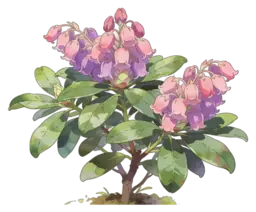
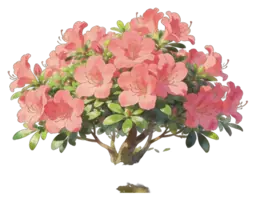
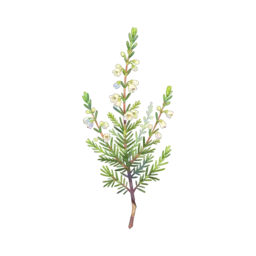
Group it in the same bedPlants with the same watering or the same sun
They are not essential companions, but you will not have to water or position them differently.
Same watering · Moderate watering
Compare with similar varieties
| Variety | Sowing | Harvest | Days | Spacing | Difficulty |
|---|---|---|---|---|---|
| Bluecrop blueberry | Nov–Mar | Jun–Aug | — | 120 cm | Difficult |
| Legacy blueberry | Nov–Mar | Jul–Aug | — | 120 cm | Moderate |
| Lowbush blueberry | Oct–Nov | Jul–Aug | ~730 | 40 cm | Difficult |
| Rabbiteye blueberry | Nov–Mar | Jun–Aug | — | 200 cm | Moderate |
| American cranberry | Oct–Mar | Sep–Nov | — | 40 cm | Difficult |
| Lingonberry | Oct–Nov | Aug–Oct | — | 40 cm | Difficult |
| Bilberry | Oct–Nov | Jul–Sep | ~730 | 30 cm | Difficult |
No known toxicity to people or pets
No known toxicity to people or pets.