Credits and licences
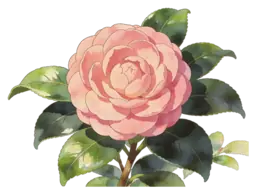
- #1 — vueltaalhuerto illustration
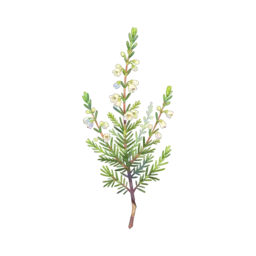
- #2 — vueltaalhuerto illustration
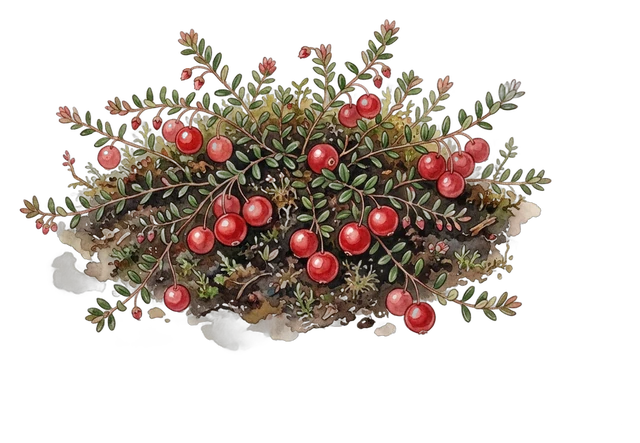
- #3 — vueltaalhuerto illustration
- #4 — vueltaalhuerto illustration
- #5 — vueltaalhuerto illustration
- #6 — vueltaalhuerto illustration
- #7 — Kreinero · CC0 see on Wikimedia
- #8 — Ryan Somma · CC BY-SA 2.0 see on Wikimedia
- #9 — A. Barra · CC BY 3.0 see on Wikimedia
- #10 — Zeynel Cebeci · CC BY-SA 4.0 see on Wikimedia
Rhododendron (Rhododendron ponticum)
and 1 more names
pontian rhododendronIt flowers from May to June. Grow it in sun or partial shade, 200 cm apart, with moderate watering. Dates are for a mild temperate climate in the northern hemisphere; the calendar below adjusts them to your zone.
A large shrub with clusters of lilac flowers in spring and leathery evergreen leaves. As well as its main range around the Black Sea, it has relict populations in the Aljibe mountains (southern Spain) and the Monchique range (southern Portugal). It needs acid soil; all parts are toxic, including the honey made from its flowers.
Family and origin: Heather family (Ericaceae) · native to Caucasus, northern Turkey and the south of the Iberian Peninsula · More plants from Temperate Europe
01In your area
How will it do in your garden?
Year calendar
| Task | J | F | M | A | M | J | J | A | S | O | N | D |
|---|---|---|---|---|---|---|---|---|---|---|---|---|
| FloweringMay–Jun | no | no | no | no | yes | yes | no | no | no | no | no | no |
Its life cycle at a glance
Swipe and tap a stage to see its details.
02Planting
Where and how to plant it
Leave 2 m between plants.
2 m between plants
- TipThe wild populations in the southern mountains of the Iberian Peninsula are protected: always buy the plant from a nursery.
- Common mistakePlanting too deep smothers the crown of the plant.
03Care
Care through the year
Sun and aspectSun and shade · 5 h of sun · shade in summer
- Too little sun
- Ideal range
- Plenty of sun
East, or south with light shade during the middle of the day
Moderate sun: Copes with full sun, but give it some shade during heatwaves.
- TipIt appreciates morning sun and shade at midday in summer.
WateringMoist but never waterlogged · summer: every 2-3 days
- Summerevery 2-3 days6 L per plant/week
- Spring / Autumnevery 4-5 days3 L per plant/week
- Winterevery 2-3 weeks0.9 L per plant/week
Moist but never waterlogged: Water before the surface is completely dry. Never puddles. Mulch: straw or dry plant material cuts watering by 30-50 %.
When to water? Push your finger 3 cm into the soil next to the base of the plant:
- Damp: soil sticks to your finger. Do not water today. The moisture is fine.
- Cool but clean, no mud. Water early tomorrow if it stays like this, or this evening.
- Dry and dusty. Water now, and deeply. This is not where it likes to be.
- TipWater generously in the first year until it is established; after that it looks after itself.
Soil and feedingDeep soil with good drainage
Deep soil with good drainage.
Medium/high.
This plant prefers a pH between 6.0 and 7.5 (slightly acidic to slightly alkaline).
- Water generously in the first year until it is established.
- A thick mulch all year round, not touching the trunk.
Pruning
- TipIt flowers on the previous year's shoots, so pruning is done just after flowering; removing spent flowers helps it to shoot strongly.
- TipFormative pruning after flowering keeps the shape compact.
- Common mistakePruning at the wrong time removes the year's flower buds.
04Uses and health
What it is used for, and with what care
VERY toxic: grayanotoxins in the leaves and flowers. Vomiting, weakness, and heart and nervous system disturbances in people and pets. Even the honey from its flowers can be toxic. If any is eaten, seek emergency medical/veterinary care.
- Properties
- A large shrub with lavish flowering; ornamental.
For guidance only; this is not medical treatment and does not replace advice from a doctor or vet.
05Companions and related plants