
Credits and licences
- #1 — vueltaalhuerto illustration
- #2 — vueltaalhuerto illustration
- #3 — vueltaalhuerto illustration
- #4 — vueltaalhuerto illustration
- #5 — vueltaalhuerto illustration
- #6 — vueltaalhuerto illustration
- #7 — vueltaalhuerto illustration
- #8 — vueltaalhuerto illustration
- #9 — vueltaalhuerto illustration
- #10 — vueltaalhuerto illustration
- #11 — vueltaalhuerto illustration
Celeriac
and 1 more names
Apium graveolens var. rapaceumCeleriac is sown in seed trays from March to April, and planted out in May. It is harvested from October to December (about 120 days to the first harvest). Grow it in full sun, 30 cm apart, with plenty of watering. Dates are for a mild temperate climate in the northern hemisphere; the calendar below adjusts them to your zone.
What else to sow in March and April
It is grown for its swollen, white, aromatic base, used for purées and soups. It has a mild celery flavour.
Family and origin: Carrot family (Apiaceae) · native to The Mediterranean basin · More plants from Mediterranean basin
01In your area
How will it do in your garden?
Year calendar
| Task | J | F | M | A | M | J | J | A | S | O | N | D |
|---|---|---|---|---|---|---|---|---|---|---|---|---|
| Seed trayMar–Apr | no | no | yes | yes | no | no | no | no | no | no | no | no |
| Plant / transplantMay | no | no | no | no | yes | no | no | no | no | no | no | no |
| HarvestOct–Dec | no | no | no | no | no | no | no | no | no | yes | yes | yes |
Its life cycle at a glance
Swipe and tap a stage to see its details.
02Planting
Where and how to plant it
Sow the seed 2 mm deep; leave 30 cm between plants and 40 cm between rows.
30 cm between plants · 40 cm between rows
Seed at a depth of 2 mm; seedlings go in with the root ball level with the soil.
- In a square-foot bed
- 1 plant per square30 × 30 cm squares
- Transplanting
- May
- Seed tray
- Mar–Apr
- Germination
- ~14 days
- TipSow in small groups directly where they are to grow: the roots do not take well to transplanting.
- Common mistakeNot thinning the seedlings: without space, the roots come out small and misshapen.
03Care
Care through the year
Sun and aspectFull sun · 8 h of sun · South or south-west, with nothing casting shade at midday
- Too little sun
- Ideal range
- Plenty of sun
South or south-west, with nothing casting shade at midday
Strong sun: Loves full midday sun and high temperatures.
WateringConstantly moist · summer: daily, or every 2 days above 30 °C
- Summerdaily, or every 2 days above 30 °C3.5 L per plant/week
- Spring / Autumnevery 3-4 days1.6 L per plant/week
- Winterevery 2 weeks if dry0.4 L per plant/week
Constantly moist: The soil should always feel cool and damp. Ideal with mulch and drip irrigation. Mulch: straw or dry plant material cuts watering by 30-50 %.
When to water? Push your finger 2 cm into the soil next to the base of the plant:
- Damp: soil sticks to your finger. Do not water, although for this plant it is just right — check again tomorrow.
- Cool but clean, no mud. Water today: it likes to stay constantly moist.
- Dry and dusty. Water urgently and add mulch to hold in moisture.
- TipDo not waterlog, but do not let it dry out between waterings.
Soil and feedingLoose, deep, stone-free soil
Loose, deep, stone-free soil.
High: constant moisture deforms the root.
This plant prefers a pH between 6.0 and 7.0 (slightly acidic to neutral).
04Harvest
Harvesting and storing
Harvest in Oct–Dec; the first, about 120 days after sowing.
05Uses and health
What it is used for, and with what care
- Properties
- An aromatic celery root, rich in fibre and potassium.
- Uses
- In purées, soups and salads (rémoulade).
For guidance only; this is not medical treatment and does not replace advice from a doctor or vet.
06Companions and related plants
What to plant it with
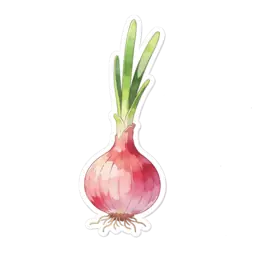
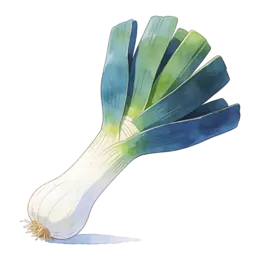
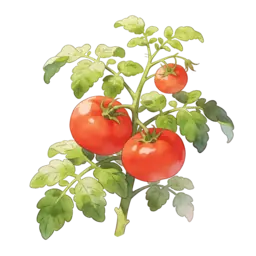
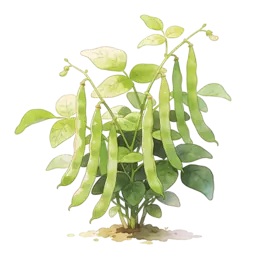
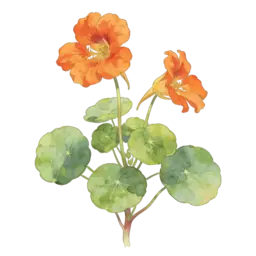
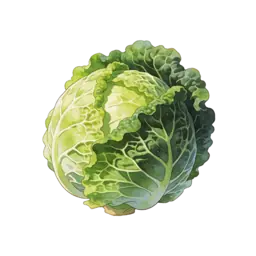
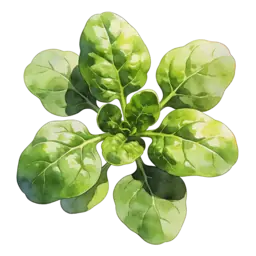
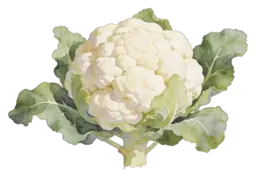
Group it in the same bedPlants with the same watering or the same sun
They are not essential companions, but you will not have to water or position them differently.
Same watering · Lots of water
Compare with similar varieties
| Variety | Sowing | Harvest | Days | Spacing | Difficulty |
|---|---|---|---|---|---|
| Celeriac | Mar–Apr | Oct–Dec | ~120 | 30 cm | Moderate |
| Green celery | Feb–Mar | Sep–Nov | ~120 | 30 cm | Moderate |
07Pests and diseases
Critters and ailments to keep an eye on
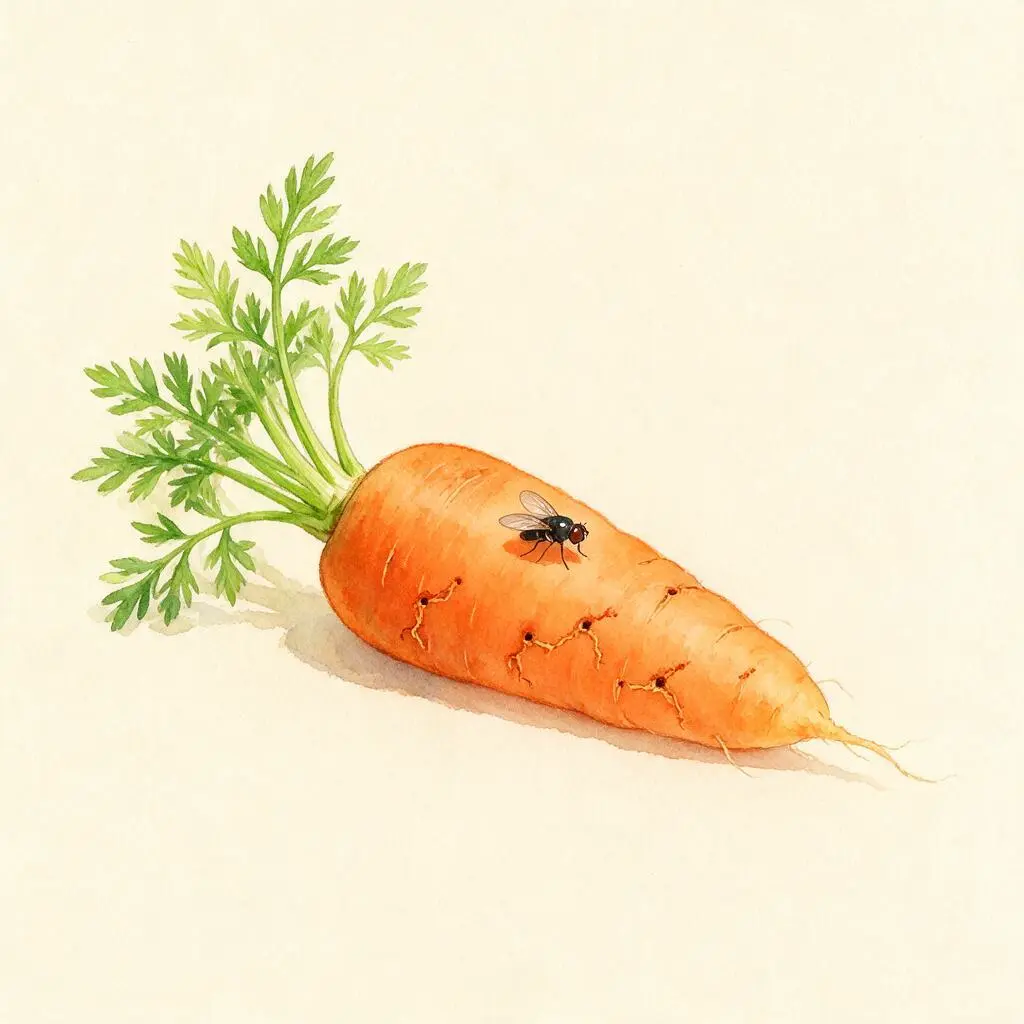
The most common ones on this plant. Tap one to see how to recognise it and what to do.
No known toxicity to people or pets
It is not toxic to people or pets, but celery is one of the food allergens that must be declared in the EU and it can cause reactions in sensitive people. The leaves and stalks contain furanocoumarins: handling a lot of the plant in full sun can irritate the skin.