Credits and licences
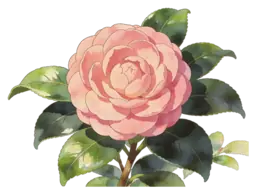
- #1 — vueltaalhuerto illustration
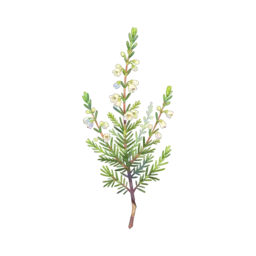
- #2 — vueltaalhuerto illustration
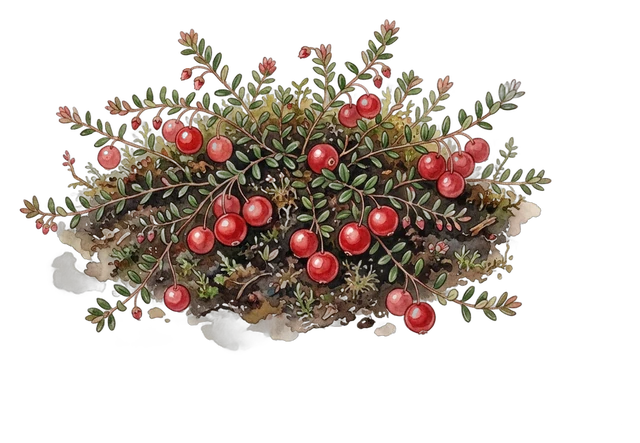
- #3 — vueltaalhuerto illustration
- #4 — vueltaalhuerto illustration
- #5 — vueltaalhuerto illustration
- #6 — vueltaalhuerto illustration
- #7 — Photo by and (c)2008 Derek Ramsey (Ram-Man) edit by Calibas · GFDL 1.2 see on Wikimedia
- #8 — Jean-Pol GRANDMONT · CC BY 3.0 see on Wikimedia
- #9 — Agnes Monkelbaan · CC BY-SA 4.0 see on Wikimedia
- #10 — Thesurvived99 · CC BY-SA 3.0 see on Wikimedia
Japanese azalea
It flowers from April to May. Grow it in sun or partial shade, 100 cm apart, with moderate watering. Dates are for a mild temperate climate in the northern hemisphere; the calendar below adjusts them to your zone.
A compact shrub that is completely covered in flowers in spring, in shades ranging from white to magenta. It demands acid, well-drained soil and constant moisture without waterlogging; it is toxic if eaten.
Family and origin: Heather family (Ericaceae) · native to East Asia (Japan, China) · More plants from Far East
01In your area
How will it do in your garden?
Year calendar
| Task | J | F | M | A | M | J | J | A | S | O | N | D |
|---|---|---|---|---|---|---|---|---|---|---|---|---|
| FloweringApr–May | no | no | no | yes | yes | no | no | no | no | no | no | no |
Its life cycle at a glance
Swipe and tap a stage to see its details.
02Planting
Where and how to plant it
Leave 1 m between plants.
1 m between plants
- Common mistakePlanting too deep smothers the crown of the plant.
03Care
Care through the year
Sun and aspectSun and shade · 5 h of sun · shade in summer
- Too little sun
- Ideal range
- Plenty of sun
East, or south with light shade in the middle of the day
Moderate sun: Copes with full sun, but give it some shade during heatwaves.
WateringMoist but never waterlogged · summer: every 2-3 days
- Summerevery 2-3 days6 L per plant/week
- Spring / Autumnevery 4-5 days3 L per plant/week
- Winterevery 2-3 weeks0.9 L per plant/week
Moist but never waterlogged: Water before the surface is completely dry. Never puddles. Mulch: straw or dry plant material cuts watering by 30-50 %.
When to water? Push your finger 3 cm into the soil next to the base of the plant:
- Damp: soil sticks to your finger. Do not water today. The moisture is fine.
- Cool but clean, no mud. Water early tomorrow if it stays like this, or this evening.
- Dry and dusty. Water now, and deeply. This is not where it likes to be.
- TipWater generously in the first year until it is established; after that it looks after itself.
Soil and feedingDeep soil with good drainage
Deep soil with good drainage.
Medium/high.
This plant prefers a pH between 6.0 and 7.5 (slightly acidic to slightly alkaline).
- Water generously in the first year until it is established.
- A thick mulch all year round, not touching the trunk.
- TipIt needs acid, very well-drained soil; in pots, use ericaceous potting mix and water with rainwater or water low in lime.
- TipKeep the soil always slightly moist, without waterlogging, and cover the base with a mulch of bark or pine needles, which retains moisture and acidifies the soil.
Pruning
- TipFormative pruning after flowering keeps the shape compact.
- Common mistakePruning at the wrong time removes the year's flower buds.
Common mistakes and tips
- TipIt flowers on the previous year's shoots, so if you want to trim it, do so just after flowering finishes.
- TipIt is highly toxic if eaten: keep it away from children and pets.
04Uses and health
What it is used for, and with what care
HIGHLY toxic: grayanotoxins throughout the plant. A small amount is enough to cause vomiting, drooling, weakness and heart problems in dogs and cats. If swallowed, treat it as a veterinary emergency.
- Properties
- Spectacular spring flowering; ornamental.
For guidance only; this is not medical treatment and does not replace advice from a doctor or vet.
05Companions and related plants