Credits and licences
- #1 — vueltaalhuerto illustration
- #2 — vueltaalhuerto illustration
- #3 — vueltaalhuerto illustration
- #4 — vueltaalhuerto illustration
- #5 — vueltaalhuerto illustration
- #6 — vueltaalhuerto illustration
- #7 — vueltaalhuerto illustration
- #8 — vueltaalhuerto illustration
- #9 — vueltaalhuerto illustration
- #10 — vueltaalhuerto illustration
Asparagus
and 2 more names
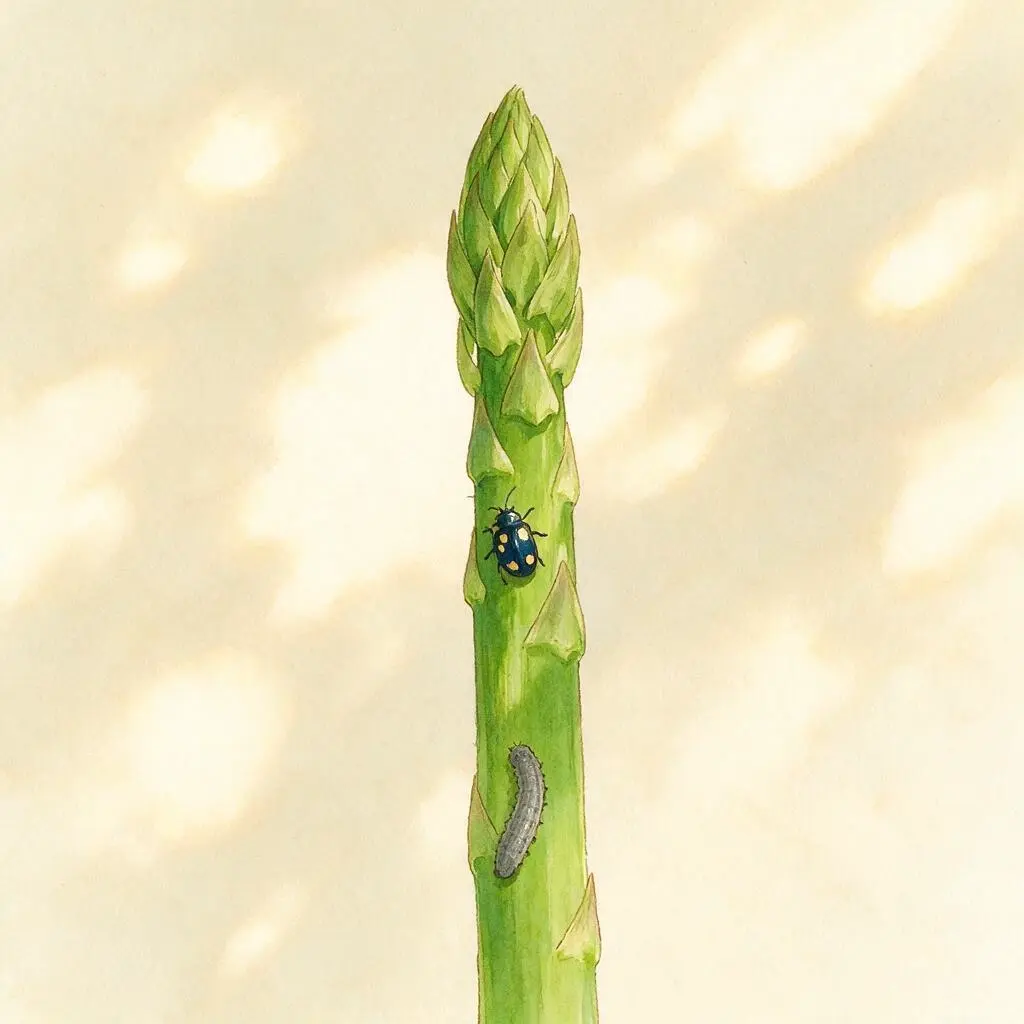
Argenteuil asparagus, asparagus spearsAsparagus is sown in seed trays from February to March, and planted out from February to April. It is harvested from March to June (about 730 days to the first harvest). Grow it in full sun, 35 cm apart, with moderate watering. Dates are for a mild temperate climate in the northern hemisphere; the calendar below adjusts them to your zone.
What else to sow in February and March
A perennial vegetable grown for its tender shoots, or spears, which rise each spring from an underground rootstock (the ‘crown’) and are cut before they open. Once planted it can crop for a decade or more, but it demands patience: you plant crowns or young plants and do not harvest in earnest until the second or third year. Among the best-known varieties are ‘Mary Washington’, a hardy variety with green spears, and ‘Argenteuil’, with thick pinkish spears that are blanched by earthing up the soil. Do not confuse it with wild asparagus (Asparagus acutifolius): that is a spiny, woody plant with thin, bitter shoots that is foraged in the countryside and not grown in beds. Note: the plant’s red berries are toxic and must not be eaten.
Family and origin: Asparagus family (Asparagaceae) · native to Europe and western Asia · More plants from Temperate Europe
01In your area
How will it do in your garden?
Year calendar
| Task | J | F | M | A | M | J | J | A | S | O | N | D |
|---|---|---|---|---|---|---|---|---|---|---|---|---|
| Seed trayFeb–Mar | no | yes | yes | no | no | no | no | no | no | no | no | no |
| Plant / transplantFeb–Apr | no | yes | yes | yes | no | no | no | no | no | no | no | no |
| HarvestMar–Jun | no | no | yes | yes | yes | yes | no | no | no | no | no | no |
| Divide the clumpFeb–Mar | no | yes | yes | no | no | no | no | no | no | no | no | no |
Its life cycle at a glance
Swipe and tap a stage to see its details.
02Planting
Where and how to plant it
Sow the seed 2 cm deep; leave 35 cm between plants and 1.3 m between rows.
35 cm between plants · 1.3 m between rows
Seed at a depth of 2 cm; seedlings go in with the root ball level with the soil.
- In a square-foot bed
- 1 plant every 4 squares30 × 30 cm squares
- Transplanting
- Feb–Apr
- Seed tray
- Feb–Mar
- Germination
- ~21 days
- Common mistakePlanting too close together cuts down air flow and encourages fungal disease.
03Care
Care through the year
Sun and aspectFull sun · 8 h of sun · South or south-west, with nothing casting shade at midday
- Too little sun
- Ideal range
- Plenty of sun
South or south-west, with nothing casting shade at midday
Strong sun: Loves full midday sun and high temperatures.
Full sun, and a spot you can leave undisturbed for many years, because it cannot be moved.
WateringMoist but never waterlogged · summer: every 2-3 days
- Summerevery 2-3 days2 L per plant/week
- Spring / Autumnevery 4-5 days1 L per plant/week
- Winterevery 2-3 weeks0.3 L per plant/week
Moist but never waterlogged: Water before the surface is completely dry. Never puddles. Mulch: straw or dry plant material cuts watering by 30-50 %.
Water regularly in the first year so the crown can develop, and keep the soil slightly moist during the harvest and through the summer, when the foliage acts as the crown’s solar panel. Asparagus does not tolerate waterlogging: it rots the crown.
When to water? Push your finger 3 cm into the soil next to the base of the plant:
- Damp: soil sticks to your finger. Do not water today. The moisture is fine.
- Cool but clean, no mud. Water early tomorrow if it stays like this, or this evening.
- Dry and dusty. Water now, and deeply. This is not where it likes to be.
Soil and feedingpH 6.5–7.5 · Rich, airy loam
Rich, airy loam.
40 % topsoil · 40 % well-rotted compost · 20 % perlite or sand.
Medium: moist but never waterlogged.
This plant prefers a pH between 6.5 and 7.5 (neutral to slightly alkaline).
- Well-rotted compost every season and well-decomposed manure in autumn.
- Mulch with straw or dry plant material to hold moisture and smother weeds.
- Rotate crops: do not grow the same family in the same spot two years running.
- Compacted soil or unbroken clay can halve the harvest.
- Watering with a hose from above compacts the soil: drip irrigation or watering at the base is better.
- TipChoose loose, deep, well-drained soil rich in organic matter and free of perennial weeds, and do not plant in heavy clay.
- TipFor white asparagus, earth up the soil over the crowns and cut before the spear sees daylight.
- TipA mulch of compost or straw keeps weeds down, and an organic feed in autumn sustains cropping.
- TipDig compost into the soil before planting and keep watering regular so growth never stalls.
Common mistakes and tips
- TipWatch out for asparagus fly, the asparagus beetle (Crioceris) and rust.
04Harvest
Harvesting and storing
Harvest in Mar–Jun; the first, about 730 days after sowing.
- TipIn the first year cut nothing and let the feathery foliage grow; in the second year cut only a few spears; from the third year on you can harvest for about 6 to 8 weeks, cutting the spears at around 18 to 22 cm before they open.
- TipWhen the harvest is over, let the fern grow until it turns yellow in autumn, then cut it back to ground level.
- TipWatch the plant and harvest at the right moment: every crop has its own.
- Common mistakeWatering in fits and starts (bone dry, then waterlogged) stresses the plant and lowers the yield.
05Propagation
Make new plants
The quickest way is to plant one- or two-year-old crowns (those over 20 g establish best): they are set in a trench about 20 cm deep, with the roots spread out like a fan, and covered little by little as the shoots grow. It can also be raised from seed in a seed tray between February and March; the seed is slow to germinate, taking 2 to 4 weeks in warmth, and the young plant goes into its final position once it is sturdy, which adds another year of waiting. ‘Mary Washington’ seed comes from berry-bearing plants, so self-sowing can occur. The sexes are on separate plants: male plants do not produce berries and are usually somewhat more productive.
Seeds: how to germinate them~21 days
06Uses and health
What it is used for, and with what care
The cultivated, cooked spears are edible. The plant’s red berries must not be eaten: they can cause digestive upset, and contact with the sap irritates some people’s skin. In dogs and cats, the berries and foliage can cause vomiting and diarrhoea if eaten in quantity. If you forage wild asparagus in the countryside, only do so if you can identify it with certainty: there are toxic plants with similar shoots, such as black bryony (Tamus communis), whose shoots and berries are not edible.
- Properties
- The spears are low in calories and provide fibre, folate and B vitamins, vitamin K and some vitamin C.
- Uses
- The tender spears are eaten griddled, steamed, in omelettes, scrambled with eggs, in creamy soups or grilled; white asparagus spears are cooked beforehand because of their fibre.
For guidance only; this is not medical treatment and does not replace advice from a doctor or vet.
07Companions and related plants
What to plant it with
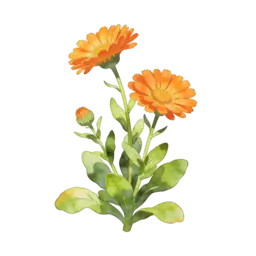
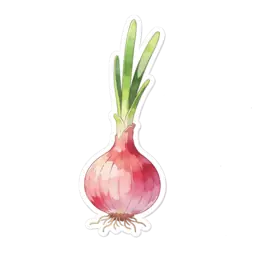
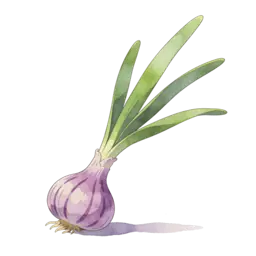
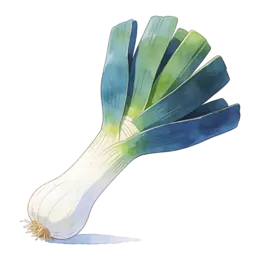
Group it in the same bedPlants with the same watering or the same sun
They are not essential companions, but you will not have to water or position them differently.
Same watering · Moderate watering
08Pests and diseases
Critters and ailments to keep an eye on
The most common ones on this plant. Tap one to see how to recognise it and what to do.