
Credits and licences
- #1 — vueltaalhuerto illustration
- #2 — vueltaalhuerto illustration
- #3 — vueltaalhuerto illustration
- #4 — vueltaalhuerto illustration
- #5 — vueltaalhuerto illustration
- #6 — vueltaalhuerto illustration
- #7 — vueltaalhuerto illustration
- #8 — vueltaalhuerto illustration
- #9 — vueltaalhuerto illustration
- #10 — vueltaalhuerto illustration
Kiwano (horned melon)
and 2 more names
African horned cucumber, Cucumis metuliferusKiwano (horned melon) is sown in seed trays from March to April or directly outdoors in May, and planted out from May to June. It is harvested from August to October (about 120 days to the first harvest). Grow it in full sun, 60 cm apart, with moderate watering. Dates are for a mild temperate climate in the northern hemisphere; the calendar below adjusts them to your zone.
What else to sow in March, April and May
An annual climbing or trailing member of the cucumber family, with lobed leaves and small yellow flowers, bearing oval fruits with orange skin covered in short, thick spines. Inside is green, jelly-like flesh full of seeds, with a mild flavour somewhere between cucumber, lime and banana, which is eaten with a spoon or used in drinks and salads. It needs heat and a long summer. Do not confuse it with kiwi fruit (Actinidia) or the common cucumber (Cucumis sativus). The unripe green fruits can also be eaten cooked like a cucumber, but if they taste bitter, do not eat them.
Family and origin: Gourd family (Cucurbitaceae) · native to Sub-Saharan Africa (southern and eastern Africa) · More plants from Africa
01In your area
How will it do in your garden?
Year calendar
| Task | J | F | M | A | M | J | J | A | S | O | N | D |
|---|---|---|---|---|---|---|---|---|---|---|---|---|
| Seed trayMar–Apr | no | no | yes | yes | no | no | no | no | no | no | no | no |
| Direct sowingMay | no | no | no | no | yes | no | no | no | no | no | no | no |
| Plant / transplantMay–Jun | no | no | no | no | yes | yes | no | no | no | no | no | no |
| HarvestAug–Oct | no | no | no | no | no | no | no | yes | yes | yes | no | no |
| FloweringJul–Sep | no | no | no | no | no | no | yes | yes | yes | no | no | no |
Its life cycle at a glance
Swipe and tap a stage to see its details.
02Planting
Where and how to plant it
Sow the seed 1.5 cm deep; leave 60 cm between plants and 1.5 m between rows.
60 cm between plants · 1.5 m between rows
Seed at a depth of 1.5 cm; seedlings go in with the root ball level with the soil.
- In a square-foot bed
- 1 plant every 4 squares30 × 30 cm squares
- Transplanting
- May–Jun
- Seed tray
- Mar–Apr
- Direct sowing
- May
- TipGive it a trellis or net to climb: the fruits stay clean and it is easier to see when they are ready.
- Common mistakePlanting too close together cuts down air flow and encourages fungal disease.
03Care
Care through the year
Sun and aspectFull sun · 8 h of sun · South or south-west, with nothing casting shade at midday
- Too little sun
- Ideal range
- Plenty of sun
South or south-west, with nothing casting shade at midday
Strong sun: Loves full midday sun and high temperatures.
Full sun and heat; do not plant out until the risk of frost has passed and the soil is warm.
WateringMoist but never waterlogged · summer: every 2-3 days
- Summerevery 2-3 days2 L per plant/week
- Spring / Autumnevery 4-5 days1 L per plant/week
- Winterevery 2-3 weeks0.3 L per plant/week
Moist but never waterlogged: Water before the surface is completely dry. Never puddles. Mulch: straw or dry plant material cuts watering by 30-50 %.
Regular, moderate watering without waterlogging, especially while the fruit is setting. It copes with drought better than other cucurbits, but the crop drops if it dries out completely.
When to water? Push your finger 3 cm into the soil next to the base of the plant:
- Damp: soil sticks to your finger. Do not water today. The moisture is fine.
- Cool but clean, no mud. Water early tomorrow if it stays like this, or this evening.
- Dry and dusty. Water now, and deeply. This is not where it likes to be.
- Common mistakeWatering in fits and starts (bone dry, then waterlogged) splits the fruit and leaves flowers that fail to set.
Soil and feedingpH 6–7 · Rich, airy loam
Rich, airy loam.
40 % topsoil · 40 % well-rotted compost · 20 % perlite or sand.
Medium: moist but never waterlogged.
This plant prefers a pH between 6.0 and 7.0 (slightly acidic to neutral).
- Well-rotted compost every season and well-decomposed manure in autumn.
- Mulch with straw or dry plant material to hold moisture and smother weeds.
- Rotate crops: do not grow the same family in the same spot two years running.
- Compacted soil or unbroken clay can halve the harvest.
- Watering with a hose from above compacts the soil: drip irrigation or watering at the base is better.
- TipDig compost into the soil before planting and keep watering regular so growth never stalls.
Common mistakes and tips
- TipThe green flesh is eaten with the seeds.
- TipHandle the fruits carefully because of the spines.
04Harvest
Harvesting and storing
Harvest in Aug–Oct; the first, about 120 days after sowing.
- TipEach plant produces plenty of fruit, harvested when the skin is orange and slightly soft, at the end of summer or in autumn; they keep very well for weeks in a cool place.
- TipHarvest often: the more you pick, the more the plant produces.
05Propagation
Make new plants
Propagate only from seed. Sow in a heated seed tray, in individual pots, between March and April; germination is slower than for cucumber and can take one to three weeks. Transplant carefully in May, or sow in situ from May onwards once the soil is warm. To save your own seed, let the fruit ripen until it is orange, open it, then wash the seeds free of the flesh and dry them.
Seeds: how to germinate them~14 days
06Uses and health
What it is used for, and with what care
The ripe, mild-tasting fruit is edible. Like other cucurbits, it can contain cucurbitacins, which taste very bitter and can cause digestive upset: if a fruit is bitter, do not eat it. Handle the fruits carefully because of the spines, especially around children. For dogs and cats, a small amount of the flesh does not usually cause problems, but the spines can injure their mouths and eating a lot of the plant can cause digestive upset.
- Properties
- A watery fruit providing vitamin C, magnesium, potassium and some fibre, with few calories.
- Uses
- Cut it in half and eat the green, jelly-like flesh with a spoon, soft seeds and all; it is also used in smoothies, salads, sauces, dressings, cocktails and desserts. The spiny skin is not eaten. The unripe green fruits can be cooked like a cucumber.
For guidance only; this is not medical treatment and does not replace advice from a doctor or vet.
07Companions and related plants
What to plant it with
Good companions
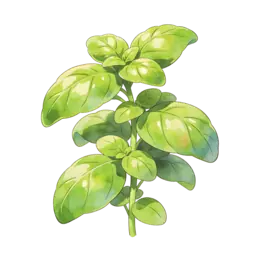
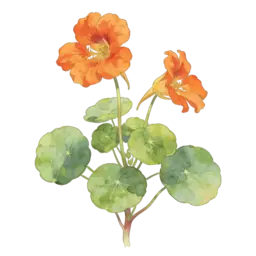
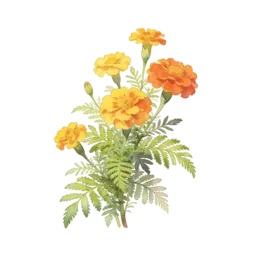
Keep apart
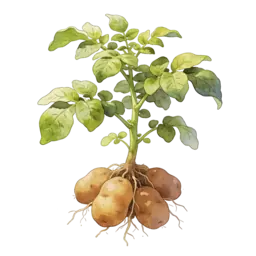
Group it in the same bedPlants with the same watering or the same sun
They are not essential companions, but you will not have to water or position them differently.